The Role of Accounting in Business ♦ 21
3. Name and describe the three forms of businesses and their advantages and disadvantages (if any).
4. How do businesses make money? What strategies can they use to gain competitive advantage?.
5. Describe a business stakeholder and the four categories in which they can be classified.
22 ♦ Chapter 1
6. Describe the major activities of business that stakeholders desire information about. Give an
example of each.
7. Stakeholders desire information about what basic business activities? Briefly describe these
activities.
8. Define accounting and its role in business.
9. What are the four basic financial statements and the objective of each?
The Role of Accounting in Business ♦ 23
10. What is the basic accounting equation, and which financial statement is prepared from this
equation?
11. What are the eight basic accounting concepts underlying financial reporting?
12. Interpret the results of the following horizontal analysis:
2006 2007 percent
sales $37,028 $35,925 3.1%
cost of sales 29,658 28,111 5.5%
gross margin 7,370 7,814 (5.7%)
selling and administrative expenses 7,415 6,514 13.8%
operating income before taxes (45) 1,300 (103.5%)
24 ♦ Chapter 1
PROBLEM
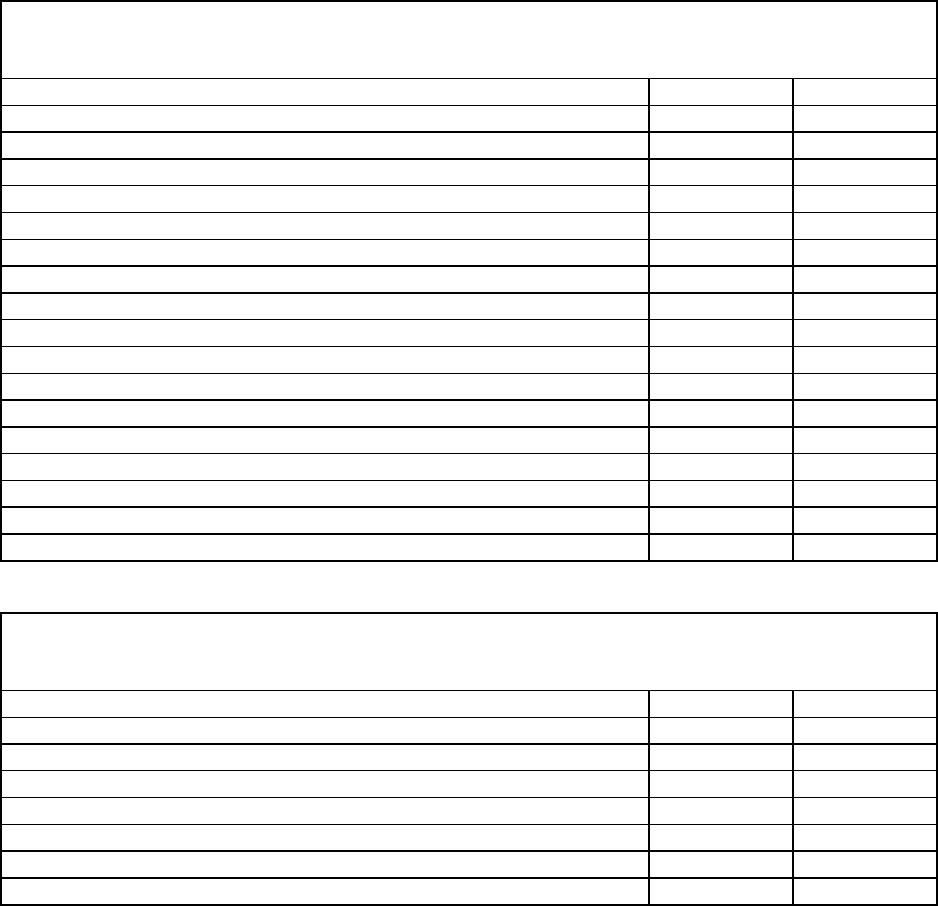
1. Three different companies—A, B, and C—have the same balance sheet at the beginning and end of
a year. These are summarized below:
Total Assets
Total Liabilities
Beginning of the year
$ 500,000
$250,000
End of the year
$1,000,000
$300,000
Given the data above and the additional information for each company below, determine the net
income (loss) for each company.
Company A
No additional investment made by stockholders, and no dividends paid.
Company B
Additional investment made by stockholders of $200,000, and no dividends paid.
Company C
Additional investment made by stockholders of $450,000 and dividends of $50,000
were paid.
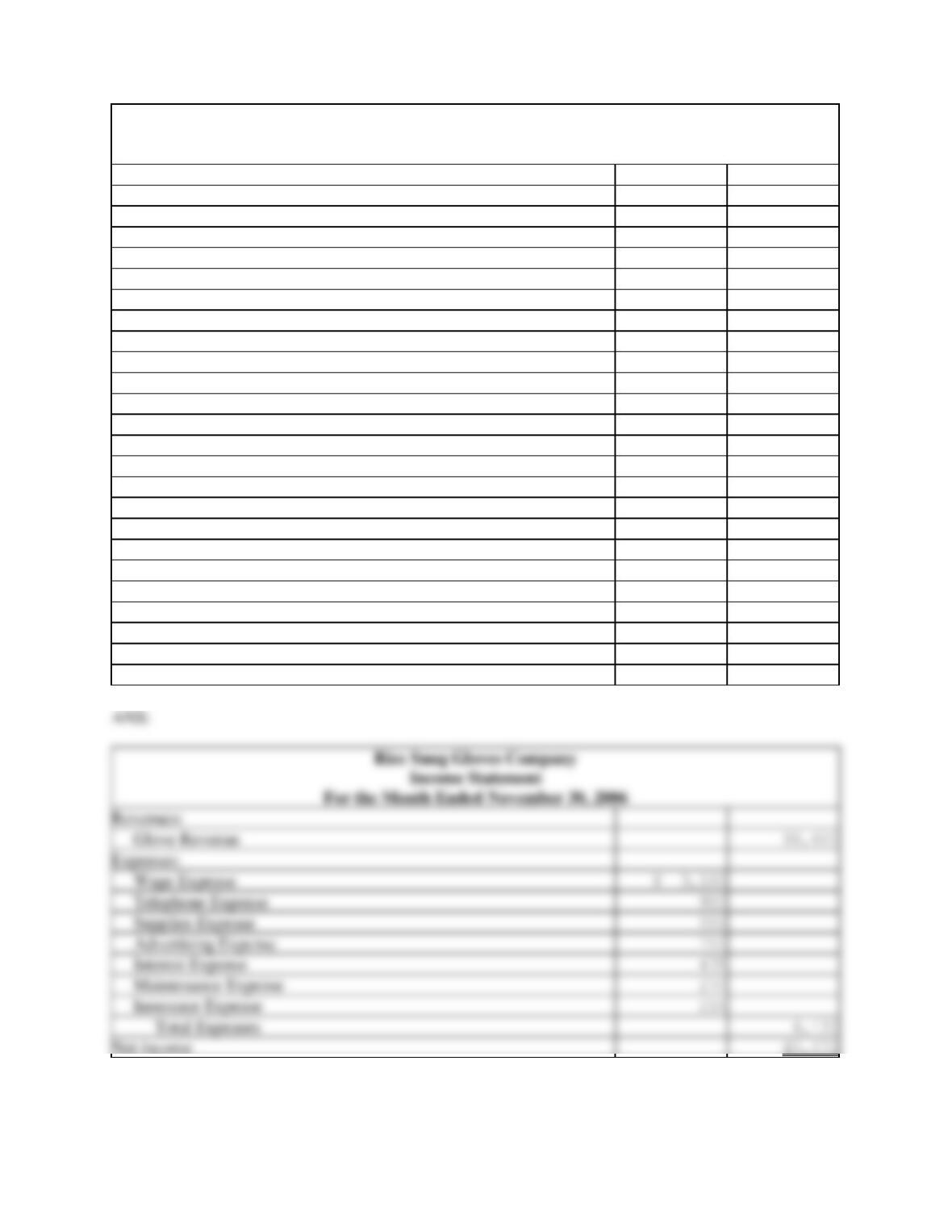
2. Assume that the following adjusted month-end balances exist for the Rice Snug Gloves Company
as of November 30, 2006. Each account has its normal (debit or credit) balance. Using the
following information, prepare (1) an income statement, (2) a statement of retained earnings, and
(3) a balance sheet.
Accounts Payable
765
Accounts Receivable
600
Advertising Expense
750
Cash
3,080
Common Stock
11,550
Dividends
500
Insurance Expense
215
Interest Expense
435
Interest Payable
330
Maintenance Expense
230
Notes Payable
3,585
Prepaid Insurance
4,020
Retained Earnings, November 1, 2004 (beginning balance)
1,000
Glove Machine
6,000
Glove Revenue
8,600
Supplies
5,600
Supplies Expense
800
Telephone Expense
900
Wages Expense
3,100
Wages Payable
400
Company A
Net income $450,000
Company B
Net income $250,000
Company C
Net income $50,000
The Role of Accounting in Business ♦ 25
Rice Snug Gloves Company
Income Statement
Complete the dateline—>
Rice Snug Gloves Company
Statement of Retained Earnings
Complete the dateline—>
26 ♦ Chapter 1
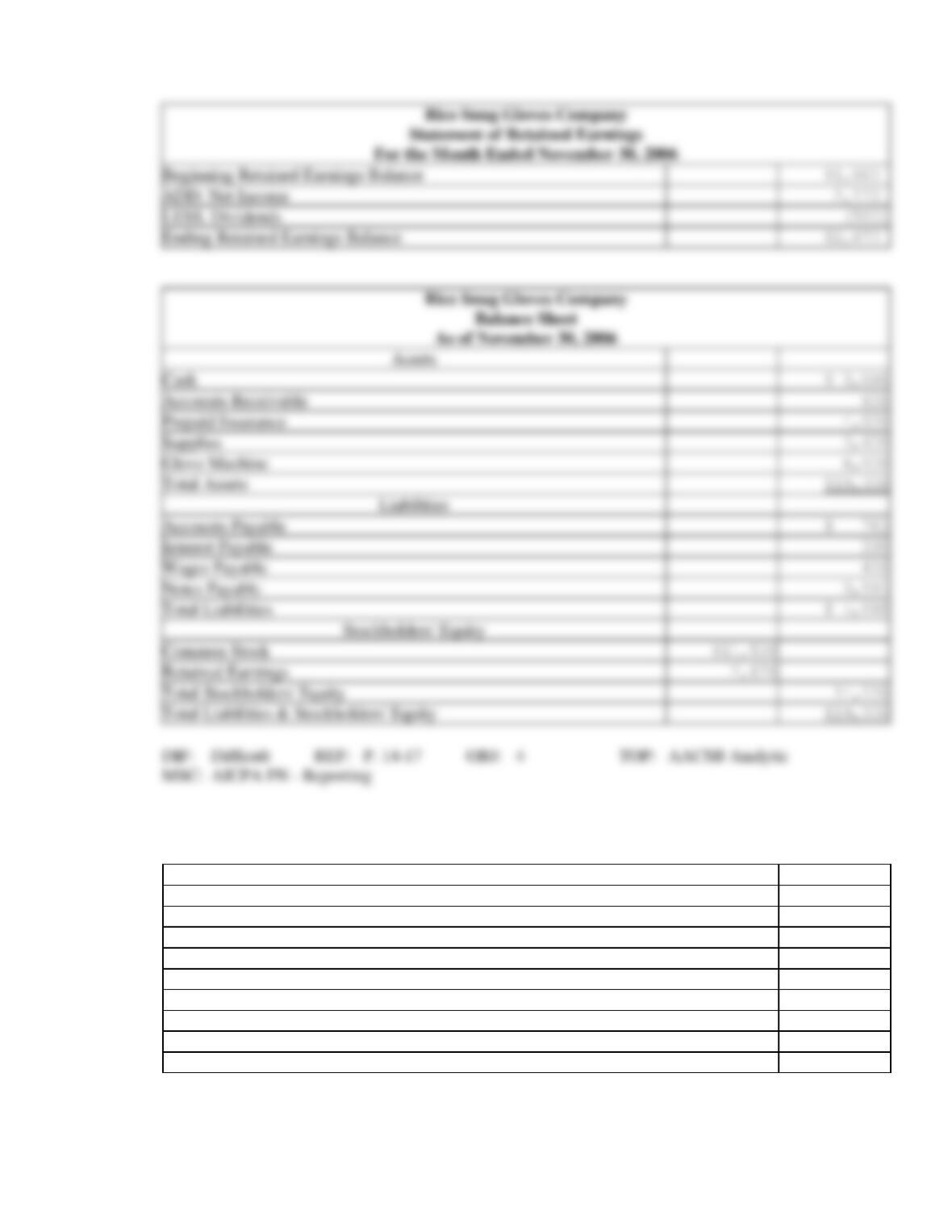
Rice Snug Gloves Company
Balance Sheet
Complete the dateline—>
Revenues:
Glove Revenue
Expenses:
Wage Expense
Supplies Expense
Advertising Expense
Interest Expense
Maintenance Expense
Insurance Expense
Total Expenses
Net income
The Role of Accounting in Business ♦ 27
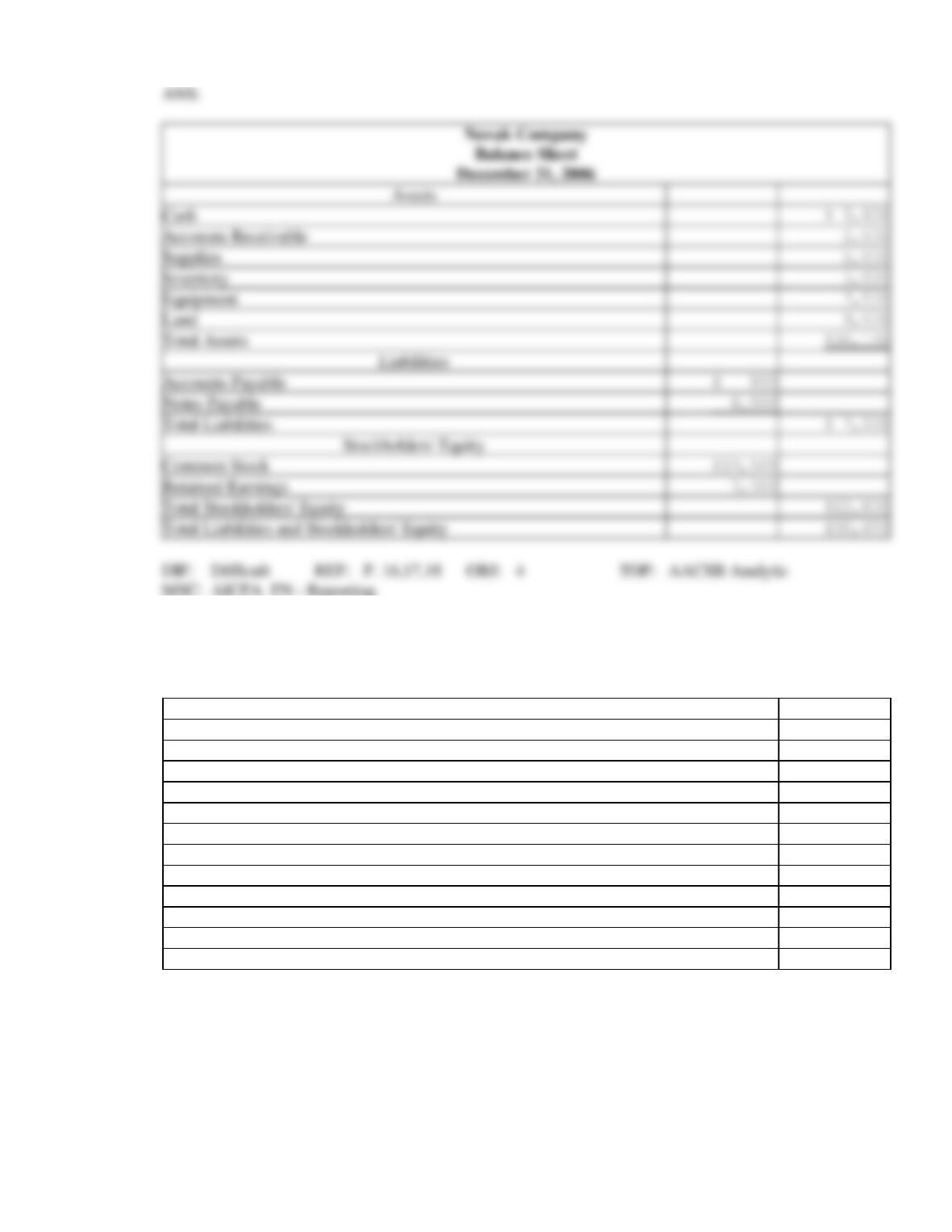
3. Using the following data, prepare a balance sheet as of December 31, 2006 for Novak Company.
There are 10,000 shares of $1 per value common stock issued and outstanding.
Accounts Payable
$ 800
Land
9,500
Common Stock
19,500
Retained Earnings
3,300
Notes Payable (due in 10 years)
6,500
Accounts Receivable
2,500
Cash
3,600
Supplies
2,000
Equipment
7,500
Inventory
5,000
Beginning Retained Earnings Balance
ADD: Net Income
LESS. Dividends
Ending Retained Earnings Balance
Cash
Accounts Receivable
Prepaid Insurance
Supplies
Glove Machine
Total Assets
Accounts Payable
Interest Payable
Wages Payable
Notes Payable
Total Liabilities
Common Stock
Retained Earnings
Total Stockholders’ Equity
Total Liabilities & Stockholders’ Equity

28 ♦ Chapter 1
Novak Company
Balance Sheet
Complete the dateline—>
The Role of Accounting in Business ♦ 29
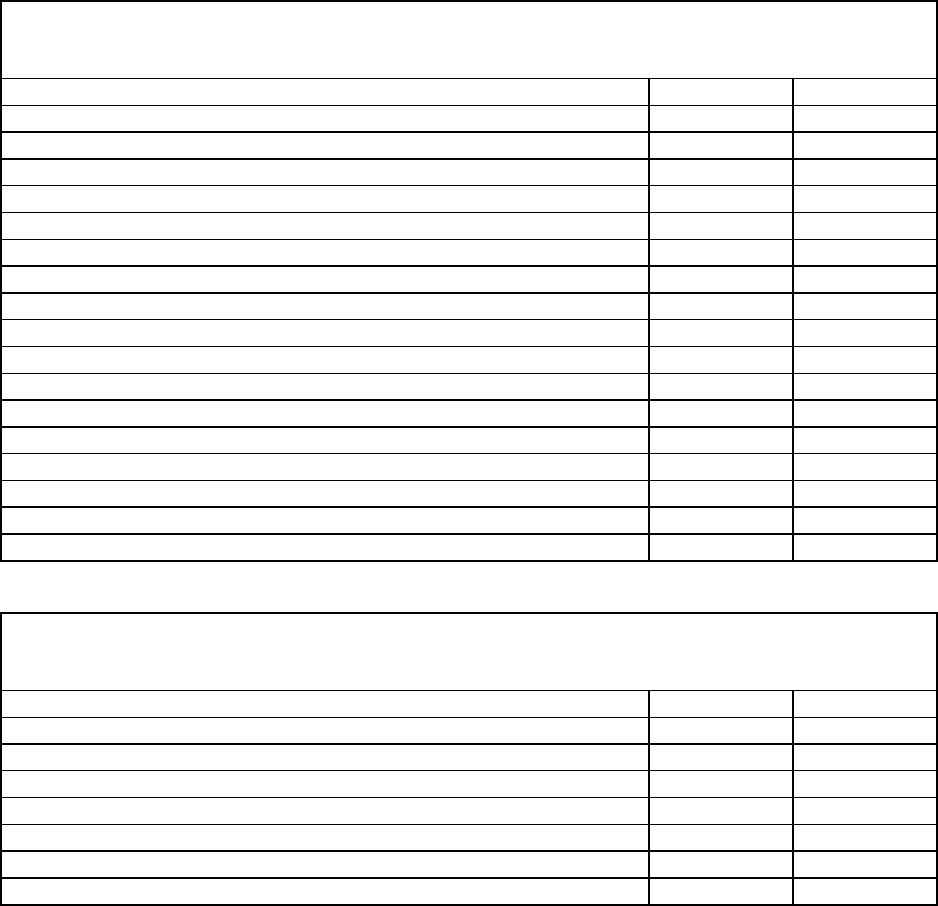
4. Following are the financial statement data for Homer Temporary Services at December 31, 2006.
Prepare, in good form, the (1) income statement, (2) statement of retained earnings, and (3)
balance sheet.
Accounts Payable
$ 610
Accounts Receivable
600
Cash
300
Common Stock
625
Dividends
100
Insurance Expense
60
Office Equipment
1,000
Retained Earnings, January 1, 2004
300
Salaries Expense
550
Salaries Payable
35
Service Revenue
1,100
Supplies
20
Supplies Expense
40
Cash
Accounts Receivable
Supplies
Inventory
Equipment
Land
Total Assets
Notes Payable
Total Liabilities
Common Stock
Retained Earnings
Total Stockholders’ Equity
Total Liabilities and Stockholders’ Equity
30 ♦ Chapter 1
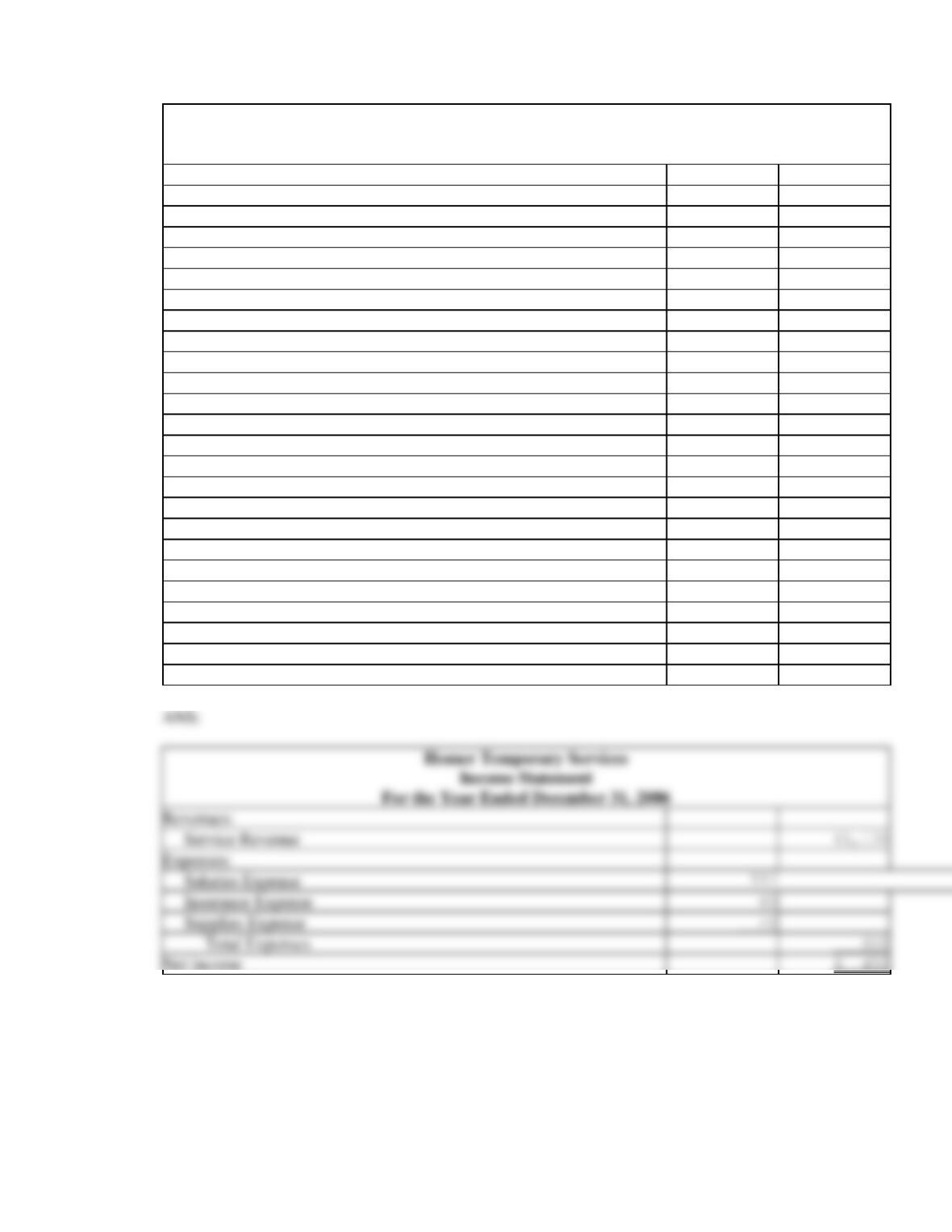
Homer Temporary Services
Income Statement
Complete the dateline—>
Homer Temporary Services
Statement of Retained Earnings
Complete the dateline—>
The Role of Accounting in Business ♦ 31
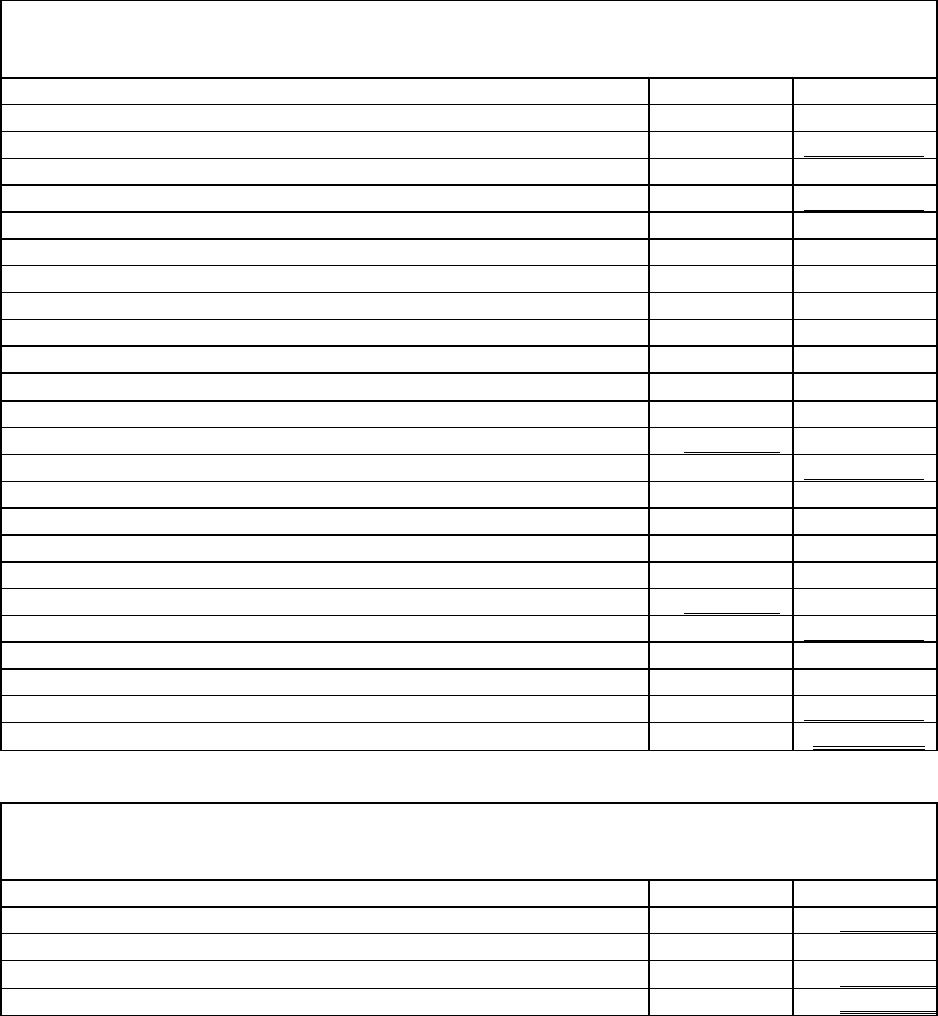
Homer Temporary Services
Balance Sheet
Complete the dateline—>
Revenues:
Service Revenue
Expenses:
Salaries Expense
Supplies Expense
Total Expenses
Net income
32 ♦ Chapter 1
The Role of Accounting in Business ♦ 33
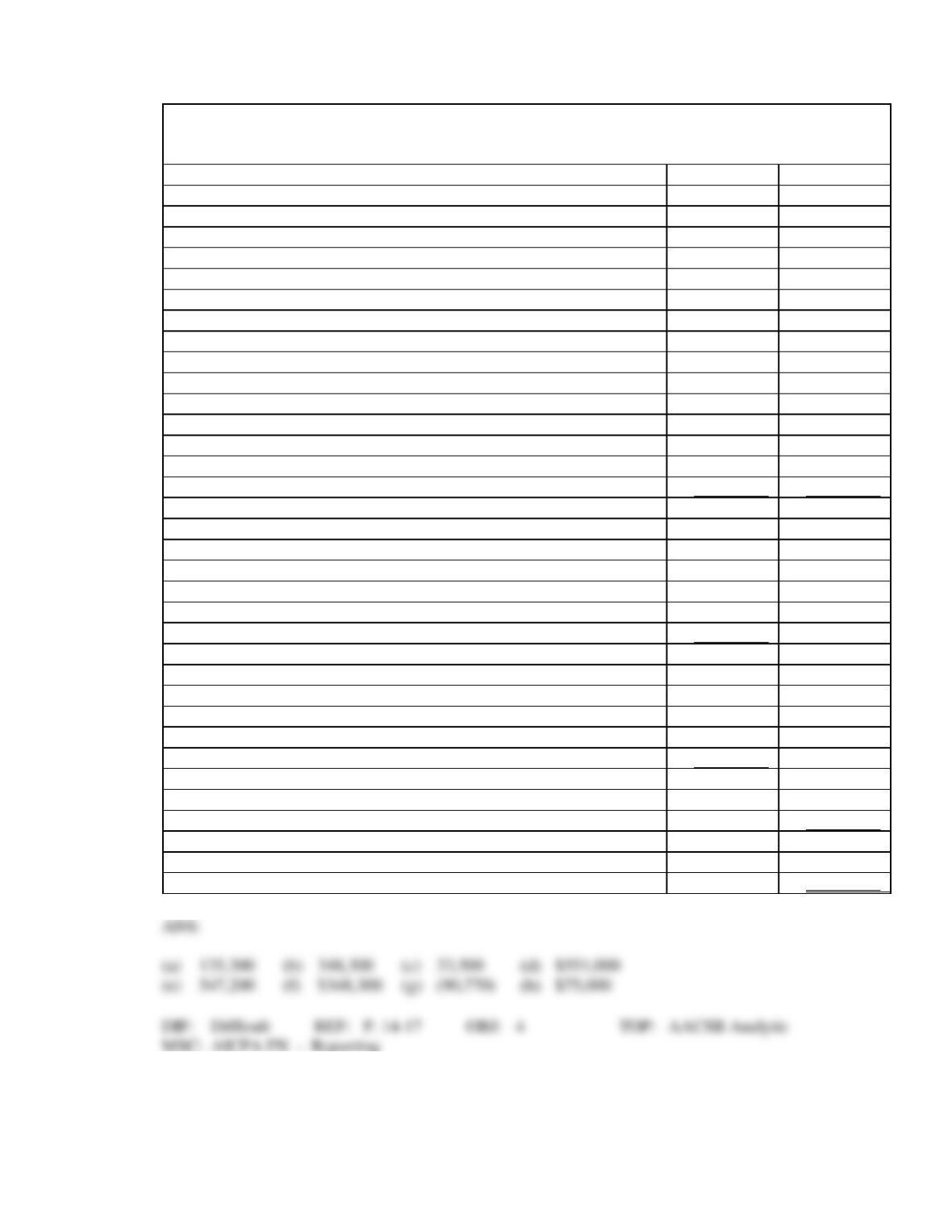
5. By analyzing the interrelationships between the four financial statements, determine the proper
amounts for the items left blank for (a) through (h).
Flagstaff Sporting Goods, Inc.
Income Statement
For the Year Ended December 31, 2006
Net Sales
Sales
$2,291,000
Sales Returns and Allowances
42,500
Net Sales
$2,248,500
Cost of Goods Sold
1,575,900
Gross Margin
$ 672,600
Operating Expenses:
Advertising Expense
$ 30,800
Depreciation Expense
34,000
Digital Service Provider Expense
2,400
Insurance Expense
15,500
Salaries and Wages Expense
(a)
Supplies Expense
23,800
Utilities Expense
18,600
Total Operating Expenses
260,400
Income from Operations
$ 412,200
Other Revenues and Expenses
Interest Expense
$(38,300)
Interest Income
15,200
Loss on Sale of Furniture & Fixtures
(10,200)
Total Other Revenues and Expenses
(33,300)
Income before Income Taxes
$ 378,900
Income Tax Expense
30,600
Net Income
$ (b)
Flagstaff Sporting Goods, Inc.
Statement of Retained Earnings
For the Year Ended December 31, 2006
Retained Earnings, January 1, 2004
$232,400
Net Income
$348,300
Subtotal
$580,700
Less Dividends
(c)
Retained Earnings, December 31, 2004
$547,200

34 ♦ Chapter 1
Flagstaff Sporting Goods, Inc.
Balance Sheet
December 31, 2006
Assets
Current Assets
Cash
$ 75,000
Short-term Investments
144,500
Notes Receivable
50,100
Accounts Receivable
175,000
Interest Receivable
6,600
Merchandise Inventory
92,000
Prepaid Insurance
5,100
Supplies
2,700
Total Current Assets
$ (d)
Investments
Long-term Investment in Stock
150,000
Property, Plant and Equipment
Land
$ 80,000
Building
$315,900
Less Accumulated Depreciation
62,600
253,300
Furniture & Fixtures
306,300
Less Accumulated Depreciation
23,600
282,700
Total Property, Plant and Equipment
616,000
Intangible Assets
Trademark
35,000
Total Assets
$1,352,000
Liabilities
Current Liabilities
Accounts Payable
$ 37,200
Notes Payable
9,200
Income Taxes Payable
30,600
Interest Payable
12,000
Current Portion of Mortgage Payable
39,270
Salaries and Wages Payable
6,400
Unearned Revenue
1,700
Total Current Liabilities
$ 136,370
Long-term Liabilities
Mortgage Payable
353,430
Total Liabilities
$ 489,800
Stockholders’ Equity
Contributed Capital
Common Stock, $3 par value
$150,000
Paid-in Capital in Excess of Par Value
165,000
Total Contributed Capital
$315,000
Retained Earnings
(e)
Total Stockholders’ Equity
862,200
Total Liabilities and Stockholders’ Equity
$1,352,000
The Role of Accounting in Business ♦ 35
Flagstaff Sporting Goods, Inc.
Statement Of Cash Flows
For the Year Ended December 31, 2006
Cash Flows from Operating Activities
Net Income
(f)
Adjustments to Reconcile Net Income to Net Cash Flows from
Operating Activities
Depreciation Expense
$ 34,000
Loss on Sale of Furniture & Fixtures
Changes in Current Assets and Current Liabilities
Decrease in Accounts Receivable
3,000
Increase in Interest Receivable
(2,400)
Increase in Merchandise Inventory
(7,000)
Increase in Prepaid Insurance
(1,600)
Decrease in Supplies
1,400
Increase in Accounts Payable
1,800
Decrease in Income Taxes Payable
(13,400)
Decrease in Interest Payable
(1,000)
Decrease in Salaries and Wages Payable
(2,800)
22,200
Net Cash Flows from Operating Activities
$370,500
Cash Flows from Investing Activities
Received Payment on Note Receivable
5,000
Purchased Long-term Investment in Stock
(150,000)
Sold Furniture & Fixtures
8,800
Purchased Furniture & Fixtures
(40,000)
Constructed addition to Building
(45,000)
Net Cash Flows from Investing Activities
(221,200)
Cash Flows from Financing Activities
Paid on Notes Payable
$(38,000)
Paid on Mortgage Payable
(39,270)
Issued Common Stock
20,000
Paid Dividends
(33,500)
Net Cash Flows from Financing Activities
(g)
Net Increase in Cash
$ 58,530
Cash at Beginning of Year
16,470
Cash at End of Year
(h)
Schedule of Noncash Investing and Financing Transactions
Construction of building financed by issuing Common Stock
$180,000
(a)
135,300
(b)
348,300
(c)
33,500
(d)
$551,000
(e)
547,200
$348,300
(g)
(90,770)
(h)
$75,000
36 ♦ Chapter 1
6. Match each statement with the appropriate accounting concept.
a.
Accounting Period concept
b.
Adequate disclosure
c.
Business entity
d.
Cost concept
e.
Going concern
f.
Matching
g.
Objectivity
h.
Unit of measure
(1)
Owners transactions are separate from business transactions
(2)
Financial statements are prepared at the end of each year
(3)
Land purchased for $50,000 10 years ago is reported on the Balance Sheet at $50,000
(4)
December rent expense paid in January is reported with the December revenues
(5)
All transactions are recorded and reported in dollars
(6)
Providing a summary of significant accounting policies
(7)
Assumes that IBM will continue as a corporation forever
(8)
The length of time left on debt obligations is shown
7. Indicate whether each of the following activities would be reported on the statement of cash flows
as:
a.
Operating activity
b.
Investing activity
c.
Financing activity
(1)
Paid on Notes Payable
(2)
Net income
(3)
Purchase of land
(4)
Sale of equipment
(5)
Decrease (collected) Accounts Receivable
(6)
Paid dividends
(7)
Paid Income Taxes Payable
(8)
Issued Notes Payable
(1)
c
(2)
a
(3)
b
(4)
b
(5)
a
(6)
c
(7)
a
(8)
c
(1)
c
(2)
a
(3)
d
(4)
f
(5)
h
(6)
b
(7)
e
(8)
b