
After replication, ________.
A) each new DNA double helix consists of two old strands
B) each new DNA double helix consists of one old strand and one new strand
C) each new DNA double helix consists of two new strands
D) one new DNA double helix consists of two old strands and the other new DNA
double helix consists of two new strands
Read the following scenario to answer the following questions.
In sickle cell disease (SCD), a mutation in hemoglobin causes deoxygenated
hemoglobin to stick together in long chains, which in turn distorts red blood cells into
an elongated, sickle (crescent) shape.
In a person with SCD, where would red blood cells with a sickle shape be LEAST
likely to be found?
A) pulmonary arteries
B) pulmonary veins
C) right atrium
D) right ventricle

The platypus is a ________.
A) bird
B) marsupial
C) eutherian
D) monotreme
Peptide bonds form between ________.
A) amino acids
B) an mRNA codon and a tRNA anticodon
C) a tRNA and the amino acid it is carrying
D) an mRNA transcript and the small ribosomal subunit
What does the figure below show?
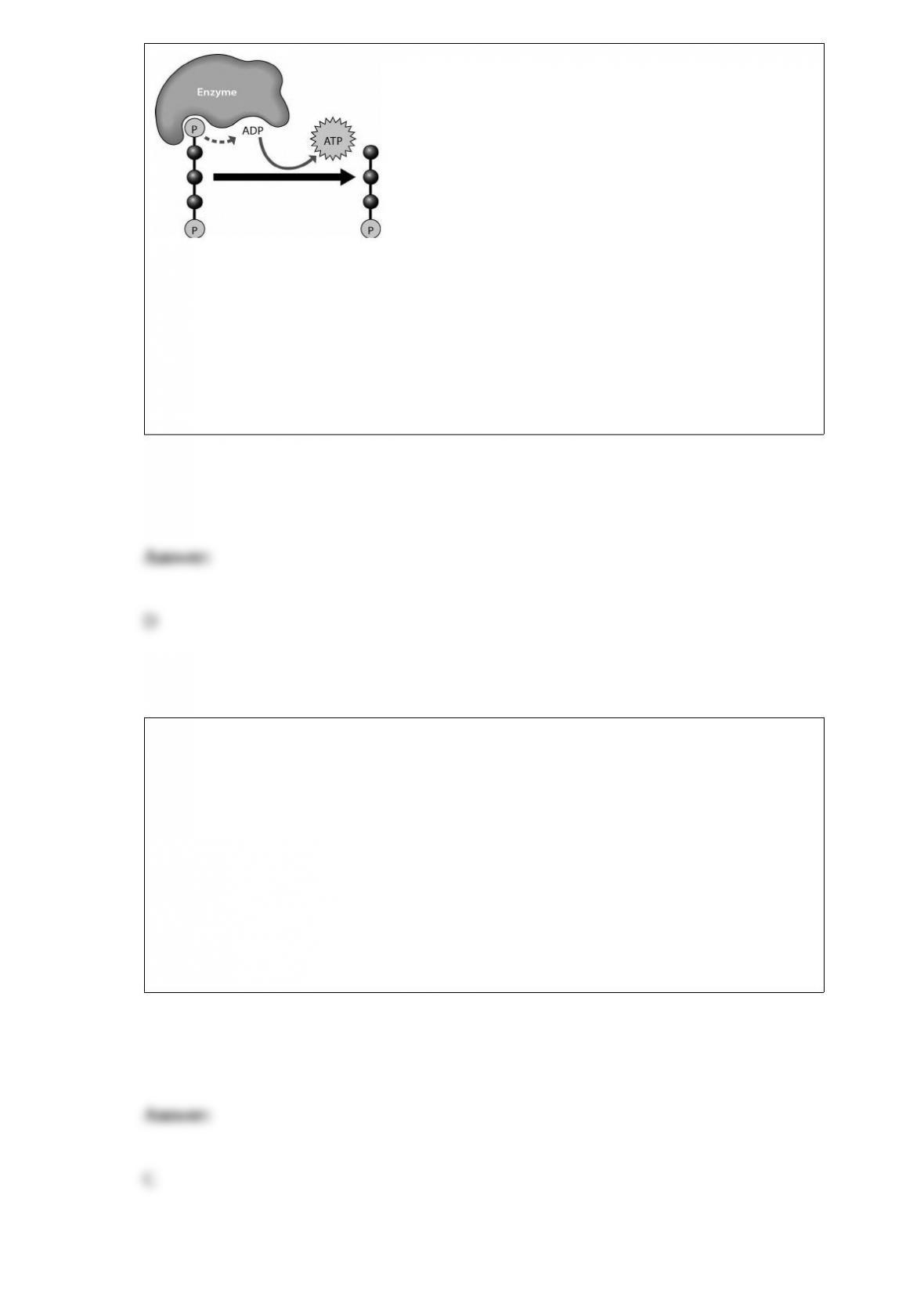
A) the synthesis of ADP
B) the breakdown of ATP to perform cellular work
C) the removal of a phosphate group from ADP
D) the synthesis of ATP through the addition of a phosphate group
Which of the following statements about the voyage of the Beagle is TRUE?
A) Its purpose was to identify the fastest route from the Atlantic to the Pacific Ocean.
B) It lasted almost 2 years.
C) It turned into a tremendous opportunity for Darwin to collect fossils, plants, and
animals.
D) It ended with the sinking of the ship off of the coast of Australia, almost 4 years into
its journey.

Diffusion is an example of ________.
A) phagocytosis
B) active transport
C) endocytosis
D) passive transport
You try to start your car, but it does not start. Which of these is a prediction?
A) My car’s battery is dead.
B) If I recharge the battery, then my car will start.
C) My car is too old to function properly.
D) What is wrong with my car?
Why can mature plants be cloned to produce genetically identical copies?
A) Mature plant cells contain only a fraction of the genes found in an adult plant.
B) Plants have evolved over time to suit the need of human agriculture.
C) Mature plant cells can develop into all the specialized cells of an adult plant.
D) Scientists have engineered all plants to have this ability.
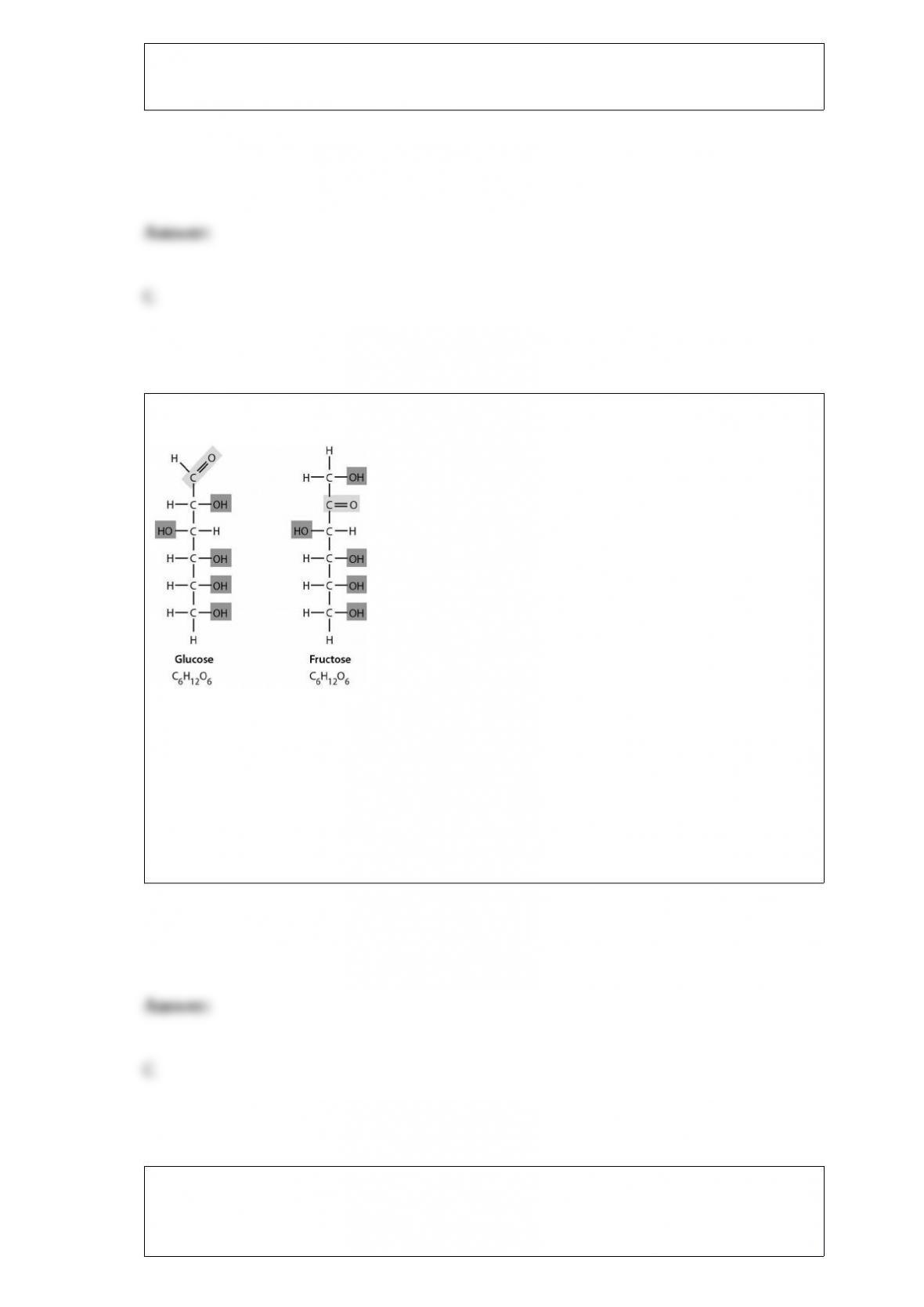
Examine the two sugars in the following figure. How do these two sugars compare?
A) Glucose has more hydrogen.
B) Glucose has more double bonds.
C) They have the same formula but different structures.
D) They are structurally identical in every way.
Antibiotic resistance evolves in bacteria when ________.
A) the presence of antibiotics favors bacteria that already have genes for resistance

B) farmers do not use enough antibiotics in animal feed
C) the antibiotics create resistance genes in bacteria
D) none of the above
Which one of the following is TRUE?
A) Enzymes are the products in a chemical reaction.
B) Enzymes are the reactants in a chemical reaction.
C) Enzymes catalyze specific reactions.
D) Enzymes’ functions require inhibitors.
The atmosphere is approximately 80% ________ gas.
A) CO2
B) H2O
C) CH4
D) N2

Which of the following statements apply to freshwater fish?
A) They lose water by osmosis.
B) The concentration of solutes in their internal fluids is lower than in the surrounding
water.
C) They pump out ions via the gills.
D) They produce dilute urine.
Which of the following is an example of a polysaccharide?
A) glucose
B) starch
C) maltose
D) sucrose

DNA replication ________.
A) is a slow process that results in virtually no errors
B) requires DNA polymerase and RNA polymerase
C) is a very fast process that results in numerous errors
D) requires the cooperation of over a dozen enzymes and other proteins
Which of the following is a physiological response that takes place in many animals
when they get too hot?
A) slowing of the heart rate
B) constriction of blood vessels in the skin
C) contraction of muscles
D) increased blood flow to the skin
Which of the following hormones promotes cell elongation in stems?
A) auxin
B) cytokinin
C) ethylene
D) gibberellin
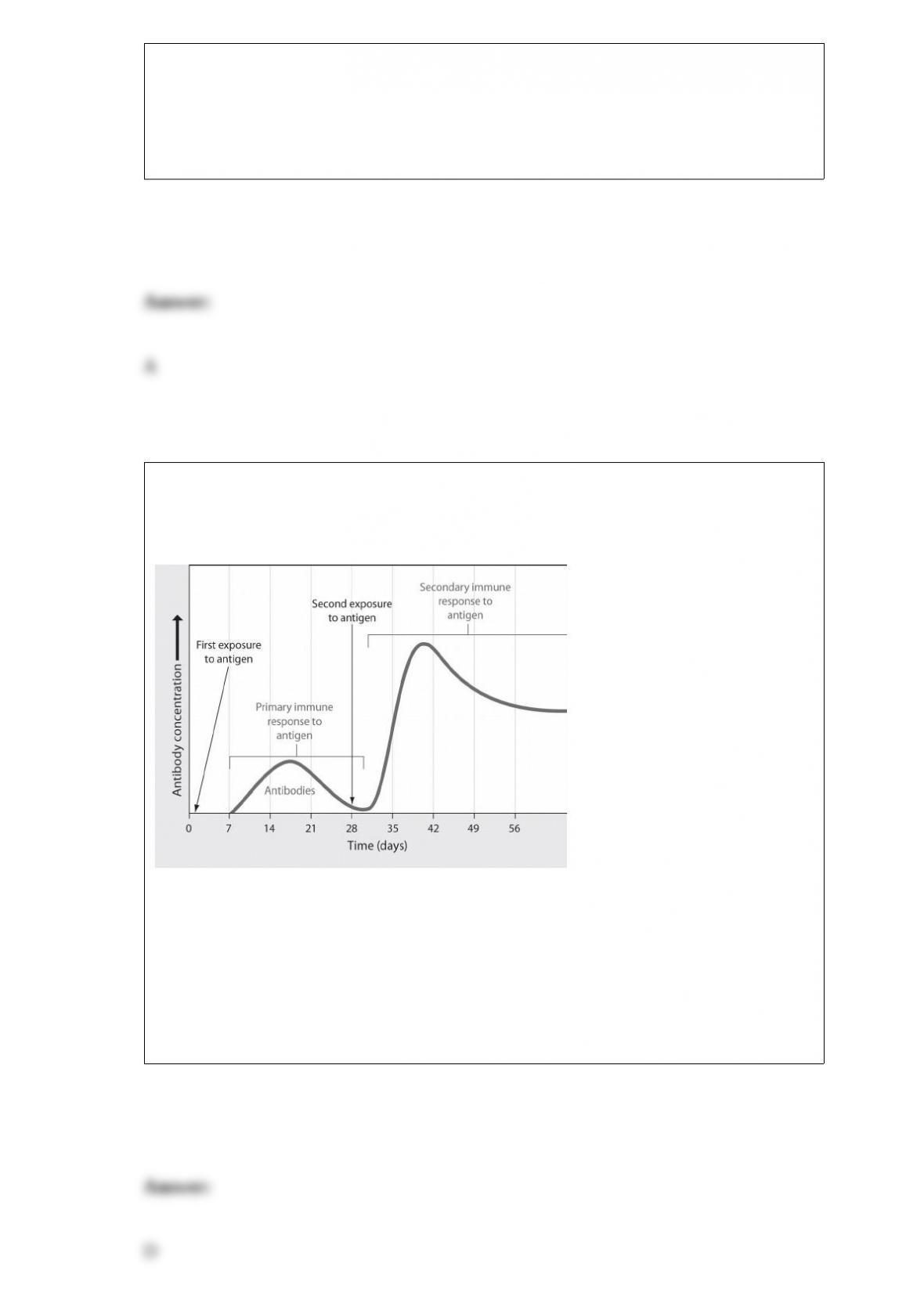
Suppose that the figure below shows the concentration of antibodies for an antigen
produced by Clostridium tetani, a bacterium that causes tetanus. What could trigger the
increase in antibody production marked by the arrow?
A) a decrease in antigen concentration
B) an increase in histamine production
C) an initial exposure to Pseudomonas aeruginosa, a bacterium that causes pneumonia
D) a second exposure to Clostridium tetani
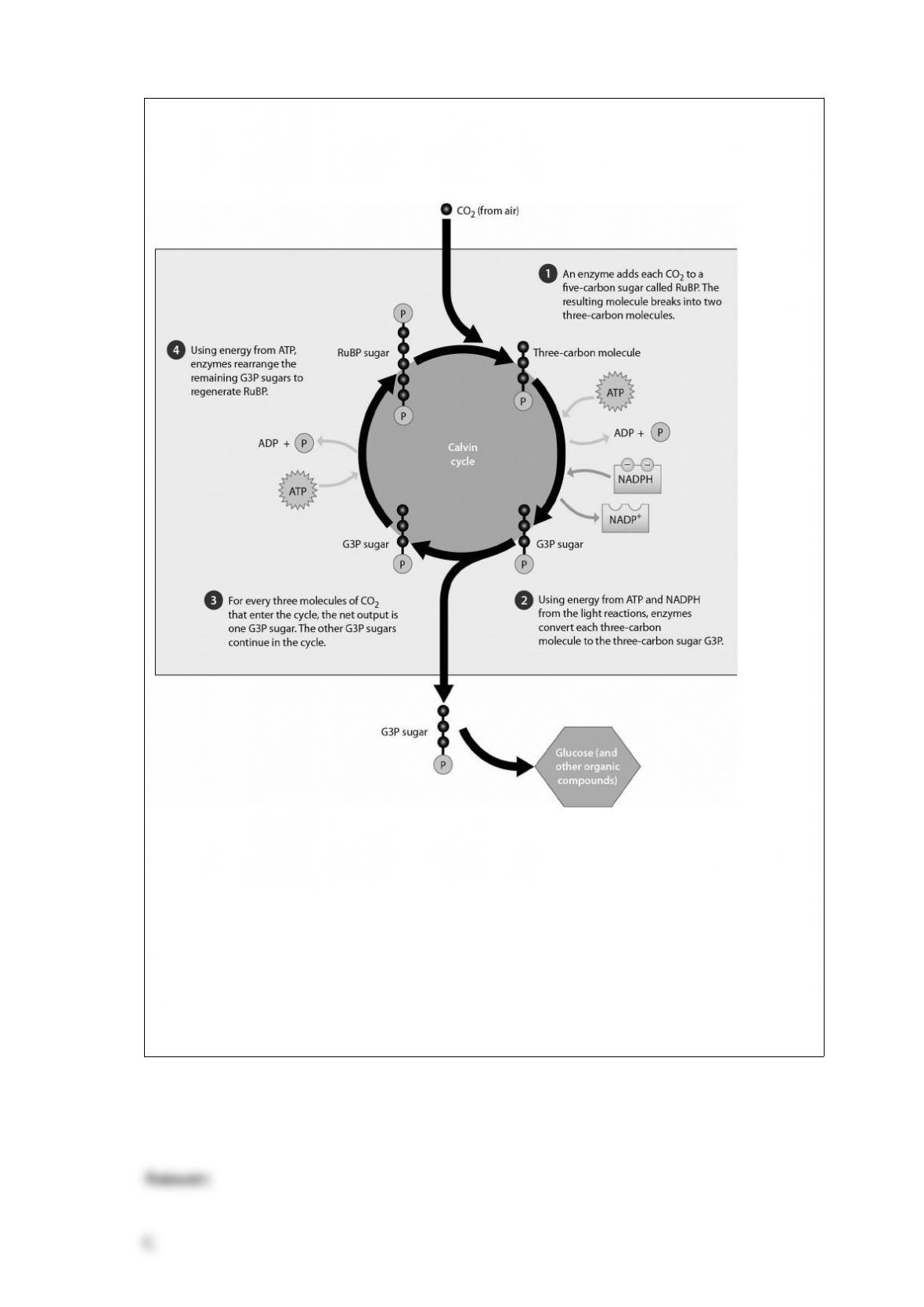
Please refer to the following art to answer the following questions.
The last stage of one complete turn of the Calvin cycle involves ________.
A) G3P production
B) oxidation of CO2
C) regeneration of RuBP
D) sugar production

Translation converts the information stored in ________ to ________.
A) DNA… RNA
B) RNA… a polypeptide
C) DNA… a polypeptide
D) RNA… DNA
Please read the following paragraph and then answer the following questions.
The human eye is an incredible organ, capable of gathering light to focus on images
near and far, in bright light or dim, and with quick adjustments between these extremes.
However, eyes can develop problems, such as floaters, which are small particles that
interfere with the transmission of light between the lens and the retina, and bloodshot
eyes, which occur when irritants such as dust or smoke get in the eye.
When light levels suddenly increase, our eyes adjust quickly by reducing the size of the
________.
A) pupil
B) retina
C) iris
D) cornea
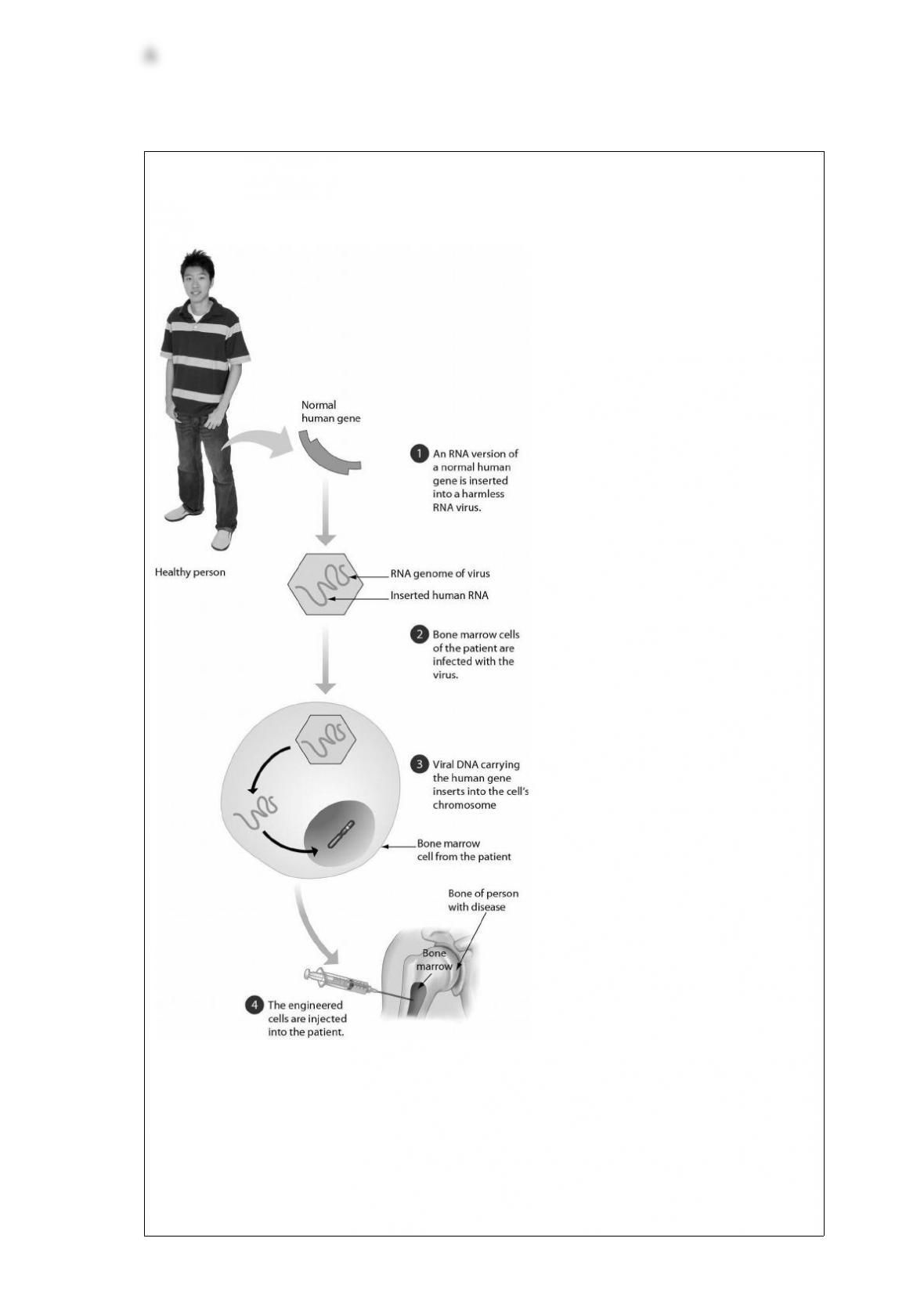
The diagram below summarizes ________.
A) gene cloning
B) how a human could be cloned
C) human gene therapy
D) how a vaccine is made

Which of the following is an example of sexual selection?
A) Bacteria evolve resistance to antibiotics.
B) Cheetahs experienced a population bottleneck.
C) Peahens choose to mate with peacocks that have the most beautiful tails.
D) Female butterflies have a higher survival rate than male butterflies.
The lancelet is a(n) ________.

A) annelid
B) flatworm
C) chordate
D) tunicate
Gel electrophoresis separates DNA fragments on the basis of differences in their
________.
A) A:C ratio
B) length
C) G:T ratio
D) pH
Please use the following information to answer the following question(s).
The collared lizard is a species found in the Desert Southwest. Male collared lizards
show considerable color variation, ranging from brightly colored to a very dull pattern.
Your goal is to determine the function, if any, of male color patterns in collared lizards,
using the scientific method. Your tentative explanation is that male color plays a role in

attracting females for mating purposes. You predict that females will preferentially
choose brightly colored males over dull-colored ones. To test your prediction, you
observed the interactions of female collared lizards with their male counterparts. You
selected males that were the same age and size, and that differed only in their coloration
pattern. You placed equal numbers of the two types of male lizards, bright and dull, in
aquariums, along with one female lizard per aquarium. Out of 350 aquariums observed,
the female chose to mate with the brightly colored male 277 times, and the dull-colored
male 70 times. In three instances, the females did not mate with either type.
Create a bar graph of your data, plotting the type of male (dull or brightly colored) on
the x-axis. On the y-axis, plot the frequency with which each type of male was chosen
by females. Using this graph, answer the following questions.
Is it reasonable to conclude (i.e., is it supported by the data) that female collared lizards
prefer more brightly colored male lizards over dull-colored males?
A) Yes, this conclusion is supported by the data.
B) No, this conclusion is not supported by the data.
C) The data do not clearly indicate a preference one way or the other.
D) None of the above choices are correct.
The founder effect differs from a population bottleneck in that the founder effect
________.
A) requires a small population
B) is a type of natural selection
C) can occur only on an oceanic island colony
D) involves the isolation of a small colony of individuals from a larger population

A reproductive barrier that prevents individuals from closely related species from
interbreeding is an example of ________.
A) a prezygotic barrier
B) allopatric speciation
C) sympatric speciation
D) geographic isolation of populations
Read the following scenario to answer the following questions.
Avian influenza is a viral infection that naturally occurs in wild birds with few
damaging effects. However, avian influenza is highly contagious and can quickly kill
domesticated birds. Some human influenza viruses are similar to the avian influenza.
People infected with avian influenza develop typical flu symptoms (fever, cough,
muscle aches). However, symptoms may become more severe and life-threatening. If
avian influenza evolves into a form that is easily transmissible from person to person, a
global pandemic of widespread human death might occur.
Which of the following methods do you think would be the best way to test the
effectiveness of a vaccine against avian influenza that is intended for human use?
A) Give the vaccine to a single mouse that has the virus, and assess whether influenza
symptoms develop.
B) Give the vaccine to a group of mice that have the virus, and give a placebo to
another group of mice that have the virus. Assess whether influenza symptoms develop
in either group.

C) Give the vaccine to a single human who has the virus, and assess whether influenza
symptoms develop.
D) Give the vaccine to a group of humans who have the virus, and give a placebo to
another group of humans who have the virus. Assess whether influenza symptoms
develop in either group.
With regard to nutrient pollution in aquatic ecosystems, when is the worst time to apply
fertilizer to your lawn?
A) when it is raining, or is about to rain
B) when it is cold, or is about to get cold
C) at the same time you apply pesticides
D) at night