
If humans had been present to build log structures during the Carboniferous period
(they were not), which plant types would have been suitable sources of logs?
A) horsetails and bryophytes
B) lycophytes and bryophytes
C) ferns, horsetails, and lycophytes
D) charophytes (stoneworts), bryophytes, and gymnosperms
Which of the following is a feature of the tube-within-a-tube body plan in most animal
phyla?
A) The outer tube consists of a hard exoskeleton.
B) The outer tube consists of digestive organs.
C) The mouth and anus form the ends of the inner tube.
D) The two “tubes” are separated by tissue that comes from embryonic endoderm.
In areas of permafrost, stands of black spruce are frequently observed in the landscape,
while other tree species are noticeably absent. Often these stands are referred to as
“drunken forests” because many of the black spruce are displaced from their normal
vertical alignment. What is the most likely explanation for the unusual growth of these
forests in this marginal habitat?

A) Branches are adapted to absorb more carbon dioxide with this displaced alignment.
B) Taproot formation is impossible, so trees developed shallow root beds.
C) Trees are tilted so snow prevents them from breaking or tipping over.
D) Trees tip so that they do not compete with each other for sunlight.
The NPK percentages on a package of fertilizer refer to the_____.
A) percentages of manure collected from different types of animals
B) relative percentages of organic and inorganic nutrients in the fertilizer
C) percentages of three important mineral nutrients
D) proportions of three different nitrogen sources
Use the accompanying figure and the molecules labeled A, B, C, D, and E to
answer the following questions.
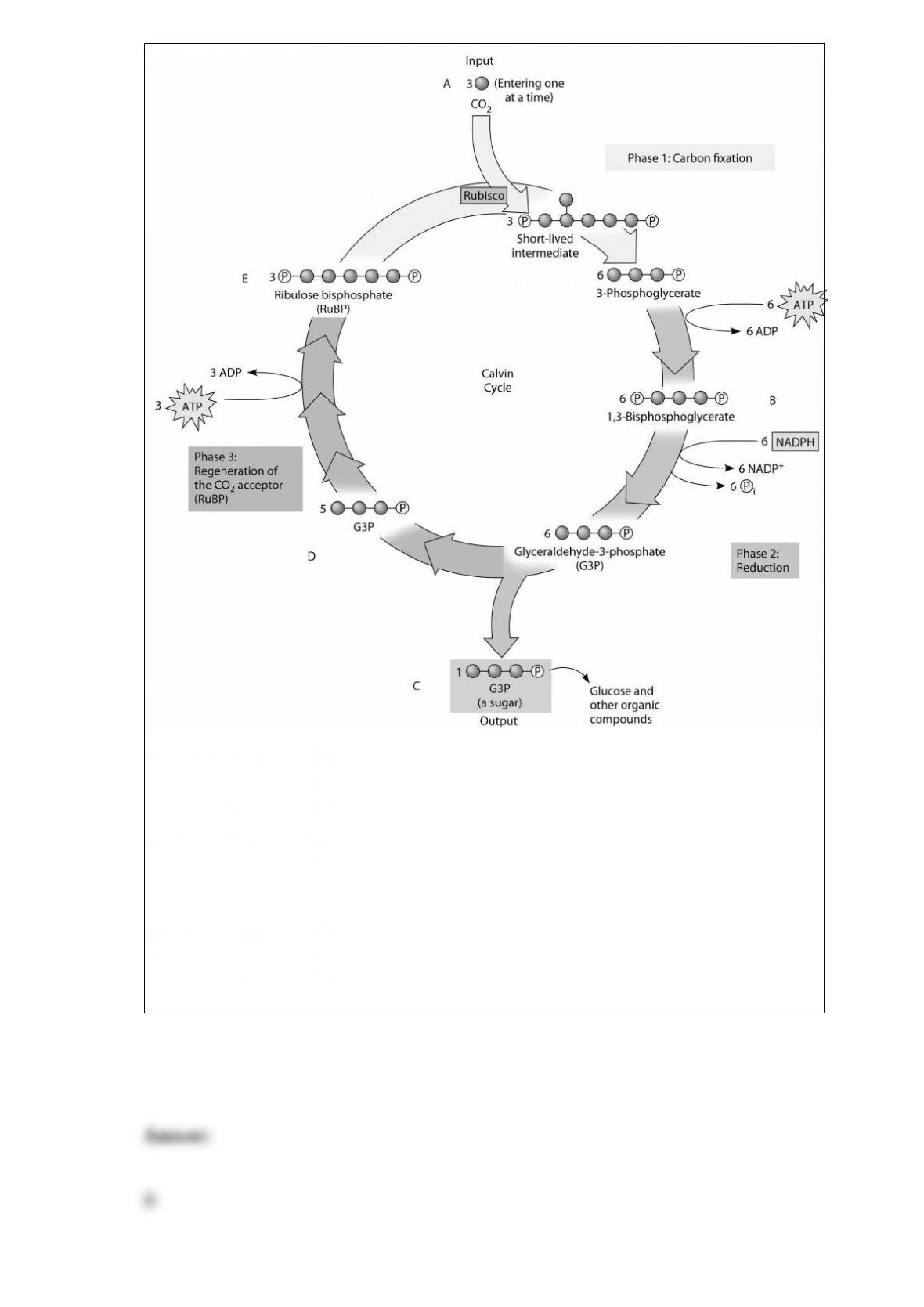
Which of the following sequences correctly represents the flow of electrons during
photosynthesis?
A) NADPH → O2 → C O2
B) H2O → NADPH → Calvin cycle
C) NADPH → chlorophyll → Calvin cycle
D) NADPH → electron transport chain → O2
The egg of a plant has a haploid chromosome number of 12 (n = 12). What is true about
the number of chromosomes in the cells of other tissues of this plant?
A) The sperm has 6 chromosomes.
B) The leaves and stems have 12 chromosomes.
C) The zygote has 12 chromosomes.
D) The endosperm has 36 chromosomes.
Use the following description to answer the question(s) below.
In the ocean, on either side of the Isthmus of Panama, are thirty species of snapping
shrimp; some are shallow-water species, others are adapted to deep water. There are
fifteen species on the Pacific side and fifteen different species on the Atlantic side. The
Isthmus of Panama started rising about ten million years ago. The oceans were
completely separated by the isthmus about three million years ago.
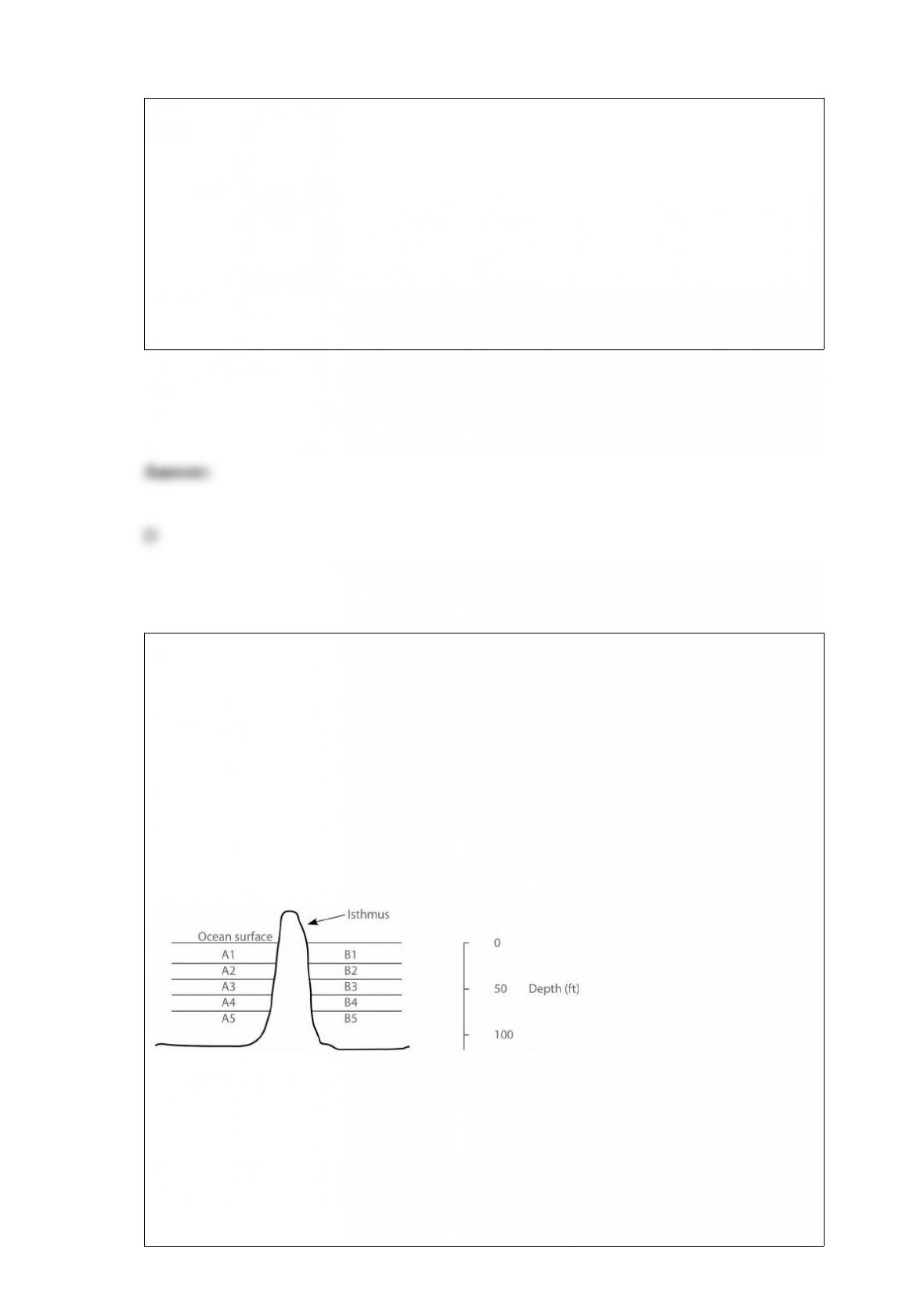
In the following figure, the isthmus separates the Pacific Ocean on the left (side A)
from the Atlantic Ocean on the right (side B). The seawater on either side of the isthmus
is separated into five depth habitats (1-5), with 1 being the shallowest.
Which habitats should harbor snapping shrimp species with the greatest degree of
genetic divergence from each other?
A) A1 and A5
B) A1 and B5

C) A5 and B5
D) Both A1/A5 and B1/B5 should have the greatest, but equal amounts of, genetic
divergence.
MPF is a dimer consisting of _____.
A) a growth factor and mitotic factor
B) ATP synthetase and a protease
C) cyclin and tubulin
D) cyclin and a cyclin-dependent kinase
Increased antidiuretic hormone (ADH) secretion is likely after _____.
A) drinking lots of pure water
B) sweating-induced dehydration increases plasma osmolarity
C) eating a small sugary snack
D) blood pressure becomes abnormally high
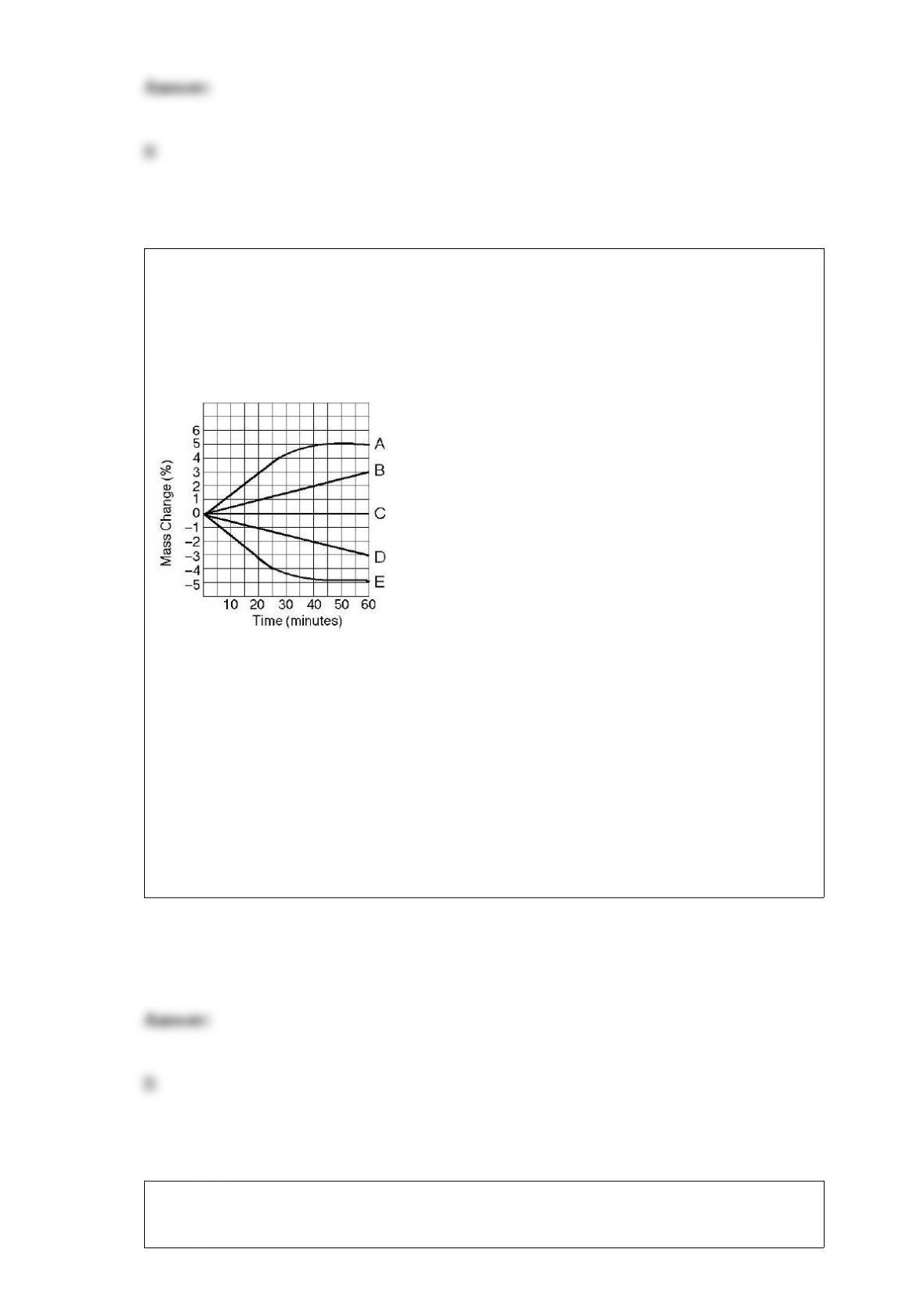
Five dialysis bags constructed of membrane, which is permeable to water and
impermeable to sucrose, were filled with various concentrations of sucrose and then
placed in separate beakers containing an initial concentration of 0.6 M sucrose solution.
At 10-minute intervals, the bags were massed (weighed) and the percent change in mass
of each bag was graphed.
Which line or lines in the graph represent(s) bags that contain a solution that is
hypertonic at 50 minutes?
A) A and B
B) B
C) D
D) D and E
Which of the following items is LEAST likely to form a simple linear relationship with
the number of gene-duplication events, when placed as the label on the vertical axis of
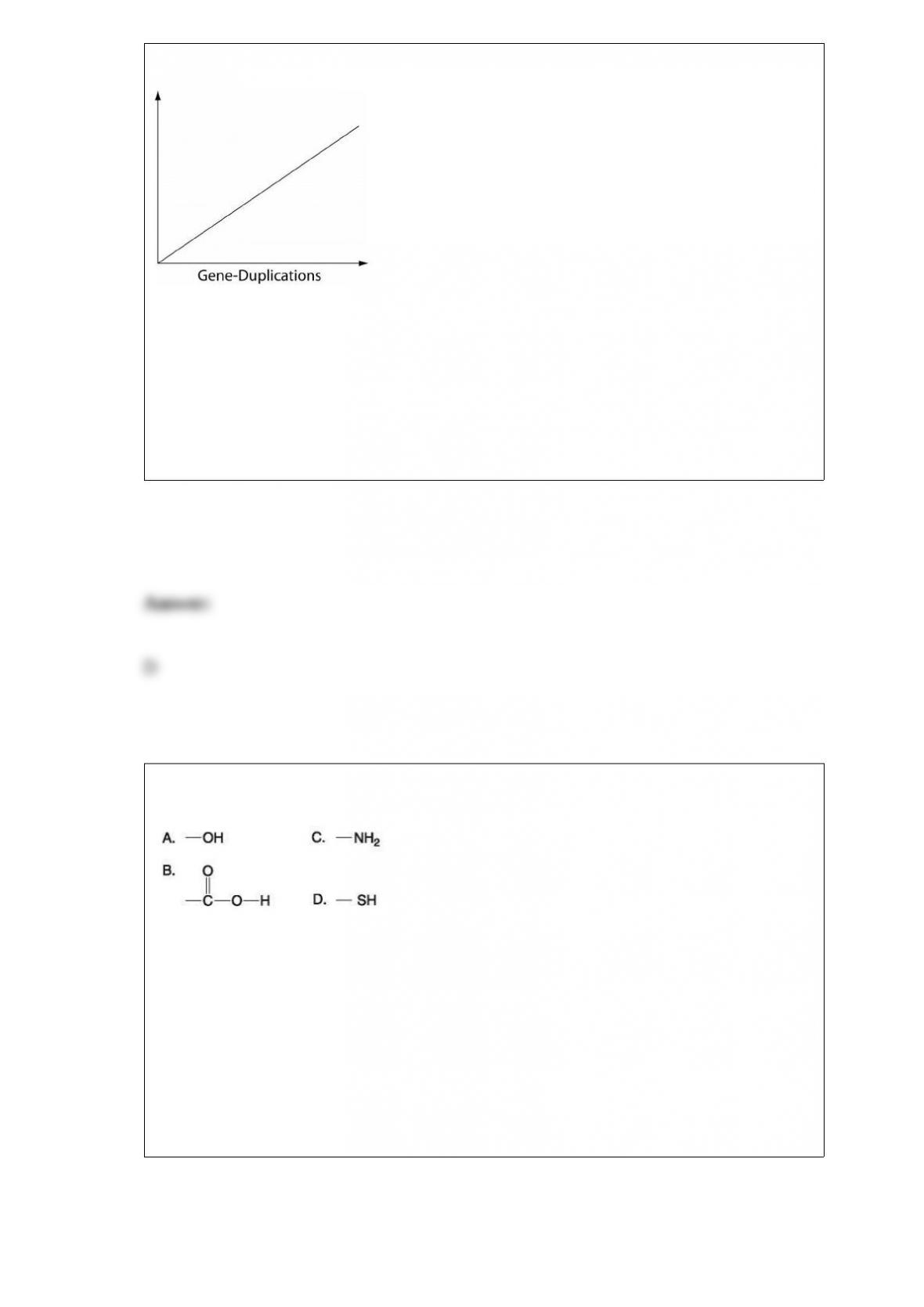
the following graph?
A) number of genes
B) number of DNA base pairs
C) genome size
D) phenotypic complexity
Which of the groups above is a carboxyl functional group?
A) A
B) B
C) C
D) D

The vegetal pole of a frog zygote differs from the animal pole in that _____.
A) the vegetal pole has a higher concentration of yolk
B) the blastomeres originate only in the vegetal pole
C) the vegetal pole cells undergo mitosis, but not cytokinesis
D) the polar bodies bud from this region
As you stroll through a moist forest, you are most likely to see a _____.
A) zygote of a green alga
B) gametophyte of a moss
C) sporophyte of a liverwort
D) gametophyte of a fern

Which of the following would help a virus avoid triggering an effective adaptive
immune response?
I) having frequent mutations in genes for surface proteins
II) building the viral shell from host proteins
III) producing proteins very similar to those of other viruses
IV) infecting and killing helper T cells
A) only I and III
B) only I, II, and IV
C) only I, II, and III
D) only II, III, and IV
The following questions refer to the description below.
All animals with eyes or eyespots that have been studied so far share a gene in
common. When mutated, the gene Pax–6 causes lack of eyes in fruit flies, tiny eyes in
mice, and missing irises (and other eye parts) in humans. The sequence of Pax-6 in
humans and mice is identical. There are so few sequence differences with fruit fly
Pax-6 that the human/mouse version can cause eye formation in eyeless fruit flies, even
though vertebrates and invertebrates last shared a common ancestor more than five
hundred million years ago.
Pax-6 usually causes the production of a type of light-receptor pigment. In vertebrate
eyes, though, a different gene (the rh gene family) is responsible for the light-receptor
pigments of the retina. The rh gene, like Pax-6, is ancient. In the marine ragworm, for
example, the rh gene causes production of c-opsin, which helps regulate the worm’s
biological clock. Which of the following most likely accounts for vertebrate vision?
A) The Pax-6 gene mutated to become the rh gene among early mammals.
B) During vertebrate evolution, the rh gene for biological clock opsin was co-opted as a
gene for visual receptor pigments.

C) In animals more ancient than ragworms, the rh gene(s) coded for visual receptor
pigments; in lineages more recent than ragworms, rh has flip-flopped several times
between producing biological clock opsins and visual receptor pigments.
D) Pax-6 was lost from the mammalian genome, and replaced by the rh gene much
later.
Codons are part of the molecular structure of _____.
A) a protein
B) mRNA
C) tRNA
D) rRNA
Who might be interested in using cytokinins?
A) grocers, to spray on fruit to enhance ripening in the store
B) consumers, to spray on fruit before eating to enhance taste
C) florists, to dip stems in to keep leaves green longer
D) farmers, to spray on fruit after picking to stall ripening

Imagine five forest communities, each with one hundred individuals distributed among
four different tree species (W, X, Y, and Z). Which forest community would be most
diverse?
A) 25W, 25X, 25Y, 25Z
B) 40W, 30X, 20Y, 10Z
C) 50W, 25X, 15Y, 10Z
D) 70W, 10X, 10Y, 10Z
The reason for differences in the sets of proteins expressed in a nerve and a pancreatic
cell of the same individual is that nerve and pancreatic cells contain different _____.
A) genes
B) regulatory sequences
C) sets of regulatory proteins
D) promoters

Which of the following statements is correct about biogeochemical cycling?
A) The phosphorus cycle involves the recycling of atmospheric phosphorus.
B) The phosphorus cycle involves the weathering of rocks.
C) The carbon cycle has maintained a constant atmospheric concentration of carbon
dioxide for the past million years.
D) The nitrogen cycle involves movement of diatomic nitrogen between the biotic and
abiotic components of the ecosystem.
Food being digested in the stomach is in a highly acidic environment. When the food is
released from the stomach into the small intestine, why is the environment no longer
acidic?
A) Secretin increases the flow of bicarbonate ions from the pancreas into the small
intestine to neutralize the stomach acid.
B) Enterokinase activates trypsinogen, thus neutralizing the stomach acid.
C) Bile salts from the gallbladder neutralize the stomach acid.
D) When pepsinogen activates pepsin, one result is the neutralization of stomach acid in
the stomach.

Correct and appropriate signal transduction processes are generally under strong
selective pressure and are determined by the properties of the molecules involved, the
concentrations of signal and receptor molecules, and the binding affinities between
signal and receptor. Therefore, a hormone action is very specific in a species at any one
point in time. However, there are examples of very diverse functions of a specific
hormone between groups of organisms. For example, thyroxin, which is produced in all
vertebrates and many invertebrates, can trigger growth, differentiation, metamorphosis,
maturation, reproduction, behavior, temperature tolerance, osmoregulation, or seasonal
adaptation depending on the organism in which it is produced. What is the most logical
explanation for such different responses triggered by thyroxin in organisms?
A) The concentration of thyroxin varies in different organisms. Invertebrate organisms
do not have as much thyroxin as vertebrate organisms.
B) Thyroxin and its receptor molecules have a different binding affinity in different
organisms.
C) Receptor molecules for thyroxin are located on different tissues in different
organisms.
D) The structure of thyroxin is substantially different in different organisms.
In living systems molecules involved in hydrogen bonding almost always contain either
oxygen or nitrogen or both. How do you explain this phenomenon?
A) Oxygen and nitrogen are elements found in both nucleic acids and proteins.
B) Oxygen and nitrogen are elements with very high attractions for their electrons.
C) Oxygen and nitrogen are elements found in fats and carbohydrates.
D) Oxygen and nitrogen were both components of gases that made up the early
atmosphere on Earth.

What problem with red-cockaded woodpecker populations in the southeastern United
States was addressed by habitat intervention?
A) The only habitat that can support their recovery is large tracts of mature oak forest.
B) The mature pine forests in which they live cannot ever be subjected to forest fire.
C) All of the appropriate red-cockaded woodpecker habitat has already been logged or
converted to agricultural land.
D) The social organization of the red-cockaded woodpecker precluded the dispersal of
reproductive individuals.
How has the avian lung adapted to the metabolic demands of flight?
A) Airflow through the avian lung is bidirectional like in mammals.
B) There is more dead space within the avian lung so that oxygen can be stored for
future use.
C) Countercurrent circulation is present in the avian lung.
D) Gas exchange occurs during both inhalation and exhalation.
Some photosynthetic organisms contain chloroplasts that lack photosystem II, yet are
able to survive. The best way to detect the lack of photosystem II in these organisms
would be to _____.
A) determine if they have thylakoids in the chloroplasts
B) test for liberation of O2 in the light
C) test for CO2 fixation in the dark
D) do experiments to generate an action spectrum
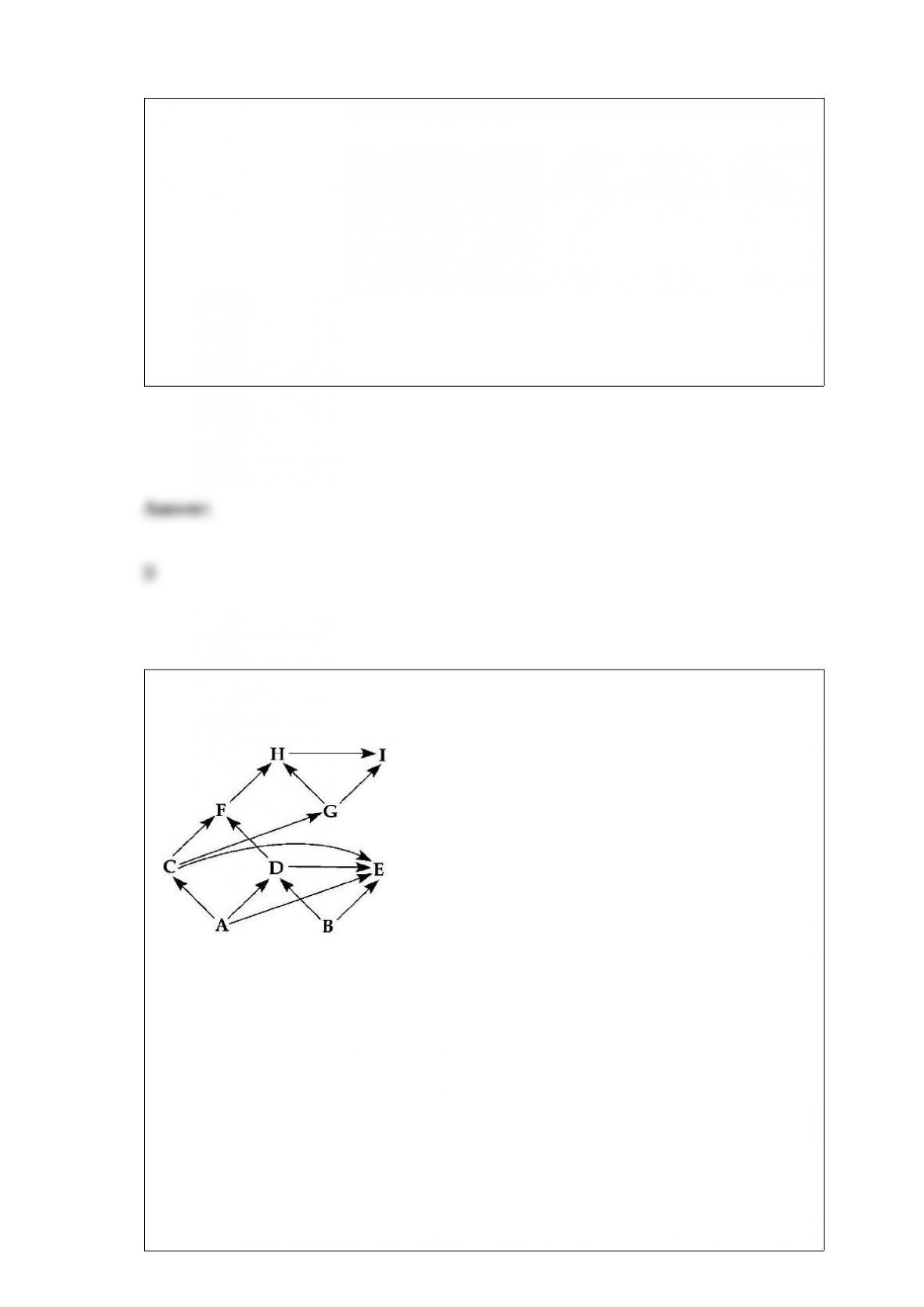
Diagram of a food web (arrows represent energy flow and letters represent species)
If the figure above represents a terrestrial food web, the combined biomass of C + D
would probably be _____.
A) greater than the biomass of A
B) greater than the biomass of B
C) less than the biomass of A + B
D) less than the biomass of E
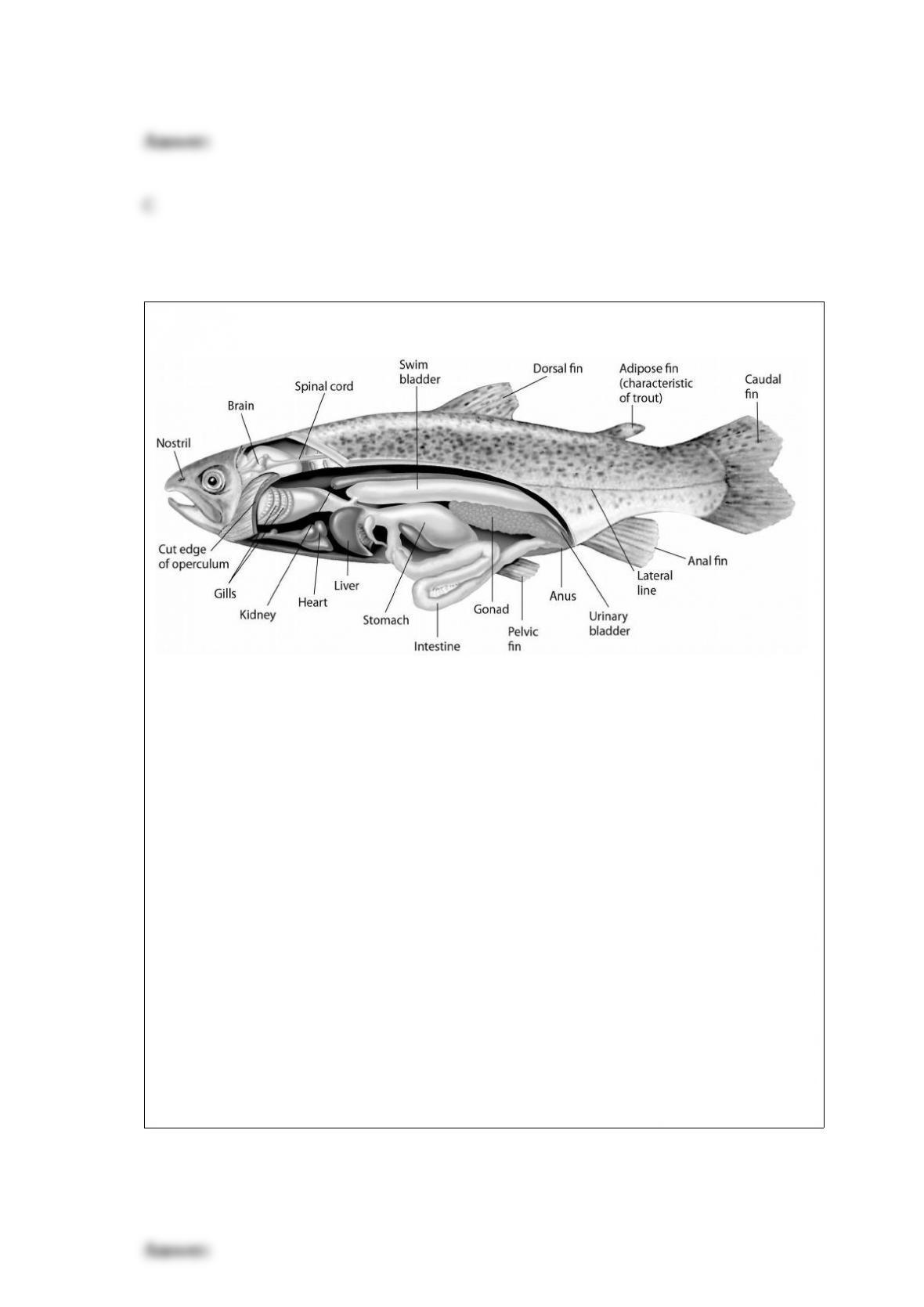
Use the following figure and information to answer the question(s) below.
Fishes that have swim bladders can regulate their density and, thus, their buoyancy.
There are two types of swim bladder: physostomous and physoclistous. The ancestral
version is the physostomous version, in which the swim bladder is connected to the
esophagus via a short tube (see the figure above). The fish fills this version by
swimming to the surface, taking gulps of air, and directing them into the swim bladder.
Air is removed from this version by “belching.” The physoclistous version is more
derived, and has lost its connection to the esophagus. Instead, gas enters and leaves the
swim bladder via special circulatory mechanisms within the wall of the swim bladder.
The presence of a swim bladder allows the typical ray-finned fish to stop swimming
and still _____.
A) effectively circulate its blood
B) use its lateral line system
C) use its swim bladder as a respiratory organ
D) not sink

Transcription of structural genes in an inducible operon _____.
A) occurs continuously in the cell
B) starts when the pathway’s substrate is present
C) starts when the pathway’s product is present
D) stops when the pathway’s product is present
Compared to a hydrocarbon chain where all the carbon atoms are linked by single
bonds, a hydrocarbon chain with the same number of carbon atoms, but with one or
more double bonds, will _____.
A) be more flexible in structure
B) be more constrained in structure
C) be more polar
D) have more hydrogen atoms