A reason for the increase in demand for workers with high levels of labor skills is:
A) greater taxes paid on income earned.
B) increased technological advances.
C) reduced international trade from protectionism.
D) B and C are correct.
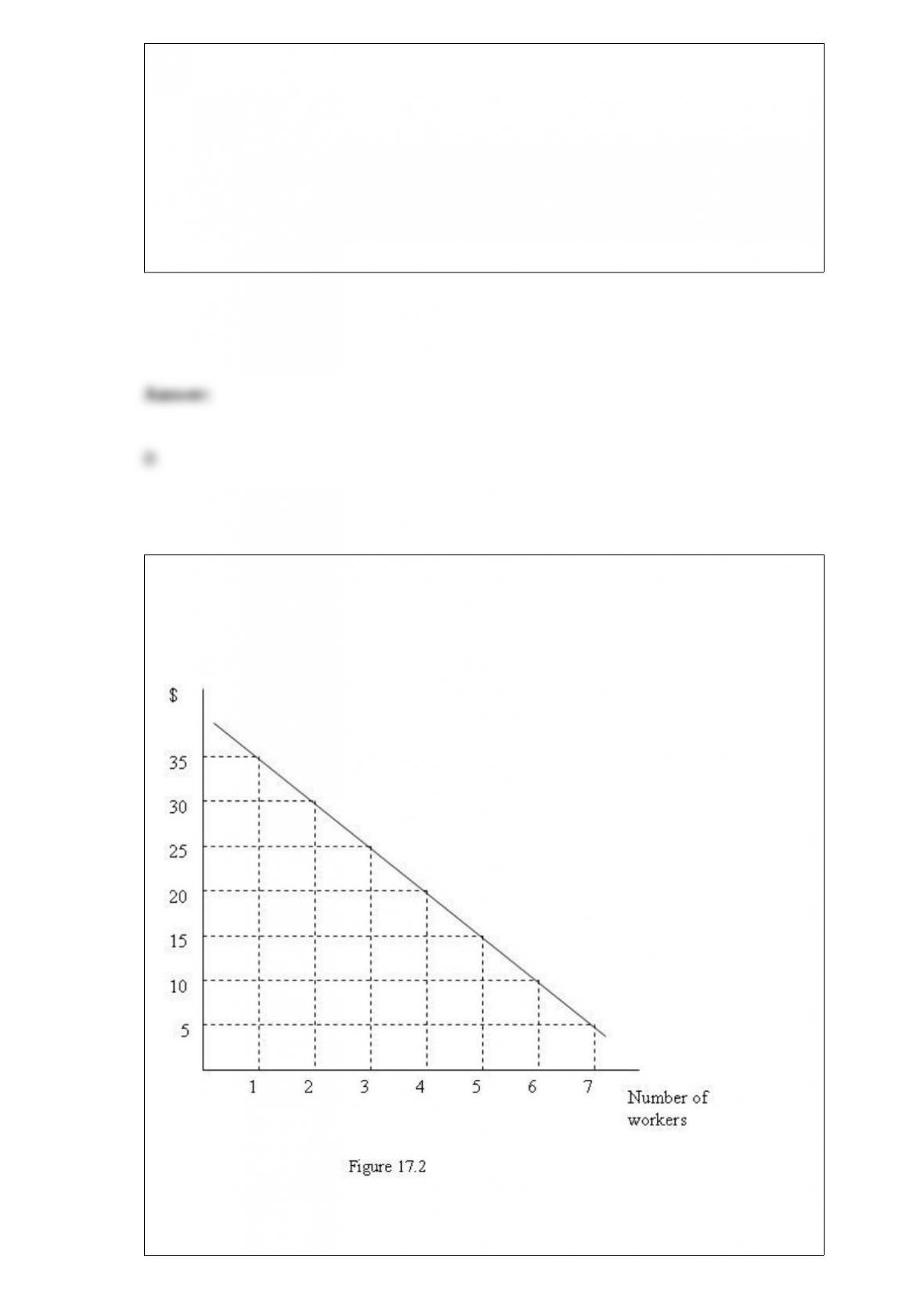
Figure 17.2 depicts a firm’s marginal revenue product curve. Suppose that we observe
the firm demanding three workers. If the firm is maximizing its profit, the wage rate
must be between ________ and ________.
A) $30; $35

B) $25; $30
C) $20; $25
D) $15; $20
According to the authors in this chapter, which of the following impedes
entrepreneurship from thriving in Sub-Saharan Africa?
A) institutions
B) diseases
C) government policy
D) inflation
In the short run:
A) all factors of production are fixed.
B) all factors of production are variable.
C) some factors of production are variable, while at least one factor of production is
fixed.

D) None of the above are correct.
When the price of a product decreases, the demand for a substitute product:
A) decreases.
B) increases.
C) changes to balance the price change.
D) none of the above
Economic models are used to:
A) explain every detail of an economic theory.
B) explore decision making by individuals, firms and other organizations.
C) build physical renditions of government construction projects.
D) represent the complexities of economic environments.

An example of a good that is excludable is:
A) a park.
B) a river.
C) a boat.
D) clean air.
A dominant strategy is one that:
A) maximizes profits.
B) is optimal under some conditions.
C) never yields a negative payoff.
D) is the best choice under all conditions.
A price maker is a buyer or a seller who:
A) takes the market price as given.
B) buys or sells only at a price where profits can be made.
C) accepts whatever price that the government legislates as the price of the good or
service.
D) has the ability to influence the equilibrium price in the market.
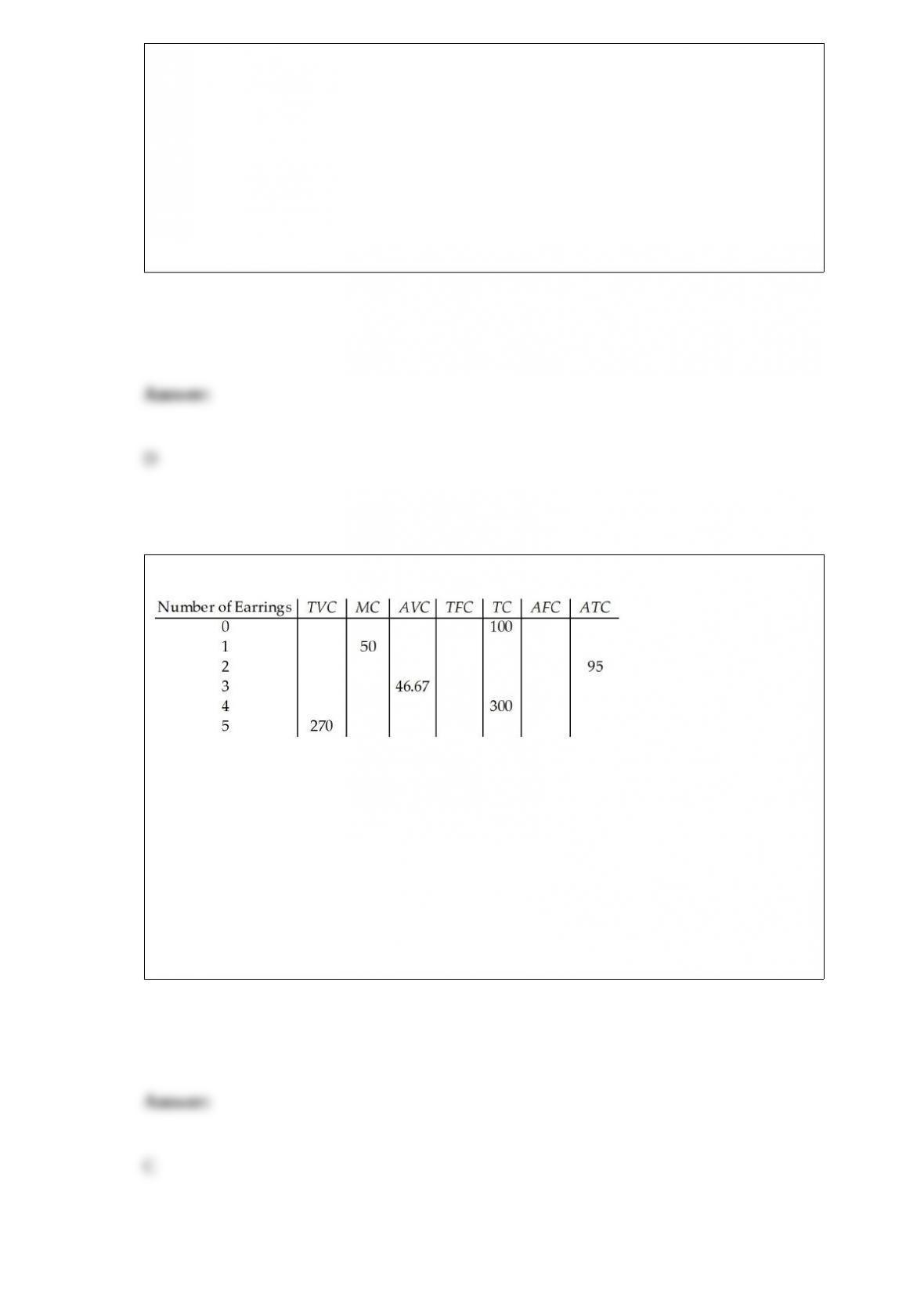
Refer to Table 8.5. If Sherry produces five pair of earrings, her total costs are:
Table 8.5
A) $320.
B) $360.
C) $370.
D) $400.

The price elasticity of demand reflects the responsiveness of:
A) firms to changes in demand.
B) demand to a change in price of a substitute good.
C) demand to a change in price.
D) quantity demanded to a change in price.
The relative amounts of the goods that will be exchanged for each other in trade refers
to the nations’:
A) absolute advantages.
B) terms of trade.
C) production possibilities.
D) autarky status.
Firms in a competitive labor market will employ labor up to the point where:
A) the wage rate equals the productivity of capital.
B) its marginal cost equals its marginal product.

C) the wage equals its marginal revenue product.
D) the wage equals its marginal product.
Tax revenues are an advantage of ________ not offered by command-and-control
policies.
A) pollution allowances
B) tradeable pollution permits
C) pollution taxes
D) pollution tax credits
Peaches and cream are complements. When the price of peaches rises, the equilibrium
quantity of cream will ________ and the equilibrium price of cream will ________.
A) increase; increase
B) increase; decrease
C) decrease; increase
D) decrease; decrease
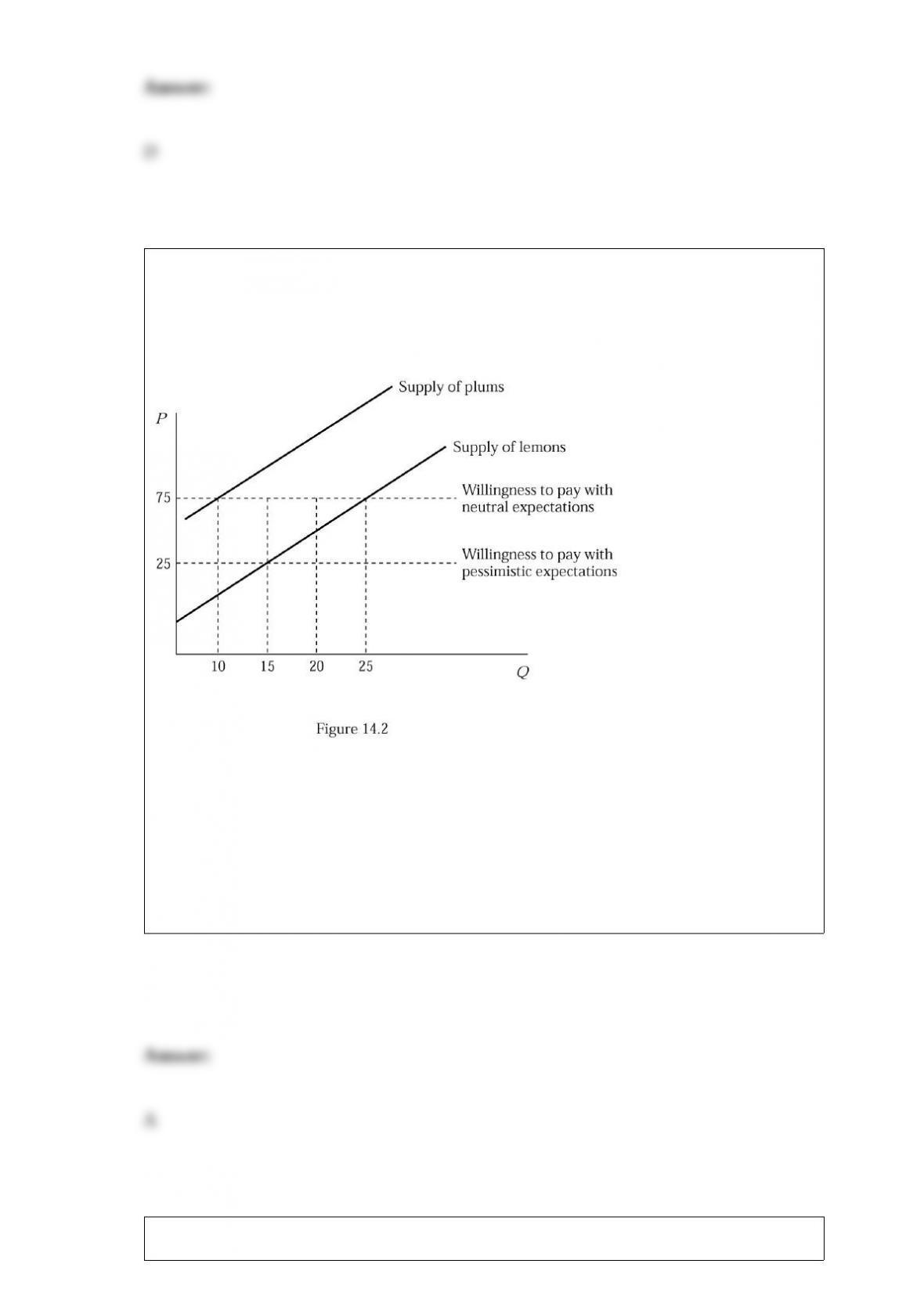
Figure 14.2 represents the market for used cameras. Suppose buyers are willing to pay
$125 for a plum (high-quality) used camera and $25 for a lemon (low-quality) used
camera. If buyers believe that 50% of used cameras in the market are lemons (low
quality), how many plums (high quality) will be supplied by sellers?
A) 10
B) 15
C) 20
D) 25
Refer to Table 17.4. If the wage rate is $8 per worker and the output sells for $1, the

firm will hire:
Table 17.4
A) 0 workers.
B) 1 workers.
C) 2 workers.
D) 3 workers.
Governments require immunizations of school children and offer immunization shots
for free to low income people because:
A) parents are often negligent of the health of their children.
B) immunizations are private goods with external benefits.
C) immunizations are very costly.
D) all of the above
If the fixed cost of producing a good is very high, but the marginal cost is low and
constant, then the average total cost will:
A) increase as more units are produced.
B) decrease as more units are produced.
C) first decrease and then increase as more units are produced.
D) not change as more units are produced.
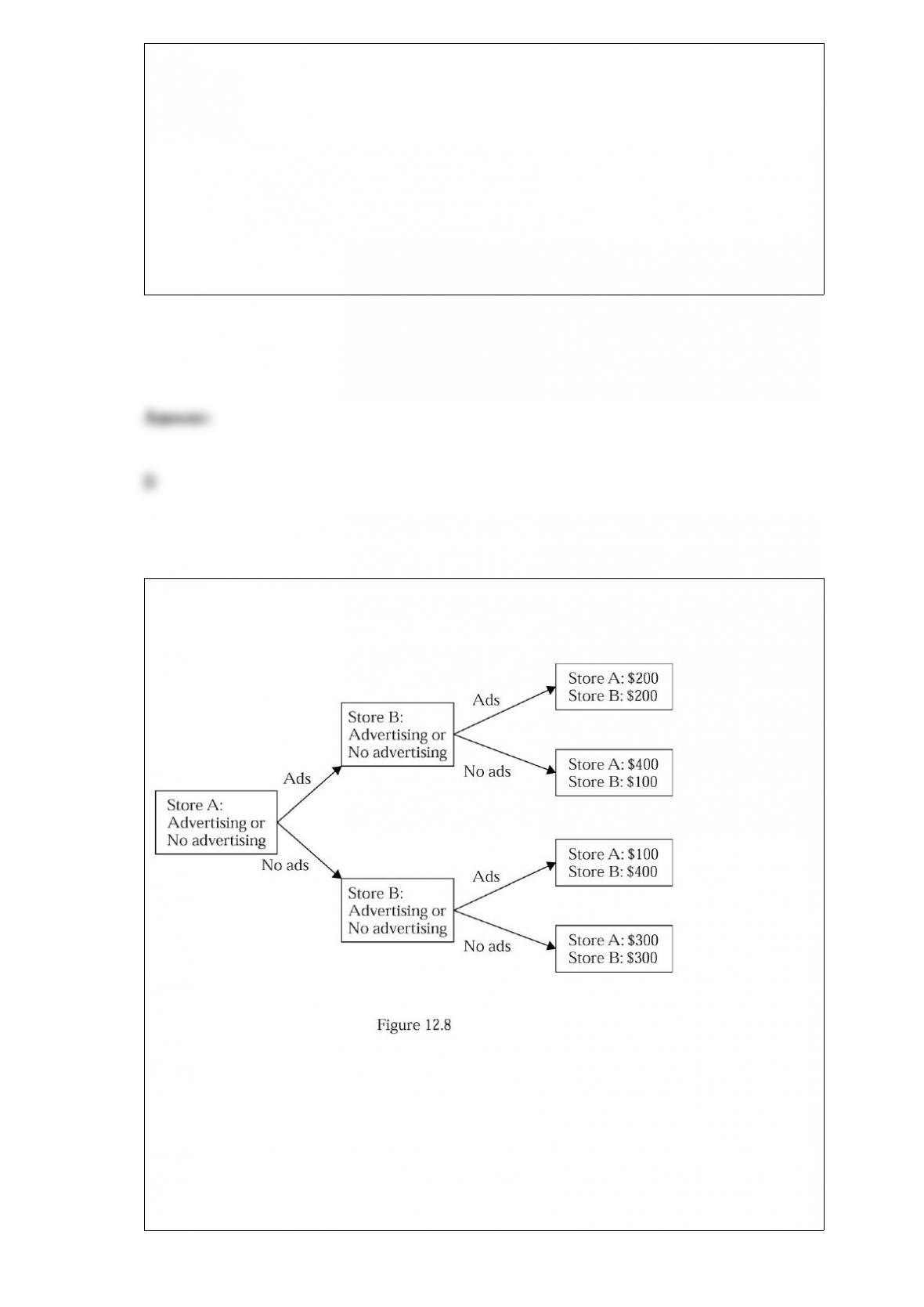
Consider the game tree in Figure 12.8. If Store A and Store B could coordinate their
decisions:
A) both firms choose to advertise and earn profits of $200 each.
B) both firms choose not to advertise and earn profits of $300 each.
C) only Store A advertises and earns a profit of $400.
D) only Store B advertises and earns a profit of $400.

If the price elasticity of demand is equal to zero and the price were to rise, the quantity
demanded would:
A) decrease slightly.
B) fall to zero.
C) not change.
D) increase.
Which of the following explains the impact of the expansion of international trade on
the demand for less skilled workers in the United States?
A) An increase in international trade has increased the demand for less skilled workers.
B) An increase in international trade has decreased the demand for less skilled workers.
C) An increase in international trade has had little impact on the demand for less skilled
workers.
D) The impact of the expansion of international trade on the demand for less skilled
workers in the United States varies from year to year.
If a product has several good substitutes, demand for the product is most likely to be:
A) very inelastic.
B) inelastic.
C) unitary elastic.
D) elastic.
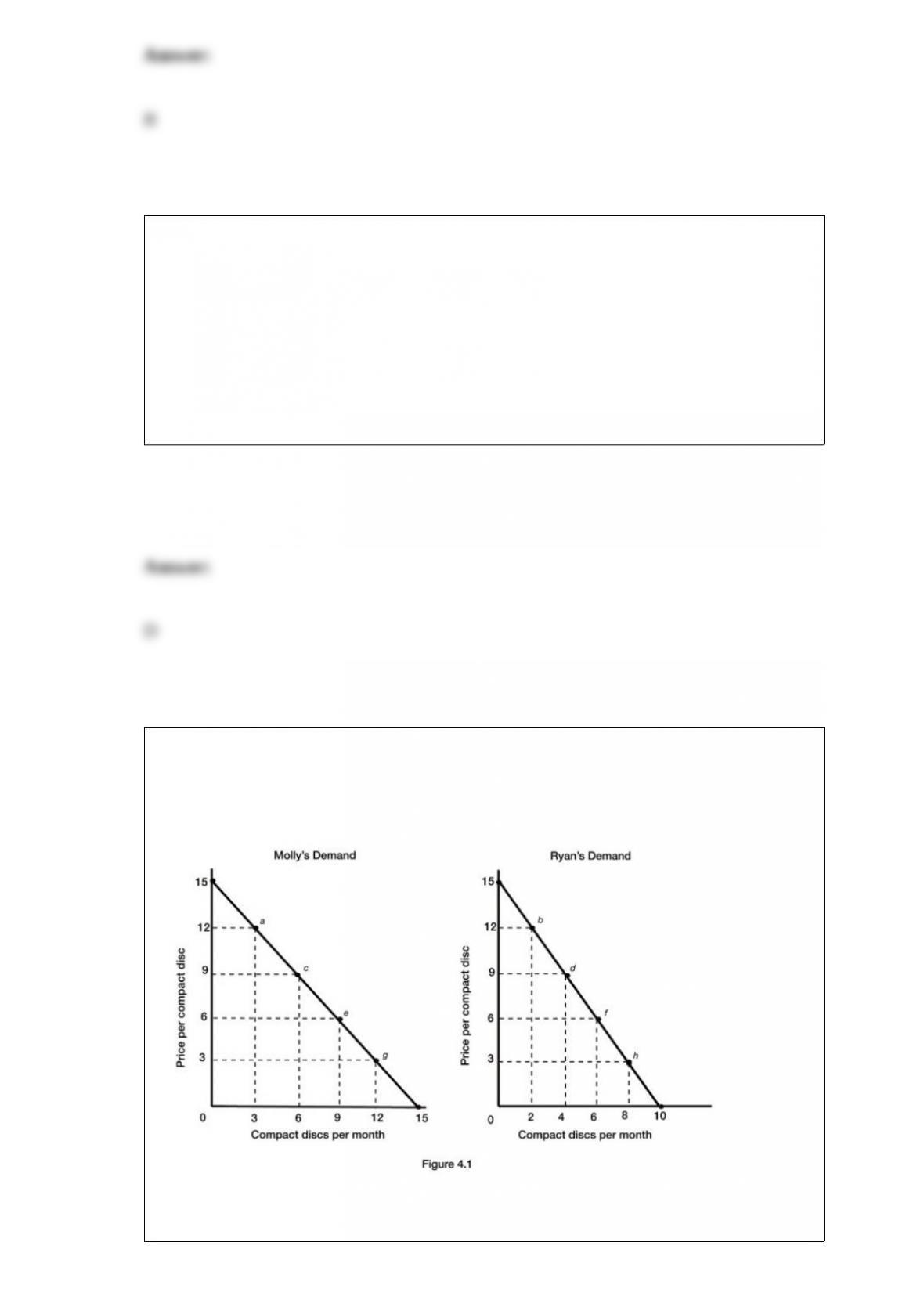
Refer to Figure 4.1, which shows Molly’s and Ryan’s individual demand curves for
compact discs per month. Assuming Molly and Ryan are the only consumers in the
market, what is the market quantity demanded at a price of $9?
A) 2

B) 4
C) 6
D) 10
Labor market discrimination is evident when:
A) wage rates differ for similar types of jobs.
B) wages of individual workers differ based on some characteristic that is not related to
productivity.
C) consumers prefer to purchase particular products.
D) none of the above
An example of a good that is nonexcludable is:
A) cable TV.
B) a computer.
C) a published scientific discovery.
D) a concert.

Daily Output of Scotland and Poland
Table 18.1
Refer to Table 18.1. The nation with a comparative advantage in bagpipes is:
A) both Scotland and Poland.
B) neither Scotland nor Poland.
C) Poland.
D) Scotland.
According to the Application, the number of women who accepted a particular loan
offer from the mass mailings ________ when the offer letter included the picture of a
________.
A) increased; man rather than the picture of a woman
B) increased; woman rather than the picture of a man
C) decreased; either a man or a woman
D) was unaffected; either a man or a woman
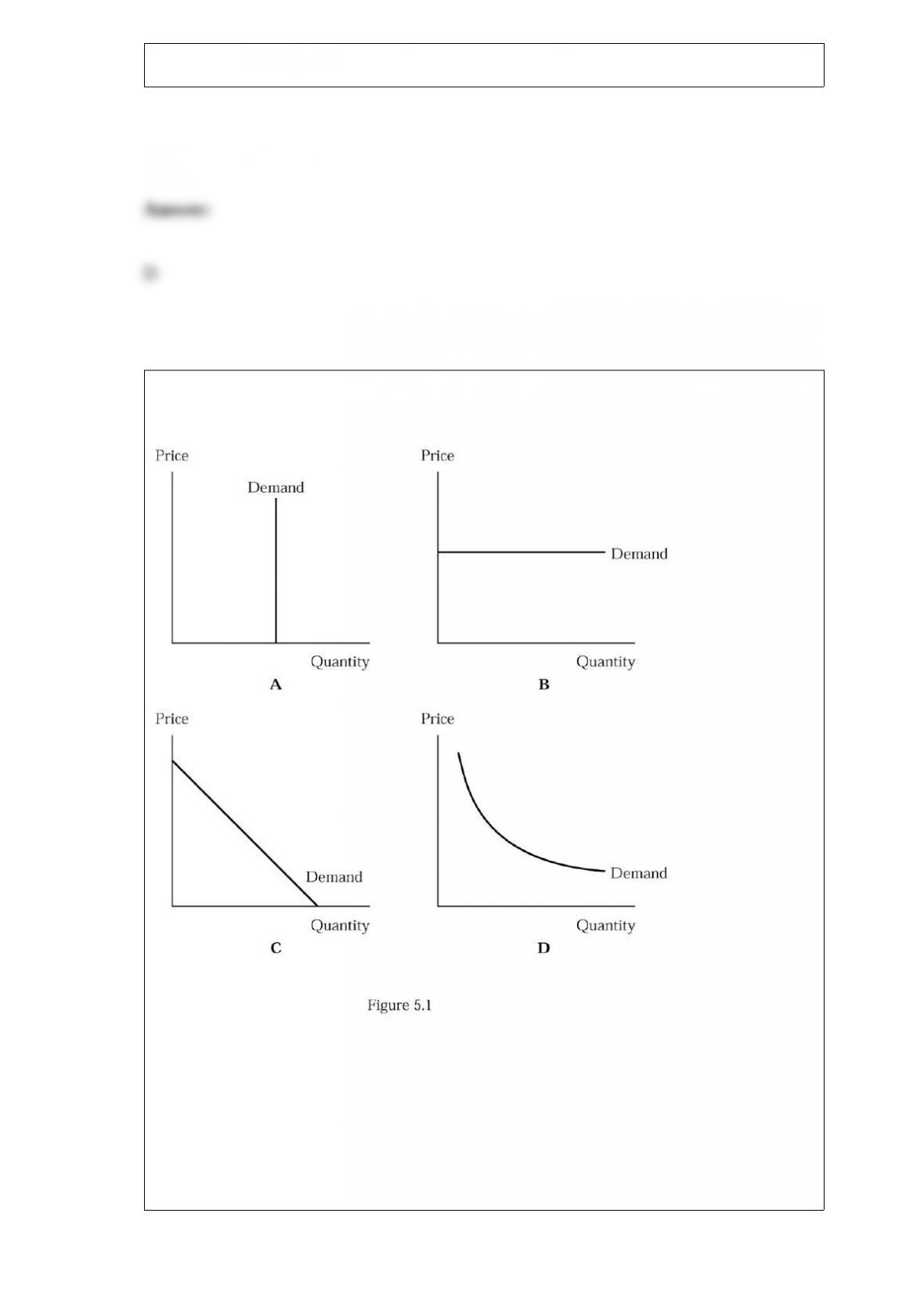
In Figure 5.1 the demand curve that is perfectly elastic is on graph:
A) A.
B) B.
C) C.
D) D.

Suppose nation A produces only two goods, apples and oranges. If nation A produces
only apples, it can make 20 apples per day. If nation A produces only oranges, it can
make 15 oranges per day. If the country has a constant production trade-off between
apples and oranges, then the opportunity cost of one apple in nation A is:
A) 1.33 oranges.
B) 15 oranges.
C) 20 oranges.
D) .75 oranges.