
The price elasticity of an upward-sloping supply curve is always
A) positive.
B) negative.
C) greater than one.
D) impossible to determine.
Hovnanain Enterprises, a residential home builder based in New Jersey, did well during
the mid-2000s but did not do so well in during and immediately after the recession of
2007-2009. The reason for this is
A) the Fed kept low interest rates in the mid-2000s but raised interest rates in 2007 to
help fight inflation.
B) the Fed kept low interest rates in the mid-2000s but by 2007 the housing bubble had
burst.
C) the Fed raised interest rates in the mid-2000s but lowered interest rates in 2007 to
revive the housing market.
D) the Fed raised interest rates in the mid-2000s and raised interest rates in 2007 to help
fight inflation.
A stock market boom which causes stock prices to rise should cause
A) a decrease in consumption spending.
B) an increase in consumption spending.
C) a decrease in wealth.
D) a decrease in net export spending.
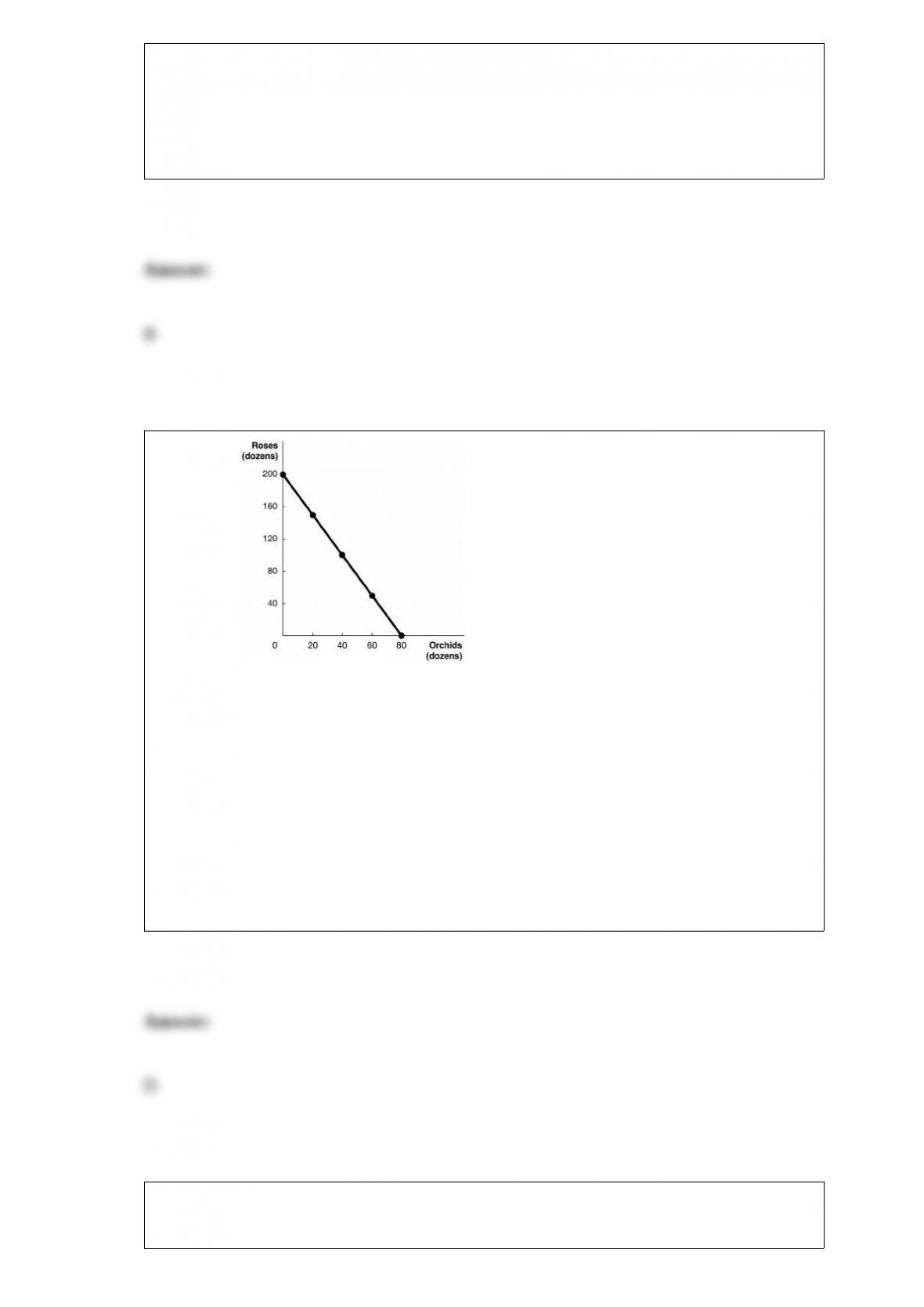
Figure 2-2 Figure 2-2 above shows the production
possibilities frontier for Vidalia, a nation that produces two goods, roses and orchids. If
Vidalia chooses to produce 60 dozen orchids, how many roses can it produce to
maximize production?
A) 30 dozen roses
B) 50 dozen roses
C) 100 dozen roses
D) 150 dozen roses
As the economy nears the end of a recession, which of the following do we typically
see?

A) further decreases in consumer spending
B) increased spending on capital goods by firms
C) increasing interest rates
D) all of the above
The term “early adopters” refers to
A) firms that are the first to implement a new technology that is used to produce new
goods or services.
B) book clubs that are first to recommend best-selling books to their members.
C) consumers who respond quickly to fads, seasonal changes, etc.
D) consumers who are willing to pay high prices to be among the first to own new
products.
In a small European country, it is estimated that changing the level of capital from $8
million to $10 million will increase real GDP from $2 million to $3 million. What level
of GDP would you expect the economy to be able to reach if spending on capital
continued to rise to $12 million, assuming no technological change and no change in
the hours of work?
A) GDP would increase further, but by less than $1 million.
B) GDP would increase further by exactly $1 million.

C) GDP would increase further by more than $1 million
D) GDP would increase further by exactly $4 million.
What is economic profit?
A) gross revenue minus explicit costs
B) gross revenue minus implicit costs
C) gross revenue minus explicit and implicit costs
D) the same as accounting profit
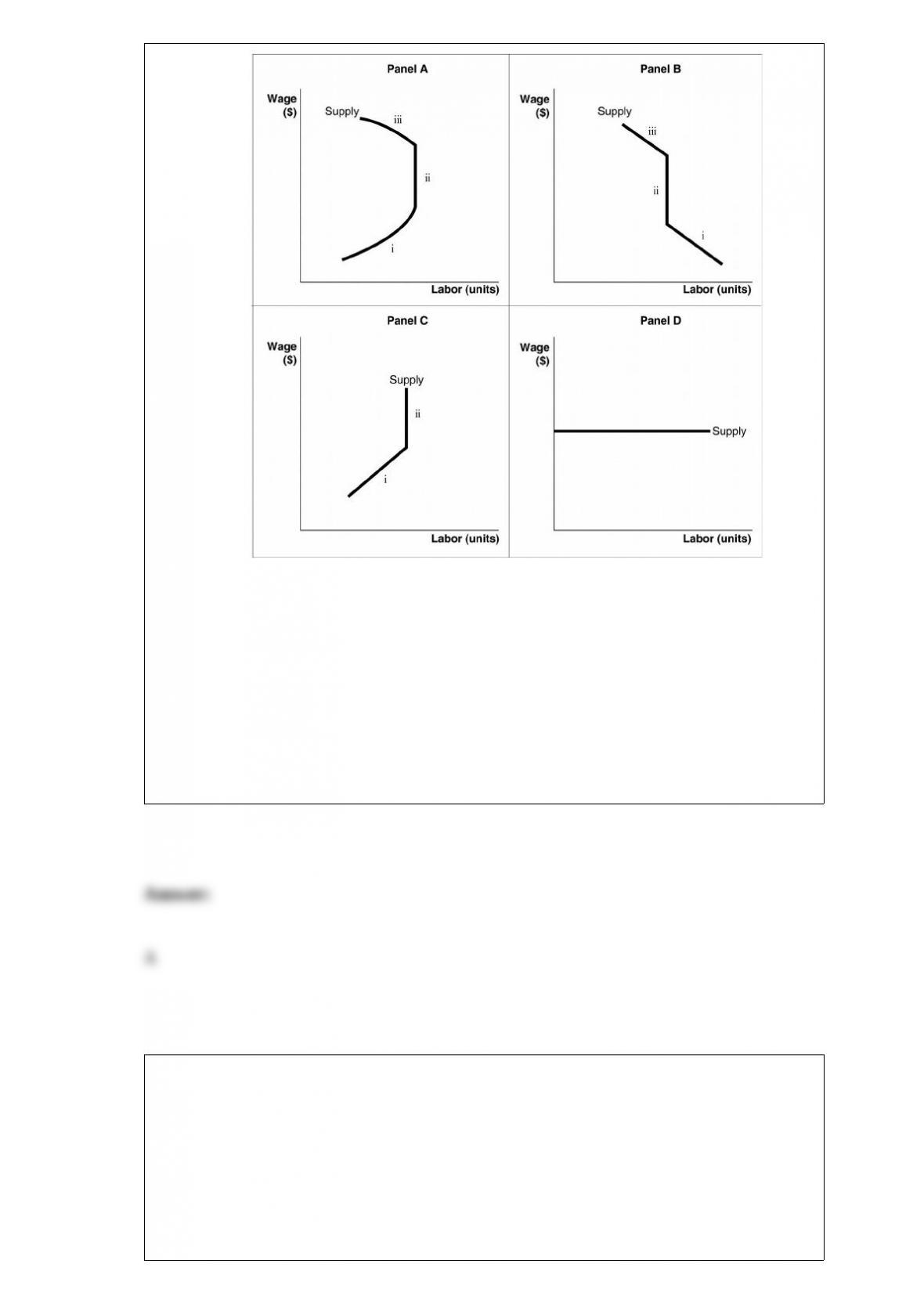
Figure 17-3
Which of the panels in the diagram best represents an individual’s labor supply curve?
A) Panel A
B) Panel B
C) Panel C
D) Panel D
Suppose the U.S. GDP growth rate is slower relative to other countries’ GDP growth
rates. This will
A) move the economy up along a stationary aggregate demand curve.
B) move the economy down along a stationary aggregate demand curve.
C) shift the aggregate demand curve to the left.

D) shift the aggregate demand curve to the right.
Firms use two marketing tools to differentiate their products. What are these two tools?
A) lobbying and word of mouth
B) market research and demand estimation
C) brand management and advertising
D) consumer surveys and market experiments
Collusion makes firms better off because if they act as a single entity (a cartel) they can
reduce output and increase their prices and profits. But some cartels have failed and
others are unstable. Which of the following is a reason why cartels often break down?
A) Most cartels do not have a dominant strategy.
B) When a cartel is profitable, the amount of competition it faces increases.
C) Members of a cartel may resent having to share their profits equally.
D) Each member of a cartel has an incentive to “cheat” on the collusive agreement by
producing more than its share when everyone else sticks with the collusive agreement.