When the demand for a product is less elastic than the supply,
A) consumers pay the majority of the tax on the product.
B) firms pay the majority of the tax on the product.
C) firms pay the entire tax on the product.
D) consumers pay the entire tax on the product.
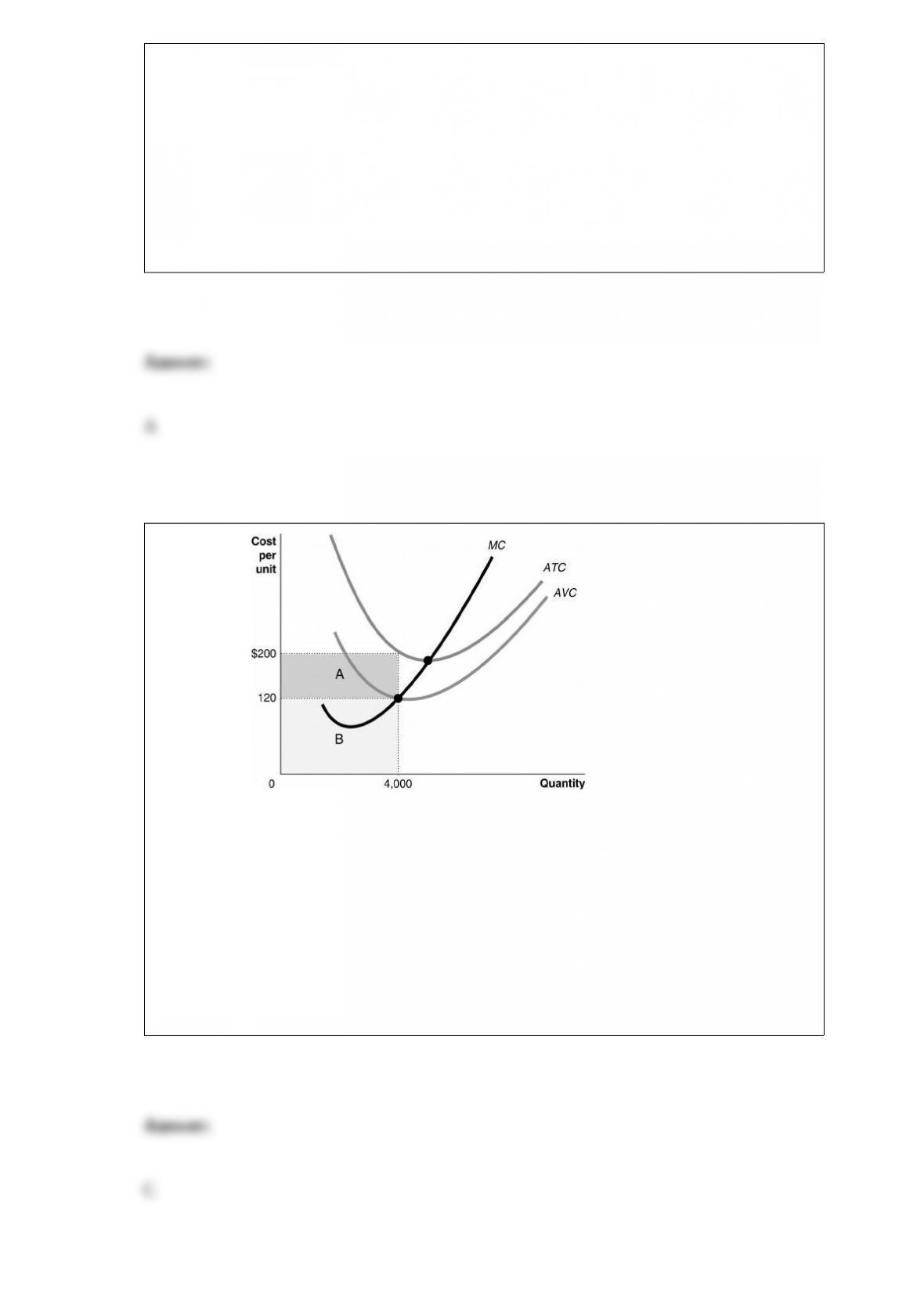
Figure 12-8
Suppose the market price is $120. Which of the following is true?
A) The firm earns a profit equal to the area A.
B) The firm earns a profit equal to the area A + B.
C) The firm suffers a loss equal to the area A.
D) The firm will break even.

Which of the following statements is correct?
A) Economic profit takes into account all costs involved in producing a product.
B) Accounting profit is not relevant in preparing the firm’s financial statement.
C) Economic profit always exceeds accounting profit.
D) Accounting profit is the same as economic profit.
If a firm wanted to know whether the demand for its product was elastic, unit-elastic, or
inelastic, then the firm could
A) survey competitors and ask them what they think demand elasticity is for the
product.
B) talk to its customers.
C) change price a little bit and observe what happens to total revenue.
D) not do anything, as there is no way to find an elasticity value.
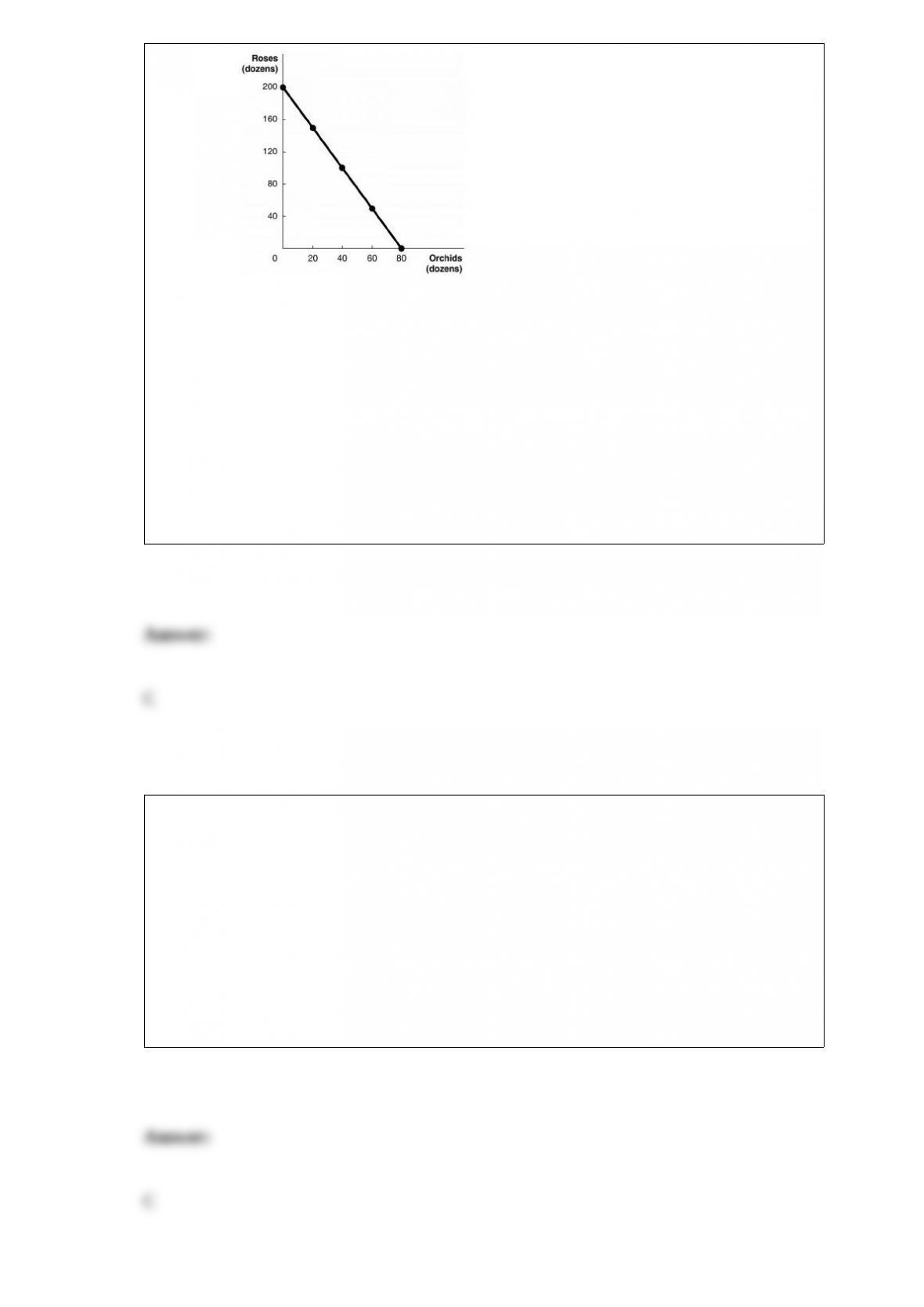
Figure 2-2 Figure 2-2 above shows the production
possibilities frontier for Vidalia, a nation that produces two goods, roses and orchids. If
Vidalia chooses to produce 50 dozen roses, how many orchids can it produce to
maximize production?
A) 20 dozen orchids
B) 40 dozen orchids
C) 60 dozen orchids
D) 80 dozen orchids
In the United States, consumers usually pay ________ than the true cost of medical
treatment because of ________.
A) more; adverse selection
B) more; rising insurance premiums
C) less; third-party payers
D) less; rising insurance deductibles

Replacing employment-based health care with a government-run system could reduce
employers payments for their workers insurance, but the amount that they would have
to pay in overall compensation
A) would remain essentially unchanged.
B) would dramatically increase.
C) would fall to zero.
D) would dramatically decrease.
As a consumer consumes more and more of a product in a particular time period,
eventually marginal utility
A) rises.
B) is constant.
C) declines.
D) fluctuates.