
Which of the following is true of a perfectly competitive market?
a. If economic profits are earned then the price will fall over time.
b. In long-run equilibrium P = MR = SRMC = SRATC = LRAC.
c. A constant-cost industry exists when the entry of new firms has no effect on their cost
curves.
d. All of these.
The study of microeconomics and macroeconomics differ in that:
a. microeconomics is concerned with the domestic economy and macroeconomics is
concerned only with the international economy.
b. microeconomics examines the individual markets of the economy while
macroeconomics studies the whole economy.
c. microeconomics studies the actions of households and macroeconomics studies the
actions of business firms.
d. microeconomics examines the whole economy while macroeconomics studies the
individual units of the economy.
If the demand for a good increases when the price of another good increases, then these
goods are:
a. complementary in consumption.
b. complementary in production.
c. substitute in production.
d. substitute in consumption.
e. neither substitutes nor complementary.
If a consumer is spending all of his/her income in a manner where MUa / Pa is greater
than MUb / Pb, then the consumer:
a. is maximizing his/her utility.
b. should increase his/her purchases of B and decrease the purchases of A.
c. should spend more money on both goods.
d. should spend less money on both goods.
e. should increase the purchases of A and decrease the purchases of B.
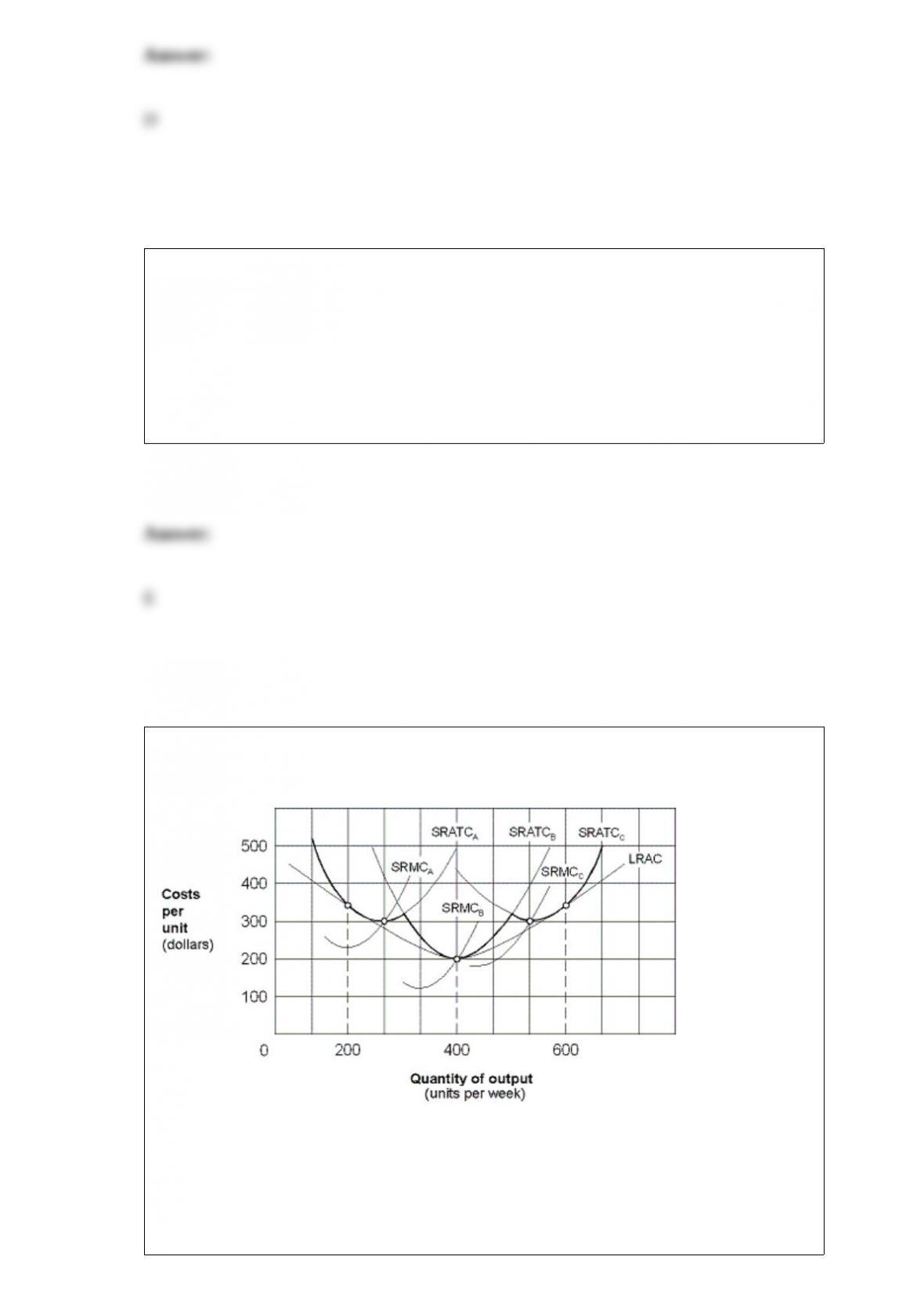
Exhibit 8-18 A typical firm in a perfectly competitive market
As shown in Exhibit 8-18, the perfectly competitive firm is in long-run equilibrium at a
price of:
a. $100.
b. $200.
c. $300.
d. $400.
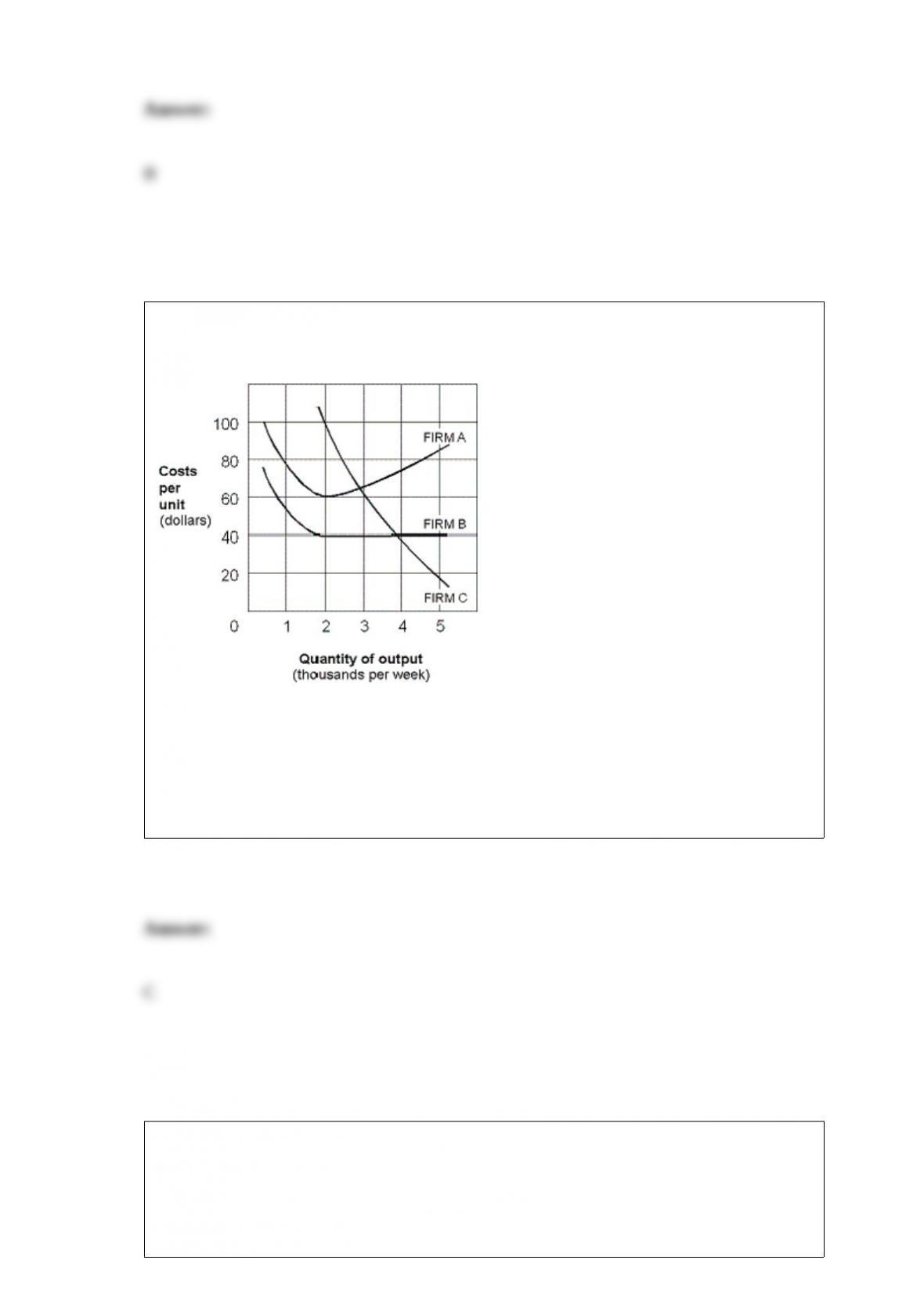
Exhibit 7-16 Long-run average cost curves
Which firm in Exhibit 7-16 displays a long-run average cost curve with economies of
scale throughout the range of output shown?
a. Firm A.
b. Firm B.
c. Firm C.
d. Firms A and B.
Which of the following is the result of competing through advertising for a
monopolistically competitive firm?
a. Long-run average costs shift downward.
b. The firm’s demand curve become flatter and shifts inward.
c. The firm’s demand curve keeps the same slope and shifts inward.
d. Long-run average costs shift upward.
Utility theory assumes that marginal utility:
a. increases as an individual consumes more of a product.
b. decreases as an individual consumes more of a product.
c. is zero as long as the individual derives utility from the product.
d. is constant as long as the individual derives utility from the product.
e. is constant as long as the individual derives satisfaction from the product.
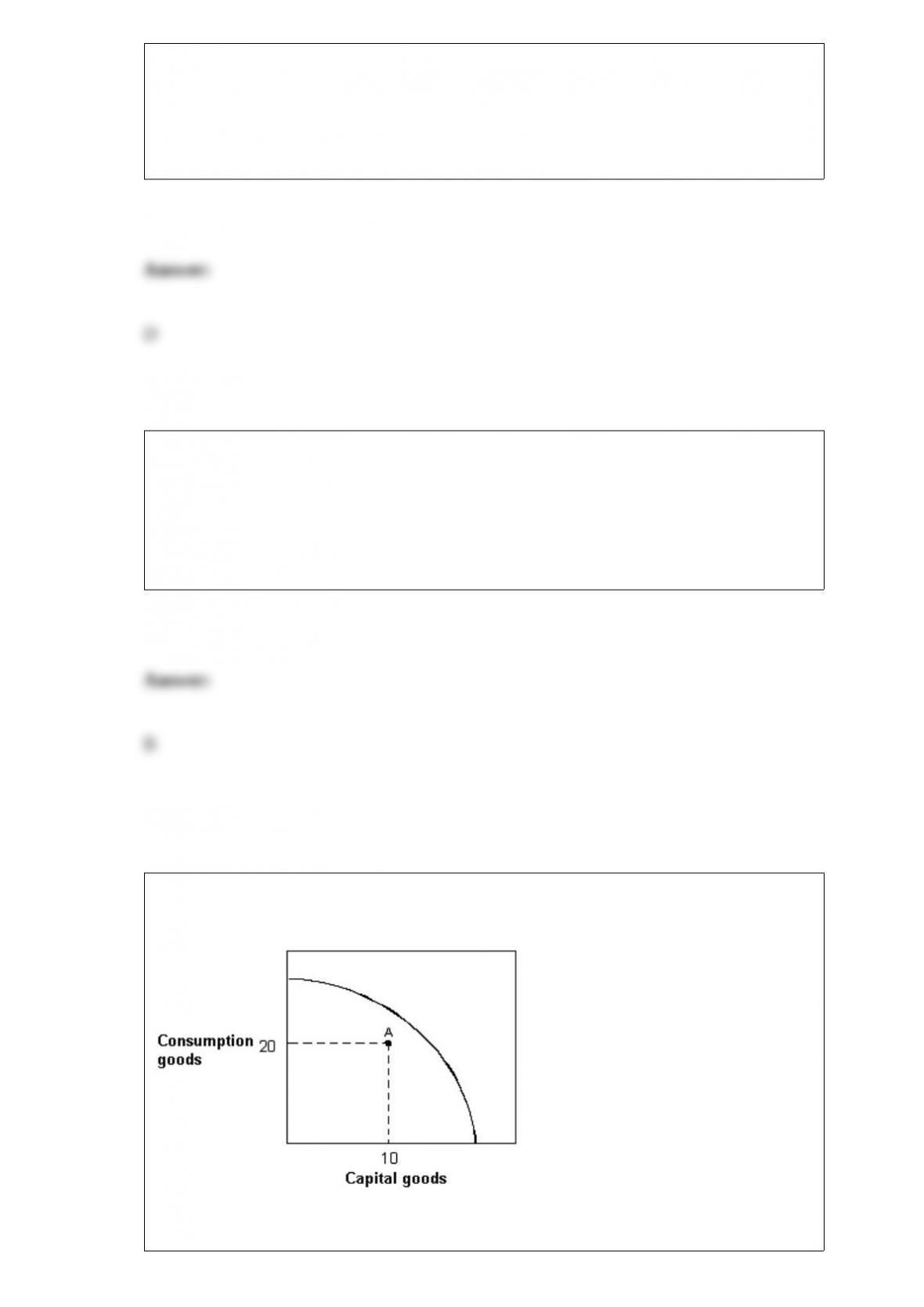
Exhibit 2-12 Production possibilities curve
In Exhibit 2-12, suppose an economy with the given production possibilities curve is

currently located at point A in the figure. Which of the following statements is false?
a. This economy could produce more of both capital and consumption goods.
b. This economy is experiencing full employment.
c. This economy could produce more capital goods while holding fixed the number of
consumption goods produced.
d. This economy could produce more consumption goods while holding fixed the
number of capital goods produced.
e. Not every resource in this economy is being utilized
If it costs $2,000 to pick up the litter along a highway, then the cost of the externality is:
a. $0.
b. more than $0, but less than $2,000.
c. $2,000.
d. more than $2,000, but finite.
e. infinite.
Exhibit 3-3 Demand curves
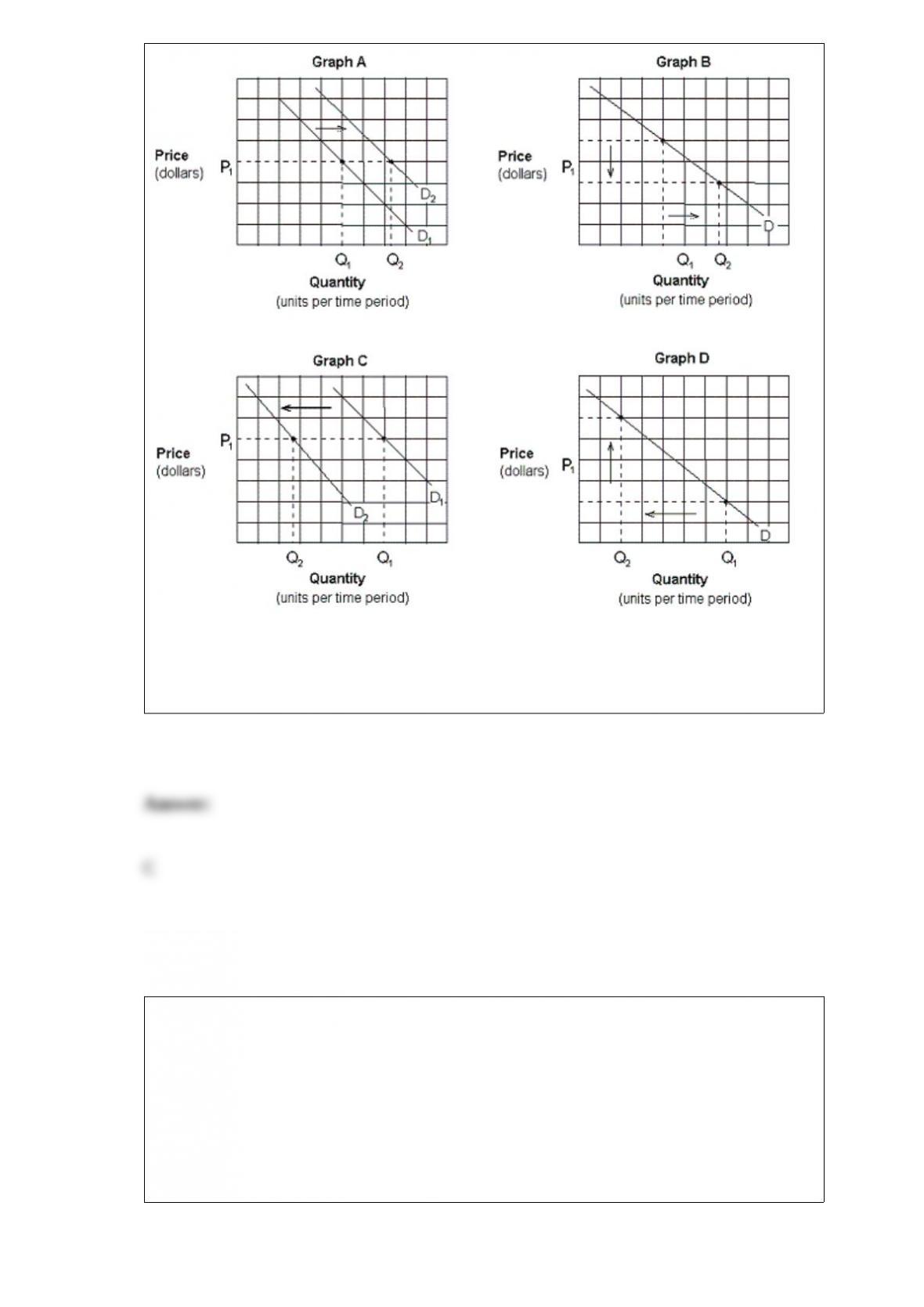
Which of the graphs in Exhibit 3-3 depicts the effect of a decrease in the price of
domestic cars on the demand for foreign cars?
a. Graph A. c. Graph C.
b. Graph B. d. Graph D.
A portrait photographer produces output in packages of 100 photos each. If the output
sold increases from 600 to 700 photos, total revenue increases from $1,200 to $1,400.
The marginal revenue per photo is:
a. $200.
b. $100.
c. $20.
d. $2.
e. $1.

Which of the following is an amendment that strengthened the Sherman Antitrust Act?
a. Celler Kefauver Act. c. Robinson-Patman Act.
b. Clayton Act. d. Tyler Act.
Assuming that bus travel is an inferior good, an increase in consumer income, other
things being equal, will cause a(n):
a. upward movement along the demand curve for bus travel.
b. downward movement along the demand curve for bus travel.
c. rightward shift in the demand curve for bus travel.
d. leftward shift in the demand curve for bus travel.
Assume that oranges and peaches can both be grown on the same type of land, a
decrease in the price of peaches, other things being equal, will cause a(n):
a. upward movement along the supply curve for oranges.
b. downward movement along the supply curve for oranges.
c. rightward shift of the supply curve for oranges.
d. leftward shift of the supply curve for oranges.

Assume the price of Advil increases. As a result, you decrease the quantity of Advil
purchased each month and purchase more Tylenol. This is an example of the:
a. income effect.
b. utility effect.
c. consumption effect.
d. substitution effect.
The demand curve for labor of Coca-Cola manufacturers will not shift to the right if:
a. d and e.
b. the price of Coca-Cola increases.
c. the firms innovate with new technology that raises labor productivity.
d. the price of Pepsi decreases.
e. Coca-Cola workers become unionized.
Exhibit 1A-2 Straight line
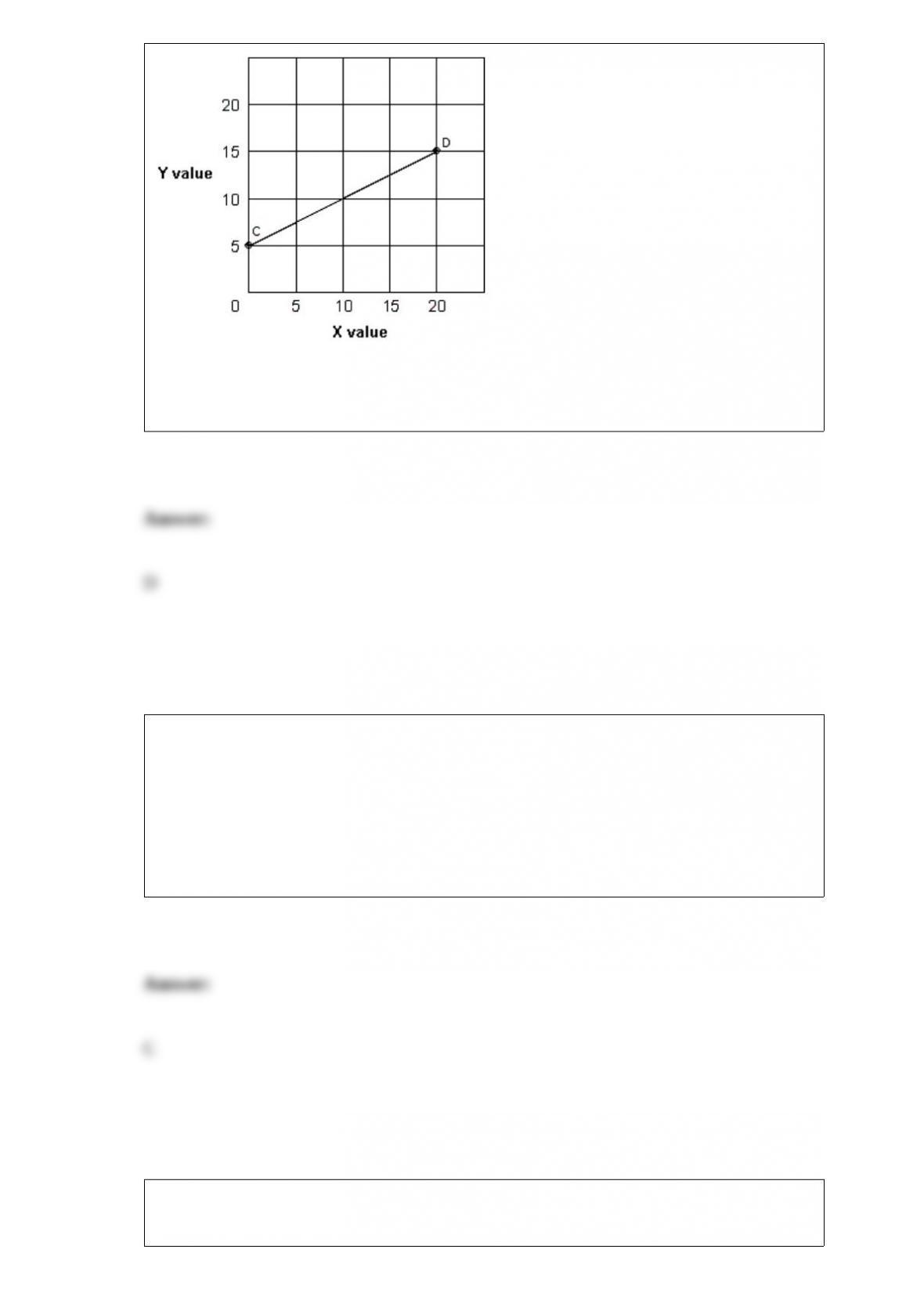
In Exhibit 1A-2, the slope of straight line CD is:
a. 3. c. 1.
b. 1. d. 1/2.
Which of the following best describes the economic concept of utility?
a. Utility is the total number of units a consumer buys.
b. Utility measures the usefulness of goods, such as tools or food, and so goods such as
artwork or attractive landscaping by definition has no utility.
c. Utility measures the satisfaction, or pleasure, that people receive from consuming a
good or service.
d. None of the above are correct.
The statement, “John buys more of good X as his income increases, Ceteris paribus,”
means:
a. John’s income is being held constant.
b. John’s purchases of good X are being held constant.
c. John’s income and purchases of this good are being held constant.
d. the price of this good is being allowed to change.
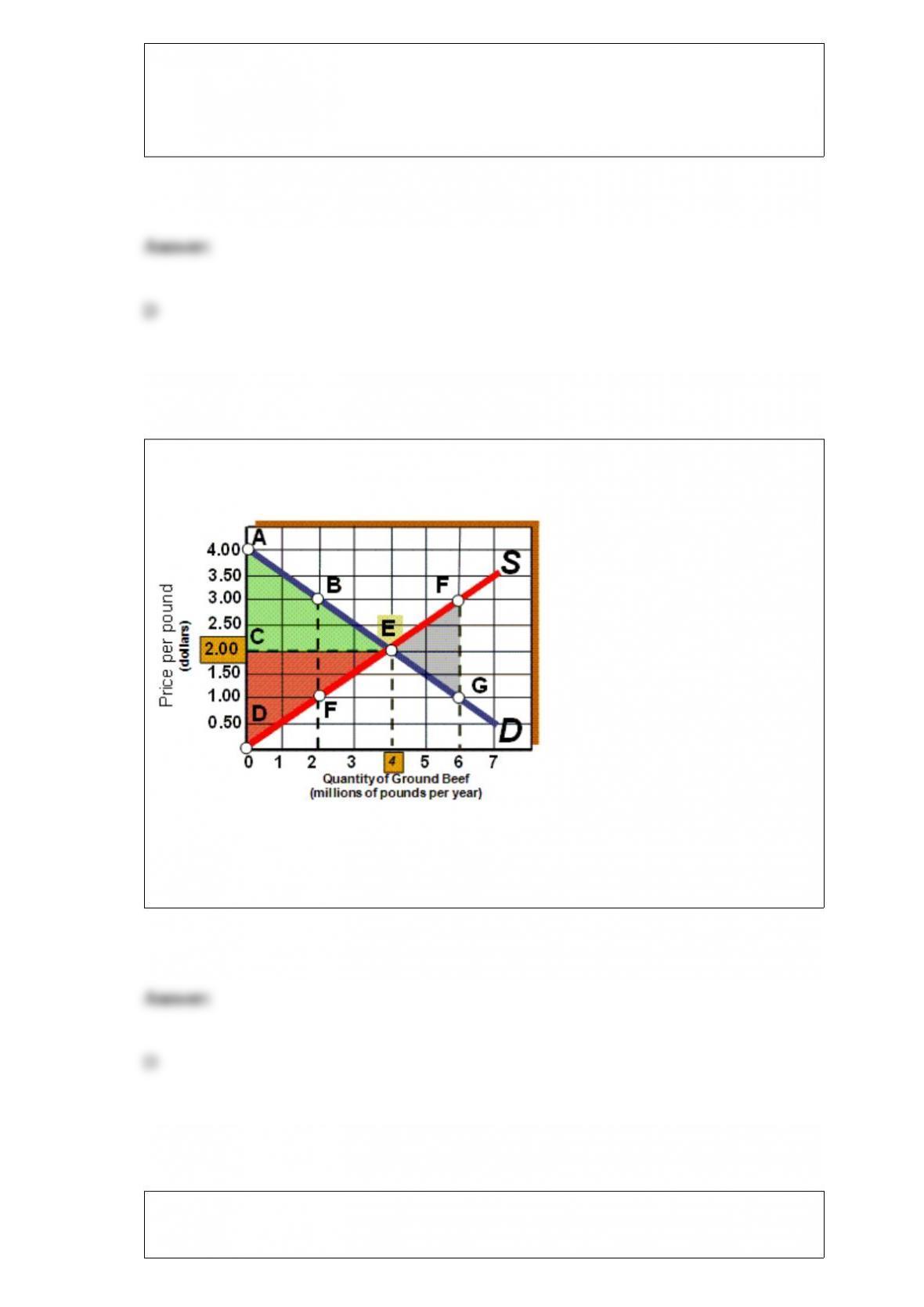
Exhibit 3A-1 Comparison of Market Efficiency and Deadweight Loss
As shown in Exhibit 3A-1, if the quantity supplied is 2 million pounds of ground beef
per year, the result is a deadweight loss represented by area:
a. ABEC. c. EGH.
b. CEFD. d. BEF.
The vicious circle of poverty is the trap in which the LDC is too poor to save and
therefore it cannot invest and remains poor.

In a command economy, resources are publicly owned by government and economic
activity is coordinated through a central government planning authority.
Trade can increase the consumption possibilities of nations.
The Sherman Antitrust Act outlawed tying contracts.
Describe the comparable worth controversy?