An increase in the real rate of interest that can be earned on U.S. investments above the
rate that can be earned on investments in India would:
a. increase the price of the dollar in Indian rupees.
b. increase the supply of dollars by those holding U.S. dollars.
c. decrease the equilibrium exchange rate of Indian rupees per dollar.
d. all of these.
A depreciation of one’s currency means that:
a. the country’s exports will become more expensive.
b. it now requires less of this currency in exchange for one unit of another currency.
c. the country’s imports will become less expensive.
d. it now requires more of this currency in exchange for one unit of another currency.
e. it now requires more units of other currencies in exchange for one unit of this
currency.
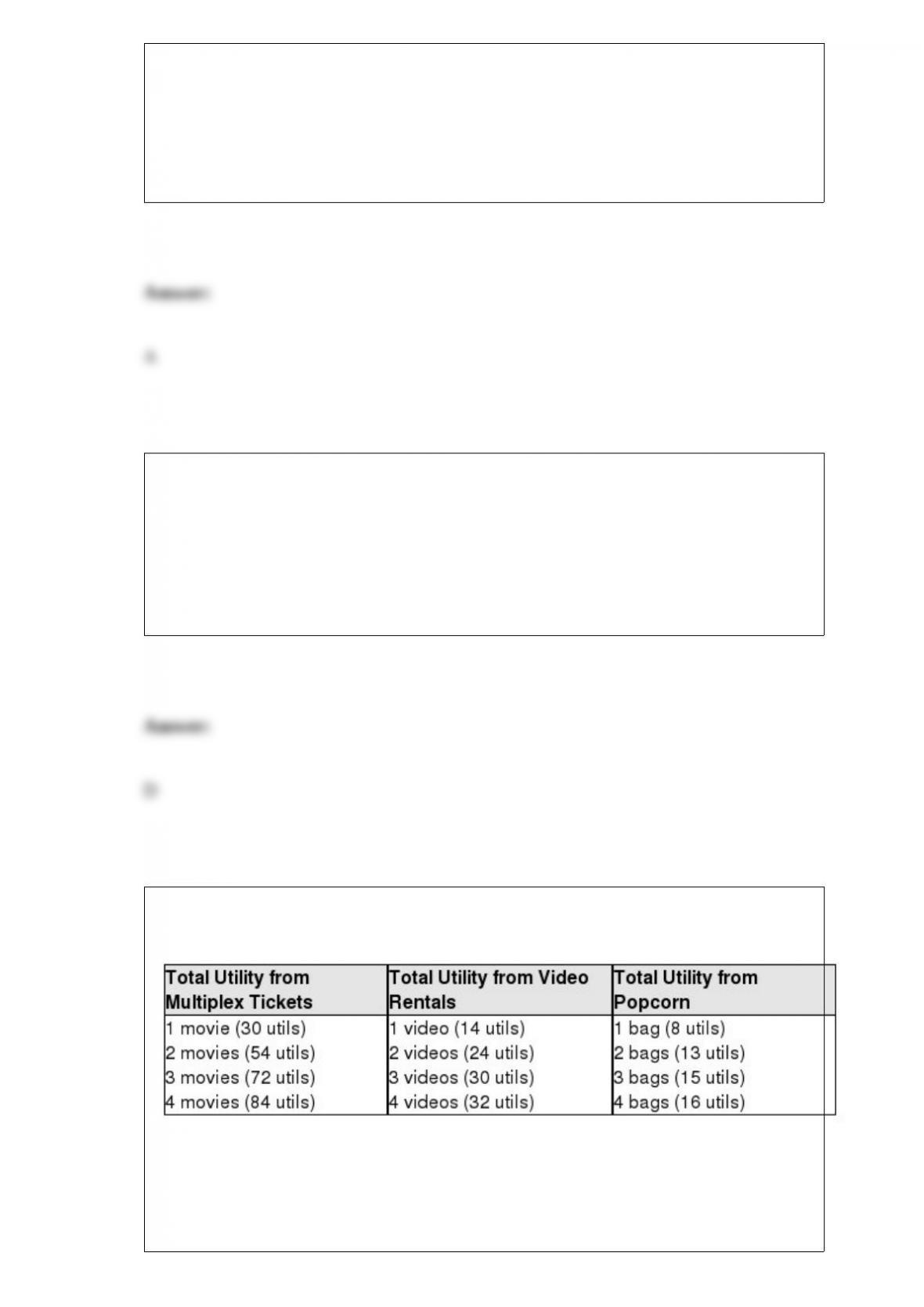
Exhibit 6-4 Total utility for multiplex tickets, video rentals, and popcorn
In Exhibit 6-4, assume the Multiplex tickets cost $6 each, video rentals cost $2 each,
and bags of popcorn cost $1 each. Suppose the consumer has $12 per week to spend on
multiplex tickets, video rentals, and popcorn. What combination of goods will give the
consumer the most utility?
a. 1 movie, 3 videos, and no popcorn.

b. 1 movie, 2 videos, and 2 bags of popcorn.
c. 1 movie, 1 video, and 4 bags of popcorn.
d. 2 movies, no videos, and no bags of popcorn.
The cross elasticity between Rolaids and Tums is expected to be:
a. negative.
b. positive.
c. zero.
d. one.
e. infinite.
The marginal revenue product of labor is:
a. how much labor can be purchased with the revenue from the sale of one more unit of
the good.
b. how much does the marginal revenue change when you add more labor.
c. the same as the marginal revenue product of capital in equilibrium.
d. determined by the wage rate.
e. the contribution to total revenue made by the marginal laborer.

In which antitrust case did the Supreme Court begin to apply the per se rule to
determine whether a firm was in violation of the Sherman Antitrust Act?
a. The Standard Oil case. c. The IBM case.
b. The Alcoa case. d. The MIT case.
Economic growth and development in LDCs are low because many of them lack:
a. saving.
b. infrastructure.
c. a political environment favorable to growth.
d. All of these.
A third party is:
a. the party to which a contractual agreement is meant to benefit.
b. a person, or persons, who are unintentionally affected by a market transaction.
c. the third person in a three-way contract.
d. the person who owns the property right in a contract.
e. when the government attempts to mediate a dispute between management and labor.
The marginal factor cost for a monopsonist is:
a. equal to the market wage rate.
b. above the market wage rate.
c. below the market wage rate.
d. affected by the fact that workers are less willing to work than under conditions of
perfect competition.
e. lower than the marginal revenue product of labor in equilibrium.
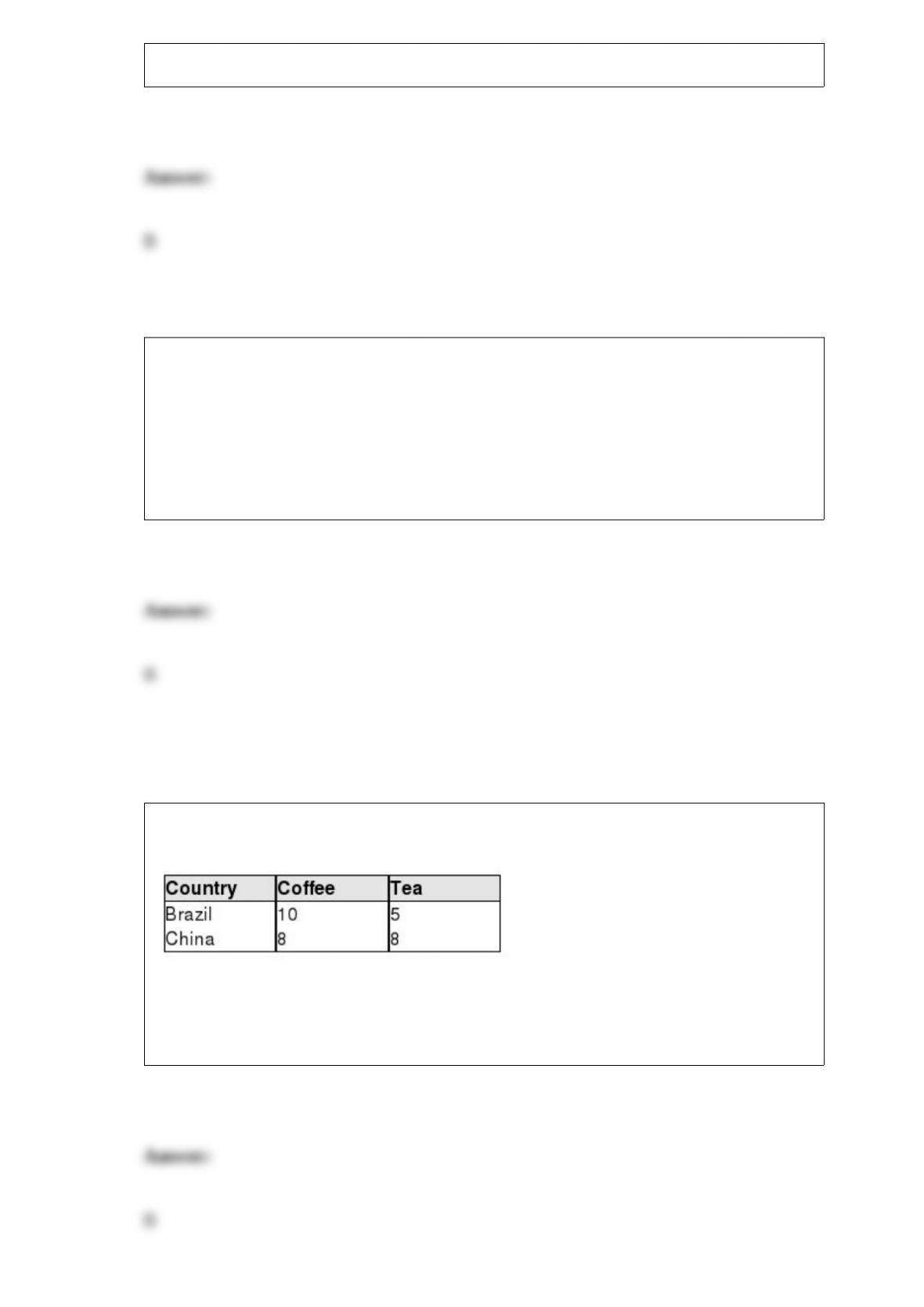
Exhibit 15-4 Coffee and tea output (pounds per hour)
As shown in Exhibit 15-4, if each country produced according to its comparative
advantage, Brazil would produce:
a. tea and China would produce coffee. c. both coffee and tea.
b. coffee and China would produce tea. d. neither coffee nor tea.

A tariff is a tax on ____ goods that is designed to ____.
a. exported; protect domestic industries
b. exported; hurt foreign industries
c. imported; made domestic consumers pay more
d. imported; protect domestic industries
e. domestic; discourage imports
Which of the following is most important if the living standards of people residing in a
country are going to improve?
a. growth of population
b. growth of per capita GDP
c. growth of the money supply
d. growth of government expenditures as a share of GDP
A monopolist can earn an economic profit only when:
a. marginal cost equals marginal revenue.
b. marginal cost equals price.
c. average total cost is less than price.
d. all of these.

The slope of an indifference curve is equal to the ratio of the ____ of the good on the
horizontal axis to the ____ of the good on the vertical axis.
a. marginal utility (MU); marginal utility (MU)
b. total utility (TU); total utility (TU)
c. marginal product (MP); marginal product (MP)
d. price (P); total utility (TU)
If a consumer is choosing the optimal combinations of two goods X and Y, and then the
price of good Y decreases, this causes:
a. MU/P of good X to increase, so the consumer now must buy more X to find a new
optimal combination.
b. demand for good X to increase.
c. MU/P of good Y to increase, so the consumer now must buy more Y to find a new
optimal combination.
d. MU/P of good Y to decrease, so the consumer now must buy more Y to find a new
optimal combination.
e. the demand for good X and good Y will not change.
As price decreases and we move down further along a linear demand curve, the price
elasticity of demand will:
a. decrease.
b. increase.
c. stay the same.
d. approach infinity.
e. increase or decrease.
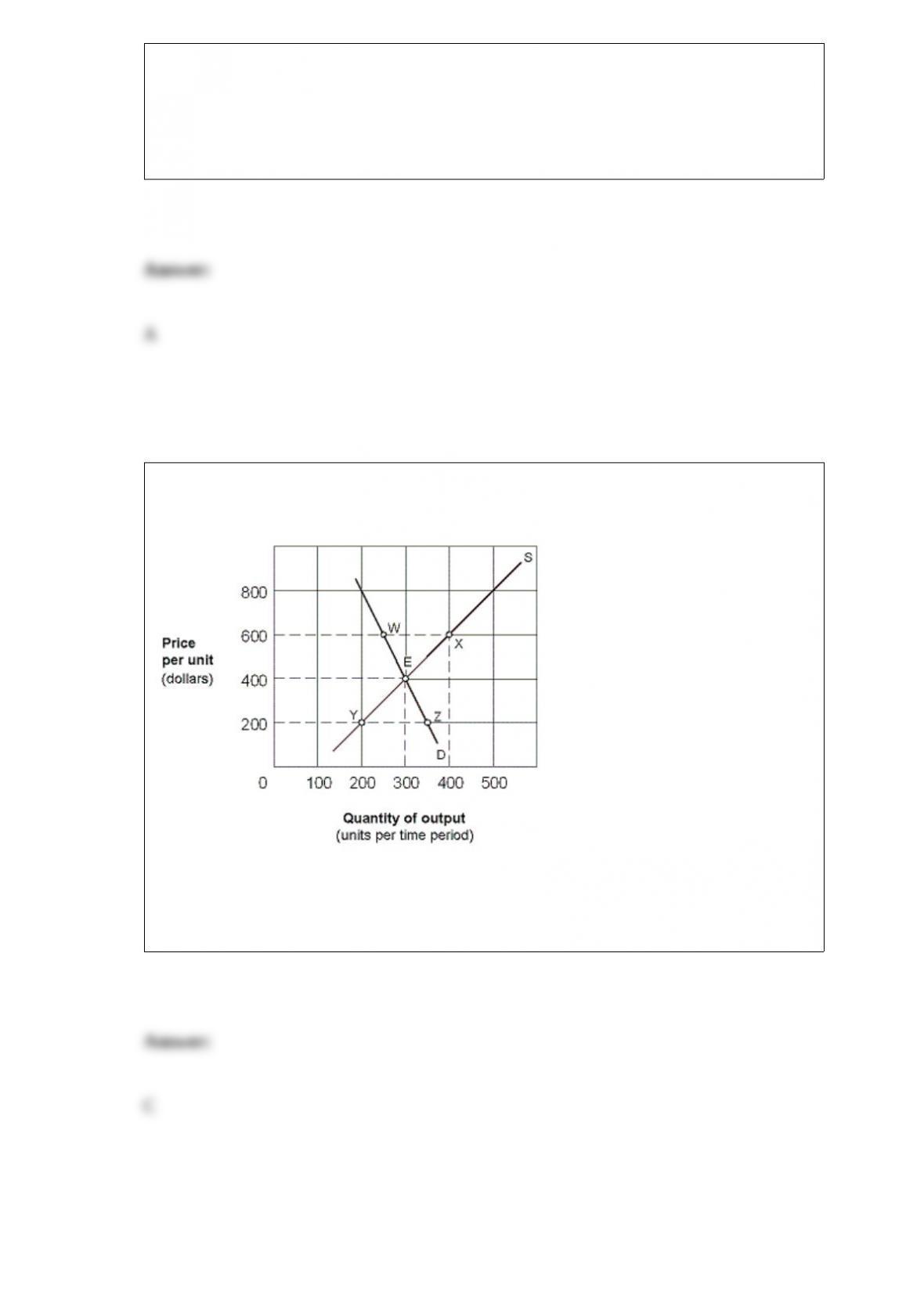
Exhibit 5-8 Supply and demand curves for good X
As shown in Exhibit 5-8, assuming good X is a normal good, a decrease in consumer
income, other factors held constant, will move the equilibrium from point E to point:
a. X. c. Y.
b. Z. d. W.

At a price of $5, Sam buys 10 units of a product; when the price increases to $6, Sam
buys 8 units. Martha says Sam’s demand has decreased. Is Martha correct?
a. Yes, Martha is correct. Sam’s demand has decreased.
b. No, Martha is incorrect. Sam’s demand has increased.
c. No, Martha is incorrect. Sam’s quantity demanded has decreased, and his demand has
not changed.
d. No, Martha is incorrect. Sam’s quantity demanded has increased, and his demand has
increased.
e. No, Martha is incorrect. Sam’s demand has increased, and his quantity demanded has
decreased.
A technological improvement in the production of good X causes the:
a. demand curve for X to shift to the right.
b. demand curve for X to shift to the left.
c. supply curve for X to shift to the right.
d. supply curve for X to shift to the left.
A production possibilities curve has “good X” on the horizontal axis and “good Y” on
the vertical axis. On this diagram, the opportunity cost of good X, in terms of good Y, is
represented by the:
a. distance to the curve from the horizontal axis.
b. distance to the curve from the vertical axis.
c. distance from the origin to the curve.

d. change in Y for each change in X along the curve.
In order to increase society’s total welfare (social efficiency), a production process that
produces a negative externality should be:
a. taxed. c. ignored.
b. provided by the government. d. subsidized.
Solar vehicles that operate on photovoltaic cells:
a. are economically efficient today as compared to gasoline vehicles.
b. are not economically efficient because they create greater negative externalities than
gasoline vehicles.
c. are not economically efficient even though they create fewer negative externalities
than gasoline vehicles.
d. should be subsidized by government so that they cost less than gasoline automobiles.

Which of the following pairs of goods would be considered complementary?
a. Coca-Cola and Pepsi.
b. Computers and computer software.
c. Radios and televisions.
d. Mass transit and private automobiles.
e. Compact discs and cassette tapes.
One of the assumptions underlying the production possibilities curve for any given
economy is that:
a. the state of technology changes.
b. there is an unlimited supply of resources.
c. there is full employment of resources when the economy is on the curve.
d. goods can be produced outside the curve.
Suppose that X and Y are substitutes. If the price of Y increases, equilibrium price and
quantity for X both rise.

Describe the advantages that a negative income tax has over other programs that have
the same purpose.
According to the law of supply, price and quantity supplied are inversely related,
ceteris paribus.
In an oligopoly, the outcome is uncertain because price and output decisions depend on
the response of rivals.
A firm’s marginal product curve slopes downward throughout its length.

The Clayton Act allowed board members of one corporation to sit on the board of a
competing firm as long as inside information was not transmitted.
Political instability is a deterrent to long-term private investment.