All things equal, the price elasticity of supply:
a. will be greater in the short run than in the long run.
b. will be greater in the long run than in the short run.
c. is the same for the short run and the long run.
d. approaches zero in the long run.
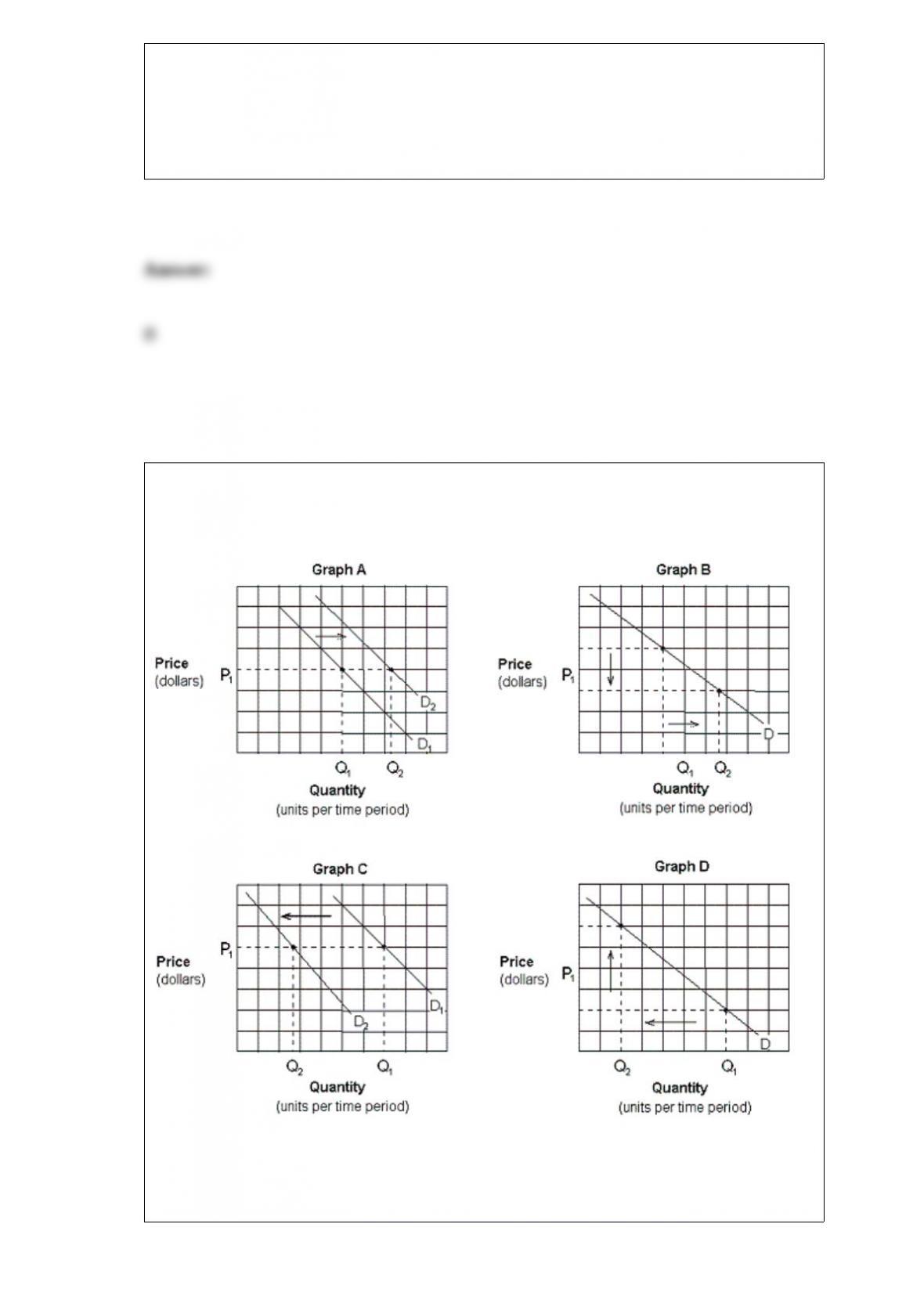
Exhibit 3-3 Demand curves
Which of the graphs in Exhibit 3-3 depicts the effect of an increase in income on the
demand for pork and beans (an inferior good)?
a. Graph A. c. Graph C.
b. Graph B. d. Graph D.

Which of the following is the best example of a monopolistically competitive market?
a. Wheat. c. Diamonds.
b. Automobiles. d. Retail sales.
People who enjoy the benefits of a public good without paying for them are called:
a. spillover parties. c. free riders.
b. external consumers. d. antitrust violators.
A cartel:
a. is a group of firms formally agreeing to control the price and the output of a product.
b. has as its primary goal to reap monopoly profits by replacing competition with
cooperation.
c. is illegal in the United States, but not in other nations.
d. all of these.
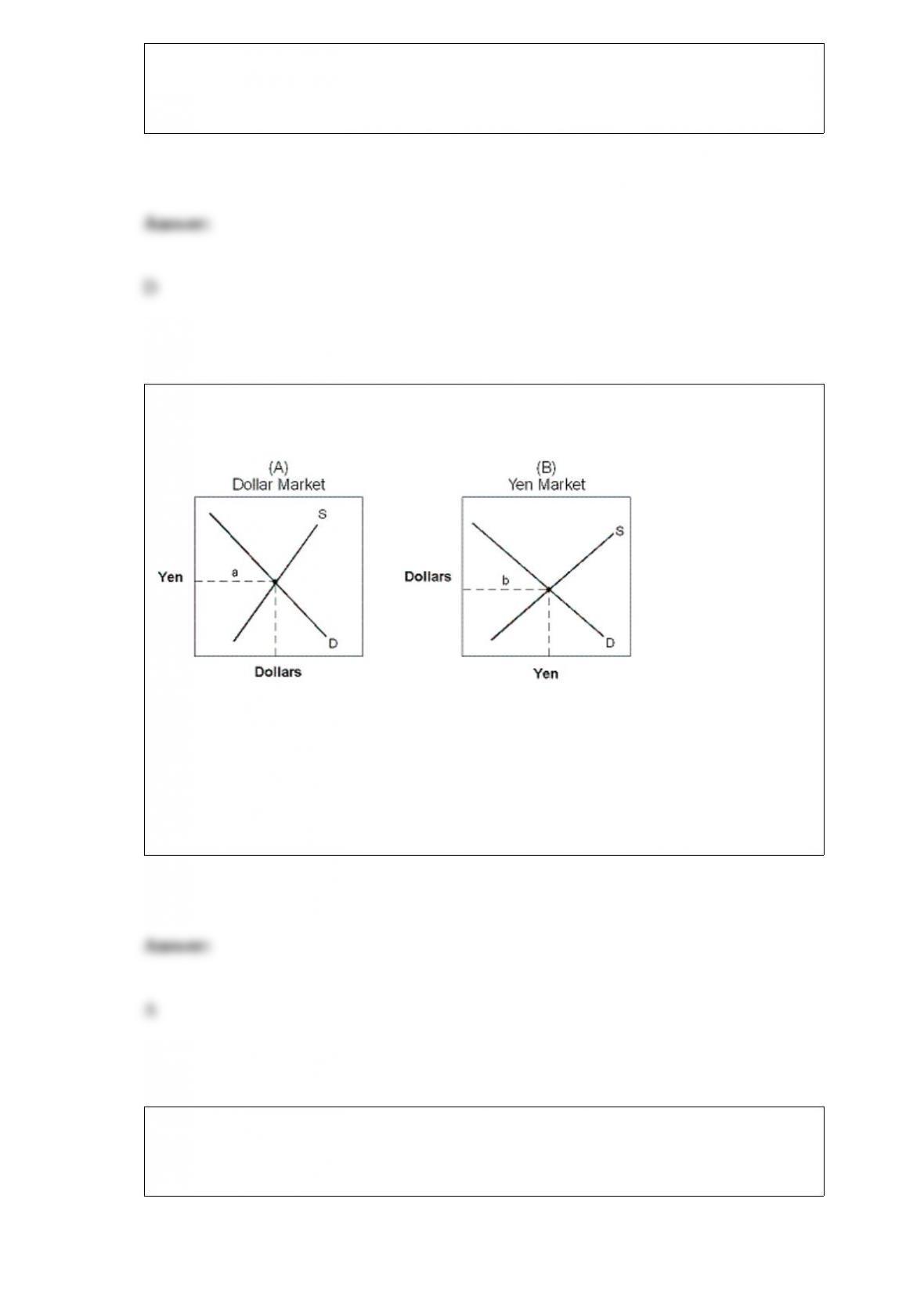
Exhibit 15-5 International currency markets
Exhibit 15-5 displays the international currency market for yen in terms of dollars and
dollars in terms of yen. The demand curve in graph 15-5(B) is determined by:
a. U.S. citizens attempting to purchase Japanese-made goods.
b. Japanese attempting to purchase U.S.-made goods.
c. U.S. businesses attempting to sell to the Japanese.
d. Japanese businesses attempting to sell to the U.S.
e. the U.S. government attempting to unload dollars to the international market.
The Latin expression Ceteris paribus means:
a. everything else being equal. c. economists are partly right.
b. economic model. d. partial scarcity is certain.

Which of the following represents positive economics?
a. Policy A is fair.
b. Outcome B is the best objective to achieve.
c. If policy A is followed, then outcome B results.
d. All of these.
Which of the following would be an external cost to the consumption of cigarettes?
a. Price of a pack of cigarettes.
b. Loss of income resulting from extra missed days of work.
c. Higher life insurance premiums due the practice of smoking.
d. The loss in utility received because the smoker must stand outside her office building
in the winter to smoke.
e. Increased risk of cancer to the nonsmoking passengers in the smoker’s carpool.
A movement along the demand curve for automobiles is caused by a change in:

a. the price of automobiles. c. the price of steel.
b. the price of gasoline. d. consumers’ incomes.
Which of the following statements is always true with respect to oligopolists?
a. They react slowly to actions taken by other firms
b. They lower prices together
c. They raise prices together
d. They know with certainty what they other firms will do
e. They take into consideration how other firms might react.
Which of the following transactions would be excluded in the capital account?
a. A Japanese citizen purchases a U.S. Treasury bill.
b. A Japanese citizen purchases an office building in Manhattan.
c. A U.S. citizen purchases a share of stock from a Japanese company.
d. An American purchases a Toyota.

The act of buying a commodity in one market at a lower price and selling it in another
market at a higher price is known as:
a. buying long.
b. selling short.
c. a tariff.
d. arbitrage.
Which of the following would most likely cause the demand for veggi burgers to
increase?
a. A decline in the price of veggie burger.
b. An increase in the price of tofu burgers, perceived as a substitute by veggie burger
consumers.
c. An increase in the price of burger buns.
d. A technological innovation that lowers the cost of producing veggie burgers.
If both the marginal cost and the average variable cost curves are U-shaped. At the
minimum point on the average variable cost curve, the marginal cost must be:
a. greater than the average variable cost.
b. less than the average variable cost.
c. equal to the average variable cost.
d. at its minimum.
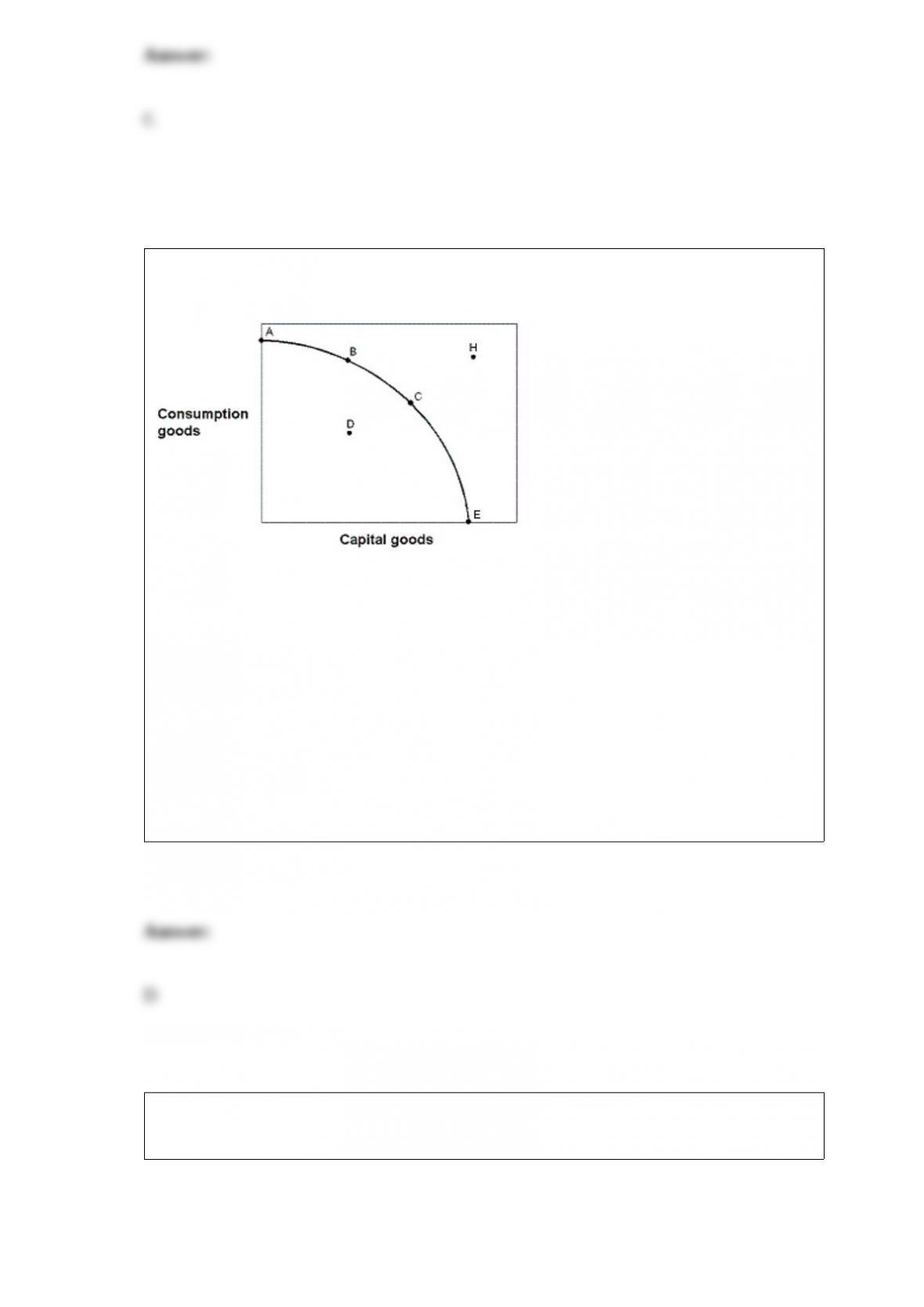
Exhibit 2-13 Production possibilities curve
In Exhibit 2-13, if the economy decides to locate at point E, then:
a. this is the best choice for this economy.
b. the maximum number of consumption goods is being produced.
c. the economy has not achieved full employment.
d. the economy could not survive because no food is being produced.
e. the economy has not achieved maximum efficiency.
Exhibit 7-1 Production of pizza data
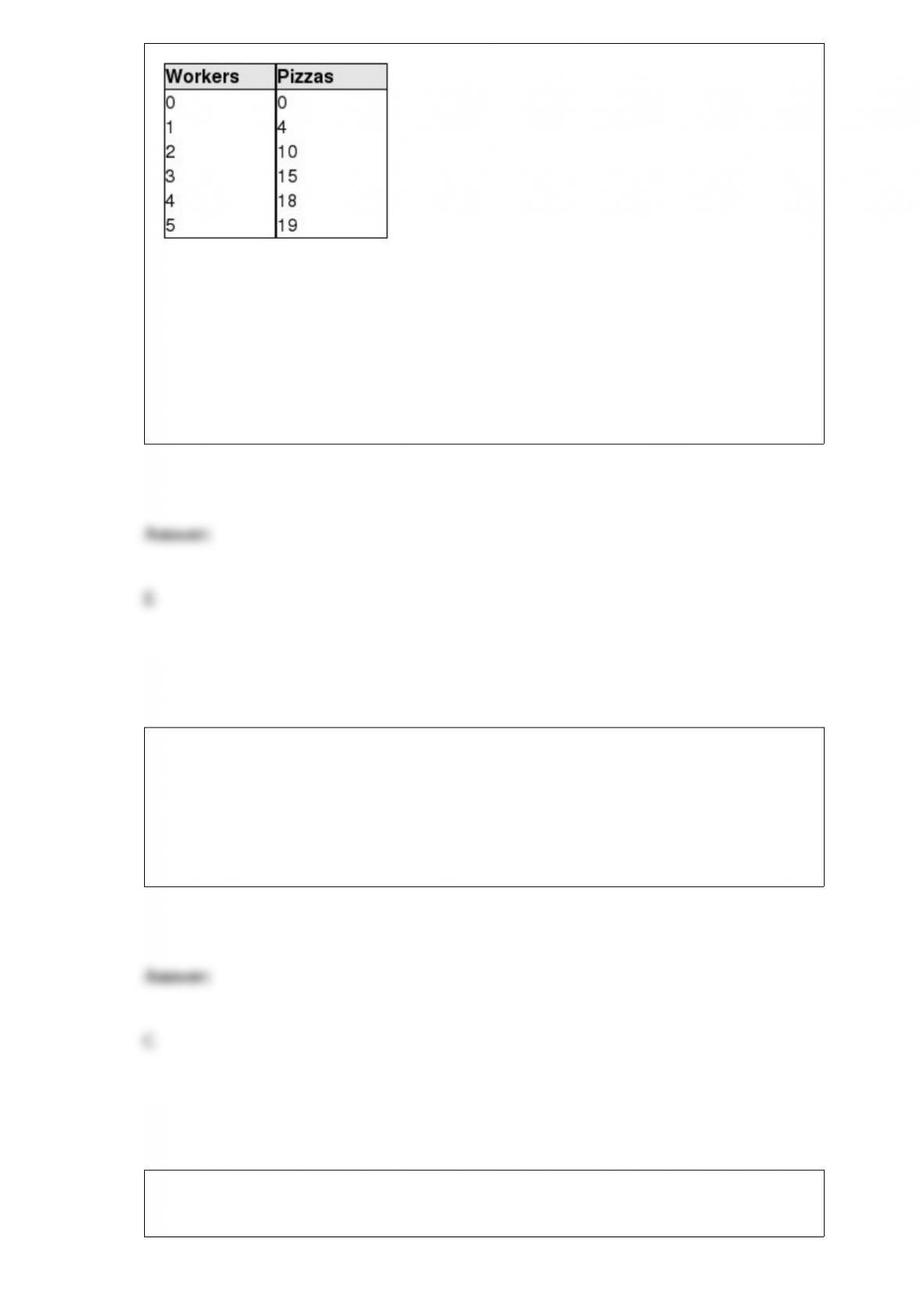
Exhibit 7-1 shows the change in the short-run production of pizzas as more workers are
hired. The table shows the marginal product of the labor input is decreasing with the
hiring of the third worker. A possible reason for this diminishing marginal product is:
a. decreased wages.
b. increases in plant size.
c. decreases in fixed cost.
d. increased division of labor as additional workers are hired.
e. decreases in labor productivity.
The fact that price and quantity demanded are related negatively illustrates the:
a. law of supply.
b. law of quantity supply.
c. law of demand.
d. law of quantity demanded.
e. point that some facts are unobservable.
Exhibit 6A-5 Consumer equilibrium
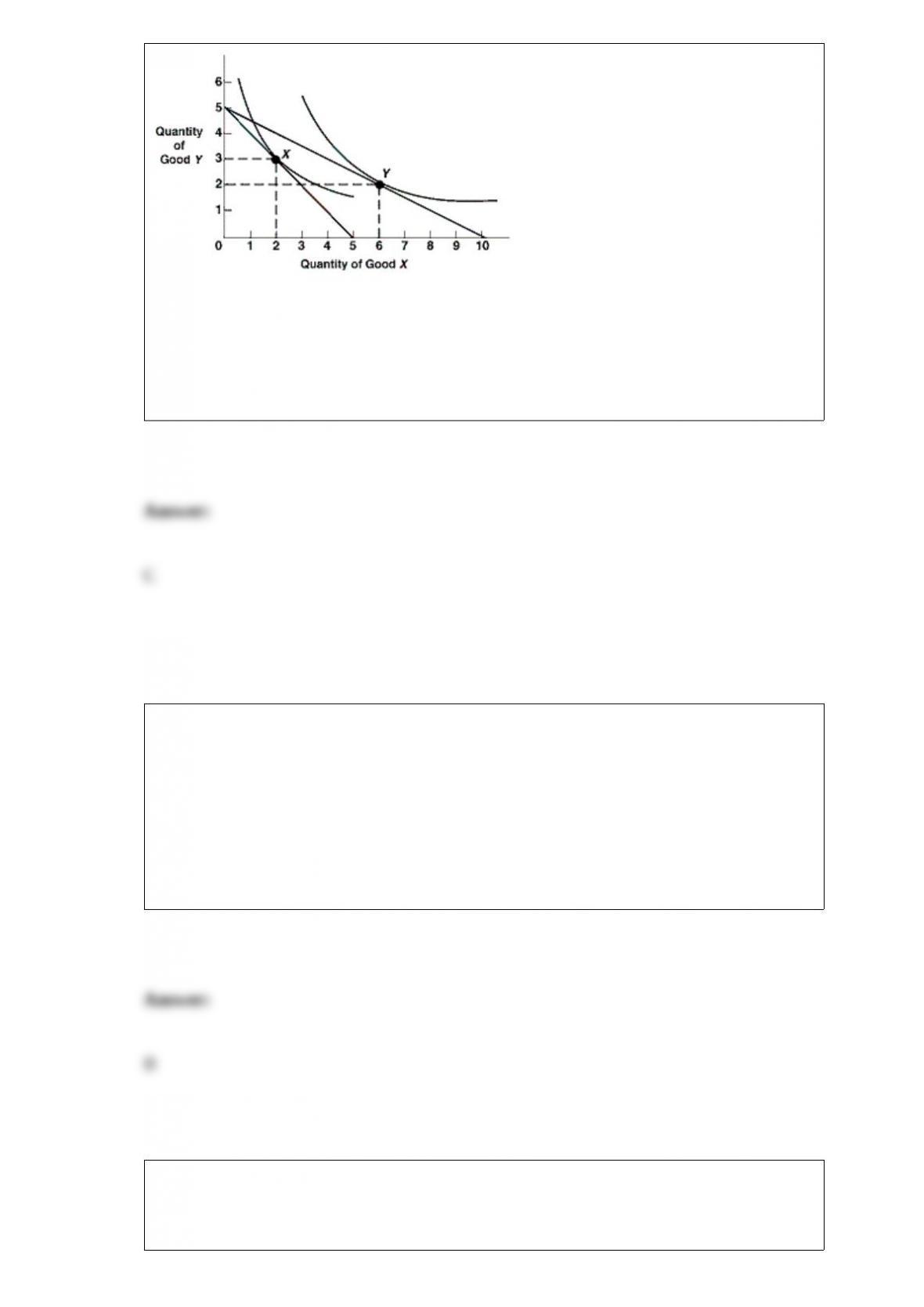
Given the budget lines and indifference curves shown in Exhibit 6A-5, if the budget
line shifts, then the equilibrium points X and Y:
a. result from a decrease in the price of good X.
b. result from a decrease in the consumer’s budget.
c. are two points along a downward sloping demand curve for good X.
d. result from a decrease in the price of good Y.
If nation A has a comparative advantage over nation B in the production of a product,
this implies:
a. it requires fewer resources in A to produce the good than in B.
b. the cost of producing the good in terms of some other good’s production that must be
sacrificed is lower in A than in B.
c. that nation B could not benefit by engaging in trade with A.
d. that nation A should acquire this product by trading with B.
e. that nation A could not benefit by engaging in trade with B.
Regulatory commissions may focus on establishing a “fair-return” price to be charged
by a monopolist. Under this policy, the monopolist would earn:

a. positive economic profits. c. negative economic profits.
b. zero economic profits. d. monopoly profits.
If the total variable cost curve for a firm is S-shaped, what is the shape of the total cost
curve for that firm?
a. U-shaped
b. Flat.
c. Hill-shaped.
d. S-shaped.
e. There is not enough information.
The principle that the opportunity cost increases as the production of one output
expands along the production possibilities curve is the:
a. law of increasing opportunity costs.
b. law of supply.
c. law of demand.
d. law of diminishing returns.
Suppose a quota on foreign-made automobiles is proposed in Congress. Which of the
following groups is most likely to oppose the bill?
a. American Automobiles Manufacturers. c. American Steel Workers.
b. Consumers. d. United Auto Workers.
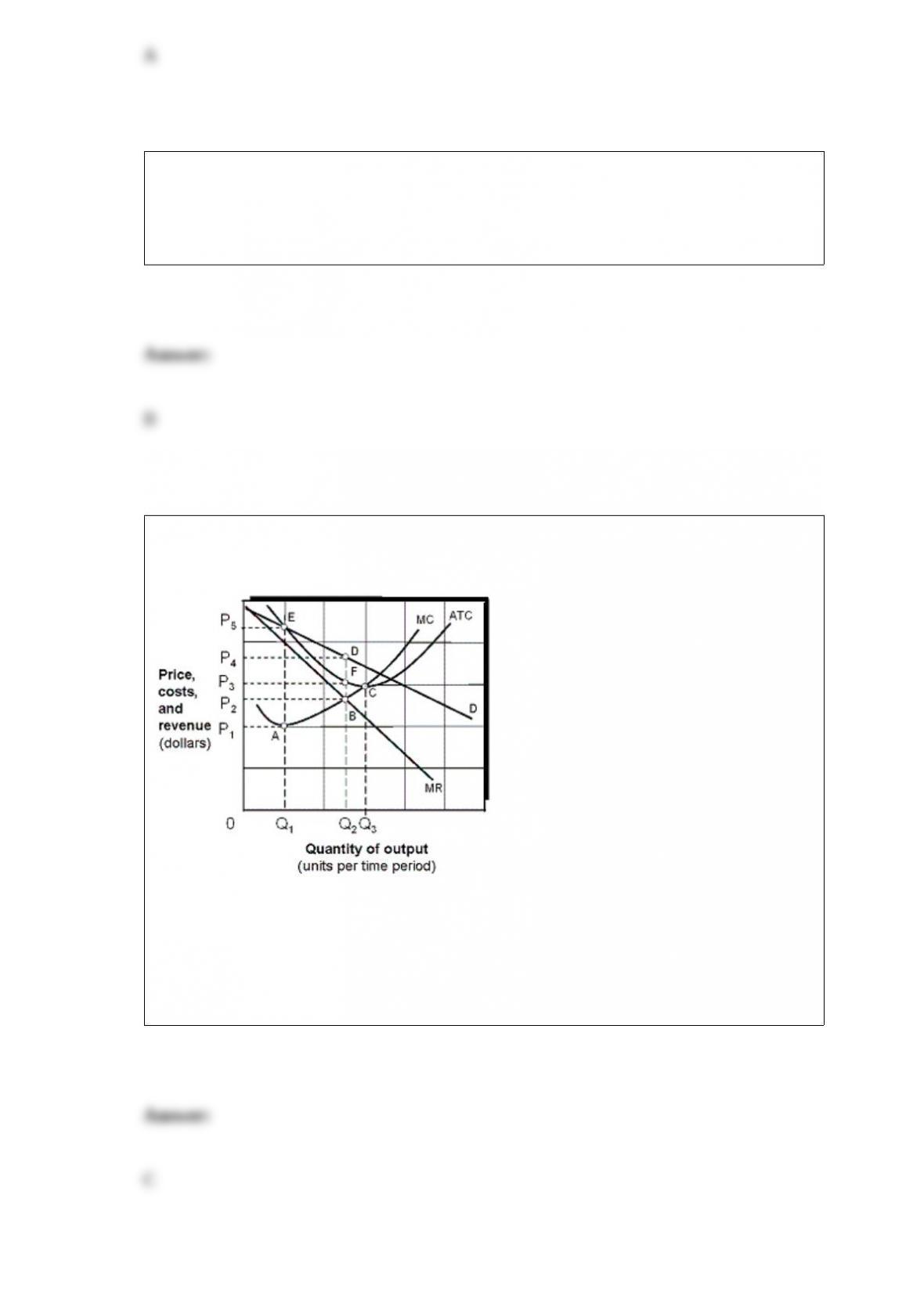
Exhibit 9-8 Profit maximizing for a monopolist
The profit-maximizing output for the monopolist in Exhibit 9-8 is:
a. zero.
b. OQ1.
c. OQ2
d. OQ3.
Discuss how a market reaches equilibrium. How is it expressed graphically?
Suppose A and B are complementary goods. Other things being equal, the demand
curve for A will shift to the right when the price of B goes down.
A country’s imports of goods minus its exports of goods is reported in the goods
balance.
Michael spends $10 a month on Pez dispensers and Superman action figures. His
marginal-utility-to-price ratio for the Pez dispensers is 40, while his
marginal-utility-to-price ratio for Superman action figures is 47. Explain why Michael
is not maximizing his utility and how can he change his behavior to increase his utility?
Competitive firms consider private costs, but disregard external costs, when making
their economic decisions.
The vicious circle of poverty is the trap that parents with low education tend to have
children with low education.
What are the characteristics of the product that has an inelastic demand?
In a monopolistically competitive market like retail trade, firms can easily enter and
exit the market.
The basic approach in marginal analysis is to compare a policy’s total benefits with its
total costs.