
What fraction of the labor force is cyclically unemployed when structural
unemployment is 2 percent, frictional unemployment is 2.5 percent, seasonal
unemployment is 1 percent, and the overall unemployment rate is 8 percent?
a. 2.5 percent
b. 13.5 percent
c. 4.5 percent
d. 5.5 percent
e. 8.0 percent
One advantage of a tariff over a quota, from the perspective of the nation imposing it, is
that a tariff
a. decreases the domestic price
b. increases the foreign price
c. increases the quantity of imports
d. decreases the quality of imports
e. raises tax revenue
If it costs $8 to produce a certain product and the product sells for $9, then
a. the markup is approximately 11.1 percent
b. the market for this product must be monopolistic
c. the markup is $1
d. firms in this industry should shut down to minimize their losses
e. the revenue gained from the last unit produced is $1
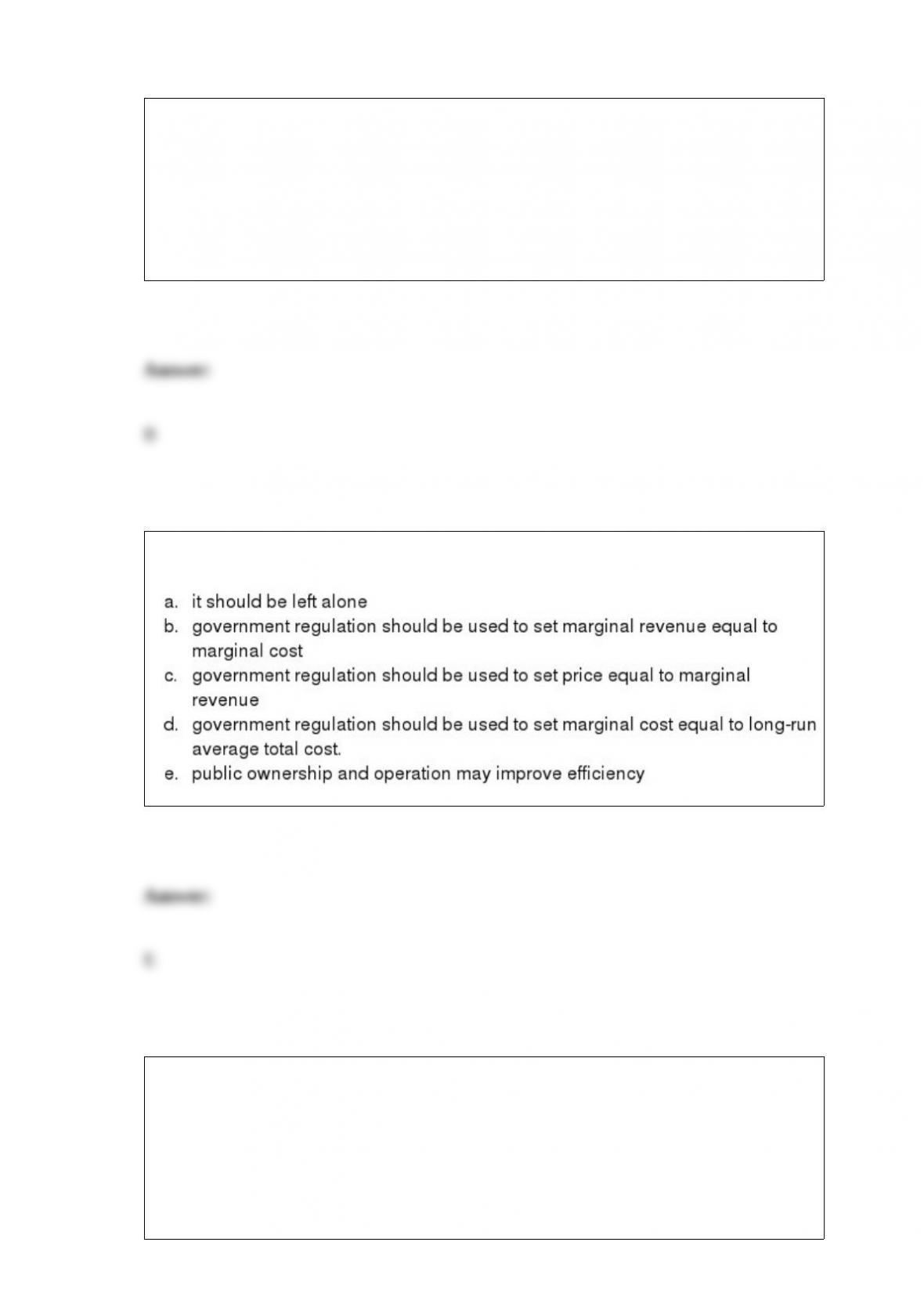
In the short-run macro model, if firms produce more output than they sell, those firms
will
a. increase the prices of their products
b. decrease their output
c. increase their output
d. cut back on their consumption spending
e. increase the prices of their products and reduce the amount of output they produce
When breaking up a natural monopoly is not advisable
Tariffs
a. benefit consumers by lowering prices
b. harm producers by decreasing competition in the product market
c. harm consumers by increasing the quantity of goods available
d. skew the terms of trade in favor of importing nations
e. benefit domestic producers because they can charge higher prices and sell more
output
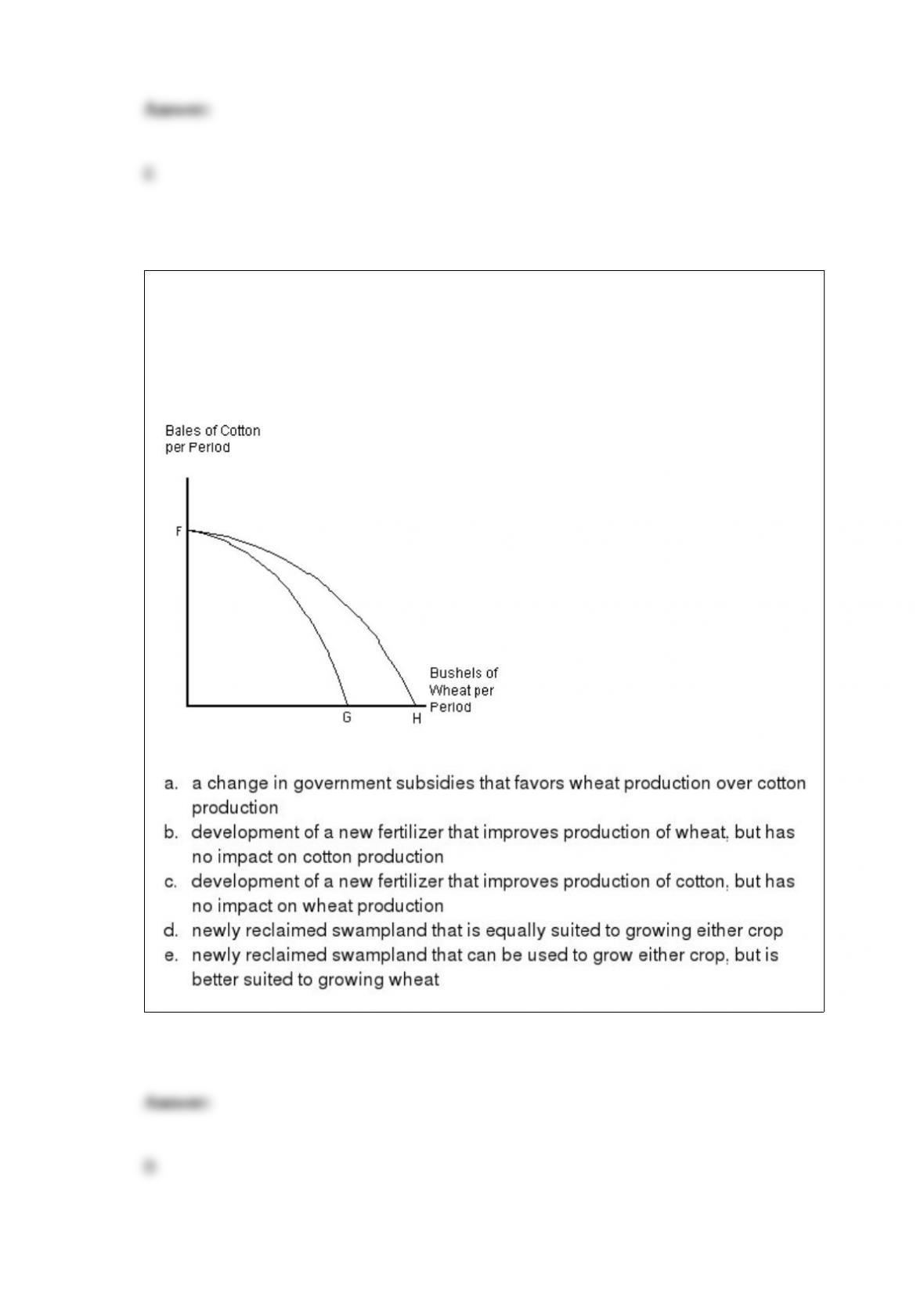
Assume that U.S. agricultural land is used either to raise cotton for clothing or to grow
wheat. Curve FG in Figure 2-8 represents the current production possibilities frontier
for cotton and wheat. What could cause the production possibilities frontier to shift
from FG to FH?
Figure 2-8
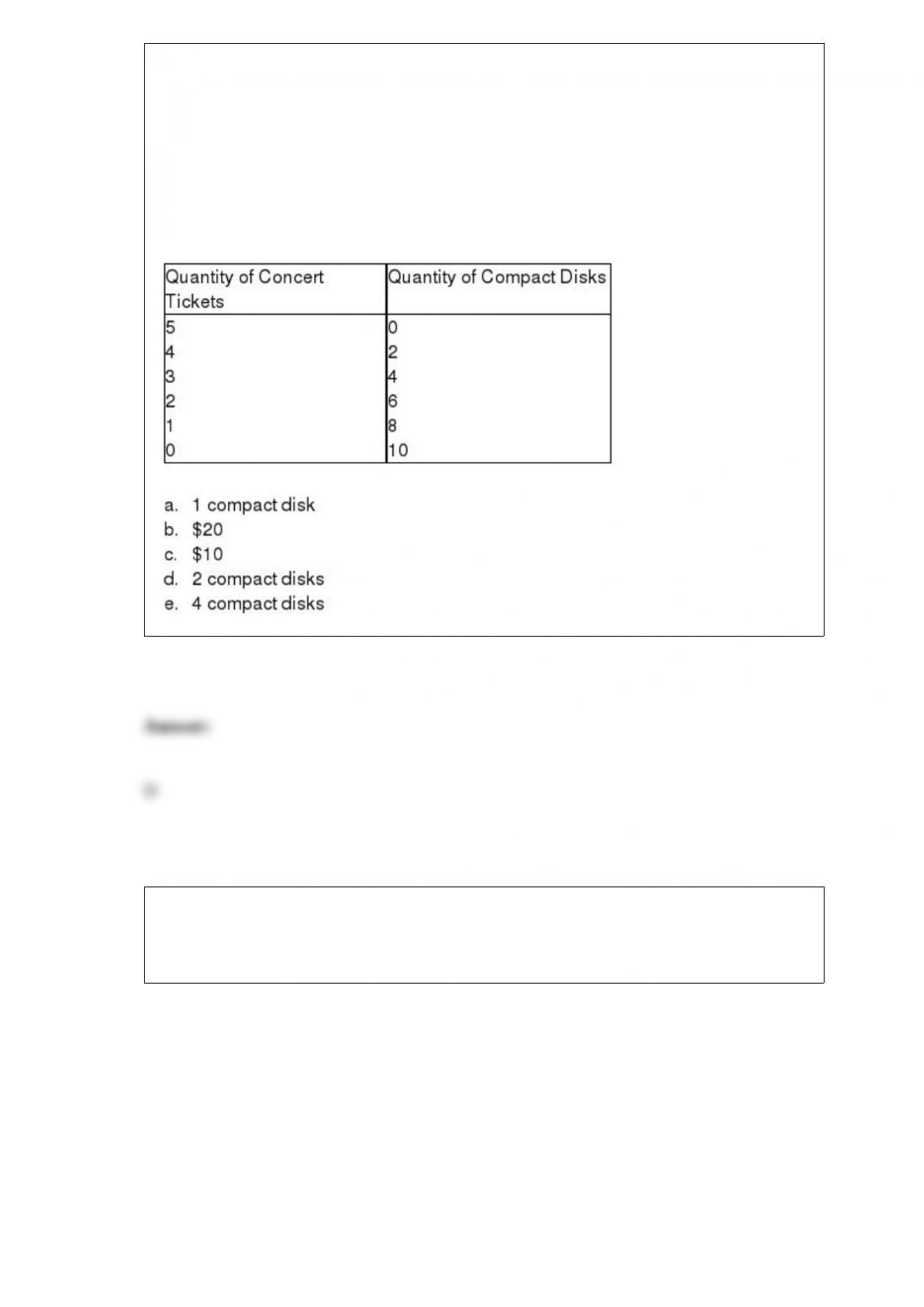
Joe spends all of his money on concert tickets and compact disks. Figure 6-1 shows his
budget constraint when his income is $100. The price of a ticket is $20, while the price
of a compact disk is $10. If Joe currently buys 3 tickets and would like to purchase a
fourth, his opportunity cost would be
Figure 6-1
Income = $ 100
Price per Ticket = $20
Price per Compact Disk $ 10
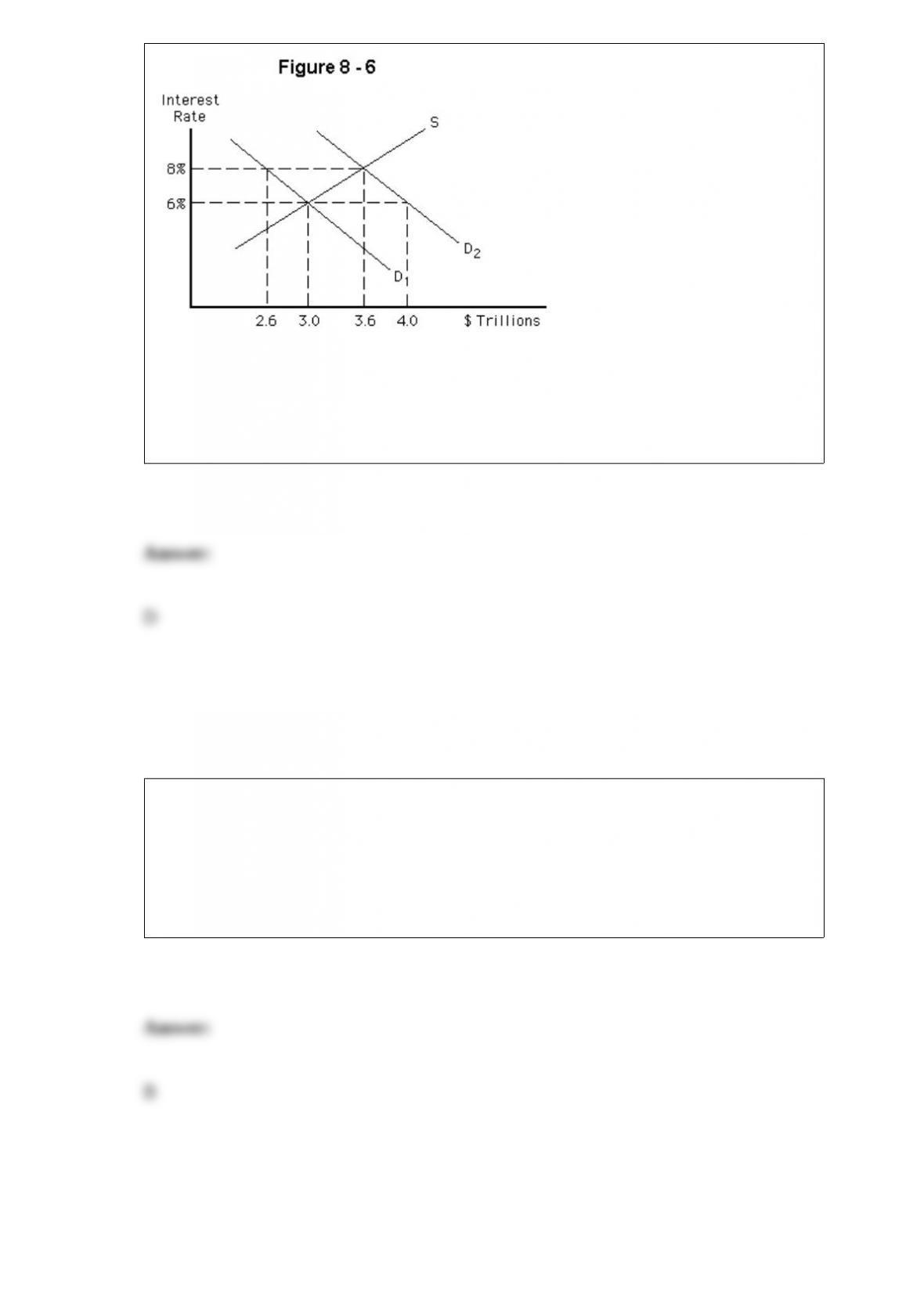
Refer to Figure 8-6. Suppose that a $1 trillion increase in government spending shifted
the demand for funds curve from D1to D2. What would happen to the sum of
investment and consumption spending? That sum would
a. remain unchanged
b. rise by $0.6 trillion
c. rise by $1 trillion
d. fall by $1 trillion
e. fall by $0.4 trillion
Comparative advantage is determined by the
a. elasticities of demand for a good in two countries
b. opportunity costs of producing a good in two different countries
c. presence of absolute advantages in production
d. degrees of allocative efficiency within each economy
e. amounts of resources required to produce a good in different countries