1) most foreign direct investment in the united states occurs in:
a.public utilities
b.communications
c.manufacturing
d.mining and smelting
2) the world trade organization brings into the multilateral trading system manufactured
goods and agricultural products, but not trade in services, intellectual property
protection, and investment.
a.true
b.false
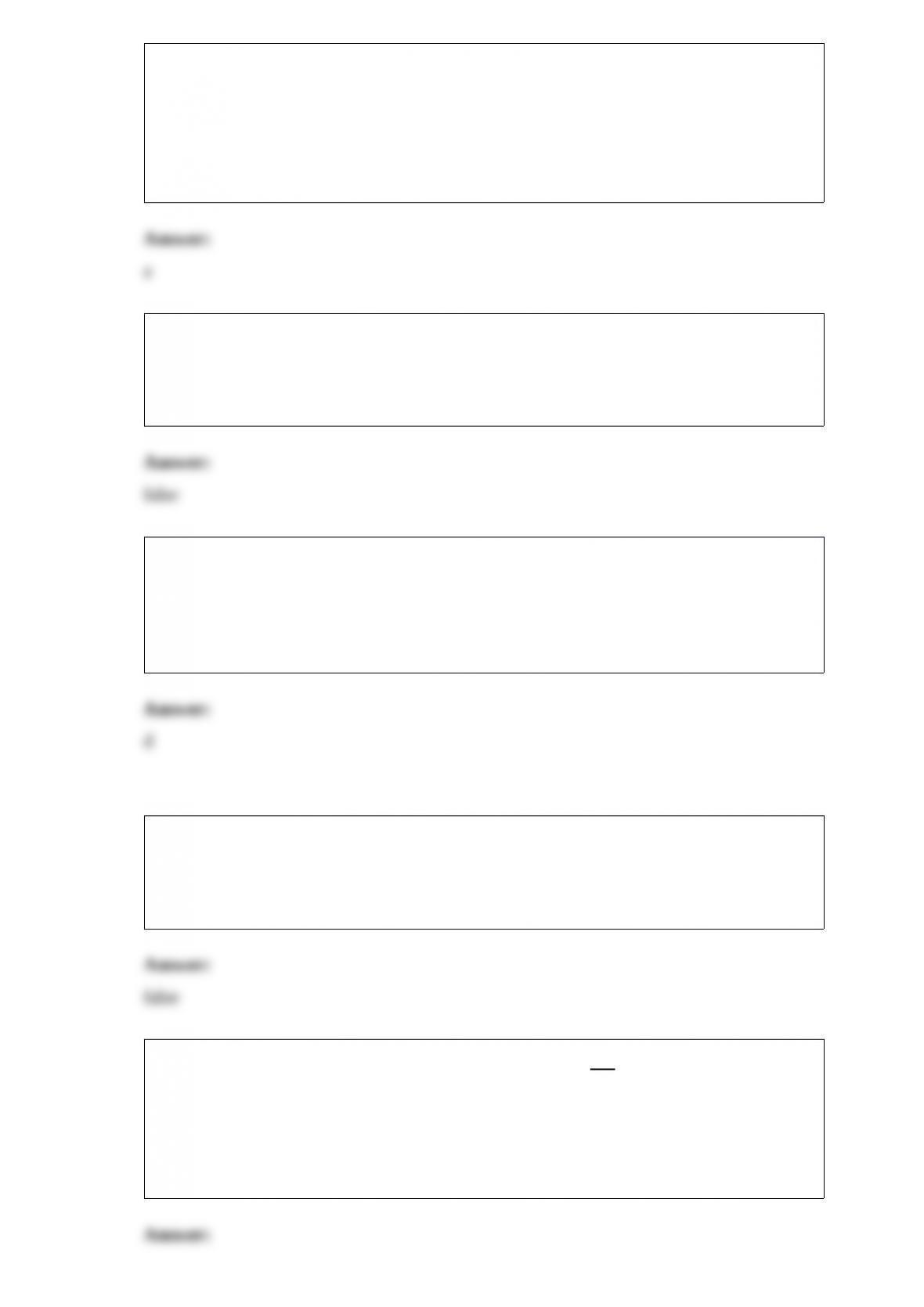
3) refer to table 15.1. if monetary authorities fix the exchange rate at $0.30 per franc,
there will be a:
a.shortage of 200 francs
b.shortage of 400 francs
c.surplus of 200 francs
d.surplus of 400 francs
4) as a way of helping american firms trade in the world market, u.s. trade law provides
antitrust exemptions for horizontal combinations of american firms engaged solely in
export trade. such firms are permitted to form:
a.export trade associations
b.domestic international sales corporations
c.export-import banks
d.commodity sales corporations
5) if chile and mexico form a free-trade agreement, the welfare of the two countries will
necessarily increase.
a.true
b.false
6) producing goods for export produces:
a.jobs
b.income
c.tariffs
d.a and b
7) with a preferential trading arrangement, a group of countries agrees to unilaterally
reduce tariffs applied to imports from all countries of the world.
a.true
b.false
8) under a floating exchange rate system, if there occurs a fall in the dollar price of the
franc:
a.american exports to france will be cheaper in francs
b.american exports to france will be more expensive in francs
c.american imports from france will be more expensive in dollars
d.none of the above
9) according to the factor endowment model, countries heavily endowed with land will:
a.devote excessive amounts of resources to agricultural production
b.devote insufficient amounts of resources to agricultural production
c.export products that are land-intensive
d.import products that are land-intensive
10) in the interbank market for foreign exchange, the ____ refers to the price for which
a bank is willing to sell a unit of foreign currency.
a.offer rate
b.option rate
c.futures rate
d.bid rate
11) given fixed exchange rates, assume mexico initiates expansionary monetary and
fiscal policies to combat recession. these policies will also:
a.increase both imports and exports
b.increase exports and reduce imports
c.reduce a balance-of-payments surplus
d.reduce a balance-of-payments deficit
12) referring to table 2.3, which countries’ terms of trade worsened between 1990 and
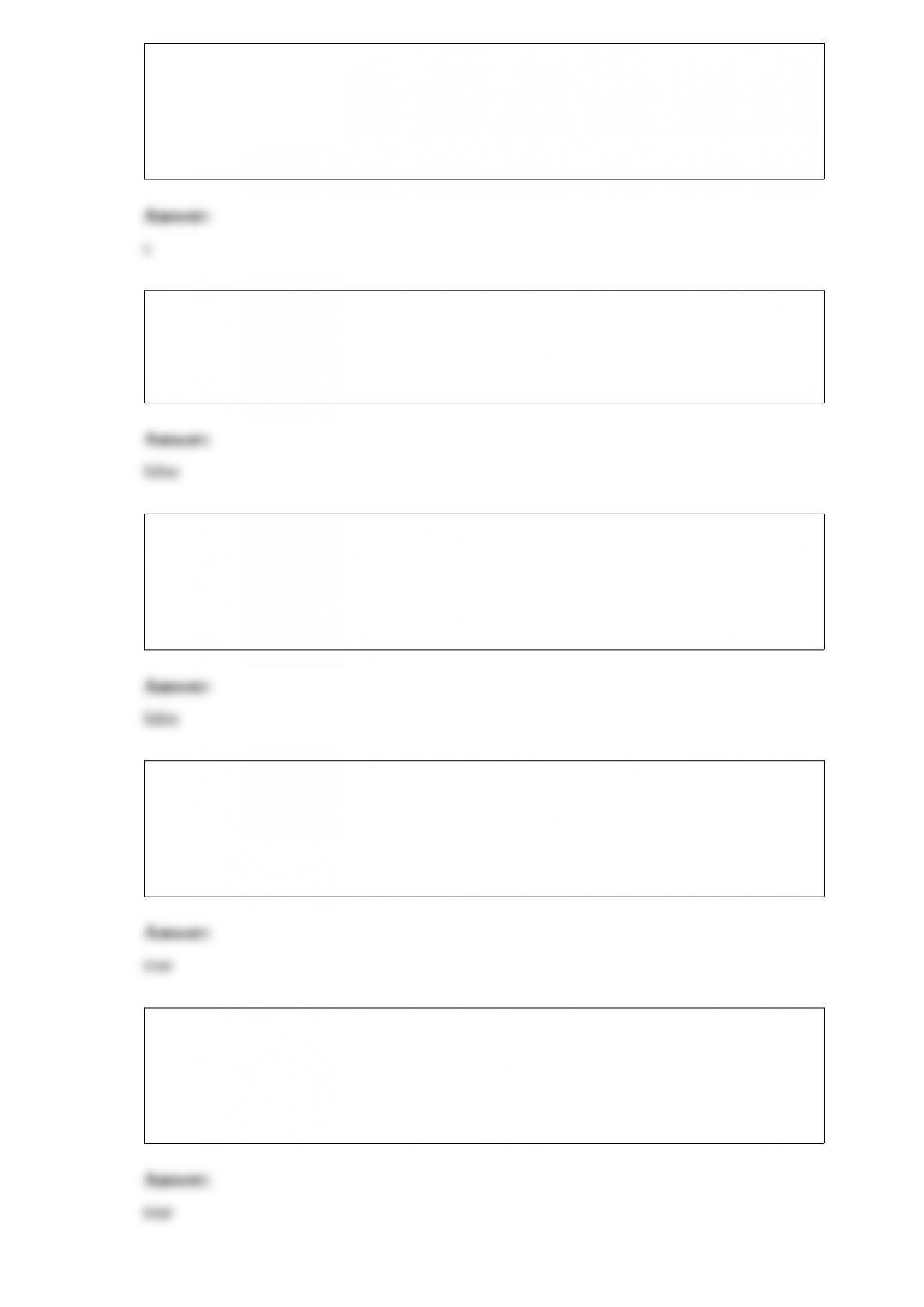
2004?
a.spain and mexico
b.mexico and france
c.france and denmark
d.denmark and sweden
13) a commercial bank profits from foreign-exchange trading when its bid rate exceeds
its offer rate.
a.true
b.false
14) it is generally agreed that completing the common market stage of integration for
the european union contributed to overall welfare losses due to trade diversion
exceeding trade creation.
a.true
b.false
15) exchange rate management policies require international policy coordination
because a depreciation of one nation’s currency implies an appreciation of its trading
partner’s currency.
a.true
b.false
16) u.s. labor unions argued against the north american free trade agreement on the
grounds that it would result in u.s. companies relocating in mexico in order to take
advantage of lower wage rates.
a.true
b.false
17) it is possible for a nation not to have an absolute advantage in anything; but it is not
possible for one nation to have a comparative advantage in everything and the other
nation to have a comparative advantage in nothing.
a.true
b.false
18) human rights activists contend that this organization supports governments that
permit sweatshops:
a.the international organization for standardization
b.the international monetary fund
c.the world health organization
d.all of these
19) concerning the balance of payments, a current-account surplus means an excess of
exports over imports of goods, services, investment income, and unilateral transfers.
a.true
b.false