
Trade will be beneficial for a nation with a comparative advantage in producing a
certain product.
Accounting costs include all monetary payments and all the opportunity cost of inputs
that do not require an explicit monetary payment.
A market for pollution permits can efficiently allocate the right to pollute.
One idea to reduce the volume of e-mail spam is to charge the sender for each
commercial e-mail sent.

The market supply curve of labor for an occupation is positively sloped in part because
an increase in the wage rate will encourage more people to work in that occupation.
In monopolistically competitive industries, firms find it easy to enter and exit the
market in the long run.
It is efficient not to alter the amount of pollution produced by the market.

Reservation prices and search efforts are the same across consumers.
In 1982, the U.S. government allowed AT&T to merge with the Regional Bell
Operating Companies.
Firms in perfectly competitive markets are able to price discriminate.
Chief executives in the U.S. are not paid as high as their foreign counterparts.

Suppose that Carolyn’s current level of consumption, / = 18 and / = 10.
Carolyn can increase her utility by increasing her consumption of good Y and reducing
her consumption of good X.
People systematically overestimate the strength of positive and negative gut feelings.
The Federal Trade Commission was concerned that a merger between Continental
Baking and Interstate Bakeries would lower bread prices in the bread market.
The slope of a nonlinear relationship changes as the variables change.

According to the Application, Latvia would be better off if it does not trade with any of
its neighboring European countries.
Under a system of marketable pollution permits, a firm with relatively low abatement
costs will buy permits from a firm with relatively high abatement costs.
The market for laundry detergent is monopolistically competitive because products
differ by physical characteristics such as scent, stain fighting ingredients, etc.

Diminishing marginal returns always sets in with the hiring of the first worker.
A second firm will not enter a natural monopolistic market due to the large economies
of scale.
Voluntary export restraints are illegal under international trading rules.
In the long run, if product prices rise firms will not produce more output.

Perfectly competitive firms always produce the quantity that minimizes average total
cost in the short run.
Positive economics questions “What ought to be?” while normative economics predicts
the consequences of alternative actions, answering the questions, “What is?” or “What
will be?”
If there are 100 identical firms in a perfectly competitive industry, and the typical firm
supplies 50 units of output at a price of $30, the industry output is 5,000 units at a price
of $30.

Movie theaters would make more money if they offered students the same type of
discounts on popcorn that they do on admission.
The government often deregulates natural monopolies.
Trade is only beneficial if a nation has an absolute advantage in producing all products.
Macroeconomics helps explain economic fluctuations, why the economy shrinks and
expands and why some of the economy’s resources are idle.

Rent seeking will lower the social cost of monopoly.
When the long-run average total cost curve is horizontal, a firm has economies of scale.
If Tom can produce 20 multiple choice questions or 30 true/false questions in an hour,
and Mary can produce 15 multiple choice questions or 15 true/false questions in an
hour, then Mary has a comparative advantage in writing true/false questions.

There are patents and regulations that can prevent firms from entering a
monopolistically competitive market.
If the elasticity of supply is .25, then a 10% increase in price will result in a 2.5%
increase in quantity supplied.
At the break-even point, economic profit is zero, pice is equal to the average total cost.
To be effective a price ceiling must be above the equilibrium price.

Public policies such as the government subsidies for corn are topics of concern in
microeconomics.
The opportunity cost of a table is 5 chairs in nation A and 4 chairs in nation B. If the
nations specialize and trade, an acceptable terms of trade for both nations would be 3
chairs per table.
A firm’s short-run supply curve is its marginal cost curve above the shut down point.

An electrician licensing program in the state of North Carolina requires each electrician
to obtain a license and renew it each year. Which of the following is a result of having
the licensing program in NC?
A) a decrease in total surplus
B) excess demand for electrical service
C) an increase in the quality of electrician
D) All of the above are a result of the licensing program.
Restaurants, video rental stores, clothing stores, and music stores are examples of
industries in which firms differentiate their products by offering them at more locations.
This is an example of a ________ market.
A) perfectly competitive
B) monopoly
C) monopolistically competitive
D) oligopoly
Refer to Figure 18.1. The opportunity cost of hang gliders in the United States is:
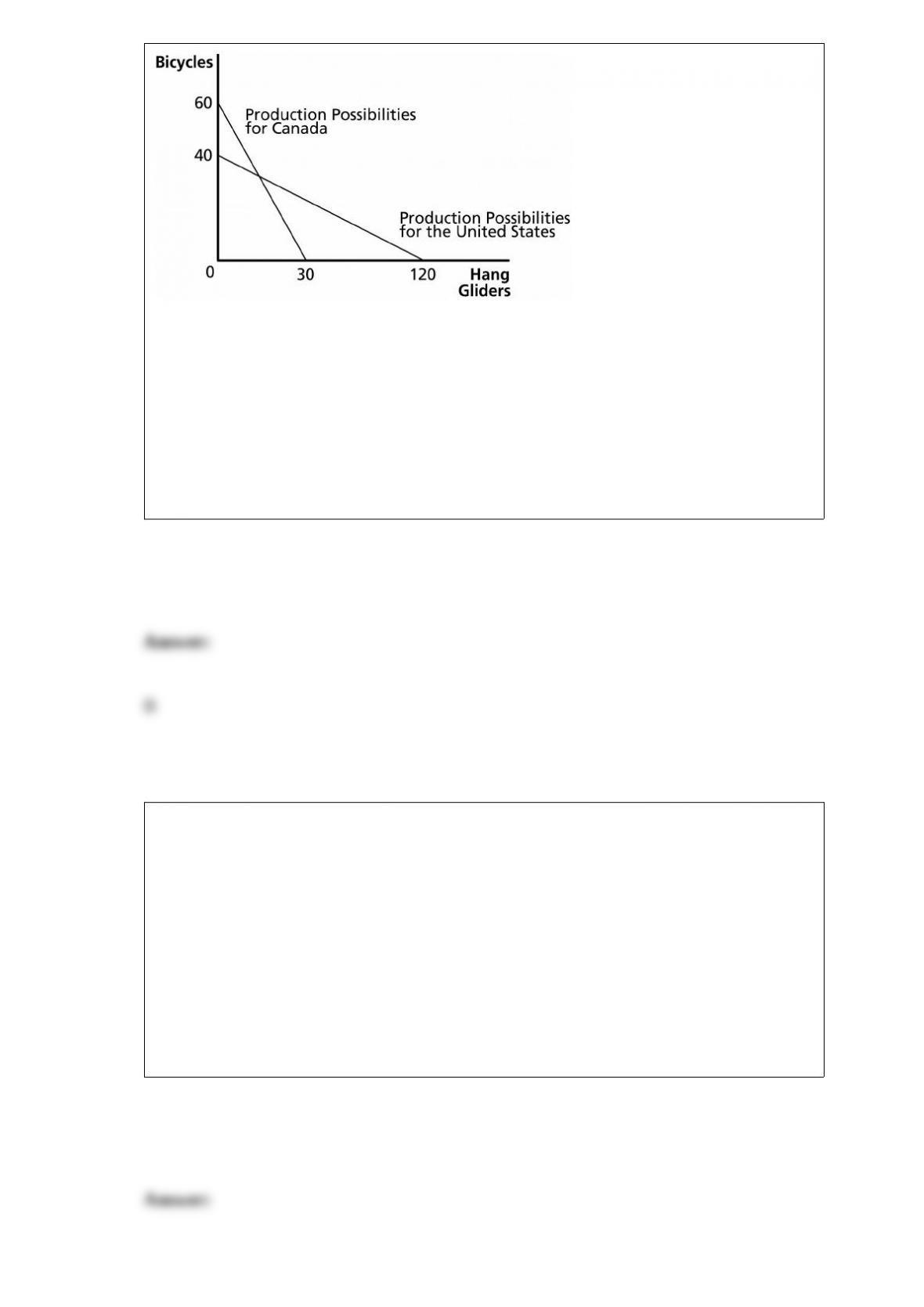
Figure 18.1
A) 1/4 of a bicycle.
B) 1/3 of a bicycle.
C) 3 bicycles.
D) 4 bicycles.
Because unregulated natural monopolies earn economic profits greater than zero in the
long run, but cannot attract new entrants into the industry:
A) government agencies often regulate the number of firms that compete against natural
monopolies.
B) government agencies often regulate the price natural monopolies can charge.
C) natural monopolies often go out of business.
D) natural monopolies are outlawed.

Nike has used Michael Jordan to create the impression that Air Jordan basketball shoes
are superior to any other basketball shoe. Nike is attempting to:
A) differentiate Air Jordan basketball shoes from other types of basketball shoe.
B) lower the marginal cost of producing Air Jordan basketball shoes.
C) sell fewer Air Jordan basketball shoes so they can raise the price.
D) convince consumers that Air Jordan basketball shoes are identical to other basketball
shoes.
If the demand curve facing a firm had a price elasticity of demand equal to infinity and
the firm raised its price, its total revenue would:
A) decrease slightly.
B) fall to zero.
C) not change.
D) increase.
Suppose the United States produces only two goods, textiles and computer chips. If the
United States has a comparative advantage in computer chips, a move toward free trade
will:
A) benefit computer chip workers, harm textile workers, but benefit the nation as a
whole.
B) harm computer chip workers, benefit textile workers, but benefit the nation as a
whole.
C) harm computer chip workers, harm textile workers, but benefit the nation as a whole.
D) benefit computer chip workers, harm textile workers, but harm the nation as a
whole.
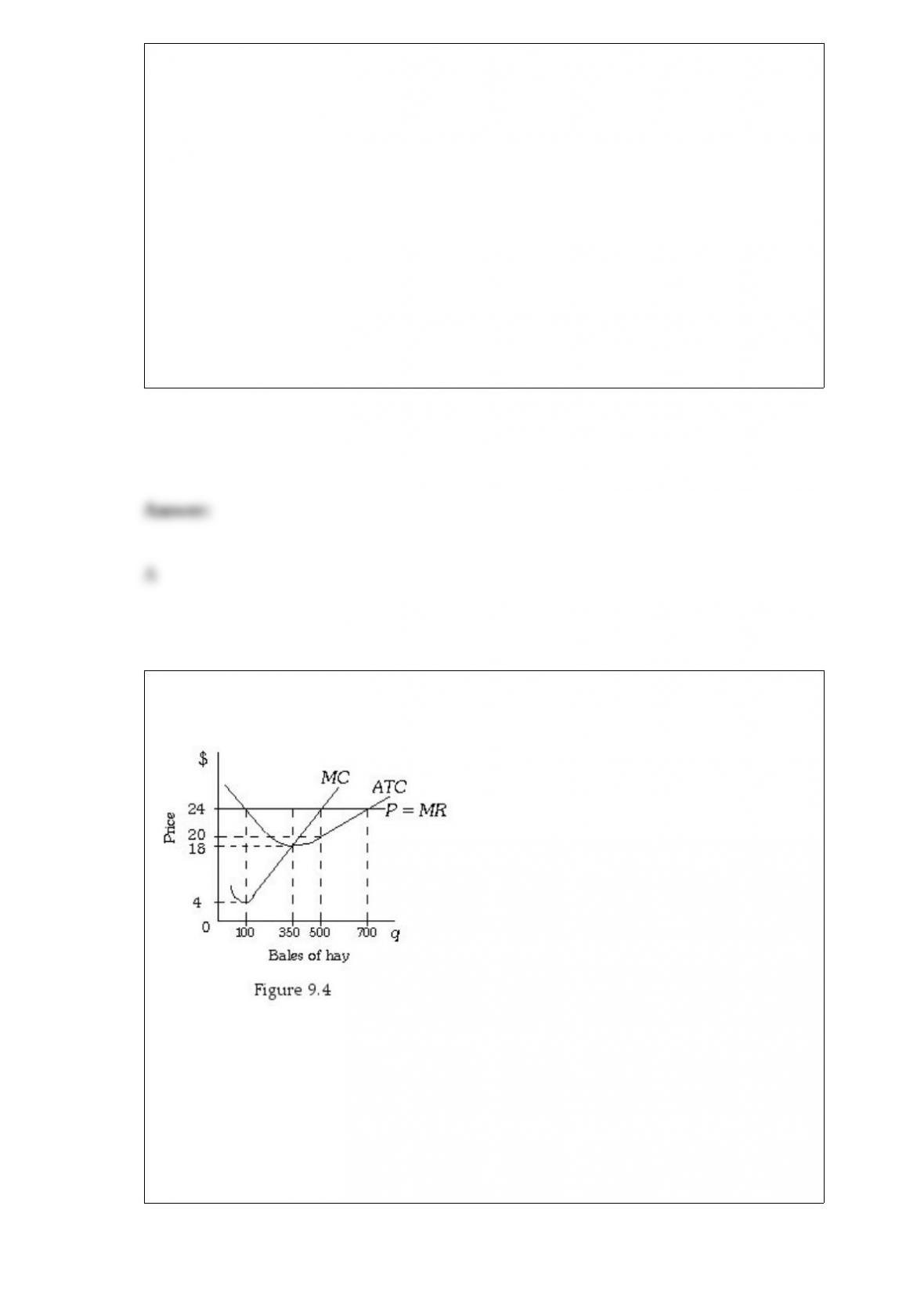
Refer to Figure 9.4. At the market price of $18 per bushel, if this farmer produces at the
profit-maximizing level of output, her total revenue would be:
A) $1,200.
B) $2,800.
C) $5,600.
D) $6,300.
A firm will begin to experience diminishing returns at the point where:
A) marginal cost increases.
B) marginal cost decreases.
C) marginal product increases.
D) both B and C
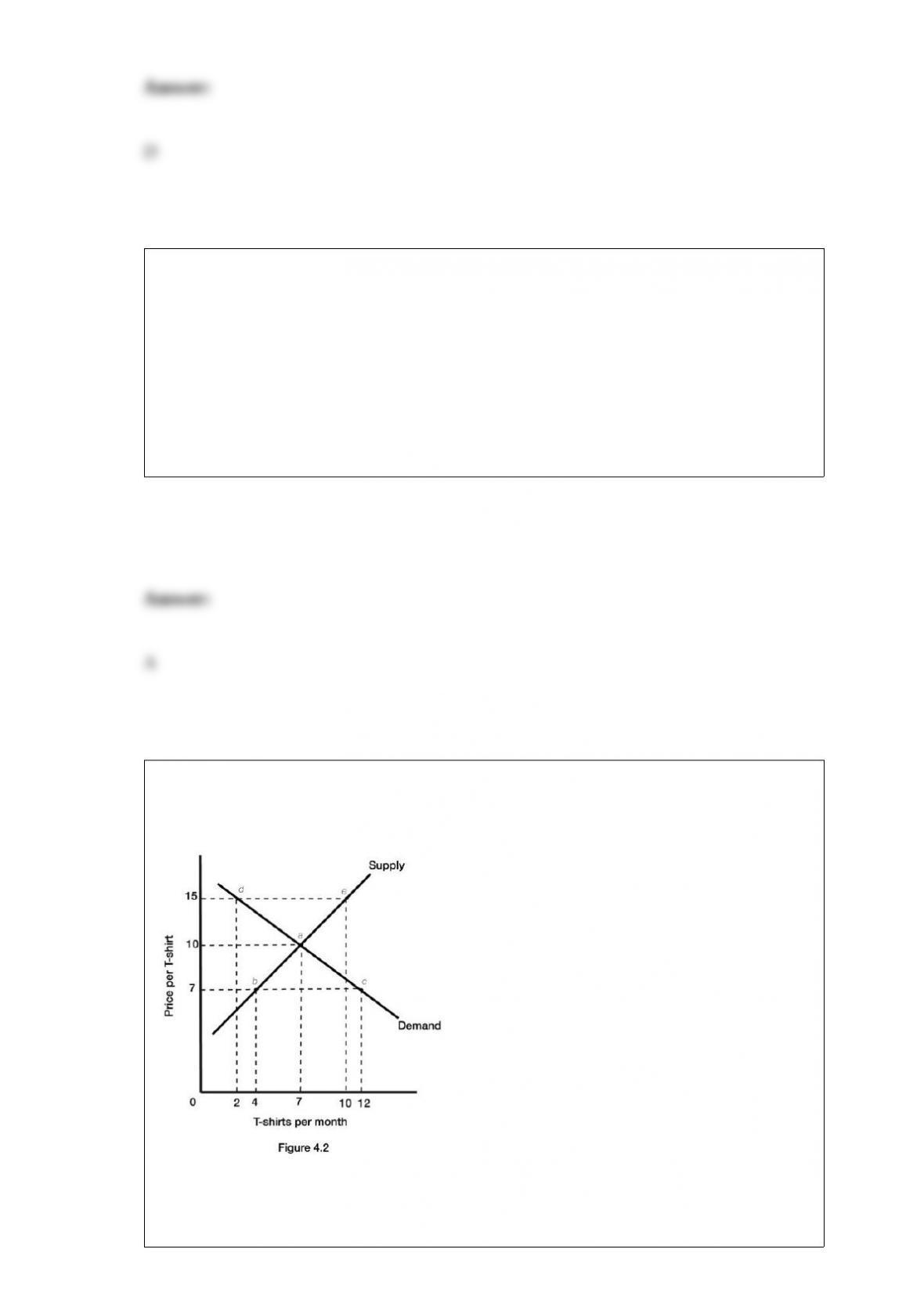
Figure 4.2 illustrates the supply and demand for t-shirts. If the actual price of t-shirts is
$15, we would expect that:
A) demand will decrease until quantity demanded equals quantity supplied.

B) supply will increase until quantity demanded equals quantity supplied.
C) price will decrease until quantity demanded equals quantity supplied.
D) there will be no change in the price since the market is in equilibrium.
For a competitive firm, the level of output that maximizes profits is where marginal
revenue ________ marginal cost, and for a monopolist it is where marginal revenue
________ marginal cost.
A) is equal to; is greater than
B) is equal to; is less than
C) is equal to; is equal to
D) is greater than; is equal to
The income elasticity of demand is:
A) the percentage change in quantity demanded divided by the percentage change in
price.
B) the percentage change in quantity demanded divided by the percentage change in
income.
C) the percentage change in income divided by the percentage change quantity
demanded.
D) the percentage change in price divided by the percentage change in income.
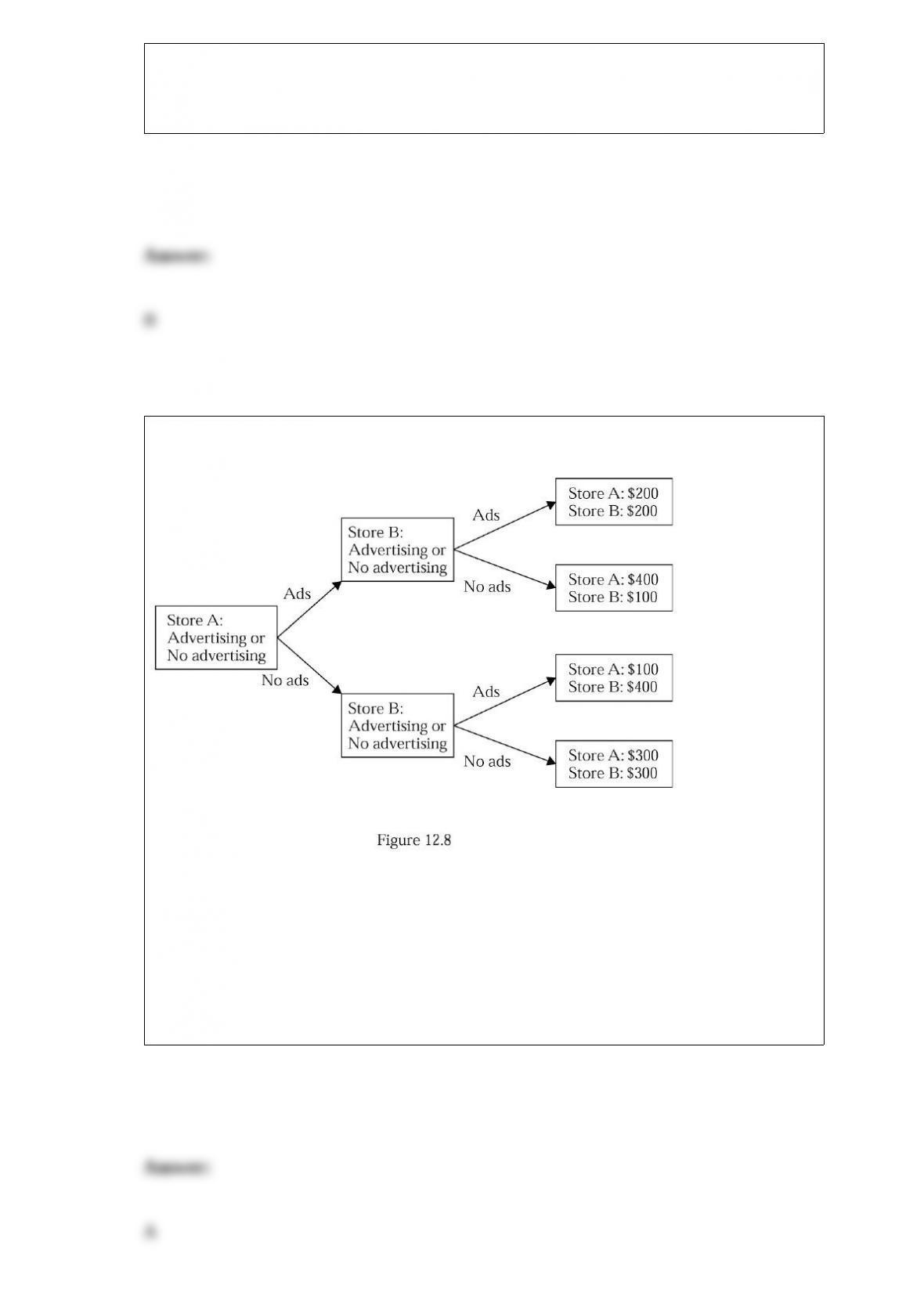
Consider the game tree in Figure 12.8. The duopolists’ dilemma in the game is that:
A) both firms choose to advertise even if it leads to lower profits.
B) both firms choose not to advertise even if it leads to higher profits.
C) only Store A has an incentive to advertise.
D) only Store B has an incentive to advertise.

In a market economy, what encourages firms to develop new products and production
processes?
A) contracts
B) insurance
C) patents
D) accounting rules
Suppose that consumers expect the price of a product to decrease in the future. The
result is that:
A) the current demand for the product increases.
B) the current demand for the product decreases.
C) the current supply of the product increases.
D) the current supply of the product decreases.
An increase in the demand for musicians ________ the number of musicians employed,
and ________ the wages paid to musicians.
A) increases; increases
B) increases; decreases
C) decreases; increases
D) decreases; decreases
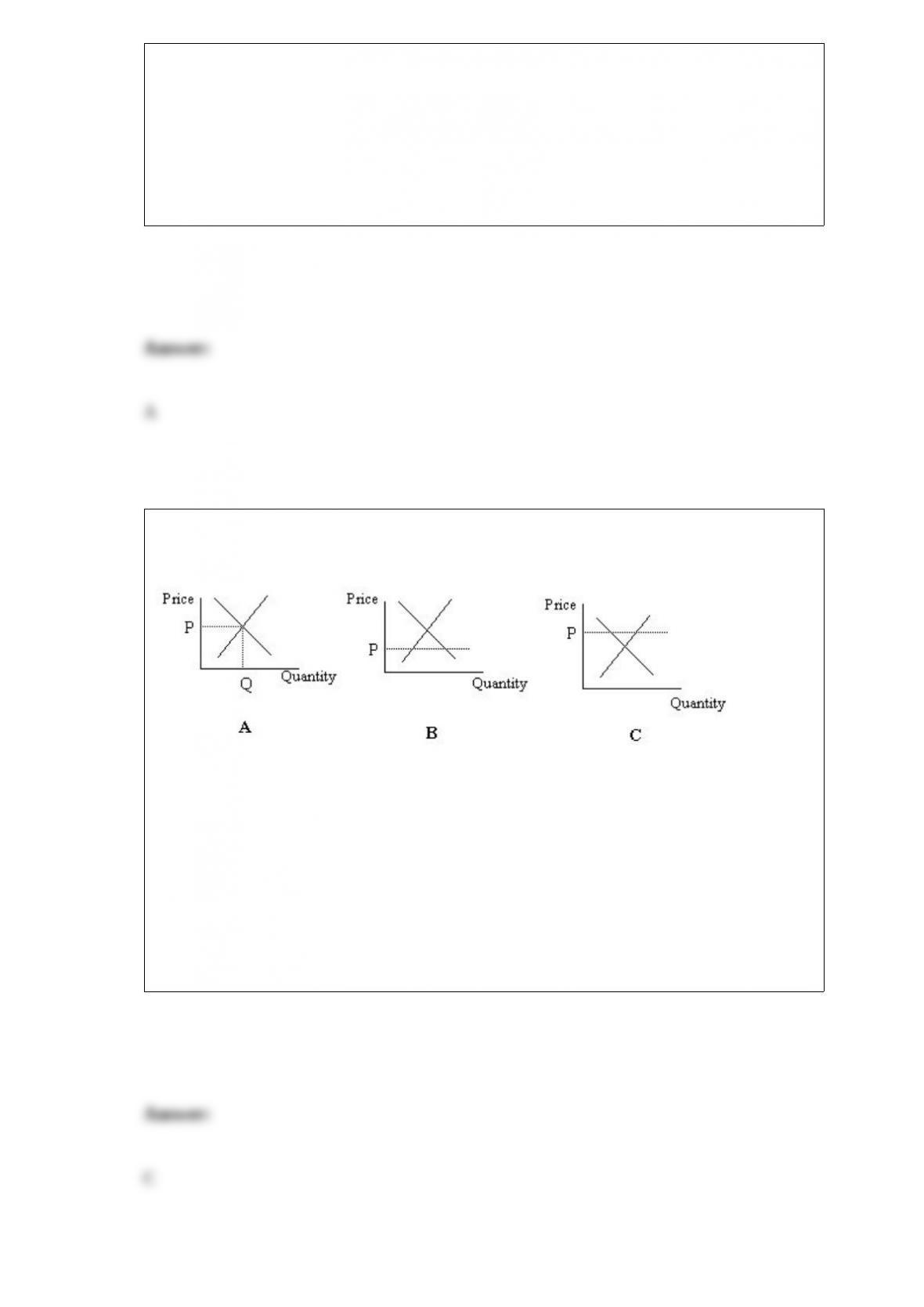
Figure 4.2 depicts three market situations. Which of the panels depicts a market in
which the price is likely to fall?
Figure 4.2
A) Panel A
B) Panel B
C) Panel C
D) None of the panels depicts a market in which the price is likely to fall.

Sailing an ocean cargo ship slower to save on the expense of fuel as opposed to sailing
it faster to save time and therefore allow it to make more deliveries makes sense if the
________ of sailing slower is less than the ________ of sailing slower.
A) marginal benefit; marginal cost
B) marginal cost; marginal benefit
C) marginal benefit; opportunity cost
D) marginal cost; opportunity cost
Recall Application 2, “Law of Supply and Woolympics,” to answer the following
questions:
According to the Application, which of the following is the most likely reason for the
falling prices of wool worldwide?
A) lower demand for wool
B) the law of supply
C) higher demand for wool
D) lower quantity supplied of wool
Economics is best defined as the study of:
A) financial decision-making.
B) how consumers make purchasing decisions.
C) choices made by people faced with scarcity.
D) inflation, unemployment, and economic growth.
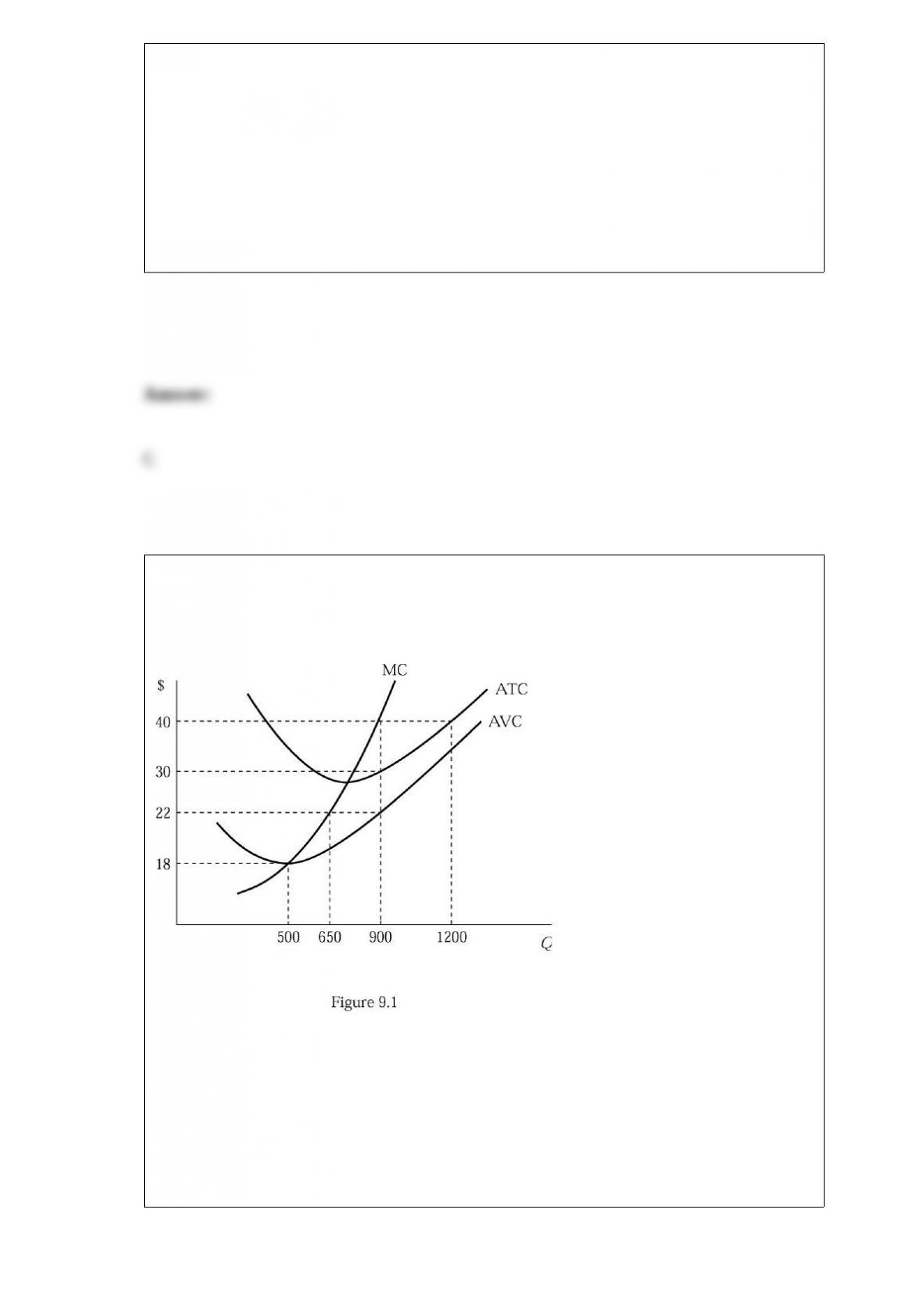
Figure 9.1 shows the cost structure of a firm in a perfectly competitive market. If the
market price is $40 and the firm is currently producing the profit maximizing output
level, the firm’s profit is:
A) $7,200.
B) $9,000.
C) $27,000.
D) $36,000.

In a two-person, repeated game, a grim-trigger strategy results in:
A) each firm following its own self-interest choice.
B) each firm earning economic profits.
C) one firm choosing a price so low that no firm earns an economic profit.
D) one firm earning economic profits while the other does not.
You have an hour between your economics and math classes. What is the opportunity
cost of that time if you use it to complete your math homework instead of your
economics homework?
A) the economics homework you could have completed
B) the math homework you chose to complete
C) the cost of your calculator and math textbook
D) zero, because it doesn’t cost any money to do your math homework

To explore the rationale for specialization, economists use the:
A) marginal principle.
B) principle of opportunity cost.
C) real-nominal principle.
D) principle of marginal exchange.
If the government imposes a price floor that is below the equilibrium price, then the
market will experience:
A) an equilibrium.
B) a shortage.
C) an excess supply.
D) no scarcity.
Consider an unregulated monopoly in Figure 13.2. If a second firm enters the market,
the demand curve facing the first firm will:
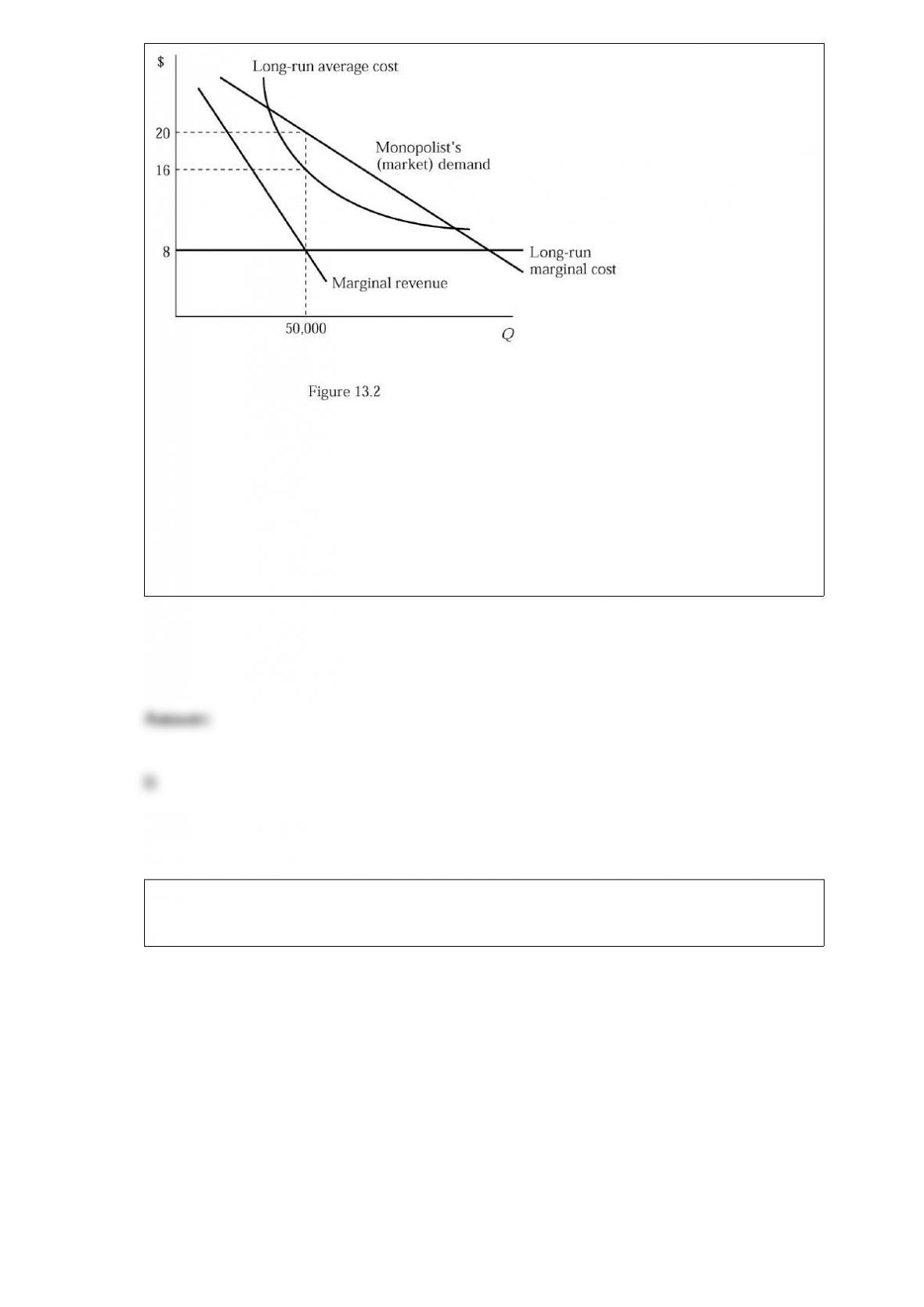
A) shift to the right.
B) shift to the left.
C) remain the same.
D) There is insufficient information.
Consider an unregulated monopoly in Figure 13.2. The firm’s profit at the profit
maximizing output level is:
A) $600,000.
B) $400,000.
C) $200,000.
D) $0.
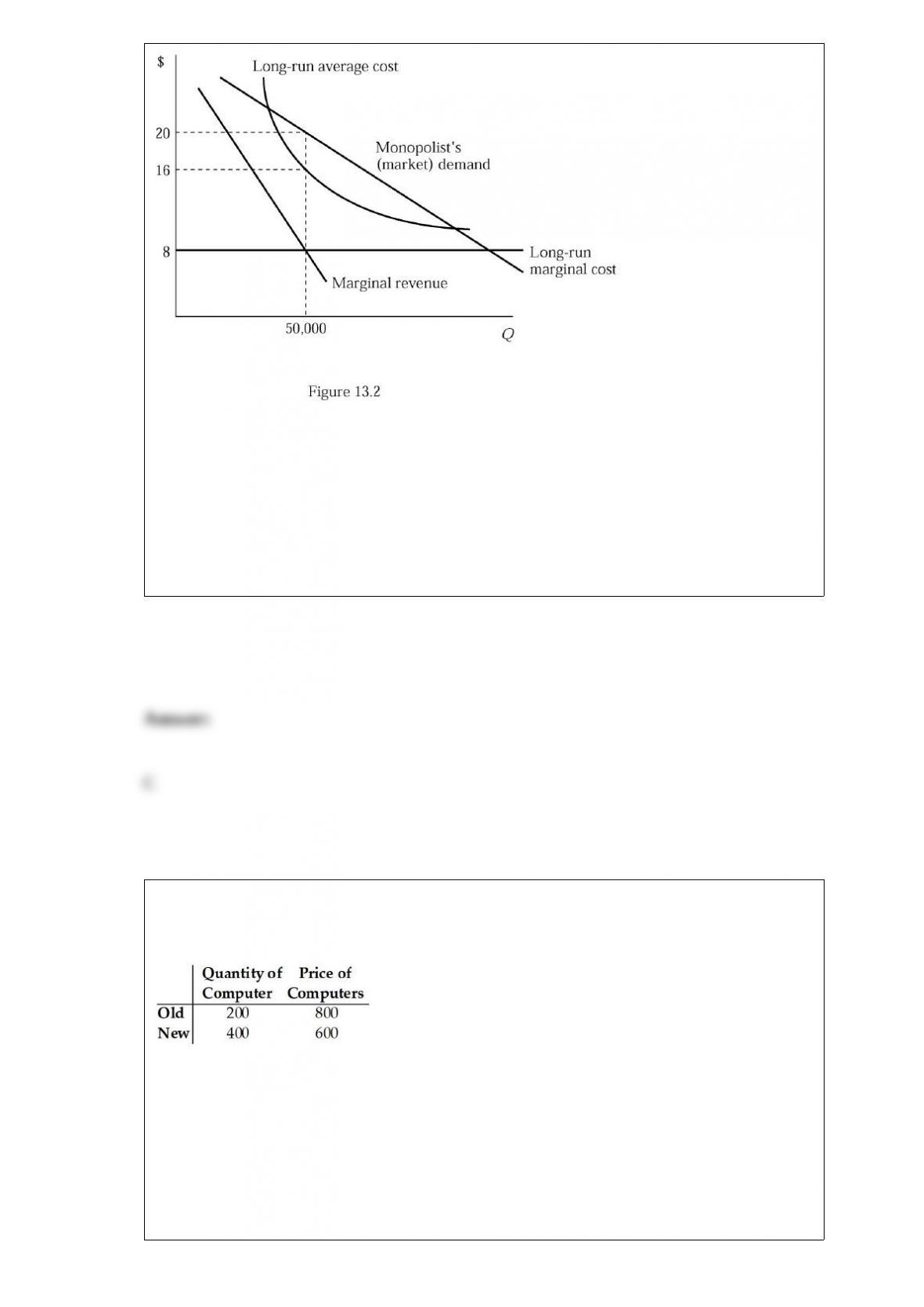
Refer to Table 5.3. A change in the price of computers caused the change in quantity
demanded shown in the table. The price elasticity of demand (calculated using the
initial value formula) is:
Table 5.3
A) 4.
B) 1.
C) 0.25.

D) 0.125.
When Interstate Bakeries tried to buy the maker of Wonder Bread:
A) the government concluded that the merger would not significantly affect the price of
bread.
B) the two brands of bread were determined to be close substitutes.
C) the Federal Trade Commission believed that the merger was a good idea because the
combined firm would face lower costs and the cost savings could be passed to
consumers in the form of lower prices.
D) the government concluded that the merger would reduce tax receipts paid to state
governments, and therefore blocked the merger attempt.
Which of the following factors would indicate more elastic demand?
A) The good is a necessity, rather than a luxury.
B) The good represents a small fraction of the budget.
C) Demand is measured over a longer period of time.
D) There are few substitutes for the good.

List and discuss the three key factors that explain the differences in market income.
What are tie-in sales?
Comment on the following statement: “The output effect and the input-substitution
effect work in opposite directions, so it is possible that a decrease in the wage rate can
lead to a decrease in the amount of labor hired.”

What are the effects on a market when there is entry?
What is a trust?
What is an increasing cost industry?

Explain what would happen to the equilibrium price and quantity of oranges if the
supply of oranges increased while the demand for oranges decreased.
According to the text, the amount of time a consumer spends searching for a lower
price depends on what three things?
Distinguish between movement along a curve and shifting a curve.
After James purchased life insurance, he began to live recklessly, parachuting out of
airplanes and bungee-jumping. What economic phenomenon was occurring with this
change in James’ behavior? Explain.
If you purchased a new model of a digital camera right after it is released you will
likely pay more than if you purchase it six months after release. Why is this an example
of price discrimination on the part of the firm?
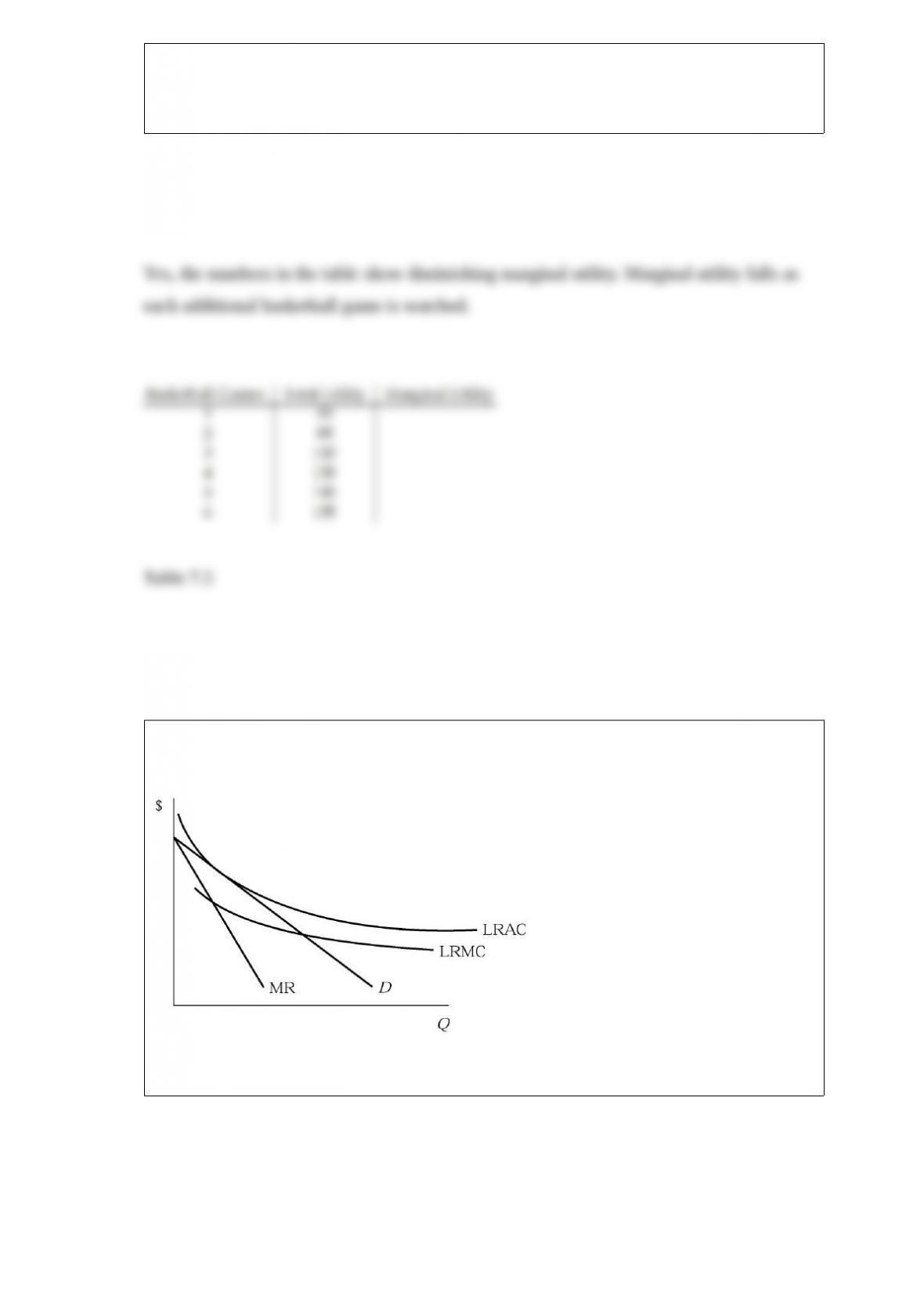
Table 7.5 shows how the total utility that Alan derives from watching basketball games
changes as he watches more and more games each week. Fill in the table. Do the
numbers in the table support the law of diminishing marginal utility? Explain.
Figure 11.6 depicts a monopolistically competitive firm in the long run. Illustrate on the
graph the firm’s price and output level in long-run equilibrium. Explain.
Figure 11.6
Draw the supply curve for a good whose price elasticity of supply is equal to zero. Be
sure to label both axes.
Is money a scarce factor of production? Explain.
What is the disadvantage of average-cost pricing?
Firms in the long run do not experience diminishing marginal returns. Then why do
some industries have upward-sloping long-run supply curves?