
Consider the typical monopolistically competitive firm whose demand curve and cost
structure is illustrated in Figure 11-5. Which of the following statements is correct in
the long run?
Budget constraints exist for consumers because
If labor were completely mobile between Muncie, Indiana, and Lexington, Kentucky,
and the cost of living was the same in each city, we would expect to find that

In the long run, monetary policy can
a. change the form of inflation
b. change the type of unemployment
c. change the level of unemployment
d. stop the flow of currency abroad
e. change the rate of inflation
The classical model
a. is another name for the short-run macro model
b. was developed to explain the long period of poor economic performance during the
Great Depression
c. is an attempt to explain why the economy tends to perform rather well over long
periods of time
d. is believed by most economists to be a better explanatory model for short-term,
rather than long-term, economic performance
e. was not really accepted as a legitimate economic theory until the 1950s

The demand curve facing a typical firm in a perfectly competitive market is horizontal.
Which of the following would shift the money demand curve to the left?
a. A decrease in the price level.
b. An increase in the interest rate.
c. An increase in the price level.
d. An increase in real income.
e. None of the above.
In the long-run AS-AD model,
a. the position of the AD curve determines output
b. the self-correcting mechanism of the economy is irrelevant
c. the AS curve shifts leftward whenever the economy is growing
d. the position of the AD curve determines the price level
e. output fluctuates a great deal
In a Mexican factory, each worker can produce 1/8 of a vase or 1/16 of a statue per
hour. If there are 400 workers at the factory, the opportunity cost of one statue is
a. 1/2 of a vase
b. 1/8 of a vase
c. 8 vases
d. 16 vases
e. 2 vases
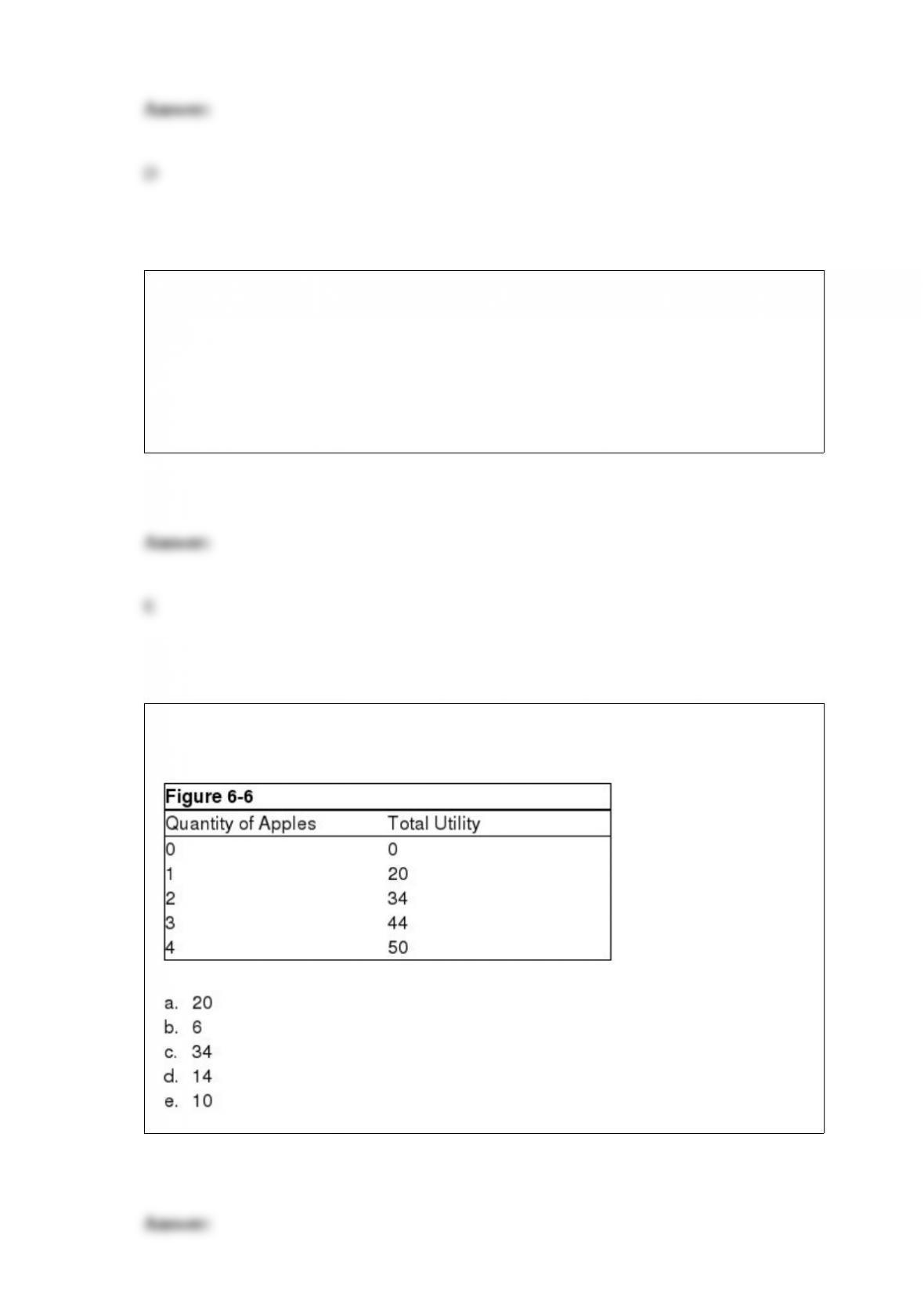
Figure 6-6 shows the total utility that Jerry receives from consuming different numbers
of apples per week. What is his marginal utility from the fourth apple ?

In the long run, there is a no tradeoff between inflation and unemployment.
Less-developed countries often have low economic growth rates because of
a. low population growth rates and poor infrastructure
b. low current output per capita, high population growth rates and good infrastructure
c. low current output per capita, high population growth rates and poor infrastructure
d. low current output per capita, low population growth rates and poor infrastructure
e. low current output per capita and poor infrastructure
Dove policies advocate
a. less stability in output if greater price stability can be achieved.
b. more stability in output if greater price stability can be achieved.
c. more stability in output even at the cost of more price instability.
d. stable prices at any cost.
e. more stability in tax revenues even at the cost of more unemployment.
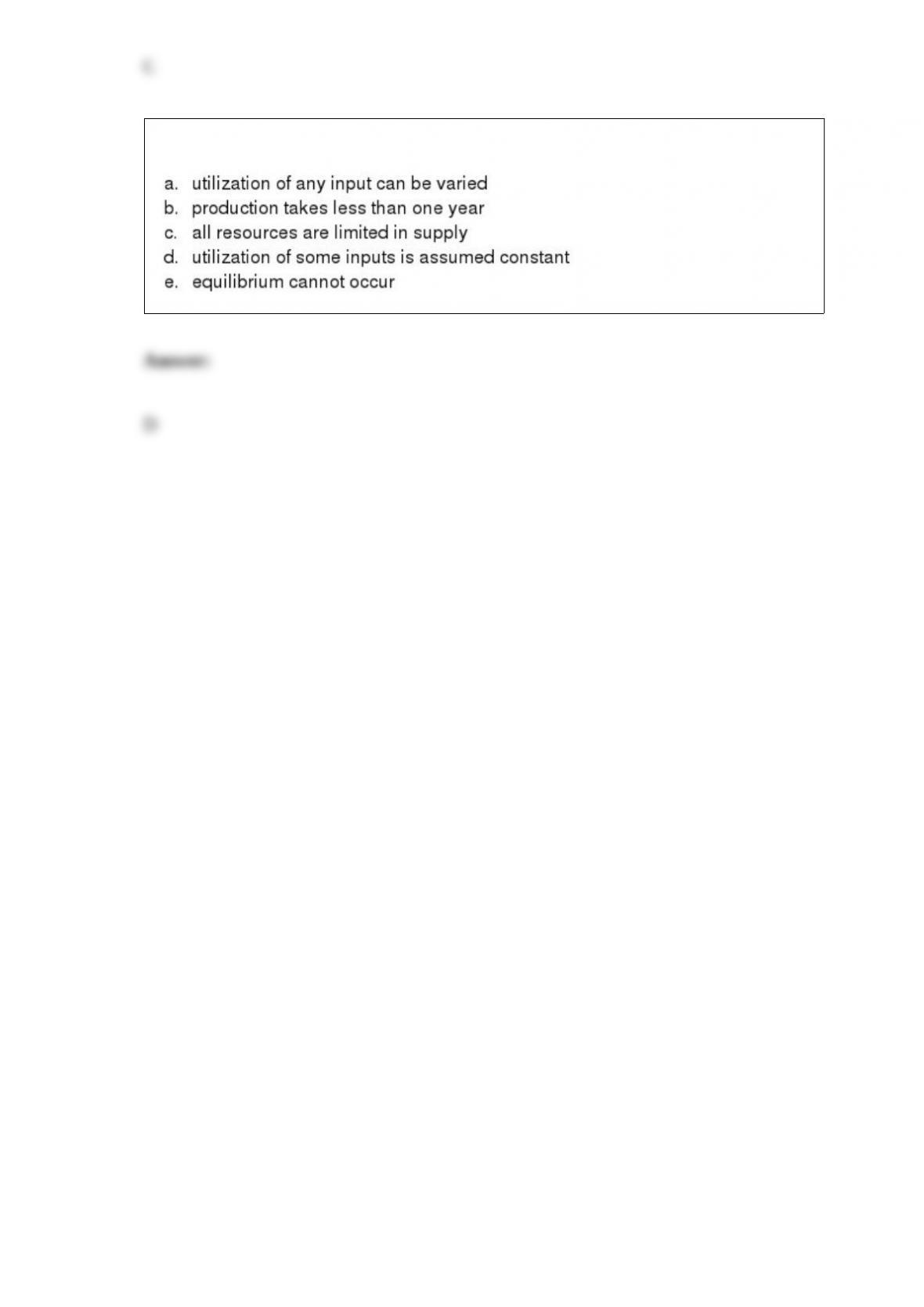
In the short run,