
1) The optimal level of immigration occurs where marginal benefit is at its greatest.
2) The substitution effect of a price-decrease for a good causes an increase in the
consumption of the good, regardless of whether the good is normal or inferior.
3) Although individual purely competitive firms can influence the price of their product,
these firms as a group cannot influence market price.
4) Asymmetric information in the health care market has increased the supply of health
care.
5) According to the definition of a one-time game, firms must choose their strategies at
the same time.
6) A consumer maximizes total utility when she or he purchases the combination of the
two products at which her or his budget line is tangent to an indifference curve.
7) What other economic process needs to accompany international trade, for nations to
benefit from such trade?
A.Specialization in production
B.Nationalization of industries
C.Regulation of production and trade
D.Spreading out of resources in more industries
8)
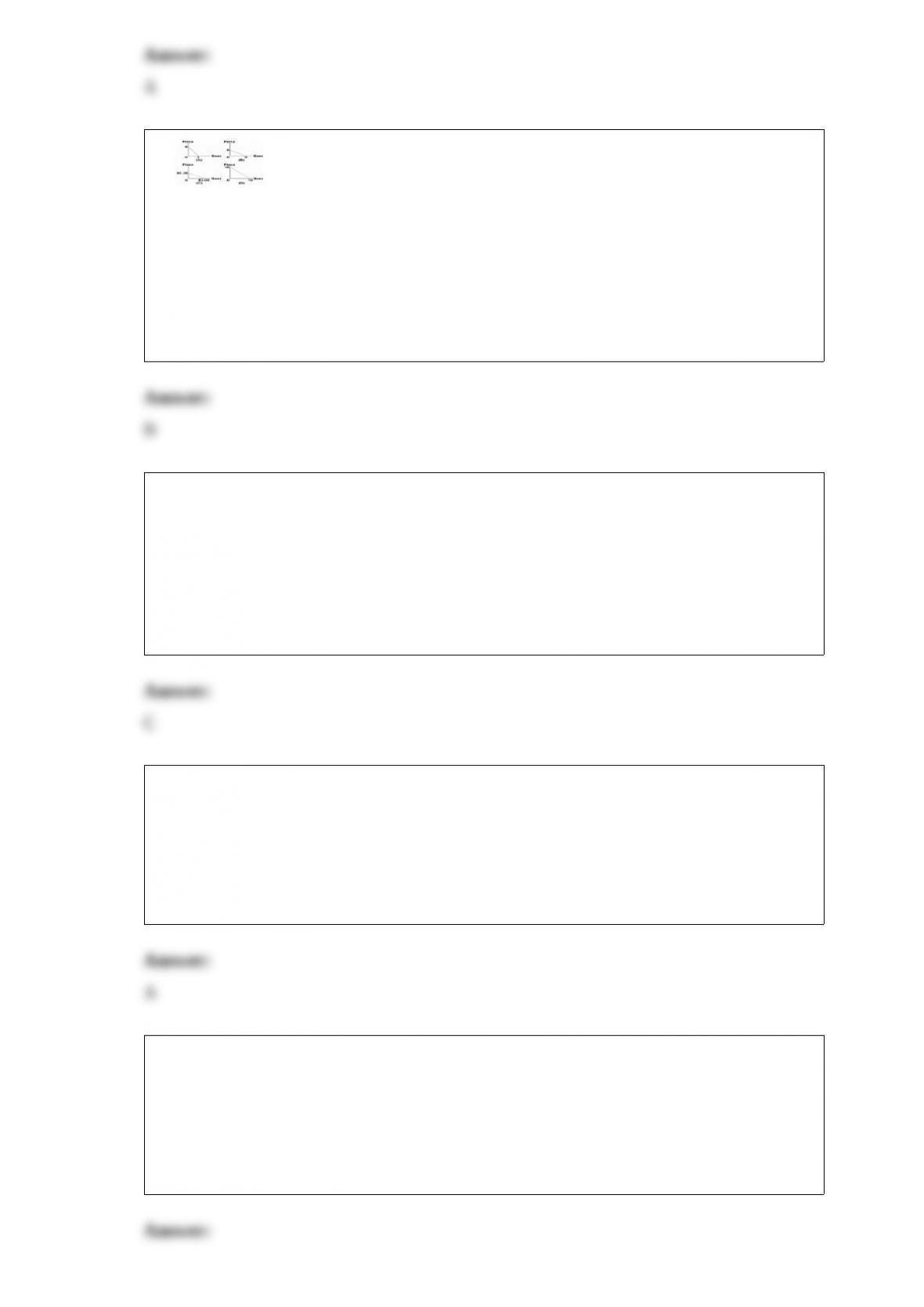
Refer to the graphs. Assume that pizza is measured in slices and beer in pints. In which
of the graphs is the opportunity cost of a pint of beer the lowest?
A.Graph A.
B.Graph B.
C.Graph C.
D.Graph D.
9) Suppose Slow Ketchup requires that, as a condition of purchase, all restaurants using
its product must buy and make available its new sales product. This arrangement is an
example of:
A.price-fixing.
B.an interlocking directive.
C.a tying contract.
D.price discrimination.
10) Marginal cost:
A.equals both average variable cost and average total cost at their respective
minimums.
B.is the difference between total cost and total variable cost.
C.rises for a time, but then begins to decline when diminishing returns set in.
D.declines continuously as output increases.
11) One implication of the median-voter model is that at any point in time, most voters
will:
A.Be happy with the amount of government involvement in the economy
B.Find government involvement in the economy to be too much
C.Find government involvement in the economy to be too little
D.Be unhappy with the amount of government involvement in the economy
12) Theoretically, the effect of private health insurance on the price and quantity of
health care consumed:
A.Is the same as that of public health insurance
B.Is a lower price and a higher quantity compared to public health insurance
C.Is a higher price and a lower quantity compared to public health insurance
D.Is a lower price and a lower quantity compared to public health insurance
13)
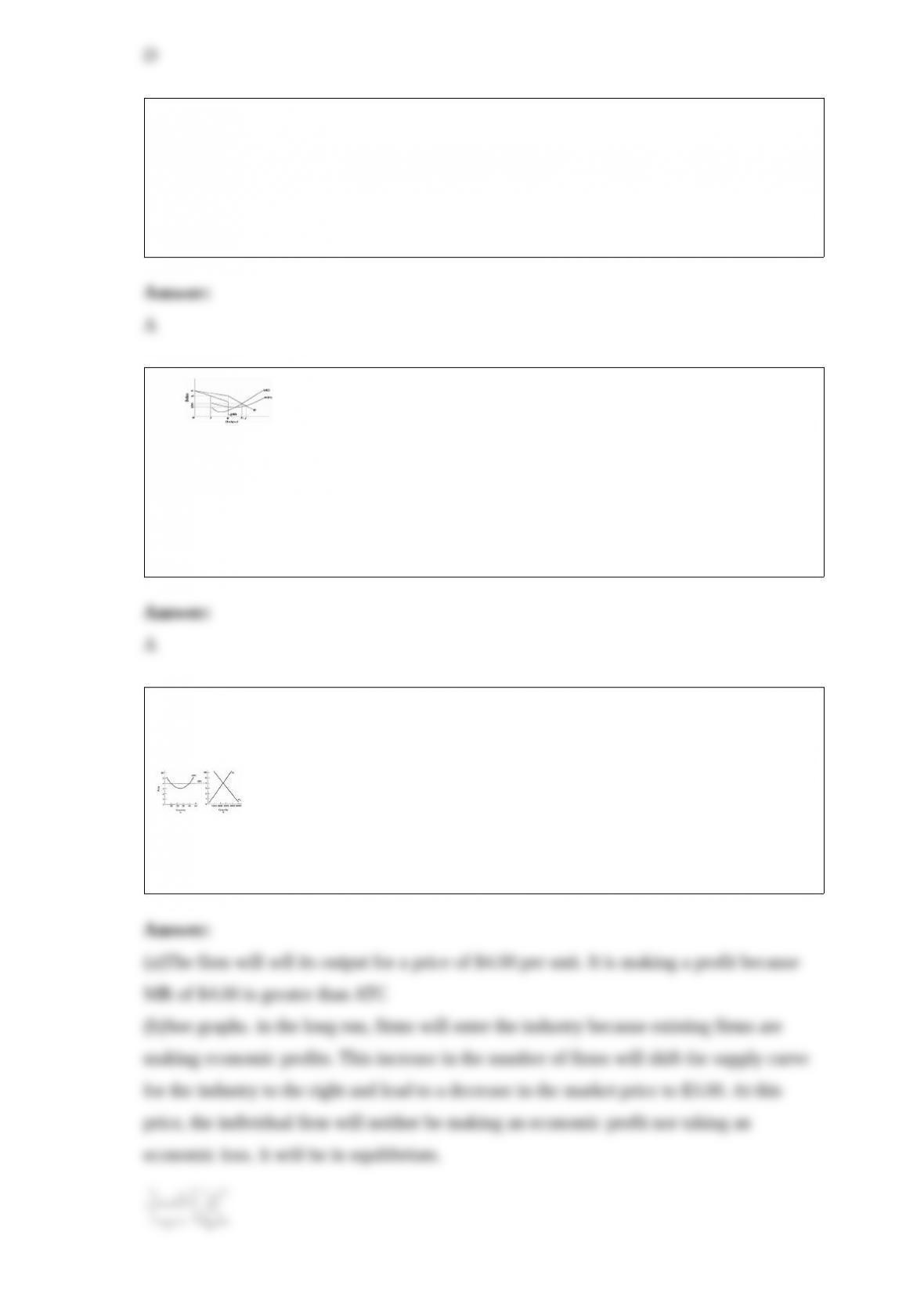
Refer to the diagram. In equilibrium the firm:
A.is realizing an economic profit of ad per unit.
B.should close down in the short run.
C.is incurring a loss.
D.is realizing an economic profit of bd per unit.
14) Consider the two graphs below. Graph A represents a typical firm in a purely
competitive industry. Graph B represents the supply and demand conditions in that
industry.
(a)Describe the price, output, and profit situation for the individual firm in the short run.
(b)Describe what will happen to the individual firm and the industry in the long run.
Show the changes on graphs A and B.
15)
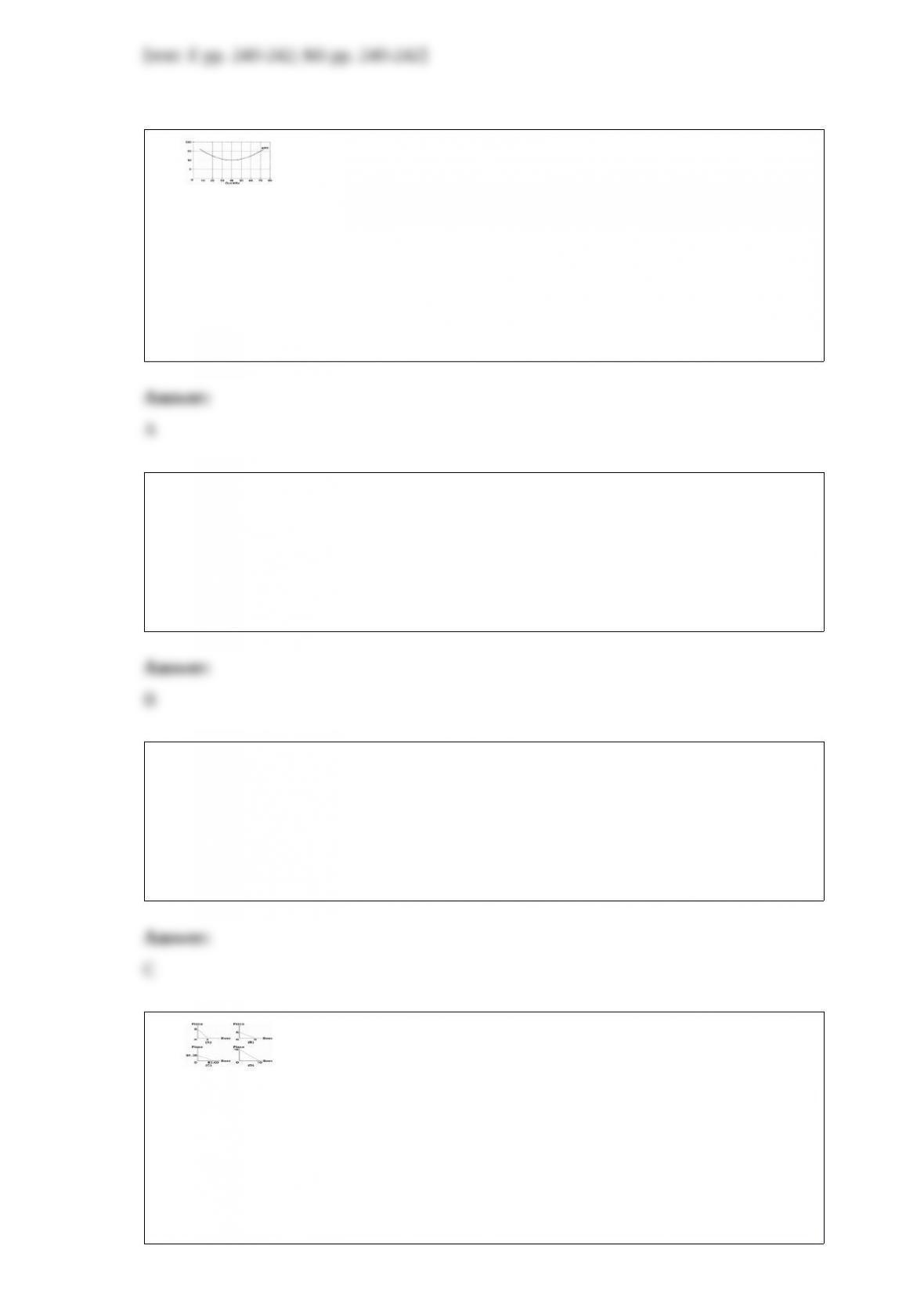
Refer to the diagram showing the average total cost curve for a purely competitive firm.
At the long-run equilibrium level of output, this firm’s economic profit:
A.is zero.
B.is $400.
C.is $200.
D.cannot be determined from the information provided.
16) Suppose the firms in a five-firm industry have market shares of 30, 30, 20, 10, and
10 percent, respectively. The Herfindahl index for the industry is:
A.1,900
B.2,400
C.90
D.10,000
17) When a Japanese company buys a U.S. software company, this transaction will be
a:
A.Credit on the current account of the U.S. balance of payments
B.Debit on the current account of the U.S. balance of payments
C.Credit on the financial account of the U.S. balance of payments
D.Debit on the financial account of the U.S. balance of payments
18)
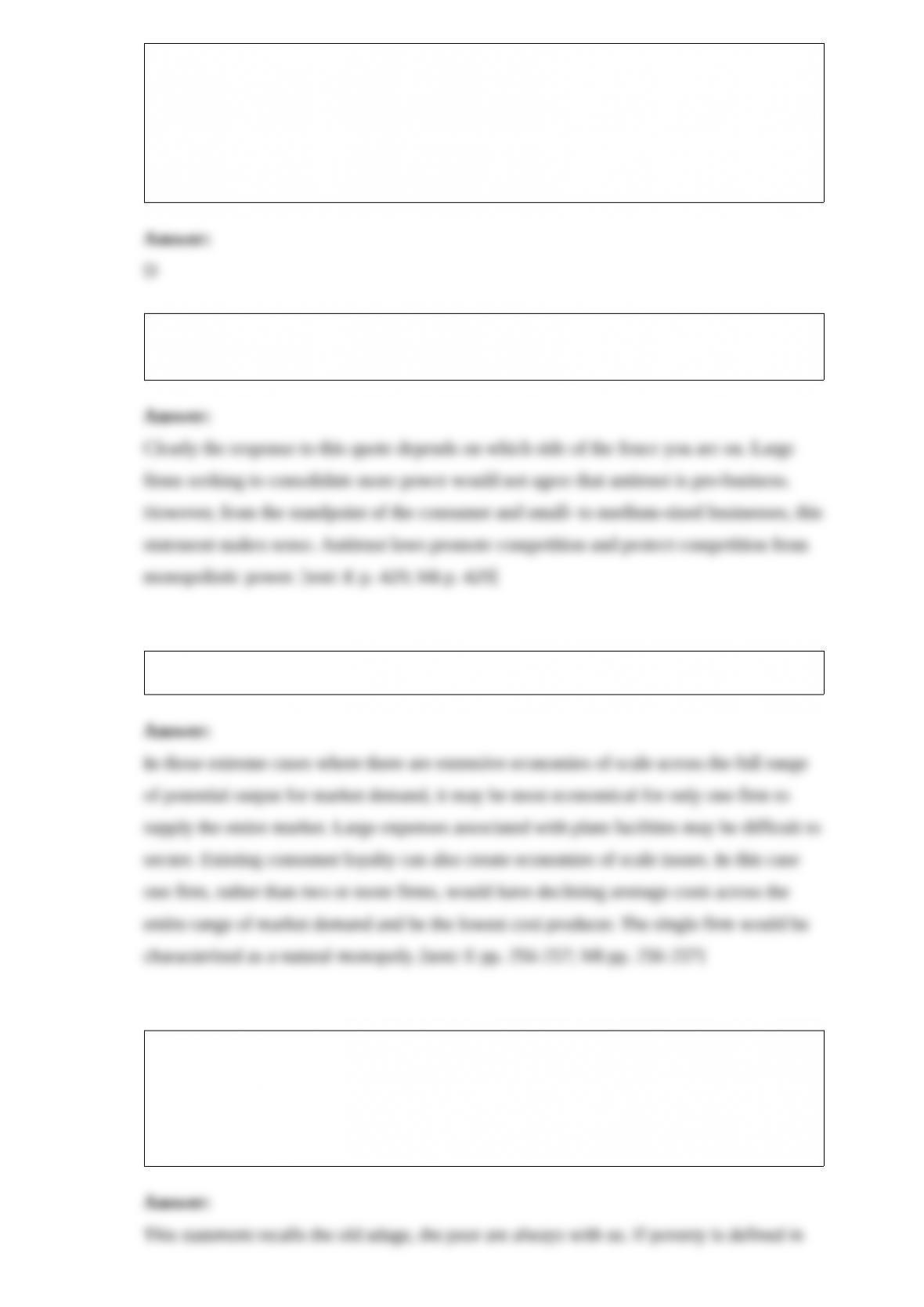
Refer to the graphs. Assume that pizza is measured in slices and beer in pints. In which
of the graphs is the opportunity cost of a pint of beer equal to one slice of pizza?
A.Graph A.
B.Graph B.
C.Graph C.
D.Graph D.

19) Linda fishes for mahi mahi at a cost of $10 per ton. Tessa fishes at a cost of $8 per
ton. Both have one 1000 ITQ and the current market price is $13. If Linda sold her ITQ
to Tessa for $4000, society would benefit from:
A.More fish being caught
B.Less fish being caught
C.An efficiency saving in fishing costs of $2000
D.An efficiency saving in fishing costs of $5000
20) Which of the following statements is not correct?
A.A reduction in money income will shift the budget line to the right.
B.A reduction in money income accompanied by an increase in product prices will
necessarily shift the budget line to the left.
C.An increase in product prices will shift the budget line to the left.
D.An increase in money income will shift the budget line to the right.
21) The necessity to maintain incentives to work and incentives to produce output
would be a point made by an individual making the case for:
A.Income equality
B.Income inequality
C.Maximization of total utility
D.Maximization of marginal utility
22) (Consider This) The Native American arts and crafts story illustrates the twin ideas
of:
A.product differentiation and monopolistic competition.
B.excess capacity and monopolistic competition.
C.local oligopoly and strategic behavior.
D.pure monopoly and price discrimination.
23) The distribution of income in a market system is a primary factor that resolves
which of the following fundamental economic questions?
A.What will be produced?
B.How will the output to be produced?
C.How will the system accommodate change?
D.Who will get the output?
24) Explain: Antitrust is basically pro-business, because it is antimonopoly. To believe
that it is antibusiness is to believe that monopoly is pro-business.
25) What is the relationship between economies of scale and a natural monopoly?
26) Evaluate and explain: If poverty is defined as an absolute deficiency of income, the
poor are far better off today than they were four decades ago. But if poverty is viewed
as relative deprivation, of being worse off than the people to whom a poor person
compares himself or herself, then poverty today may be more painful than four decades
ago.
27) What are three basic sources of economic profit? Which ones are most beneficial
for society?
28) Evaluate the statement: The government should have no place in a capitalistic
market system.
29) Contrast the factors that underlie the downsloping resource demand curve with
those which underlie the downsloping product demand curve.
30) What are the conditions for equilibrium in indifference curve analysis?
31) Why would an ounce of gold be priced higher than an ounce of coffee beans, even
though coffee is generally considered more essential than gold? Explain the paradox in
terms of marginal and total utility.