If the rate of exchange is €1 = US$2, then US$1 =
A) €0.50.
B) €2.
C) $0.50.
D) $2.00.
If a bank has $2,000 in excess reserves and a 10% reserve requirement, the maximum
potential increase in the money supply is $20,000.
A) True
B) False
Which one of the following statements is FALSE?
A) The Taylor rule sets the federal funds rate on the basis of both inflation rate and
output gap, whereas inflation targeting is based on a desired inflation rate.
B) The Taylor rule sets the federal funds rate on the basis of past inflation rates,
whereas inflation targeting is based on a forecast of the inflation rate.
C) The Taylor rule can be more flexible, whereas inflation targeting provides more
transparency and accountability.
D) The Taylor rule sets the federal funds rate on the basis of only past inflation rates,
whereas inflation targeting is based on a target interest rate and business cycles.

Expansionary fiscal policy shifts the aggregate demand curve to the _____ and is used
to close a(n) _____ gap.
A) right; inflationary
B) right; recessionary
C) left; inflationary
D) left; recessionary
Who established the first research and development laboratory?
A) Galileo
B) Thomas Edison
C) Thomas Malthus
D) Franklin Roosevelt

When we keep part of our wealth in a savings account, money is playing the role
mainly of:
A) medium of exchange.
B) unit of account.
C) barter.
D) store of value.
An example of an import quota is a:
A) limit on the total number of Honda automobiles imported from Japan.
B) regulation specifying that each imported Honda automobile must meet certain
emission exhaust guidelines.
C) tax of 10% of the value of each Honda automobile imported from Japan.
D) subsidy from the Japanese government of $500 for each Honda automobile imported
into the United States.
When countries replaced gold and silver coins with paper money exchangeable for
certain amounts of precious metals, the monetary system evolved from using _____
money to using _____ money.
A) commodity; fiat
B) commodity-backed; fiat
C) commodity; commodity-backed
D) fiat; commodity-backed
Deflation is a(n):
A) decrease in the purchasing power of a unit of money.
B) appreciation of the nation’s currency.
C) decrease in the average level of prices.
D) increase in the average level of prices.
All of the following are reasons average workers in the United States today produce
more than their counterparts a century ago EXCEPT that the modern worker:
A) is better educated.
B) has more physical capital to work with.
C) has better technology to work with.
D) works longer hours.
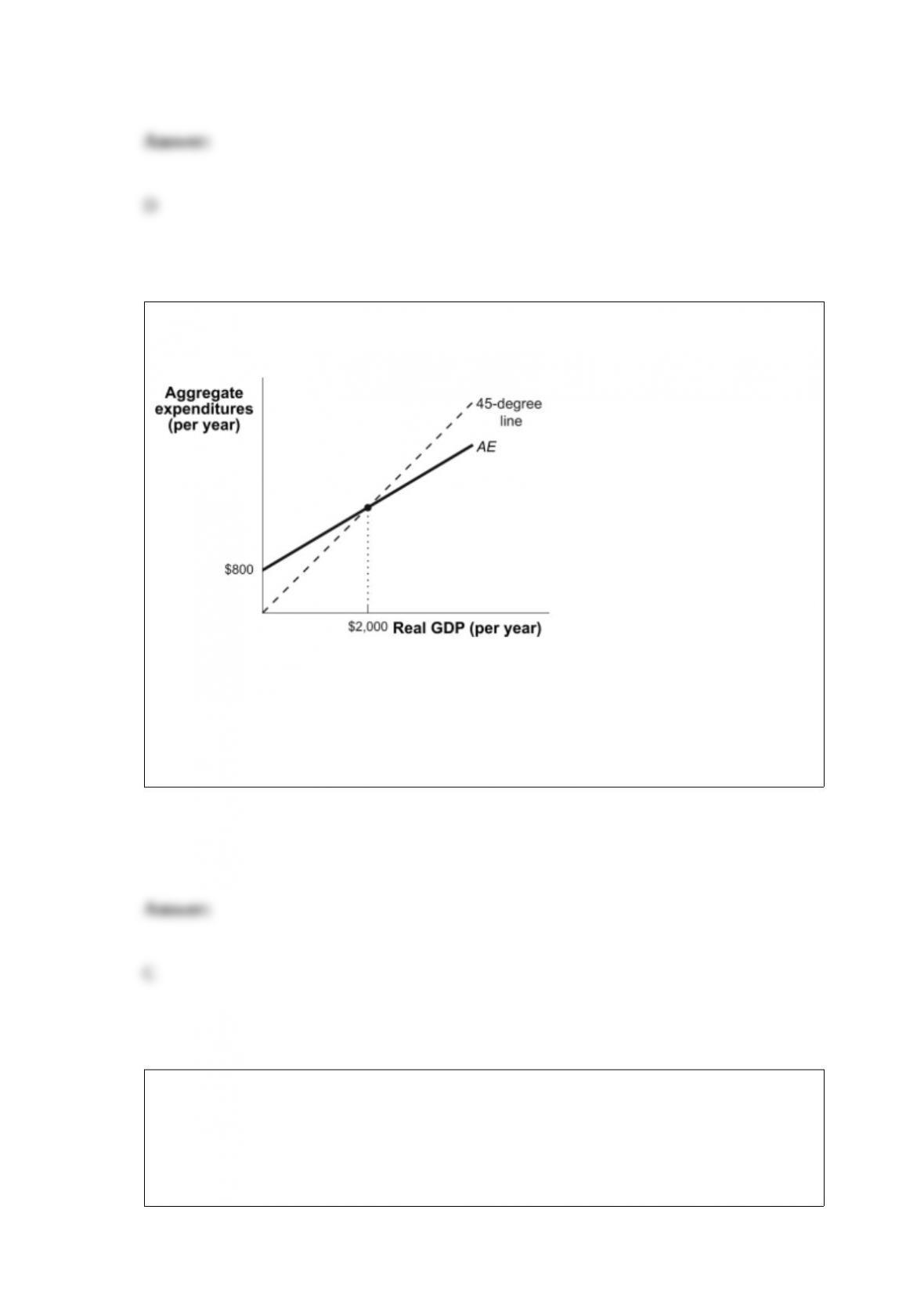
Figure: Aggregate Expenditures Curve II
Look at the table Aggregate Expenditures Curve II. The equilibrium level of real GDP
in the aggregate expenditures model shown in this figure is:
A) $800.
B) $1,000.
C) $2,000.
D) $4,000.
The United States and the European Union levy heavy import tariffs on agricultural
products, which hurt many poor farmers from the very poorest countries in the world.
A) True
B) False
Menu costs are the:
A) costs of money becoming less reliable.
B) real costs of changing listed prices.
C) increase in the transaction costs caused by inflation.
D) adjustments to the cost of living.
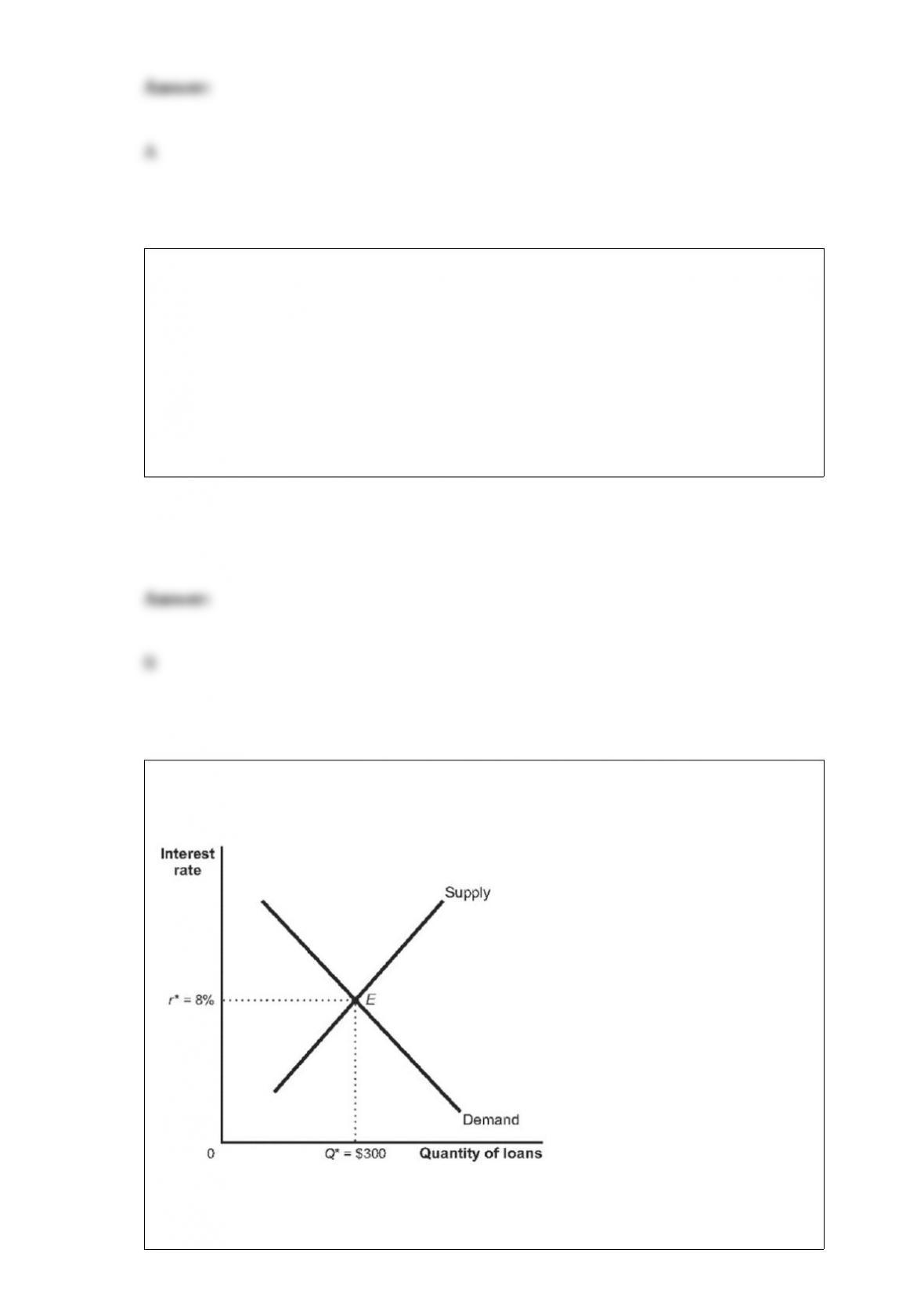
Figure: The Market for Loanable Funds II
Look at the figure The Market for Loanable Funds II. If the interest rate is higher than
_____, the quantity supplied of loanable funds will _____ the quantity of loanable
funds demanded.
A) 8%; be greater than
B) 8%; be less than
C) 8%; equal
D) 10%; be less than
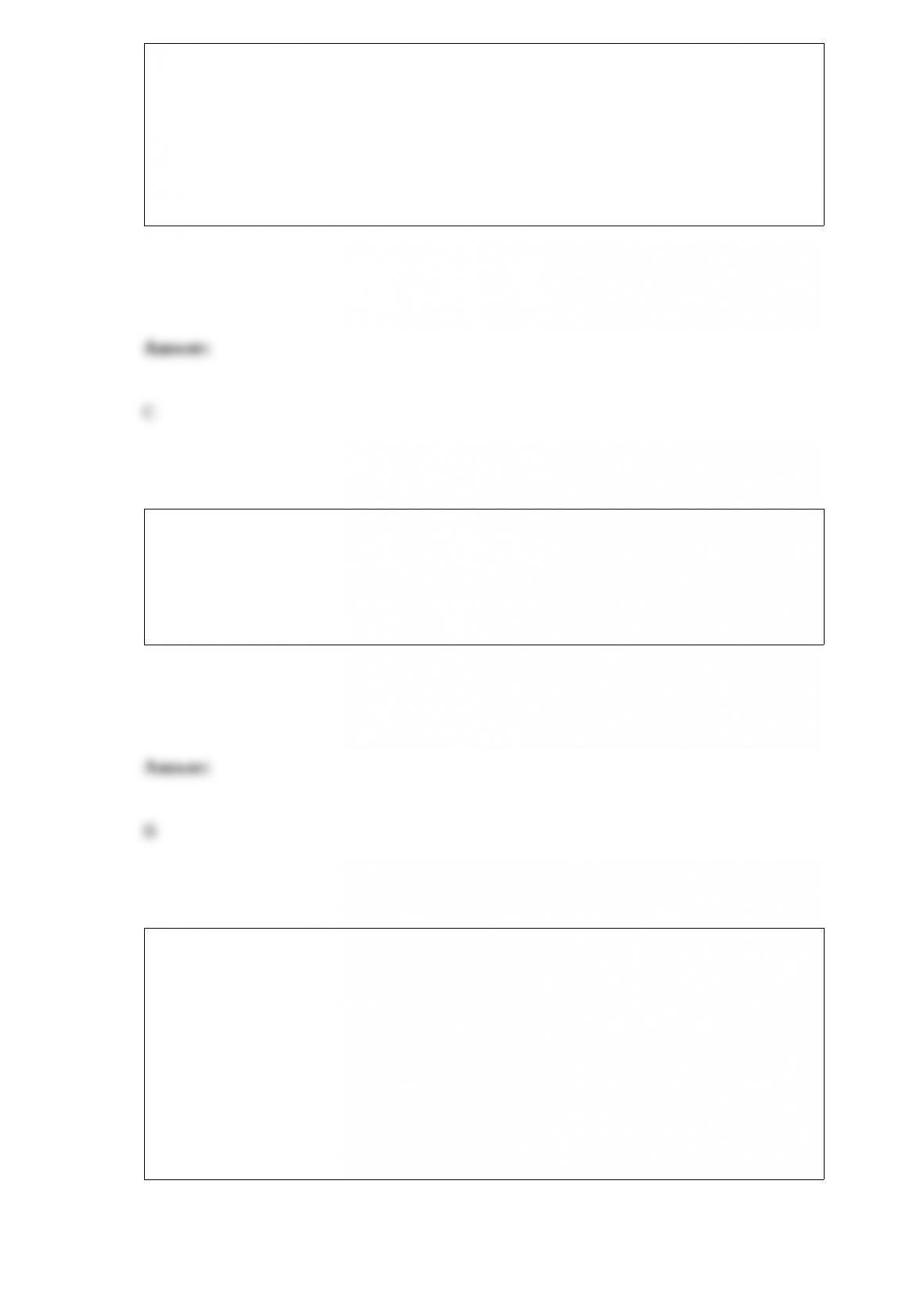
Figure: Shifts in Demand and Supply
Look at the figure Shifts in Demand and Supply. The figure shows how supply and
demand might shift in response to specific events. Suppose a fall frost destroys
one-third of the nation’s orange crop. Which panel BEST describes how this will affect
the market for vitamin C tablets, which are a substitute in consumption for oranges?
A) panel A
B) panel B
C) panel C
D) panel D
Bank reserves are the sum of M1 and M2.
A) True
B) False
An increase in the value of a currency that is determined under a floating exchange rate
regime is a(n):
A) depreciation.
B) devaluation.
C) appreciation.
D) revaluation.
GDP is the total dollar value of all:
A) intermediate goods and services produced in the economy in a given period.
B) wages paid to producing workers in a given period.
C) final goods and services produced in the economy in a given period.
D) government production in a given period.
An increase in interest rates on business loans will change _____ investment spending.
A) planned
B) unplanned
C) both planned and unplanned
D) neither planned nor unplanned
Expansionary monetary policy in the United States causes U.S. interest rates to _____

and the dollar to _____.
A) rise; appreciate
B) rise; depreciate
C) fall; appreciate
D) fall; depreciate
Which of the following is a method to maintain a fixed exchange rate?
I. exchange market intervention
II. monetary policy
III. foreign exchange controls
A) I only
B) II only
C) III only
D) I, II, and III
(Figure: Consumption of Pizza and Tacos) Look at the figure Consumption of Pizza and
Tacos. The figure shows the number of tacos and pizza slices Matt can eat in a day. The
best estimate of the slope between point A and point B is “4.
A) True
B) False
An increase in the aggregate price level _____ the demand for money.
A) increases
B) decreases
C) does not affect
D) left-shifts
All of the following will increase potential output EXCEPT:
A) an increase in physical capital.
B) a decrease in the aggregate price level.
C) an increase in human capital.
D) technological innovation.
A technological advance in the production of automobiles will _____ the _____
automobiles.
A) decrease; demand for
B) increase; supply of
C) decrease; demand
D) decrease; supply of
Figure: Short-Run Determination of the Interest Rate
Look at the figure Short-Run Determination of the Interest Rate. If the money supply is
at MS1and the Fed conducts expansionary monetary policy, in the short run the interest
rate drops to r2. In the long run the demand for money will _____, and the interest rate
will_____.
A) increase; increase to r1
B) increase; remain at r2
C) decrease; decrease below r2
D) decrease; remain at r2
If expected GDP increases, then current planned investment will increase.
A) True
B) False
The provision of disabled-parking passes to those with disabilities often requires that
more than enough spaces be available for those with disabilities. As a result, many of
these spaces are vacant quite often when they could be used by able-bodied individuals.
Such a situation illustrates the:
A) trade-off between efficiency and equity.
B) trade-off between efficiency and specialization.
C) ability of markets to provide efficient and equitable outcomes.
D) power of the market to provide for equilibrium outcomes.
The repo market:
A) is where the Federal Reserve makes loans to banks.
B) refers to transactions between lenders and borrowers with bad credit.
C) is the market for houses in foreclosure.
D) is the overnight credit market.
Which of the following is sold in the product market?
A) land
B) labor
C) cell phones
D) human capital
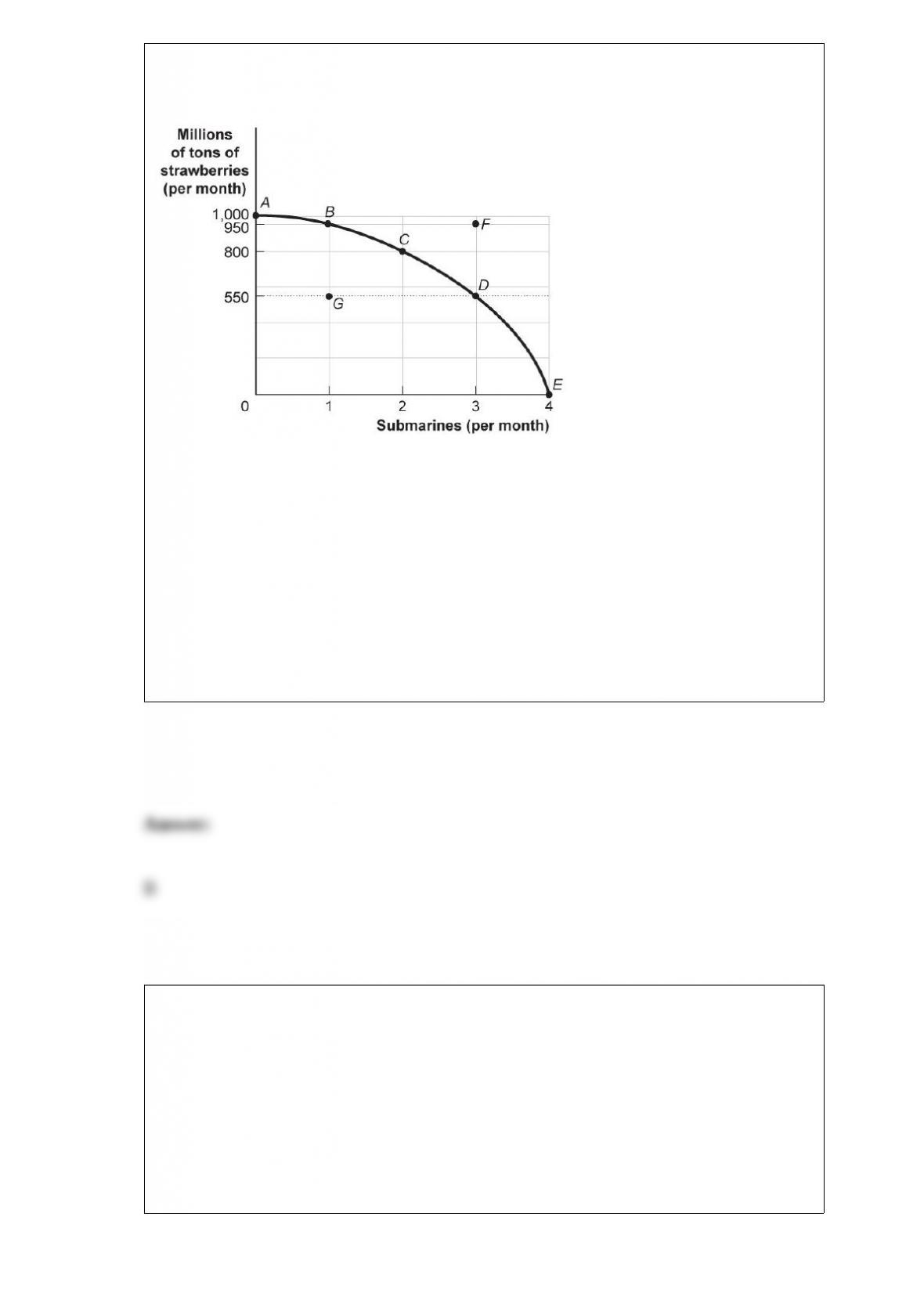
Figure: Strawberries and Submarines
Look at the figure Strawberries and Submarines. Suppose the economy now operates at
point C. Moving to point E would require that the economy:
A) achieve full employment and an efficient allocation of resources.
B) eliminate its production of strawberries.
C) reduce its production of submarines.
D) improve its technology or increase its quantities of factors of production.
Changes in _____ CANNOT shift the aggregate demand curve.
A) expectations
B) wealth
C) the existing stock of physical capital
D) the price level
A tariff imposed on Japanese imports into the United States tends to _____ U.S.
producers and _____ Japanese producers.
A) penalize; benefit.
B) benefit; penalize
C) penalize; penalize
D) benefit; benefit
On average the unemployment rate increases by 7% following a severe banking crisis.
A) True
B) False
Assume that a tariff is imposed on Chinese imports into the United States. This tariff is
likely to _____ U.S. producers and _____ Chinese producers.
A) penalize; penalize

B) benefit; benefit
C) benefit; penalize
D) penalize; benefit