1)
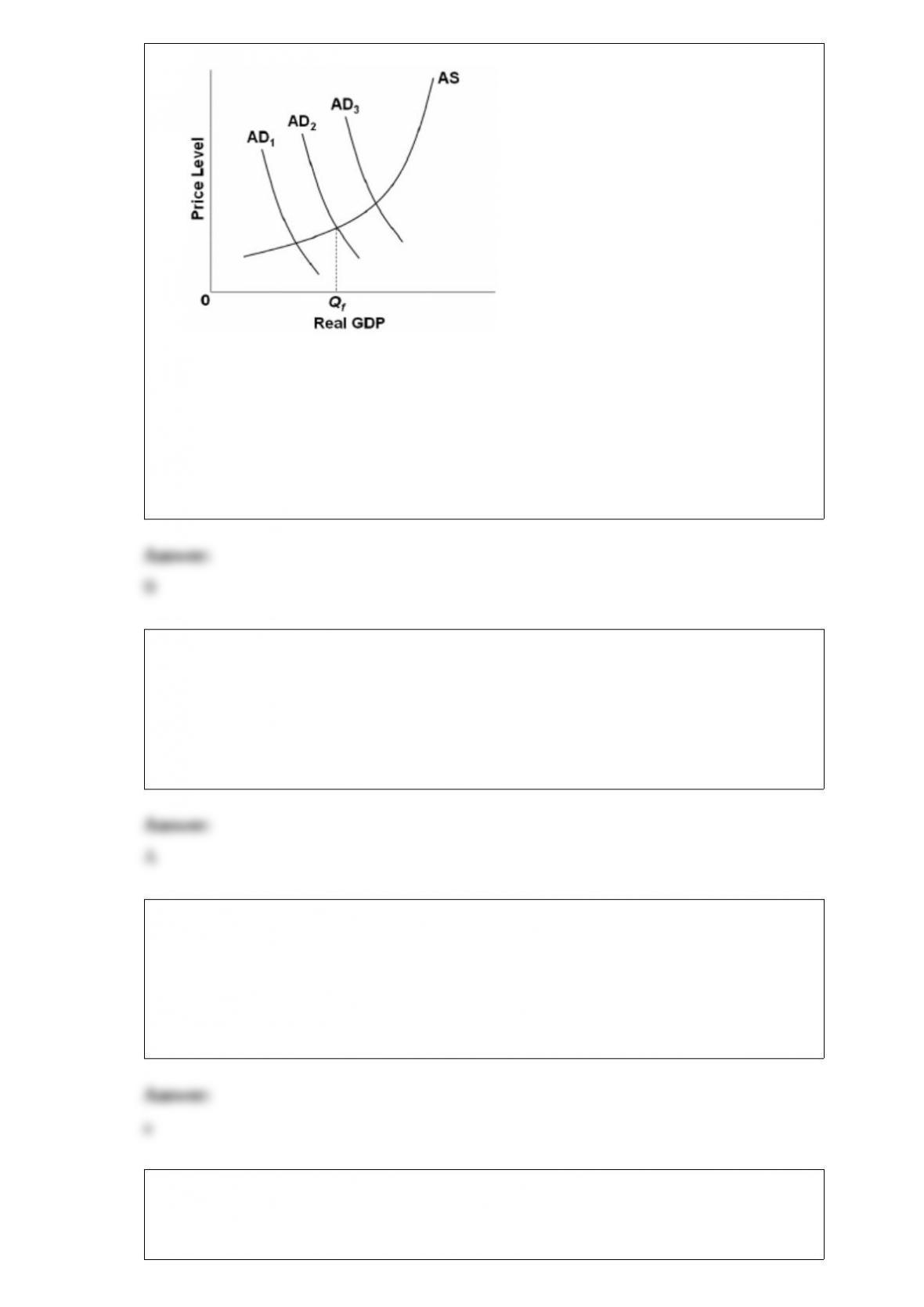
Refer to the above diagram, in which Qf is the full-employment output. The shift in the
aggregate demand curve from AD3 to AD2 could result from which of the following
fiscal policy actions?
A.a tax reduction
B.a tax reduction accompanied by an even larger reduction in government spending
C.a tax increase accompanied by an even larger increase in government spending
D.an increase in government spending
2) If the Fed wants commercial banks to borrow and expand their reserves by a specific
amount, what monetary policy tool best guarantees that it will happen?
A.term auction facility
B.open-market operations
C.Federal funds rate
D.reserve ratio
3) if total revenue is less than total variable costs at the mr = mc output, a purely
competitive firm should:
a.shut down.
b.produce, but will necessarily realize a loss.
c.produce and may or may not realize a profit.
d.increase its output.
4) In the 1990s:
A.direct private investment to the DVCs increased and government-provided foreign
aid decreased.
B.both direct private investment and government-provided foreign aid to the DVCs
increased.
C.both direct private investment and government-provided foreign aid to the DVCs
decreased.
D.direct private investment to the DVCs decreased and government-provided foreign
aid increased.
5)
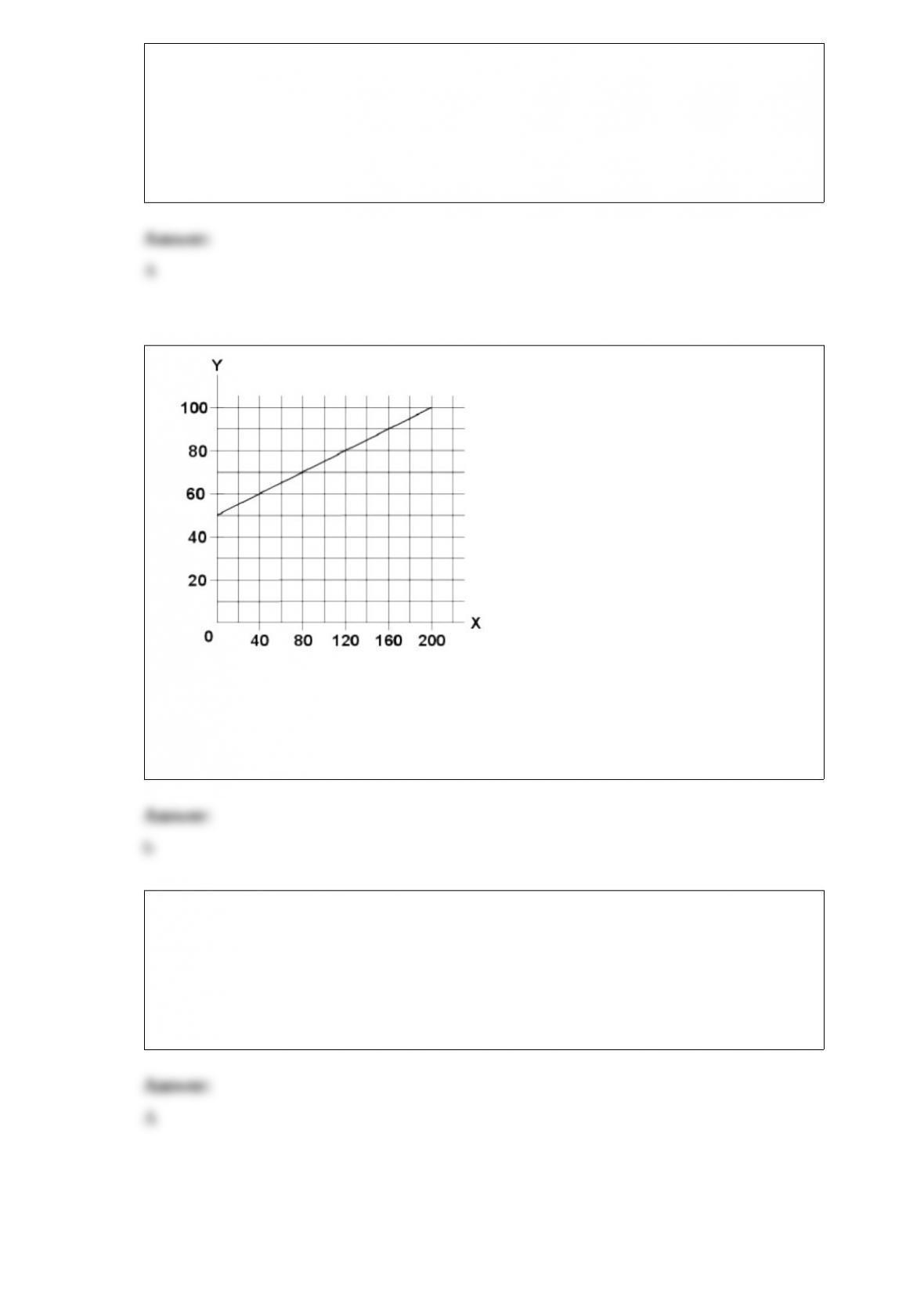
refer to the above diagram. the slope of the line:
a.is – 1/4
b.is + 1/4
c.is .40
d.cannot be determined from the information given
6) Because government price supports cause surplus production, government policies
have been designed to:
A.increase demand and decrease supply of farm products.
B.decrease demand and increase supply of farm products.
C.increase demand and increase supply of farm products.
D.decrease demand and decrease supply of farm products.
7)
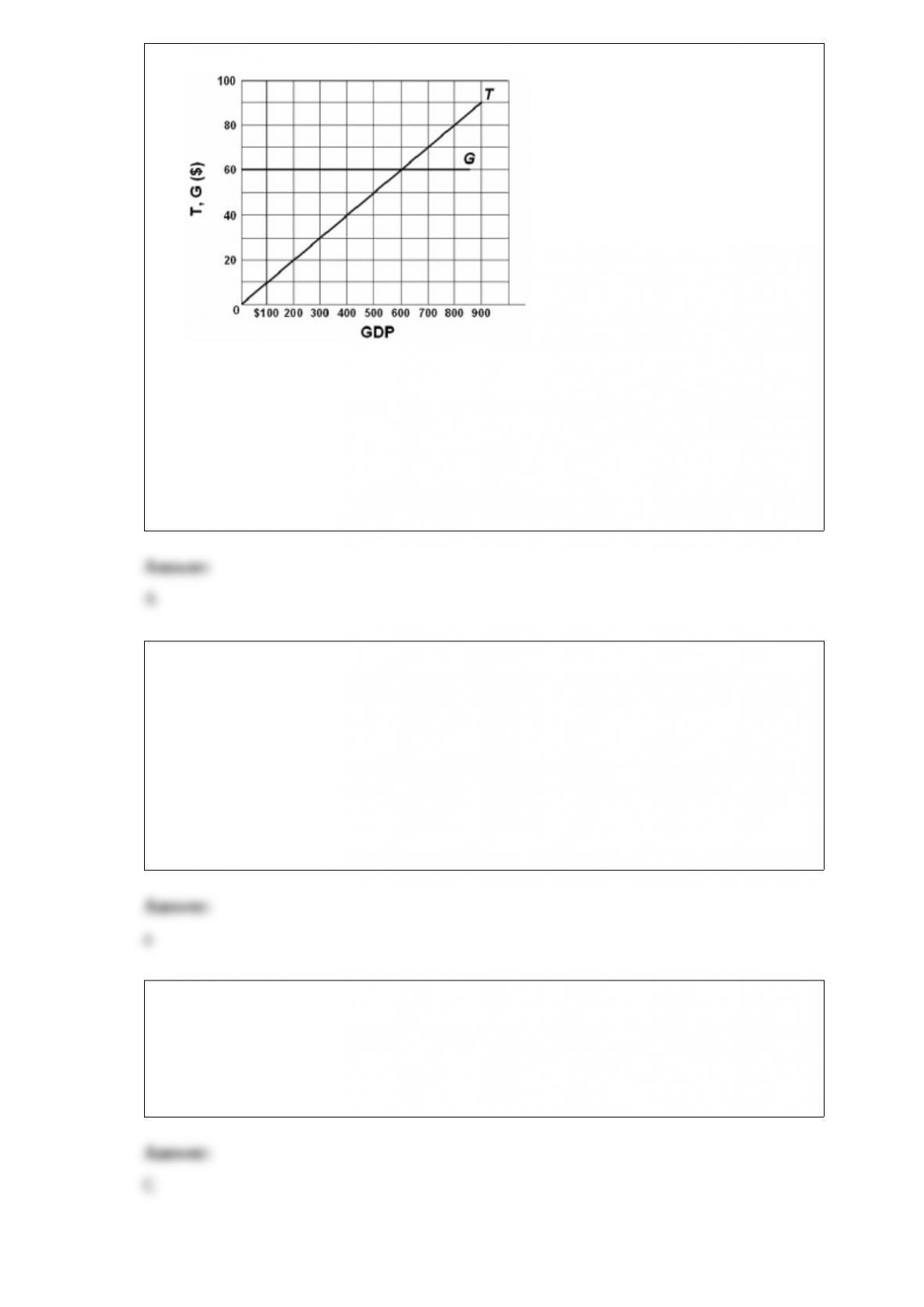
Refer to the above diagram where T is tax revenues and G is government expenditures.
All figures are in billions of dollars. If the full-employment GDP and actual GDP are
each $400 billion, this economy will realize a:
A.standardized deficit of $20 billion.
B.cyclical deficit of $20 billion.
C.cyclical surplus of $20 billion.
D.standardized deficit of zero.
8) suppose a purely competitive, increasing-cost industry is in long-run equilibrium.
now assume that a decrease in consumer demand occurs. after all resulting adjustments
have been completed, the new equilibrium price:
a.and industry output will be less than the initial price and output.
b.will be greater than the initial price, but the new industry output will be less than the
original output.
c.will be less than the initial price, but the new industry output will be greater than the
original output.
d.and industry output will be greater than the initial price and output.
9) The Economist magazine’s Commodities Price Index tracks the prices of the most:
A.important finished goods that are traded internationally.
B.important minerals that are traded internationally.
C.important productive resources that are traded internationally.
D.heavily traded agricultural-based products.

10) Which of the following would contribute to a United States balance of payments
deficit?
A.Kawasaki builds a motorcycle manufacturing plant in Kansas City
B.United States tourists travel in large numbers to Europe
C.a wealthy Mexican citizen builds a mansion in Beverly Hills
D.Zaire pays interest on its debt to the United States
11) in comparing gdp data over a period of years, a difference between nominal and real
gdp may arise because:
a.of changes in trade deficits and surpluses.
b.the length of the workweek has declined historically.
c.the price level may change over time.
d.depreciation may be greater or smaller than gross investment.
12) If the demand for money increases and the Fed wants interest rates to remain
unchanged, which of the following would be appropriate policy?
A.recall Federal Reserve Notes from circulation
B.raise the legal reserve requirement
C.buy bonds in the open market
D.raise the discount rate
13) tariffs and quotas:
a.benefit producers of protected products, but harm domestic consumers.
b.benefits both producers of protected products and domestic consumers.
c.benefit neither producers of protected products nor domestic consumers.
d.benefit domestic consumers at the expense of producers of protected products.
14)
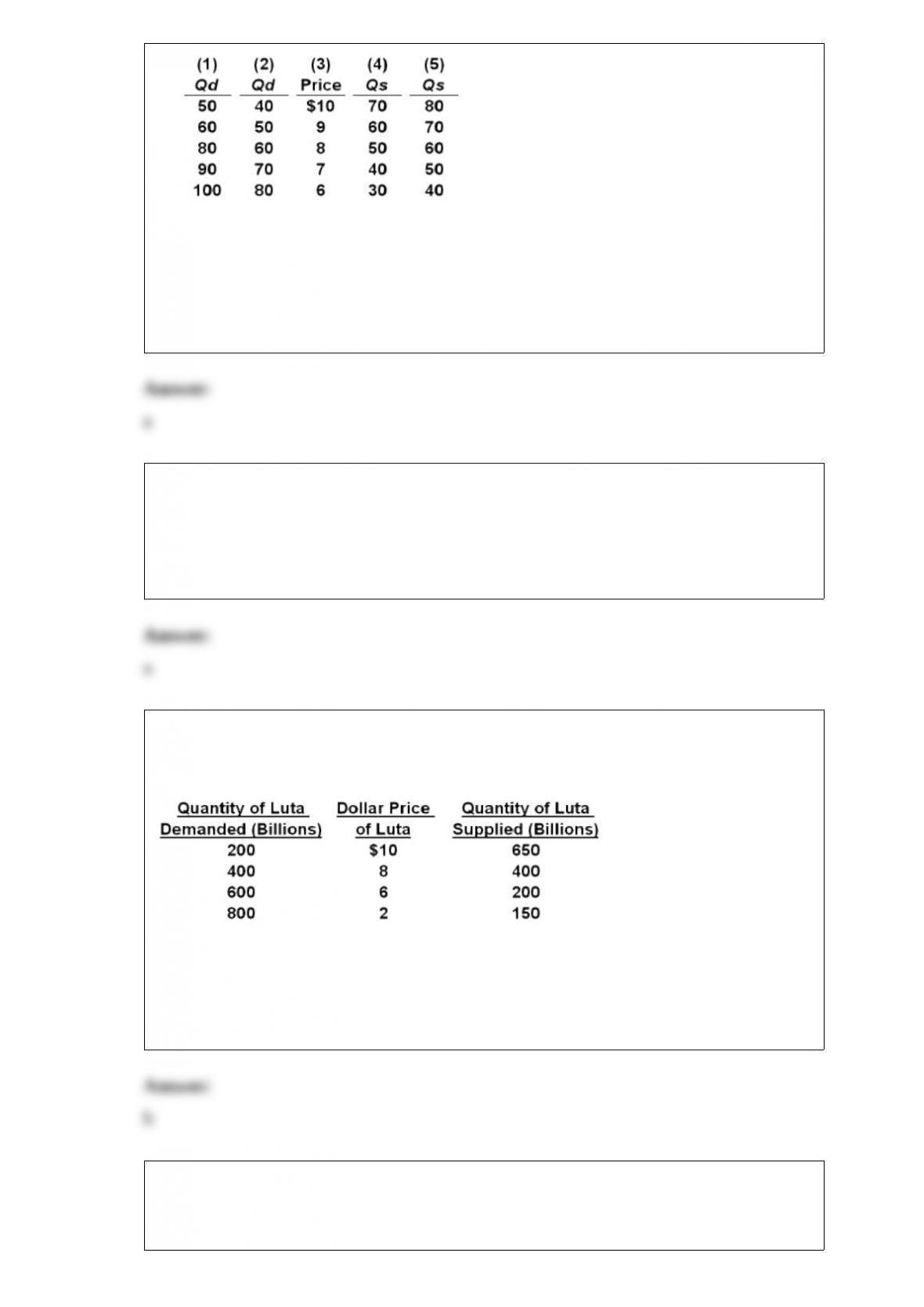
refer to the above table. in relation to column (3), a change from column (1) to column
(2) would mostly likely be caused by:
a.reduced taste for the good.
b.an increase in input prices.
c.consumers expecting that prices will be lower in the future.
d.government subsidizing production of the good.
15) which of the following is a macroeconomic statement?
a.the gross profits of all u.s. businesses were $182 billion last year.
b.the price of beef declined by 3 percent last year.
c.general motors’ profits increased last year.
d.the productivity of steelworkers increased by 1 percent last year.
16) the following table which indicates the dollar price of luta, the currency used in the
hypothetical economy of luteland:
refer to the above table. the equilibrium dollar price of luta is:
a.$10.
b.$8.
c.$6.
d.$2.
17) government rather than the private sector must provide economically desirable
public goods because:
a.private production of those goods would entail unacceptably high external costs.
b.the availability of such goods yields no benefits to individuals.
c.the benefits yielded by such goods are available to everyone and cannot be withheld
from those who refuse to pay for them.
d.their provision is necessary to achieve full employment and price-level stability.
18) The U.S. poverty rate(s) for:
A.Hispanics and African-Americans both exceed 20 percent.
B.African-Americans is much lower than the rate for Hispanics.
C.whites is greater than the overall poverty rate.
D.persons aged 65 or older is higher than for children under 18.
19) in the united states, the rate of unemployment is highest for:
a.white teenagers.
b.african-american teenagers.
c.married women.
d.unmarried women.
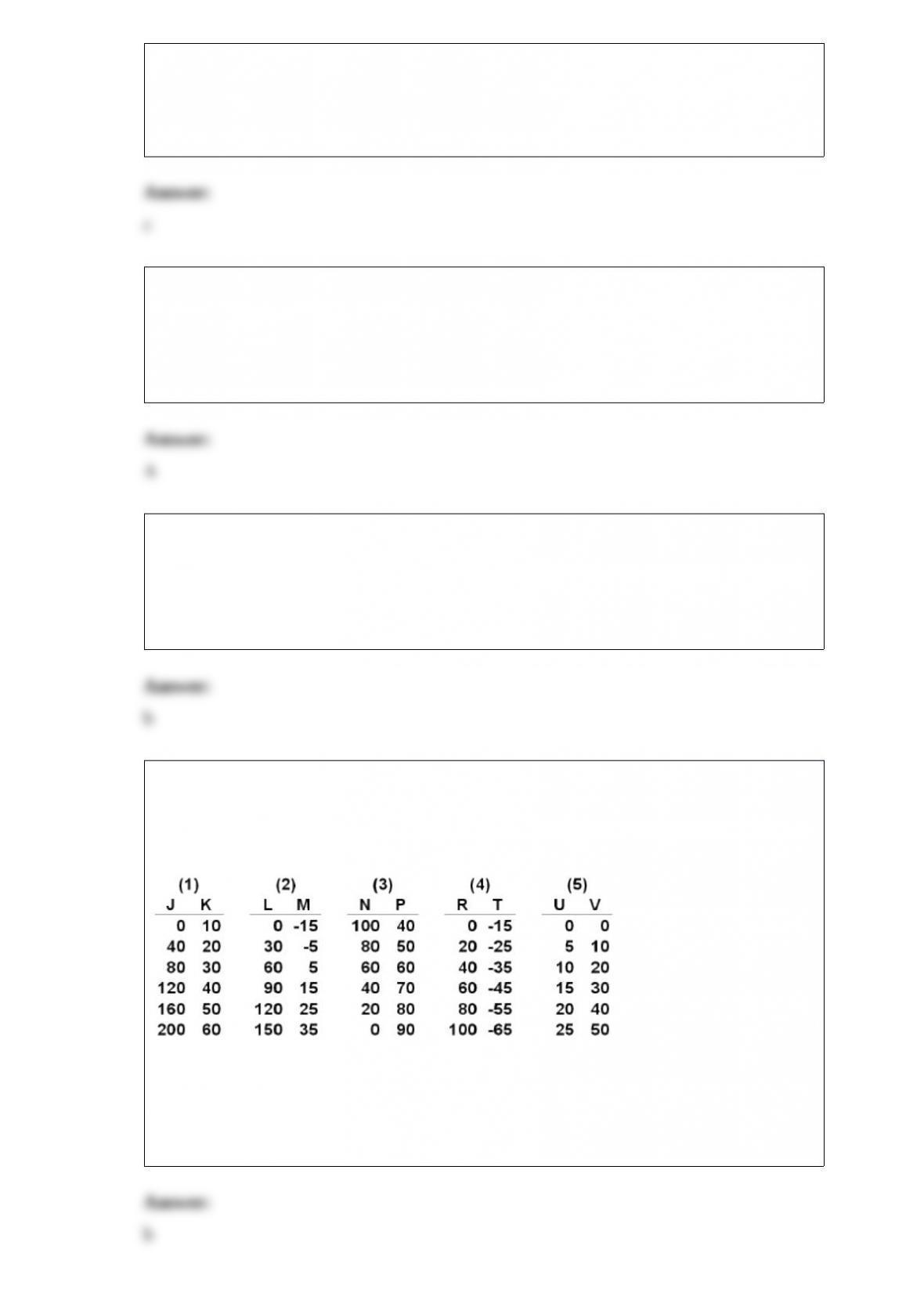
20) answer the next question(s) on the basis of the following five data sets wherein it is
assumed that the variable shown on the left is the independent variable and the one on
the right is the dependent variable. assume in graphing these data that the independent
variable is shown on the horizontal axis and the dependent variable on the vertical axis.
refer to the above data sets. for which data set(s) is the vertical intercept zero?
a.data set 4
b.data set 5
c.data sets 2 and 3
d.data set 1