
Which of the following would contribute to a sustained high rate of economic growth in
the long run in an economy?
A) growth in capital per hour accompanied by technological change
B) increases in labor force participation rates as workers who are out of the labor force
pursue rising wages
C) a shift of workers in the economy from the agricultural sector to the nonagricultural
sector
D) an influx of immigrant labor into an economy without any accompanying
technological change
Golda Rush quit her job as a manager for Home Depot to start her own hair dressing
salon, Goldilocks. She gave up a salary of $40,000 per year, invested her savings of
$30,000 (which was earning 5 percent interest) and borrowed $10,000 from a close
friend, agreeing to pay 5 percent interest per year. In her first year, Golda spent $18,000
to rent a salon, hired a part-time assistant for $12,000 and incurred another $15,000 on
equipment and hairdressing material. Based on this information, what is the amount of
her implicit costs?
A) $80,000
B) $70,000
C) $42,000
D) $41,500

Suppose the GDP deflator in the United States is 125 and the GDP deflator in Japan is
100. Also assume the United States has trade barriers on Japanese goods in the form of
quotas. What does this imply about the exchange rate of yen per dollar under the theory
of purchasing power parity in the long run?
A) The exchange rate of yen per dollar will be equal to 1.25.
B) The exchange rate of yen per dollar will be greater than 0.8.
C) The exchange rate of yen per dollar will be equal to 0.8.
D) The exchange rate of yen per dollar will be less than 0.8.
The Federal Reserve plays a larger role than Congress and the president in stabilizing
the economy because
A) the Federal Reserve can more quickly change monetary policy than the president
and the Congress can change fiscal policy.
B) the Federal Reserve can immediately recognize when real GDP is below or above
potential GDP.
C) changes in interest rates have a considerably larger effect on the economy than
changes in government purchases or taxes.
D) changes in interest rates have their full effect on the economy in a short period of
time, whereas changes in government spending and taxes have their full effect over a
long period of time.
Shares of stock and long-term debt, including corporate and government bonds and
bank loans, are bought and sold on
A) the stock market.
B) capital markets.
C) foreign exchange markets.
D) commodity markets.
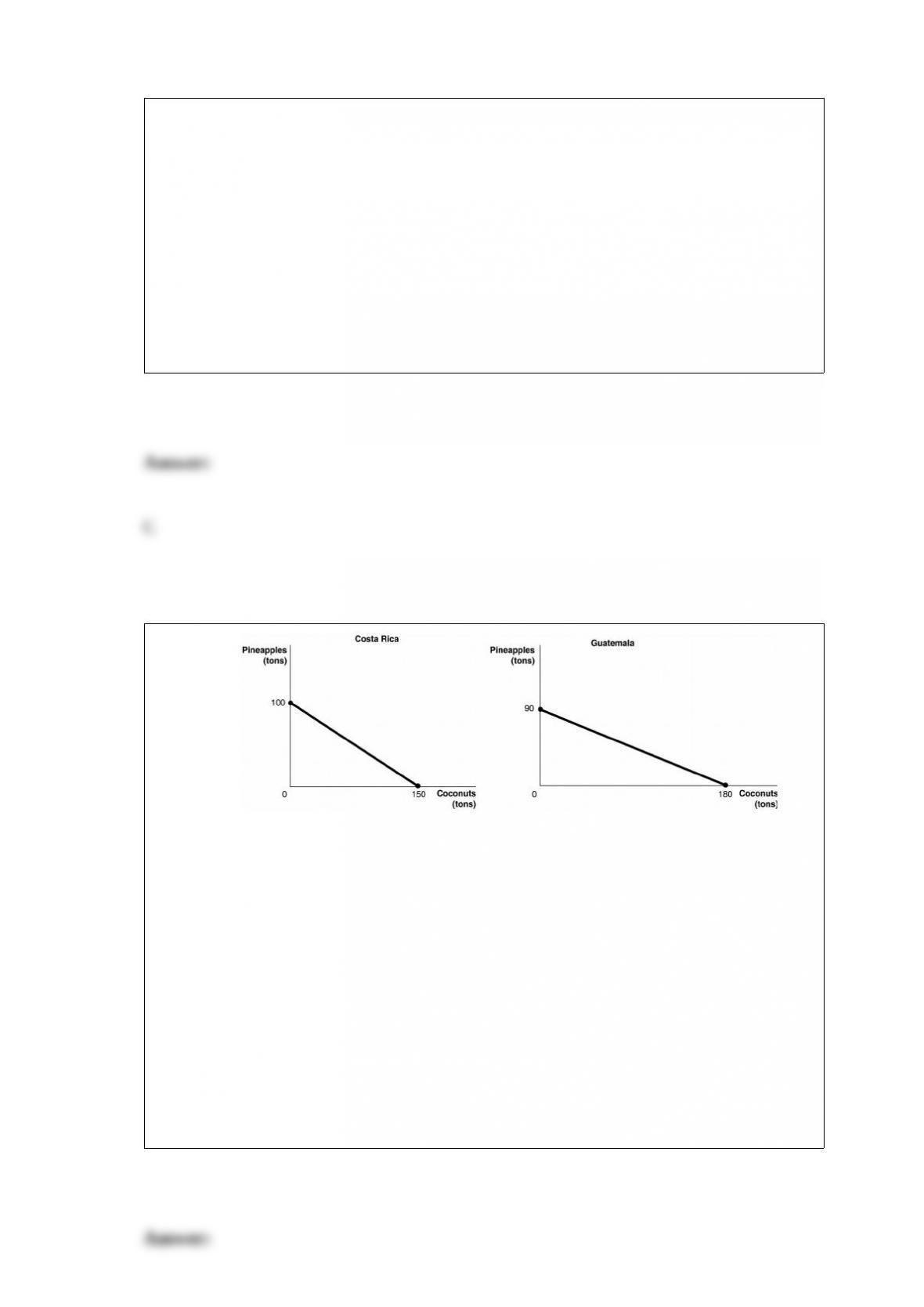
Table 2-3 Production Choices for Dina’s Diner
Assume Dina’s Diner only produces sliders and hot wings. A combination of 80 sliders
and 100 hot wings would appear
A) along Dina’s production possibilities frontier.
B) inside Dina’s production possibilities frontier.
C) outside Dina’s production possibilities frontier.
D) at the vertical intercept of Dina’s production possibilities frontier.
Tanesha sells homemade candles over the Internet. Her annual revenue is $64,000 per
year, the explicit costs of her business are $17,000, and the opportunity costs of her
business are $22,000. What is her accounting profit?
A) $17,000
B) $22,000
C) $47,000
D) $64,000
Figure 2-8
Figure 2-8 shows the production possibilities frontiers for Costa Rica and Guatemala.
Each country produces two goods, pineapples and coconuts.
If the two countries have the same amount of resources and the same technological
knowledge, which country has an absolute advantage in the production of both
pineapples and coconuts?
A) Guatemala
B) neither country
C) Costa Rica
D) cannot be determined
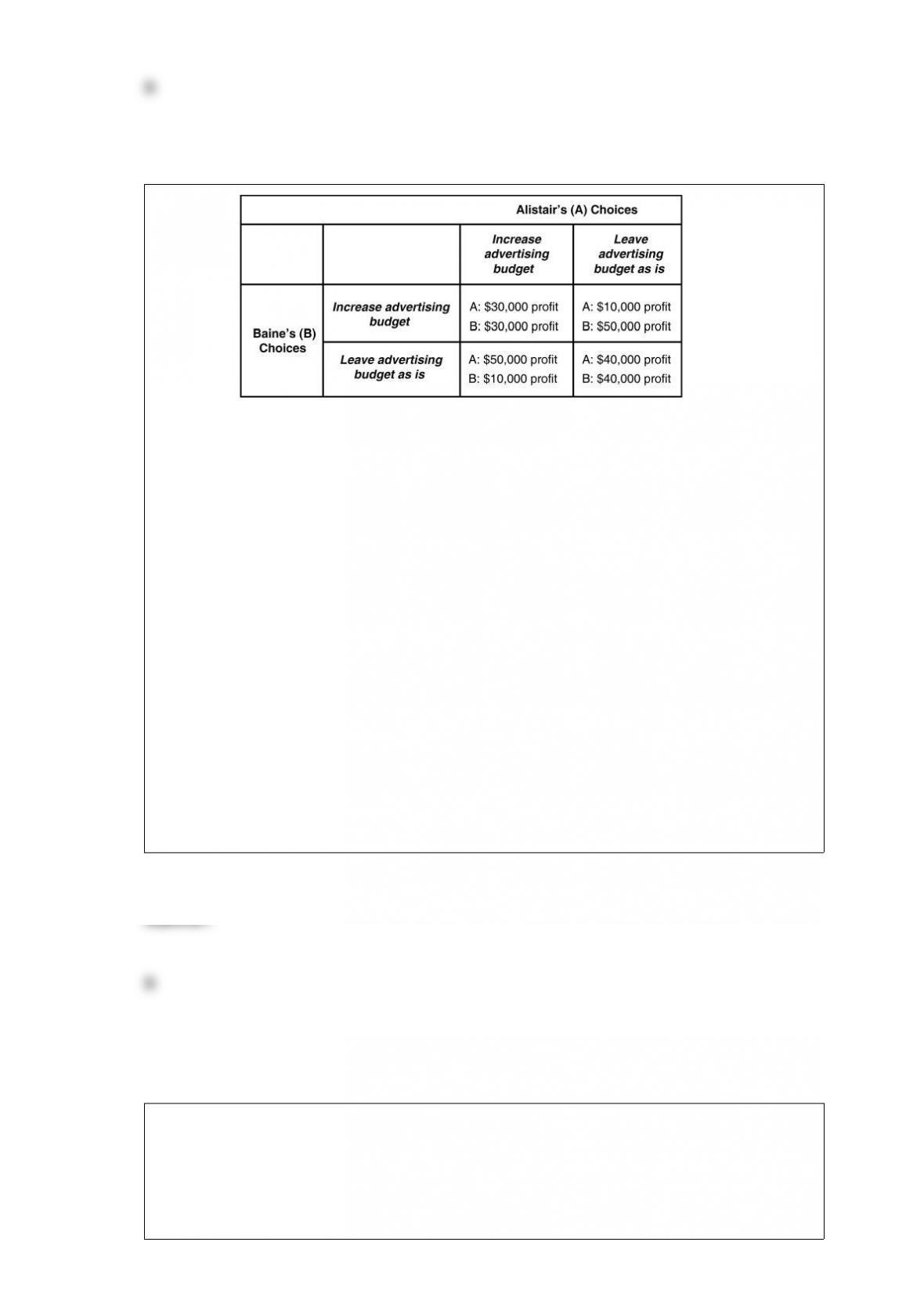
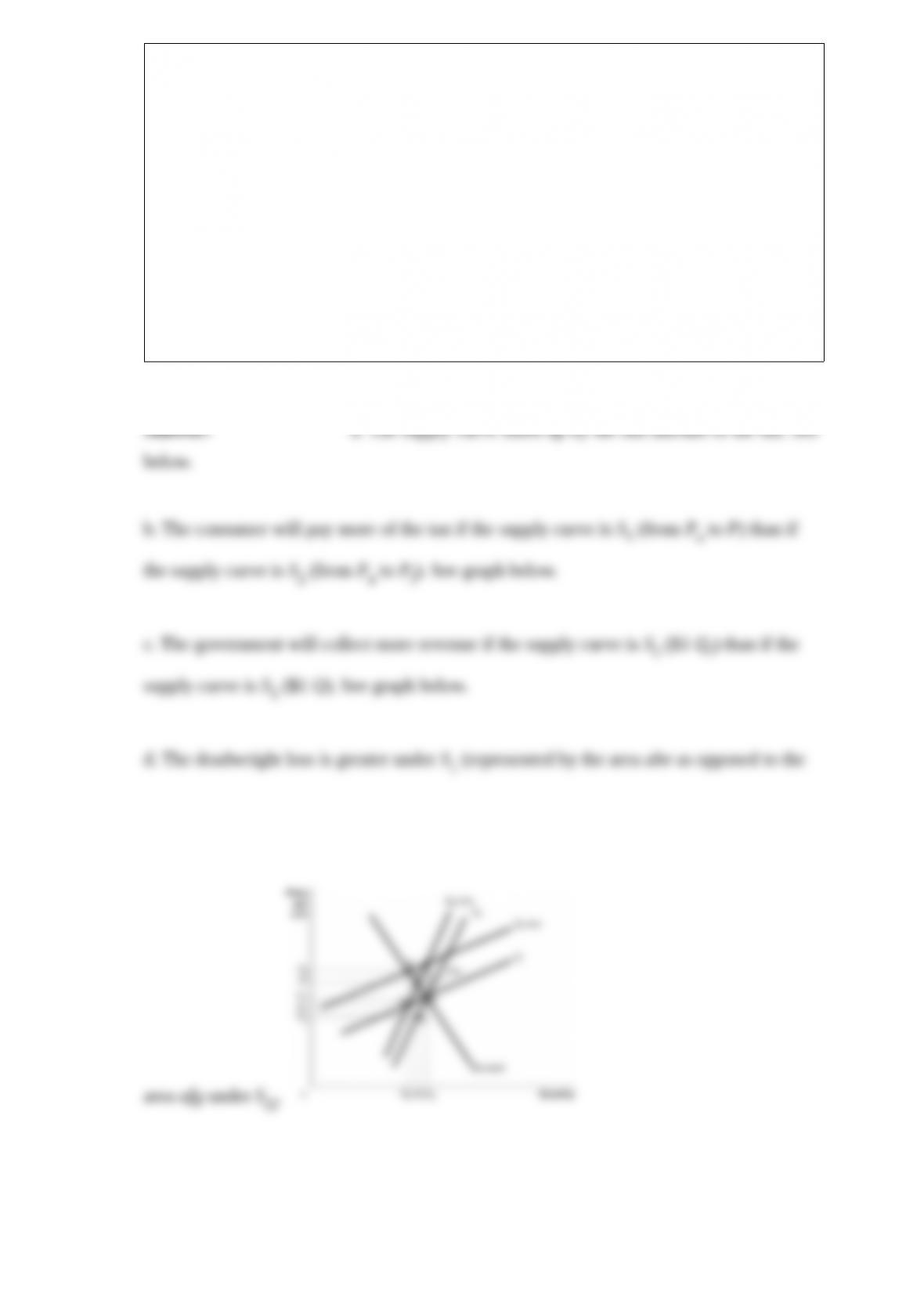
Table 14-4 Alistair Luggage
and Baine Baggage are the only firms selling luggage in the upscale town of Montecito.
Each firm must decide on whether to increase its advertising spending to compete for
customers. If one firm increases its advertising budget but the other does not, then the
firm with the higher advertising budget will increase its profit. Table 14-4 shows the
payoff matrix for this advertising game.
How are the firms in this advertising game caught in a prisoner’s dilemma?
A) They are not in a prisoner’s dilemma because there is one clear strategy for each.
B) They would be more profitable if they refrained from advertising, but each fears that
if it does not advertise, it will lose customers.
C) Since each firm is uncertain about the other’s behavior, each will adopt a
wait-and-see attitude which results in no increase in market share and no new
customers.
D) Only the first mover is caught in a prisoner’s dilemma because the second has a
chance to observe and respond.
A voluntary export restraint is an agreement negotiated by two countries that places
________ that can be imported by one country from another country.
A) a tax on goods

B) a minimum quantity of a good
C) quality standards on goods
D) a numerical limit on the quantity of a good
The natural rate of unemployment equals
A) the rate of structural unemployment.
B) structural plus frictional unemployment.
C) structural plus frictional plus cyclical unemployment.
D) the rate of unemployment we observe in any given period of measurement.
Figure 18-3
The figure above shows a demand curve and two supply curves, one more elastic than
the other. Use Figure 18-3 to answer the following questions.
a. Suppose the government imposes an excise tax of $1.00 on every unit sold. Use the
graph to illustrate the impact of this tax.
b. If the government imposes an excise tax of $1.00 on every unit sold, will the
consumer pay more of the tax if the supply curve is S1 or S2? Refer to the graphs in
your answer.
c. If an excise tax of $1.00 on every unit sold is imposed, will the revenue collected by
the government be greater if the supply curve is S1 or S2?
d. If the government imposes an excise tax of $1.00 on every unit sold, will the
deadweight loss be greater if the supply curve is S1 or S2?

Which of the following is not a true statement about the impact of World War II on the
U.S. economy?
A) U.S. GDP increased dramatically from 1941 to 1945.
B) The war time years were a period of prosperity for U.S. consumers.
C) More than 40% of the labor force was in the military or producing war goods.
D) Increased production of tanks, ships, planes, and munitions accounted for most of
the increase in GDP.