
If your blood pressure were 120/70, it would mean that ________.
A) your blood pressure during systole is 120 and your blood pressure during diastole is
70
B) you have high blood pressure
C) you have low blood pressure
D) your blood pressure during systole is 120 and your heart rate is 70
Uranium-235, with a half-life of 713,000,000 years, decays to lead-207. If a rock
sample is determined to have one-quarter of the uranium-235 content it had when it
formed, the age of the rock sample can be estimated to be approximately ________
years old.
A) 178 million
B) 713 million
C) 28.5 billion
D) 1.4 billion
The figure below shows the growth curves of two populations of Paramecium, P.
aurelia andP. caudatum. From the data, we can conclude that ________.
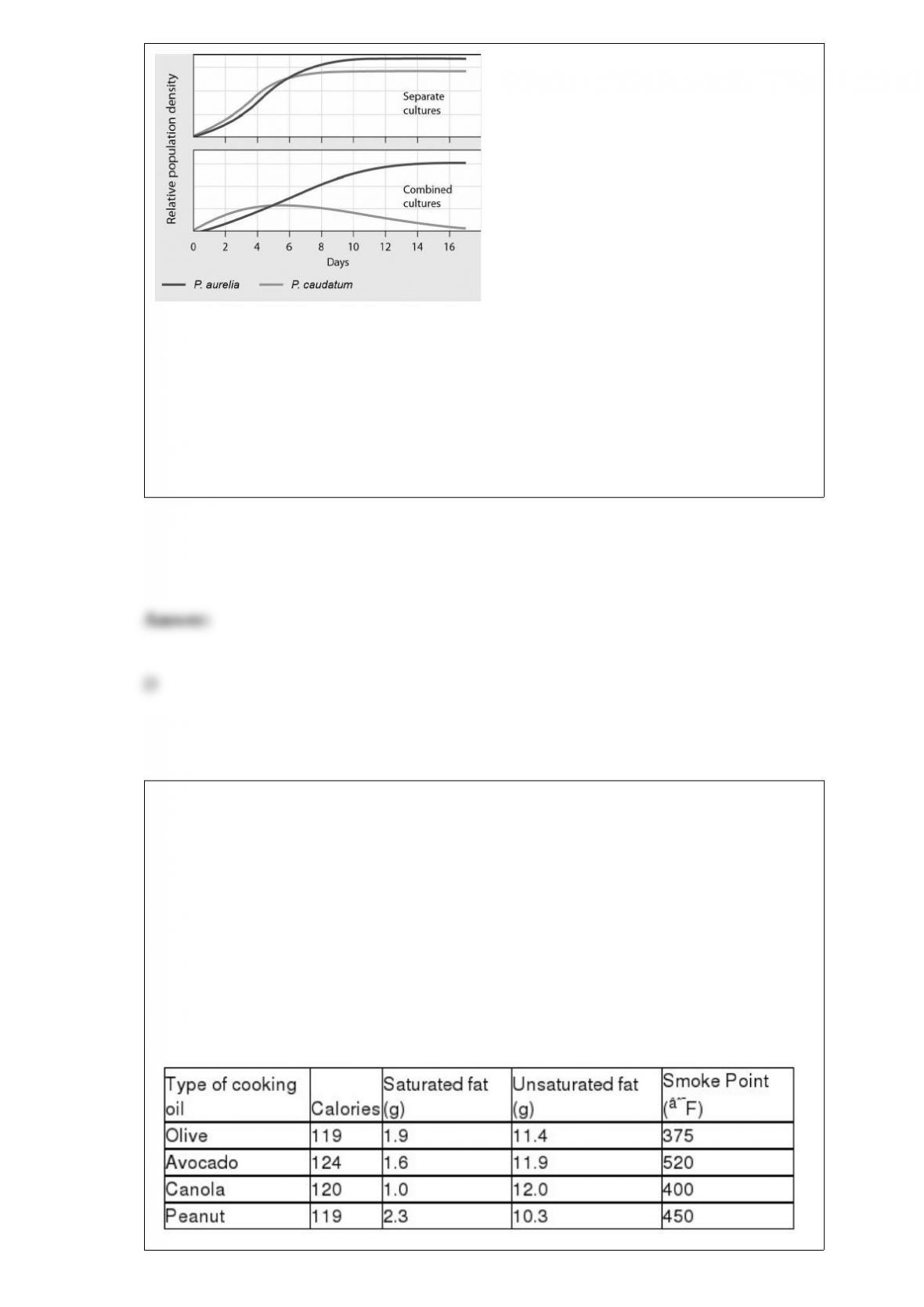
A) the ecological niches of the two species are very different
B) P. aurelia is a predator of P. caudatum
C) P. aurelia and P. caudatum have a mutualistic relationship
D) P. aurelia is the superior competitor in this habitat
Please read the following scenario to answer the following questions.
Cooking oils, such as olive oil, are largely made up of unsaturated fats. If you have ever
heated cooking oil in a pan, you might have noticed that eventually the oil begins to
smoke. The temperature when this occurs is called the ‘smoke point.” At the smoke
point, the fatty acids and glycerol molecules that make up the unsaturated fats in the oil
begin to break down and form smoke. Different oils have different smoke points, and
these smoke points depend on the molecular composition of the oils. Below is a table
with data for four different types of cooking oils, including their smoke points (values
are for 1 tablespoon each [15 ml]).

Which of the following statements about the data in the table is TRUE?
A) Saturated fat content and smoke point are positively correlated (related to one
another).
B) There is a negative (inverse) correlation between unsaturated fat content and smoke
point.
C) You can use the saturated fat content of an oil to reliably predict the smoke point of
an oil.
D) Unsaturated fat content and smoke point are not correlated.
Which of the following is NOT a property of life?
A) Populations of organisms rarely change over time.
B) Living things exhibit complex but ordered organization.
C) Organisms take in energy and use it to perform all of life’s activities.
D) Organisms reproduce their own kind.
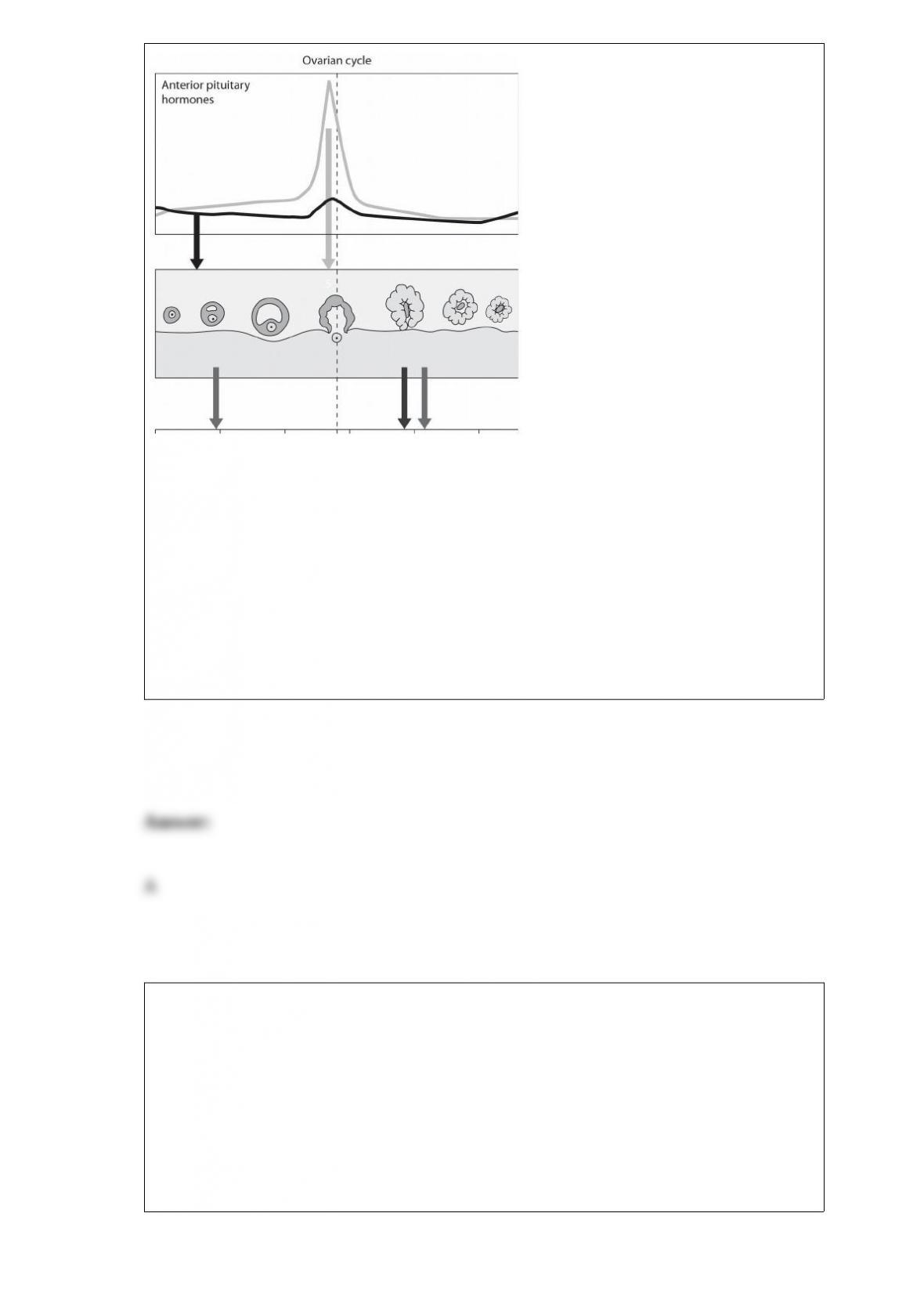
What does the ovarian cycle image above illustrate?
A) A rise in the level of luteinizing hormone brings about ovulation.
B) A rise in the level of estrogen brings about ovulation.
C) The endometrium is thinner during the first half of the cycle than during the latter
half.
D) A corpus luteum is necessary for ovulation.
Substances that plug up an enzyme’s active site are ________.
A) enzyme substrates
B) enzyme inhibitors
C) enzyme catalysts
D) enzyme products

If a person had the thymus gland removed, which of the following would NOT occur in
his or her body?
A) production of B cells
B) production of T cells
C) maturation of B cells
D) maturation of T cells
Some adults with attention deficit hyperactivity disorder (ADHD) have abnormally low
activity of the neurotransmitter involved in pleasure, attention, memory, sleep,
movement, and learning, which increases their risk of drug abuse. Which drug are they
most likely to abuse?
A) cocaine
B) morphine
C) codeine
D) alcohol

A fossil was found and determined by radiometric dating to be 11,400 years old. What
is the ratio of carbon-14 to carbon-12 in this fossil compared to its environment?
A) 12.5%
B) 25%
C) 37.5%
D) 50%
Humans are both ________.
A) heterotrophs and consumers
B) heterotrophs and producers
C) producers and decomposers
D) autotrophs and producers
Which blood vessels have thin, leaky walls?

A) capillaries
B) venules
C) arteries
D) none of the above
Which of the following turns off transcription by binding to the operator?
A) RNA polymerase
B) repressor
C) promoter
D) lactose
Which one of the following is a plant micronutrient?
A) iron
B) oxygen
C) sulfur

D) phosphorus
Which of the following statements best explains why people with Hodgkin’s disease
often show signs of immunodeficiency?
A) The Hodgkin’s disease virus infects and destroys B cells.
B) Hodgkin’s disease involves the deposition of immune complexes in the kidneys.
C) Hodgkin’s disease is a type of cancer that affects lymphocytes.
D) Hodgkin’s disease occurs when an immune response elicited by streptococcal
bacteria kills normal heart cells as well.
A horse eating some hay is an example of ________.
A) an autotroph eating a producer
B) an autotroph eating a consumer
C) a consumer eating a producer
D) a consumer eating a heterotroph

Read the following scenario to answer the following question(s).
Malaria is a disease caused by parasitic protists in the genusPlasmodium. The parasite is
transmitted to humans by female Anopheles mosquitoes. ThePlasmodium parasite feeds
on human red blood cells, eventually destroying them. Humans infected with malaria
can exhibit many symptoms. Depending on the severity of the infection, these can range
from fever, chills, sweating, and headaches to anemia and kidney failure. Ultimately,
malaria can result in death. However, if time and money permit, once a person is
infected, they can be treated with different antimalarial drugs. Two commonly used
drugs are artemisinin and quinine. In addition, one way to prevent the spread of malaria
is to apply pesticides to treat areas with Anopheles mosquitoes. The National Malaria
Eradication Program began work in 1947 with the goal of eliminating malaria from the
southern United States. In 1947, 15,000 cases of malaria were reported nationwide. By
1950, only 2,000 cases were reported, and by 1951, malaria was considered eradicated
from the United States. Today, the disease is most common in Africa and South
America, two continents that are highly impoverished. About one million people die
from malaria every year, many of them children. In Africa, it is estimated that one in
every five childhood deaths is due to malaria.
If an area infested with female Anopheles mosquitoes is treated with pesticides, and
these mosquitos live, continue to breed, and continue to spread malaria, what can we
conclude?
A) Alleles that are resistant to the pesticides are being selected for, so female Anopheles
mosquitoes may continue to infect humans.
B) Malaria is not actually caused by thePlasmodium parasite.
C) Male Anopheles mosquitoes are also carriers of thePlasmodium parasite.
D) The people are becoming resistant to the pesticide.

Which of the following weather conditions would cause transpiration to be most rapid?
A) hot, humid weather
B) cold, humid weather
C) hot, dry weather
D) windy, wet weather
A balloon permeable to water but not to glucose contains a 10% glucose solution. A
beaker contains a 5% glucose solution. What will happen when the balloon is
submerged in the beaker?
A) The volume of water in the beaker will decrease.
B) The volume of water in the beaker will increase.
C) The amount of glucose in the beaker will increase.
D) The amount of glucose in the beaker will decrease.
If the frequency of one allele in a population is 0.7 in a population with two alleles at a
particular locus, what is the frequency of the alternate allele?
A) 0.09

B) 0.21
C) 0.30
D) 0.42
Which of the following are the tiny projections found on roots that increase the surface
area?
A) root hairs
B) cotyledons
C) nodes
D) mesophyll
What is one reason why plants have accessory pigment molecules, like chlorophyll b
and carotenoids?
A) to reflect more energy
B) to absorb energy in parts of the electromagnetic spectrum that chlorophyll a cannot
C) to give them different colors
D) because plants cannot make enough chlorophyll a for all of their energy needs

Based on its function in detoxifying drugs, you would expect to find a large amount of
smooth ER in ________ cells.
A) brain
B) liver
C) intestinal
D) muscle
The first basic idea of evolutionary adaptation can be traced back to ________.
A) ancient Greeks about 2,500 years ago
B) Aristotle
C) Lamarck
D) Darwin
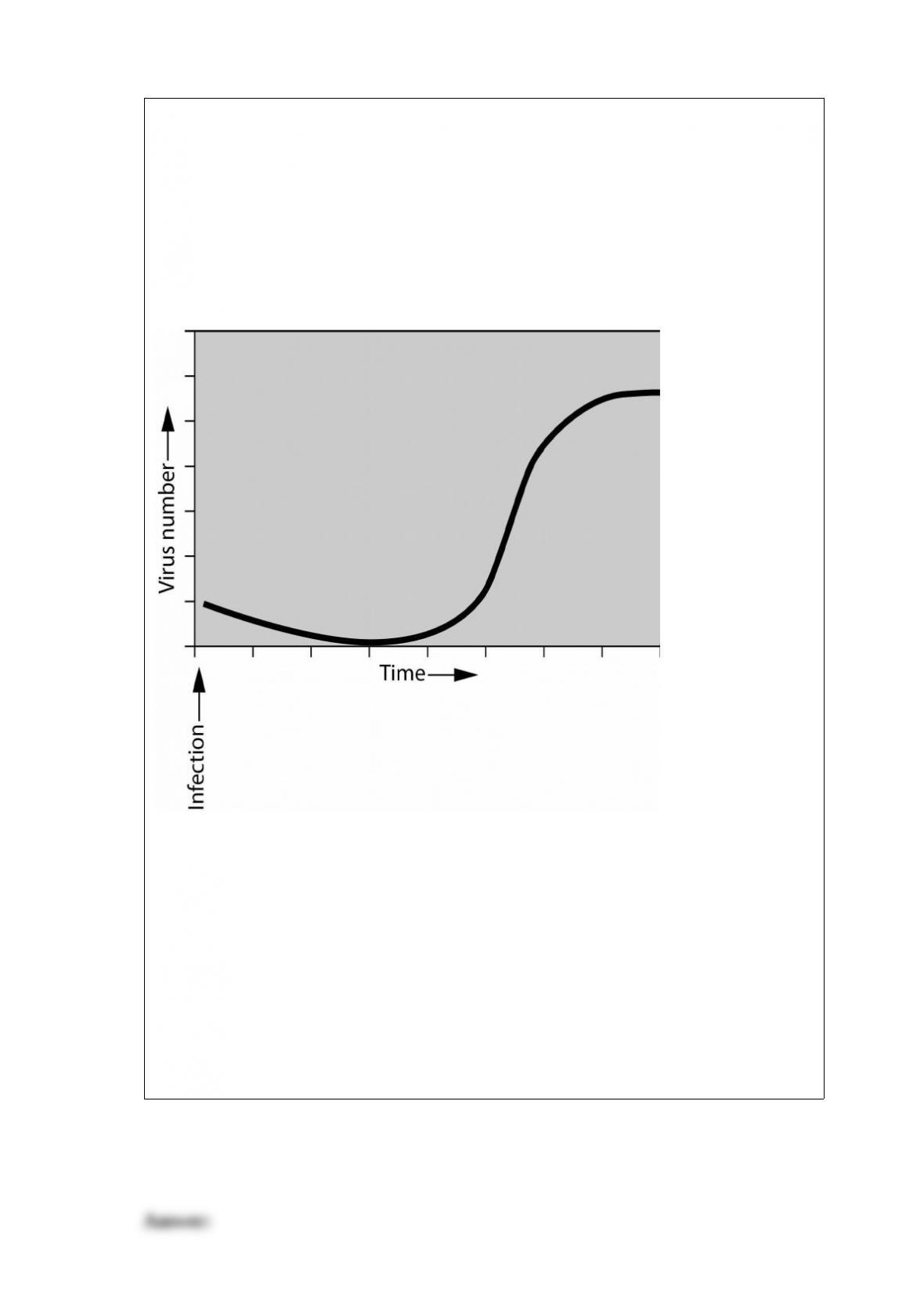
Please read the following scenario to answer the following questions
If you were asked to study the pattern of bacterial growth (increase in numbers over
time) during an infection, you would find that numbers of bacteria increase
exponentially up to a certain point. Assume that you have been asked to interpret the
growth of bacteriophages. You infect the host bacteria and measure the increase of
phages over a defined period of time. You plot the results and get the graph shown here.
Assume that you want to take a sample of viruses so that you could use them to infect
the most bacteria. At what point on the graph should you take your sample from if you
want to achieve this goal?
A) A
B) B
C) C
D) D
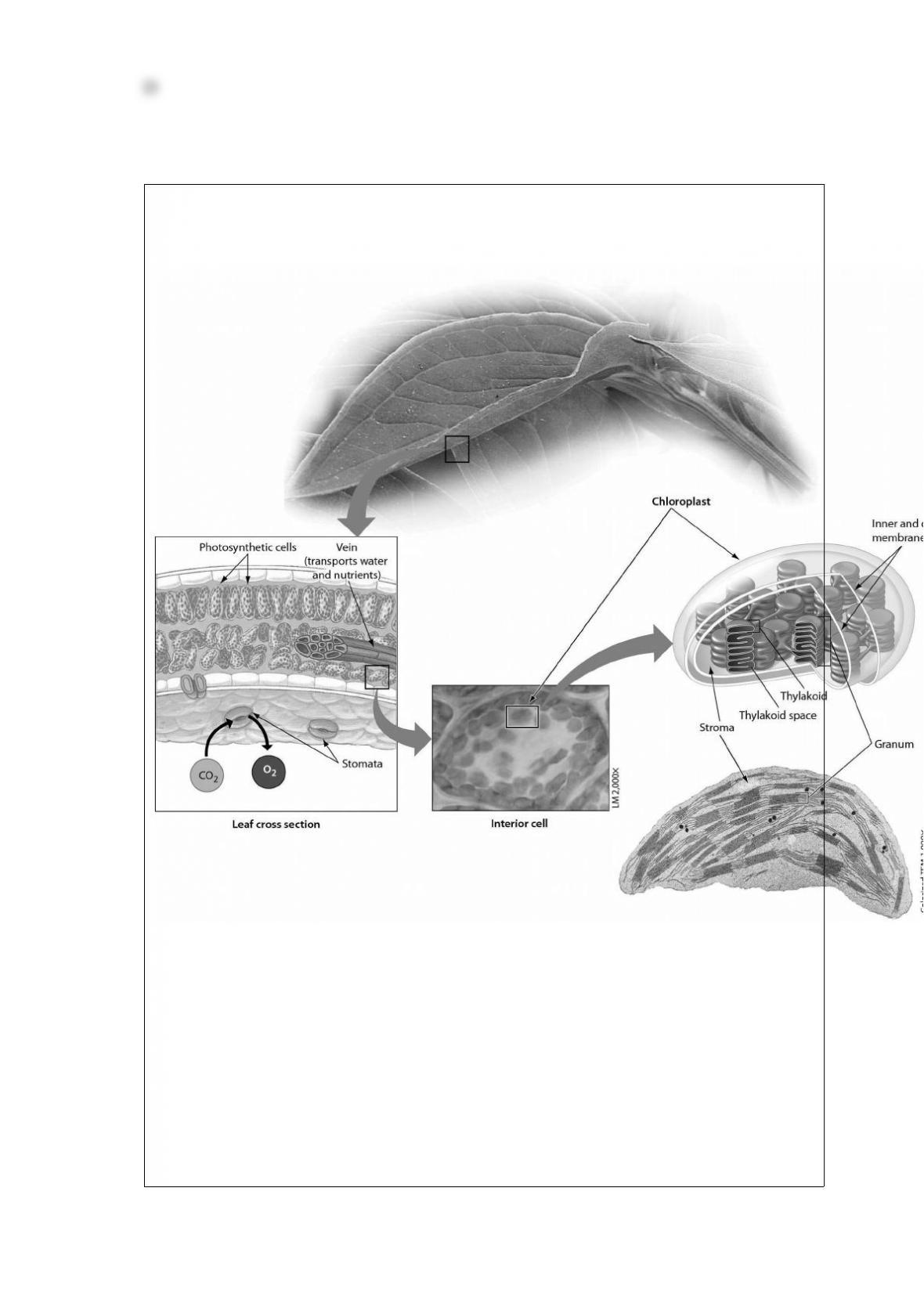
Refer to the accompanying figure. Plant cells that contain the organelle responsible for
photosynthesis are concentrated in cells of the ________.
A) roots
B) leaves
C) stomata
D) grana

Photosynthetic organisms are ________.
A) producers that make all of their organic matter from organic molecules that they take
in
B) consumers that obtain organic molecules from other living organisms
C) producers that make all their own organic matter from inorganic molecules
D) decomposers that obtain nutrients from the soil
The final electron acceptor of aerobic respiration is ________.
A) ATP
B) oxygen
C) lactic acid
D) NAD+

Amino acids include a side group as well as ________.
A) a central carbon, a hydrogen atom, an amino group, and a carboxyl group
B) a central carbon, a hydrogen atom, a hydroxyl group, and a carbonyl group
C) a central nitrogen, a carbon atom, a hydroxyl group, and a carbonyl group
D) a central nitrogen, a carbon atom, an amino group, and a carbonyl group
The digestive sac of a jellyfish has ________ opening(s).
A) one
B) two
C) three
D) four
You find a cell of a type you have never seen before. The cell has both a nucleus and a
cell wall. Therefore, you conclude that it is likely to be a(n) ________ cell.
A) prokaryotic

B) animal
C) bacterial
D) plant