A DNA fragment with a sticky end that reads -ATTCG will bind with another DNA
fragment with a sticky end that reads ________.
A) TAAGC-
B) CGGAT-
C) GCCTA-
D) ATTGC-
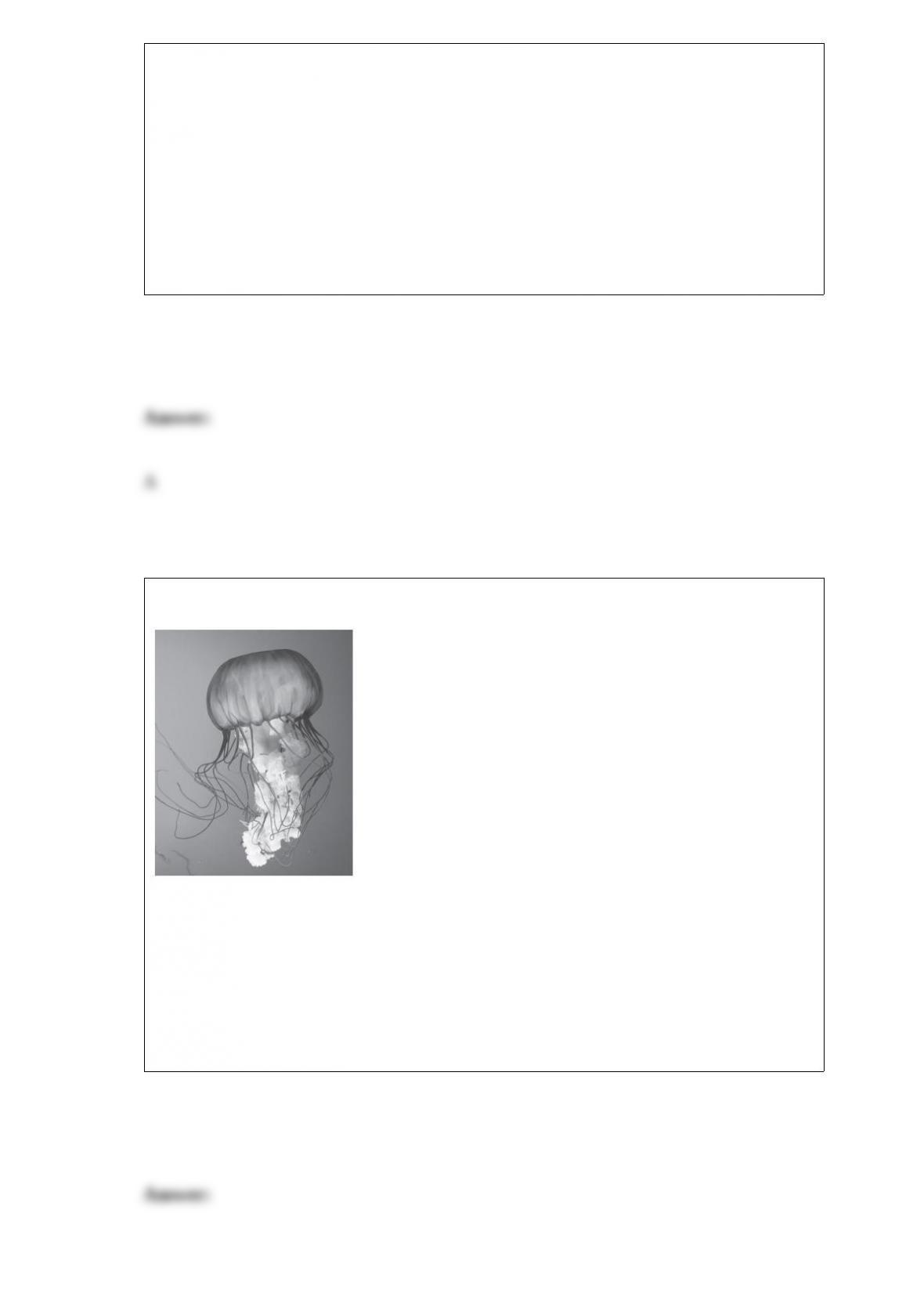
What type of symmetry does this organism exhibit?
A) asymmetrical
B) binomial
C) radial
D) bilateral

Herbivory is an example of a ________ interaction.
A) +/+
B) -/-
C) 0/+
D) +/-
What is the function of stomata?
A) water absorption
B) Calvin cycle
C) location of photosystems
D) gas exchange
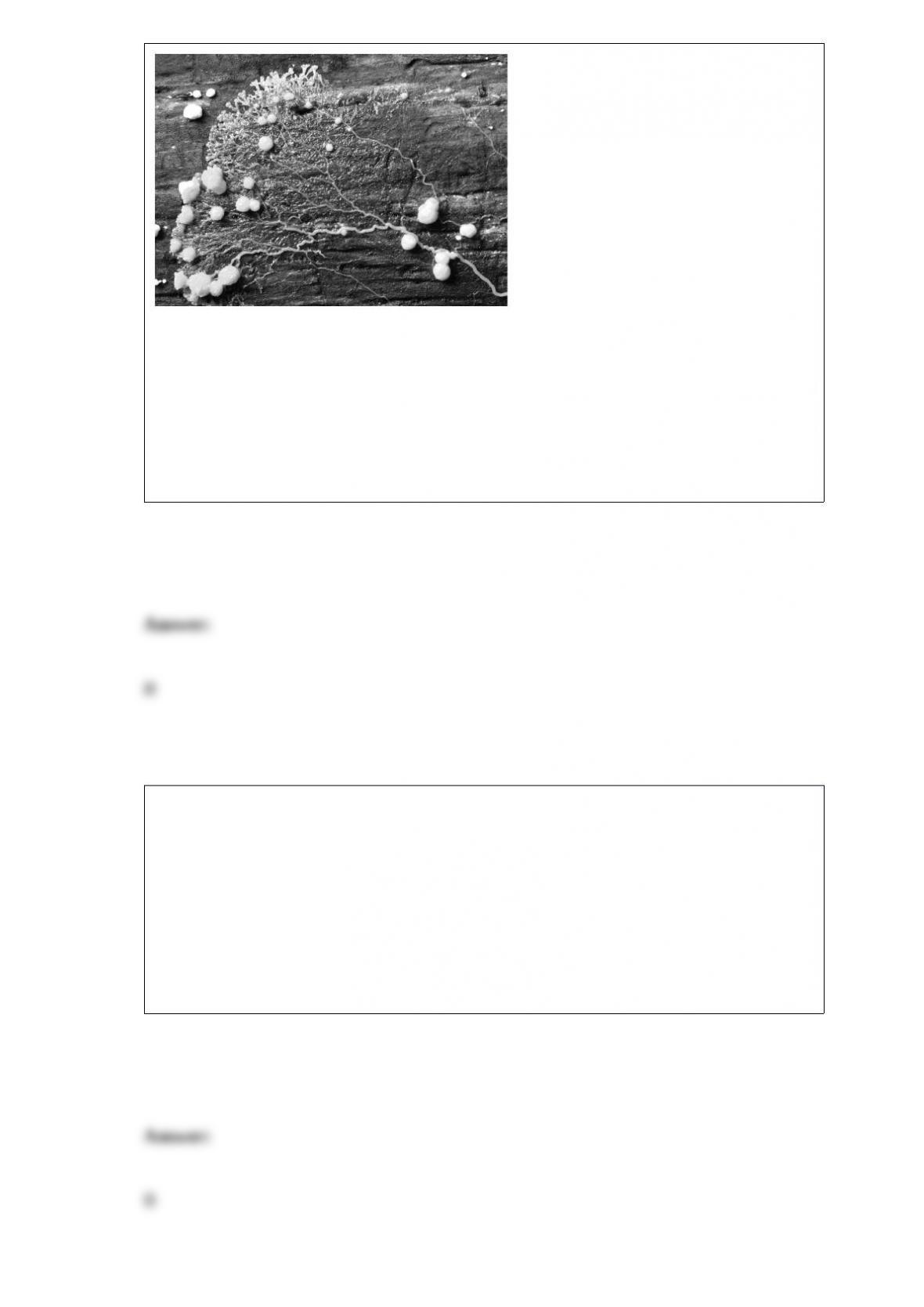
What kind of protist is this?
A) ciliate
B) plasmodial slime mold
C) flagellate
D) foram
How does taxonomy assist biologists?
A) by providing easily remembered scientific names for organisms
B) by categorizing diverse items into smaller and smaller numbers of groups
C) by reducing life to its smallest common denominator, the cell
D) all of the above

A plant’s diploid form is called the ________; the haploid form is called the ________.
A) sporophyte… pollen
B) sporophyte… gametophyte
C) gametophyte… sporophyte
D) gametophyte… fruit
Gymnosperms and angiosperms share multiple similarities. Which of the following is
NOT a shared feature of angiosperms and gymnosperms?
A) Both produce flowers.
B) Both have pollen grains that are male gametophytes.
C) Both have a dominant sporophyte generation.
D) Both have seeds.
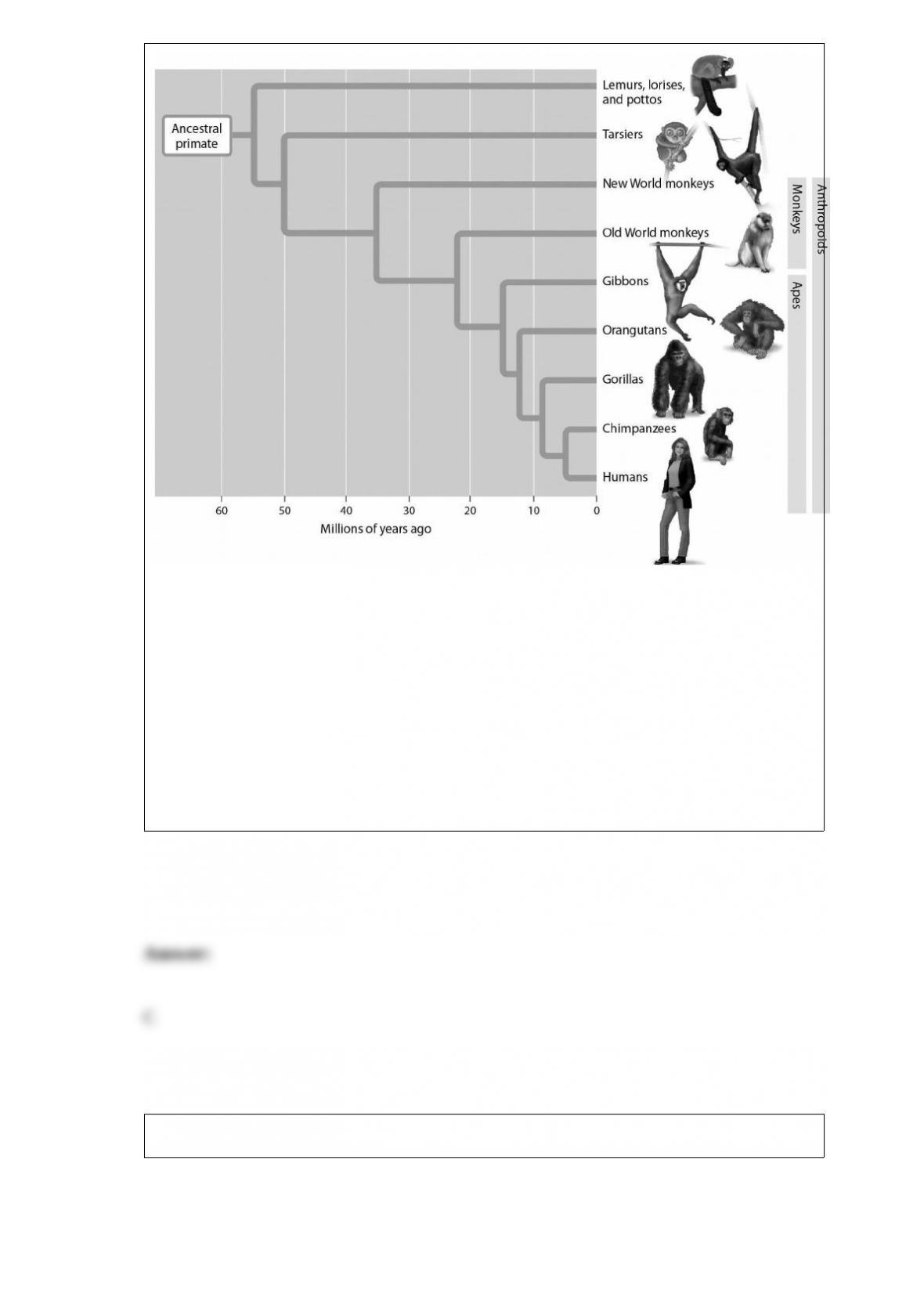
According to this evolutionary tree, approximately how many years ago did humans
and orangutans share a common ancestor?
A) 1 million years ago
B) 7 million years ago
C) 12 million years ago
D) 20 million years ago
Examine the figure below. Secondary growth involves cell division in the ________.
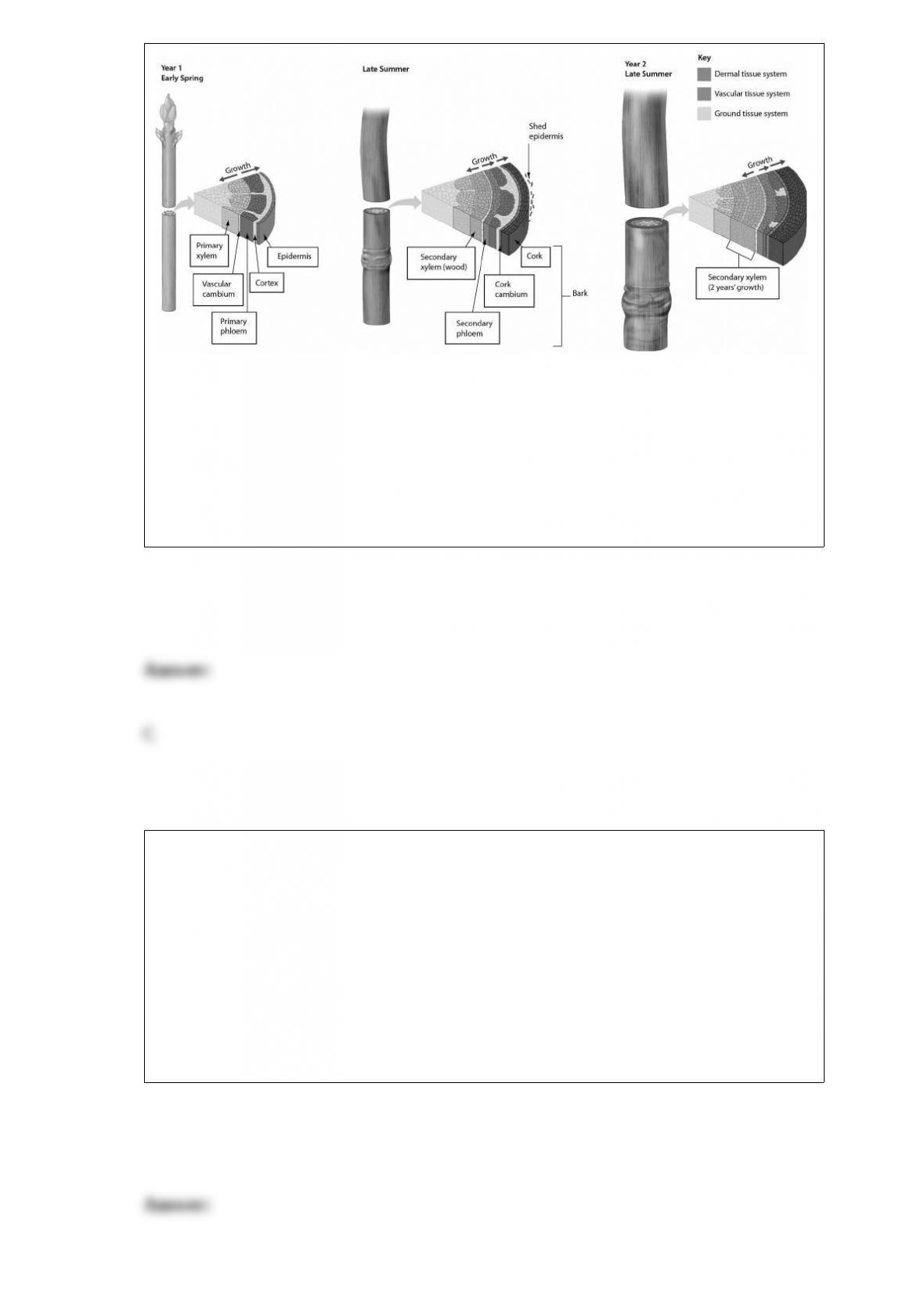
A) cork cambium and apical meristem
B) vascular cambium and apical meristem
C) vascular cambium and cork cambium
D) secondary xylem and secondary phloem
Movement corridors are ________.
A) always created by humans
B) found only along stream sides
C) not harmful, but are beneficial because they allow for dispersal
D) harmful because they allow for the spread of disease and beneficial because they
allow for dispersal
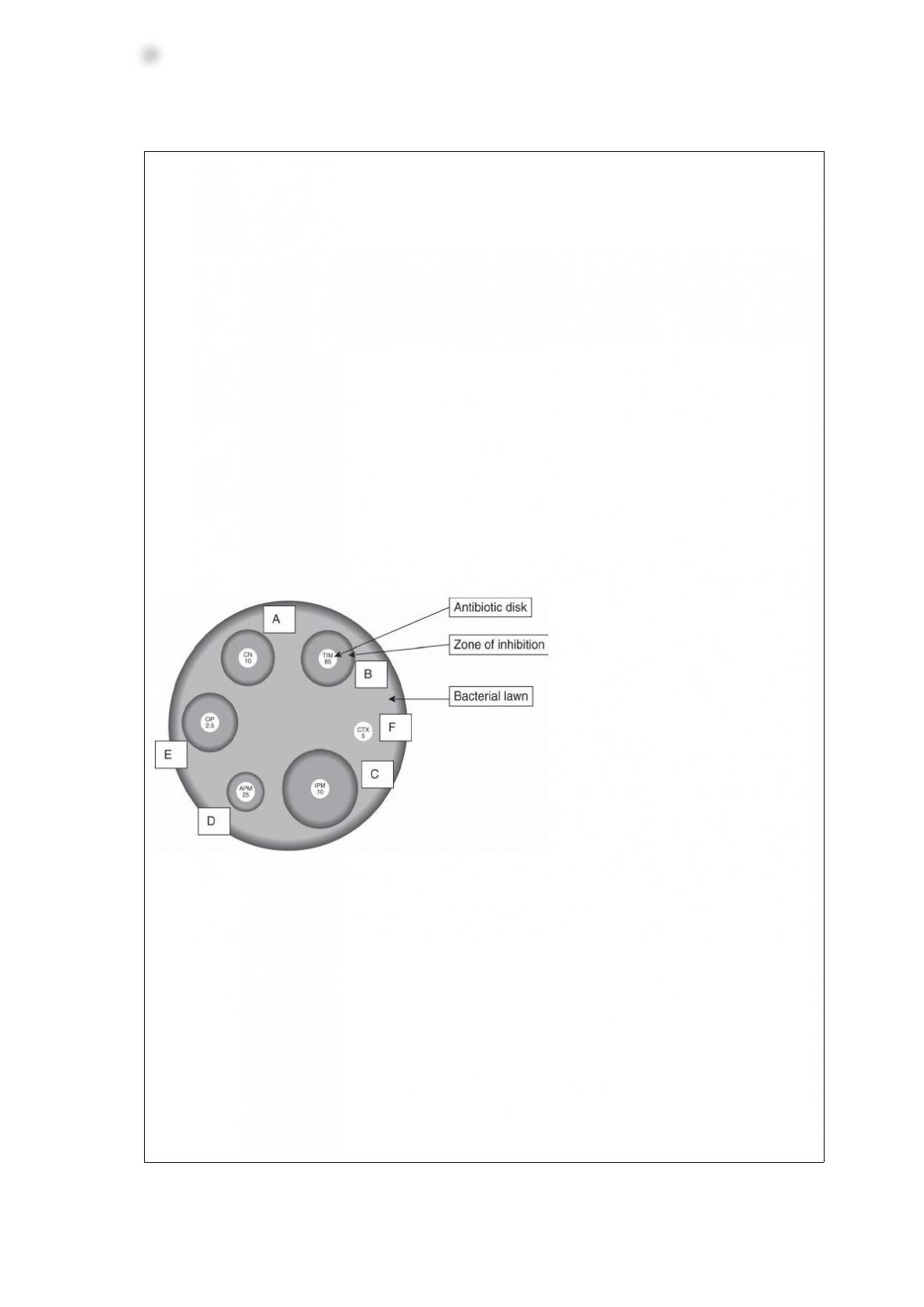
Read the following scenario to answer the questions that follow.
In order to test the susceptibility of bacteria to an antibiotic, a common laboratory test
called the Bauer-Kirby Disk Diffusion test is used. First, a petri dish (a shallow,
circular, transparent dish with a flat lid) is partially filled with nutrient-enriched agar (a
gelatinous material). The nutrients encourage growth of specific bacterial species. The
agar is poured as liquid but then typically solidifies to a soft consistency. Once the agar
is set, a “lawn” of bacteria is spread such that a thin layer covers the top of the agar.
Antibiotics are then applied to the lawn in a small dose, often through small saturated
paper disks. The dish is typically incubated for 2448 hours and then observed for
susceptibility. If the antibiotic is effective, it will kill the bacteria and leave a clear area
called the “zone of inhibition” due to inhibited bacterial growth. The area starts at the
source of the antibiotic and radiates outward. Scientists measure the diameter of the
zone and then compare it to an established “cutoff value” for a zone specific to
antibiotic/organism combinations. A large zone of inhibition in comparison to the
standard indicates susceptibility while a small or no zone indicates resistance. Consider
the following image, and answer the questions that follow:
After rigorous testing, the Federal Drug Administration (FDA) must decide which of
the four antibiotics to approve to fight a bacterial infection that results in high fevers
and localized rashes. Which antibiotic do you predict that the FDA scientists will likely
approve?
A) A
B) C
C) E
D) F

All chordates have ________.
A) a dorsal, hollow nerve cord and a notochord
B) a postanal tail and a single opening for the mouth and anus
C) a cranium and vertebrae
D) pharyngeal slits and a cranium
Read the following scenario to answer the following questions.
Birds are a widespread group of animals with approximately 10,000 different species
found throughout the world today. Because they are relatively easy to find and so
visually appealing, they have been studied more thoroughly than many other groups of
animals. They are also valuable biological indicators because many species live in
different habitats during different times of the year and cover long migration routes.
According to the World Conservation Union, extinction threatens over 1,200 bird
species today, and at least 179 are critically endangered. Some of the most endangered
species include the Tahiti monarch, with only 10 pairs remaining, and the Bali starling,
with only 12 wild individuals left. In Hawaii, the last captive po’ouli died in 2005, and
the last two known to be alive in the wild have not been seen since 20032004. Common
birds are also disappearing. In North America, red-winged blackbird populations
declined by at least 1 percent each year between 1980 and 1999. These examples can
serve as a warning. Habitat loss through destruction, degradation, and fragmentation are
serious problems that affect 86 percent of threatened birds and are exacerbated by
unsustainable forestry practices and intensifying agriculture. All of this shows that
conservation of habitats is critical if many of the world’s bird species are going to be
saved from extinction in the near future.
What is a feature of birds that makes them valuable as biological indicators?

A) Many migrate long distances.
B) Many are brightly colored.
C) There are over 10,000 different species of birds.
D) Birdwatching is a popular hobby.
Which of these equations describes aerobic cellular respiration?
A) glucose → lactic acid + energy
B) energy + carbon dioxide + water → glucose + oxygen + water
C) glucose + oxygen → carbon dioxide + water + energy
D) none of the above

Which of these could lead to the mistake evident in the karyotype?
A) a failure of cytokinesis after meiosis I in gamete formation
B) a nondisjunction in meiosis II in gamete formation
C) crossing over in meiosis I in gamete formation
D) fertilization by two sperm in zygote formation
Water moves from land to the atmosphere through ________.
A) precipitation only
B) transpiration only
C) transpiration and evaporation
D) evaporation and precipitation

Members of the kingdom Plantae differ from members of the other kingdoms of
Eukarya in that most members of the kingdom Plantae ________.
A) are decomposers
B) are unicellular
C) are consumers
D) produce their own food
A homeowner uses a nail to hang a “Home Sweet Home” sign on the trunk of an oak
tree. The sign is 2 meters above the ground. The tree grows in height at a rate of 10 cm
per year. How high above the ground will the sign be in 15 years?
A) 1.5 meters
B) 2 meters
C) 3.5 meters
D) 152 meters

Photosynthesis contributes to plant growth by ________.
A) taking in oxygen and making wood
B) taking in carbon dioxide and making sugars (carbohydrates)
C) synthesizing carbon dioxide and making cellulose
D) converting sugar to oxygen and water
Which of the following contains the developing egg and cells that support it?
A) endosperm
B) ovule
C) anther
D) stigma
What is a population?
A) a group of organisms living in a particular geographic area
B) a group of organisms of the same species living in a particular geographic area

C) a community as well as all the abiotic factors in a particular geographic area
D) all of the organisms of a species existing at a particular time
What is biology?
A) the scientific study of life
B) the scientific study of the environment
C) the scientific study of DNA
D) the scientific study of ecosystems
Cells in the thyroid gland produce and secrete thyroid hormone (a polymer of amino
acids) that helps to regulate metabolism. What organelle is most likely abundant in cells
of the thyroid gland?
A) mitochondria
B) rough endoplasmic reticulum
C) free ribosomes
D) lysosomes
Which of these animals has a double circulatory system?
A) fish
B) grasshopper
C) dog
D) hydra
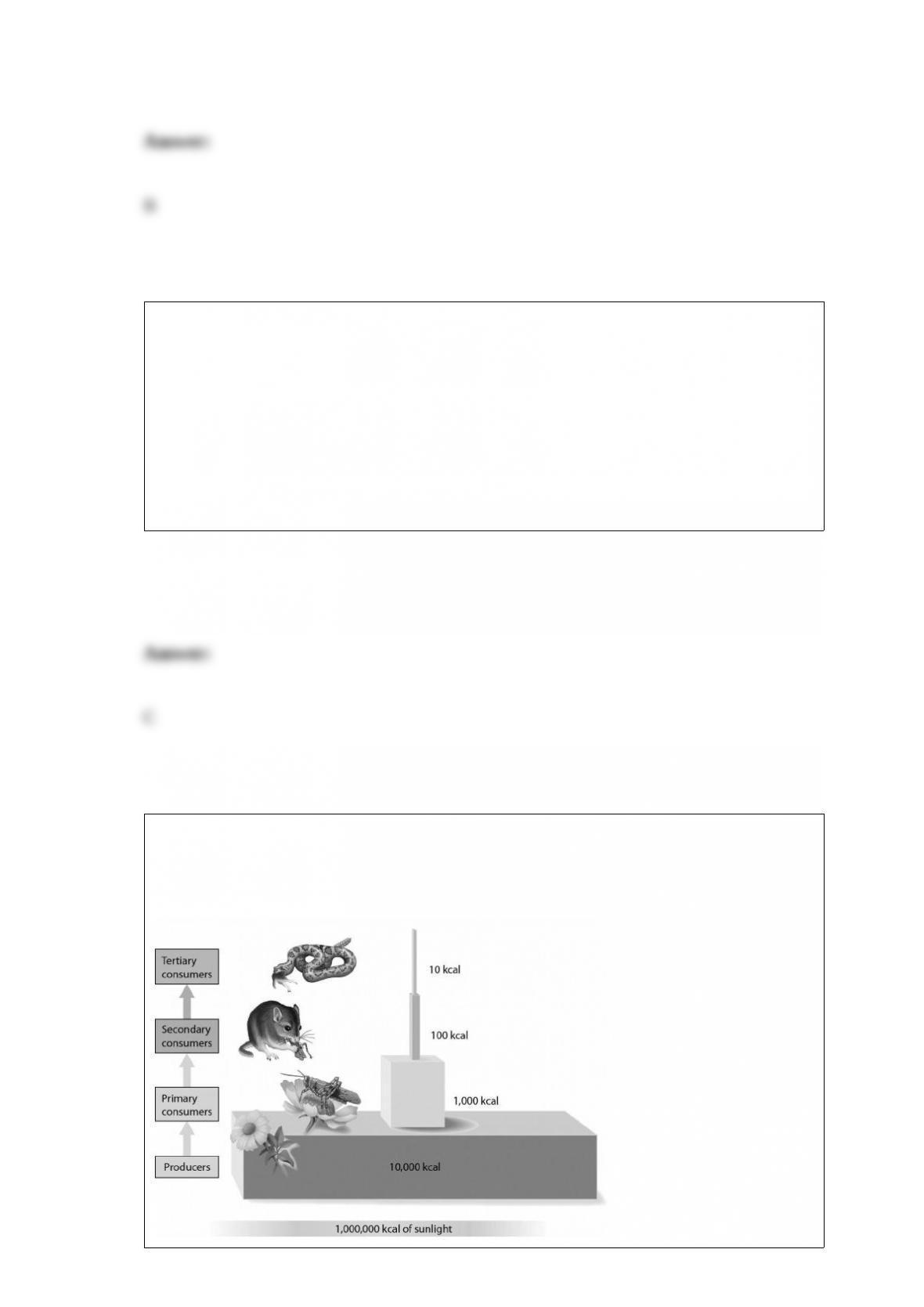
Refer to the following figure. If there were an additional trophic level that consisted of
organisms that prey on snakes, about how much energy would be available to
organisms at that trophic level?
A) 100 kcal
B) 90%
C) 1 kcal
D) 10 kcal
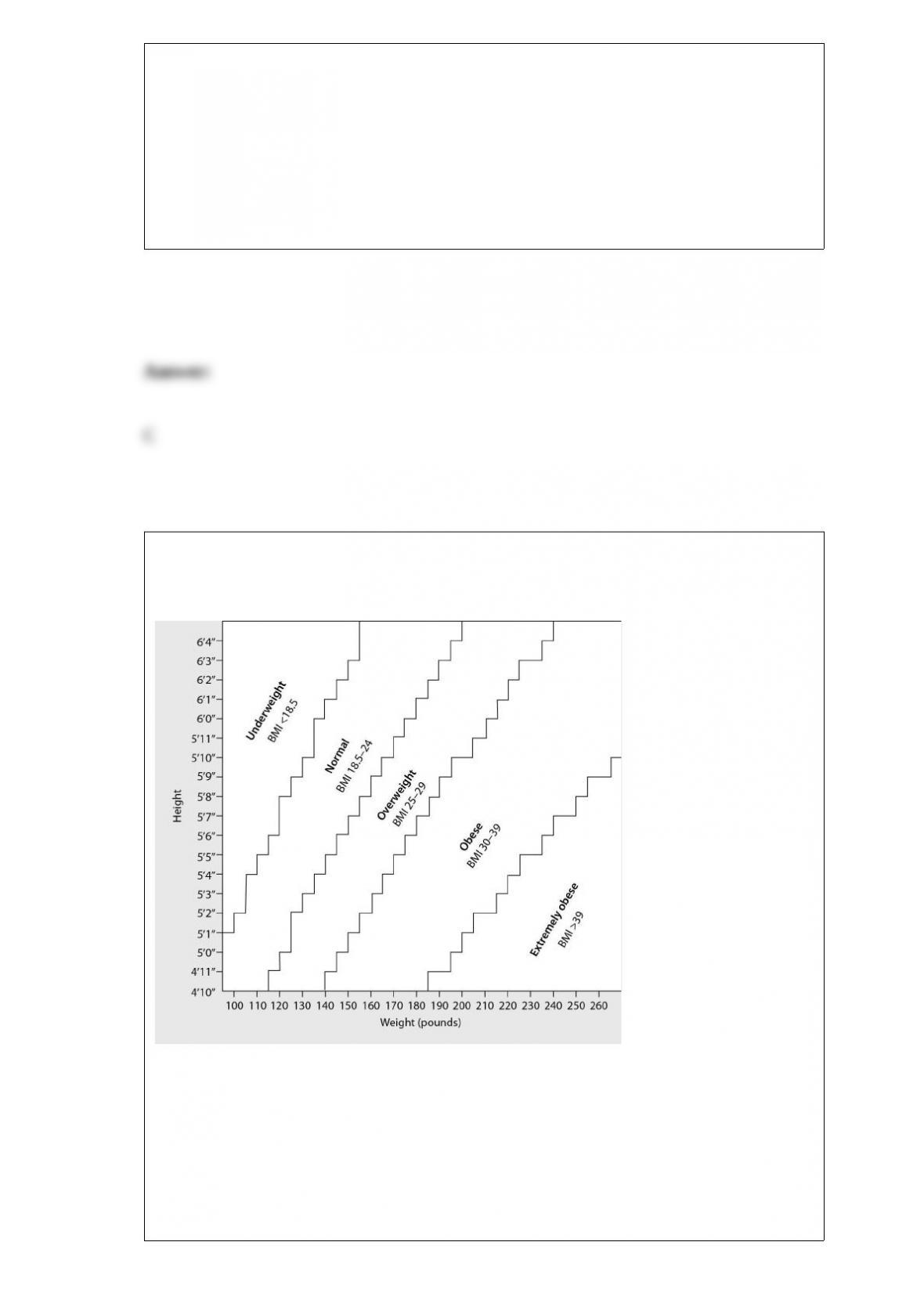
Please refer to the following art to answer the following questions.
Regarding the amount of energy consumed versus used, what would you recommend to
a person who has a BMI of 27 to change to a normal BMI?
A) Take in more calories by eating than are burned by physical activity.
B) Burn more calories by physical activity than are taken in by eating.
C) Take in the same amount of calories by eating compared to that which is burned by
physical activity.
D) Weight gain is not related to the amount of calories taken in compared to that burned
by physical activity.
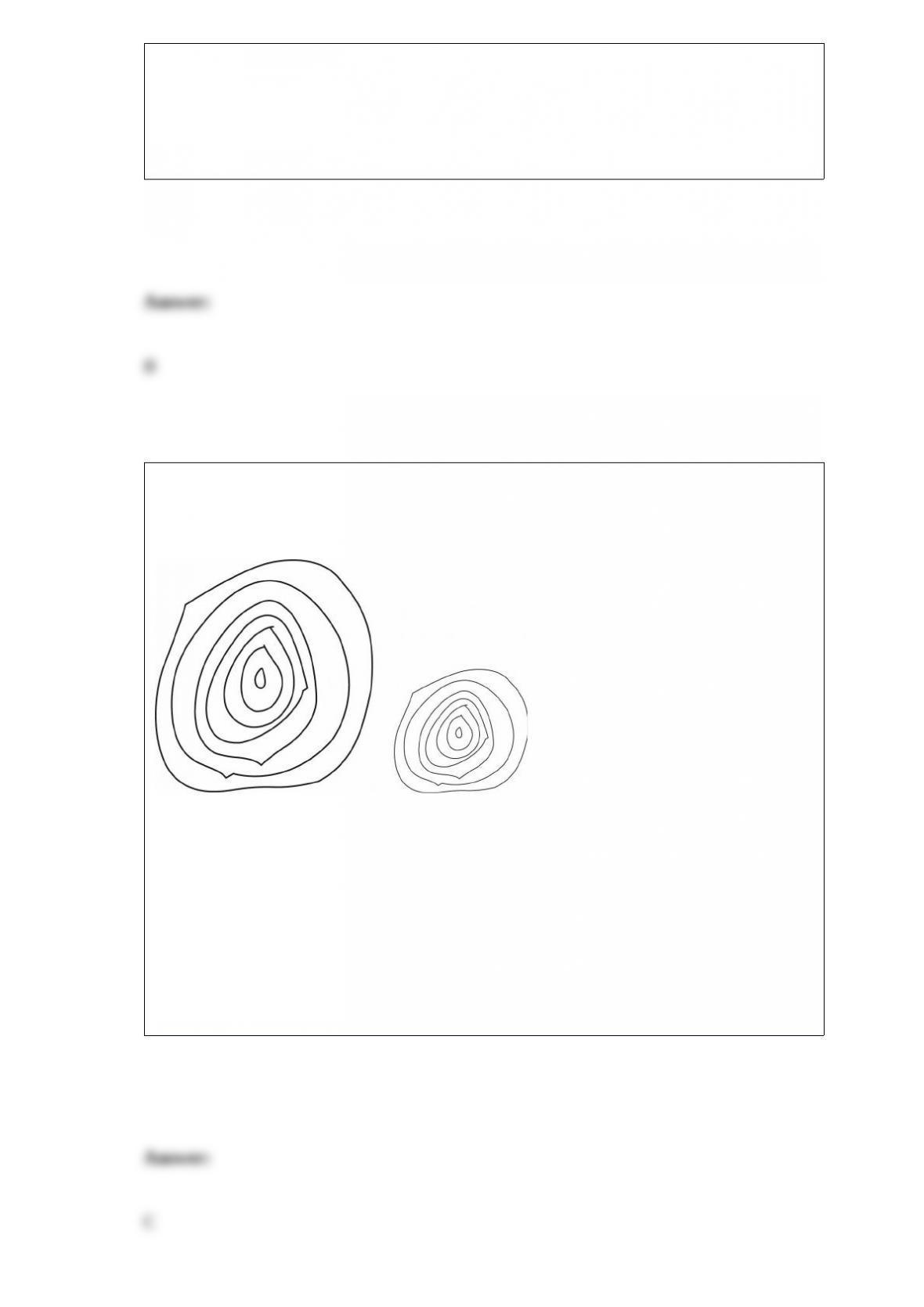
Please refer to the following art of the cross-sections of two trees to answer the
following questions.
Which statement CORRECTLY compares the growth of these two trees?
A) The two trees grew at the same rate.
B) The tree on the left grew at a slower rate than the tree on the right.
C) The tree on the left grew at a faster rate than the tree on the right.
D) The growth of the two trees cannot be compared with the images shown.
The gel shown above includes a DNA ladder that can be used to estimate the sizes of
DNA molecules. The ladder increases in 100 nucleotide increments, from 100 to 700.
Four DNA molecules have been separated on this gel (labeled A to D). Which DNA
molecule is the largest?
A) DNA molecule A
B) DNA molecule B
C) DNA molecule C
D) DNA molecule D
Read the following scenario to answer the following questions.
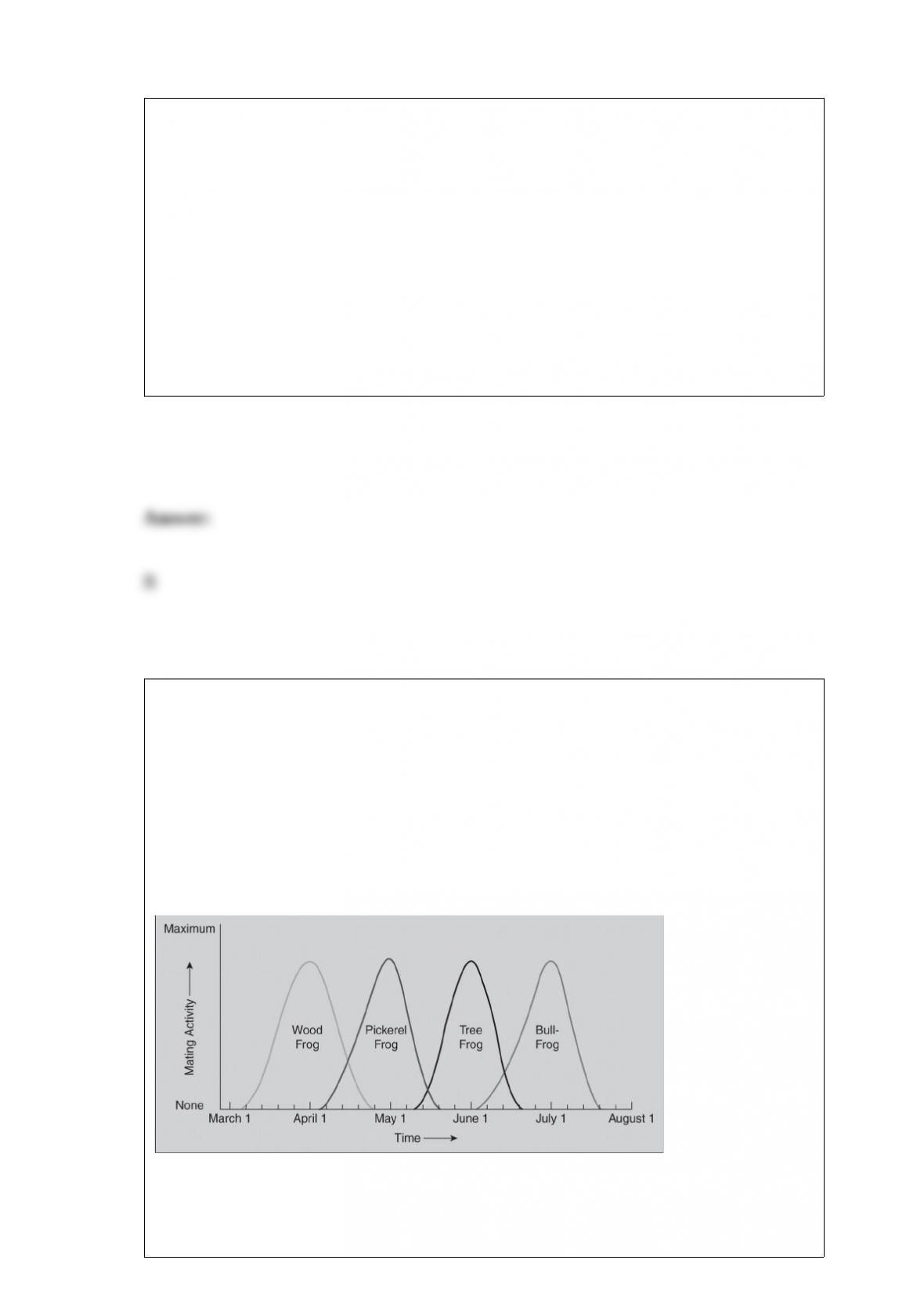
As part of a semester-long biology field research course, you are studying reproductive
barriers among four different frog species. Your goal is to determine what type of
reproductive barrier likely causes the gene pools of the four different frog species to be
isolated. These four species share common geographic habitats and are both
anatomically and gametically compatible. Your research professor gives you the
following figure to consider. After studying the figure, answer the questions that follow.
Based on the independent and dependent variables represented in the figure and the
information you have about common geographic habitats as well as anatomical and
gametic compatibility of the four frog species, you initially conclude that reproductive

barriers may be due to ________.
A) habitat isolation
B) mechanical isolation
C) temporal isolation
D) gametic isolation
Which of the following types of cells does HIV preferentially infect?
A) cytotoxic T cells
B) natural killer cells
C) helper T cells
D) phagocytic cells
The single greatest threat to biodiversity comes from ________.
A) habitat destruction and fragmentation
B) invasive species
C) overexploitation
D) pollution
Read the following scenario to answer the following questions.
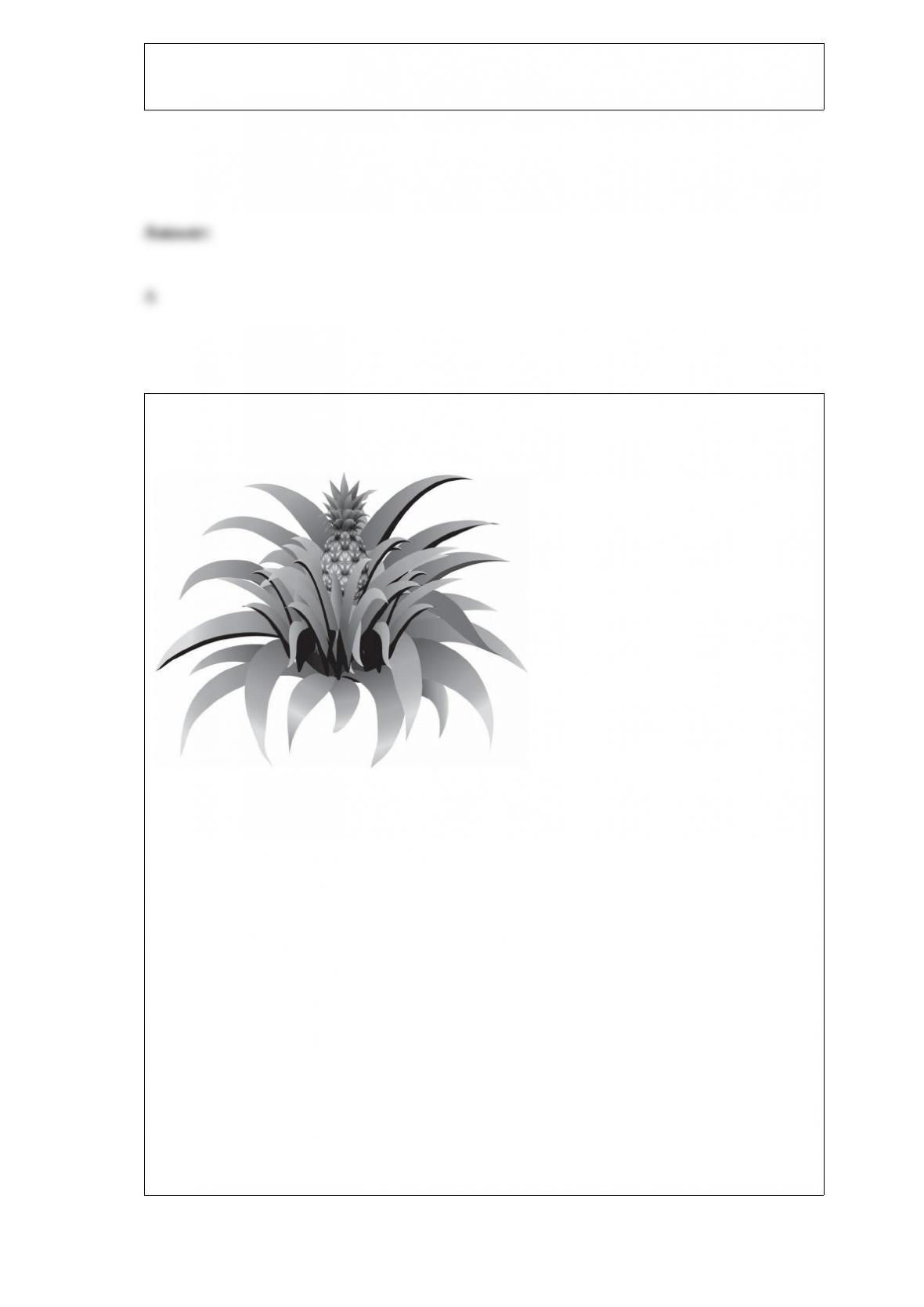
The pineapple, grown for its sweet fruit, is a tropical monocot with a diploid number of
50. It can live for many years. The plant starts as one short stem with tough leaves. The
flowers of the pineapple are located as a cluster at the very top of the stem. After
pollination, the single fruit forms from the fusion of the ovaries of the flowers in the
cluster. The seeds are located just underneath the surface of the fruit. The pineapple
fruit is harvested by cutting at the base of the fruit. After the first fruit is produced, side
shoots grow from the main stem, which can go on to produce additional fruits.
What evidence best supports the pineapple’s classification as a monocot?
A) It does not produce woody tissue.
B) It produces a fruit.
C) Its flowers have three petals each.
D) It has double fertilization.