1) The equity method with consolidation is used to account for long-term investments
in equity securities with controlling influence.
2) Owner’s withdrawals are not reported on a business’s income statement.
3) If a company is comparing its financial condition or performance to a base amount, it
is using vertical analysis.
4) Internal control systems are subject to limitations that usually arise from either (1)
human error or human fraud, or (2) the cost-benefit principle.
5) Trekker Bikes’ current assets are $300 million and its current liabilities are $125
million. Its current ratio is 0.417.
6) When convertible bonds are converted to a company’s stock, the carrying value of
the bonds is transferred to equity accounts and no gain or loss is recorded.
7) A company’s board of directors analyzes financial statements to assess future
company prospects for making operating decisions.
8) Collusion is a form of fraud where individuals collaborate to thwart separation of
duties.
9) A selling department is usually evaluated as a profit center.
10) Conversion of preferred stock to common stock is disclosed in the financing section
of the statement of cash flows.
11) A production department is an organizational unit that has the responsibility for the
complete processing of one particular product.
12) The process cost summary presents calculations of the cost of units completed
during the reporting period, but does not present any information about the ending
Work in Process inventory.
13) Intangible assets are assets that are long-term, have physical form, and are used to
produce or sell products and services.
14) In sales variance analysis, the budgeted amount of unit sales is the predicted activity
level and the budgeted cost of the goods sold can be treated as a ‘standard” price.
15) An annuity is a series of equal payments at equal time intervals.
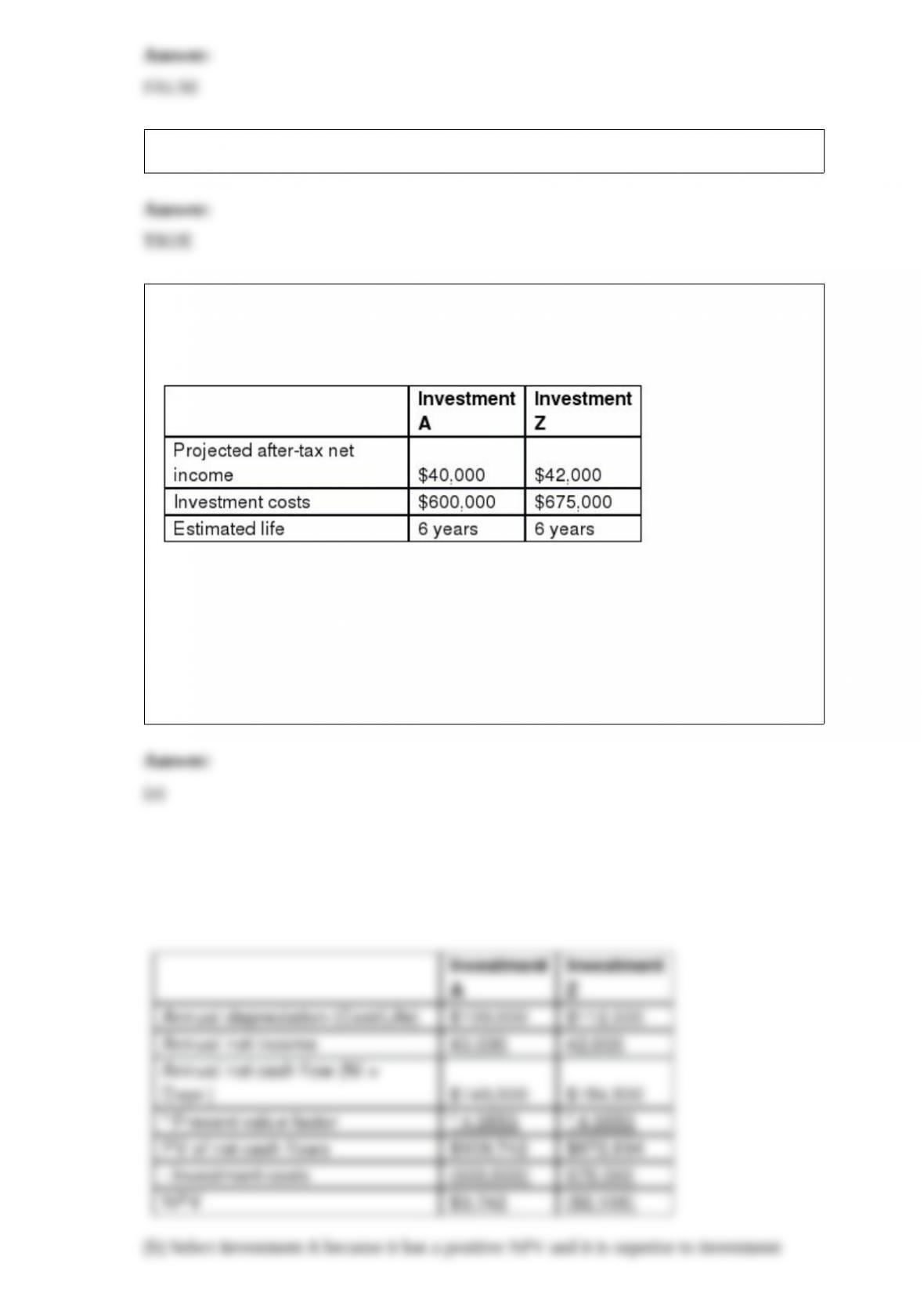
16) A company has a decision to make between two investment alternatives. The
company requires a 10% return on investment. Predicted data is provided below:
The present value of an annuity for 6 years at 10% is 3553. This company uses
straight-line depreciation.
Required:
(a) Calculate the net present value for each investment.
(b) Which investment should this company select? Explain.
17) Doughton Furniture Company purchased merchandise on credit from Furniture
Supply for $8,000. Two days later Doughton returned $2,000 of the merchandise due to
damage. Doughton would record the return of merchandise in the:
A.General journal.
B.Cash receipts journal.
C.Cash disbursements journal.
D.Purchases journal.
E.Accounts Payable controlling account.
18) Bonds that have interest coupons attached to their certificates, which the
bondholders present to a bank or broker for collection, are called:
A.Coupon bonds.
B.Callable bonds.
C.Serial bonds.
D.Convertible bonds.
E.Registered bonds.
19) Djarleen Company has 10,000 shares of $10 par preferred stock. It also has 250,000
shares of common stock outstanding, and its total stockholders’ equity equals
$4,000,000. The book value per common share is:
A.$16.67.
B.$16.00.
C.$40.00.
D.$15.60.
E.$10.00.
20) A company’s sales in Year 1 were $250,000 and in Year 2 were $287,500. Using
Year 1 as the base year, the percentage change for Year 2 compared to the base year is:
A.87%.
B.100%.
C.115%.
D.15%.
E.13%.
21) The salary paid to the assembly line supervisor would normally be classified as:
A.Direct labor.
B.Indirect labor.
C.A period cost.
D.A general cost.
E.An assembly cost.
22) Goods a company acquires to use in making products are called:
A.Cost of goods sold.
B.Raw materials inventory.
C.Finished goods inventory.
D.Work in Process inventory.
E.Conversion costs.
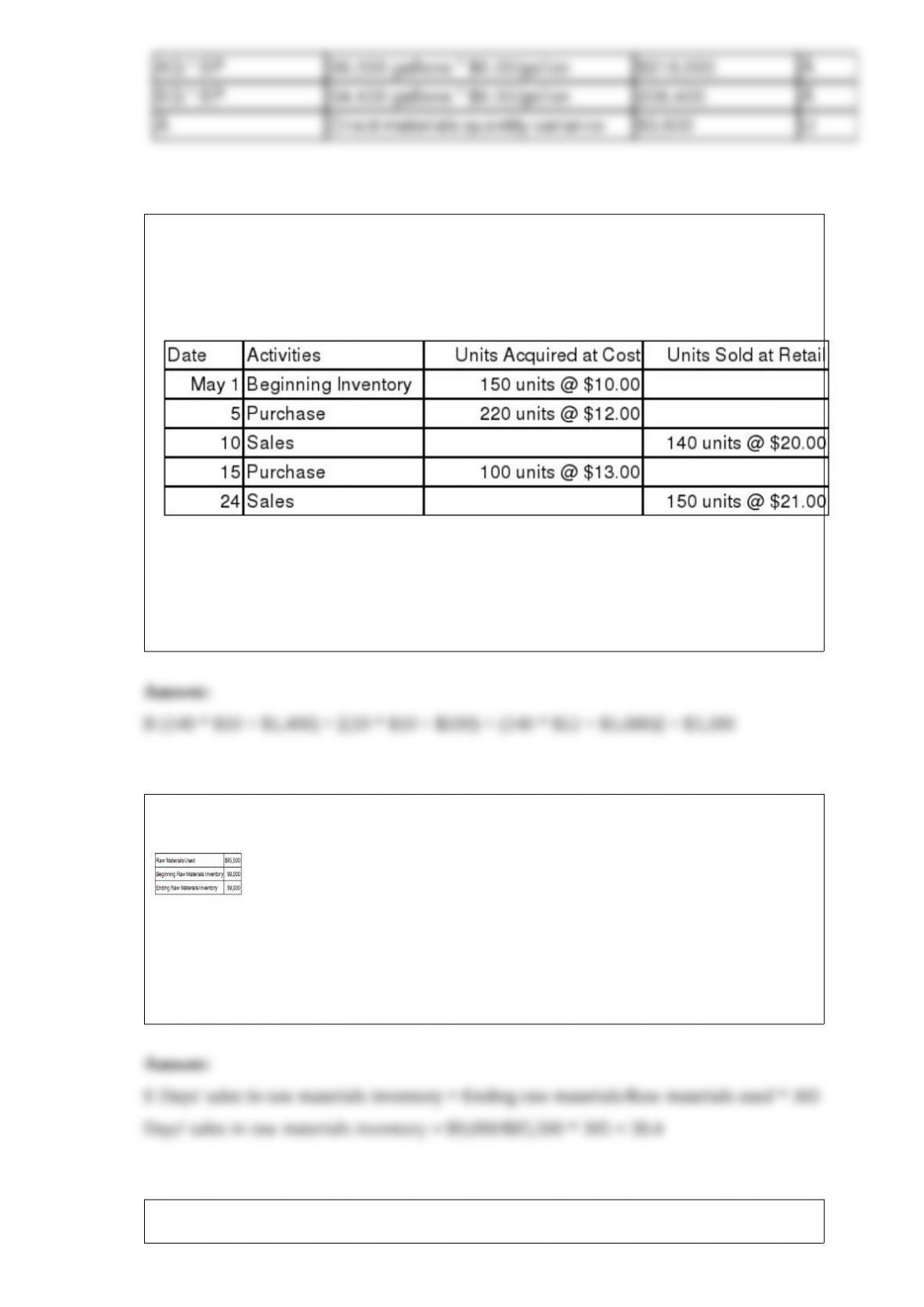
23) The following company information is available. The direct materials quantity
variance is:
A.$10,000 unfavorable.
B.$13,200 unfavorable.
C.$9,600 unfavorable.
D.$10,000 favorable.
E.$13,200 favorable.
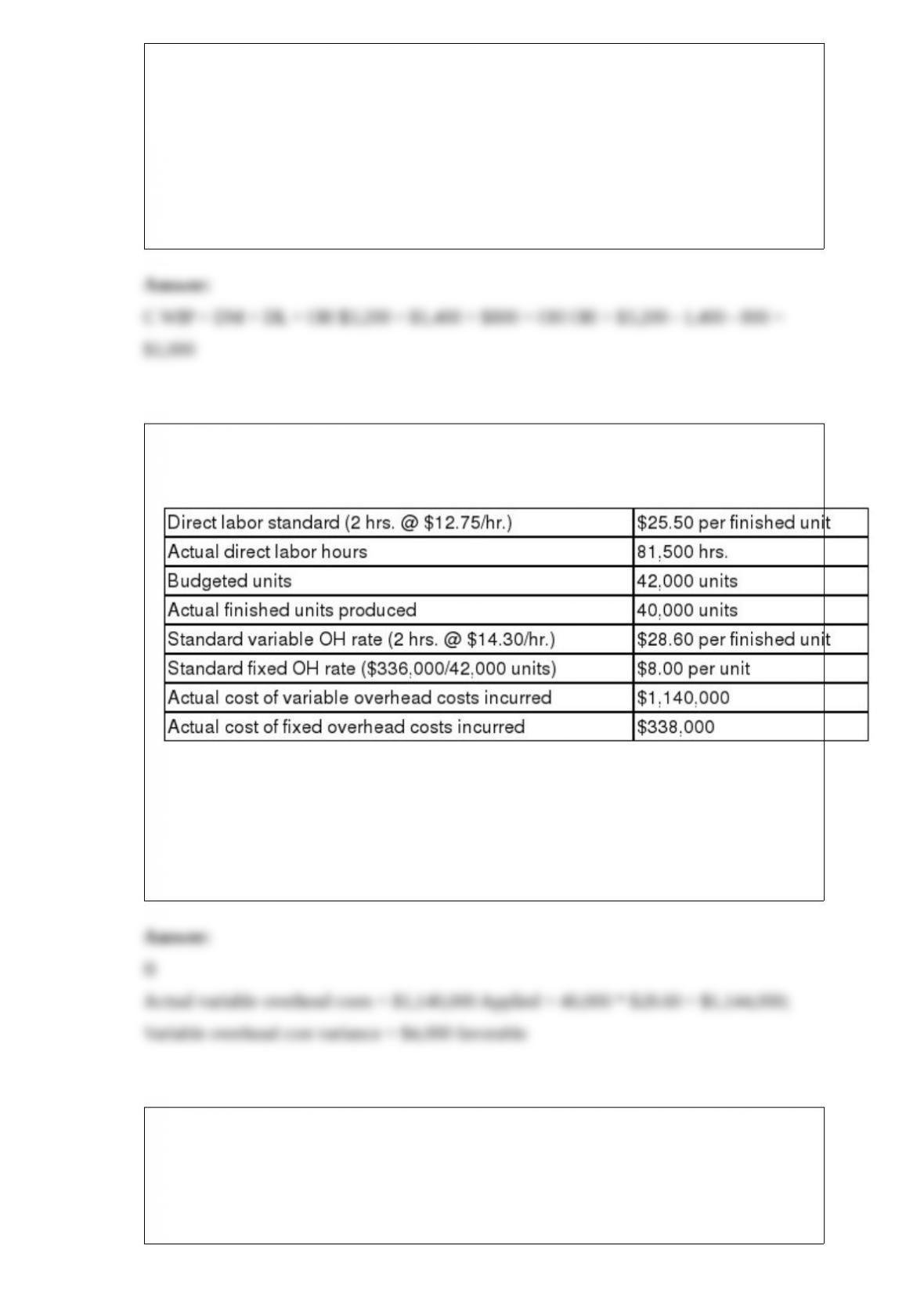
24) Salmone Company reported the following purchases and sales of its only product.
Salmone uses a perpetual inventory system. Determine the cost assigned to cost of
goods sold using FIFO.
A.$2,260
B.$3,180
C.$1,860
D.$3,580
E.$2,100
25) Using the information below, compute the Days’ sales in raw materials inventory:
A.11.02.
B.36.3.
C.10.06.
D.9.94.
E.38.4.
26) The Work in Process Inventory account of a manufacturing company that uses an
overhead rate based on direct labor cost has a $3,200 debit balance after all posting is
completed. The cost sheet of the one job still in process shows direct material cost of
$1,400 and direct labor cost of $800. Therefore, the amount of the applied overhead is:
A.$1,800.
B.$2,200.
C.$1,000.
D.$800.
E.$2,400.
27) Fletcher Company collected the following data regarding production of one of its
products. Compute the variable overhead cost variance.
A.$18,000 favorable.
B.$4,000 favorable.
C.$18,000 unfavorable.
D.$18,300 favorable.
E.$14,300 unfavorable.
28) An investment that is readily convertible to a known amount of cash and that is
sufficiently close to its maturity date so that its market value is unaffected by interest
rate changes is a(n):
A.Short-term marketable equity security.
B.Operating activity.
C.Common stock.
D.Cash equivalent.
E.Financing activity.
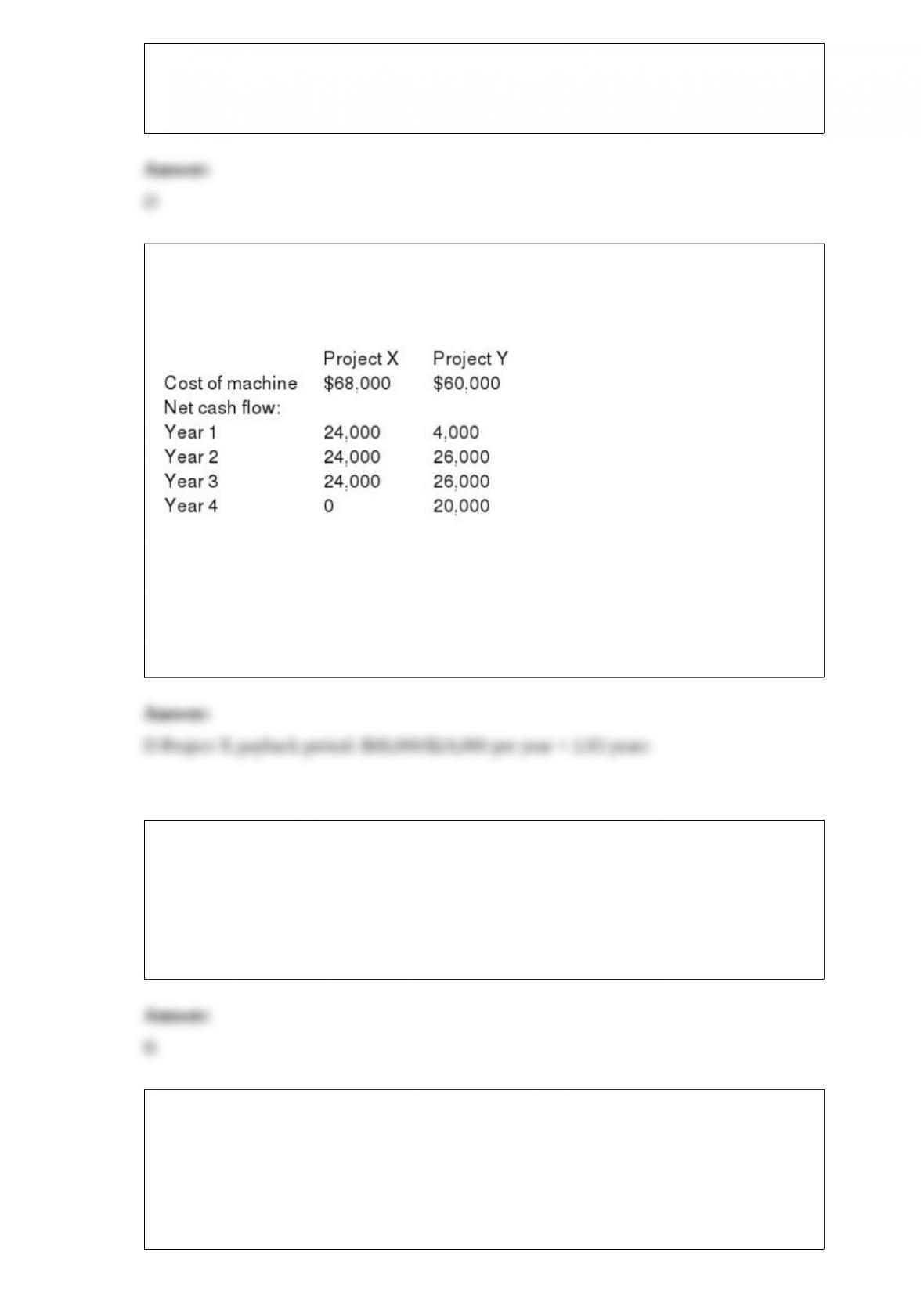
29) Porter Co. is analyzing two projects for the future. Assume that only one project can
be selected.
The payback period in years for Project X is:
A.2.00.
B.3.83.
C.3.50.
D.2.83.
E.4.00.
30) The most useful budget figures are developed:
A.From the “top-down”.
B.From the “bottom-up” following a participatory process.
C.By the budget committee.
D.By the CEO.
E.After the accounting period has begun.
31) A company purchased new furniture at a cost of $14,000 on September 30. The
furniture is estimated to have a useful life of 8 years and a salvage value of $2,000. The
company uses the straight-line method of depreciation. How much depreciation expense
will be recorded for the furniture for the first year ended December 31?
A.$437.50
B.$375.00
C.$1,500.00
D.$500
E.$1,750
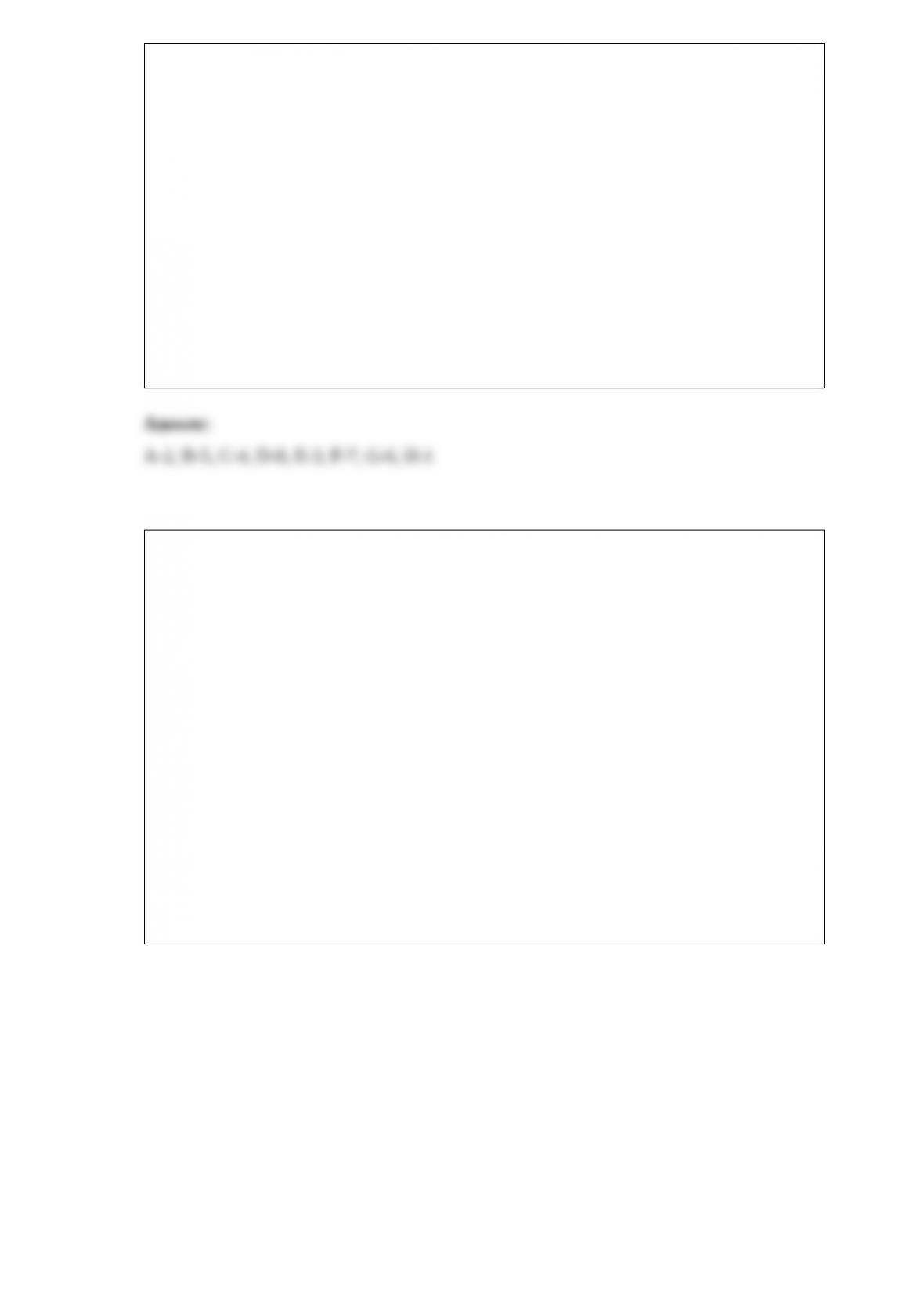
32) Super Grocery store allocates its service department expenses to its various
operating (sales) departments. The following data is available for its service
departments:
The following information is available for its three operating (sales) departments:
What is the total administrative expense allocated to the Meats department?
A.$6,000.
B.$9,000.
C.$4,145.
D.$1,200.
E.$3,000.
33) Match each of the following terms with the most appropriate definition.
1>Expresses the relation of assets, liabilities and equity in a company, comparing the
resources the company owns to the sources of funds to acquire the resources. A. Risk
2>The uncertainty about the return to be earned. B. Owner capital
3>Decreases in equity from costs of providing products or services to customers. C.
Return on assets
4>A financial ratio stated as income divided by assets invested. D. Liabilities
5>Resources such as cash that an owner puts into the company. E. Expenses
6> Resources a company owns or controls that are expected to yield future benefit. F.
Owner withdrawals
7>Resources such as cash that an owner takes from the company for personal use. G.
Assets
8>Creditor’s claims on a company’s assets. H. Accounting equation
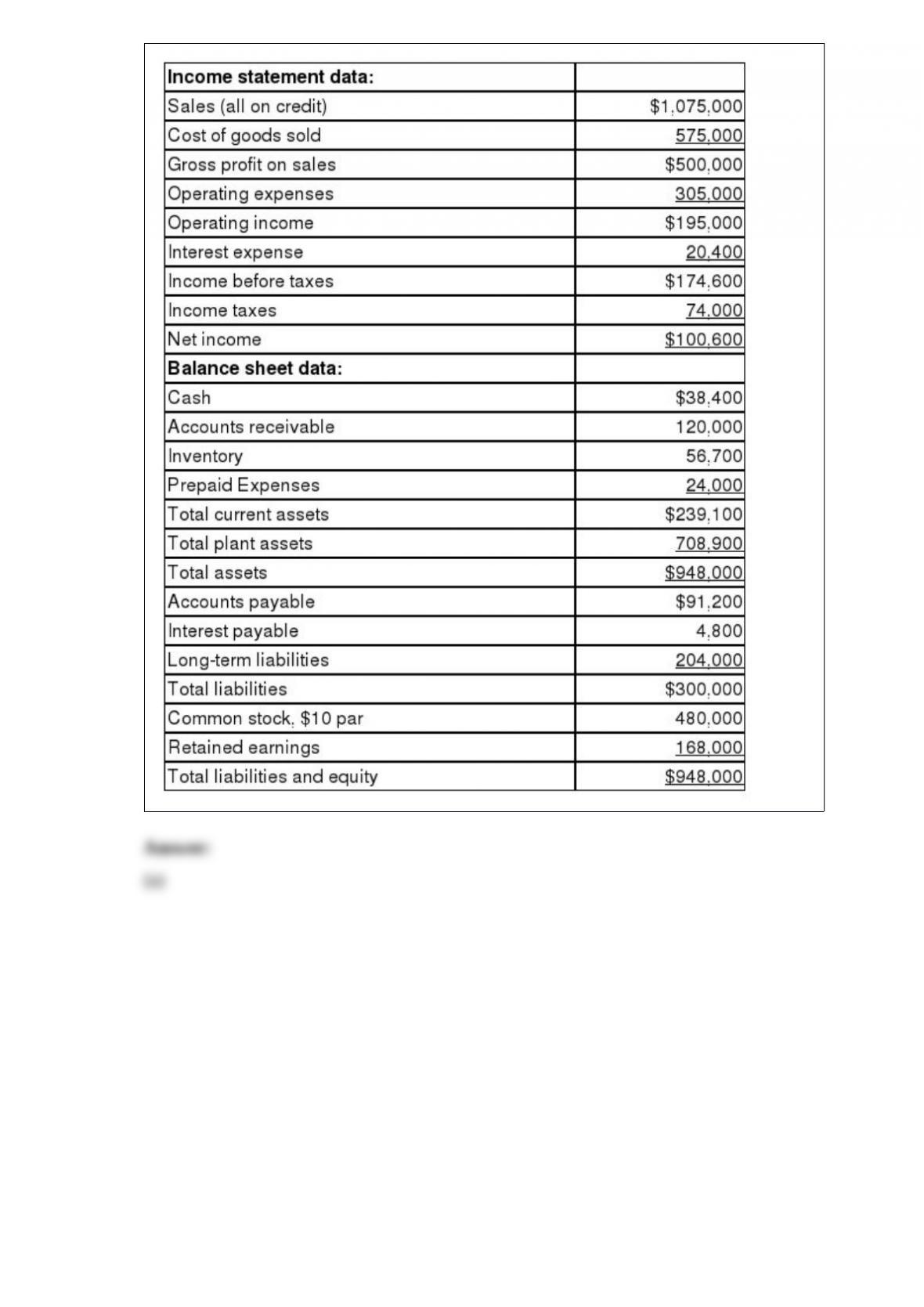
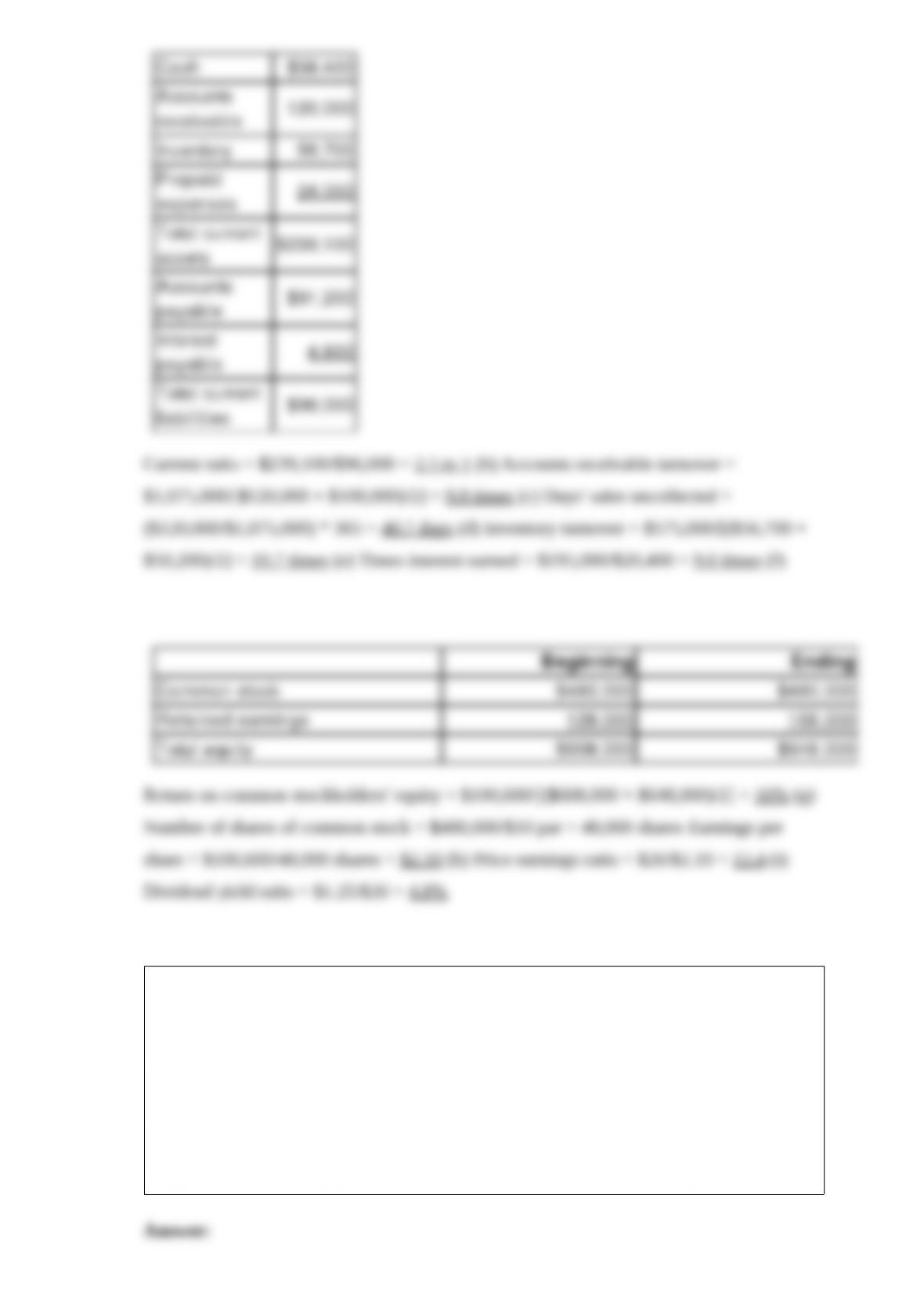
34) Use the following information from the current year financial statements of a
company to calculate the ratios below:
(a) Current ratio.
(b) Accounts receivable turnover. (Assume the prior year’s accounts receivable balance
was $100,000.)
(c) Days’ sales uncollected.
(d) Inventory turnover. (Assume the prior year’s inventory was $50,200.)
(e) Times interest earned ratio.
(f) Return on common stockholders’ equity. (Assume the prior year’s common stock
balance was $480,000 and the retained earnings balance was $128,000.)
(g) Earnings per share (assuming the corporation has a simple capital structure, with
only common stock outstanding).
(h) Price earnings ratio. (Assume the company’s stock is selling for $26 per share.)
(i) Divided yield ratio. (Assume that the company paid $1.25 per share in cash
dividends.)
35) At the current year-end, Simply Company found that its overhead was underapplied
by $2,500, and this amount was not considered material. Based on this information,
Simply should
A.Close the $2,500 to Cost of Goods Sold.
B.Close the $2,500 to Finished Goods Inventory.
C.Do nothing about the $2,500, since it is not material, and it is likely that overhead
will be overapplied by the same amount next year.
D.Carry the $2,500 to the income statement as “Other Expense”.
E.Carry the $2,500 to the next period.
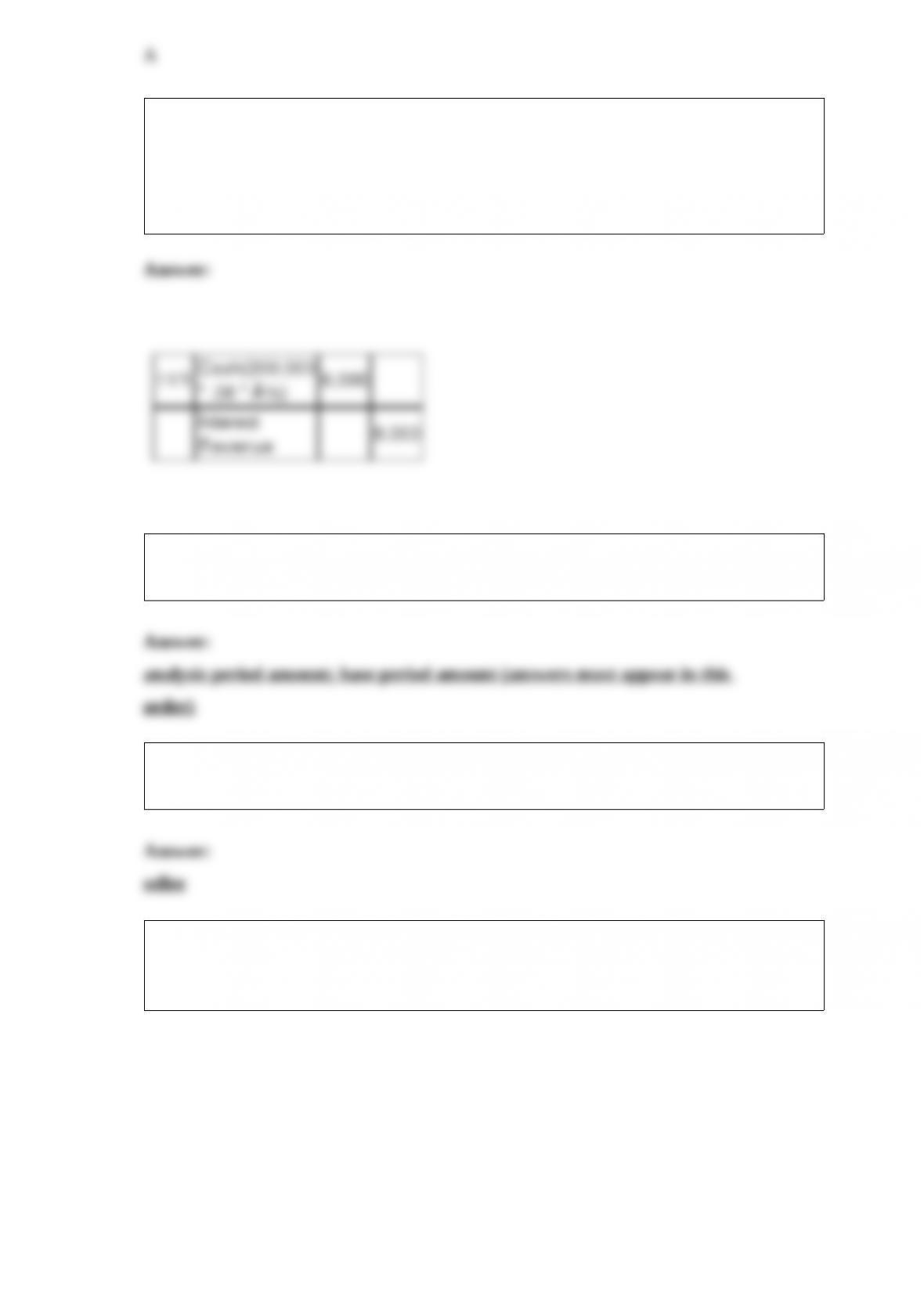
36) On May 1 of the current year, a company paid $200,000 cash to purchase 6%,
10-year bonds with a par value of $200,000; interest is paid semiannually each May 1
and November 1. The company intends to hold these bonds until they mature. Prepare
the journal entry to record the receipt of the first semiannual interest payment on
November 1.
37) Trend percentage is calculated by dividing _________________________ by
___________________________ and multiplying the result by 100.
38) Goods that are in transit and were shipped FOB destination should be included in
the inventory records of the _______________________.
39) Time tickets for factory employees during the month of August are summarized as
follows:
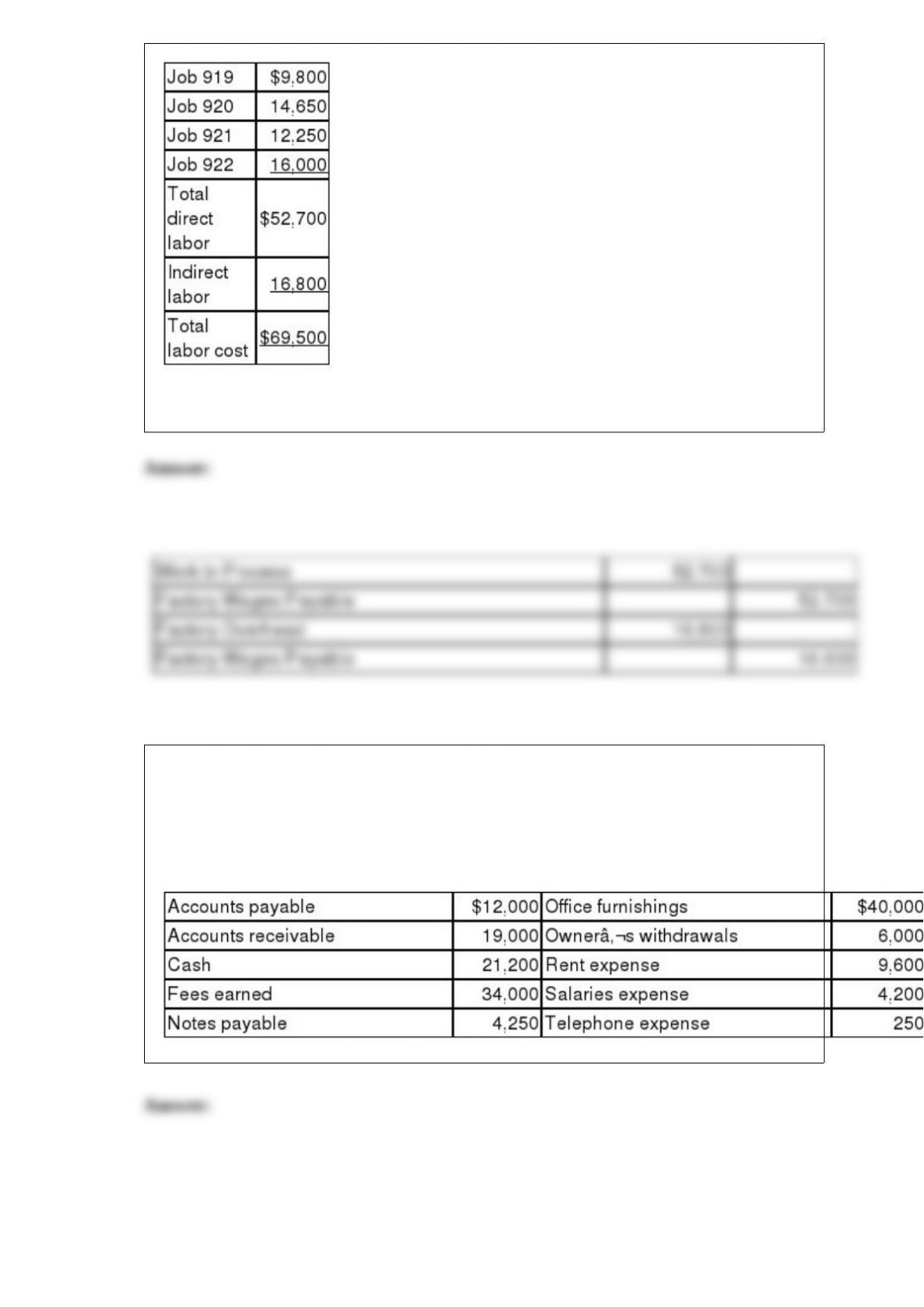
Make the necessary journal entries to record factory payroll for direct and indirect
labor.
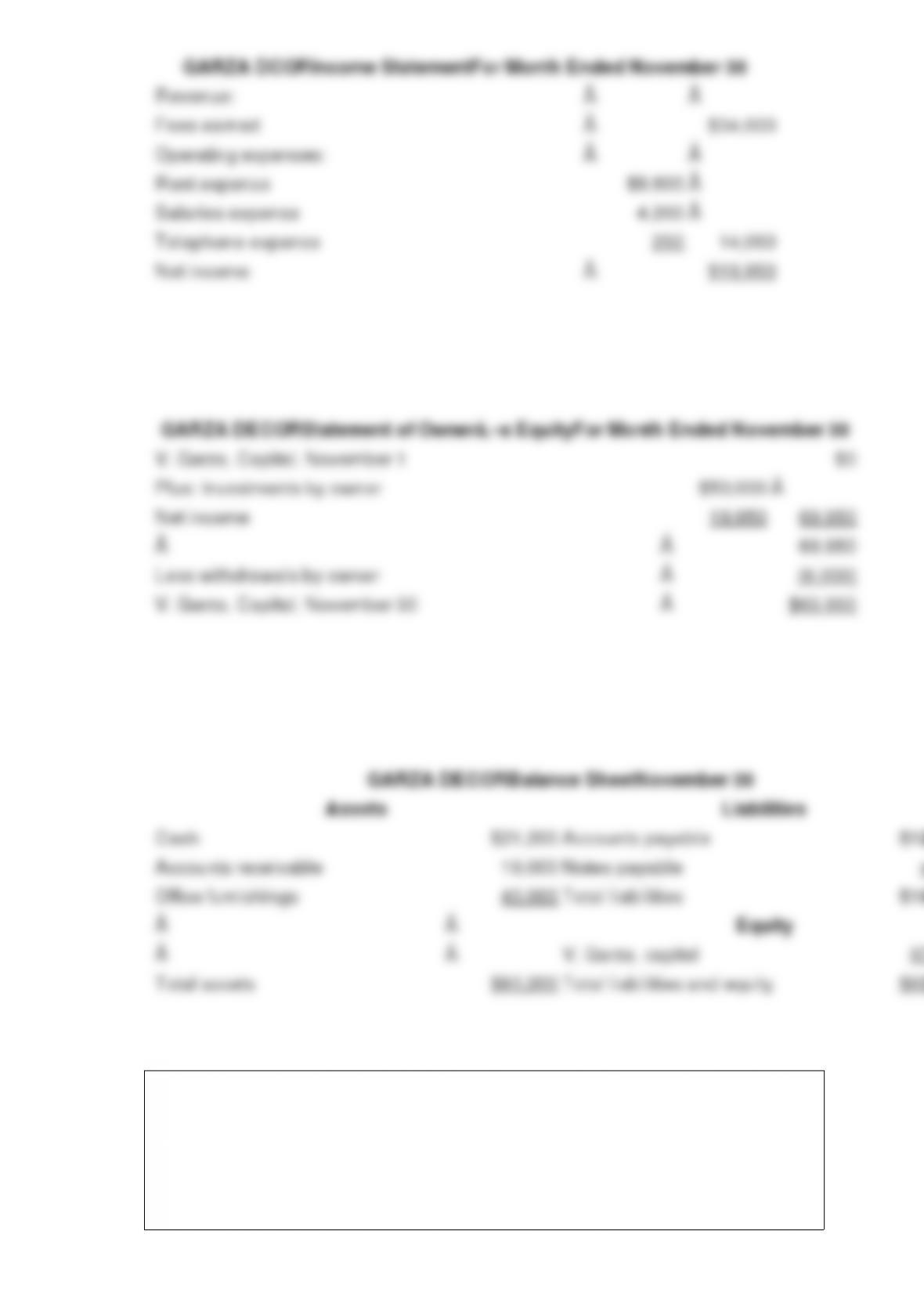
40) From the information given below, prepare a November income statement, a
November statement of owner’s equity, and a November 30 balance sheet. On
November 1 of the current year, Victoria Garza began Garza Decor with an initial
investment of $50,000 cash. On November 30, her records showed the following
(alphabetically arranged) items and amounts.
41) Trevoline Company is deciding between two projects. Each project requires an
initial investment of $350,000. The projected net cash flows for the two projects are
listed below. The revenue is to be received at the end of each year. Trevoline requires a
10% return on its investments. The present value of an annuity of 1 and present value of
an annuity factors for 10% are presented below. Use net present value to determine
which project should be pursued and explain why.
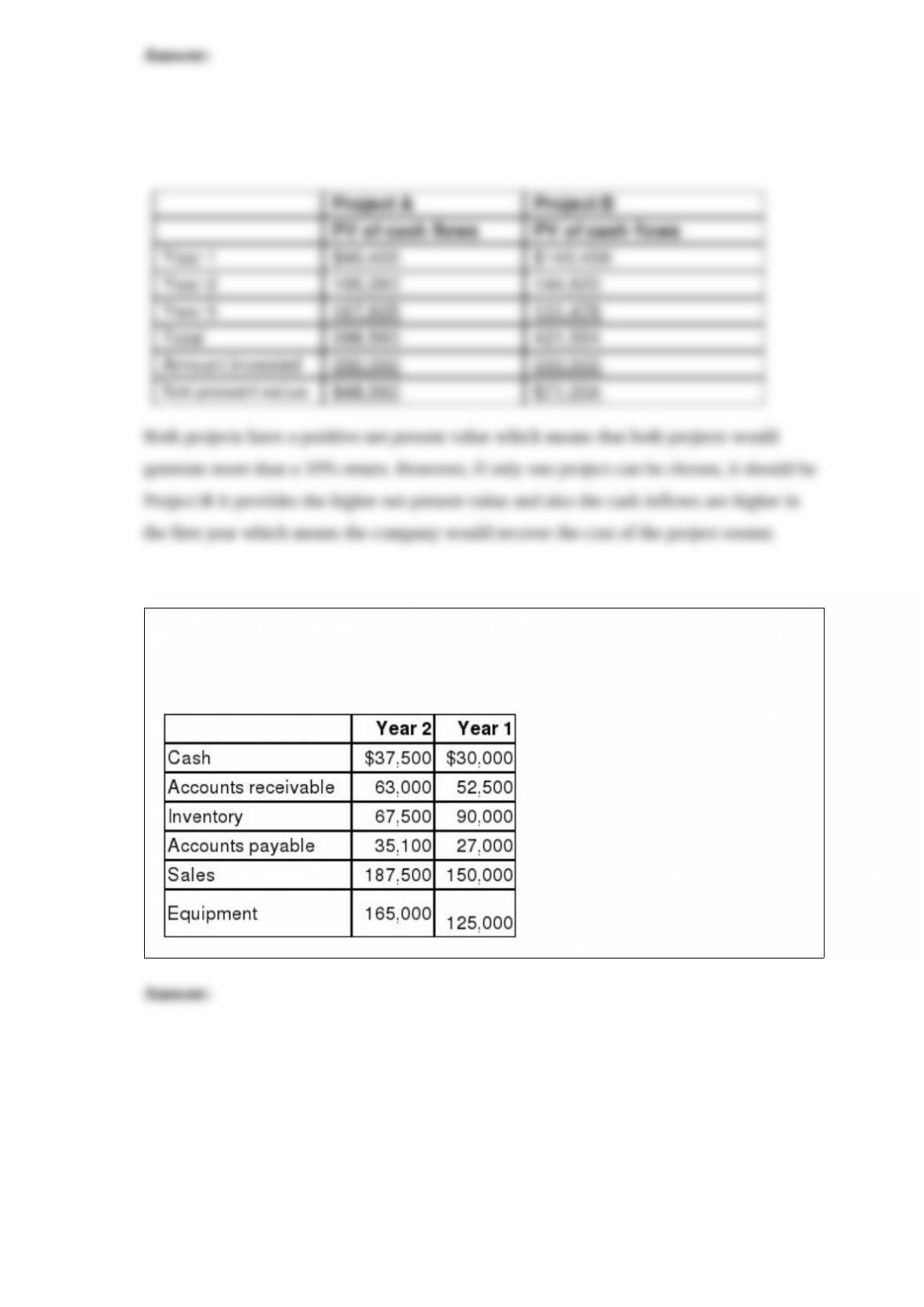
42) Calculate the percent increase or decrease for each of the following financial
statement items:
43) What is the main difference between a cost center and a profit center?
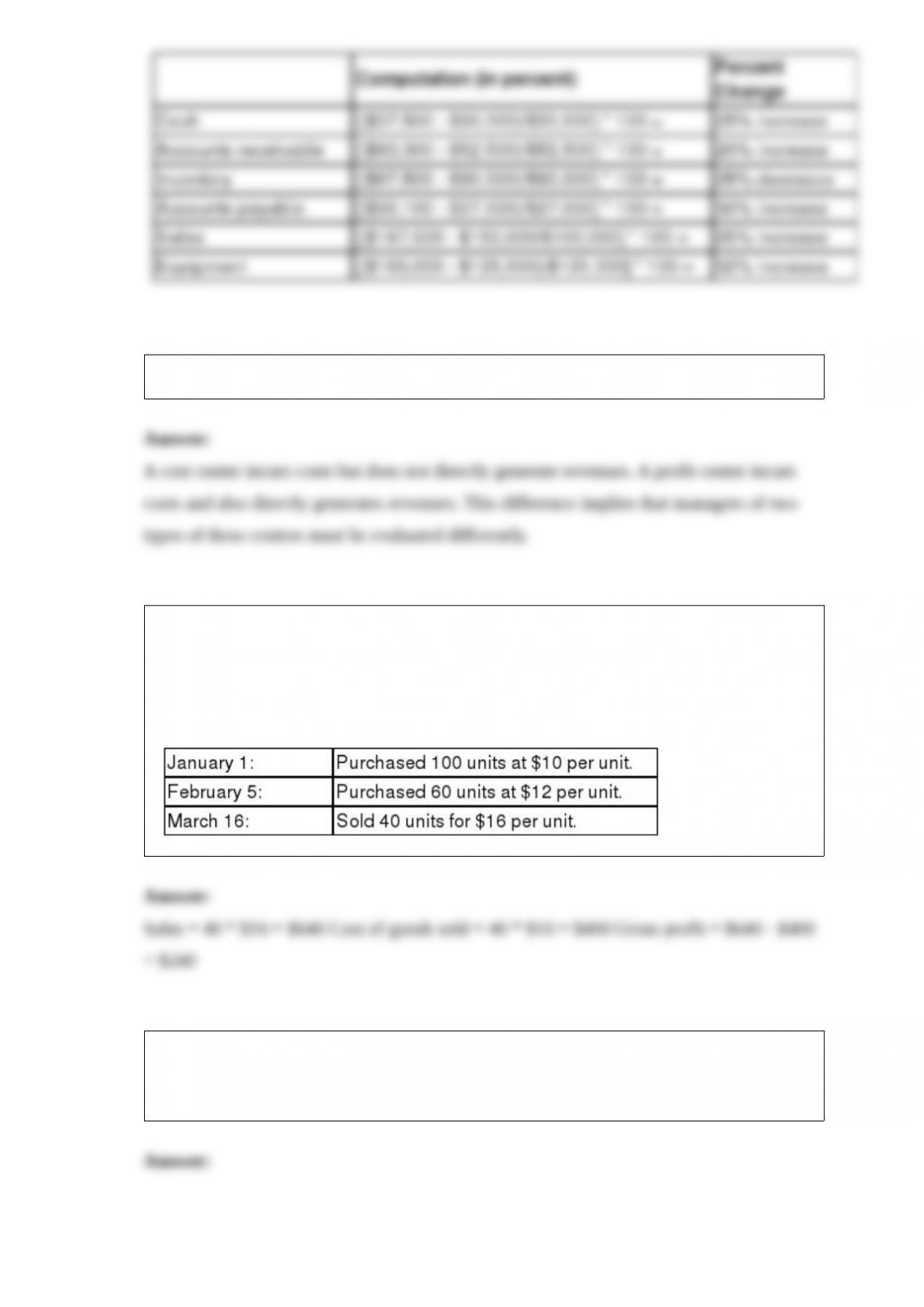
44) Use the information below to determine the sales revenue, cost of goods sold and
gross profit that would be reported for the company related to the March 16 sale
assuming the company uses FIFO inventory valuation and a perpetual inventory
system.
45) Southwick Company uses a job order costing system. On November 1, $15,000 of
direct materials and $3,500 of indirect materials were requisitioned for production.
Prepare the general journal entries to record this requisition.