1) Treasury stock is a contra-equity account.
2) Net income is reduced when a specific receivable is written off under the analysis of
receivables method.
3) A change in fixed costs as a result of increase in the property tax rates will increase
the break-even point.
4) A business that requires all cash payments be made by check cannot use a petty cash
system.
5) The profit center income statement should include only controllable revenues and
expenses.
6) The production budget is the starting point for preparation of the direct labor cost
budget.
7) The straight-line method of depreciation is appropriate if usage of the asset varies
considerably from year to year.
8) A bond is simply a form of an interest-bearing note.
9) In net present value analysis for a proposed capital investment, the expected future
net cash flows are reduced to their present values.
10) Earnings per common share is one factor that influences the decision to use debt
financing or equity financing.
11) It is beneficial for two related companies to use the cost price approach for transfer
pricing when both the companies operate as cost centers and are not concerned with the
revenue.
12) Physical depreciation occurs when changes in customer needs causes a fixed asset
to no longer provide services for which it was intended.
13) Medicare taxes are paid by both the employee and the employer.
14) The capital expenditure budget summarizes future plans for acquisition of fixed
assets.
15) The methods of evaluating capital investment proposals can be grouped into two
general categories: (1) methods that ignore present values and (2) methods that use
present values.
16) When evaluating a proposal by use of the net present value method, if there is a
deficiency of the present value of future cash inflows over the amount to be invested,
the proposal should be accepted.
17) A partnership is owned by two or more individuals.
18) Product cost consists of factory overhead.
19) The internal rate of return method of analyzing capital investment proposals uses
the present value concept to compute the rate of return expected from the proposals.
20) The major shortcoming of using income from operations as an investment center
performance measure is that, it ignores the amount of assets invested in each center.
21) Cash and other assets that are expected to be converted to cash or sold or used up
within one year or less through the normal operations of the business are called:
A.current assets
B.intangible assets
C.fixed assets
D.notes receivable
22) Which of the following is not an example of a capital market stakeholder?
A.Banks
B.Owners
C.Suppliers
D.Stockholders
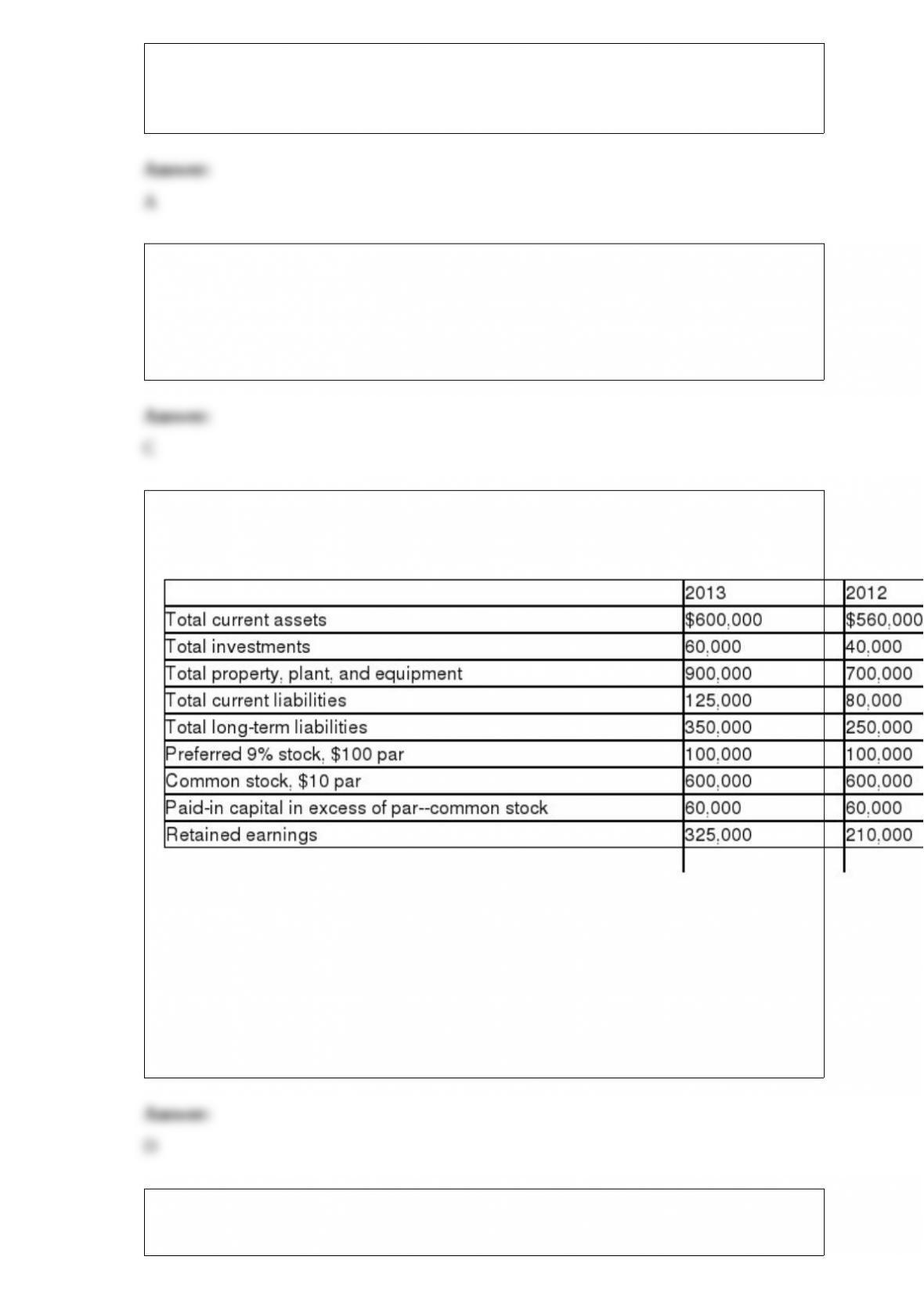
23) The balance sheets at the end of each of the first two years of operations indicate
the following:
Based on the above information, if net income is $130,000 and interest expense is
$40,000 for 2013, and the market price is $40, what is the price-earnings ratio on
common stock (round to one decimal place)?
A.14.9
B.18.4
C.17.3
D.19.8
24) The payment of $15,000 for expenses was recorded by Spears Co. as an increase in
cash of $15,000 and a decrease in retained earnings of $15,000. What is the effect of
this error on the accounting equation?
A.Total assets will exceed total liabilities and stockholders’ equity by $15,000
B.Total assets will exceed total liabilities and stockholders’ equity by $30,000
C.Total assets will be less than total liabilities and stockholders’ equity by $30,000
D.The error will not affect the accounting equation
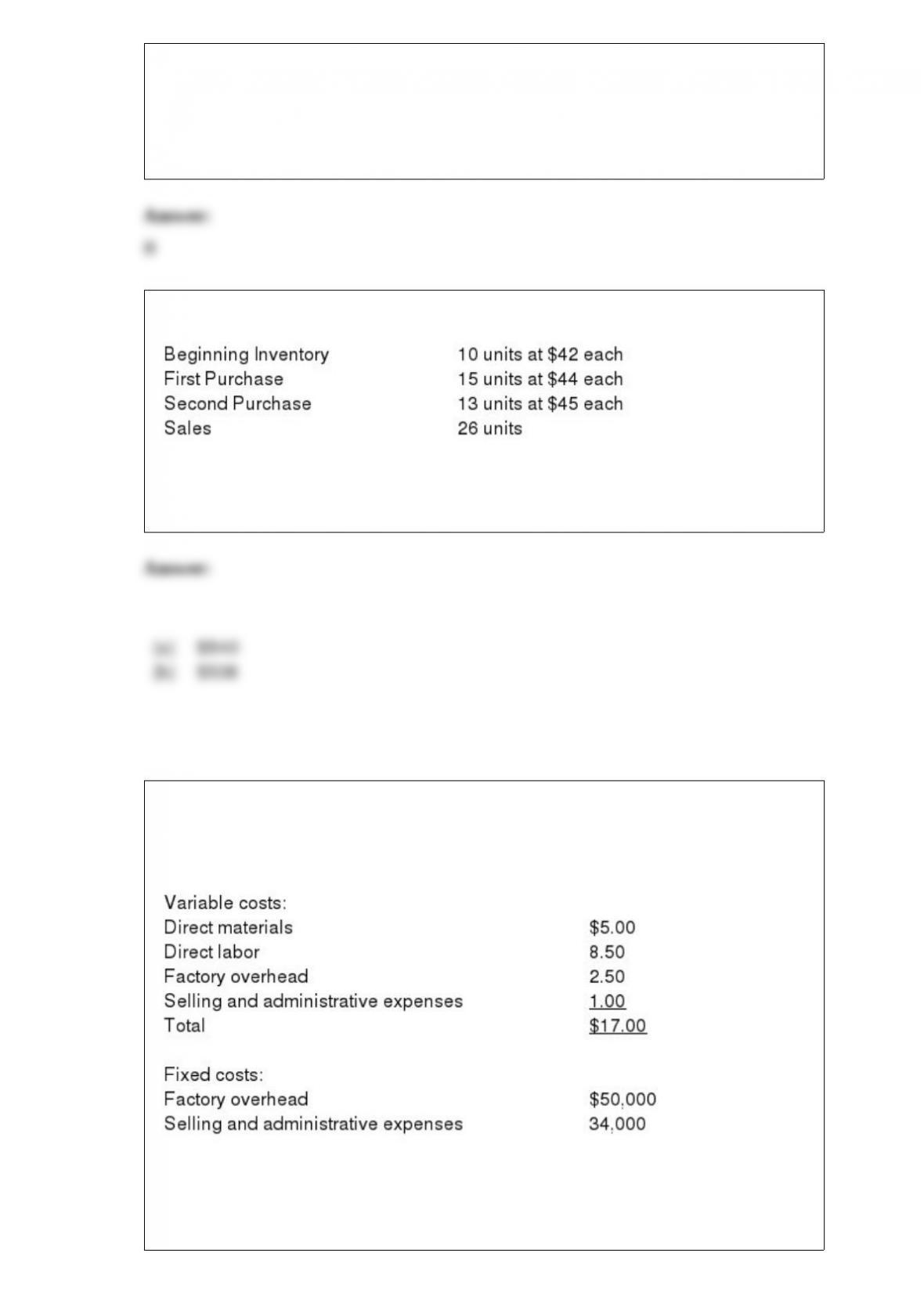
25) Beginning inventory, purchases and sales data for the month are as follows:
Determine the total cost of ending inventory according to (a) FIFO method and (b)
LIFO method.
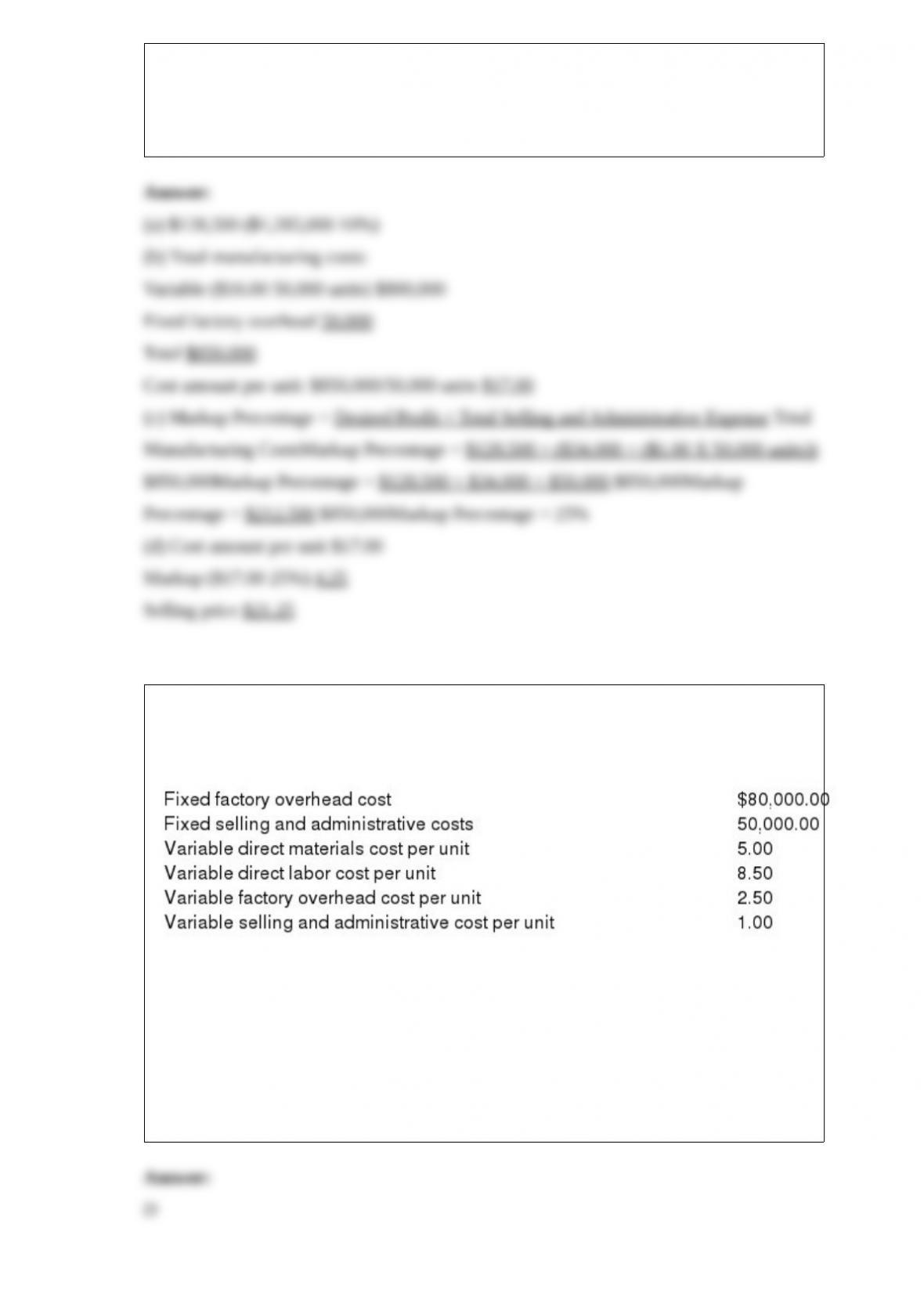
26) Tidewater Company uses the product cost concept of applying the cost-plus
approach to product pricing. The cost and expenses of producing and selling 50,000
units of Product K are as follows:
Tidewater desires a profit equal to a 10% rate of return on invested assets of
$1,285,000.
(a) Determine the amount of desired profit from the production and sale of Product K.
(b) Determine the total manufacturing costs and the cost amount per unit for the
production and sale of 50,000 units of Product K.
(c) Determine the markup percentage for Product K.
(d) Determine the selling price of Product K.
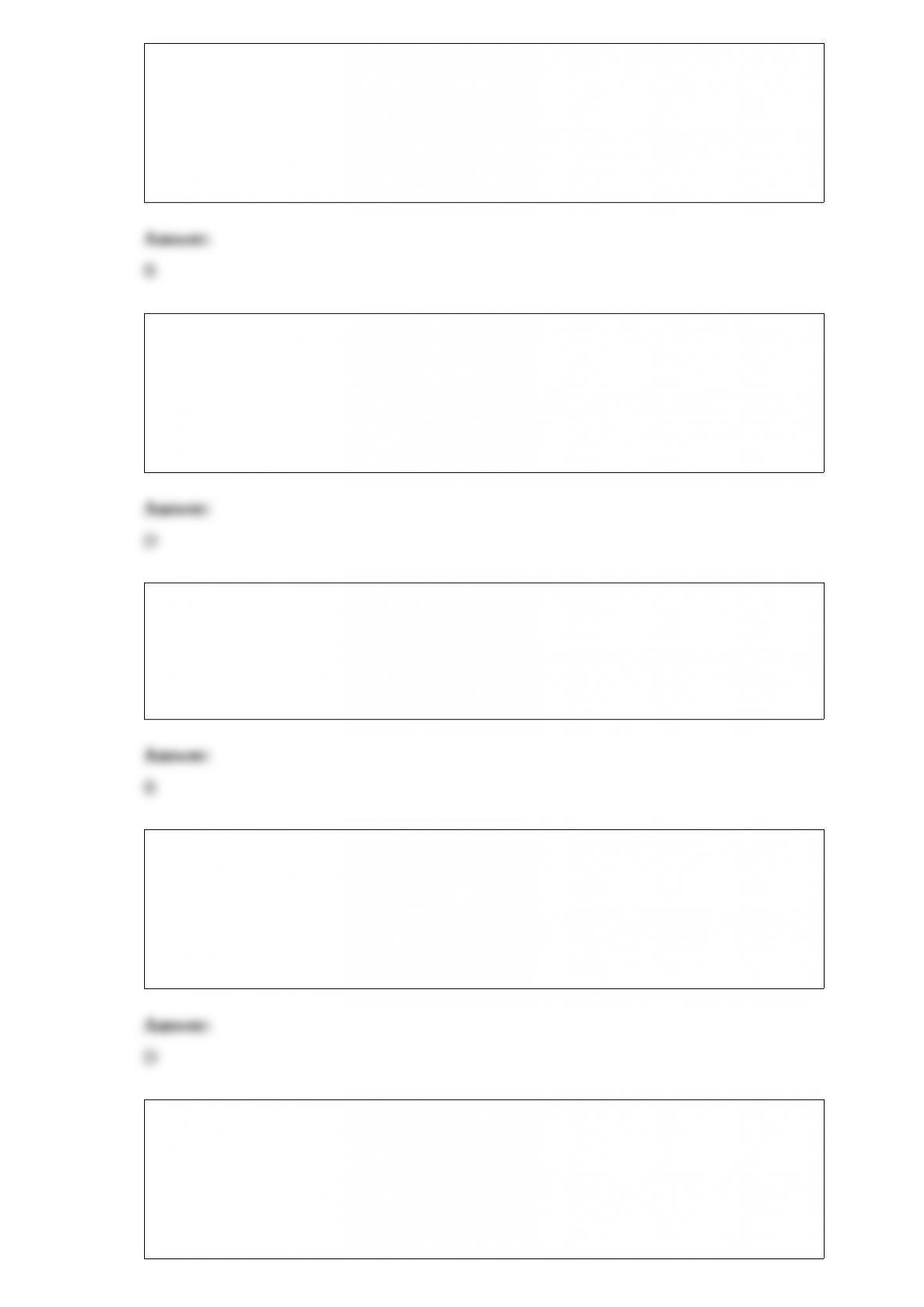
27) Raphael Corporation uses the product cost concept of product pricing. Below is cost
information for the production and sale of 50,000 units of its sole product. Raphael
desires a profit equal to a 12% rate of return on invested assets of $1,000,000.
Refer to the information provided for Raphael Corporation. The unit selling price for
the companys product is:
A.$19.70
B.$17.50
C.$24.50
D.$22.00
28) Which of the following is an example of a cost that varies in total as the number of
units produced changes?
A.Salary of a production supervisor
B.Direct materials cost
C.Property taxes on factory buildings
D.Straight-line depreciation on factory equipment
29) Which of the following should be included in the acquisition cost of a piece of
equipment?
A.Uninsured theft
B.Mistakes in installation
C.Vandalism
D.Installation costs
30) As production increases, fixed costs per unit would:
A.increase
B.decrease
C.remain the same
D.either increase or decrease, depending on the variable costs
31) What pricing method is most likely to be used if there are several providers in the
same market and there is sufficient demand for the product?
A.Demand-based method
B.Total cost method
C.Cost-plus method
D.Competition-based method
32) Under which method of inventory costing is the ending inventory assumed to be
composed of the most recent costs?
A.Average cost
B.Last-in, first-out
C.First-in, last-out
D.First-in, first-out

33) By converting dollars to be received in the future into current dollars, the present
value methods take into consideration that money:
A.has an international rate of exchange
B.is the language of business
C.is the measure of assets, liabilities, and stockholders’ equity on financial statements
D.has a time value
34) If fixed costs are $350,000, the unit selling price is $80, and the unit variable cost is
$30, what is the break-even sales (in units)?
A.3,200 units
B.7,000 units
C.11,667 units
D.4,375 units
35) Cash collected from sales during the normal course of business would be an
example of which type of business activity?
A.Operating
B.Investing
C.Financing
D.None of these
36) Which of the following is an example of an intangible asset?
A.Goodwill
B.Patents
C.Copyrights
D.All of these
37) A machine was purchased for $60,000. It has a useful life of 5 years and a residual
value of $6,000. Determine the annual depreciation expense using the straight-line
method?
A.$13,200
B.$12,000
C.$11,000
D.$10,800
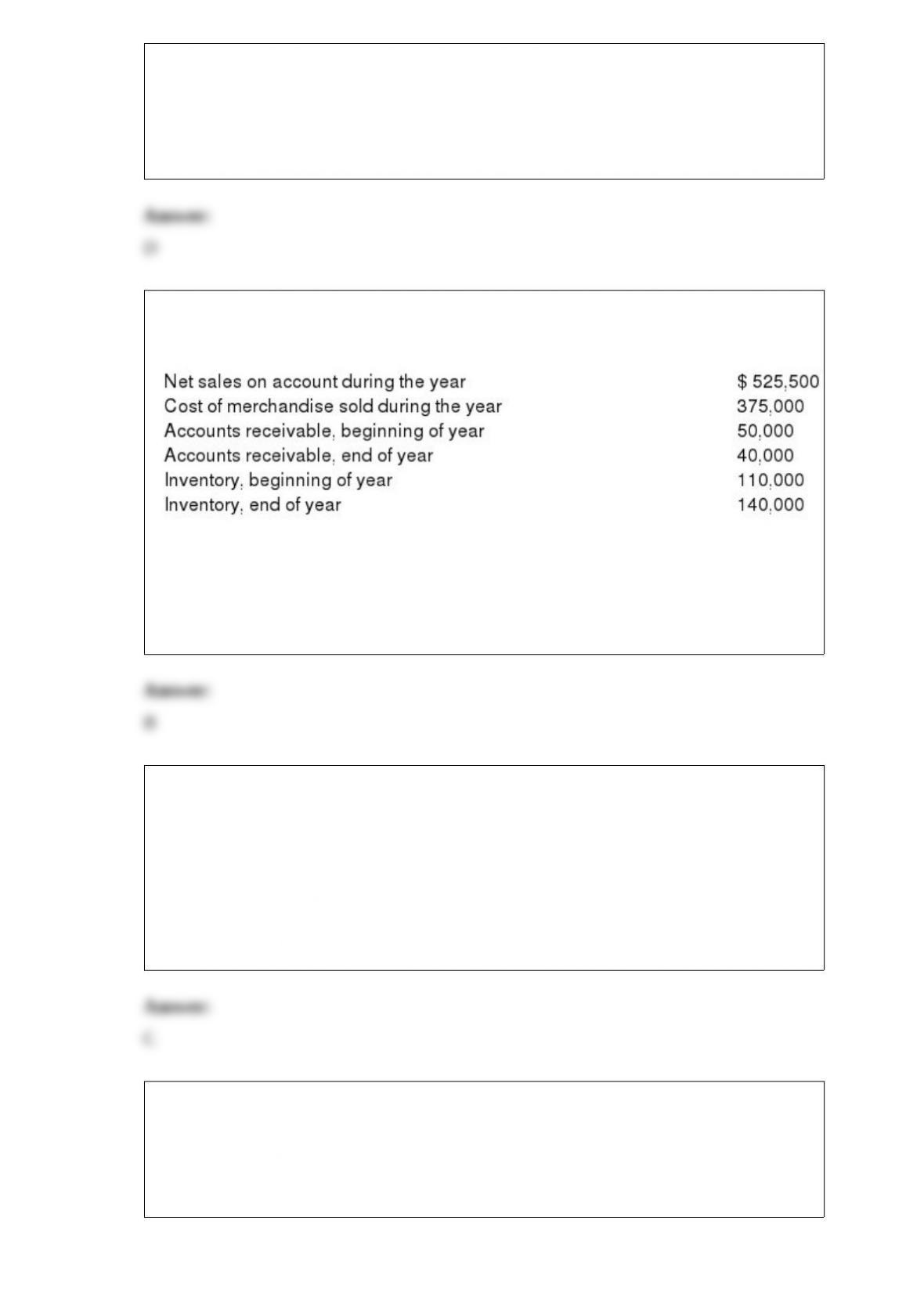
38) Based on the following data for the current year, determine the accounts receivable
turnover?
A.13.14
B.11.7
C.10.35
D.8.3
39) On June 1, Green Pea, Inc. purchased $1,200 worth of supplies on account. Prior to
the purchase, the balance in the supplies account was $0. On December 31, the fiscal
year-end for Green Pea, it is determined that $500 of supplies still remain. What is the
balance in the supplies account after adjustment?
A.$0
B.$700
C.$500
D.$1,200
40) For EFG Co., the transaction “receipt of interest income” would:
A.increase total assets
B.decrease total assets
C.have no effect on total assets
D.decrease total liabilities

41) Unearned rent, representing rent for the next six months’ occupancy, would be
reported on the landlord’s balance sheet as a(n):
A.asset
B.liability
C.capital stock
D.revenue
42) As of January 1 of the current year, the Butner Company had accounts receivables
of $50,000. Sales for January, February, and March were as follows: $120,000,
$140,000, and $150,000. 20% of each months sales are for cash. Of the remaining 80%
(the credit sales), 60% are collected in the month of sale, with the remaining 40%
collected in the following month. What is the total cash collected (both from accounts
receivable and for cash sales) in the month of February?
A.$132,000
B.$105,600
C.$133,600
D.$95,200
43) Which of the following transactions changes the mix of assets only?
A.Paid for supplies with cash
B.Borrowed money from Second National Bank
C.Received money for fees earned
D.Received a utility bill
44) You have been hired by a high-growth startup company to assist in the
determination of what depreciation method to employ for financial reporting. The
company’s fixed assets are equally divided among buildings and high-tech equipment
(heavily used in the initial years).
(a) Can the company select different methods of depreciation for financial reporting?
Explain.
(b) Explain to company management which method of depreciation would be suitable
for each type of fixed assets the company employs. Also, state why.
(c) Which method of depreciation would the company choose for taxes? Explain why.
45) Risks can be analyzed to:
A.assess their likelihood of occurring
B.assess their overall significance
C.determine actions that will minimize them
D.do all of these
46) The formula to compute direct material quantity variance is:
A.actual costs standard costs
B.standard costs actual costs
C.(actual quantity standard price) standard costs
D.actual costs (standard price standard costs)
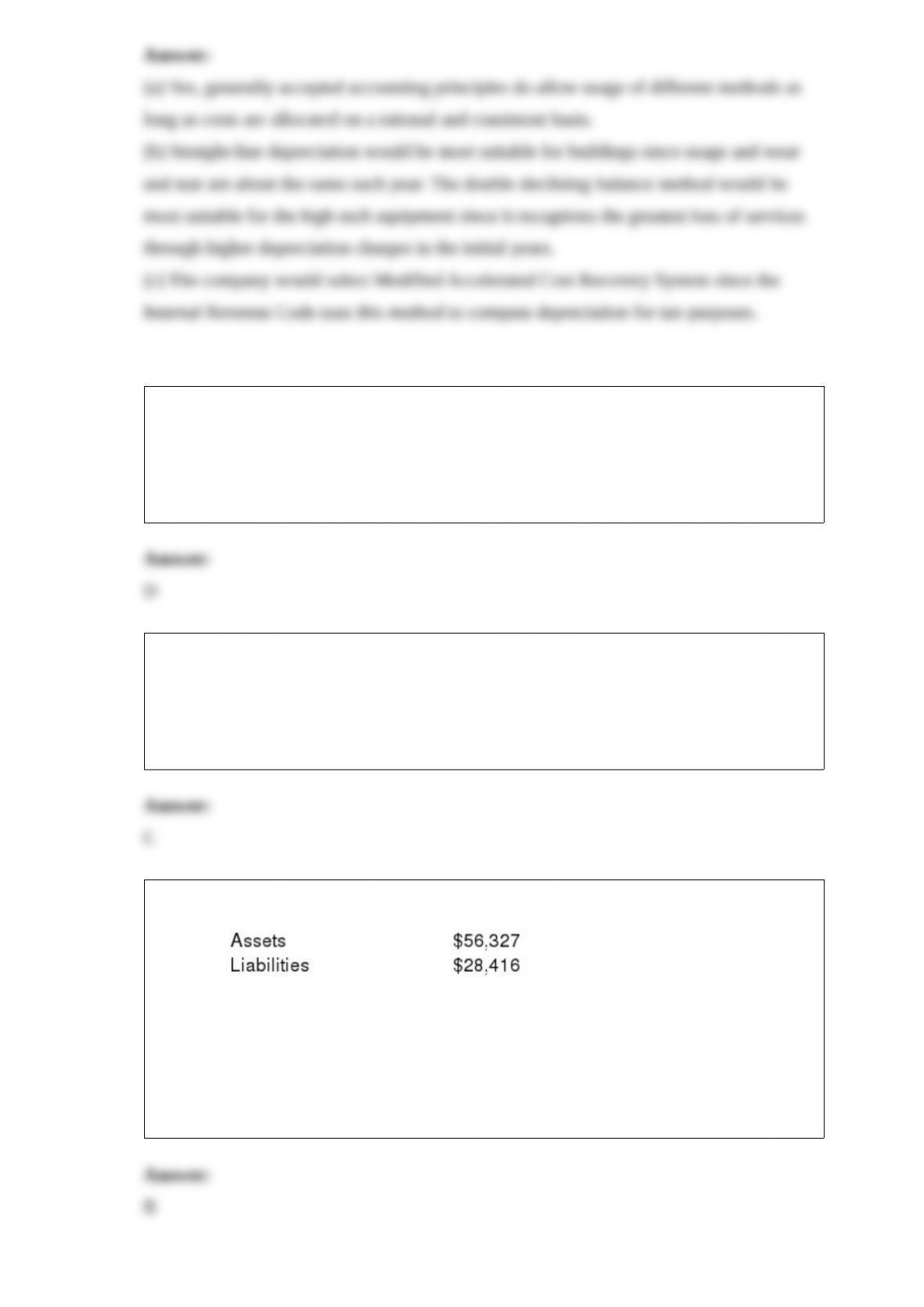
47) Hodges, Inc. had the following assets and liabilities as of September 30, 2013:
What is the stockholders equity of Hodges as of September 30, 2013?
A.$0
B.$27,911
C.$84,743
D.Cannot be determined with this information

48) Which of the following should not be considered cash by an accountant?
A.Money orders
B.Bank checking accounts
C.Postage stamps
D.Travelers’ checks