
Chapter 9
Facility Financing
Quiz Questions
Multiple Choice
1. Of the following bond types, which is issued by a public entity?
a. General obligation bonds
b. Auction-rate bonds
c. Lease revenue bonds
d. Revenue bonds
e. All of the above
2. Which of the following is a bond issued by a municipality in which the revenue stream
backing the payment of the bond is an actual lease, not just revenues from a source?
a. General obligation bonds
b. Auction-rate bonds
c. Lease revenue bonds
d. Revenue bonds
e. All of the above
3. Which type of bond is a form of public finance paid off solely from specific, well-defined
sources such as hotel taxes, ticket taxes, or other sources of public funding?
a. General obligation bonds
b. Auction-rate bonds
c. Lease revenue bonds
d. Revenue bonds
e. All of the above
4. Historically, which bond was the most common method used for facility financing?
a. General obligation bonds
b. Auction-rate bonds
c. Lease revenue bonds
d. Revenue bonds
e. All of the above
5. During which phase of facility construction were most sport facilities built with private
dollars?
a. Phase 1
b. Phase 2
c. Phase 3
d. Phase 4
e. None of the above
6. Which of the following is sold by either a government agency or a non-profit
corporation set up to build a facility?
a. Certificate of participation
b. Tax increment financing
c. Contractually obligated income
d. Asset backed securities
e. None of the above
7. During which phase of construction were stadiums built with a mix of public and private
dollars? The stadiums usually only housed one major tenant, not two.
a. Phase 1
b. Phase 2
c. Phase 3
d. Phase 4
e. None of the above
8. Here, a sport team may package together guaranteed or expected revenue streams and
sell bonds based on the assets.
a. Certificate of participation
b. Tax increment financing
c. Contractually obligated income
d. Asset backed securities
e. None of the above
9. During which phase of facility construction were sport facilities primarily financed using
general obligation bonds?
a. Phase 1
b. Phase 2
c. Phase 3
d. Phase 4
e. None of the above
10. When a team has signed multiyear contracts to receive money, these revenue sources
can be used as collateral to get loans. This is referred to as __________.
a. Certificate of participation
b. Tax increment financing
c. Contractually obligated income
d. Asset backed securities
e. None of the above
11. Which of the following is a source of governmental financing that, according to its
proponents, is not paid for by the public?
a. Certificate of participation
b. Tax increment financing
c. Contractually obligated income
d. Asset backed securities
e. None of the above
1. T or F The sale of naming rights has little to do with getting a new stadium
financed and completed.
2. T or F A recent trend has seen cities opt to leave the stadium management
business and either allow the team or a third party (e.g., AEG or SMG) to
manage the facility in exchange for a fee.
3. T or F When cities and other political entities invest in a new stadium, the team
using that stadium will receive most, if not all, of the additional revenue
generated within the stadium while paying for only part of its cost.
4. T or F Psychic impact is the emotional impact of having a local sports team.
5. T or F During Phase 2 of the construction of sport facilities, there was a
significant decrease in the amount the public was willing to pay for
construction costs.
6. T or F The geographic moniker chosen by a team (e.g., Chicago Cubs, Colorado
Rockies) affects the amount cities are willing to pay to publicly finance
their stadiums.
7. T or F Sin taxes are taxes on alcohol and cigarettes.
8. T or F Tourism tax revenues are the most common source of public financing
for sport facilities.
9. T or F An indirect source of public financing is infrastructure improvements.
10. T or F Asset-backed securities are a public source of stadium financing.
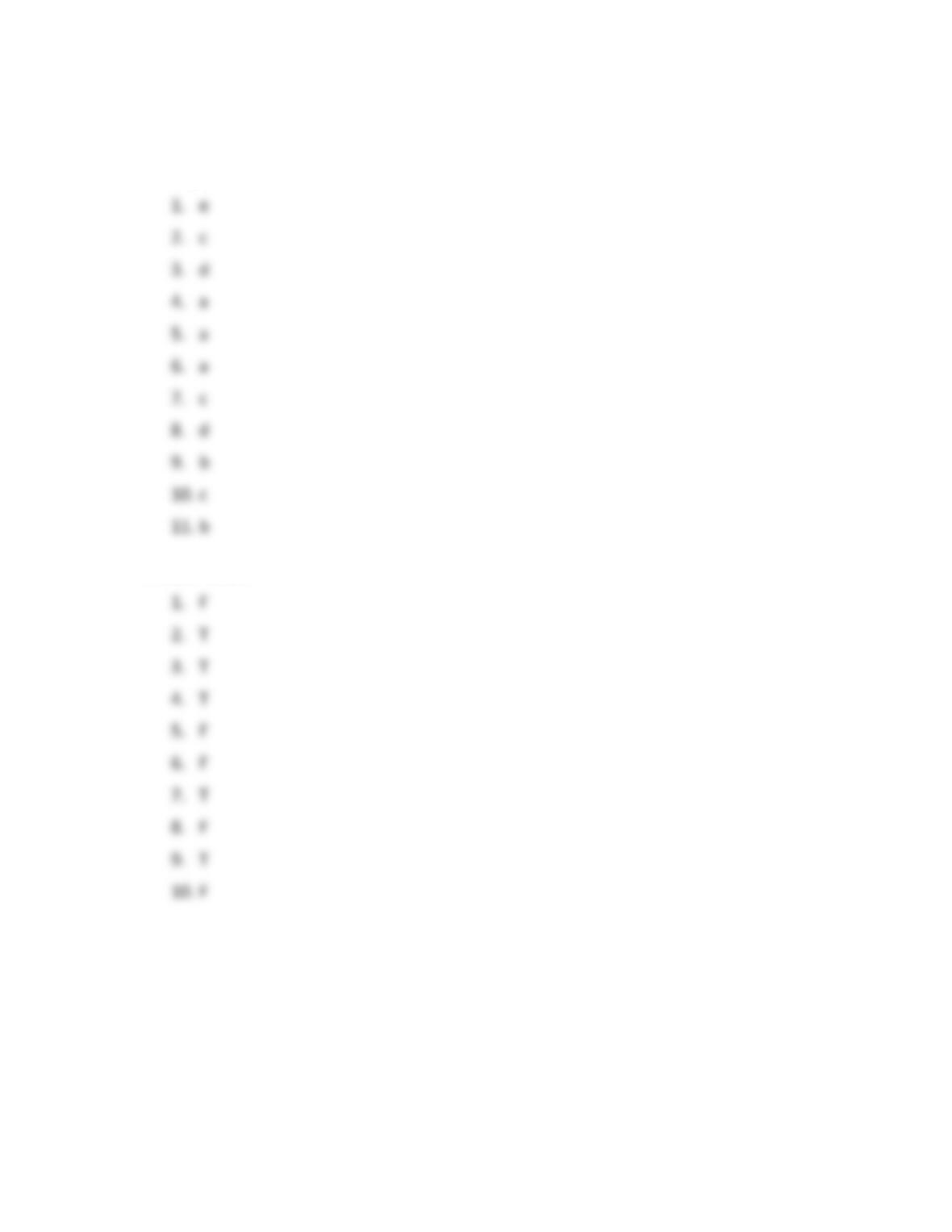
Answers to Quiz Questions
Multiple Choice
True/False