CHAPTER 6
Cost Allocation and Activity-Based Costing
Summary of Questions by Objectives and Bloom’s Taxonomy
Item
LO
BT
Item
LO
BT
Item
LO
BT
Item
LO
BT
Item
LO
BT
True-False Statements
1.
1
K
7.
1
K
13.
1
K
19.
2
K
25.
2
K
2.
1
K
8.
1
K
14.
1
K
20.
2
K
*26.
A1
K
3.
1
K
9.
1
K
15.
1
K
21.
2
K
*27.
A1
K
4.
1
K
10.
1
K
16.
1
K
22.
2
K
28.
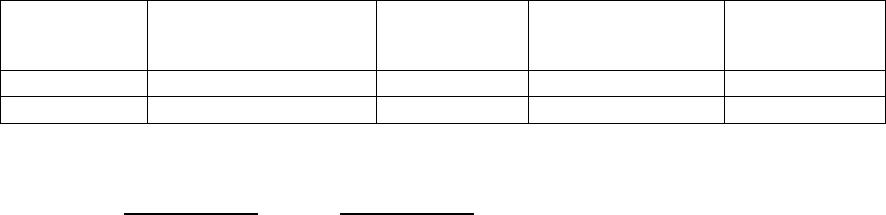
2
K
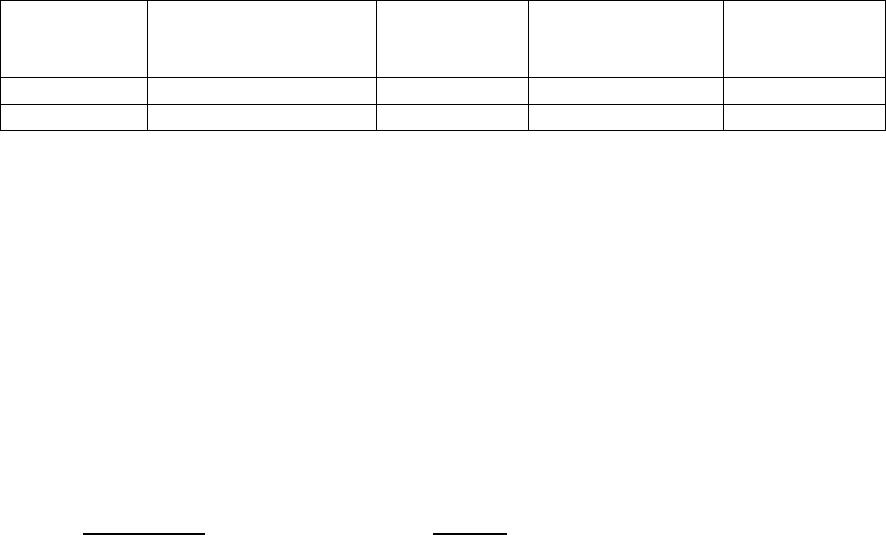
5.
1
K
11.
1
K
17.
2
K
23.
2
C
6.
1
K
12.
1
K
18.
2
K
24.
2
K
Multiple Choice Questions
29.
1
K
54.
1
C
79.
2
AP
104.
1
AP
129.
2
AP
30.
1
K
55.
1
K
80.
1
AP
105.
1
AP
130.
2
AP
31.
1
K
56.
2
K
81.
1
AP
106.
1
AP
131.
2
AP
32.
1
K
57.
2
K
82.
1
AP
107.
1
AN
132.
2
AP
33.
1
K
58.
2
K
83.
1
AP
108.
1
AP
133.
2
AP
38.
1
C
63.
1,2
C
88.
2
AP
113.
1
AP
138.
2
AP
39.
1
K
64.
1
C
89.
2
AP
114.
1
AP
139.
2
AP
40.
1
K
65.
2
K
90.
1
AP
115.
1
AP
140.
2
AP
41.
1
K
66.
2
C
91.
1
AP
116.
1
AP
141.
2
AP
42.
1
C
67.
2
K
92.
1
AP
117.
1
AP
142.
2
AP
43.
1
K
68.
2
K
93.
1
AP
118.
1
AP
143.
2
AP
44.
1
K
69.
2
K
94.
2
AP
119.
1
AP
144.
2
AP
45.
2
K
70.
2
K
95.
2
AP
120.
1
AN
145.
2
AP
46.
1
K
71.
2
K
96.
2
AP
121.
1
AN
146.
2
AP
47.
1
K
72.
2
C
97.
1
AP
122.
2
AP
147.
2
AP
48.
1
K
73.
2
C
98.
2
AP
123.
2
AP
148.
2
AP
49.
1
K
74.
2
C
99.
1
AP
124.
2
AP
149.
2
AP
50.
1
K
75.
2
K
100.
2
AP
125.
2
AP
150.
2
AP
51.
1
K
76.
K
101.
1
AP
126.
2
AP
151.
2
C
52.
1
K
77.
2
AP
102.
1
127.
2
AP
53.
1
K
78.
2
AP
103.
1
AP
128.
2
AP
Matching
152.
1,2
K
Exercises
153.
1
AP
157.
2
AP
161.
1
AP
165.
1
AP
169.
1,2
AP
154.
1
C
158.
2
AP
162.
1
AP
166.
2
AP
170.
2
AN
155.
2
AP
159.
1
AP
163.
1
AP
167.
2
AP
156.
2
AP
160.
1
AP
164.
1
AP
168.
2
C
34.
1
59.
2
K
84.
1
AP
109.
1
AP
134.
2
AP
35.
1
K
60.
2
K
85.
1
AP
110.
1
AP
135.
2
AN
36.
1
K
61.
2
K
86.
1
AP
111.
1
AP
136.
2
AP
37.
1
62.
1
C
87.
1
AP
112.
1
AP
137.
2
AP

Test Bank to accompany Jiambalvo Managerial Accounting, 6th Edition
6-2
Challenge Exercises
171.
1,2
AN
172.
2
AP
173.
1
AN
Short-Answer Essays
174.
1
K
176.
1
K
178.
1
C
180.
2
C
*182.
A1
K
TRUE-FALSE STATEMENTS
1. Indirect costs occur because resources are shared by more than one cost objective.
2. Cost allocation is the process of assigning direct and indirect costs to products.
3. Cost allocation methods that provide the most accurate full cost information for financial
reporting, also provide the most accurate information for cost-plus contracts.
4. One of the reasons that companies allocate costs is to allow for the frivolous use of
common resources.
5. One of the reasons that companies allocate costs is to encourage managers to use
externally provided services, rather than those that are internally provided.
6. From a decision-making standpoint, the allocated cost should measure the opportunity
cost of using a company resource.
7. Once the opportunity cost associated with a shared resource is determined, it is unlikely
to change.
8. In order to provide full cost information for external reporting purposes, indirect
production costs must be allocated to goods produced.
9. Cost-plus contracts guarantee that the supplier will pay for production costs and the
customer will pay a fixed amount or percentage of the cost.
10. The more costs that are allocated to a cost-plus contract, the smaller the profit will be for
the supplier of the contract.
11. A cost objective is the product, service, or department that will receive the allocated cost.
12. Large cost pools that contain many different kinds of costs are most useful to managers
in making decisions.
13. The allocation base selected should ideally have a relative benefits relationship with the
costs to be allocated.
14. In the direct method of allocating costs, service department costs are allocated only to
production departments, not to other service departments.
15. When service department costs are allocated using actual costs and actual usage, the
amount allocated to one department will depend on the usage of other departments.

Chapter 6 Cost Allocation and Activity-Based Costing
6-3
16. Allocating actual service department costs allows the service departments to pass on the
costs of inefficiencies to the production departments.
17. Managers should not be held responsible for noncontrollable costs.
18. Allocating unitized fixed and variable costs leads to better decision making than
allocating total costs.
19. Allocating fixed costs on a per unit basis will often cause the managers receiving the
allocations to perceive the costs as variable.
20. ABC is more likely than traditional costing systems to undercost complex, low-volume
products.
21. ABC allocates cost pools to cost objectives using cost drivers as the allocation base.
22. Under the ABC approach, costs are assigned to cost drivers based on a chosen cost
objective.
23. An example of a unit-level activity is the design of a particular product.
24. Activity-based management aims at improving the efficiency and effectiveness of
business processes.
25. Activity-based costing uses benchmarking to compare the cost of an activity in one
organization to the cost for a similar activity in another organization.
*26. Before resources used by the major activities of a business can be identified, managers
using activity-based management must identify ways to improve the effectiveness of the
activities.
*27. The process of determining major activities occurs before the resources used by each
activity are identified in performing an activity-based management study.
28. A batch-level activity is an activity that supports all other activities.
Test Bank to accompany Jiambalvo Managerial Accounting, 6th Edition
6-4
MULTIPLE CHOICE
29. Indirect costs occur when
A. resources are shared by more than one product or service.
B. costs are directly traced to products or services.
C. controllable costs are incurred by cost objectives.
D. All of these answer choices are correct.
30. The process of assigning indirect costs is called
A. benchmarking.
B. tracing.
C. cost allocation.
D. cost unitizing.
31. Which of the following is not a reason that companies allocate costs?
A. To calculate the full cost of products for financial reporting purposes
B. To discourage managers from using external suppliers
C. To reduce the frivolous use of company resources
D. To provide information needed by managers to make appropriate decisions
32. Costs may not be allocated to
A. cost drivers.
B. services.
C. departments.
D. cost objectives.
33. From a decision-making standpoint, the allocated cost should measure the
A. sunk cost of the resource involved.
B. variable costs of the materials purchased.
C. opportunity cost of using a company resource.
D. product cost of the goods produced.
34. If managers are not charged for centrally administered services, what may managers
likely do?
A. Seek outside suppliers
B. Limit their frivolous use of these services
C. Consider the services as free
D. Evaluate and consider lower-cost alternatives for the services
35. Full cost information
A. is required by GAAP for internal reporting purposes.
B. requires the allocation of indirect costs.
C. provides managers with cost information on uncontrollable costs.
D. treats all costs as fixed costs.
36. A contract that specifies that the supplier will be paid for the cost of production as well as
some fixed amount or percentage of cost is called a(n)
A. relative-benefits contract.
B. cost-plus contract.
C. allocation cost pool.
D. indirect cost budget.
Chapter 6 Cost Allocation and Activity-Based Costing
6-5
37. In which of the following industries are cost-plus contracts common?
A. Hybrid car manufacturers
B. Soft drink bottlers
C. Governmental defense suppliers
D. Newspaper publishers
38. A major problem with cost-plus contracts is that they
A. include costs that do not follow GAAP.
B. cause the supplier to take significant financial risks.
C. require the supplier to use variable costing.
D. create an incentive to allocate as much cost as possible to the goods produced
under the contract.
39. Which of the following is not a step in the cost allocation process?
A. Calculate the cost involved in each step of the production process.
B. Select an allocation base to relate the cost pools to the cost objectives.
C. Form cost pools.
D. Identify the cost objectives.
40. A cost objective is the
A. reason for allocating the cost.
B. basis on which costs are allocated.
C. product, service, or department that is to receive the allocation.
D. relative benefit received from using a resource.
41. What is the product, service, or department that is to receive the cost allocation called?
A. Cost-plus recipient
B. Cost objective
C. Cost driver
D. Cost pool
42. Which of the following is least likely to be a cost objective?
A. Salaries such as those in the accounting and personnel departments
B. Individual products such as spades and mowers
C. Product lines such as loans and estate plans
D. Departments such as assembly and finishing
43. Which of the following is a grouping of individual costs whose total is allocated using one
allocation base?
A. Cost objective
B. Cost pool
C. Direct cost
D. Cost driver
44. A cost pool is
A. not necessary in cost-plus contracts.
B. useful when separating mixed costs into their fixed and variable components.
C. allocated using a single allocation base.
D. a method of allocating costs among service departments.
Test Bank to accompany Jiambalvo Managerial Accounting, 6th Edition
6-6
45. Which of the following is a measure of activity used to distribute indirect costs?
A. Cost objective
B. Cost pool
C. Cost driver
D. Cost unitization
46. Which of the following is the overriding concern in forming a cost pool?
A. To ensure that there are no variable costs in the cost pool
B. To ensure that the total amount in the cost pool is less than the direct costs for
the product
C. To ensure that only costs which have been budgeted are included in the cost
pool
D. To ensure the costs in the pool are homogeneous or similar
47. Which of the following statements about cost pools is true?
A. The costs in each of the cost pools should be homogeneous or similar.
B. The number of cost pools must be the same as the number of products produced
by a company.
C. Only four different kinds of costs may be included in a single cost pool.
D. Each cost pool should include the costs of one expense account.
48. An allocation base
A. is the minimum amount to be allocated to a cost objective.
B. is also called a cost pool.
C. represents the items to which a cost will be allocated.
D. relates the cost pool to the cost objectives.
49. An allocation base
A. is also called a cost objective.
B. is a characteristic that is the same for all cost drivers.
C. ideally uses a cause–and-effect relationship to the cost pool.
D. All of these answer choices are correct.
50. Which of the following is not a criterion typically used to allocate indirect fixed costs?
A. Ability to bear costs
B. Equity
C. Feasible outcomes
D. Relative benefits
51. Which of the following is not a service department in a typical manufacturing firm?
A. Security
B. Fabrication
C. Maintenance
D. Personnel
52. Which of the following is a method of allocation used to assign service department costs
to production departments, but not to other service departments?
A. Equity method
B. Direct method
C. Lump-sum method
D. Traditional method
Chapter 6 Cost Allocation and Activity-Based Costing
6-7
53. Service department costs are allocated to producing departments
A. so that the costs can be allocated to the products in the producing departments.
B. so that less cost is allocated to service departments.
C. so that the service will not be purchased externally.
D. All of these answer choices are correct.
54. Which of the following allocations would not occur when the direct method is used in a
manufacturing company?
A. Personnel department costs are allocated to the maintenance department.
B. Maintenance department costs are allocated to the mixing department.
C. Security department costs are allocated to the packaging department.
D. Payroll department costs are allocated to the assembly department.
55. The advantage of allocating budgeted rather than actual service department costs is that
A. managers are not motivated to evaluate the charges.
B. only one cost pool is necessary.
C. service departments cannot pass on the costs of inefficiencies and waste.
D. this practice is acceptable under GAAP.
56. What costs are affected by the manager’s decisions for which the manager should be
held accountable?
A. Indirect costs
B. Controllable costs
C. Sunk costs
D. Pooled costs
57. Managers are correct when they perceive that almost all cost allocations are
A. insignificant.
B. arbitrary.
C. designed to make them look bad.
D. unnecessary.
58. When fixed costs are unitized, they
A. are stated on a per unit basis.
B. may appear to remain the same in total at all levels of activity.
C. may cause managers to use volume-related allocation.
D. All of these answer choices are correct.
59. An allocation of a predetermined amount that is not affected by changes in the activity
level of the organizational unit receiving the allocation is called a(n)
A. allocation base.
B. unitized cost.
C. lump-sum allocation.
D. cost driver.
60. Lump-sum allocations
A. generally changes year after year.
B. do not change when the activity levels of any of the user departments change.
C. are impacted by the usage of the allocated resource by other departments.
D. make fixed costs appear variable.
Test Bank to accompany Jiambalvo Managerial Accounting, 6th Edition
6-8
61. Which of the following statements is true concerning lump-sum allocations of service
department costs?
A They make fixed costs appear to be variable to the manager receiving the
allocation.
B. They are not affected by the activity level in the department receiving the
allocation.
C. They make fixed costs appear to be variable to the manager receiving the
allocation and are not affected by the activity level in the department receiving
the allocation.
D. They do not make fixed costs appear to be variable to the manager receiving the
allocation and are affected by the activity level in the department receiving the
allocation
62. Which of the following is not a problem caused by assigning actual service department
costs to operating departments based on actual usage of service department activities
by the operating departments?
A. The cost assigned to one manager will be affected by the service usage of
another manager.
B. Inefficiencies in the service department will be passed along to the operating
departments.
C. Operating managers having high peak capacity requirements will not have to
bear the full cost of meeting this peak capacity.
D. All of these answer choices are problems caused by assigning actual service
costs to operating departments.
63. The Copy Department of Hernandez Hardware is budgeted to incur $30,000 per month
in fixed costs plus a cost of $0.02 per copy. The company allocates copy costs to user
departments as follows:
• Fixed costs are allocated as a lump sum based on budgeted fixed costs and
estimated peak demand for each department.
• Variable costs are allocated based on the budgeted rate per copy times the
department’s actual usage.
Which of the following is an advantage of this allocation scheme over allocating all actual
service costs based on actual usage?
A. Departments that use copy services are charged for cost overruns in the copy
department.
B. The amount charged to a particular user department is affected by the number of
copies used by another department.
C. Managers in departments that use services pay for the fixed costs that fluctuate
based on their changing needs.
D. Managers are charged for the activities they use.
64. From the perspective of a manager of a producing department, which of the following is
a desired feature of a cost allocation received from a service department?
A. The amount of the allocation should be based solely on the usage of the service
by the producing department and not a function of the usage of the service by
other departments.
B. The budgeted cost should be allocated rather than actual service department
costs.
C. The allocation should force the production manager to pay for fluctuating
demands that the production manager is creating.
D. All of these answer choices are correct.
Chapter 6 Cost Allocation and Activity-Based Costing
6-9
65. Companies that use only one or two cost pools rather than several cost pools
A. incurs more cost of record keeping.
B. will experience more profit than if more pools are used.
C. may price products incorrectly due to inaccurate cost allocation.
D. are likely to be using ABC.
66. When activity-based costing is implemented, the initial outcome is that
A. the unit cost of all products will be higher.
B. the unit cost of all products will be lower.
C. the unit cost of low-volume products will be higher and the unit cost of high-
volume products will be lower.
D. the unit cost of low-volume products will be lower and the unit cost of high-
volume products will be higher.
67. Which of the following is likely to occur when fewer overhead cost pools are used?
A. Product costs will be less accurate.
B. Recordkeeping will be more expensive.
C. Decisions such as product pricing will be improved.
D. All products will be undercosted.
68. The traditional approach to cost allocation
A. tends to over-cost high volume core products.
B. usually requires more cost pools than ABC.
C. attempts to identify the activities that cause costs.
D. produces more accurate costs than other allocation methods.
69. Which of the following steps is not involved in the ABC approach?
A. Identify activities that cause costs to be incurred.
B. Allocate costs to products based on activity usage.
C. Group costs of activities into cost pools.
D. Improve processes based on benchmarking.
70. How many distinct activities are used by most companies that design ABC systems?
A. Fewer than 3
B. 3 to 10
C. 11 to 24
D. 25 to 100
71. Happy Foods uses ABC costing. Which of the following is most likely to be a cost driver
for the cost of cashiering at a convenience store?
A. Cost of items purchased
B. Direct labor cost
C. Number of customers processed
D. Number of employees handling the job
72. Which of the following is generally true when a company compares activity-based
costing (ABC) and traditional volume-based costing?
A. ABC uses fewer cost drivers in an effort to reduce total costs.
B. ABC allocates costs based primarily on production volume.
C. ABC is less expensive.
D. ABC is less likely to undercost complex, low-volume products.
Test Bank to accompany Jiambalvo Managerial Accounting, 6th Edition
6-10
73. Which of the following is not an advantage of activity-based costing over traditional
volume-based costing systems?
A. ABC may lead to cost control improvement as managers are charged for using
activities.
B. ABC is less likely than a traditional system to undercost complex, low-volume
products.
C. ABC is less costly to implement than traditional systems.
D. ABC allows managers to get an understanding of the cost of their respective
department’s activities.
74. What is the major difference between ABC and ABM?
A. ABC is used in managerial accounting, while ABM is used in financial
accounting.
B. ABC focuses on measurement, while ABM focuses on control.
C. The goal of ABC is to accurately control costs, while the goal of ABM is to
allocate costs most effectively to cost objectives.
D. There is no difference; ABC and ABM are two names for the same thing.
75. Activity-based management
A. is the management of activities that cause costs.
B. requires cost pools to be formed consisting of costs that are homogenous in
nature.
C. allocates costs in a cause and effect manner to cost objectives.
D. is a method of allocating direct costs to cost objectives.
*76. Which one of the following lists the major steps in activity-based management in the
correct order?
A. Determine major activities, form cost pools, evaluate the performance of the
activities, and identify ways to improve the activities
B. Determine major activities, identify resources used by each activity, evaluate the
performance of the activities, and identify ways to improve the activities
C. Determine major activities, identify ways to improve the activities, evaluate the
performance of the activities, and identify resources used by each activity
D. Determine major activities, evaluate the performance of activities, form cost
pools, and identify ways to improve the activities
77. Teal Sports offers 2 different types of water sport activities—sailfish rental and banana
boat rides. The company has two different activities—lifeguarding and maintenance—
that provide input into its cost objectives. Data on estimated overhead for the year
follows:
Activity
Driver
Estimated
Overhead
Cost
Sailfish Rental
Estimate
Boat Rides
Estimate
Lifeguarding
# of Labor hours
$63,940
3,280 hours
2,280 hours
Maintenance
Hours of riding time
$88,000
1,500 hours
2,500 hours
What overhead rates will be used in each department to assign costs to the banana boat
rides?
Lifeguarding Maintenance
A. $28.04 $22.00
B. $11.50 $22.00
C. $28.04 $35.20
D. $11.50 $35.20
Chapter 6 Cost Allocation and Activity-Based Costing
6-11
78. Terrel Gifts produces logo platters and cups bearing the name of the city in which the
items will be sold to tourists. Indirect logo printing costs are allocated to platters and
cups based on the amount of time spent on the logo machine. The company has
budgeted indirect logo costs of $4,224 per month and expects to spend 4,800 hours on
printing logos each month. Each platter uses 24 minutes and each cup spends 6
minutes on the logo machine. How much of the logo printing costs will be allocated to
each platter?
A. $0.35
B. $0.88
C. $21.12
D. $8.12
79. Teal Sports offers 2 different types of water sport activities—sailfish rental and banana
boat rides. The company has two different activities—lifeguarding and maintenance—
that provide input into its cost objectives. Data on estimated overhead for the year
follows:
Activity
Driver
Estimated
Overhead
Cost
Sailfish Rental
Estimate
Boat Rides
Estimate
Lifeguarding
# of Labor hours
$63,940
3,280 hours
2,280 hours
Maintenance
Hours of riding time
$88,000
1,500 hours
2,500 hours
The company provides 2,400 banana boat rides and 1,200 sailfish rentals each year.
How much overhead will be assigned to each banana boat ride?
A. $42.20
B $73.24
C $22.56
D. $33.84
80. The law firm of Barnes & Cohen purchased a new $17,600 copier. Copying costs will be
shared by the purchasing, accounting, and information technology departments since
those are the only departments that will have access to the machine. The company has
decided to allocate the copying cost based on the number of copies made by each
department. The sales person who sold the copier to the attorneys expects it will
generate 1,000,000 copies. The manager of each department has estimated the number
of copies that his or her department will make over the life of the copier:
Department Copies
Purchasing 150,000
Accounting 450,000
Information Technology 200,000
How much overhead will be allocated each time a copy is made by the accounting
department?
A. 2.2 cents
B. 3.9 cents
C. 1.76 cents
D. None of these answer choices are correct.

Test Bank to accompany Jiambalvo Managerial Accounting, 6th Edition
6-12
81. Marley Music produces toy instruments—trumpet and flute— for children. Molding costs
are allocated to products based on a percentage of material costs. Molding costs of
$15,000 per month are budgeted and the store anticipates spending $30,000 in
materials. By the end of the month, it was determined that actual molding costs were
$14,500. If the company spends $6.50 per trumpet for materials, and $3.50 per flute for
materials, how much of the molding costs will be allocated to each trumpet?
A. $0.50
B. $0.48
C. $3.14
D. $3.25
82. The law firm of Barnes & Cohen purchased a new $17,600 copier. Copying costs will be
shared by the purchasing, accounting, and information technology departments since
those are the only departments that will have access to the machine. The company has
decided to allocate the copying cost based on the number of copies made by each
department. The sales person who sold the copier to the attorneys expects it will
generate 1,000,000 copies. The manager of each department has estimated the number
of copies that his or her department will make over the life of the copier:
Department Copies
Purchasing 150,000
Accounting 450,000
Information Technology 200,000
If the purchasing department makes 23,000 copies this quarter, how much copying cost
will Barnes & Cohen allocate to purchasing?
A. $405
B. $2,699
C. $506
D. None of these answer choices are correct.
83. Ransom Widgets allocates the estimated cost of its accounting department, $200,000, to
its production and sales departments since the accounting department supports these
departments with regard to payroll and accounts payable functions. The accounting
department costs will be allocated based on the number of employees using the direct
method. Information regarding employees follows:
Department Employees
Accounting 4
Production 36
Sales 12
How much of the accounting department costs will be allocated to the production and
sales departments, respectively?
Production Sales
A. $150,000 $50,000
B. $180,000 $60,000
C. $1,800,000 $600,000
D. $22,222 $66,667

Chapter 6 Cost Allocation and Activity-Based Costing
6-13
84. Intermodal Moving uses the direct method and allocates its maintenance costs on the
basis of repair hours and its payroll department costs on the basis of employees.
Estimated costs and information on the services and production departments follows:
Payroll $36,000
Maintenance $48,000
Packing 30 employees, 280 repair hours
Driving 10 employees, 1,960 repair hours
How much of the payroll and maintenance costs will be allocated to the packing
department?
Payroll Maintenance
A. $900 $171.43
B. $27,000 $6,000
C. $27,000 $21.43
D. $1,200 $6,000
85. Freely Service provides residential and commercial monthly swimming pool cleaning
services. Information on this service is as follows:
Service revenue $140,000
Direct materials 18,000
Direct labor 44,000
Estimated travel costs for the month total $2,340 and are allocated to each client based
on miles driven to each pool cleaning. The company estimates it will clean 50 residential
pools and 80 commercial pools per month with 1,200 total miles used for commercial
pools and 2,400 total miles used for residential pools. Because commercial pools are
much larger, they take 3 hours to clean, while residential pools take a half hour each.
During the month, the actual mileage totaled 2,600 miles. How much is the rate at which
travel costs will be allocated to residential pools?
A. $0.65
B. $0.975
C. $18.00
D. $8.83
86. The building maintenance department for Advantage Toys budgets annual costs of
$4,200,000 based on the expected operating level for the coming year. The costs are
allocated to two production departments. The following data relate to the potential
allocation bases:
Production Dept. A Production Dept. B
Square footage 15,000 45,000
Direct labor hours 25,000 50,000
If Advantage assigns costs to departments based on square footage, how much
maintenance cost will be allocated to Production Department A?
A. $1,400,000
B. $1,050,000
C. $1,575,000
D. $2,100,000

Test Bank to accompany Jiambalvo Managerial Accounting, 6th Edition
6-14
87. The building maintenance department for Advantage Toys budgets annual costs of
$4,200,000 based on the expected operating level for the coming year. The costs are
allocated to two production departments. The following data relate to the potential
allocation bases:
Production Dept. A Production Dept. B
Square footage 15,000 45,000
Direct labor hours 25,000 50,000
If Advantage assigns costs to departments based on direct labor hours, how much
maintenance cost will be allocated to Production Department B?
A. $1,400,000
B. $1,050,000
C. $2,800,000
D. $2,100,000
88. Sweet Cocoa produces chocolate syrup used by candy companies. Recently, the
company has had excess capacity due to a foreign supplier entering its market. Sweet
Cocoa is currently bidding on a potential order from Kilwin’s Candy for 5,000 cases of
syrup. The estimated cost of each case is $27.50, as follows: direct material, $10; direct
labor, $5; and manufacturing overhead, $12.50. The overhead rate of $2.50 per direct
labor dollar is based on estimated annual overhead of $1,500,000 and estimated direct
labor cost of $600,000, composed 40% of variable costs and 60% of fixed costs. The
largest fixed cost relates to depreciation of plant and equipment. How much is the
variable cost of producing a case of chocolate syrup?
A. $16.00
B. $27.50
C. $11.00
D. $20.00
89. Sweet Cocoa produces chocolate syrup used by candy companies. Recently, the
company has had excess capacity due to a foreign supplier entering its market. Sweet
Cocoa is currently bidding on a potential order from Kilwin’s Candy for 5,000 cases of
syrup. The estimated cost of each case is $27.50, as follows: direct material, $10; direct
labor, $5; and manufacturing overhead, $12.50. The overhead rate of $2.50 per direct
labor dollar is based on estimated annual overhead of $1,500,000 and estimated direct
labor cost of $600,000, composed 40% of variable costs and 60% of fixed costs. The
largest fixed cost relates to depreciation of plant and equipment. Should Sweet Cocoa
bid on the Kilwin’s Candy business at $21 per case?
A. No, because the incremental loss will be $6.50 per case
B. Yes, because the incremental profit will be $1.00 per case
C. No, because there are too many qualitative considerations
D. Yes, because the incremental profit will be $10 per case
90. Maintenance costs at Sturgeon Company are allocated to the production departments
based on area occupied. Maintenance costs of $300,000 are budgeted to maintain a
60,000 square foot production area. If the finishing department occupies 25,000 square
feet, how much of the maintenance department costs will be allocated to the finishing
department?
A. $125,000
B. $175,000
C. $100,000
D. $5,000
Chapter 6 Cost Allocation and Activity-Based Costing
6-15
91. Dewey, Cheatham, and How, Attorneys-at-Law, specialize in three areas: criminal, civil,
and family law. When specifications for a new IT system were established, the partners
agreed to allocate fixed costs based on gigabytes needed by each department. The
criminal law division needed 40% of the capacity, civil law needed 35%, and family law
needed 25%. Variable costs for the IT department are allocated on the amount of
bandwidth used by each division used. The IT department’s budgeted monthly fixed
costs are $640,000, and the budgeted monthly variable costs are $160,000. The firm
estimates that 8,000,000 gigabytes of computer time will be used in June. The criminal
law division actually used 3,040,000 gigabytes of bandwidth during June. How much
fixed IT costs will be allocated to the criminal law division during June?
A. $256,000
B. $240,000
C. $512,000
D. None of these answer choices are correct.
92. Dewey, Cheatham, and How, Attorneys-at-Law, specialize in three areas: criminal, civil,
and family law. When specifications for a new IT system were established, the partners
agreed to allocate fixed costs based on gigabytes needed by each department. The
criminal law division needed 40% of the capacity, civil law needed 35%, and family law
needed 25%. Variable costs for the IT department are allocated on the amount of
bandwidth used by each division used. The IT department’s budgeted monthly fixed
costs are $640,000, and the budgeted monthly variable costs are $160,000. The firm
estimates that 8,000,000 gigabytes of computer time will be used in June. During June,
the family law division used 1,900,000 gigabytes of bandwidth. How much are total
variable IT costs to be allocated to the family law division during June? Compute cost
allocation rates to 3 significant digits.
A. $160,000
B. $60,000
C. $40,000
D. $38,000
93. Dewey, Cheatham, and How, Attorneys-at-Law, specialize in three areas: criminal, civil,
and family law. When specifications for a new IT system were established, the partners
agreed to allocate fixed costs based on gigabytes needed by each department. The
criminal law division needed 40% of the capacity, civil law needed 35%, and family law
needed 25%. Variable costs for the IT department are allocated on the amount of
bandwidth used by each division used. The IT department’s budgeted monthly fixed
costs are $640,000, and the budgeted monthly variable costs are $160,000. The firm
estimates that 8,000,000 gigabytes of computer time will be used in June. The criminal
law division actually used 3,040,000 gigabytes of bandwidth during June. The family law
division used 2,100,000 and the civil law division used 3,100,000 gigabytes of bandwidth
during June. What amount of the IT fixed costs will be allocated to the civil law division
during June? (Compute cost allocation rates to 3 significant digits.)
A. $224,000
B. $248,000
C. $241,984
D. None of these answer choices are correct.

Test Bank to accompany Jiambalvo Managerial Accounting, 6th Edition
6-16
94. Dragon Fire Hot Sauce makes two types of hot sauces—meek and mild. Budgeted
information for the two flavors appears below:
Meek Mild
Sales $600,000 $400,000
Direct materials $100,000 $120,000
Direct labor cost $108,000 $180,000
Labor hourly cost $12.00 $12.00
The company estimates it will incur $345,600 in overhead costs for the period. Dragon
Fire allocates overhead cost to products based on the labor hours worked on each
product. What is the overhead application rate to be used when allocating to Meek?
A. $14.40
B. $1.20
C. $3.20
D. None of these answer choices are correct.
95. Manufacturing overhead is allocated to products based on the number of machine hours
required. In a year when 40,000 machine hours and 60,000 direct labor hours were
anticipated, indirect costs were budgeted at $252,000. If production of wagons requires
9,000 machine hours and 10,800 direct labor hours, how much manufacturing overhead
will be allocated to wagons?
A. $45,360
B. $56,700
C. $2,268
D. $28
96. Dragon Fire Hot Sauce makes two types of hot sauces—meek and mild. Budgeted
information for the two flavors appears below:
Meek Mild
Sales $600,000 $400,000
Direct materials $100,000 $120,000
Direct labor cost $108,000 $180,000
Labor hourly cost $12.00 $12.00
The company estimates it will incur $345,600 in overhead costs for the period. Dragon
Fire allocates overhead cost to products based on the labor hours worked on each
product. How much is the total overhead applied to Meek?
A. $130,500
B. $129,600
C. $1,566
D. $348,000
97. The production departments at Windsor Parke occupy a total area of 50,000 square feet.
Heating costs total $600,000 and are allocated based on the area that each department
occupies. The finishing department occupies 30,000 square feet and the packaging
department occupies 20,000 square feet. What amount of heating cost will be allocated
to the finishing and packaging departments, respectively?
A. $360,000 and $240,000
B. $300,000 and $300,000
C. $36,000 and $24,000
D. $32,727 and $21,818

Chapter 6 Cost Allocation and Activity-Based Costing
6-17
98. Dragon Fire Hot Sauce makes two types of hot sauces—meek and mild. Budgeted
information for the two flavors appears below:
Meek Mild
Sales $600,000 $400,000
Direct materials $100,000 $120,000
Direct labor cost $108,000 $180,000
Labor hourly cost $12.00 $12.00
The company estimates it will incur $345,600 in overhead costs for the period. Dragon
Fire allocates overhead cost to products based on the labor cost incurred. How much
overhead is assigned to Mild?
A. $216,000
B. $28,800
C. $56,250
D. None of these answer choices are correct.
99. Maintenance cost is allocated to Wakshaw’s three producing departments based on the
machine hours used in each department. The maintenance cost expected for June is
$200,000. The three departments had the following usage for June:
Department Machine hours used Direct labor hours used
Assembly 600 2,000
Fabrication 600 5,000
Testing 800 3,000
How much maintenance cost should be allocated to the fabrication department for June?
A. $60,000
B. $100,000
C. $66,667
D. $6,000
100. Excellence Pastries produces baked goods. Utility costs are allocated to the products
based on the baking time required for the product. Utility costs of $291,500 are budgeted
in a period when 550,000 total minutes of baking time and 100,000 minutes of cooling
time are anticipated. If a batch of rolls bakes for 45 minutes, and then cools for 15
minutes, what amount of utility cost will be allocated to each batch of rolls?
A. $38.87
B. $23.85
C. $20.18
D. $31.80
101. ZanaTech has an on-site cafeteria in which it provides free meals for employees. The
company allocates the cost of the cafeteria to production departments using the direct
method based on the number of employees in each department. The four production
departments in the company have the following number of employees: molding, 15;
polishing, 20; engraving, 10; and packaging, 15. There are 20 employees in the
cafeteria. The cafeteria’s costs are budgeted at $144,000 for the year. When the
cafeteria’s costs are allocated, what is the amount per employee that will be allocated to
the packaging department each year?
A. $2,400
B. $9,600
C. $1,800
D. None of these answer choices are correct.

Test Bank to accompany Jiambalvo Managerial Accounting, 6th Edition
6-18
102. ZanaTech has an on-site cafeteria in which it provides free meals for employees. The
company allocates the cost of the cafeteria to production departments using the direct
method based on the number of employees in each department. The four production
departments in the company have the following number of employees: molding, 15;
polishing, 20; engraving, 10; and packaging, 15. There are 20 employees in the
cafeteria. The cafeteria’s costs are budgeted at $144,000 for the year. What amount of
the cafeteria’s cost will be allocated to the molding department?
A. $27,000
B. $9,600
C. $2,400
D. $36,000
103. ZanaTech has an on-site cafeteria in which it provides free meals for employees. The
company allocates the cost of the cafeteria to production departments using the direct
method based on the number of employees in each department. The four production
departments in the company have the following number of employees: molding, 15;
polishing, 20; engraving, 10; and packaging, 15. There are 20 employees in the
cafeteria. The cafeteria’s costs are budgeted at $144,000 for the year. What amount of
cafeteria cost will be allocated to the engraving department? Use 4 significant digits for
calculations.
A. $2,400
B. $24,000
C. $18,000
D. $14,400
104. ZanaTech has an on-site cafeteria in which it provides free meals for employees. The
company allocates the cost of the cafeteria to production departments using the direct
method based on the number of employees in each department. The four production
departments in the company have the following number of employees: molding, 15;
polishing, 20; engraving, 10; and packaging, 15. There are 20 employees in the
cafeteria. The cafeteria’s costs are budgeted at $144,000 for the year. The actual
cafeteria costs totaled $147,000 for the year. What is the total amount of the cafeteria’s
costs that will be allocated to the production departments?
A. $108,000
B. $144,000
C. $147,000
D. None of these answer choices are correct.
105. Ransall Auto Parts has two service departments—maintenance and personnel, and
three production departments—fabrication, assembly, and packaging. Service costs are
allocated to producing departments using the direct method. Information on overhead in
each department and possible allocation bases appear below:
Maintenance Personnel Fabrication Assembly Packaging
Cost $90,000 $130,000
Machine hours 12,000 30,000 18,000
Employees 4 16 24 30 26
Using the most logical activity base, how much maintenance cost will be allocated to
packaging?
A. $3,600
B. $27,000
C. $33,750
D. $30,000

Chapter 6 Cost Allocation and Activity-Based Costing
6-19
106. Ransall Auto Parts has two service departments—maintenance and personnel, and
three production departments—fabrication, assembly, and packaging. Service costs are
allocated to producing departments using the direct method. Information on overhead in
each department and possible allocation bases appear below:
Maintenance Personnel Fabrication Assembly Packaging
Cost $90,000 $130,000
Machine hours 12,000 30,000 18,000
Employees 4 16 24 30 26
Using the most logical activity base, how much personnel cost will be allocated to the
packaging department?
A. $7,150
B. $39,000
C. $33,800
D. $42,250
107. Ransall Auto Parts has two service departments—maintenance and personnel, and
three production departments—fabrication, assembly, and packaging. Service costs are
allocated to producing departments using the direct method. Information on overhead in
each department and possible allocation bases appear below:
Maintenance Personnel Fabrication Assembly Packaging
Cost $90,000 $130,000
Machine hours 12,000 30,000 18,000
Employees 4 16 24 30 26
Using the most logical activity base, how much maintenance cost will be allocated to the
personnel department?
A. $26,000
B. $39,000
C. $18,000
D. $0
108. Ernst & Gray, CPAs has three divisions: audit, tax, and business consulting. When the
specifications for the new computer system were established, the audit division needed
50% of the capacity, the tax division required 30%, and business consulting required
20%. The fixed computer department costs are allocated based on computer needs. The
variable costs of the computer department are allocated based on the minutes of
computer time that each department uses. The computer division budget for fixed costs
is $450,000, and the budget for variable costs is $145,600. The company anticipates
using 520,000 minutes of computer time. What amount of variable costs will be allocated
when a division uses a minute of computer time?
A. $4.50
B. $2.80
C. $1.15
D. $0.28
Test Bank to accompany Jiambalvo Managerial Accounting, 6th Edition
6-20
109. Ernst & Gray, CPAs has three divisions: audit, tax, and business consulting. When the
specifications for the new computer system were established, the audit division needed
50% of the capacity, the tax division required 30%, and business consulting required
20%. The fixed computer department costs are allocated based on computer needs. The
variable costs of the computer department are allocated based on the minutes of
computer time that each department uses. The computer division budget for fixed costs
is $450,000, and the budget for variable costs is $145,600. The company anticipates
using 520,000 minutes of computer time. If the audit division uses 250,000 minutes of
computer time, what amount of variable costs will be allocated to the audit division
(round your intermediate calculation to two decimal places)?
A. $70,000
B. $302,848
C. $286,346
D. $48,533
110. Ernst & Gray, CPAs has three divisions: audit, tax, and business consulting. When the
specifications for the new computer system were established, the audit division needed
50% of the capacity, the tax division required 30%, and business consulting required
20%. The fixed computer department costs are allocated based on computer needs. The
variable costs of the computer department are allocated based on the minutes of
computer time that each department uses. The computer division budget for fixed costs
is $450,000, and the budget for variable costs is $145,600. The company anticipates
using 520,000 minutes of computer time. If the tax division uses 104,000 minutes of
computer time this year, what is the total amount of computer department costs that will
be allocated to the tax division (round your intermediate calculation to two decimal
places)?
A. $173,680
B. $135,000
C. $164,120
D. $119,120
111. Ernst & Gray, CPAs has three divisions: audit, tax, and business consulting. When the
specifications for the new computer system were established, the audit division needed
50% of the capacity, the tax division required 30%, and business consulting required
20%. The fixed computer department costs are allocated based on computer needs. The
variable costs of the computer department are allocated based on the minutes of
computer time that each department uses. The computer division budget for fixed costs
is $450,000, and the budget for variable costs is $145,600. The company anticipates
using 520,000 minutes of computer time. What amount of the computer department’s
fixed costs will be allocated to the business consulting division?
A. $150,000
B. $29,120
C. $90,000
D. $119,120