Chapter 13
© 2018 Cengage. All Rights Reserved. May not be scanned, copied or duplicated, or posted to a publicly accessible website, in whole or in part.
Page 81
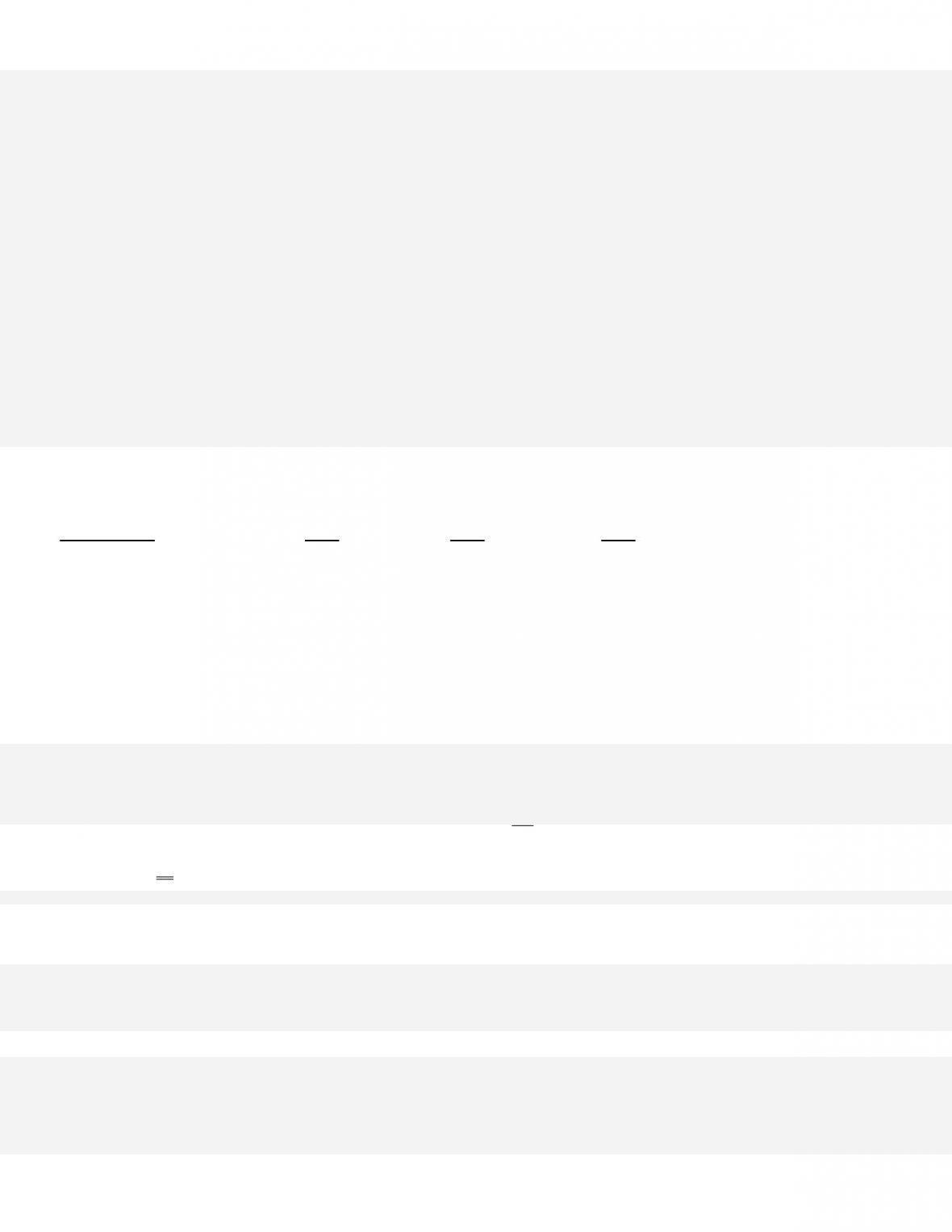
199. Presented below are selected data from the financial statements of Hospital Supply Company for 2019, 2018, and
2017.
2018 2017 2013
Total assets $650,000 $821,000 $800,000
Net credit sales 800,000 650,000 720,000
Accounts receivable 85,000 79,000 74,000
Accounts receivable turnover ratio 9.8 times 8.5 times 8.0 times
A)
Calculate Hospital Supply’s number of days’ sales in receivables for 2019 and 2018. Assume 360 days in a year.
B) What is the meaning of your answer in part (A)?
Chapter 13
© 2018 Cengage. All Rights Reserved. May not be scanned, copied or duplicated, or posted to a publicly accessible website, in whole or in part.
Page 82
200. Use the following information that was obtained from the 2018 and 2017 financial statements of Pacific Company,
River Corporation, and Ocean Company to answer the questions that follow.
(in millions) Pacific River Ocean
Accounts receivable December 31, 2018 $ 33,000 $ 22,000 $ 41,500
December 31, 2017 30,000 12,800 42,600
Inventory December 31, 2018 22,600 12,600 54,200
December 31, 2017 23,900 32,800 44,000
Net sales (Credit) 2018 620,000 320,000 510,000
2017 610,000 310,000 760,000
Cost of goods sold 2018 211,000 406,000 311,000
2017 156,000 200,000 310,000
Required
Compare the three companies and answer the following:
A) Compute the accounts receivable turnover ratio for each company for 2018.
B)
Which company appears to have the best liquidity position based solely on the accounts receivable turnover? Explain.
Chapter 13
© 2018 Cengage. All Rights Reserved. May not be scanned, copied or duplicated, or posted to a publicly accessible website, in whole or in part.
Page 83
201. Use the following information that was obtained from the 2018 and 2017 financial statements of Pacific Company,
River Corporation, and Ocean Company to answer the questions that follow.
(in millions) Pacific River Ocean
Accounts receivable December 31, 2018 $ 33,000 $ 22,000 $ 41,500
December 31, 2017 30,000 12,800 42,600
Inventory December 31, 2018 22,600 12,600 54,200
December 31, 2017 23,900 32,800 44,000
Net sales (Credit) 2018 620,000 320,000 510,000
2017 610,000 310,000 760,000
Cost of goods sold 2018 211,000 406,000 311,000
2017 156,000 200,000 310,000
Required
Compare the three companies and answer the following:
A) Compute the number of days’ sales in inventory for each company for 2018.
B) Which company appears to have the best liquidity position based solely on the inventory analysis? Explain.
C) What information is provided to users with your calculations in part (A)?
Chapter 13
© 2018 Cengage. All Rights Reserved. May not be scanned, copied or duplicated, or posted to a publicly accessible website, in whole or in part.
Page 84
202. The following analysis is based on information obtained from the 2017 financial statements of Pacific Company,
River Corporation, and Ocean Company.
(in millions) Pacific River Ocean
Accounts receivable turnover ratio 10.7 18.9 12.1
Inventory turnover ratio 9.1 18.4 6.4
A)
Compute the cash–to-cash operating cycle for each company for 2017.
B) What does this ratio measure? Which company has the better cash–to–cash operating cycle?
Chapter 13
© 2018 Cengage. All Rights Reserved. May not be scanned, copied or duplicated, or posted to a publicly accessible website, in whole or in part.
Page 85
203. Given below are three ratios calculated for Lantana, Tera, and Bake Companies for 2018 and 2017.
(in millions) Lantana Tera Bake
Current ratio December 31, 2018 2.8 to 1 3.3 to 1 1.8 to 1
December 31, 2017 2.8 to 1 2.5 to 1 3.2 to 1
Inventory turnover ratio December 31, 2018 6.8 times 5.4 times 6.0 times
December 31, 2017 7.6 times 5.5 times 12.6 times
Acid-test ratio December 31, 2018 1.5 to 1 2.1 to 1 0.5 to 1
December 31, 2017 1.3 to 1 2.0 to 1 1.2 to 1
A)
Which company has the best inventory management? Explain.
B) Which company has the best short-term financial health? Explain.
Chapter 13
© 2018 Cengage. All Rights Reserved. May not be scanned, copied or duplicated, or posted to a publicly accessible website, in whole or in part.
Page 86
204. Given below are three ratios calculated for Hall, Link, and Dollar Companies for 2018 and 2017.
(in millions) Hall Link Dollar
Current ratio December 31, 2018 2.8 to 1 2.3 to 1 1.8 to 1
December 31, 2017 2.0 to 1 1.5 to 1 2.2 to 1
Inventory turnover ratio December 31, 2018 6.9 times 5.8 times 8.0 times
December 31, 2017 7.6 times 5.8 times 9.6 times
Acid-test ratio December 31, 2018 2.5 to 1 2.1 to 1 0.5 to 1
December 31, 2017 1.0 to 1 1.4 to 1 1.2 to 1
A)
Which company has the greatest percentage of inventory and prepaids? How can you tell?
B)
Which company appears to be heading in the wrong direction concerning the ability to pay its bills in a very short-
run situation? Explain.
C) Which company appears to be the most liquid? Explain.

Chapter 13
© 2018 Cengage. All Rights Reserved. May not be scanned, copied or duplicated, or posted to a publicly accessible website, in whole or in part.
Page 87
205. The following information is summarized from the balance sheets of Gear Mart Corporation and Function Junction,
Inc. at December 31, 2017:
Gear Mart Function Junction
Current assets:
Cash and cash equivalents $ 340,800 $100,200
Short-term investments 12,000 7,600
Accounts receivable, net 377,000 42,000
Notes receivable, net 36,300 18,000
Other current assets 207,400 40,000
Total current assets $ 973,500 $207,800
Current liabilities $ 860,900 $150,000
Other liabilities 5,000,400 300,500
Stockholders’ equity 2,400,300 800,700
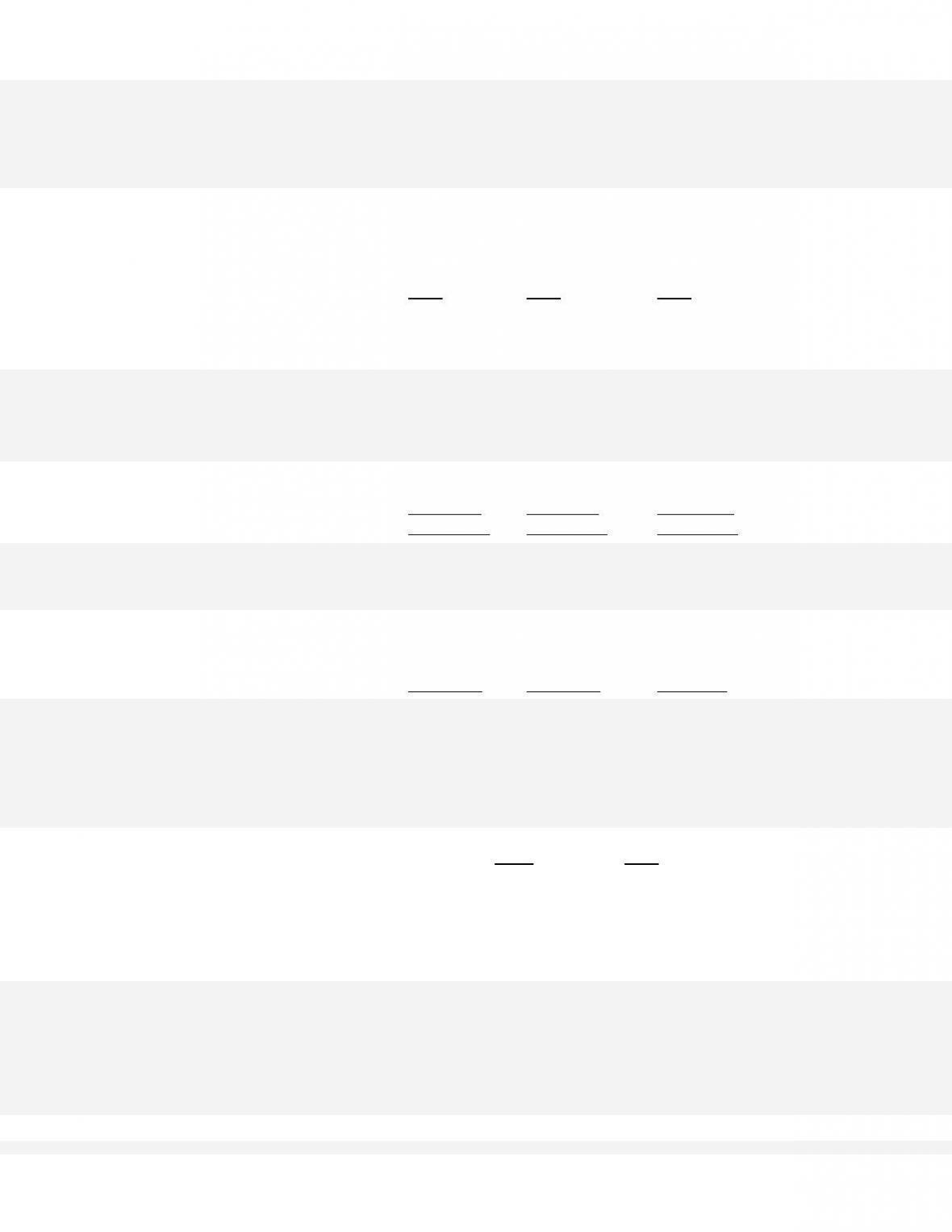
1)
Using the information provided above, compute the following for each company at December 31, 2018:
A. Working capital
B. Current ratio
C. Acid-test ratio
2)
Comment briefly on the liquidity of each of these two companies. Which company appears to be the most liquid?
Chapter 13
Chapter 13
© 2018 Cengage. All Rights Reserved. May not be scanned, copied or duplicated, or posted to a publicly accessible website, in whole or in part.
Page 92
Land $ 36,013 $ 26,298
Buildings and building equipment 310,212 277,808
Machinery and equipment 642,556 566,766
$ 988,781 $ 870,872
2018 2017
Current liabilities:
Accounts payable $ 76,691 $ 71,001
Accrued expenses 67,848 78,378
Dividends payable 23,222 22,034
Common stock—no par, authorized 400,000
shares; issued 2018: 93,007; 2017: 92,545 $ 12,401 $ 2,339
Class B common—convertible authorized 80,000 shares;
issued 2018: 23,214; 2017: 23,676 3,095 3,157
Additional paid-in capital 272 226
Retained earnings 1,184,617 1,032,139
Foreign currency translation adjustment (61,339) (65,034)
Unrealized holding gains on marketable equity
securities
24,698
25,915
© 2018 Cengage. All Rights Reserved. May not be scanned, copied or duplicated, or posted to a publicly accessible website, in whole or in part.
Page 93
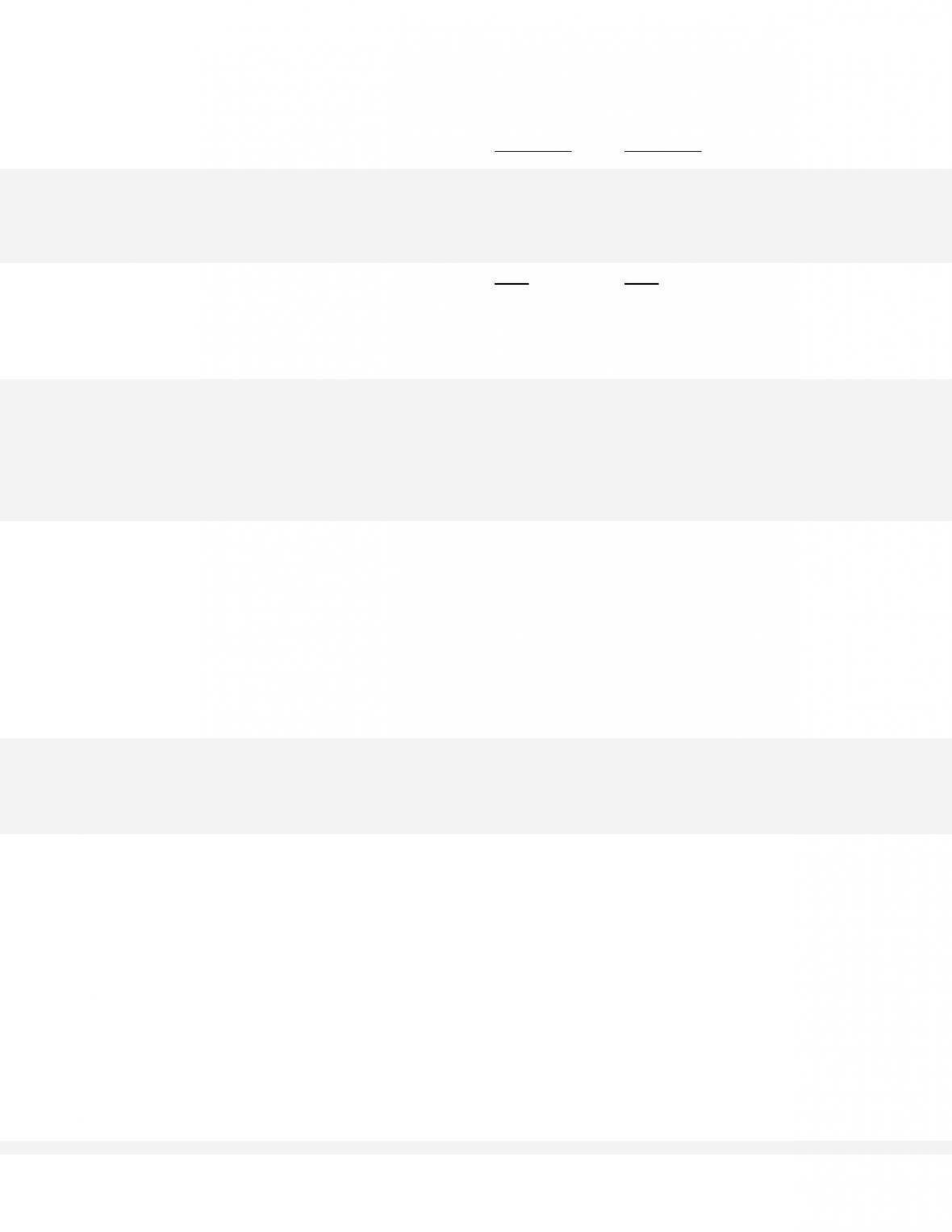
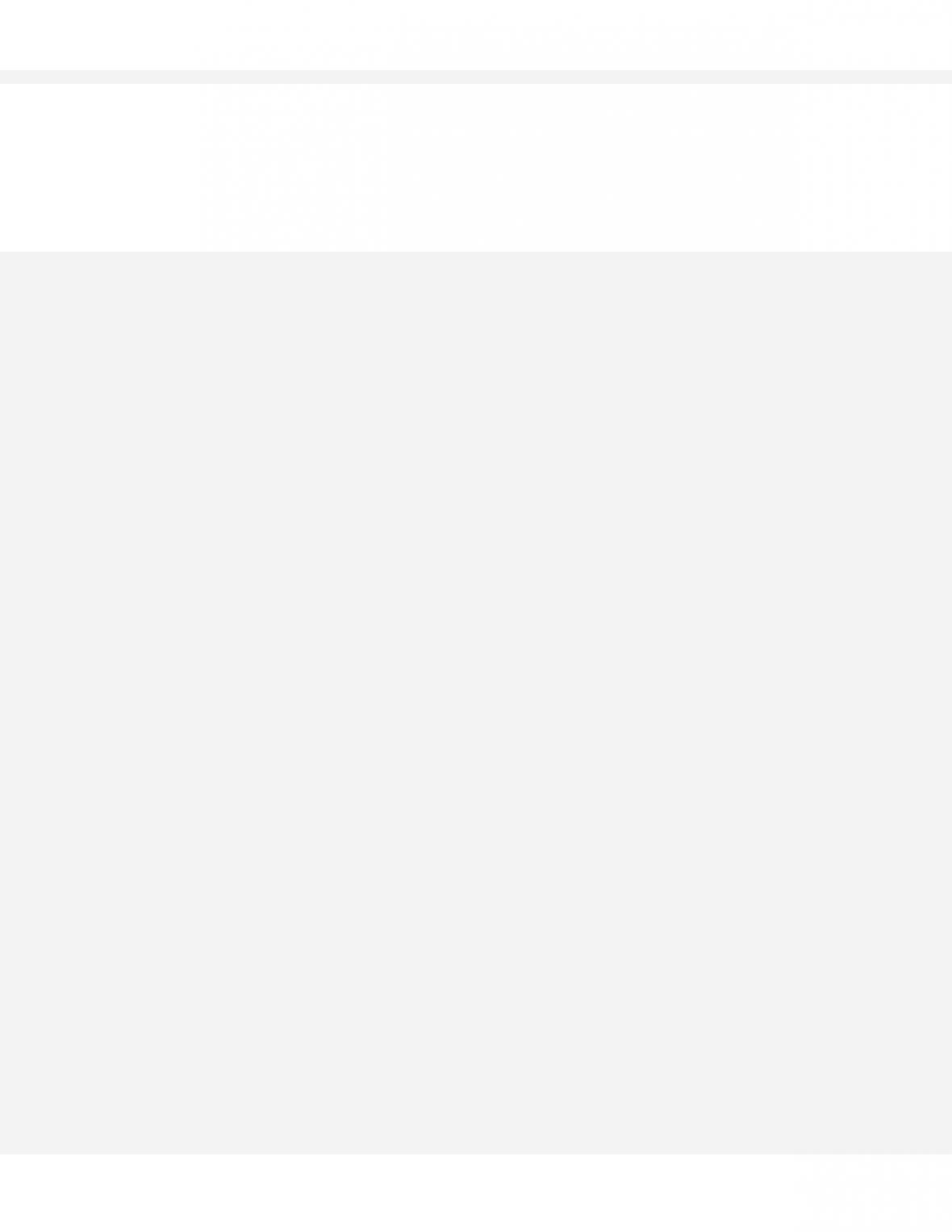
209. Refer to the financial statements for Culinary Delights Company.
Required
(A) Calculate the company’s current and acid-test ratios for 2018. Would you lend this company $4,000,000 at 10% over a
one-year period? Explain. (Note: The statements provided are in “thousands.”)
(B) Suppose the company has credit terms of 20 days and all sales are on credit. During 2018, what credit management
problems does this company have, if any? Explain
Chapter 13
© 2018 Cengage. All Rights Reserved. May not be scanned, copied or duplicated, or posted to a publicly accessible website, in whole or in part.
Page 94
210. Refer to the financial statements for Culinary Delights Company.
Required
(A) Culinary Delights’ cash flow from operations for 2018 is $323,847 (in thousands). Evaluate Culinary Delights’ short-
term cash flow position during 2018. Is the company in danger of problems? Explain.
(B) Evaluate Culinary Delights’ inventory management during 2018.
3.37 times
Number of Days’ Sales in Inventory = 360/3.37 = 107 days
Chapter 13
© 2018 Cengage. All Rights Reserved. May not be scanned, copied or duplicated, or posted to a publicly accessible website, in whole or in part.
Page 95
211. Refer to the financial statements for Culinary Delights Company.
Required
(A) Calculate Culinary Delights’ return on sales ratio for 2018 and 2017. Assume that the income tax rate is 30%. What
information is provided by this ratio?
(B) Calculate the return on common stockholders’ equity ratio for 2018 and 2017. Stockholders’ equity at December 31,
2016, was $897,431 (in thousands). Why is the denominator an average instead of a single amount?
Chapter 13
© 2018 Cengage. All Rights Reserved. May not be scanned, copied or duplicated, or posted to a publicly accessible website, in whole or in part.
Page 96
212. The following account balances are taken from the records of Clarke Inc., a wholesaler:
December 31 2019 2018 2017
Merchandise inventory $ 240,000 $ 180,000 $150,000
Cost of goods sold 6,400,000 9,600,000
Required
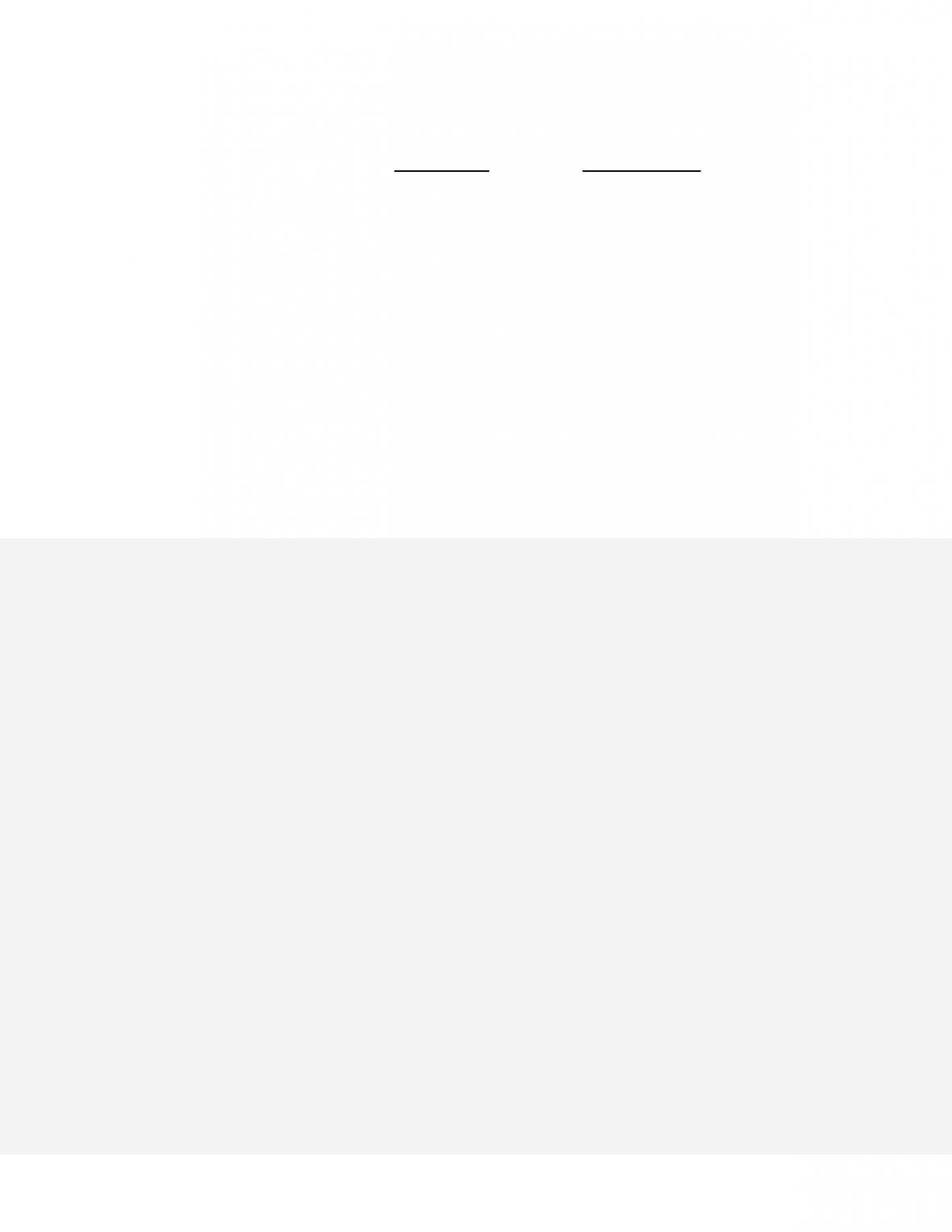
1. Compute Clarke’s inventory turnover ratio for 2019 and 2018.
2. Compute the number of days’ sales in inventory for 2019 and 2018. Assume 360 days in a year.
3. Comment on your answers in (1) and (2) relative to the company’s management of inventory over the two years. What
problems do you see in its inventory management?
ANSWER: 1. Inventory turnover:
Cost of goods sold/Average inventory:
2. Number of days’ sales in inventory:
3. Inventory turnover has declined dramatically from the prior year. Many different explanations are possible for this
decline, such as problems in the sales effort, over-pricing of the products relative to the competition, or inferior produce.
Chapter 13
© 2018 Cengage. All Rights Reserved. May not be scanned, copied or duplicated, or posted to a publicly accessible website, in whole or in part.
Page 97
213. The following information was obtained from the 2018 and 2017 financial statements of
Better Books and Tenacious Texts. Assume all sales are on credit for both companies.
(in millions) Better Books Tenacious Texts
Accounts and notes receivable, net 12/31/18 $ 3,100 $ 4,800
12/31/17 3,320 4,500
Inventories 12/31/18 2,080 2,530
12/31/17 2,250 2,320
Net revenue 2018 32,010 44,050
2017 28,900 39,500
Cost of goods sold 2018 11,370 20,350
2017 10,400 18,000
Required
1. Using the information provided, compute the following for each company for 2018 (rounded to two decimal places):
a. Accounts receivable turnover ratio
b. Number of days’ sales in receivables
c. Inventory turnover ratio
d. Number of days’ sales in inventory
e. Cash-to-cash operating cycle
2. Comment briefly on the liquidity of each of these two companies.
Chapter 13
© 2018 Cengage. All Rights Reserved. May not be scanned, copied or duplicated, or posted to a publicly accessible website, in whole or in part.
Page 99
214. The following information was summarized from the balance sheets of Better Books and Tenacious Texts at
December 31, 2017:
(in millions) Better Books Tenacious Texts
Cash and cash equivalents $ 5,800 $ 3,150
Short-term investments/marketable securities 280 210
Accounts and notes receivables, net* 3,100 4,700
Inventories 2,200 2,500
Prepaid expenses and other current assets 1,920 1,320
Total current assets $13,300 $11,880
Current liabilities $13,900 $ 9,800
Required
1. Using the information provided, compute the following for each company at the end of 2017:
a. Current ratio
b. Quick ratio
2. Better Books reported cash flow from operations of $7,500 million during 2017. Tenacious Texts reported cash flow
from operations of $7,000 million. Current liabilities reported by Better Books and Tenacious Texts at December 31,
2016, were $13,200 million and $7,700 million, respectively. Compute the cash flow from operations to current liabilities
ratio for each company for 2017.
3. Comment briefly on the liquidity of each of these two companies. Which appears to be more liquid?
4. What other ratios would help you more fully assess the liquidity of these companies?
Chapter 13