Page 41
199.
Expansionary monetary policy causes _____ in interest rates in the short run and _____
in interest rates in the long run.
A)
a fall; no change
B)
a fall; a fall
C)
no change; a fall
D)
no change; no change
200.
An increase in the money supply _____ the interest rate in the short run but _____ the
interest rate in the long run.
A)
lowers; does not affect
B)
raises; lowers
C)
does not affect; raises
D)
does not affect; lowers
201.
In the long run, changes in the money supply:
A)
don’t affect the interest rate.
B)
lower the interest rate.
C)
raise the interest rate.
D)
have a small but indeterminate impact on the interest rate.
202.
Contractionary monetary policy causes a short-run _____ in interest rates in the short
run and _____ in interest rates in the long run.
A)
increase; an increase
B)
increase; no change
C)
decrease; no change
D)
decrease; a decrease
203.
An increase in the money supply will decrease interest rates in the short run but will not
affect interest rates in the long run because an increase in the money supply will
eventually _____ prices and _____ money demand.
A)
decrease; decrease
B)
decrease; increase
C)
increase; decrease
D)
increase; increase
Page 42
204.
Available international evidence for the period 1970–2015 shows that the:
A)
increases in the quantity of money led to a proportionate increase in the aggregate
price level.
B)
relationship between money and the aggregate price level changes over time and
across countries.
C)
concept of monetary neutrality applies only to developing countries.
D)
increases in the money supply in the long run led to equal percent rises in the
aggregate price level.
205.
Between 1970 and the present, research comparing similar wealthy countries found that
increases in the money supply:
A)
and increases in the price level were roughly proportional.
B)
had little effect on prices.
C)
caused large increases in real GDP.
D)
caused large decreases in real GDP.
206.
Monetary policy is similar among wealthy countries because the central banks of most
countries:
A)
try to keep inflation between 2% and 3% per year.
B)
try to keep inflation between 5% and 6% per year.
C)
try to keep inflation between 0% and 2% per year.
D)
are trying to establish a single global currency.
207.
In the long run, the only effect of monetary policy is on the:
A)
long-run aggregate supply.
B)
interest rate.
C)
aggregate output level.
D)
aggregate price level.
Page 43
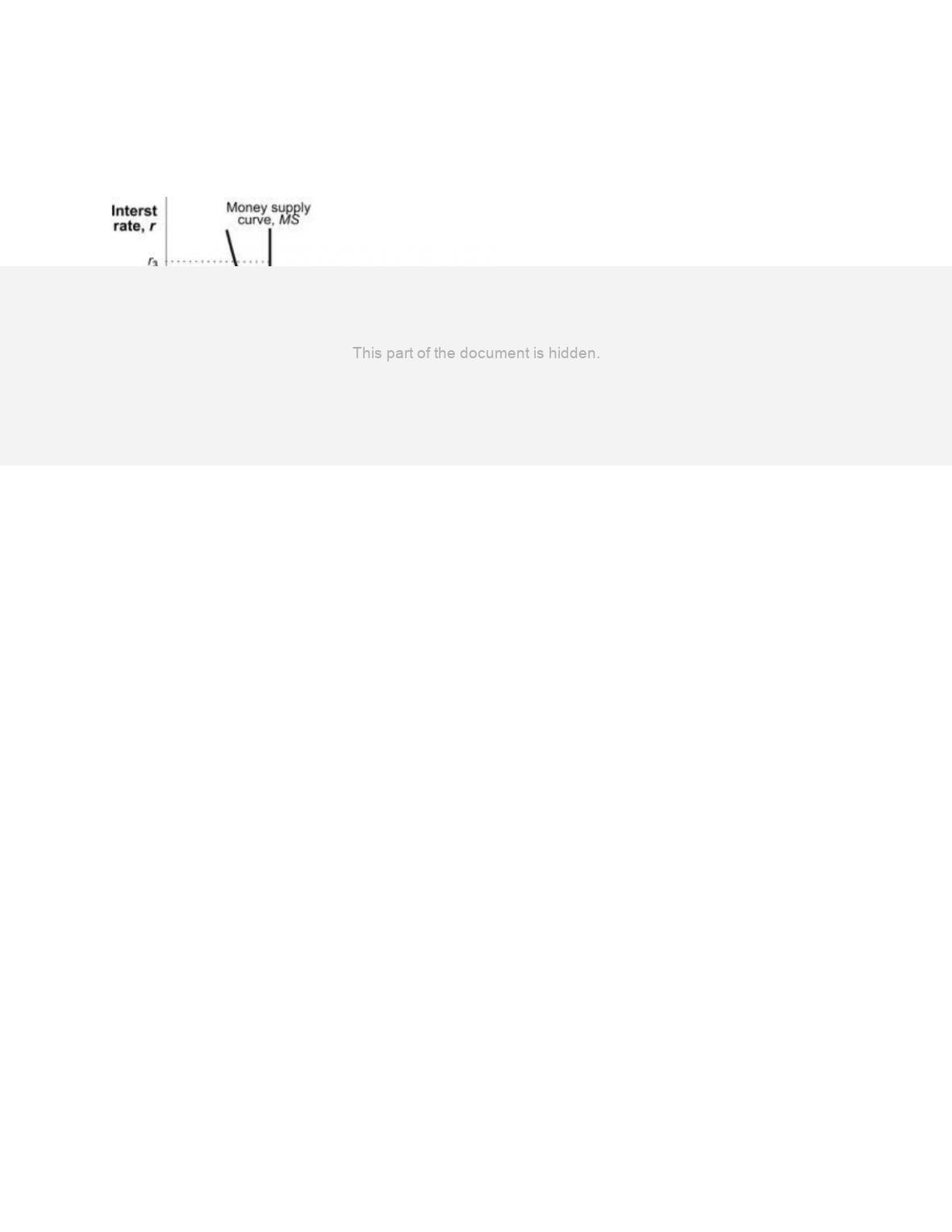
Use the following to answer questions 208-211:
Figure: A Money Market
208.
(Figure: A Money Market) Refer to Figure: A Money Market. The equilibrium interest
rate is:
A)
r1.
B)
r2.
C)
r3.
D)
M0.
209.
(Figure: A Money Market) Refer to Figure: A Money Market. If the interest rate is r3,
the interest rate will _____ because there is a _____ of money in the market.
A)
fall; surplus
B)
fall; shortage
C)
rise; surplus
D)
rise; shortage
210.
(Figure: A Money Market) Refer to Figure: A Money Market. If the current interest
rate is r1, the interest rate will _____ because there is a _____ of money in the market.
A)
fall; surplus
B)
fall; shortage
C)
rise; surplus
D)
rise; shortage
Page 44
211.
(Figure: A Money Market) Refer to Figure: A Money Market. Holding the money
supply constant, which reason might cause the equilibrium interest rate to decrease to
r1?
A)
The inflation rate rises to historically high levels.
B)
Higher payroll taxes cause employers to pay workers cash under the table.
C)
A recession decreases real GDP.
D)
There is a significant increase in the stock market.
212.
Scenario: Money and Interest Rates
Banks decide to do away with fees charged when other banks’ customers use the bank’s
own ATM. The demand for money will _____, and the supply of money will _____.
A)
increase; not change
B)
increase; decrease
C)
decrease; not change
D)
decrease; increase
213.
Scenario: Money and Interest Rates
Banks decide to do away with fees charged when other banks’ customers use the bank’s
own ATM. If the money supply remains constant, interest rates will likely:
A)
decrease.
B)
increase.
C)
remain the same.
D)
increase or decrease, depending upon what maximizes profits for the largest
commercial banks.
214.
Scenario: Money and Interest Rates
Banks decide to do away with fees charged when other banks’ customers use the bank’s
own ATM. If the Federal Reserve wants to maintain the same federal funds rate, it
should:
A)
increase taxes.
B)
decrease government spending.
C)
sell Treasury bills.
D)
buy Treasury bills.
Page 45
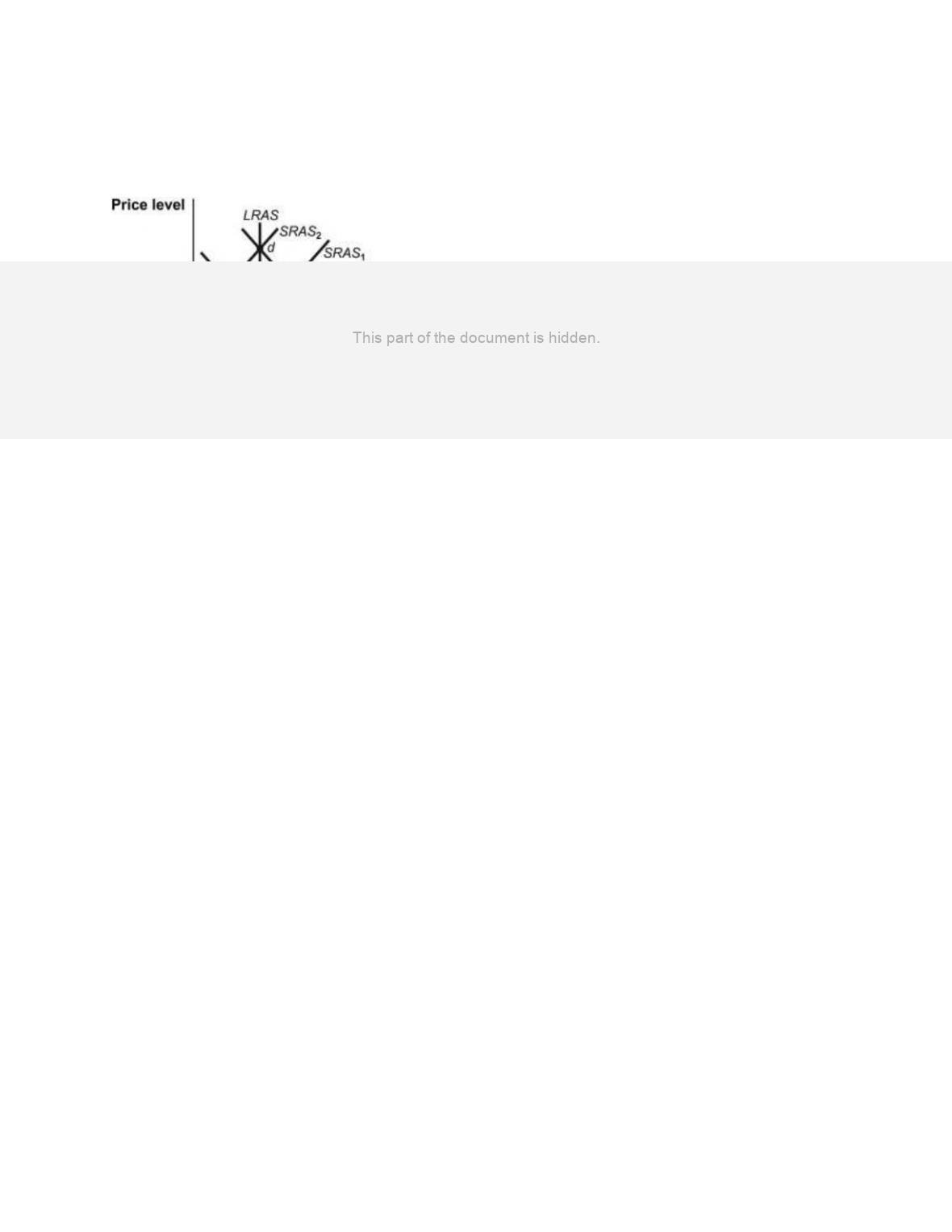
Use the following to answer questions 215-216:
Figure: Economic Adjustments
215.
(Figure: Economic Adjustments) Refer to Figure: Economic Adjustments. Assume that
the economy is at point c. The effect of an increase in the money supply is represented
by a shift of the _____ curve to _____.
A)
SRAS1; SRAS2
B)
SRAS2; SRAS1
C)
AD1; AD2
D)
AD2; AD1
216.
(Figure: Economic Adjustments) Refer to Figure: Economic Adjustments. Assume that
the economy is at point b. The effect of a decrease in the money supply is represented
by a shift of the _____ curve to _____.
A)
SRAS1; SRAS2
B)
SRAS2; SRAS1
C)
AD1; AD2
D)
AD2; AD1
Page 46
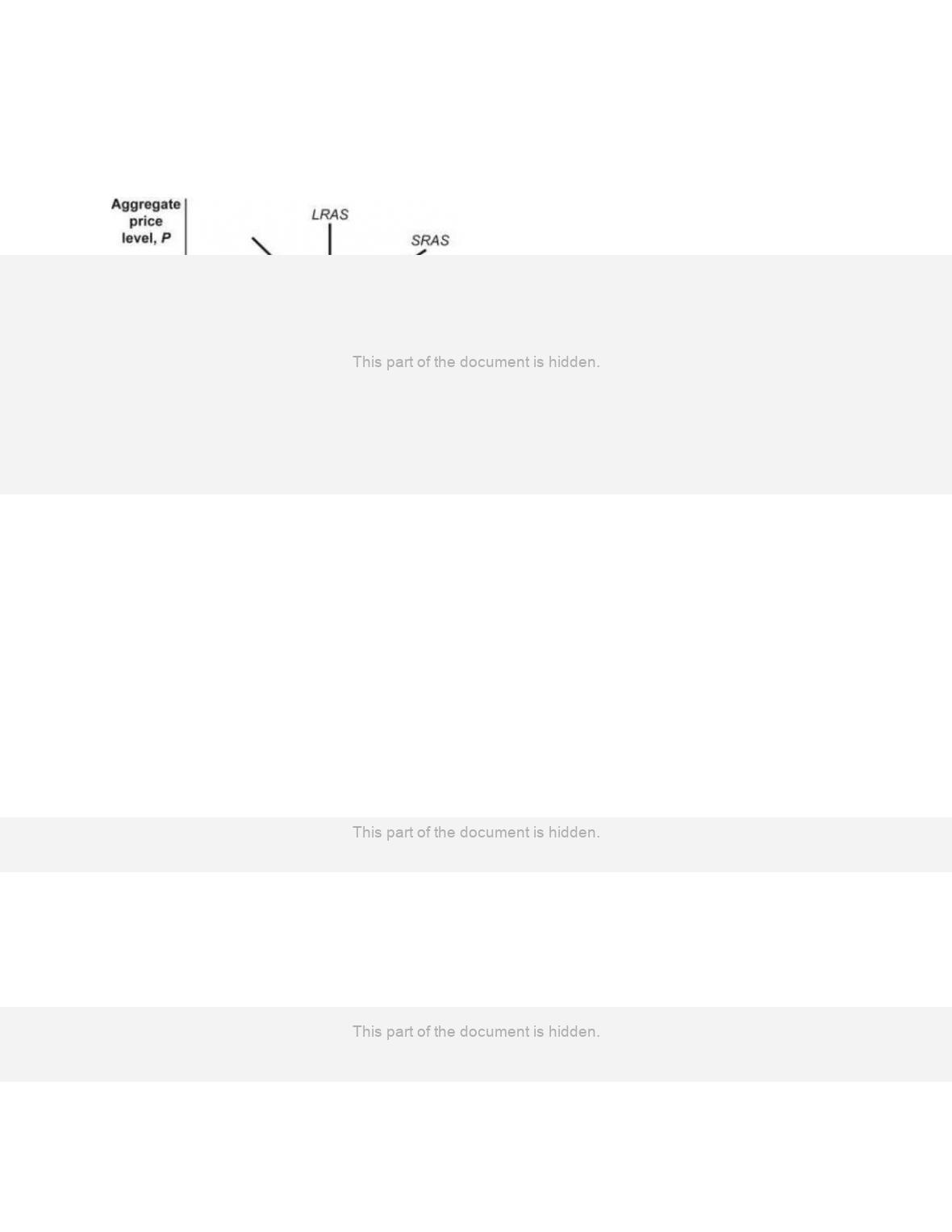
Use the following to answer questions 217-222:
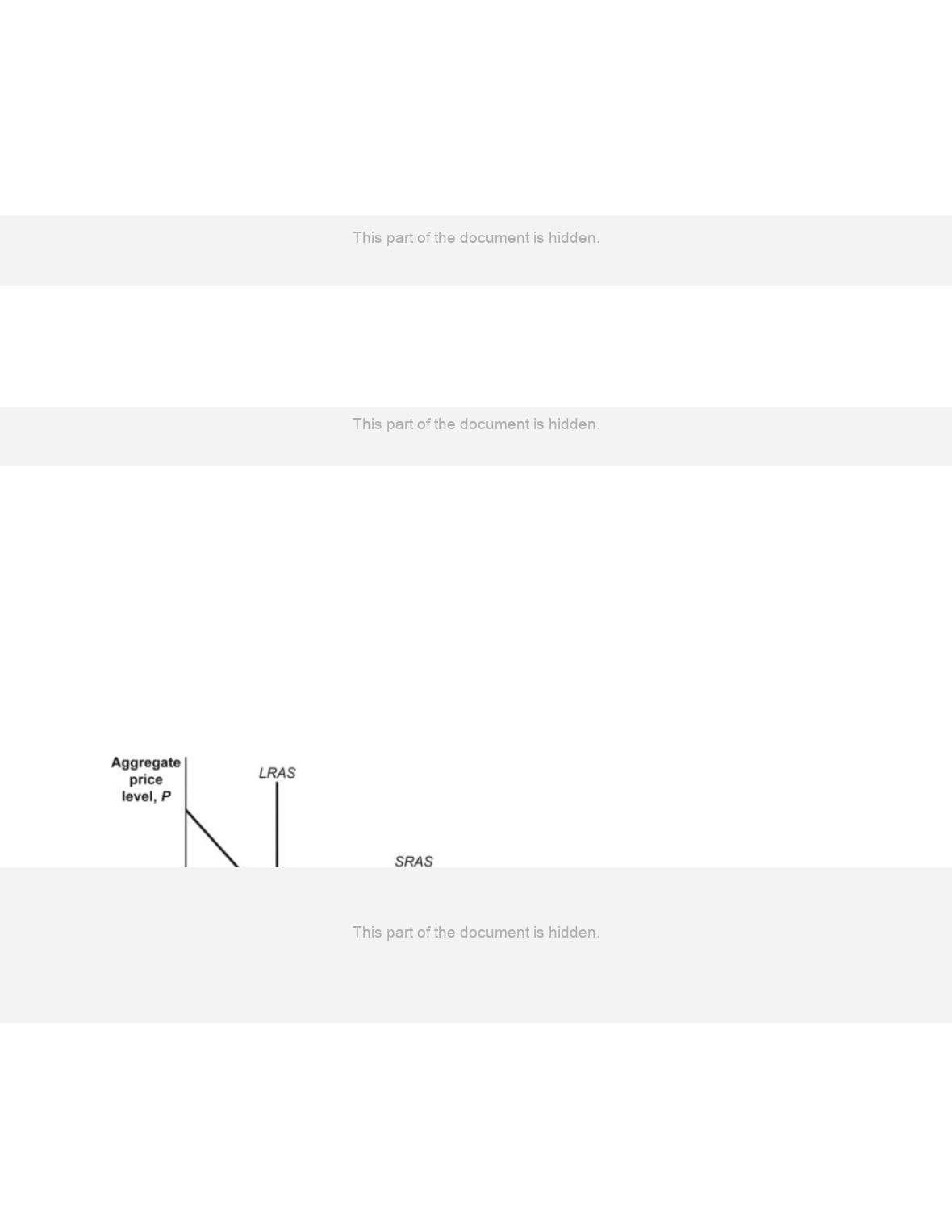
Figure: Monetary Policy I
217.
(Figure: Monetary Policy I) Refer to Figure: Monetary Policy I. If the economy is
initially in equilibrium at E2 and the central bank chooses to sell Treasury bills, _____
shift to _____ a(n) _____ gap.
A)
AD2 will; the right, causing; inflationary
B)
AD2 will; AD1, causing; recessionary
C)
AD1 will; AD2, closing; recessionary
D)
AD1 will; the left, closing; recessionary
218.
(Figure: Monetary Policy I) Refer to Figure: Monetary Policy I. If the economy is
initially in equilibrium at E1 and the central bank chooses to buy Treasury bills, _____
shift to _____ a(n) _____ gap.
A)
AD2 will; right, causing; inflationary
B)
AD2 will; AD1, causing; recessionary
C)
AD1 will; AD2, closing; recessionary
D)
AD1 will; left, increasing; recessionary
219.
(Figure: Monetary Policy I) Refer to Figure: Monetary Policy I. If the economy is
initially in equilibrium at E2 and the central bank chooses to buy Treasury bills, _____
shift to _____ a(n) _____ gap.
A)
AD2 will; the right, causing; inflationary
B)
AD2 will; AD1, causing; recessionary
C)
AD1 will; AD2, closing; recessionary
D)
AD1 will; the left, increasing; recessionary
Page 47
220.
(Figure: Monetary Policy I) Refer to Figure: Monetary Policy I. If the economy is
initially in equilibrium at E2 and the central bank chooses to sell Treasury bills_____
shift to _____ a(n) _____ gap.
A)
AD2 will; the right, causing; inflationary
B)
AD2 will; AD1, causing; recessionary
C)
AD1 will; AD2, closing; recessionary
D)
AD1 will; the left, increasing; recessionary
221.
(Figure: Monetary Policy I) Refer to Figure: Monetary Policy I. If the economy is
initially in equilibrium at E1 and the central bank chooses to buy Treasury bills, _____
shift to _____ a(n) _____ gap.
A)
AD1 will; AD2, closing; recessionary
B)
AD1 will; the left, increasing; recessionary
C)
SRAS1 will immediately; left, closing; inflationary
D)
SRAS2 will immediately; right, increasing; inflationary
222.
(Figure: Monetary Policy I) Refer to Figure: Monetary Policy I. If the economy is
initially in equilibrium at E2 and the central bank chooses to sell Treasury bills:
A)
AD2 will shift to the right, causing an inflationary gap.
B)
AD2 will shift to AD1, causing a recessionary gap.
C)
SRAS1 will shift immediately to the left, closing an inflationary gap.
D)
SRAS2 will shift immediately to the right, increasing an inflationary gap.
Use the following to answer questions 223-224:
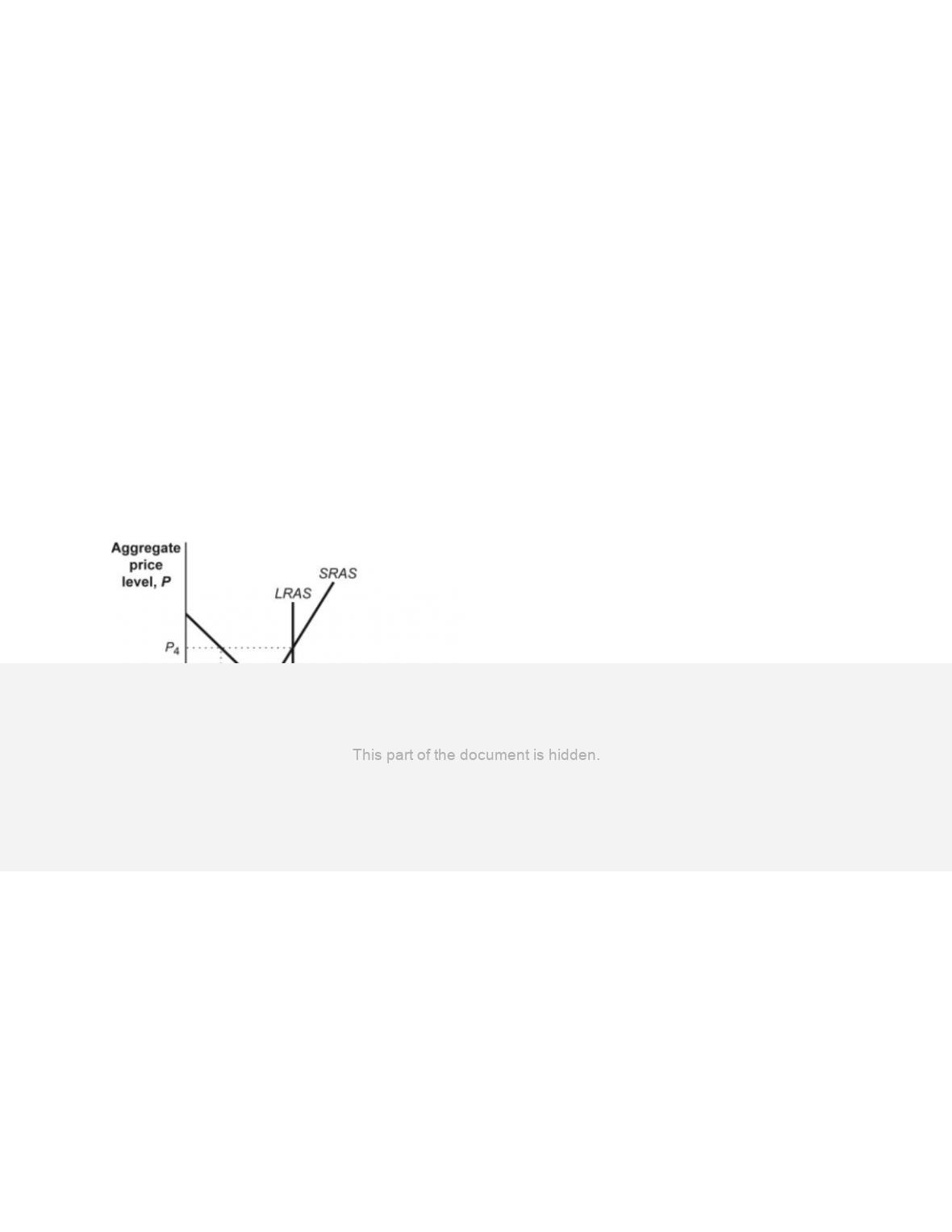
Figure: Monetary Policy II
Page 48
223.
(Figure: Monetary Policy II) Refer to Figure: Monetary Policy II. To eliminate the
inflationary gap from the short-run equilibrium at Y2, monetary policy should be:
A)
expansionary.
B)
contractionary.
C)
neutral.
D)
balanced.
224.
(Figure: Monetary Policy II) Refer to Figure: Monetary Policy II. If the short-run
equilibrium is at Y2, appropriate central bank policy is:
A)
contractionary.
B)
expansionary.
C)
neutral.
D)
balanced.
Use the following to answer questions 225-227:
Figure: Monetary Policy III
225.
(Figure: Monetary Policy III) Refer to Figure: Monetary Policy III. The central bank
should adopt policies to move the economy to:
A)
Y1.
B)
Y2.
C)
Y3.
D)
Y4.

Page 49
226.
(Figure: Monetary Policy III) Refer to Figure: Monetary Policy III. Expansionary
economic policy will lead to an equilibrium GDP of:
A)
Y1.
B)
Y2.
C)
Y3.
D)
Y4.
227.
(Figure: Monetary Policy III) Refer to Figure: Monetary Policy III. Expansionary
monetary policy will lead to an equilibrium price level of:
A)
P1.
B)
P2.
C)
P3.
D)
P4.
228.
Expansionary monetary policy will _____ interest rates and _____ savings in the short
run.
A)
raise; increase
B)
raise; decrease
C)
lower; increase
D)
lower; decrease
229.
In the short run:
A)
only the supply of money determines the interest rate.
B)
only the demand for money determines the interest rate.
C)
the supply and demand for money determine the interest rate, and the loanable
funds market follows the lead of the money market.
D)
the supply and demand for money determine the interest rate, and the money
market follows the lead of the loanable funds market.
230.
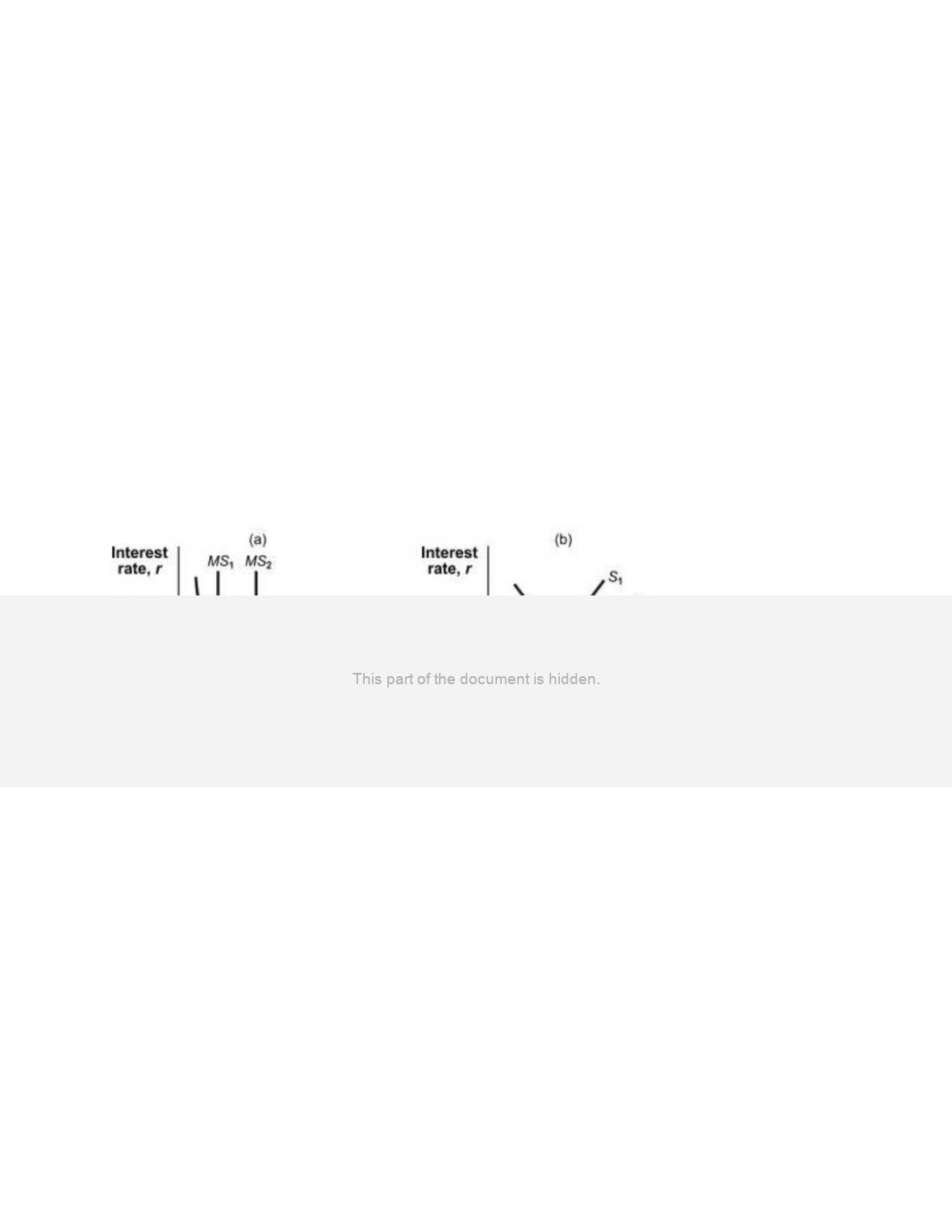
According to the loanable funds model, in the short run, expansionary monetary policy:
A)
increases the supply of loanable funds.
B)
increases the demand for loanable funds.
C)
increases the quantity of loanable funds supplied.
D)
has no effect on the supply of loanable funds.
Page 50
231.
According to the loanable funds model, in the short run, contractionary monetary policy
shifts the _____ curve for loanable funds to the _____.
A)
demand; right
B)
supply; right
C)
demand; left
D)
supply; left
232.
The loanable funds model focuses on the:
A)
demand for money.
B)
supply of funds from lenders.
C)
supply of funds from borrowers and the demand by lenders.
D)
supply of funds from lenders and the demand from borrowers.
Use the following to answer questions 233-240:
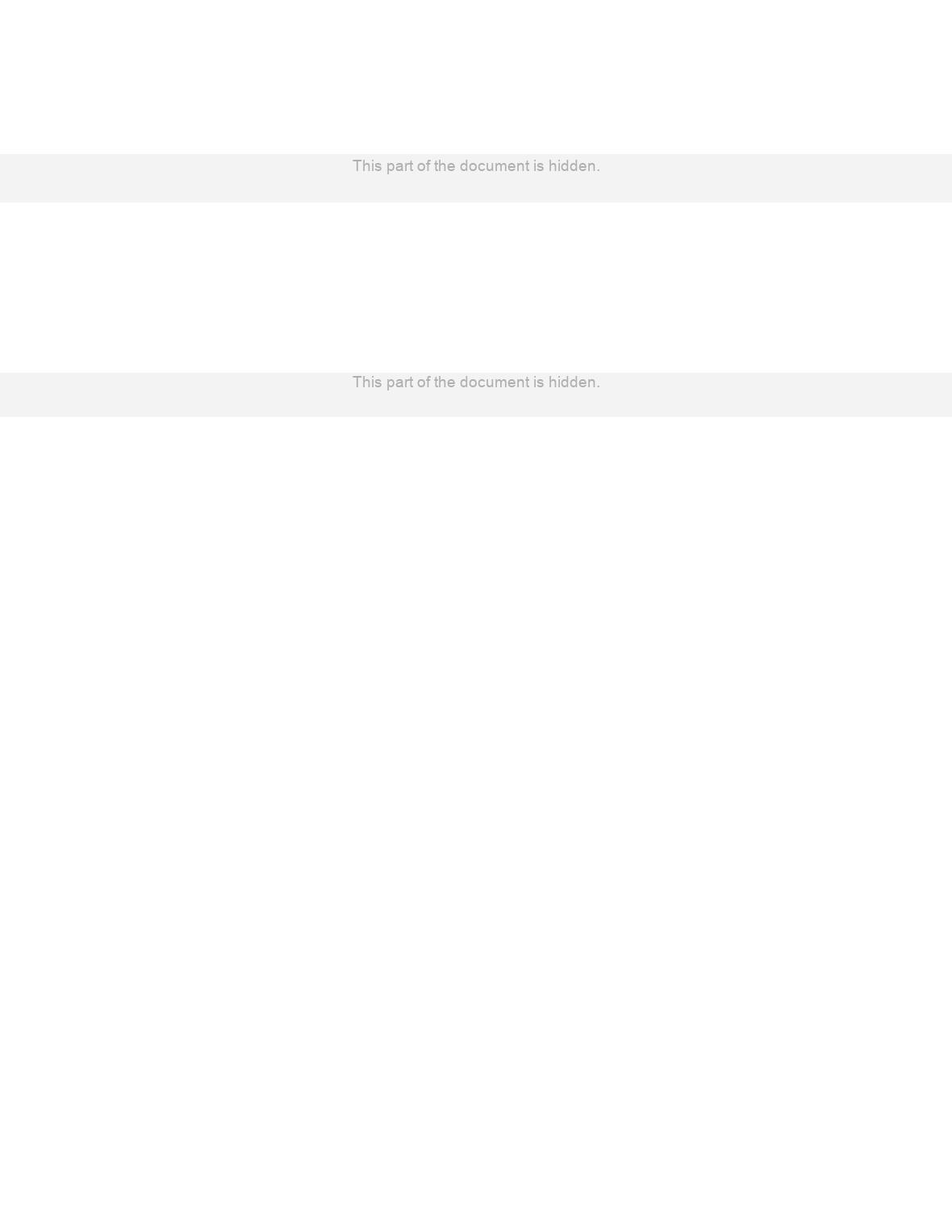
Figure: Short-Run Determination of the Interest Rate
233.
(Figure: Short-Run Determination of the Interest Rate) Refer to Figure: Short-Run
Determination of the Interest Rate. If the money supply is at MS1 and the central bank
buys Treasury bills, then the resulting short-run shift in the supply of savings (loanable
funds) may be represented by a shift of the:
A)
money supply curve to MS2, which raises the interest rate.
B)
supply of loanable funds from S1 to S2, which lowers the interest rate.
C)
supply of loanable funds from S2 to S1, which raises the interest rate.
D)
interest rate from r2 to r1.

Page 51
234.
(Figure: Short-Run Determination of the Interest Rate) Refer to Figure: Short-Run
Determination of the Interest Rate. If the money supply is at MS2 and the central bank
sells Treasury bills, then the resulting short-run shift in the supply of savings (loanable
funds) may be represented by a shift of the:
A)
money supply curve to MS1, which lowers the interest rate.
B)
supply of loanable funds from S1 to S2, which lowers the interest rate.
C)
supply of loanable funds from S2 to S1, which raises the interest rate.
D)
interest rate from r1 to r2.
235.
(Figure: Short-Run Determination of the Interest Rate) Refer to Figure: Short-Run
Determination of the Interest Rate. If the money supply is at MS1 and the central bank
buys Treasury bills, then in the short run the interest rate will:
A)
increase above r1.
B)
remain at r1.
C)
decrease to r2.
D)
fluctuate randomly.
236.
(Figure: Short-Run Determination of the Interest Rate) Refer to Figure: Short-Run
Determination of the Interest Rate. If the money supply is at MS2 and the central bank
sells Treasury bills, then in the short run the interest rate will:
A)
decrease below r2.
B)
remain at r2.
C)
increase to r1.
D)
fluctuate randomly.
237.
(Figure: Short-Run Determination of the Interest Rate) Refer to Figure: Short-Run
Determination of the Interest Rate. If the money supply is at MS1 and the Fed conducts
expansionary monetary policy, in the short run the interest rate drops to r2. In the long
run prices will _____ thereby ___________the demand for money.
A)
decrease, decreasing
B)
decrease, increasing
C)
increase, decreasing
D)
increase, increasing
Page 52
238.
(Figure: Short-Run Determination of the Interest Rate) Refer to Figure: Short-Run
Determination of the Interest Rate. If the money supply is at MS1 and the Fed conducts
expansionary monetary policy, in the short run the interest rate drops to r2. In the long
run the demand for money will _____, and the interest rate will_____.
A)
increase; increase to r1
B)
increase; remain at r2
C)
decrease; decrease below r2
D)
decrease; remain at r2
239.
(Figure: Short-Run Determination of the Interest Rate) Refer to Figure: Short-Run
Determination of the Interest Rate. If the money supply is at MS2 and the Fed conducts
contractionary monetary policy, in the short run the interest rate increases to r1. In the
long run prices will _____ thereby _________ the demand for money.
A)
decrease, decreasing
B)
decrease, increasing
C)
increase, decreasing
D)
increase, increasing
240.
(Figure: Short-Run Determination of the Interest Rate) Refer to Figure: Short-Run
Determination of the Interest Rate. If the money supply is at MS2 and the Fed conducts
contractionary monetary policy, in the short run the interest rate increases to r1. In the
long run: the demand for money will _____, and the interest rate will_____.
A)
increase; increase to r1
B)
increase; remain at r2.
C)
decrease; decrease to r2.
D)
decrease; remain at r1.
241.
When the Fed changes tax rates, interest rates change, and this changes real GDP.
A)
True
B)
False
242.
As of 2017, Janet Yellen is the chair of the Board of Governors of the Federal Reserve.
A)
True
B)
False
243.
People incur a cost for holding money instead of nonmonetary assets such as Treasury
bills.
A)
True
B)
False
Page 53
244.
The higher the short-term interest rate, the lower the opportunity cost of holding money.
A)
True
B)
False
245.
Long-term interest rates apply to financial assets that mature a number of years in the
future.
A)
True
B)
False
246.
Long-term interest rates affect the demand for money more than short-term interest
rates.
A)
True
B)
False
247.
As the opportunity cost of holding money changes from 5% to 3%, the quantity of
money demanded increases.
A)
True
B)
False
248.
If the opportunity cost of holding money rises, then the money demand curve shifts to
the left.
A)
True
B)
False
249.
If the inflation rate is 3% this year, the demand for money will increase by 6% this year.
A)
True
B)
False
250.
If the economy is in a recession and real GDP decreases, the demand for money will
shift to the left.
A)
True
B)
False
251.
If requirements for having a credit card become stricter, so that fewer people qualify for
one, the demand for money will decrease.
A)
True
B)
False
Page 54
252.
If banks were suddenly prohibited from paying interest on checking accounts, the
demand for money would likely decrease.
A)
True
B)
False
253.
The demand for money in Japan is much lower than the demand for money in the
United States.
A)
True
B)
False
254.
Congress sets the target federal funds rate, but it is the Fed’s responsibility to achieve
the target rate through purchases and sales of reserves.
A)
True
B)
False
255.
According to the liquidity preference model, the supply and demand for money
determine the interest rate.
A)
True
B)
False
256.
If the interest rate is below equilibrium, then the quantity of money demanded is more
than the quantity of money supplied, and the quantity of interest-bearing financial assets
demanded is also more than the quantity supplied.
A)
True
B)
False
257.
If the interest rate is below equilibrium, then the quantity demanded of interest-bearing
financial assets is less than the quantity supplied, so people selling interest-bearing
financial assets have to offer higher interest rates to get people to buy them, thus raising
interest rates back to the equilibrium level.
A)
True
B)
False
258.
Other things equal, if there is an excess demand for money, the interest rate may rise.
A)
True
B)
False
Page 55
259.
Other things equal, if the amount of money demanded is greater than the amount of
money supplied, then the interest rate may fall.
A)
True
B)
False
260.
The loanable funds model focuses on interest rates in the short run.
A)
True
B)
False
261.
The liquidity preference model focuses on interest rates in the short run.
A)
True
B)
False
262.
To decrease interest rates, the Fed should increase the money supply.
A)
True
B)
False
263.
To decrease interest rates, the Fed should make an open-market sale of Treasury bills.
A)
True
B)
False
264.
If the actual interest rate is below the target rate, the Fed should decrease the money
supply.
A)
True
B)
False
265.
If the actual interest rate is 6% and the target rate is 4%, the Fed should decrease the
money supply.
A)
True
B)
False
266.
If the actual interest rate is below the target rate, the Fed should sell Treasury bills.
A)
True
B)
False
Page 56
267.
If the actual interest rate is 6% and the target rate is 4%, the Fed should sell Treasury
bills.
A)
True
B)
False
268.
When long-term rates are lower than short-term rates, the market is signaling that it
expects short-term rates to fall.
A)
True
B)
False
269.
On average, short-term interest rates are higher than long-term rates to compensate for
higher risk in the short term.
A)
True
B)
False
270.
Between 2015 and 2017, the Fed raised its target federal funds rate by a large amount to
prevent inflation.
A)
True
B)
False
271.
In 2007, the Fed raised its target federal funds rate to prevent unemployment and a
recession.
A)
True
B)
False
272.
Expansionary monetary policy decreases interest rates and increases aggregate demand.
A)
True
B)
False
273.
Expansionary monetary policy works by decreasing consumption, allowing other sectors
of the economy to spend more.
A)
True
B)
False
274.
Expansionary monetary policy may increase consumer spending.
A)
True
B)
False

Page 57
275.
Expansionary monetary policy may decrease investment spending.
A)
True
B)
False
276.
To close a recessionary gap, the central bank could adopt an expansionary economic
policy.
A)
True
B)
False
277.
When real GDP is above potential GDP, the Fed uses contractionary monetary policy.
A)
True
B)
False
278.
When the economy is developing an inflationary gap, the Fed should increase the
money supply to decrease interest rates.
A)
True
B)
False
279.
According to the Taylor rule, the target federal funds rate should be positively related to
the inflation rate and inversely related to the unemployment rate.
A)
True
B)
False
280.
Usually there is an inverse relationship between the federal funds rate and the output
gap.
A)
True
B)
False
281.
Inflation targeting occurs when the central bank sets an explicit goal for the inflation
rate and uses monetary policy to hit that goal.
A)
True
B)
False
282.
Inflation targeting is different from the Taylor rule because the Taylor rule is based on a
forecast of inflation, but inflation targeting adjusts monetary policy to past inflation.
A)
True
B)
False