
Page 21
108.
Monetary policy affects aggregate demand through changes in:
A)
government spending.
B)
consumer and investment spending.
C)
tax receipts.
D)
export demand.
109.
Expansionary monetary policy does NOT increase:
A)
aggregate demand.
B)
GDP and the price level.
C)
consumption spending.
D)
interest rates.
110.
If interest rates rise, there will be a(n):
A)
decrease in aggregate demand.
B)
increase in aggregate demand.
C)
increase in aggregate supply.
D)
increase in the money supply.
111.
In the income-expenditure model, expansionary monetary policy leads to _____ interest
rates, a(n) _____ in planned investment spending, and a(n) _____ in equilibrium GDP.
A)
lower; increase; increase
B)
lower; decrease; increase
C)
higher; increase; increase
D)
higher; decrease; decrease
112.
In the income-expenditure model, contractionary monetary policy leads to _____
interest rates, a(n) _____ in planned investment spending, and a(n) _____ in equilibrium
GDP.
A)
lower; increase; increase
B)
lower; decrease; decrease
C)
higher; increase; increase
D)
higher; decrease; decrease
113.
Contractionary monetary policy entails _____ the money supply, _____ interest rates,
and _____ aggregate demand.
A)
increasing; increasing; increasing
B)
increasing; decreasing; decreasing
C)
decreasing; decreasing; decreasing
D)
decreasing; increasing; decreasing
Page 22
114.
Contractionary monetary policy:
A)
increases aggregate demand.
B)
increases aggregate supply.
C)
works by discouraging investment spending.
D)
decreases interest rates.
115.
An increase in the money supply that will decrease interest rates causes a shift of the:
A)
aggregate demand curve to the left.
B)
aggregate demand curve to the right.
C)
short-run aggregate supply curve to the left.
D)
short-run aggregate supply curve to the right.
116.
A rise in interest rates due to a decrease in the money supply will _____ aggregate
demand.
A)
reduce
B)
not change
C)
increase
D)
cause random fluctuations in
117.
An increase in the supply of money will lead to a(n) _____ in the equilibrium interest
rate and a(n) _____ in real GDP.
A)
increase; increase
B)
increase; decrease
C)
decrease; increase
D)
decrease; decrease
118.
An increase in the supply of money will lead to a(n) _____ in equilibrium real GDP and
a _____ equilibrium interest rate.
A)
increase; higher
B)
increase; lower
C)
decrease; higher
D)
decrease; lower
119.
A decrease in the supply of money will lead to a(n) _____ in equilibrium real GDP and
a(n) _____ in equilibrium interest rates.
A)
increase; increase
B)
increase; decrease
C)
decrease; increase
D)
decrease; decrease

Page 23
120.
A decrease in the supply of money will lead to a(n) _____ in equilibrium real GDP and
a _____ equilibrium interest rate.
A)
increase; higher
B)
increase; lower
C)
decrease; higher
D)
decrease; lower
121.
Contractionary monetary policy:
A)
is appropriate during a recessionary gap.
B)
decreases aggregate demand.
C)
increases aggregate demand.
D)
helps solve the problem of unemployment.
122.
If the economy is in an inflationary gap, the Federal Reserve should conduct _____
monetary policy to _____ aggregate demand.
A)
contractionary; decrease
B)
contractionary; increase
C)
expansionary; decrease
D)
expansionary; increase
123.
Scenario: Taylor Rule
Suppose that the Federal Reserve is following the Taylor rule, which takes both inflation
and business cycles into account when setting the federal funds rate. Also suppose that
the inflation rate in the economy is 3% and the unemployment gap is –2%. The
economy has a(n):
A)
inflationary gap since the inflation rate is high.
B)
recessionary gap since the economy is not producing potential GDP.
C)
inflationary gap since actual real GDP exceeds potential real GDP.
D)
recessionary gap since potential real GDP exceeds actual real GDP.
124.
Scenario: Taylor Rule
Suppose that the Federal Reserve is following the Taylor rule, which takes both inflation
and business cycles into account when setting the federal funds rate. Also suppose that
the inflation rate in the economy is 3% and the unemployment gap is –2%. In this case,
the Federal Reserve will set the federal funds rate at _____%.
A)
9.8
B)
6.25
C)
5.75
D)
4.75
Page 24
125.
If the Federal Reserve sets the federal funds rate on the basis of inflation and the output
gap, then the Federal Reserve is following:
A)
inflation targeting.
B)
the Taylor rule.
C)
money illusion.
D)
the quantity theory.
126.
When the central bank announces the desired inflation rate and sets policy to reach that
rate, it is using:
A)
monetary neutrality policy.
B)
the Taylor rule.
C)
inflation targeting.
D)
fiscal policy.
127.
The zero lower bound for interest rates is:
A)
the fact that interest rates can’t go below zero.
B)
a theory that says that interest rates should have no bounds or limits.
C)
a law that prohibits credit unions from paying interest on checkable deposits.
D)
only a theory that never actually occurs in the real world.
128.
If interest rates are at the zero lower bound:
A)
the effectiveness of monetary policy increases.
B)
monetary policy is ineffective.
C)
automatic stabilizers don’t work.
D)
monetary policy is more effective than fiscal policy.
129.
When the Fed uses quantitative easing, it is:
A)
buying three-month Treasury bills.
B)
selling three-month Treasury bills.
C)
buying longer-term government debt.
D)
selling longer-term government debt.
130.
If the economy is in a recessionary gap, the Federal Reserve should conduct _____
monetary policy by _____ the money supply.
A)
expansionary; decreasing
B)
expansionary; increasing
C)
contractionary; decreasing
D)
contractionary; increasing
Page 25
131.
To close a recessionary gap using monetary policy, the Federal Reserve should _____
the money supply to _____ investment and consumer spending and shift the aggregate
demand curve to the _____.
A)
increase; increase; left
B)
decrease; decrease; left
C)
increase; increase; right
D)
decrease; decrease; right
132.
To close an inflationary gap using monetary policy, the Federal Reserve should _____
the money supply to _____ investment and consumer spending and shift the aggregate
demand curve to the _____.
A)
increase; increase; left
B)
decrease; decrease; left
C)
increase; increase; right
D)
decrease; decrease; right
133.
Given an inflationary gap, the Federal Reserve will use monetary policy to _____ real
GDP and _____ the interest rate.
A)
increase; increase
B)
increase; decrease
C)
decrease; increase
D)
decrease; decrease
134.
Given an inflationary gap, the Federal Reserve will use monetary policy to _____
interest rates and _____ aggregate demand.
A)
increase; increase
B)
increase; decrease
C)
decrease; increase
D)
decrease; decrease
135.
Given a recessionary gap, the Federal Reserve will use monetary policy to _____
interest rates and _____ aggregate demand.
A)
increase; increase
B)
increase; decrease
C)
decrease; increase
D)
decrease; decrease
Page 26
136.
Given a recessionary gap, the Federal Reserve will use monetary policy to _____ real
GDP and _____ aggregate demand.
A)
increase; increase
B)
increase; decrease
C)
decrease; increase
D)
decrease; decrease
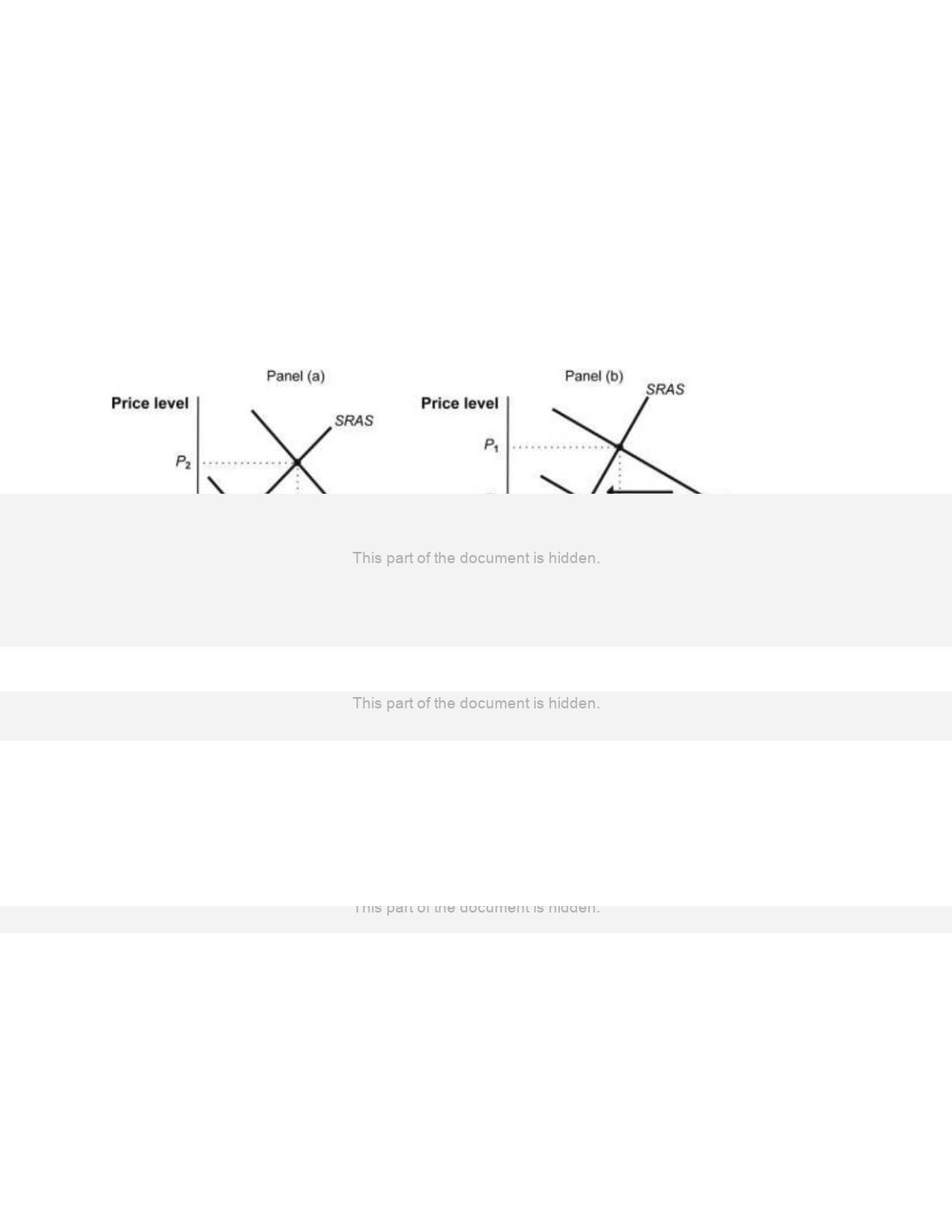
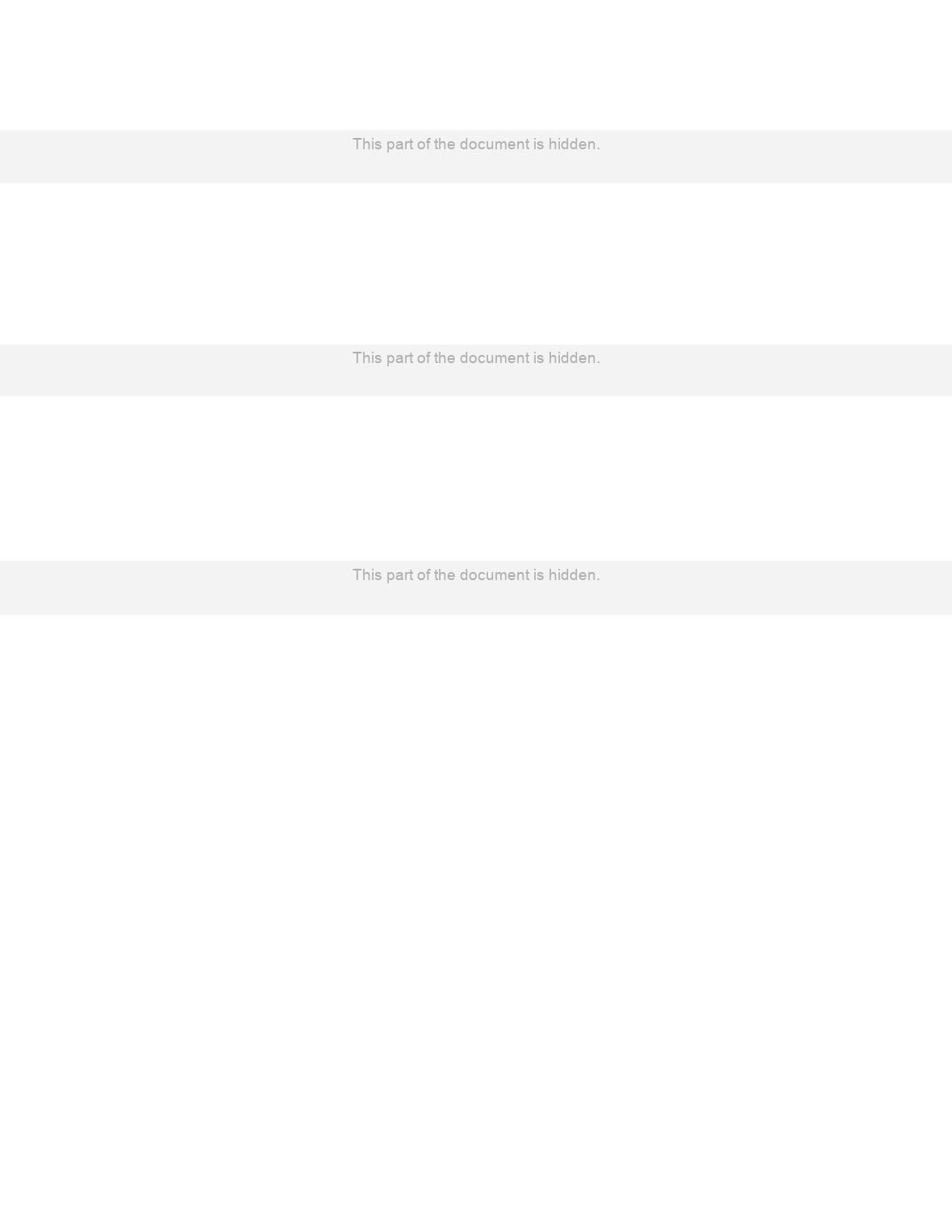
Use the following to answer questions 137-142:
Figure: The Money Supply and Aggregate Demand
137.
(Figure: The Money Supply and Aggregate Demand) Refer to Figure: The Money
Supply and Aggregate Demand. Panel (a) illustrates what happens when the Federal
Reserve decides to _____ the money supply and _____ interest rates.
A)
decrease; lower
B)
increase; raise
C)
increase; lower
D)
decrease; raise
138.
(Figure: The Money Supply and Aggregate Demand) Refer to Figure: The Money
Supply and Aggregate Demand. Panel (b) illustrates what happens when the Federal
Reserve decides to _____ the money supply and _____ interest rates.
A)
decrease; lower
B)
increase; raise
C)
increase; lower
D)
decrease; raise
Page 27
139.
(Figure: The Money Supply and Aggregate Demand) Refer to Figure: The Money
Supply and Aggregate Demand. Panel _____ illustrates what happens when the Fed
decides to _____ Treasury bills and _____ the money supply.
A)
(a); sell; increase
B)
(b); buy; increase
C)
(b); sell; decrease
D)
(a); buy; decrease
140.
(Figure: The Money Supply and Aggregate Demand) Refer to Figure: The Money
Supply and Aggregate Demand. If the economy is in a recessionary gap, the Federal
Reserve will _____ Treasury bills, which will _____ the money supply and _____
interest rates. This is shown in panel _____.
A)
sell; decrease; raise; (b)
B)
buy; decrease; lower; (a)
C)
buy; increase; lower; (a)
D)
sell; increase; lower; (a)
141.
(Figure: The Money Supply and Aggregate Demand) Refer to Figure: The Money
Supply and Aggregate Demand. If the economy is in an inflationary gap, the Federal
Reserve will _____ Treasury bills, which will _____ the money supply and _____
interest rates. This is shown in panel _____.
A)
buy; increase; lower; (a)
B)
sell; decrease; raise; (b)
C)
buy; decrease; raise; (b)
D)
sell; increase; raise; (b)
142.
(Figure: The Money Supply and Aggregate Demand) Refer to Figure: The Money
Supply and Aggregate Demand. If the Federal Reserve intended to encourage
investment and expand the economy, it would _____ Treasury bills, _____ the money
supply, and _____ interest rates. This is shown in panel _____.
A)
buy; increase; lower; (a)
B)
sell; increase; lower; (b)
C)
buy; decrease; lower; (a)
D)
buy; increase; raise; (a)

Page 28
143.
Suppose that the Federal Reserve is conducting an expansionary monetary policy. It will
_____ Treasury bills on the open market, so that the money supply will _____, interest
rates will _____, planned investment spending will _____, and the AD curve will shift to
the _____.
A)
buy; decrease; fall; fall; left
B)
sell; decrease; rise; fall; left
C)
buy; increase; fall; rise; right
D)
sell; increase; rise; rise; left
144.
If the Federal Reserve wants to close an inflationary gap, it will _____ the money
supply and _____ the interest rate, thus _____ investment spending and GDP. The AD
curve will shift to the _____.
A)
increase; raise; increasing; right
B)
increase; lower; lowering; left
C)
decrease; raise; lowering; left
D)
decrease; lower; lowering; right
145.
To fight inflation, the Federal Reserve should conduct _____ monetary policy to _____
interest rates, which will shift the aggregate demand curve to the _____.
A)
contractionary; raise; left
B)
contractionary; raise; right
C)
expansionary; lower; right
D)
expansionary; raise; left
146.
To fight a recession, the Federal Reserve should conduct _____ monetary policy to
_____ interest rates, which will shift the aggregate demand curve to the _____.
A)
expansionary; lower; left
B)
contractionary; raise; left
C)
contractionary; lower; right
D)
expansionary; lower; right
147.
Which statement is FALSE?
A)
The Taylor rule sets the federal funds rate on the basis of both inflation rate and
output gap, whereas inflation targeting is based on a desired inflation rate.
B)
The Taylor rule sets the federal funds rate on the basis of past inflation rates,
whereas inflation targeting is based on a forecast of the inflation rate.
C)
The Taylor rule can be more flexible, whereas inflation targeting provides more
transparency and accountability.
D)
The Taylor rule sets the federal funds rate on the basis of only past inflation rates,
whereas inflation targeting is based on a target interest rate and business cycles.
Page 29
148.
Which statement describes the difference between the Taylor rule and inflation
targeting?
A)
The Federal Reserve uses inflation targeting, and the Bank of England uses the
Taylor rule.
B)
The Taylor rule responds to past inflation, and inflation targeting is based on a
forecast of inflation.
C)
Inflation targeting responds to past inflation, and the Taylor rule is based on a
forecast of inflation.
D)
Inflation targeting is used in conducting fiscal policy, while the Taylor rule is used
in monetary policy.
149.
Which monetary policy would be destabilizing?
I. an expansionary policy during an expansion
II. an expansionary policy during a recession
III. a contractionary policy during an expansion
A)
I only
B)
II only
C)
III only
D)
I, II, and III
150.
In the short run, the interest rate is determined in the _____ market.
A)
stock
B)
money
C)
loanable funds
D)
commodity
151.
In the long run, the interest rate is determined in the _____ market.
A)
stock
B)
money
C)
loanable funds
D)
commodity
152.
In the long run, a change in the money supply will affect:
I. the interest rate.
II. real GDP.
III. prices.
A)
I only
B)
II only
C)
III only
D)
I, II, and III
Page 30
153.
If the economy is at potential output and the Fed increases the money supply, in the
short run interest rates will likely:
A)
increase.
B)
decrease.
C)
remain constant.
D)
fluctuate randomly.
154.
If the economy is at potential output and the Fed increases the money supply, in the
short run the likely result will be a(n) _____ in investment and a(n) _____ in
consumption.
A)
increase; increase
B)
increase; decrease
C)
decrease; increase
D)
decrease; decrease
155.
If the economy is at potential output and the Fed increases the money supply, in the
short run the aggregate demand will likely:
A)
shift to the left.
B)
remain the same.
C)
increase.
D)
decrease.
156.
If the economy is at potential output and the Fed increases the money supply, in the
short run the price level will likely:
A)
fluctuate randomly.
B)
remain the same.
C)
decrease.
D)
increase.
157.
If the economy is at potential output and the Fed increases the money supply, in the
short run real GDP will likely:
A)
fluctuate randomly.
B)
remain the same.
C)
decrease.
D)
increase.
Page 31
158.
If the economy is at potential output and the Fed increases the money supply so that
actual output exceeds potential output, eventually nominal wages will:
A)
increase.
B)
decrease.
C)
remain the same.
D)
fluctuate randomly.
159.
When nominal wages increase, the short-run aggregate supply curve:
A)
shifts to the right.
B)
shifts to the left.
C)
remains constant.
D)
disappears.
160.
If the economy is at potential output and the Fed increases the money supply, in the long
run the price level will likely:
A)
fluctuate randomly.
B)
remain the same.
C)
decrease.
D)
increase.
161.
If the economy is at potential output and the Fed increases the money supply, in the long
run real GDP will likely:
A)
fluctuate randomly.
B)
remain the same.
C)
decrease.
D)
increase.
162.
If the economy is at potential output and the Fed decreases the money supply, in the
short run the likely result will be a(n) _____ in investment and a(n) _____ in
consumption.
A)
increase; increase
B)
increase; decrease
C)
decrease; increase
D)
decrease; decrease
Page 32
163.
If the economy is at potential output and the Fed decreases the money supply, in the
short run the aggregate demand will likely:
A)
shift to the right.
B)
remain the same.
C)
increase.
D)
decrease.
164.
If the economy is at potential output and the Fed decreases the money supply, in the
short run the price level will likely_____ and real GDP will likely_____ .
A)
increase; increase
B)
increase; decrease
C)
decrease; increase
D)
decrease; decrease
165.
If the economy is at potential output and the Fed decreases the money supply so that
actual output is less than potential output, eventually nominal wages will_____ and
short-run aggregate supply will _____.
A)
increase; increase
B)
increase; decrease
C)
decrease; increase
D)
decrease; decrease
166.
If the economy is at potential output and the Fed decreases the money supply, in the
long run the price level will likely:
A)
fluctuate randomly.
B)
remain the same.
C)
decrease.
D)
increase.
167.
If the economy is at potential output and the Fed decreases the money supply, in the
LONG run real GDP will likely:
A)
fluctuate randomly.
B)
remain the same.
C)
decrease.
D)
increase.

Page 33
168.
When actual output is above potential output, over time:
A)
nominal wages will increase, and the short-run supply curve will shift to the right.
B)
nominal wages will increase, and the short-run supply curve will shift to the left.
C)
the aggregate demand curve will shift to the right.
D)
the short-run aggregate supply curve will shift to the right.
169.
An increase in the money supply causes _____ in output in the short run and _____ in
output in the long run.
A)
an increase; no change
B)
an increase; an increase
C)
no change; an increase
D)
no change; no change
170.
Contractionary monetary policy causes _____ in the price level in the short run and
_____ in the price level in the long run.
A)
no change; a decrease
B)
a decrease; a decrease
C)
a decrease; no change
D)
no change; no change
171.
The short-run aggregate supply curve is _____, and the long-run aggregate supply curve
is _____.
A)
vertical; upward sloping
B)
upward sloping; vertical
C)
downward sloping; vertical
D)
vertical; horizontal
172.
Suppose that the economy is operating at potential output and the money supply
increases. Aggregate output will _____ potential output, nominal wages will _____,
and the SRAS will shift _____.
A)
rise above; rise; leftward
B)
fall below; rise; leftward
C)
rise above; fall; leftward
D)
rise above; rise; rightward
Page 34
173.
Over time, contractionary monetary policy _____ nominal wages and causes the
short-run aggregate supply curve to shift _____.
A)
lowers; leftward
B)
raises; rightward
C)
lowers; rightward
D)
raises; leftward
174.
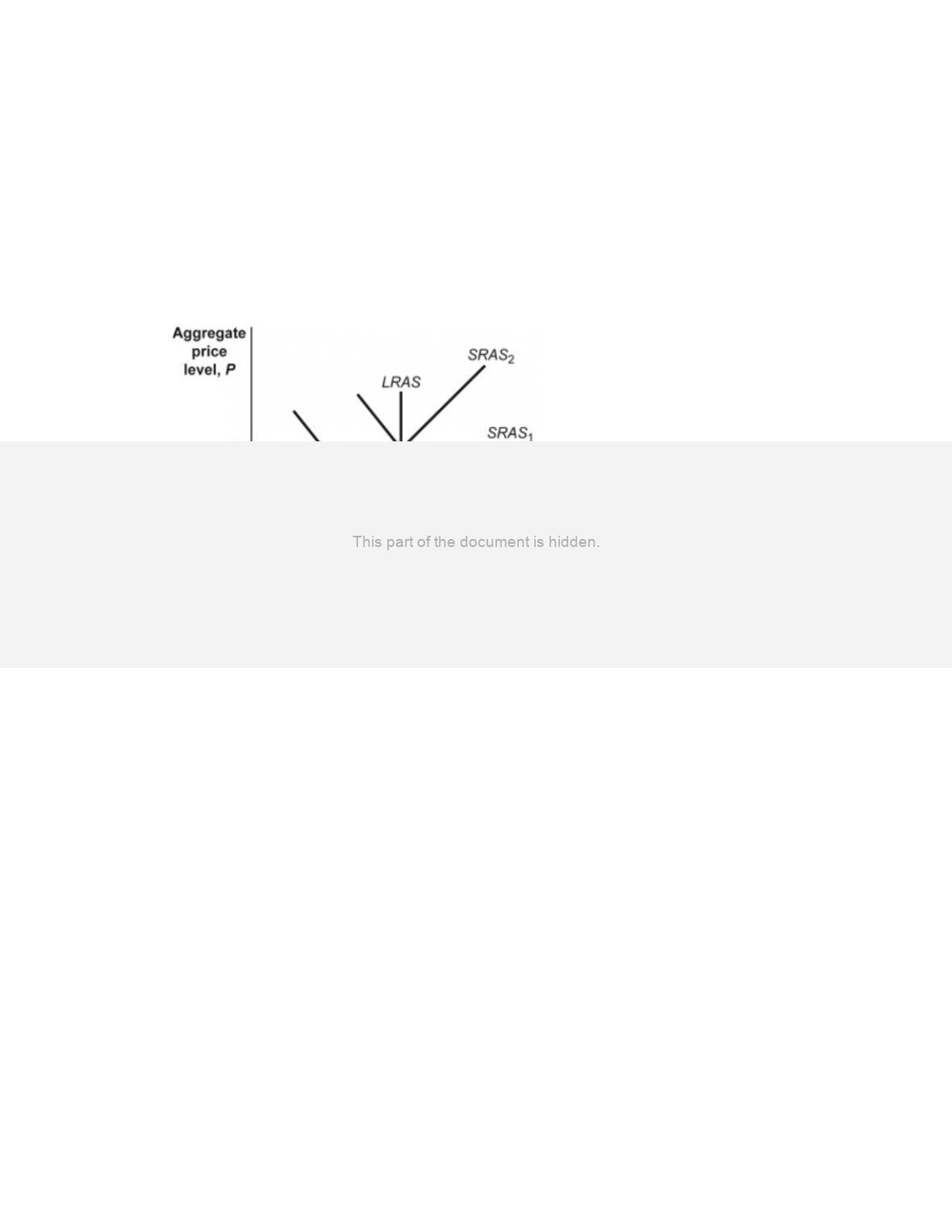
Figure: Short-Run and Long-Run Effects of Monetary Policy
Refer to Figure: Short-Run and Long-Run Effects of Monetary Policy. If the economy
is initially at E2 and the central bank makes no change in its monetary policy:
A)
AD2 will shift to the right, increasing the existing inflationary gap.
B)
AD2 will shift to the left, closing the inflationary gap.
C)
SRAS1 will eventually shift to the left, closing the existing inflationary gap but
raising the aggregate price level.
D)
SRAS2 will immediately shift to the right, increasing the existing inflationary gap.
Page 35
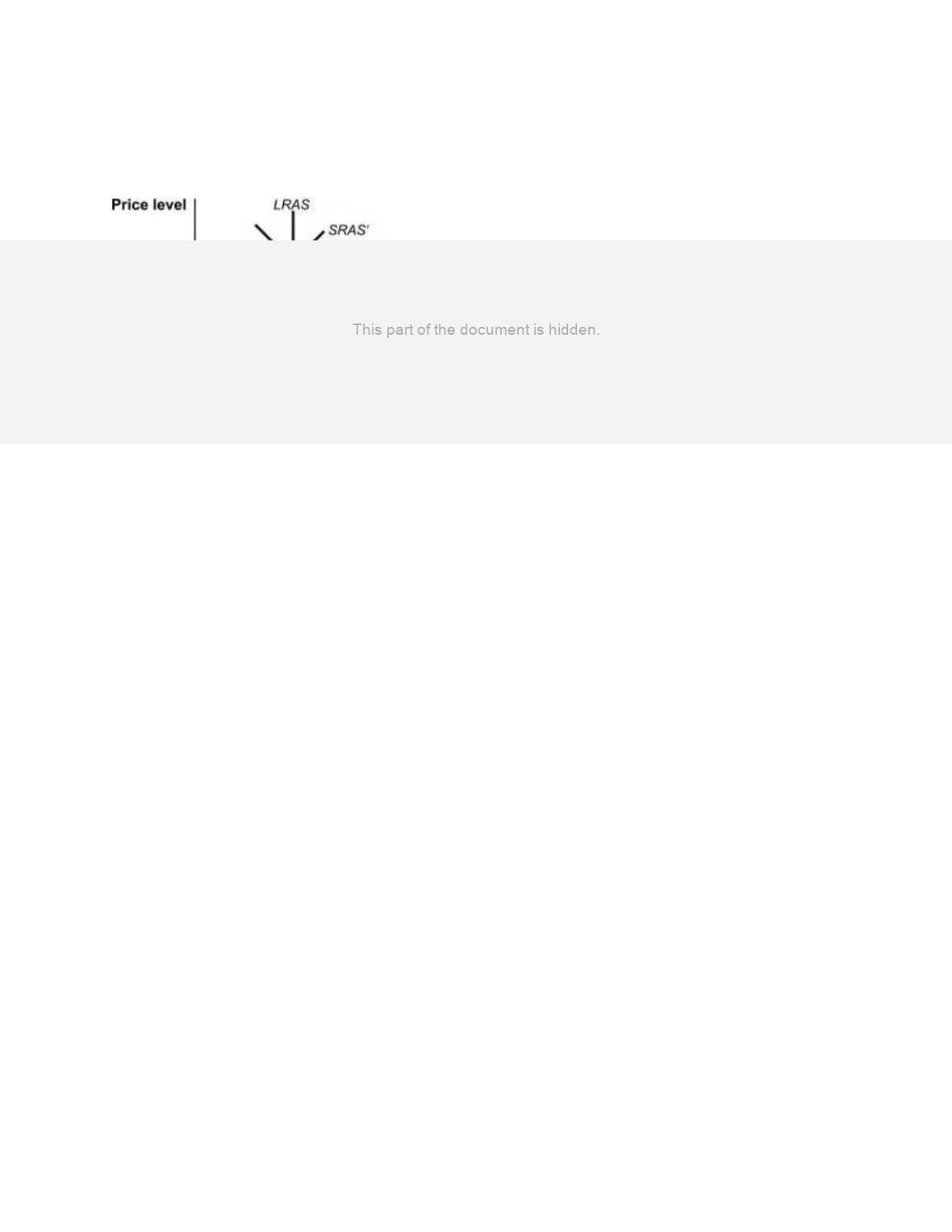
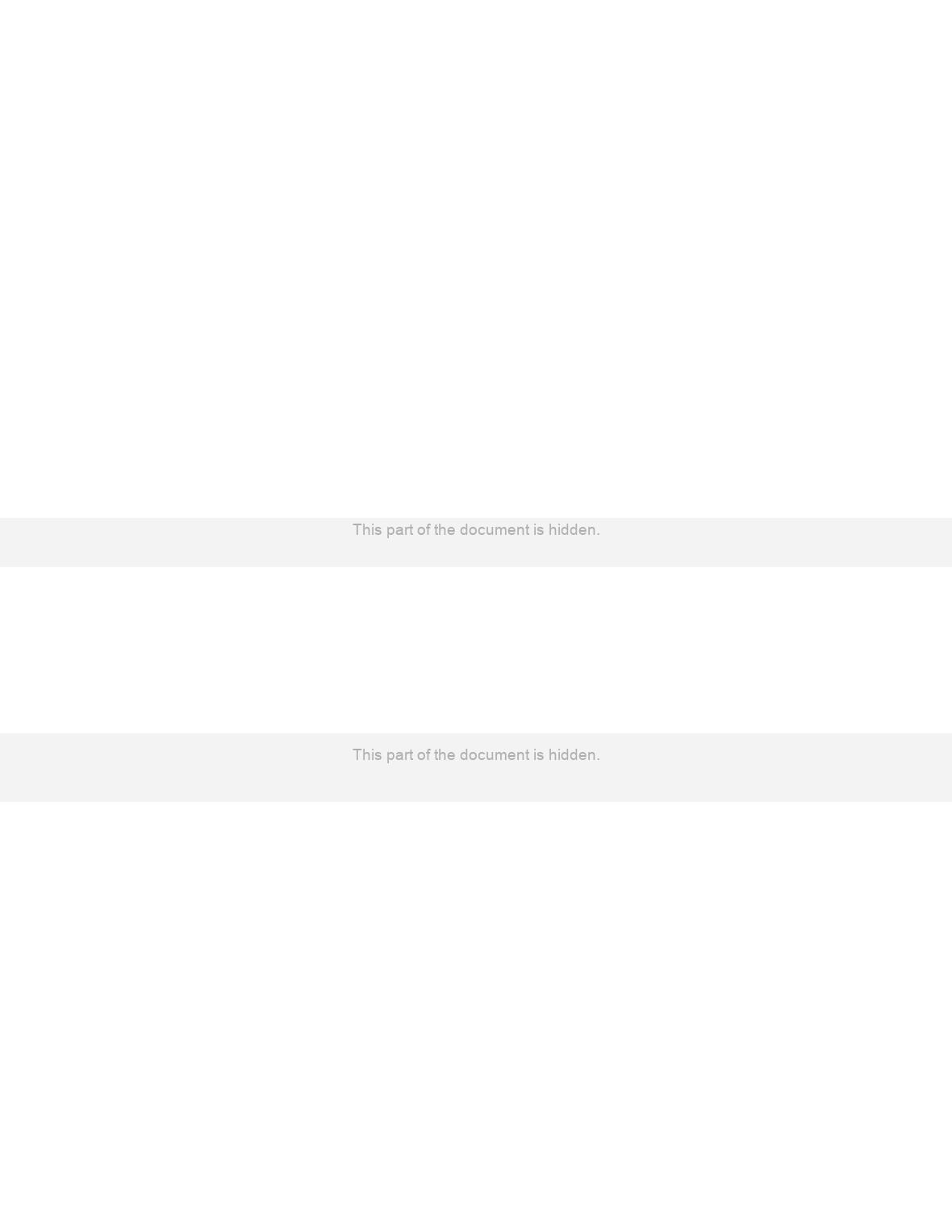
Use the following to answer questions 175-182:
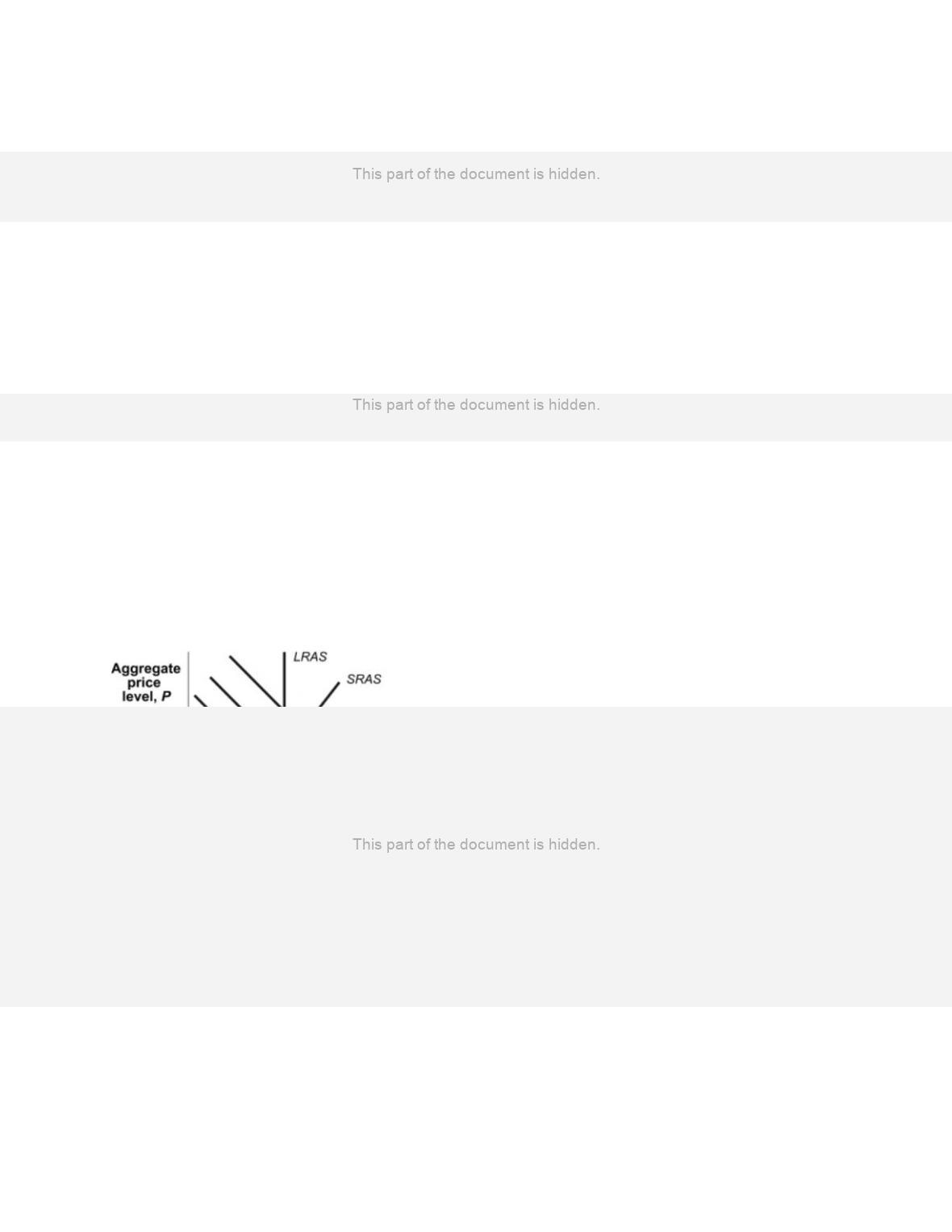
Figure: Monetary Policy and the AD–SRAS Model
175.
(Figure: Monetary Policy and the AD–SRAS Model) Refer to Figure: Monetary Policy
and the AD–SRAS Model. An increase in the money supply is most likely to cause a
shift:
A)
from SRAS to SRAS’.
B)
from AD to AD’.
C)
from SRAS’ to SRAS.
D)
from AD’ to AD.
176.
(Figure: Monetary Policy and the AD–SRAS Model) Refer to Figure: Monetary Policy
and the AD–SRAS Model. The economy may move from point i to point h as a result of:
A)
an increase in the money supply.
B)
a rise in the discount rate.
C)
a decrease in the money supply.
D)
sales of government securities in the open market.
177.
(Figure: Monetary Policy and the AD–SRAS Model) Refer to Figure: Monetary Policy
and the AD–SRAS Model. If the economy is in a recessionary gap at point f, it could
move to point g as a result of:
A)
a decrease in the money supply.
B)
a rise in the discount rate.
C)
an increase in the money supply.
D)
sales of government securities in the open market.
Page 36
178.
(Figure: Monetary Policy and the AD–SRAS Model) Refer to Figure: Monetary Policy
and the AD–SRAS Model. The economy could move from point g to point f as a result
of:
A)
an increase in the money supply.
B)
a reduction in the discount rate.
C)
a decrease in the money supply.
D)
purchases of government securities in the open market.
179.
(Figure: Monetary Policy and the AD–SRAS Model) Refer to Figure: Monetary Policy
and the AD–SRAS Model. If the economy is in a recessionary gap at point f, it could
move to point g as a result of:
A)
a decrease in government spending.
B)
an increase in the discount rate.
C)
a decrease in the money supply.
D)
purchases of government securities in the open market.
180.
(Figure: Monetary Policy and the AD–SRAS Model) Refer to Figure: Monetary Policy
and the AD–SRAS Model. If the economy is in an inflationary gap at point h, it can
move to point i as a result of:
A)
an increase in the money supply.
B)
a reduction in the discount rate.
C)
a decrease in the money supply.
D)
purchases of government securities in the open market.
181.
(Figure: Monetary Policy and the AD–SRAS Model) Refer to Figure: Monetary Policy
and the AD–SRAS Model. If the economy is at point h because of an open market
purchase by the Federal Reserve and no further monetary policy is implemented, in the
long run nominal wages will _____, SRAS will shift _____, real GDP will _____, and
the price level will _____.
A)
increase; to SRAS’; decrease; increase
B)
increase; to SRAS’; increase; decrease
C)
decrease; farther to the right; decrease; increase
D)
decrease; to SRAS’; increase; decrease
Page 37
182.
(Figure: Monetary Policy and the AD–SRAS Model) Refer to Figure: Monetary Policy
and the AD–SRAS Model. If the economy is at point f because of an open market sale by
the Federal Reserve and no further monetary policy is implemented, in the long run
nominal wages will _____ and _____ will shift to _____, real GDP will _____, and the
price level will _____.
A)
increase; SRAS; SRAS’; decrease; increase
B)
increase; SRAS; SRAS’; increase; decrease
C)
decrease; SRAS
; SRAS; increase; decrease
D)
decrease; SRAS
; SRAS; decrease; decrease
183.
Consider an economy that is facing a recessionary gap. The Federal Reserve decides to
use expansionary monetary policy to close that gap. As a result of this policy, in the
short run the money supply will _____, the interest rate will _____, investment and
consumption spending will _____, and real GDP will _____.
A)
decrease; fall; decrease; increase
B)
increase; increase; decrease; decrease
C)
decrease; increase; decrease; decrease
D)
increase; fall; increase; increase
Use the following to answer questions 184-187:
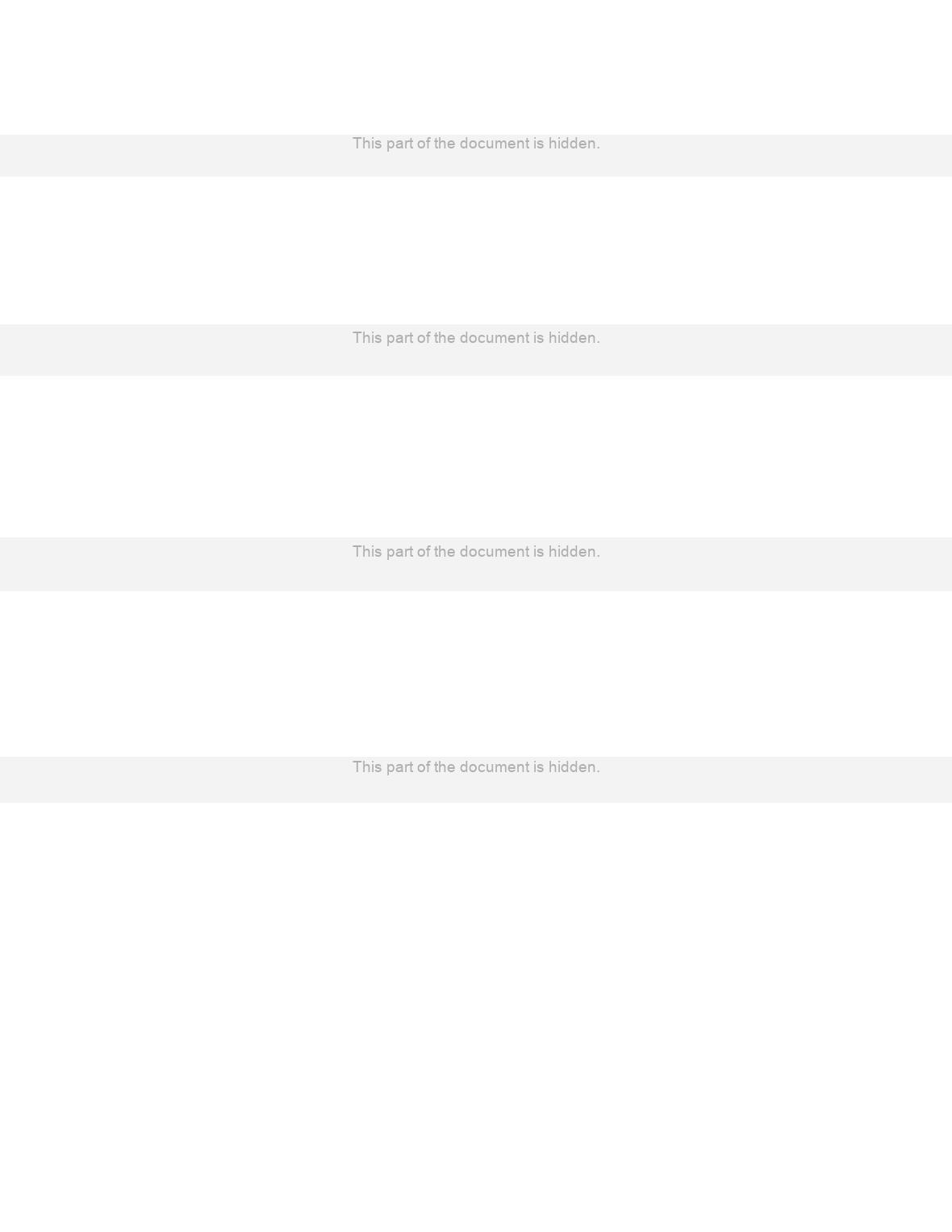
Figure: Output Gap
Page 38
184.
(Figure: Output Gap) Refer to Figure: Output Gap. If the economy is producing at Y1,
then it has a(n) _____ gap, as _____ real GDP exceeds _____ real GDP, and the Federal
Reserve should use _____ monetary policy.
A)
inflationary; actual; potential; contractionary
B)
recessionary; potential; actual; expansionary
C)
inflationary; potential; actual; contractionary
D)
recessionary; actual; potential; expansionary
185.
(Figure: Output Gap) Refer to Figure: Output Gap. If the economy is producing at Y2,
then it has a(n) _____ gap, as _____ real GDP exceeds _____ real GDP, and the Federal
Reserve should use _____ monetary policy.
A)
recessionary; actual; potential; expansionary
B)
recessionary; potential; actual; expansionary
C)
inflationary; actual; potential; contractionary
D)
inflationary; potential; actual; contractionary
186.
(Figure: Output Gap) Refer to Figure: Output Gap. If the economy is at Y1 as a result of
expansionary monetary policy and no further policy is implemented, in the long run
nominal wages will _____ and shift the short-run aggregate supply curve to the _____,
which will _____ real output.
A)
increase; left; decrease
B)
increase; right; increase
C)
decrease; left; decrease
D)
decrease; right; increase
187.
(Figure: Output Gap) Refer to Figure: Output Gap. If the economy is at Y2 because of
contractionary monetary policy and no further policy is implemented, in the long run
nominal wages will _____ and shift the short-run aggregate supply curve to the _____,
which will _____ real output.
A)
increase; left; decrease
B)
increase; right; increase
C)
decrease; left; decrease
D)
decrease; right; increase
Page 39
188.
If the Federal Reserve uses expansionary monetary policy there is a _____ short-run
effect on _____, but_____.
A)
negative short-run; real GDP; prices remain unchanged in the long run.
B)
positive short-run; real GDP; GDP remains equal to potential GDP in the long run.
C)
positive long-run; real GDP; GDP remains unchanged at its potential level in the
short run.
D)
positive short-run; the price level; the aggregate price level remains unchanged in
the long run.
189.
Suppose that the economy is in long-run equilibrium at full employment levels of real
GDP. In the long run, if the money supply increases, we would expect _____ in the
price level and _____ in real GDP.
A)
an increase; no change
B)
an increase; an increase
C)
a decrease; no change
D)
no change; an increase
190.
In the long run, changes in the money supply _____ the aggregate price level and _____
aggregate output.
A)
affect; affect
B)
affect; do not affect
C)
do not affect; affect
D)
do not affect; do not affect
191.
Assume the money supply doubles, followed by a doubling of the wage rate and the
price level. Under these circumstances, we can safely conclude that:
A)
real aggregate output will double.
B)
real aggregate output will fall in half.
C)
nominal output will double, but real output will fall.
D)
nominal output will double, but real output will remain unchanged.
192.
Economists argue that money is neutral in:
A)
both the short and the long run.
B)
the short run only.
C)
the long run, but money does affect the price level.
D)
the long run, but money does not affect the price level.
Page 40
193.
Monetary neutrality implies that in the long run:
A)
monetary policy does not affect the level of economic activity.
B)
long-run aggregate supply depends on monetary policy.
C)
changing the money supply does not affect the aggregate price level.
D)
aggregate demand is independent from monetary policy.
194.
Which statement is FALSE? In the long run, monetary policy:
A)
affects only the aggregate price level.
B)
does not affect aggregate output.
C)
is neutral.
D)
increases potential output.
195.
If the money supply increases by 10%, in the long run:
A)
unemployment drops by 10%.
B)
the price level increases by 10%.
C)
real GDP increases by 10%.
D)
unemployment drops by 20%.
196.
If the money supply decreases by 5%, in the long run:
A)
interest rates rise by 5%.
B)
the unemployment rate rises by 10%.
C)
the price level drops by 5%.
D)
real GDP drops by 5%.
197.
In the long run, an increase in the quantity of money:
A)
increases real output.
B)
increases prices but not long-run output.
C)
increases real interest rates.
D)
has no effect on the economy.
198.
According to the concept of monetary neutrality, _____ in the money supply _____ real
GDP _____ the price level.
A)
increases; do not change; but do raise
B)
increases; raise; but do not change
C)
decreases; lower; but do lower
D)
increases; raise; but do raise