
35–61
Copyright © 2018 McGraw-Hill Education. All rights reserved. No reproduction or distribution without the prior
written consent of McGraw-Hill Education.
AACSB: Knowledge Application
A c c e s s i b i l i t y : Keyboard Navigation
Blooms: Understand
D i f f i c u l t y : 02 Medium
Learning Objective: 35–02 Explain the basics of a banks balance sheet and the distinction
between a banks actual reserves and its required reserves.
Test Bank: II
Topic: A Single Commercial Bank
143. The required reserve ratio is equal to
144.
A bank’s required reserves can be calculated by
145. When a bank accepts a checkable deposit from a customer, its deposits will increase
and its excess reserves will
35–62
Copyright © 2018 McGraw-Hill Education. All rights reserved. No reproduction or distribution without the prior
written consent of McGraw-Hill Education.
A. increase by the same amount as deposits.
B. increase by less than the deposits.
C.
increase by more than the deposits.
D.
decrease.
146.
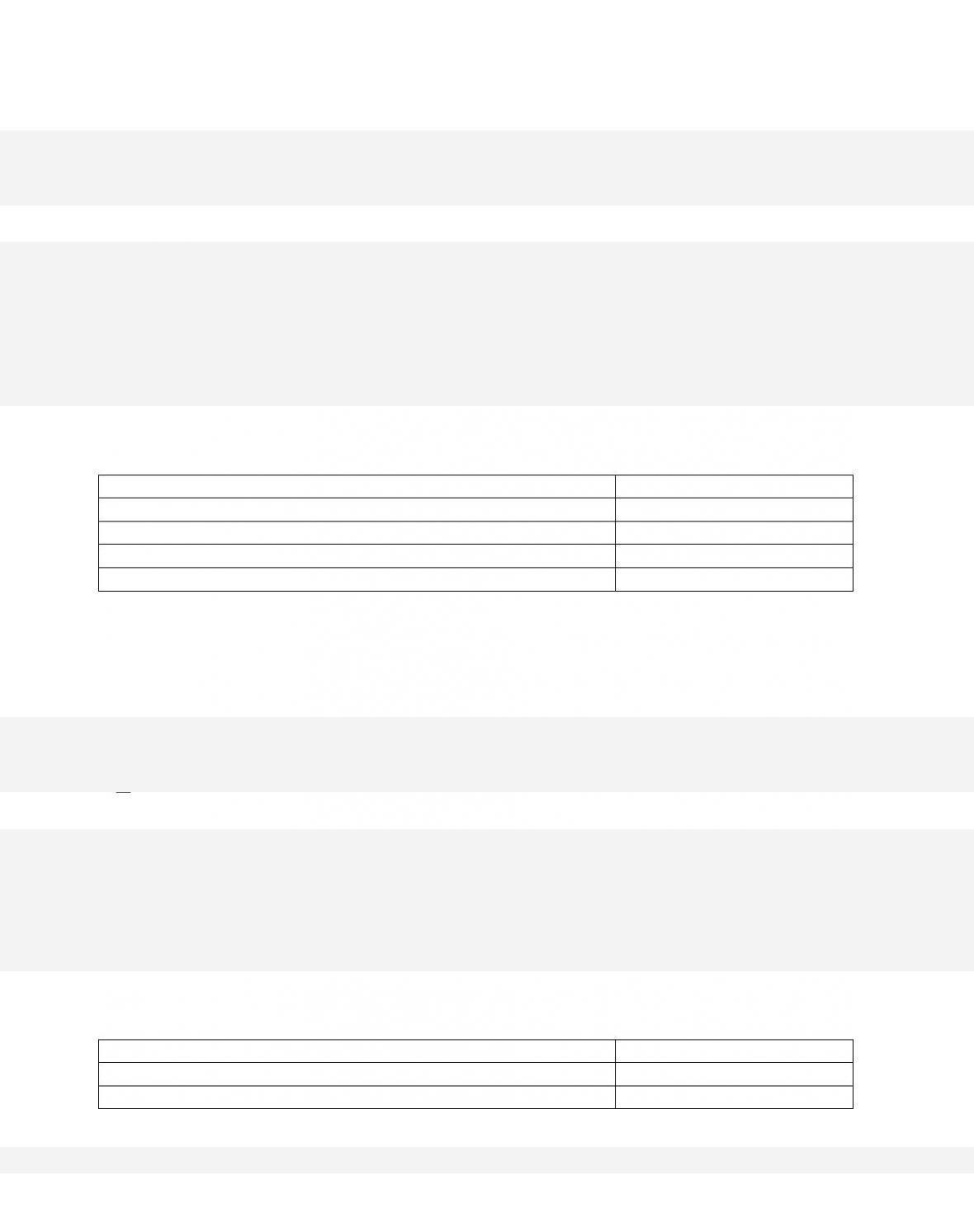
Type of Deposit
Reserve Requirement
Checkable Deposits
$7.8 – 48.3 Million
3%
Over $48.3 Million
10
Noncheckable personal savings and time deposits
0
Refer to the accompanying table. If a bank has $60 million in savings deposits and $40 million in
checkable deposits, then its required reserves are
147.
Type of Deposit
Reserve Requirement
Checkable Deposits
$7.8 – 48.3 Million
3%
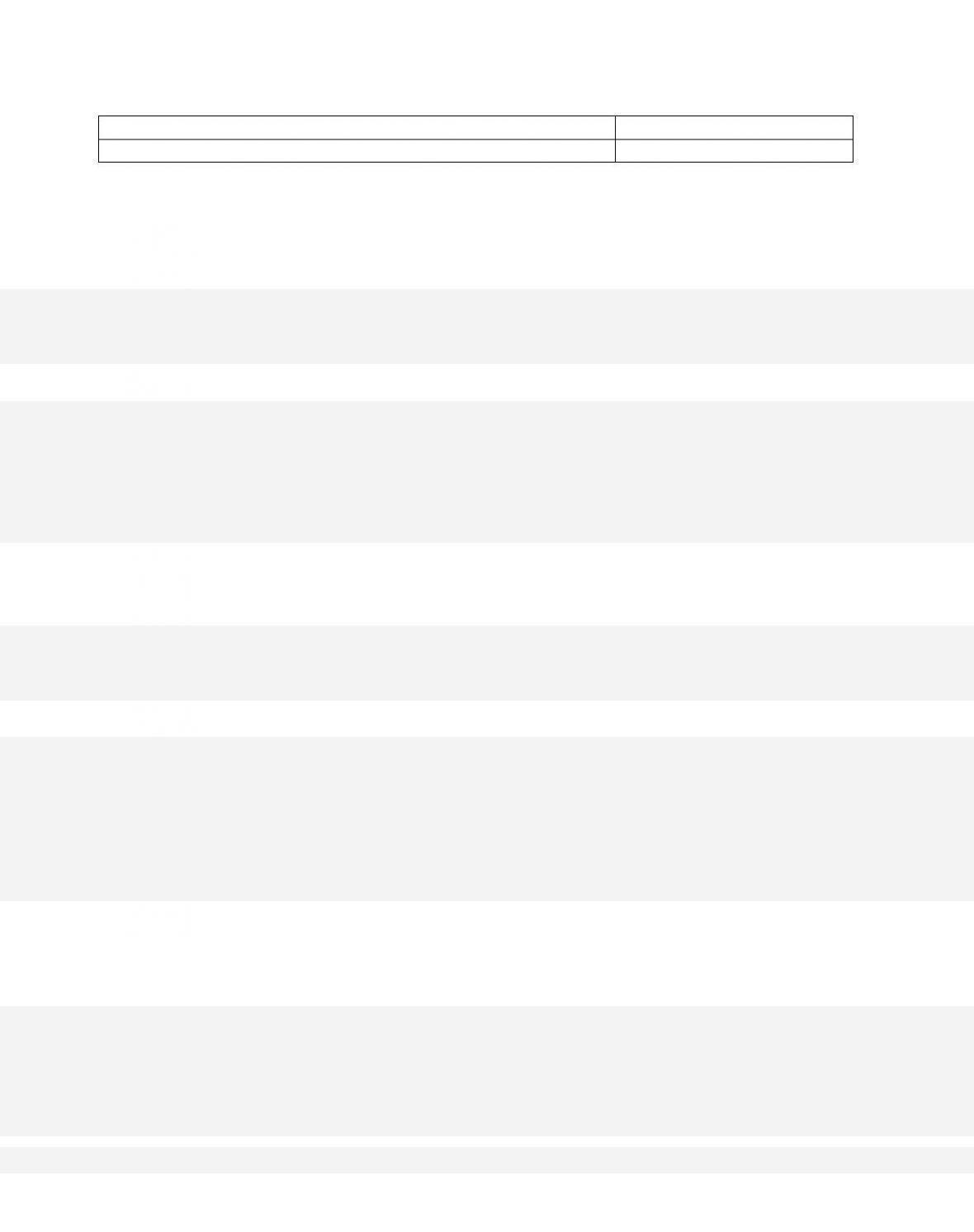
Over $48.3 Million
10
Noncheckable personal savings and time deposits
0
Refer to the accompanying table. If a bank has checkable deposits of $45 million and
reserves of $2 million, then its excess reserves are
148. A commercial bank‘s checkable-deposit liabilities can be estimated by
149.
A commercial bank has required reserves of $60 million and the reserve ratio is 20 percent.
How much are the commercial bank‘s checkable-deposit liabilities?

35–64
Copyright © 2018 McGraw-Hill Education. All rights reserved. No reproduction or distribution without the prior
written consent of McGraw-Hill Education.
AACSB: Knowledge Application
A c c e s s i b i l i t y : Keyboard Navigation
Blooms: Understand
D i f f i c u l t y : 02 Medium
Learning Objective: 35–02 Explain the basics of a banks balance sheet and the distinction
between a banks actual reserves and its required reserves.
Test Bank: II
Topic: A Single Commercial Bank
150. A commercial bank has checkable-deposit liabilities of $50,000 and a required
reserve ratio of 20 percent. What is the amount of required reserves?
151.
A commercial bank has actual reserves of $1 million and checkable-deposit liabilities of $9
million, and the required reserve ratio is 10 percent. The excess reserves of the bank are
152.
A bank is in the position to make loans when required reserves

153. Sharon sells a government security worth $4,600,000 to the Federal Reserve Bank of
Kansas City. She then deposits the funds in her checking account at First Commerce Bank.
Her checking account had a $150,000 balance before this deposit. The reserves of First
Commerce Bank would
154. An individual deposits $12,000 in a commercial bank. The bank is required to hold
10 percent of all deposits on reserve at the regional Federal Reserve Bank. The deposit
increases the loan capacity of the bank by

35–66
Copyright © 2018 McGraw-Hill Education. All rights reserved. No reproduction or distribution without the prior
written consent of McGraw-Hill Education.
A c c e s s i b i l i t y : Keyboard Navigation
Blooms: Understand
D i f f i c u l t y : 02 Medium
Learning Objective: 35–02 Explain the basics of a banks balance sheet and the distinction
between a banks actual reserves and its required reserves.
Test Bank: II
Topic: A Single Commercial Bank
155. A bank‘s checkable deposits shrink from $40 million to $33 million. What happens to
its required reserves if the required reserve ratio is 3 percent?
156. Suppose that the reserve ratio is 6 percent, and applies only to checkable deposits. A
bank has noncheckable time deposits of $300 million, checkable deposits of $100 million,
and reserves of $8 million. What are the excess reserves of this bank?
157. Assume that the required reserve ratio is 5 percent. If a commercial bank has $2

million cash in its vault, $1 million in government securities, $3 million on deposit at the
Fed, and $60
million in checkable deposits, then its excess reserves equal
158.
Suppose the Northwestern Bank has excess reserves of $12,000 and checkable deposits of
$125,000. If the reserve requirement is 20 percent, what are the bank’s actual reserves?
159. A bank has excess reserves of $5,000 and demand deposits of $50,000; the required
reserve ratio is 20 percent. If the reserve ratio is raised to 25 percent, then this bank can
lend a maximum of

35–68
Copyright © 2018 McGraw-Hill Education. All rights reserved. No reproduction or distribution without the prior
written consent of McGraw-Hill Education.
A c c e s s i b i l i t y : Keyboard Navigation
Blooms: Understand
D i f f i c u l t y : 02 Medium
Learning Objective: 35–02 Explain the basics of a banks balance sheet and the distinction
between a banks actual reserves and its required reserves.
Test Bank: II
Topic: A Single Commercial Bank
160. A depositor places $5,000 in cash in a commercial bank, and the reserve ratio is 20
percent; the bank sends the $5,000 to the Federal Reserve Bank. As a result, the reserves
and excess reserves of the bank have been increased by
161. A depositor places $10,000 in cash in a commercial bank, where the required reserve
ratio is 10 percent. The bank sends the $10,000 to its Federal Reserve Bank. As a result,
the actual reserves, required reserves, and excess reserves of the bank have been
increased by
162.
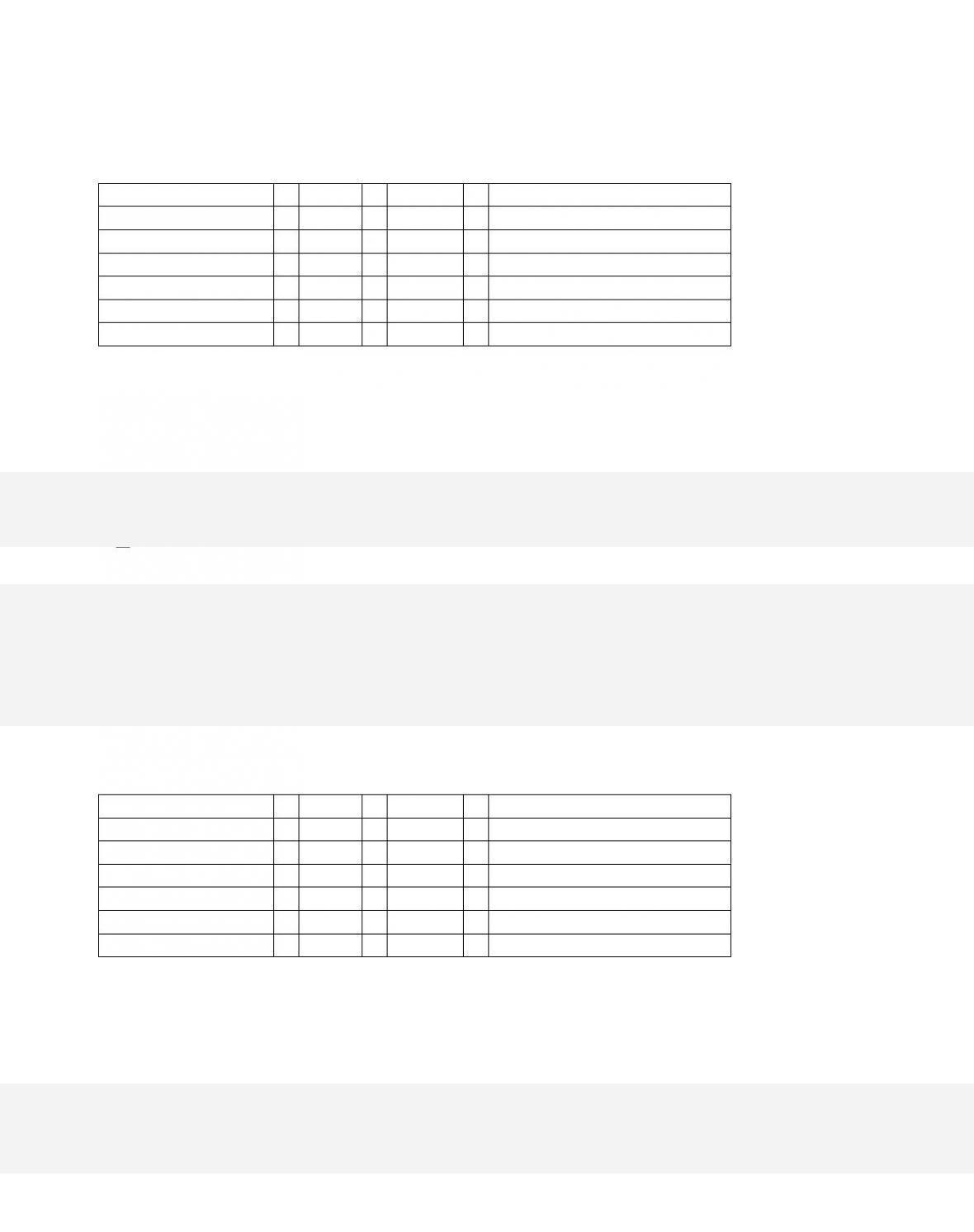
Assets
Liabilities and Net Worth
Stock Shares
$400
Reserves
40
Property
300
Securities
160
Loans
80
Demand Deposits
180
The figures in the table are for a single commercial bank. All figures are in thousands of dollars.
This bank has total assets of
163.
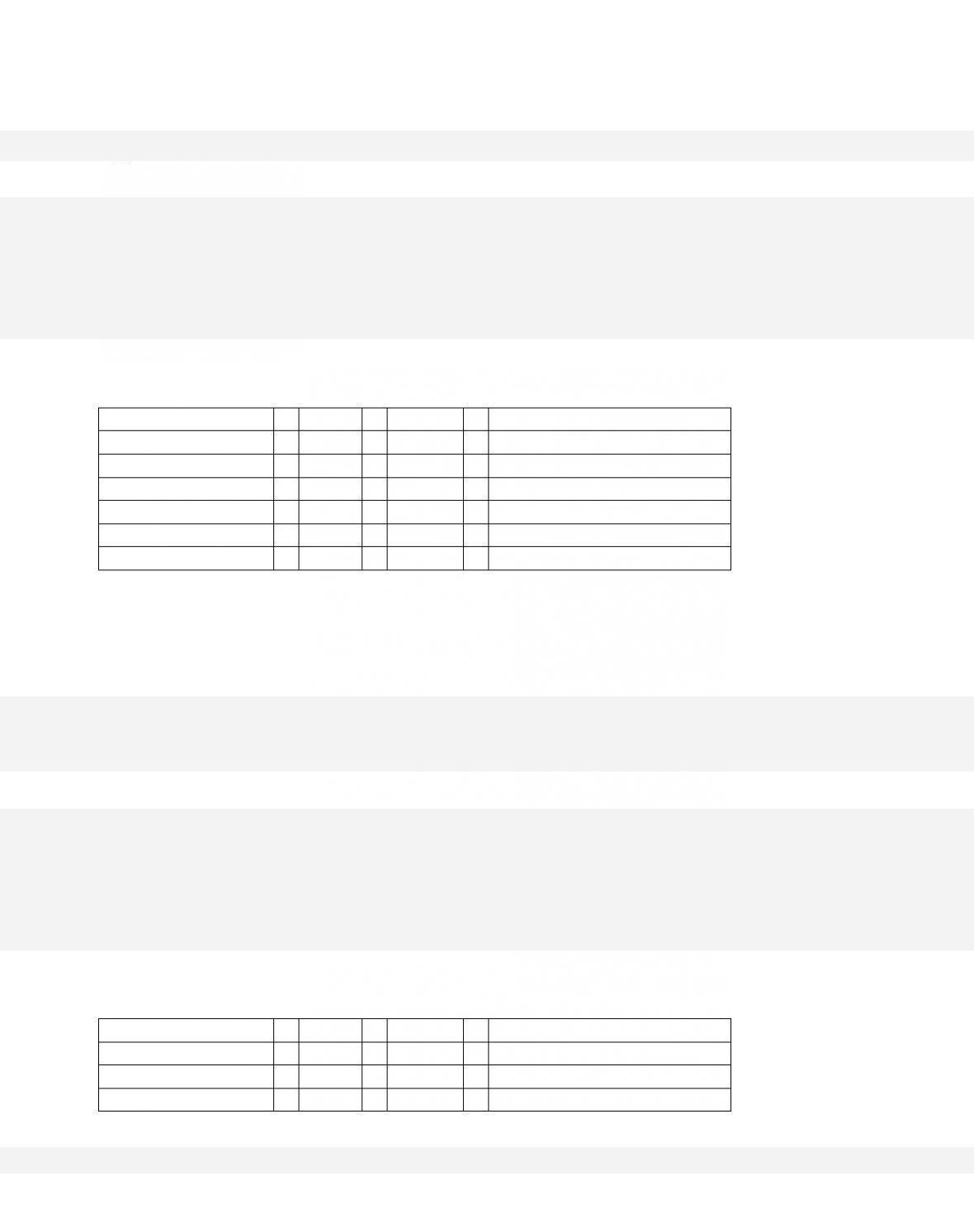
Assets
Liabilities and Net Worth
Stock Shares
$400
Reserves
40
Property
300
Securities
160
Loans
80
Demand Deposits
180
The figures in the table are for a single commercial bank. All figures are in thousands of dollars.
This bank has liabilities and net worth totaling
35–70
Copyright © 2018 McGraw-Hill Education. All rights reserved. No reproduction or distribution without the prior
written consent of McGraw-Hill Education.
C. $550 million.
D. $580 million.
164.
Assets
Liabilities and Net Worth
Stock Shares
$400
Reserves
40
Property
300
Securities
160
Loans
80
Demand Deposits
180
The figures in the table are for a single commercial bank. All figures are in thousands of dollars.
If the required reserve ratio is 10 percent, the bank has excess reserves of
165.
Assets
Liabilities and Net Worth
Stock Shares
$400
Reserves
40
Property
300
Securities
160
Loans
80
Demand Deposits
180
The figures in the table are for a single commercial bank, Bank A. All figures are in thousands of
dollars. If the reserve ratio is 10 percent and a check for $10,000 is drawn and cleared in
favor
of Bank B, then the actual reserves of Bank A will
166.
Assets
Liabilities and Net Worth
Stock Shares
$400
Reserves
40
Property
300
Securities
160
Loans
80
Demand Deposits
180
The figures in the table are for a single commercial bank, Bank A. All figures are in
thousands of dollars. If the reserve ratio is 10 percent and a check for $10,000 is drawn
and cleared in favor of Bank B, then Bank A will end up with excess reserves of

35–72
Copyright © 2018 McGraw-Hill Education. All rights reserved. No reproduction or distribution without the prior
written consent of McGraw-Hill Education.
D i f f i c u l t y : 02 Medium
Learning Objective: 35–02 Explain the basics of a banks balance sheet and the distinction
between a banks actual reserves and its required reserves.
Test Bank: II
Topic: A Single Commercial Bank
167.
Assume that the required reserve ratio is 20 percent. A business deposits a $50,000 check
at Bank A; the check is drawn against Bank B. What happens to the reserves at Bank A and Bank
B?
168.
Assume that the required reserve ratio is 20 percent. A business deposits a $50,000
check at Bank A; the check is drawn against Bank B. What happens to the excess reserves
at Bank A and Bank B?
169.
The Norfolk Bank has $18,000 in excess reserves, and the reserve ratio is 20 percent.
How much checkable deposits and reserves does this bank hold?
35–73
170.
When required reserves exceed actual reserves, commercial banks will be forced to
have borrowers
171.
Assets
Liabilities + Net Worth
Reserves
$50,000
Checkable Deposits
$120,000
Loans
75,000
Stock Shares
130,000
Securities
25,000
Property
100,000
Refer to the accompanying balance sheet for the First National Bank. Assume the reserve ratio is
15 percent. If a check for $14,000 is drawn and cleared against this bank, then its reserves
and
checkable deposits will be
172.
Assets
Liabilities + Net Worth
Reserves
$50,000
Checkable Deposits
$120,000
Loans
75,000
Stock Shares
130,000
Securities
25,000
Property
100,000
Refer to the accompanying balance sheet for the First National Bank. Assume the reserve
ratio is 15 percent. If a check for $20,000 is drawn and cleared against this bank, it will
then have
excess reserves of
173. Money is “created” when

35–75
Copyright © 2018 McGraw-Hill Education. All rights reserved. No reproduction or distribution without the prior
written consent of McGraw-Hill Education.
C.
someone lends money to a friend or a family member.
D.
people use money to pay for stuff they buy from one another.
174.
When loans are repaid at commercial banks,
175. Money is “created” when
176.
Henry deposits $2,000 in currency in the First Street Bank. Later that same day, Jane Harris
negotiates a loan for $5,400 at the same bank. After these transactions, the supply of money has

35–76
Copyright © 2018 McGraw-Hill Education. All rights reserved. No reproduction or distribution without the prior
written consent of McGraw-Hill Education.
A.
increased by $2,100.
B.
increased by $3,300.
C.
increased by $5,400.
D. decreased by $3,300.
177.
Which of the following statements is correct?
178. When a check is cleared against a bank, the bank will lose
179. Other things being equal, an expansion of commercial bank lending
180.
In essence, which of the following groups “creates” money?
181. The primary reason commercial banks must keep required reserves on deposit at the
Fed is to

182.
When a bank grants a loan to a customer who then keeps the funds in her checking account
at that bank, the bank’s
183.
When a bank grants a loan to a customer who gets the funds and keeps them at home for a
while, the money supply will
184. A commercial bank has no excess reserves until a depositor places $5,000 in cash at
the bank. The commercial bank then lends $4,000 to a borrower. As a consequence of
these transactions, the size of the money supply has

35–79
Copyright © 2018 McGraw-Hill Education. All rights reserved. No reproduction or distribution without the prior
written consent of McGraw-Hill Education.
Blooms: Understand
D i f f i c u l t y : 02 Medium
Learning Objective: 35-03 Describe how a bank can create money.
Test Bank: II
Topic: Money-Creating Transactions of a Commercial Bank
185. A commercial bank has excess reserves of $5,000 and a required reserve ratio of 20
percent. It makes a loan of $6,000 to a borrower. The borrower writes a check for $6,000
that is deposited in another commercial bank. After the check clears, the first bank will be
short of reserves in the amount of
186. A commercial bank has no excess reserves until a depositor places $2,000 in cash in
the bank. The reserve ratio is 10 percent. The bank then lends $1,500 to a borrower. As a
consequence of these transactions, the bank’s excess reserves are
187. A commercial bank has excess reserves of $10,000 and a required reserve ratio of 20
percent. It grants a loan of $8,000 to a customer, who then writes out a check for $8,000
that is deposited in another bank. The first bank will find its reserves decrease by
188.
A commercial bank buys a $50,000 government security from a securities dealer. The bank
pays the dealer by increasing the dealer‘s checkable deposit balance by $50,000. The money
supply has
189.
The relative importance of various asset items on a commercial bank’s balance sheet
reflects a bank’s pursuit of which two conflicting goals?