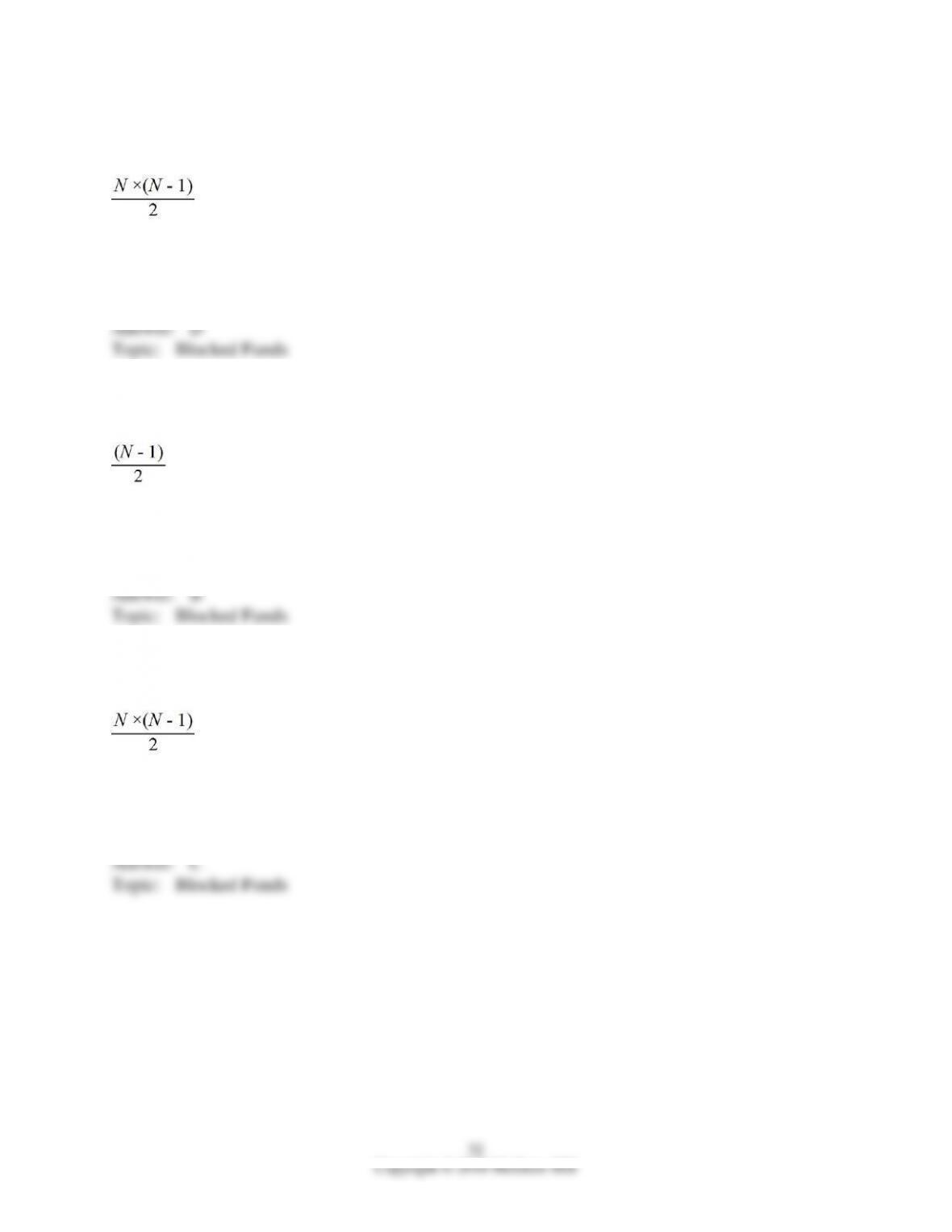
60) When engaged in bilateral netting
A) total inter-affiliate receipts will always equal total inter-affiliate disbursements.
B) we can reduce the number of foreign exchange transactions among an MNC with N affiliates to
or less.
C) each affiliate nets all its inter-affiliate receipts against all its disbursements. It then transfers or
receives the balance, respectively, if it is a net payer or receiver.
D) all of the options
61) Which one of the following is a false statement when engaged in bilateral netting?
A) Total inter-affiliate receipts will always equal total inter-affiliate disbursements.
B) We can reduce the number of foreign exchange transactions among an MNC with N affiliates to
or less.
C) Each affiliate nets all its inter-affiliate receipts against all its disbursements. It then transfers or
receives the balance, respectively, if it is a net payer or receiver.
D) all of the options
62) Which one of the following is a false statement when engaged in bilateral netting?
A) Total inter-affiliate receipts will always equal total inter-affiliate disbursements.
B) We can reduce the number of foreign exchange transactions among an MNC with N affiliates to
or less.
C) Each affiliate nets all its inter-affiliate receipts against all its disbursements. It then transfers or
receives the balance, respectively, if it is a net receiver or payer respectively.
D) all of the options
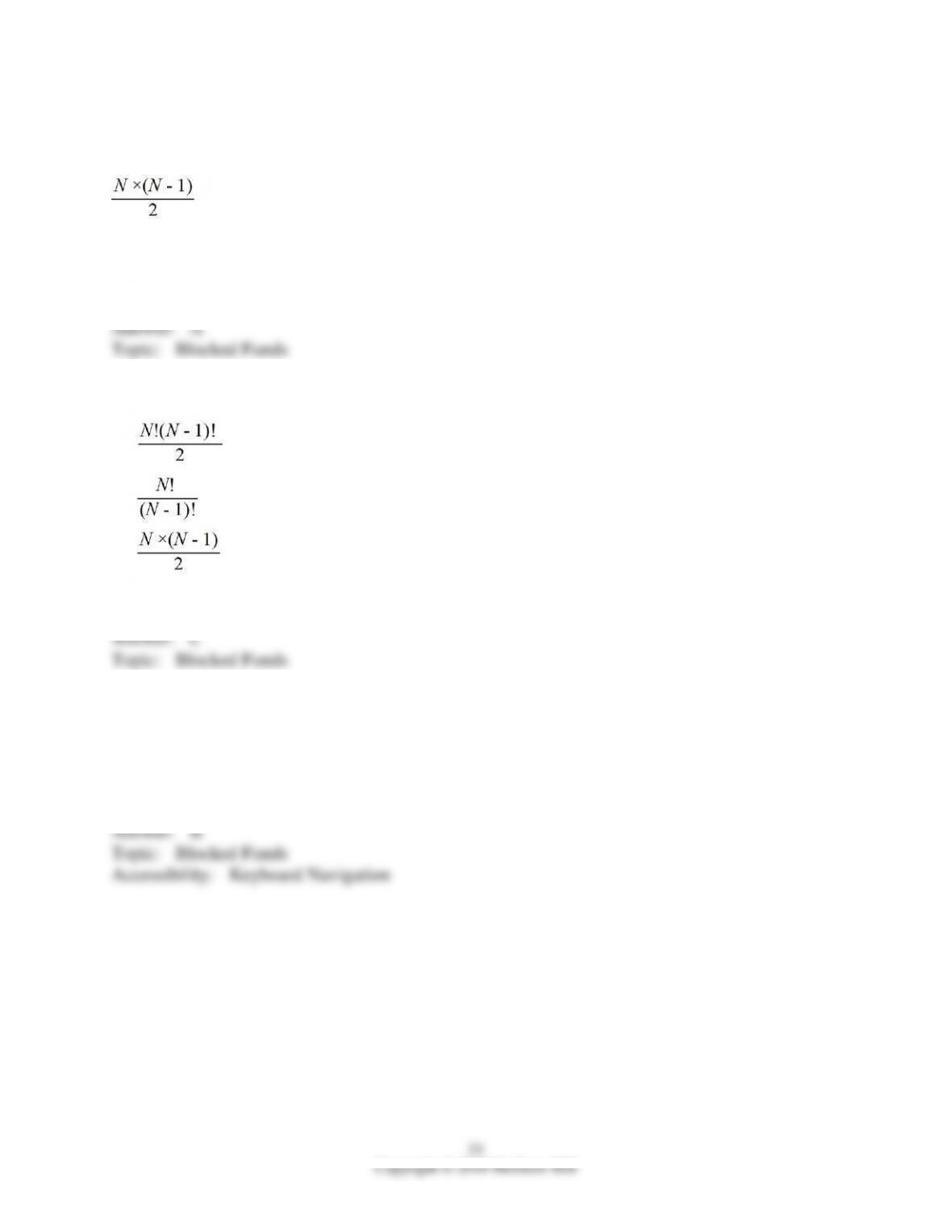
63) Which one of the following is a false statement when engaged in bilateral netting?
A) Total inter-affiliate receipts need not always equal total inter-affiliate disbursements.
B) We can reduce the number of foreign exchange transactions among an MNC with N affiliates to
or less.
C) Each affiliate nets all its inter-affiliate receipts against all its disbursements. It then transfers or
receives the balance, respectively, if it is a net payer or receiver.
D) all of the options
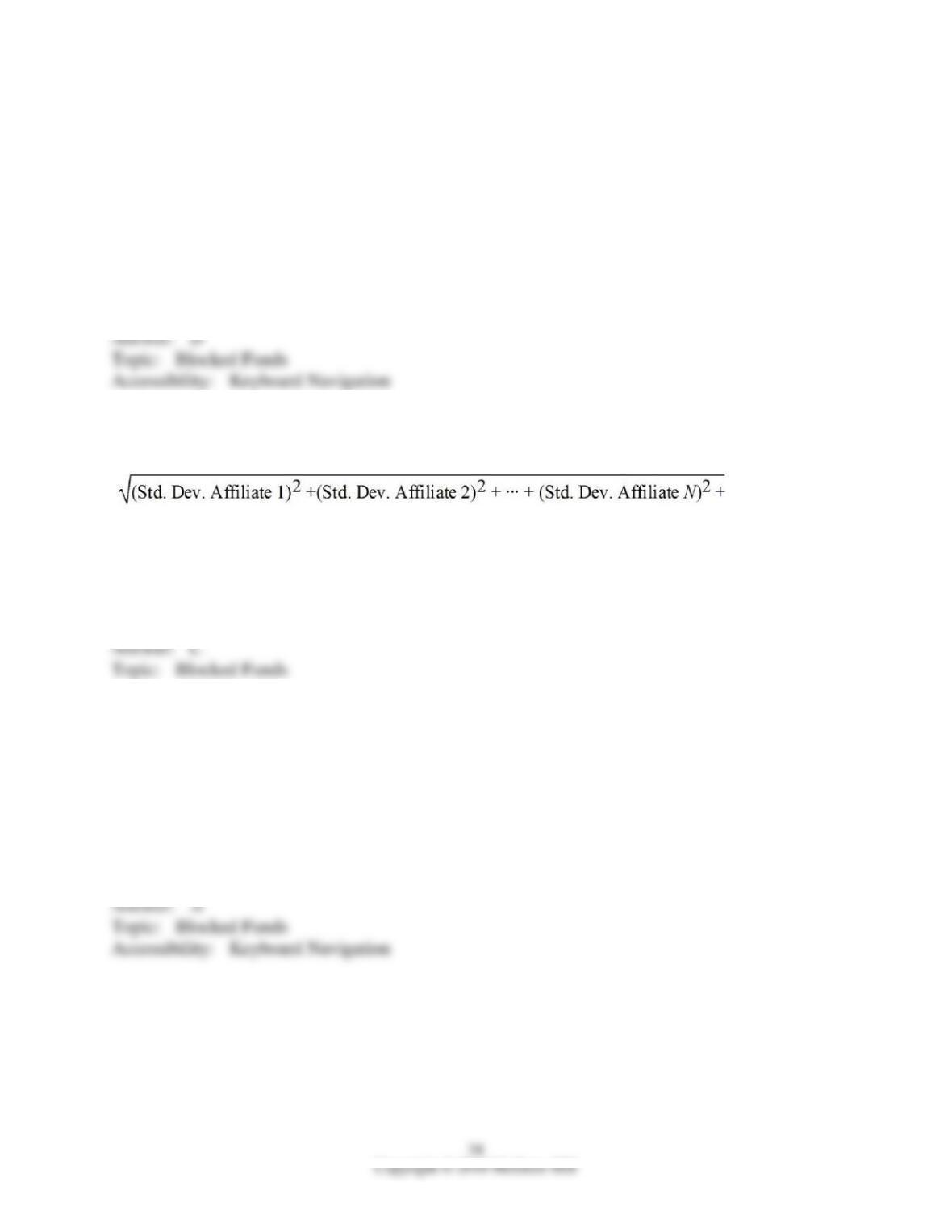
64) Bilateral netting can reduce the number of foreign exchange transactions among an MNC with
N affiliates to
A)
B)
C)
D) none of the options
65) Mislocated funds are defined as
A) funds being found in the wrong account.
B) funds being denominated in the wrong currency.
C) funds being invested with the wrong maturity.
D) none of the options
66) A firm keeps a precautionary cash balance to cover unexpected transactions during the budget
period. The size of this balance depends on how safe the firm desires to be in its ability to meet
unexpected transactions.
A) The larger the precautionary cash balance, the greater is the firm’s ability to meet unexpected
expenses.
B) The larger the precautionary cash balance, the less is the risk of financial embarrassment and
loss of credit standing.
C) The larger the precautionary cash balance, the greater the potential opportunity cost.
D) all of the options
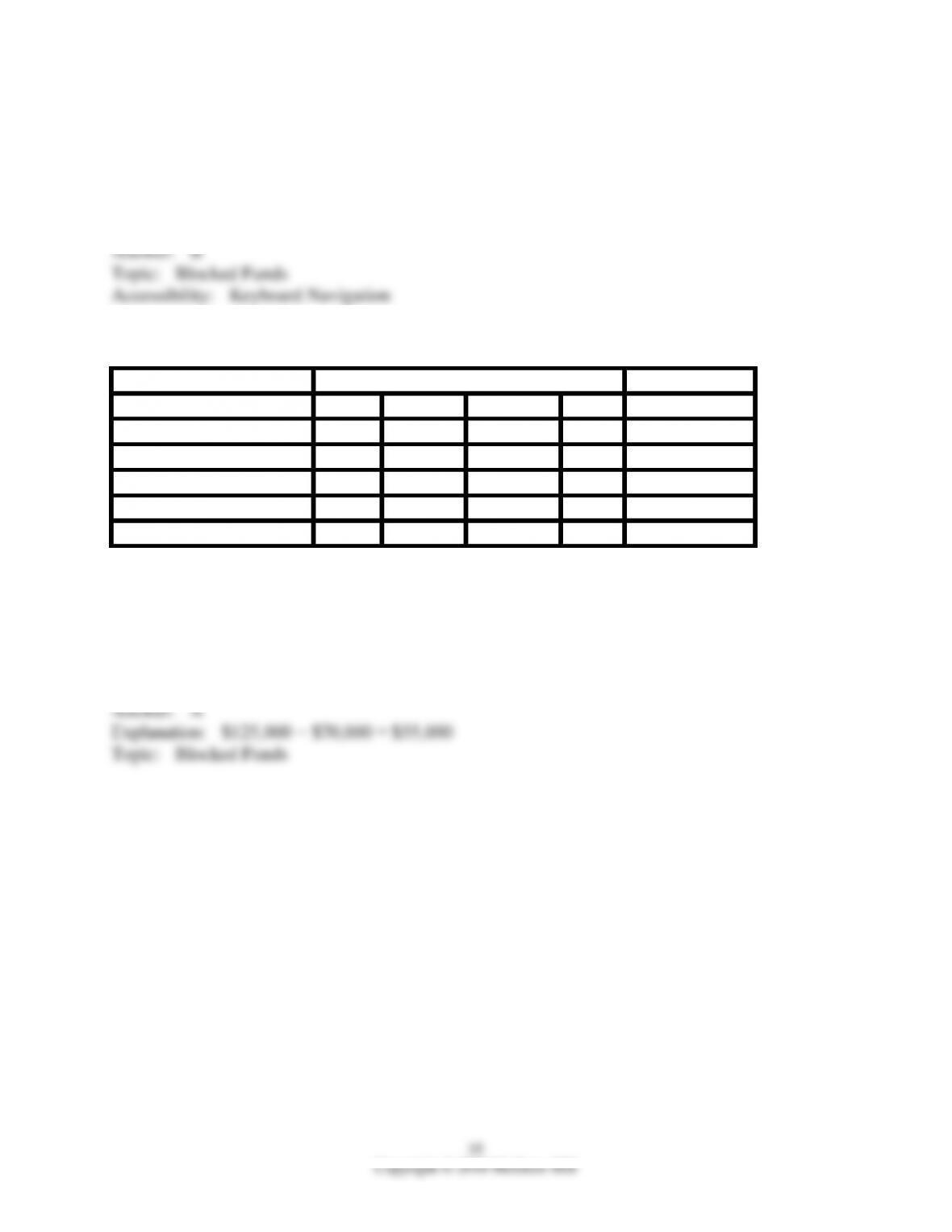
67) The formula for the standard deviation of cash held by the centralized depository for N
affiliates is
A) The formula assumes that inter-affiliate cash flows have a correlation coefficient of −1.
B) The formula assumes that inter-affiliate cash flows have a correlation coefficient of +1.
C) The formula assumes that inter-affiliate cash flows have a correlation coefficient of 0.
D) none of the options
68) Some countries allow inter-affiliate transactions to be settled only on a gross basis. That is,
A) all receipts for a settlement period must be grouped into a single large receipt and all
disbursements must be grouped into a single large payment.
B) all receipts and disbursements for a settlement period must be handled individually.
C) all receipts and disbursements for a settlement period must be netted against each other and then
a single large payment is made.
D) each affiliate nets all its inter-affiliate receipts against all its disbursements. It then transfers or
receives the balance, respectively, if it is a net payer or receiver.
69) Not all countries allow MNCs the freedom to net payments,
A) the U.S., Canada, and Great Britain allow only netting between each other.
B) some countries require the MNC to ask permission, and some countries limit netting.
C) but that is fine, since netting typically has costs that outweigh the benefits for an MNC.
D) All of the options may be correct.
70) Your firm’s inter-affiliate cash receipts and disbursements matrix is shown here ($000):
Disbursements
Receipts
U.S.
Canada
Germany
U.K.
Total Receipts
U.S.
30
35
60
125
Canada
20
10
40
70
Germany
10
25
30
65
U.K.
40
30
20
90
Total Disbursements
70
85
65
130
Find the net cash flow in (out of) the U.S. affiliate.
A) $55,000 in
B) $15,000 out
C) $0 in or out
D) $40,000 out
71) Your firm’s inter-affiliate cash receipts and disbursements matrix is shown here ($000):
Disbursements
Receipts
U.S.
Canada
Germany
U.K.
Total Receipts
U.S.
30
35
60
125
Canada
20
10
40
70
Germany
10
25
30
65
U.K.
40
30
20
90
Total Disbursements
70
85
65
130
Find the net cash flow in (out of) the Canadian affiliate.
A) $55,000 in
B) $15,000 out
C) $0 in or out
D) $40,000 out
72) Your firm’s inter-affiliate cash receipts and disbursements matrix is shown here ($000):
Disbursements
Receipts
U.S.
Canada
Germany
U.K.
Total Receipts
U.S.
30
35
60
125
Canada
20
10
40
70
Germany
10
25
30
65
U.K.
40
30
20
90
Total Disbursements
70
85
65
130
Find the net cash flow in (out of) the German affiliate.
A) $55,000 in
B) $15,000 out
C) $0 in or out
D) $40,000 out
73) Your firm’s inter-affiliate cash receipts and disbursements matrix is shown here ($000):
Disbursements
Receipts
U.S.
Canada
Germany
U.K.
Total Receipts
U.S.
30
35
60
125
Canada
20
10
40
70
Germany
10
25
30
65
U.K.
40
30
20
90
Total Disbursements
70
85
65
130
Find the net cash flow in (out of) the U.K. affiliate.
A) $55,000 in
B) $15,000 out
C) $0 in or out
D) $40,000 out
74) Your firm’s inter-affiliate cash receipts and disbursements matrix is shown here ($000):
Disbursements
Receipts
U.S.
Canada
Germany
U.K.
Total Receipts
U.S.
10
15
15
40
Canada
10
10
10
30
Germany
5
5
5
15
U.K.
20
20
20
60
Total Disbursements
35
35
45
30
Find the net cash flow in (out of) the U.S. affiliate.
A) $5,000 in
B) $5,000 out
C) $30,000 in
D) $30,000 out
75) Your firm’s inter-affiliate cash receipts and disbursements matrix is shown here ($000):
Disbursements
Receipts
U.S.
Canada
Germany
U.K.
Total Receipts
U.S.
10
15
15
40
Canada
10
10
10
30
Germany
5
5
5
15
U.K.
20
20
20
60
Total Disbursements
35
35
45
30
Find the net cash flow in (out of) the Canadian affiliate.
A) $5,000 in
B) $5,000 out
C) $30,000 in
D) $30,000 out
76) Your firm’s inter-affiliate cash receipts and disbursements matrix is shown here ($000):
Disbursements
Receipts
U.S.
Canada
Germany
U.K.
Total Receipts
U.S.
10
15
15
40
Canada
10
10
10
30
Germany
5
5
5
15
U.K.
20
20
20
60
Total Disbursements
35
35
45
30
Find the net cash flow in (out of) the German affiliate.
A) $5,000 in
B) $5,000 out
C) $30,000 out
D) $30,000 in
77) Your firm’s inter-affiliate cash receipts and disbursements matrix is shown here ($000):
Disbursements
Receipts
U.S.
Canada
Germany
U.K.
Total Receipts
U.S.
10
15
15
40
Canada
10
10
10
30
Germany
5
5
5
15
U.K.
20
20
20
60
Total Disbursements
35
35
45
30
Find the net cash flow in (out of) the U.K. affiliate.
A) $5,000 in
B) $5,000 out
C) $30,000 out
D) $30,000 in
78) Your firm’s inter-affiliate cash receipts and disbursements matrix is shown here ($000):
Disbursements
Receipts
U.S.
Canada
Germany
U.K.
U.S.
10
5
15
Canada
10
5
20
Germany
5
5
5
U.K.
15
20
5
Find the net cash flow in (out of) the U.S. affiliate.
A) $0 in or out
B) $5,000 out
C) $10,000 in
D) $15,000 out
79) Your firm’s inter-affiliate cash receipts and disbursements matrix is shown here ($000):
Disbursements
Receipts
U.S.
Canada
Germany
U.K.
U.S.
10
5
15
Canada
10
5
20
Germany
5
5
5
U.K.
15
20
5
Find the net cash flow in (out of) the Canadian affiliate.
A) $0 in or out
B) $20,000 out
C) $15,000 in
D) $30,000 out
80) Your firm’s inter-affiliate cash receipts and disbursements matrix is shown here ($000):
Disbursements
Receipts
U.S.
Canada
Germany
U.K.
U.S.
10
5
15
Canada
10
5
20
Germany
5
5
5
U.K.
15
20
5
Find the net cash flow in (out of) the German affiliate.
A) $0 in or out
B) $5,000 out
C) $30,000 in
D) $30,000 out
81) Your firm’s inter-affiliate cash receipts and disbursements matrix is shown here ($000):
Disbursements
Receipts
U.S.
Canada
Germany
U.K.
U.S.
10
5
15
Canada
10
5
20
Germany
5
5
5
U.K.
15
20
5
Find the net cash flow in (out of) the U.K. affiliate.
A) $0 in or out
B) $5,000 out
C) $30,000 in
D) $30,000 out
82) Your firm’s inter-affiliate cash receipts and disbursements matrix is shown here ($000):
Disbursements
Receipts
U.S.
Canada
Germany
U.K.
U.S.
10
5
15
Canada
10
5
20
Germany
5
5
5
U.K.
15
20
5
Find the net cash flow for the entire firm
A) $0 in or out
B) $5,000 out
C) $30,000 in
D) $30,000 out