
Chapter 9 Planning for Retirement Key
1. Social Security benefits are need-based and are not based on your earnings over your working lifetime.
2. Natalie’s employer uses a final-average formula to calculate pensions. This type of pension is based on a
fixed percentage of the average earnings of the employee’s last several years.
3. Nancy bought a 20-year term life insurance policy with a face value of $200,000. Her monthly premium is
$66. She dies after 2 years. Her beneficiaries will receive $200,000 2 or $100,000.
4. A Roth IRA is tax-deferred, so taxes are deferred until the money is withdrawn from the account.
5. Tyrone has an annual salary of $48,000. His employer offers a 401k plan where they match 25% of Tyrone’s
401k contributions up to 5% of his salary. The maximum allowable contribution to any 401k is $16,500. To
maximize his employer’s contribution, Tyrone should deposit $200 a month into his account and his employer
will deposit $50.
6. Lauri worked full-time at a health club last year earning $23,000. Last year, $1,090 in earnings was needed
for one Social Security credit. Lauri earned 4 credits for the year.
7. The mortality rate for a certain male category is 0.005657. This means there is a 56% chance of a 50-year old
man dying before his next birthday.

8. A COLA is based on the Consumer Price Index.
9. Cecile is 23 years old and wants to retire when she is 55. She opens up a retirement account and makes a
$400 deposit each month. If the account pays 2.75% interest compounded monthly, she will have about
$245,842.67 in her account when she is 55.
10. It is advisable to lock in to a term life insurance policy rate at a young age because the cost of life insurance
increases as a person ages.
11. Mrs. Chambers is 62 years old and plans to retire. Over her life she earned an average of $2,500 per month
after adjusting for inflation.The formula for calculating the full monthly Social Security benefits is 90% of the
first $680 earned, then 32% of the earnings over $680. What will her monthly benefit be if her full retirement
benefit is reduced by 30% for retiring at 62 years old?
12. In 2009, the maximum taxable income for Social Security was $102,000 and the rate was 6.2%. The rate for
Medicare tax was 1.45%. If Jessica’s taxable income as an attorney was $152,000 that year, how much did she
pay in FICA taxes?
13. Jack’s full Social Security retirement benefit is $1,890. He started collecting Social Security benefits at age
65, so his benefits are reduced by about 13.3%. What will his monthly benefit be?
14. Maria’s employer of 19 years offers a pension plan that is the product of the three year average of her most
current salaries, the number of years of service, and a 2% multiplier. Her last three salaries are: $63,500,
$65,000, and $66,500. What is her annual pension benefit?
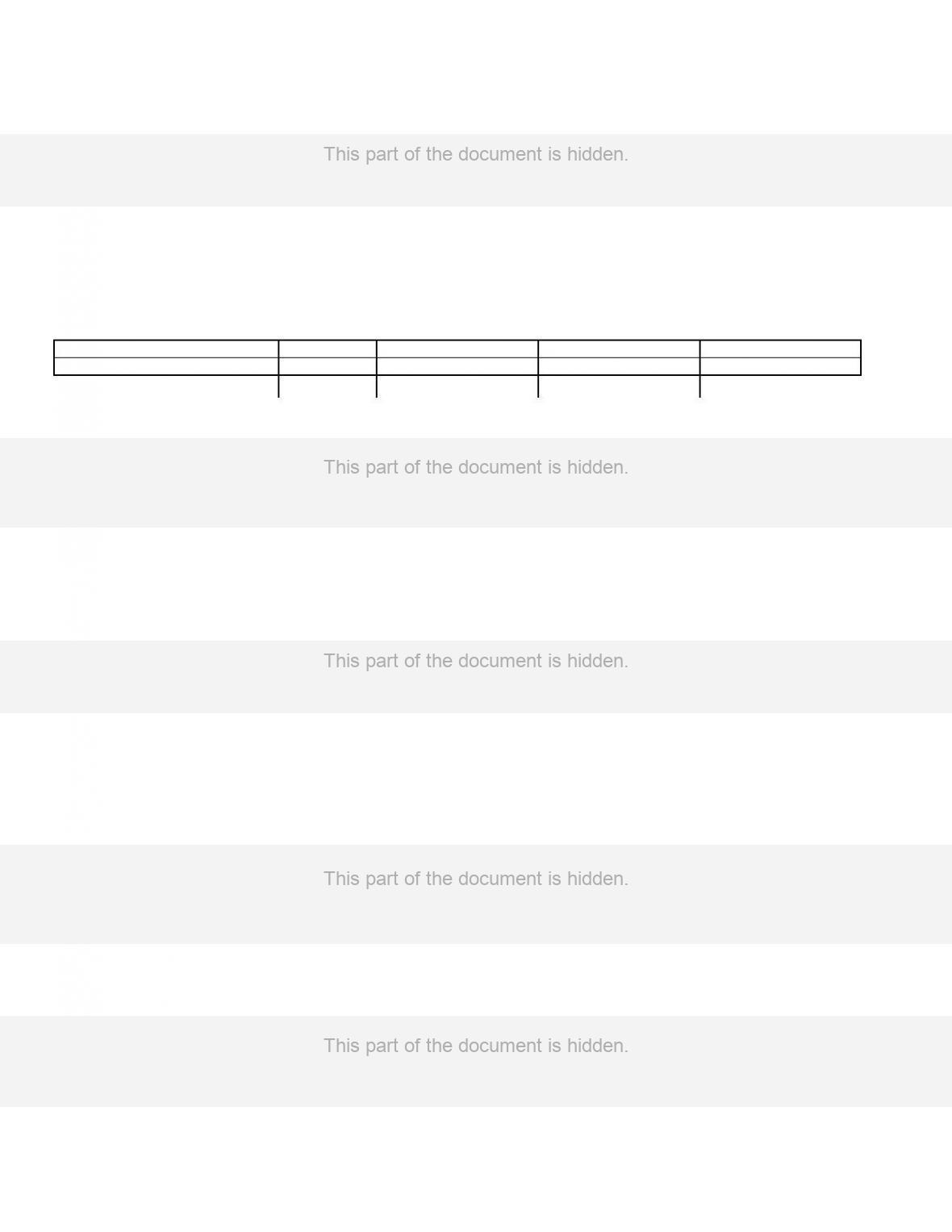
15. An insurance company uses the mortality table below to calculate their risk when writing life insurance
policies.
Age at Death (females)
60
61
62
63
Mortality Rate
0.007445
0.08187
0.08959
0.09747
Based on the table, what is the probability as a percent that a 63-year old woman will live to see her 64th birthday?
16. An insurance company sells a twenty-year term life insurance policy with a face value of $200,000 to a
45-year old woman. Her annual premium is $990. If the woman dies after paying premiums for six years, what
is the insurance company’s gain or loss?
17. This type of life insurance has an investment portion and an insurance portion. The investment portion has a
cash value and the insurance portion pays a death benefit. If the policy holder wants to change the death benefit,
they must apply for a new policy.
18. What is a mortality table?

19. The probability that a 42-year old man will die before his 43rd birthday is about 0.29%. If an insurance
company insures 30,000 42-year old men, how many are expected to die before their 43rd birthdays?
20. Don opened a retirement account with an APR of 3.25% compounded monthly. He is planning to retire in
15 years. About how much will he have in the account when he retires if he deposits $750 a month?
21. What is the number of Social Security credits a worker needs to earn over his or her working lifetime to
collect Social Security benefits?
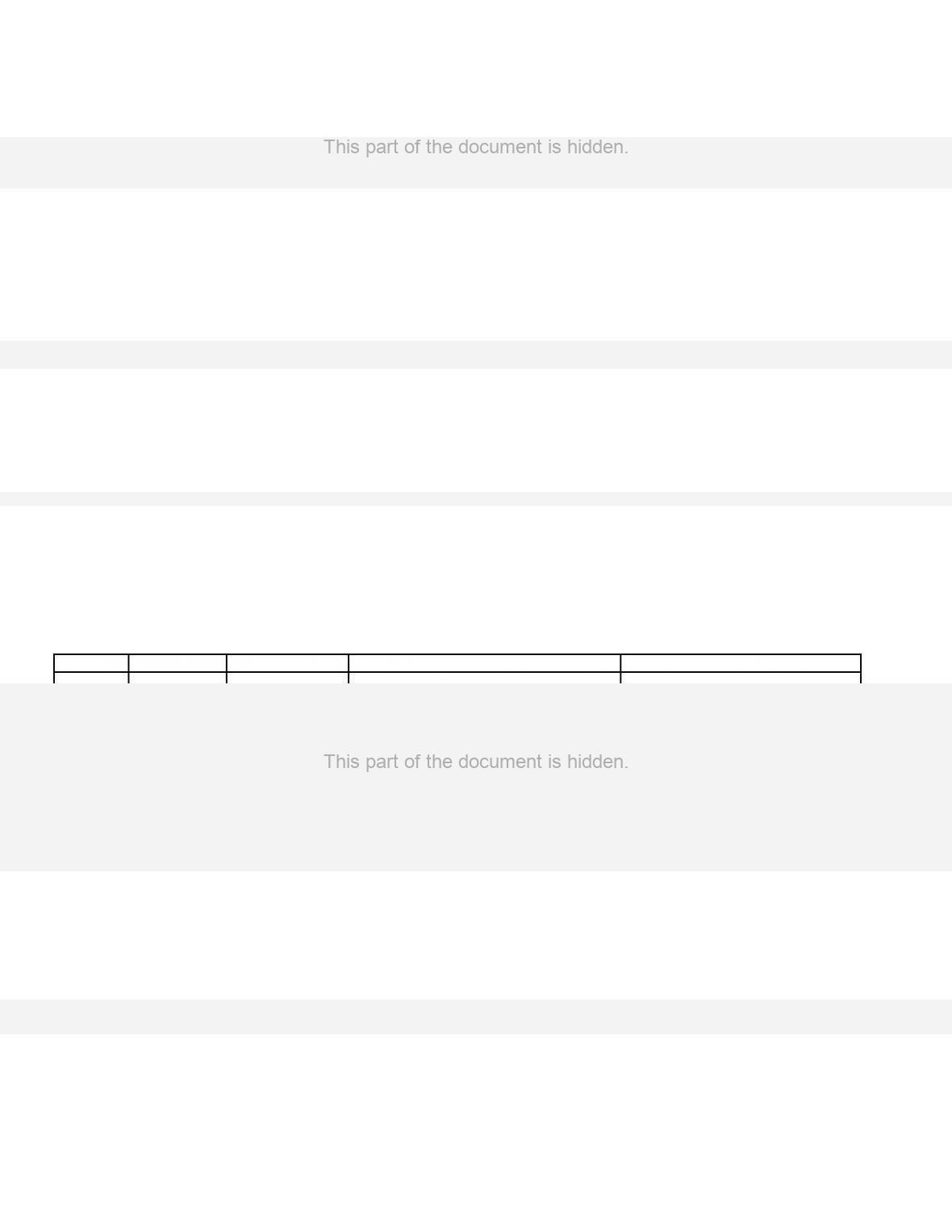
22. An insurance company uses the mortality table below to calculate their risk when writing life insurance
policies.
Age at Death (males)
50
51
53
54
Mortality Rate
0.0043
0.0049
0.0052
0.0055
If this company insures 12,000 54-year old men, how many are expected to die before they reach their 55th birthday?
23. What is the full retirement age, the age at which a person receives full Social Security benefits, of a person
born after 1962?
24. Where does the money come from to pay Social Security benefits today to those who are receiving them?
Why is this a concern for the ‘baby boomer’ generation?
25. Nina’s employer offers a pension plan that is the product of the career average of her salaries while working
there, the number of years of service, and a 1.75% multiplier. She calculates the average of her 17 years of
salaries to be $54,000 . What is her monthly pension?
26. What is the difference between an IRA and a 401k?
27. Mr. Casem is preparing to retire after 31 years with his company. He set up this spreadsheet to calculate his
pension which is based on his most recent three year average salary, number of years of service, and a 2%
multiplier.
A
B
C
D
1
Year
Salary
Three year Average Salary
a.
2
1999
49,500
Percentage Multiplier
2.0
3
2000
52,000
Years of Service
31
4
2001
53,000
Annual Pension Benefit
b.
What are the formulas for cells D1 and D4? What are the resulting values?
a. =average(B2:B4) will be $51,500.
b. =(D1*D2/100*D3) will be $31,930.
28. Last year Mrs. Washington had a taxable income of $48,000 and paid about 20% in taxes. This year she
contributed $3,000 to a traditional IRA. About how much could her tax liability be reduced?

29. Marianne opened a retirement account that has an annual yield of 5.5%. She is planning to retire in 25 years.
How much should she put into the account each month so that she will have $500,000 when she retires?
30. Mr. Jenkins is almost 67 years old and is preparing to retire. Over his life he earned an average of $3,750
per month after adjusting for inflation. The formula for calculating monthly Social Security benefits is 90% of
the first $680 earned, then 32% of the earnings over $680. What will Mr. Jenkins’ monthly benefit be?