Individual Research Paper
on Zalora Thailand’s
Direct and digital marketing strategy, tactics, and recommendations
By Duangkamol Kanjana
To Ze Zook
Internet and Direct Marketing
MKT 463
Table of contents
1. Introduction
As an emerging and interaction-driven market, Zalora has been focusing and using digital
technologies to achieve its marketing objectives combining together with some traditional
marketing in Thailand. This report will analyse Zalora ‘s digital strategy by using
SOSTAC as an effective model.
2. Situation Analysis
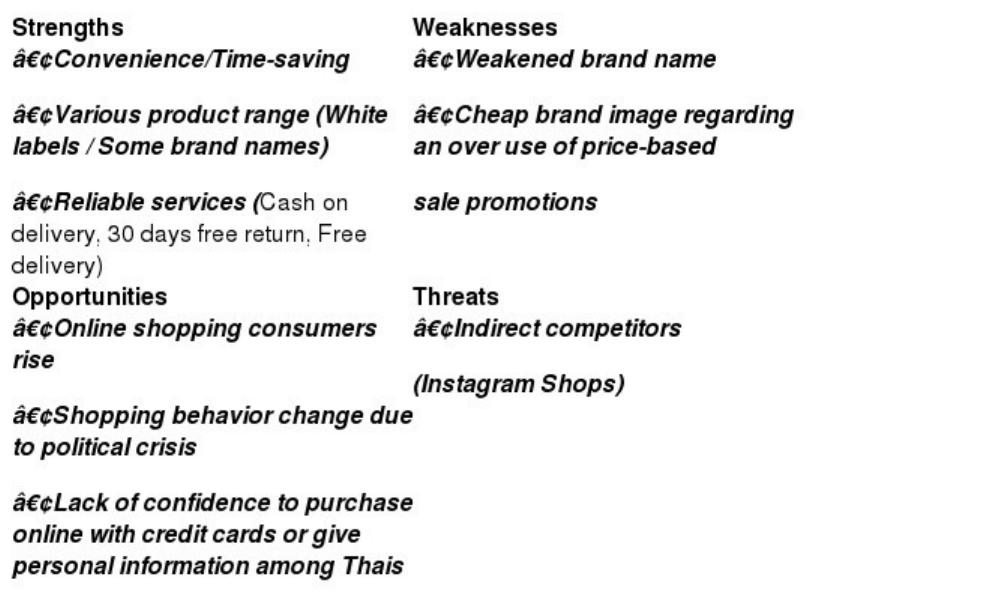
Using PEST analysis (Appendix 1) and SWOT analysis,which is going to state some
related macro- environmental factors and micro-environmental factors of Thailand
affecting Zalora, have been considered to understand its capabilities in the market.
Figure 1: SWOT Analysis (Zalora Thailand)
According to SWOT analysis, Zalora is launched in Thailand as a convenient online store
of various fashion cloths and accessories based in Eastern Singapore in 2011. Even it has
many strengths, Zalora is still not being well-known in the market. Never tell, never know,
so Zalora tries so hard to push their online website by digitally focusing on direct
marketing which is a powerful tool when the cost of communication has fallen rapidly and
implementing with other medium such as google display network, face-book advertising,
events, etc.
Even though online shopping consumers are raised in general or in a cause of the political
crisis, there are some factors which are the misuse of personal information and credit card,
high price and unreliable delivery have been seriously taken into account among thais
(Laosethakul and Boulton,
2007). In order to stand out from direct competitors (Wearyouwant.com,
Weloveshopping.com, Pantipmarket.com, Tarad.com) and indirect competitors ( Instagram
Online Shops), Zalora communicates tons of sale promotions and its out-standing service
message (Cash on delivery, 30 days free return, Free delivery) as its competitive
advantages. Becoming a two-edged sword, consumers tend to percept the brand as the
cheap brand even though it sells some brand name products. With its efforts, Zalora
somehow has achieved more than 200,000 annual sales, 50,000 active customers, 90,000
subscribers and a €20 million investment from Tengelmann within one year (Thaipr.net,
2013).
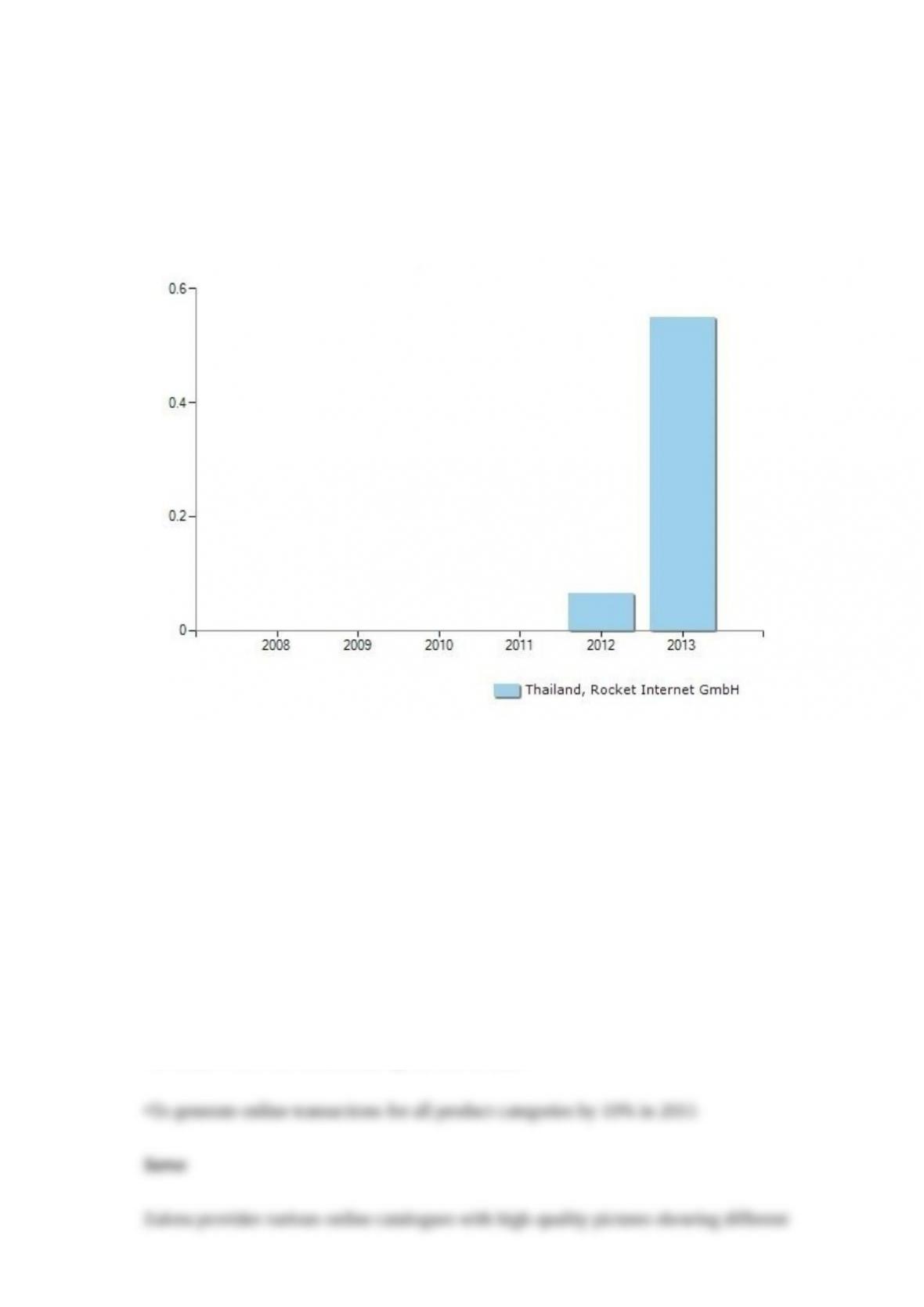
Figure 2 : Brand Shares (Retail Value RSP excl Sales Tax -% breakdown – Internet
Retailing -Zalora)
3. Objectives (5S)
Sell
As a pure-play organization, Zalora has focused on sales and revenues by often promoting
promotions and vouchers trough online and offline channels for customers to
purchase(Zhuang & Lederer, 2008).
•To achieve 25% in conversions by the end of 2014