
Jelani Pope
Individual E-Cases Assignment:
The Walt Disney Company: It’s Diversification Strategy in 2014
9 April 2015
Team #2
2 | P a g e

EXECUTIVE SUMMARY
Jelani Pope, Strategic Analyst and Project Leader
P.O. Box 2619, Conway, SC 29528-6054
678-276-9268
jnpope@g.coastal.edu
Date: April 9, 2015
To: Dr. Keels
___ The Walt Disney Company
The JP Consulting was hired by Dr. Keels to study this organization and to make
recommendations to further the diversification strategy of The Walt Disney Company for the
new year of 2015.
The Historical Overview reports on the execution of what we call an APPLE analysis whereby
we sought to thoroughly understand the current situation of your firm. We acknowledge that
the firm has a great business strategy, especially when it comes to acquiring other firms and
trying to take the Disney brand international.
The State of the Industry is the result of a comprehensive external analysis of The Walt Disney
Company’s industry environment. The Walt Disney Company has threats due to piracy and
intense competition, but has opportunities due to the growth of the entertainment industry and
their ability to produce movies in different countries.
Available Strategic Resources of The Walt Disney Company is the result of an in-depth internal
analysis. Your firm will need to utilize both existing and future strengths in the areas of brand
awareness, diversification, your strong product portfolio and successful acquisitions. Your firm
will also need to minimize its weaknesses of not utilizing global markets more and interactive
media your weakest business segment.
Based on my research, I identified the following critical issue: the interactive media business
segment needs to be improved in order for revenues and operating income generated from this
segment to increase more than it has been.
To respond to those issues, I recommend the following: The President of the interactive media
business segment along with research analyst come up with a strategic business plan to
improve revenue and operating income generated from this segment.
To accompany my recommendation, I have included suggestions for implementation that I
believe are compatible with The Walt Disney Company’s current resource and capability
configuration. I believe that this recommendation is well within the capabilities of The Walt
Disney Company.
I want to thank Dr. Keels for putting her trust and confidence in my work, and I stand ready to
serve you again if the need arises.
Best regards,
Jelani N. Pope
3 | P a g e

TABLE OF CONTENTS
Contents
INTRODUCTION………………………………………………………………………………………………………………………….9
APPLE ANALYSIS SUMMARY………………………………………………………………………………………………………….9
Areas of Operation………………………………………………………………………………………………………………….9
Acvies, products/services………………………………………………………………………………………………….9
Value Chain/Vertical Integration…………………………………………………………………………………………….9
Evoluonary Learning…………………………………………………………………………………………………………10
Pro.le of Present Strategic Posture………………………………………………………………………………………….10
Corporate Level Strategy……………………………………………………………………………………………………..10
Business Level Strategy……………………………………………………………………………………………………….11
Functional Level Strategy…………………………………………………………………………………………………….11
International Strategy…………………………………………………………………………………………………………11
Performance to Date……………………………………………………………………………………………………………..11
Quantave Performance Analysis……………………………………………………………………………………….11
Qualitave Performance Analysis…………………………………………………………………………………………12
Leadership and Governance……………………………………………………………………………………………………12
Leadership………………………………………………………………………………………………………………………..12
Vision and Mission……………………………………………………………………………………………………………..12
Essential Challenges……………………………………………………………………………………………………………….13
Areas………………………………………………………………………………………………………………………………..13
Strategies………………………………………………………………………………………………………………………….13
Performance……………………………………………………………………………………………………………………..13
Leadership………………………………………………………………………………………………………………………..13
EXTERNAL ANALYSIS SUMMARY………………………………………………………………………………………………….14
Current Industry Framework…………………………………………………………………………………………………..14
Key Success Factors……………………………………………………………………………………………………………….15
Strategic Group Map………………………………………………………………………………………………………………15
Map Components and Construction……………………………………………………………………………………..16
Iden.caon of Closest Competitor……………………………………………………………………………………..16
Interpretaon of Compeve Dynamics………………………………………………………………………………..16
4 | P a g e

Closest Competitor Analysis……………………………………………………………………………………………………16
Five Forces Analysis……………………………………………………………………………………………………………….16
Rivalry………………………………………………………………………………………………………………………………16
New Entrants…………………………………………………………………………………………………………………….16
Substitutes………………………………………………………………………………………………………………………..17
Suppliers…………………………………………………………………………………………………………………………..17
Buyers………………………………………………………………………………………………………………………………17
PESTLE Analysis……………………………………………………………………………………………………………………..17
INTERNAL ANALYSIS SUMMARY…………………………………………………………………………………………………..17
Strategy Diamond………………………………………………………………………………………………………………….17
Arenas………………………………………………………………………………………………………………………………18
Vehicles…………………………………………………………………………………………………………………………….18
Di>erenators……………………………………………………………………………………………………………………18
Economic Logic………………………………………………………………………………………………………………….18
Staging……………………………………………………………………………………………………………………………..18
Resources and Capabilitiess Assessment…………………………………………………………………………………….18
Key Resources Summary……………………………………………………………………………………………………..18
Key Capabilitiess Summary……………………………………………………………………………………………………19
Map Assessment………………………………………………………………………………………………………………..19
Value Added Assessment………………………………………………………………………………………………………..19
Value-Creating Acvies……………………………………………………………………………………………………..19
Value Creation for Customers………………………………………………………………………………………………19
Compeve Strength Assessment……………………………………………………………………………………………19
ANALYTICAL CONCLUSIONS SUMMARY………………………………………………………………………………………..20
SWOT Analysis………………………………………………………………………………………………………………………20
TOWS Analysis………………………………………………………………………………………………………………………20
Central Case Issue(s)………………………………………………………………………………………………………………20
PLAN OF ACTION………………………………………………………………………………………………………………………20
Recommendation………………………………………………………………………………………………………………….20
Response to central issue……………………………………………………………………………………………………20
Proposed Recommendation………………………………………………………………………………………………..20
Explanation……………………………………………………………………………………………………………………….21
Strategic Objective……………………………………………………………………………………………………………..21
5 | P a g e

Implementation Plan……………………………………………………………………………………………………………..21
Re-Statement of Recommendation and Objective…………………………………………………………………..21
Time Frame……………………………………………………………………………………………………………………….21
Responsibility…………………………………………………………………………………………………………………….21
Required Resources……………………………………………………………………………………………………………21
Required Capabilitiess………………………………………………………………………………………………………….21
Execution Steps……………………………………………………………………………………………………………………..22
Stakeholder Impact………………………………………………………………………………………………………………..22
Ancipated Impacts……………………………………………………………………………………………………………22
Likely Responses………………………………………………………………………………………………………………..22
Ancipated Threats based on Negave Responses………………………………………………………………….22
Recommended Plan to Handle Negave Responses………………………………………………………………..22
REFERENCES…………………………………………………………………………………………………………………………….23
APPENDICES……………………………………………………………………………………………………………………………..24
APPENDIX A………………………………………………………………………………………………………………………25
Industry Supply Chain…………………………………………………………………………………………………………….25
APPENDIX B………………………………………………………………………………………………………………………26
Timeline for The Walt Disney Company………………………………………………………………………………..26
APPENDIX C………………………………………………………………………………………………………………………27
Strategy Pro.le Summary……………………………………………………………………………………………………….27
APPENDIX D1……………………………………………………………………………………………………………………30
Horizontal Analysis………………………………………………………………………………………………………………..30
APPENDIX D2……………………………………………………………………………………………………………………32
Vertical Analysis…………………………………………………………………………………………………………………….32
APPENDIX D3……………………………………………………………………………………………………………………35
Ratio Analysis………………………………………………………………………………………………………………………..35
APPENDIX E1…………………………………………………………………………………………………………………….36
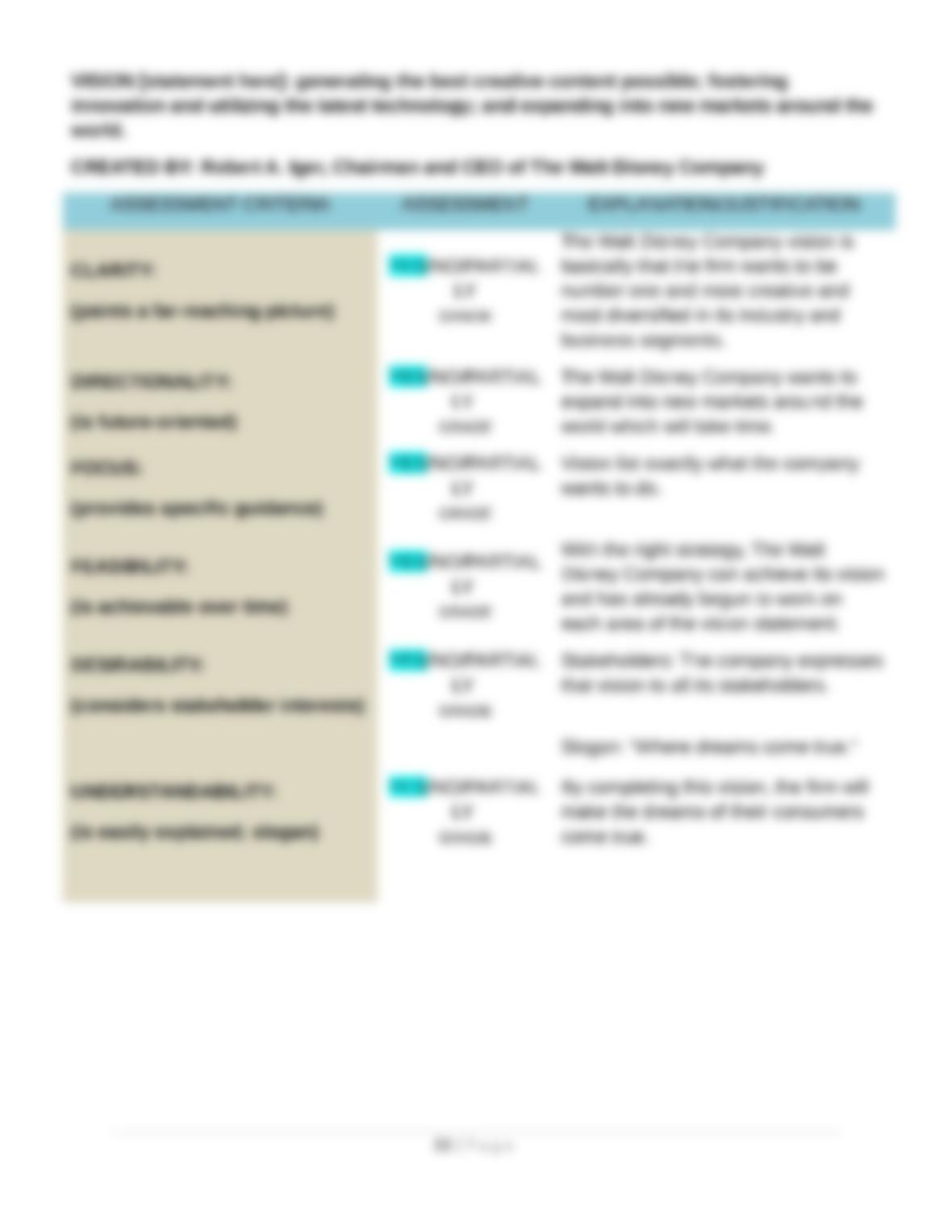
Vision Statement for The Walt Disney Company……………………………………………………………………36
APPENDIX E2…………………………………………………………………………………………………………………….37
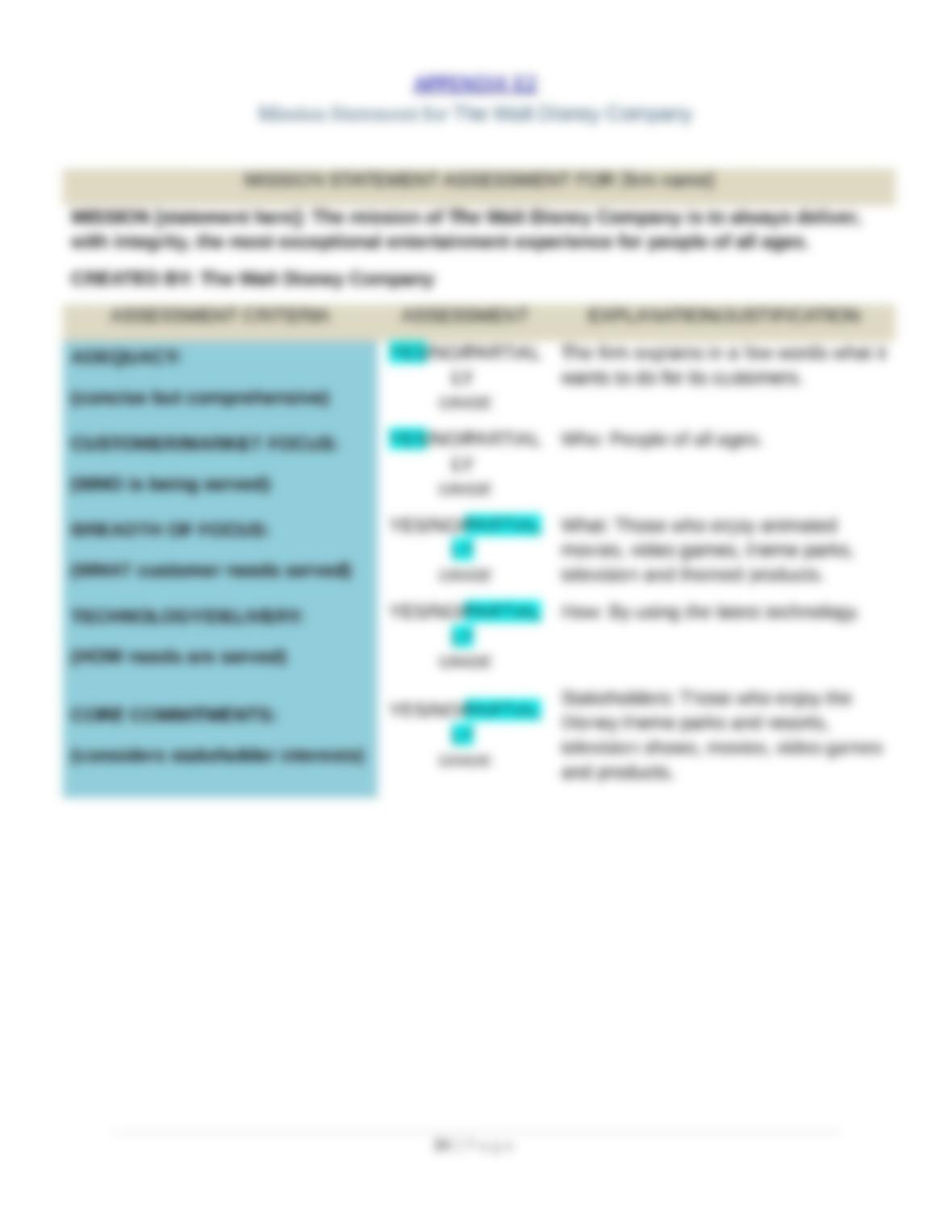
Mission Statement for The Walt Disney Company………………………………………………………………….37
APPENDIX F………………………………………………………………………………………………………………………38
Key Success Factors……………………………………………………………………………………………………………….38
APPENDIX G………………………………………………………………………………………………………………………41
6 | P a g e

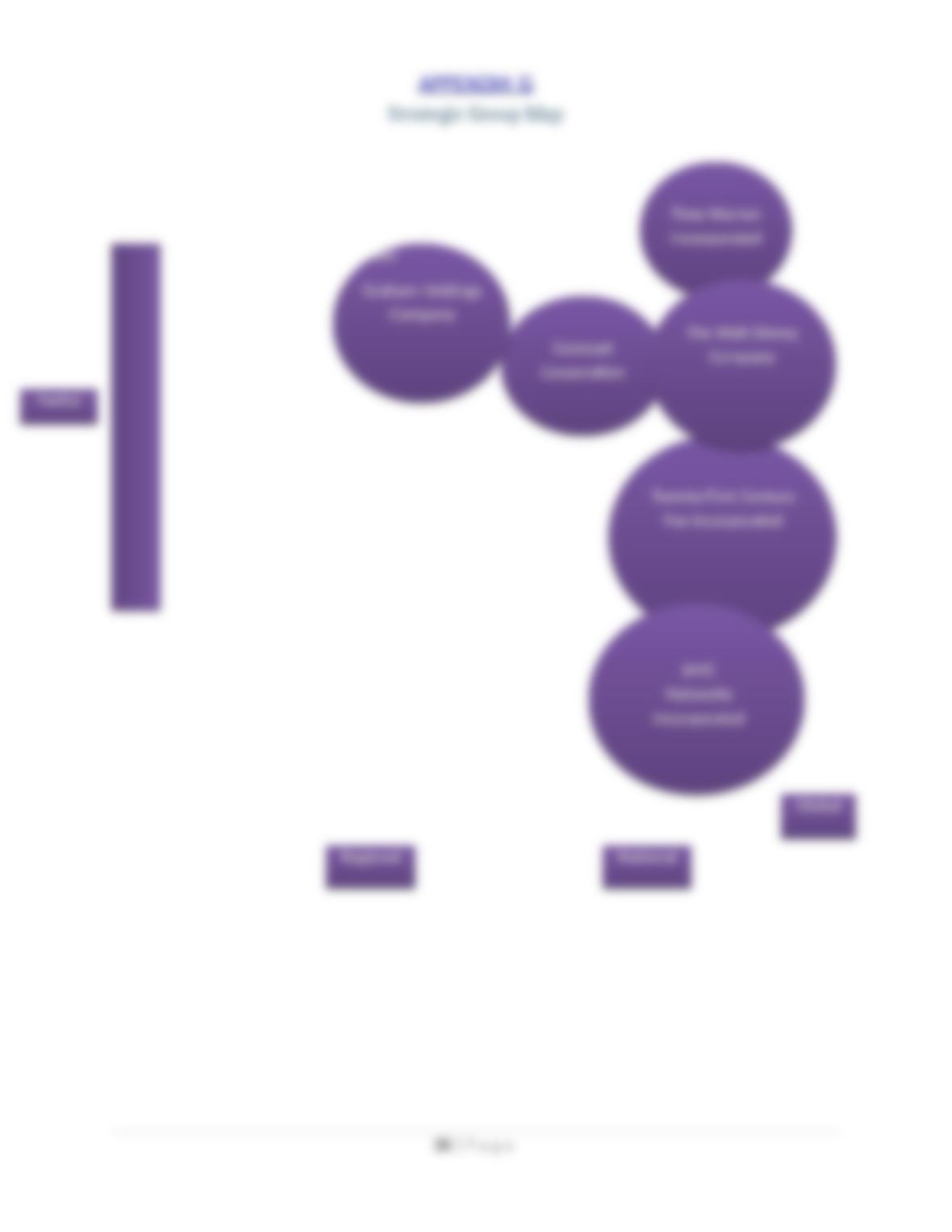
Strategic Group Map………………………………………………………………………………………………………………41
APPENDIX H………………………………………………………………………………………………………………………42
Closest Competitor Pro.le………………………………………………………………………………………………………42
APPENDIX I……………………………………………………………………………………………………………………….46
Five Forces Assessment Summary………………………………………………………………………………..46
APPENDIX J……………………………………………………………………………………………………………………….48
PESTLE Analysis……………………………………………………………………………………………………………….48
APPENDIX K1…………………………………………………………………………………………………………………….50
Resources Assessment……………………………………………………………………………………………………………50
APPENDIX K2…………………………………………………………………………………………………………………….52
Capabilitiess Assessment…………………………………………………………………………………………………………52
APPENDIX K3…………………………………………………………………………………………………………………….54
Resources & Capabilitiess Summary Map…………………………………………………………………………………..54
APPENDIX L1…………………………………………………………………………………………………………………….55
Value Creating Acvies…………………………………………………………………………………………………………55
APPENDIX L2…………………………………………………………………………………………………………………….56
Creating Value for Customers………………………………………………………………………………………………….56
APPENDIX M……………………………………………………………………………………………………………………..57
Compeve Strength Assessment……………………………………………………………………………………………57
APPENDIX N………………………………………………………………………………………………………………………58
SWOT Analysis………………………………………………………………………………………………………………………58
APPENDIX O………………………………………………………………………………………………………………………59
TOWS Analysis………………………………………………………………………………………………………………………59
APPENDIX P………………………………………………………………………………………………………………………60
Implementation Plan for Recommendation #1…………………………………………………………………………..60
APPENDIX Q………………………………………………………………………………………………………………………61
Execution Agenda for Recommendation #1……………………………………………………………………………….61
APPENDIX R………………………………………………………………………………………………………………………62
Stakeholder Impact Summary for Recommendation #1………………………………………………………………62
7 | P a g e

A STRATEGIC ANALYSIS OF THE WALT DISNEY COMPANY
INTRODUCTION
The Walt Disney Company was started by Walt Disney in the early 1920’s. The Walt
Disney Company operates in the Motion Picture and Video Production Industry. The Walt
Disney Company also has five business segments. These segments include: media
networks, parks and resorts, studio entertainment, consumer products and interactive
media. The main focus of this strategic analysis of The Walt Disney Company is the
diversification strategy that was set in place for 2014.
APPLE ANALYSIS SUMMARY
Areas of Operation. The Walt Disney Company is a firm that operates in a number
of business segments and industries. The Walt Disney Company maintains its principle
executive offices in Burbank, California (MergentOnline).
Activities, products/services. The Walt Disney Company has multiple media
networks that include broadcasting, cable, radio, publishing, and digital businesses. The
Walt Disney Company owns the Disney/ABC Television Group and ESPN Inc. The Walt
Disney Company also has many amusement parks and resorts and are one of the leading
providers of family leisure experiences and travel. The Walt Disney Company also deals in
studio entertainment (movies, music, stage plays), their own Disney consumer products
(toys, apparel, books, fine art), and interactive entertainment (video games, online virtual
worlds, blockbuster mobile) (thewaltdisneycompany.com).
Value Chain/Vertical Integration.
The Walt Disney Company has a wide range of products that include apparel, toys,
electronics, food, home goods, personal care, books, etc. The Walt Disney Company works
with a number of production facilities to produce their product categories and they require
vendors to always disclose when Disney intellectual property is present in that particular
facility. The Walt Disney Company has approximately 5,500 facilities in almost 70 different
countries that manufacture The Walt Disney Company brand products. Most of these
facilities are located outside of the United States in countries like China, Japan, Malaysia,
8 | P a g e

Vietnam, Argentina, Brazil, Canada, etc. The Walt Disney Company has over 350 stores
worldwide. The Walt Disney Company also owns 11 theme parks and 44 resorts in North
America, Europe and Asia and a sixth destination being built in Shanghai and this also
includes their four Disney Cruise Line ships- the Disney Magic, Disney Wonder, Disney
Dream and Disney Fantasy. There are also 12 properties for the Disney Vacation Club that
The Walt Disney Company owns as well (thewaltdisneycompany.com).
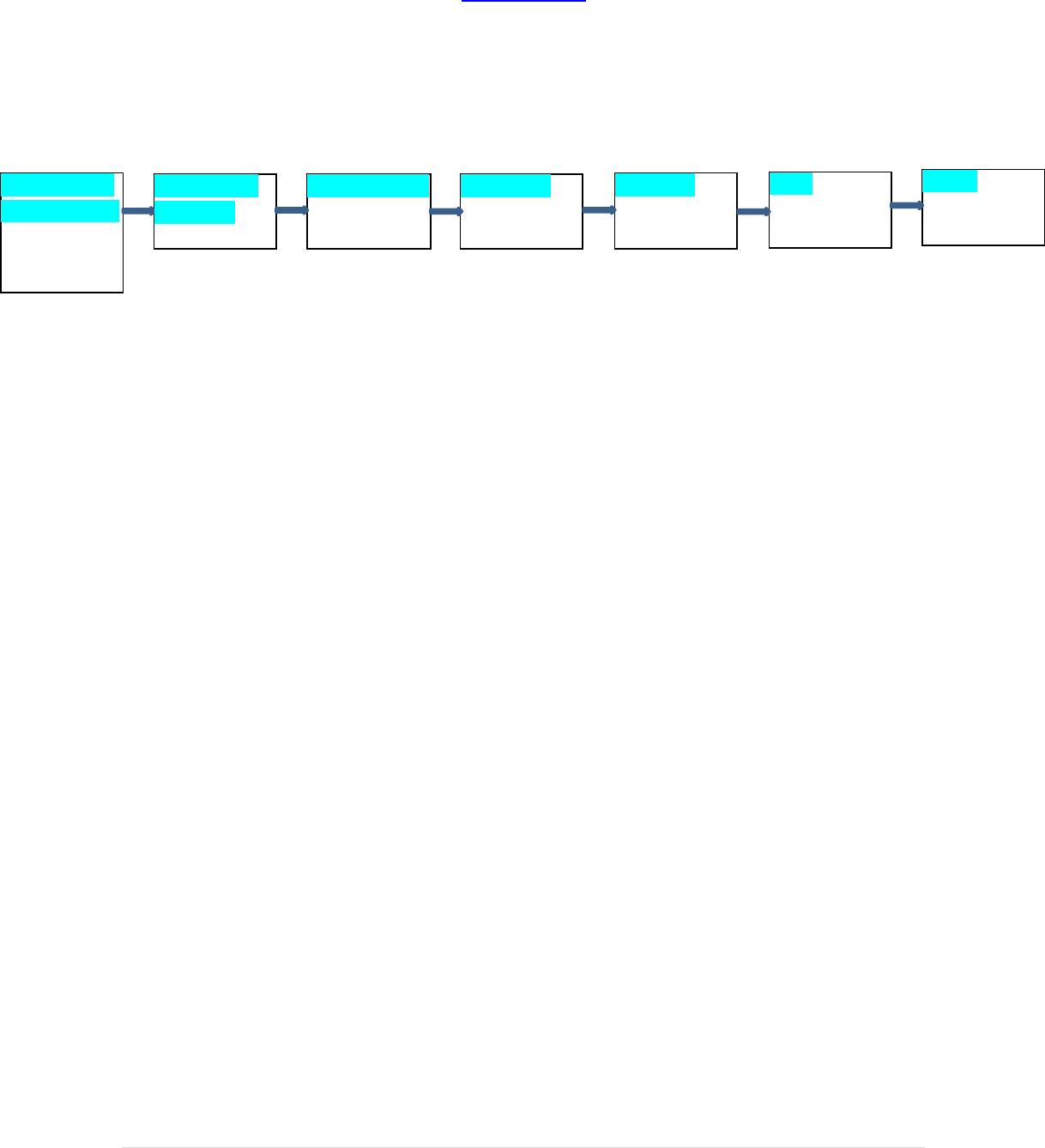
The Walt Disney Company is very vertically integrated because they have their own
brand of products produced for their stores, resorts, cruise ships, theme parks and resorts.
Most everything is made for The Walt Disney Company by The Walt Disney Company
(esteemconsult.com). (See Appendix A).
Evolutionary Learning. The Walt Disney Company has been able to expand
over the years, entering into different markets in different countries, gaining more
customers.
The Walt Disney Company could have possibly lost some growth retention due to
the time they take to build their theme parks and studios. There is, however, no set loss or
sacrifice that The Walt Disney Company has endured. The Walt Disney Company is still a
very profitable company and number two in their industry following closely behind Comcast
Corporation. (See Appendix B).
Profile of Present Strategic Posture. This section of the APPLE Analysis will
evaluate what strategies The Walt Disney Company uses in operating their business.
Corporate Level Strategy. The Walt Disney Company’s corporate strategy
would fall under Hybrid (Mixed) Diversification. The Walt Disney Company operates in
more than one business segment so they have diversification in their company. The Walt
Disney Company benefits from this current level of diversification because their business
segments appeal to a great number of consumers. There is something for adult (ABC and
ESPN) and something for children (Disney Channel, Disney Land/World, etc.). The Walt
Disney Company has gone upward with their success which makes other companies want
to partner with them and sell Disney themed products. For example, Wet Seal Inc. has a
contract with Disney to be able to sell Disney themed clothing. Because of The Walt Disney
Company’s diversification, they require all of their production facilities and vendors to keep
9 | P a g e

pushing out the products that they sell as well as a great team of employees to make sure
that every business segment that The Walt Disney Company is involved in runs smoothly.
Business Level Strategy. The Walt Disney Company has a broad-based
differentiation strategy. The Walt Disney Company makes it a point to buy into IP that is
under exploited and underused by the current owners or buying capabilities to reach
consumers in new places or in new ways (Gamble). This means that The Walt Disney
Company intentionally buys into new business segments so that the company can stay
diversified heavily.
Functional Level Strategy. The Walt Disney Company’s critical
functional activities are their differentiation. The Walt Disney Company is involved in so
many business segments and continues to grow, while staying true to the originality of the
Walt Disney brand that was originally created in the 1920s. The Walt Disney Company is all
about building on the original ideas of Walt Disney and adding new ideas that enhance the
brand.
International Strategy. The Walt Disney Company competes in international
markets in South America, Paris, China, Tokyo, Russia and India. They compete in the
amusement park, radio and TV industry. Due to this, The Walt Disney Company is
operating off of a home replication/international strategy for the company. (See Appendix
C).
Performance to Date. The Walt Disney Company has been performing well in the
business segments that it is a part of. This is evident when analyzing company revenues