1
US Economy: 2006-Present
The macroeconomic measurements of the United States can help in determining the
significance of various legislative agendas, policies, and other important events. Considering the
basis of various factors including GDP, unemployment, and inflation rates, will help in
constructing a discourse regarding the current state of the economy, and where it will likely go in
the future. Agencies including the National Bureau of Economic Research, Bureau of Labor
Statistics, and the Bureau of Economic Analysis can, through their research, shed light on the
developments that have taken place over this period in time. Analysis of this economic data will
help in contextualizing these events in relation to the various economic factors that are involved.
The priorities of the country during this period, and the actions that the leaders took to reach their
economic agendas, will help in determining the value of their decisions. Considering the
economic policies that have been enforced in the country will further enforce the status of the
work in a more compelling way. Discussing the causes of the various events that are highlighted
will be necessary for understanding the various monetary and fiscal policies that have been
applied as well. The expected effects of these policies, and how they have worked out in the real
world, determine the impact that they will have on the economic capacities of the country. The
expected outcomes of this analysis, in relation to GDP, unemployment, and inflation rates,
conditions the overall benefits that will be received. These perspectives help in promoting a
more consistent view of the economic frameworks that govern the nation’s policies. By
introducing the actions that have been taken to enforce certain goals, a more comprehensive
solution to these issues can be considered moving forward. These actions and outcomes are
important due to the nature of their relationship with the well-being of those in society. Society
2
and the economy are intrinsically related due to the need for people to interact and trade goods.
In assessing these goals, and their outcomes, it will be possible to highlight what, specifically,
could be done differently in the future.
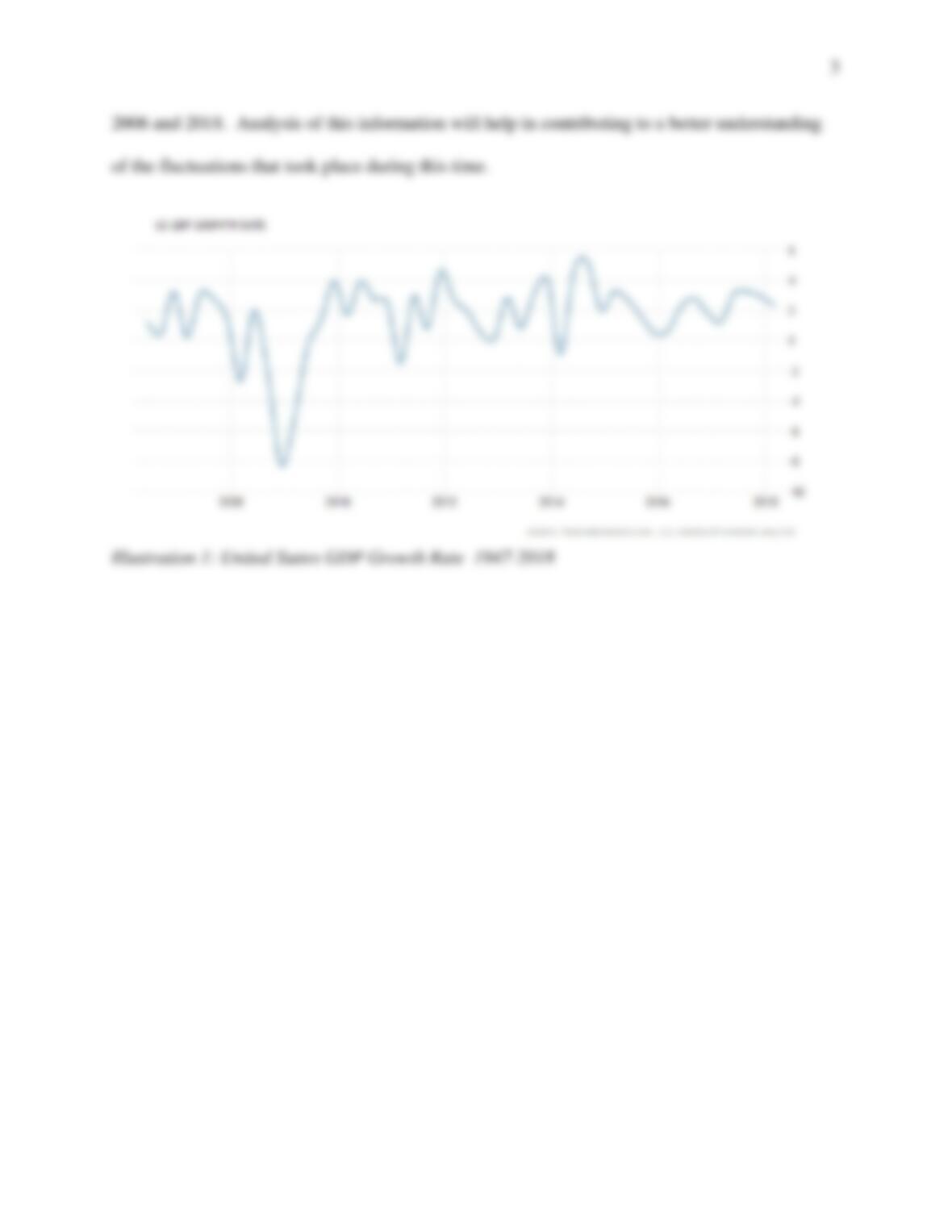
According to data, there were increases in the national GDP between 2006 and 2018.
This growth can be understood in association with the various changes that have taken place in
the country during this time. In 2006, the GDP was $13.8559 trillion (The Balance, 2017). This
presents a smaller GDP than what the country holds today. The current GDP is $18,624,475.00
(The World Bank, 2018). This growth has occurred alongside the major macroeconomic
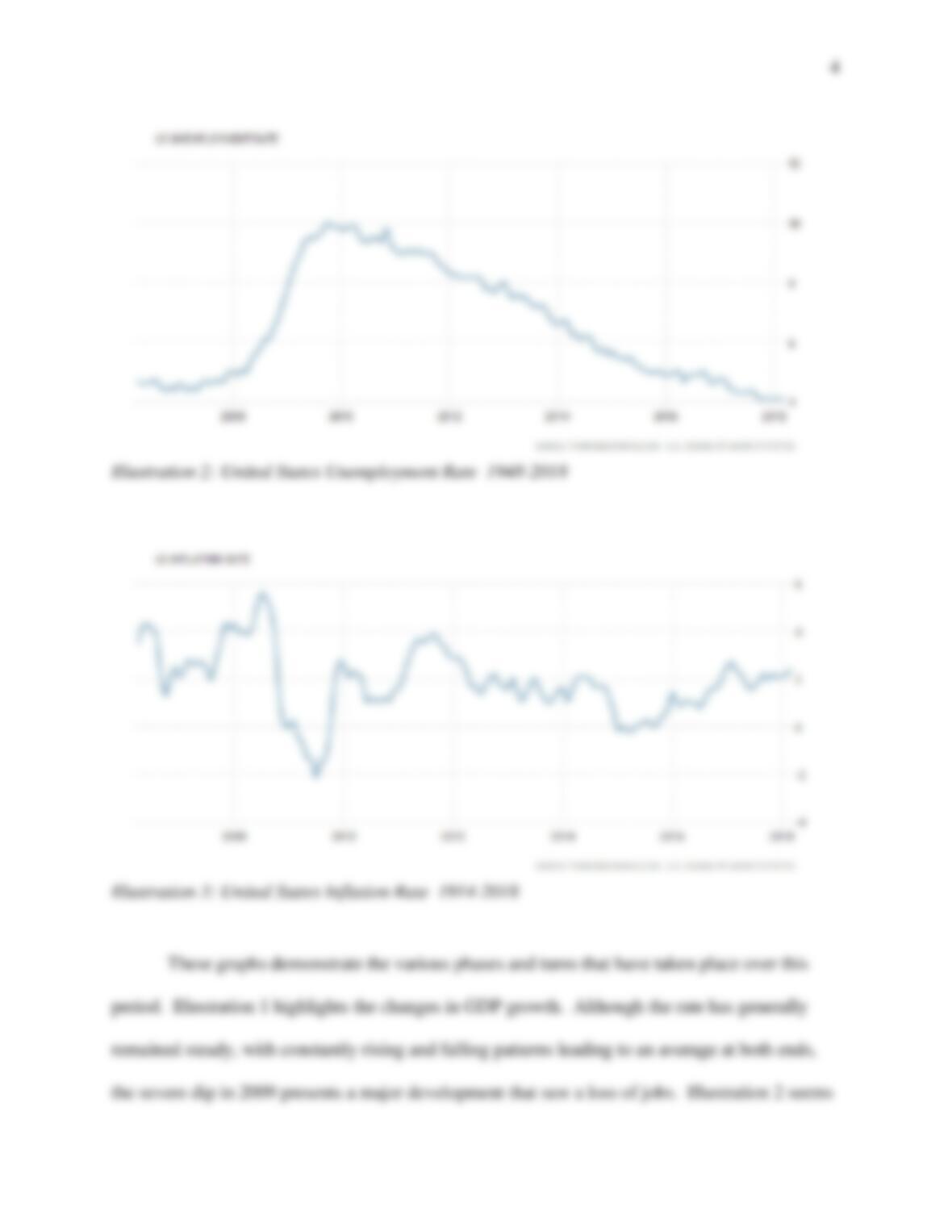
changes that have taken place within the country. Unemployment is another important factor in
relation to the economic state of the United States. The unemployment rate in 2006 was 4.9