Theory of Consumer
Choice
ETP Economics
Jack Wu

The Budget Constraint
Trade-offs:
Buying more of one good leaves less income to buy
other goods
Working more hours means more income and more
consumption, but less leisure time
Reducing saving allows more consumption today but
reduces future consumption
Budget constraint:
The limit on the consumption bundles that a
consumer can afford

EXAMPLE 1: Russell’s budget constraint
Russell divides his income of $3,000 between two goods:
steak and avocados. Prices are: PS= $10 per steak and PA
= $2.50 per avocado
A. If Russell spends all his income on steak, how many
steaks does he buy?
B. If Russell spends all his income on avocados, how many
avocados does he buy?
C. If Russell buys 200 steaks, how many avocados can he
buy?
D. Plot each of the bundles from above on a graph
(steaks on the horizontal axis and avocadoes on the
vertical axis).
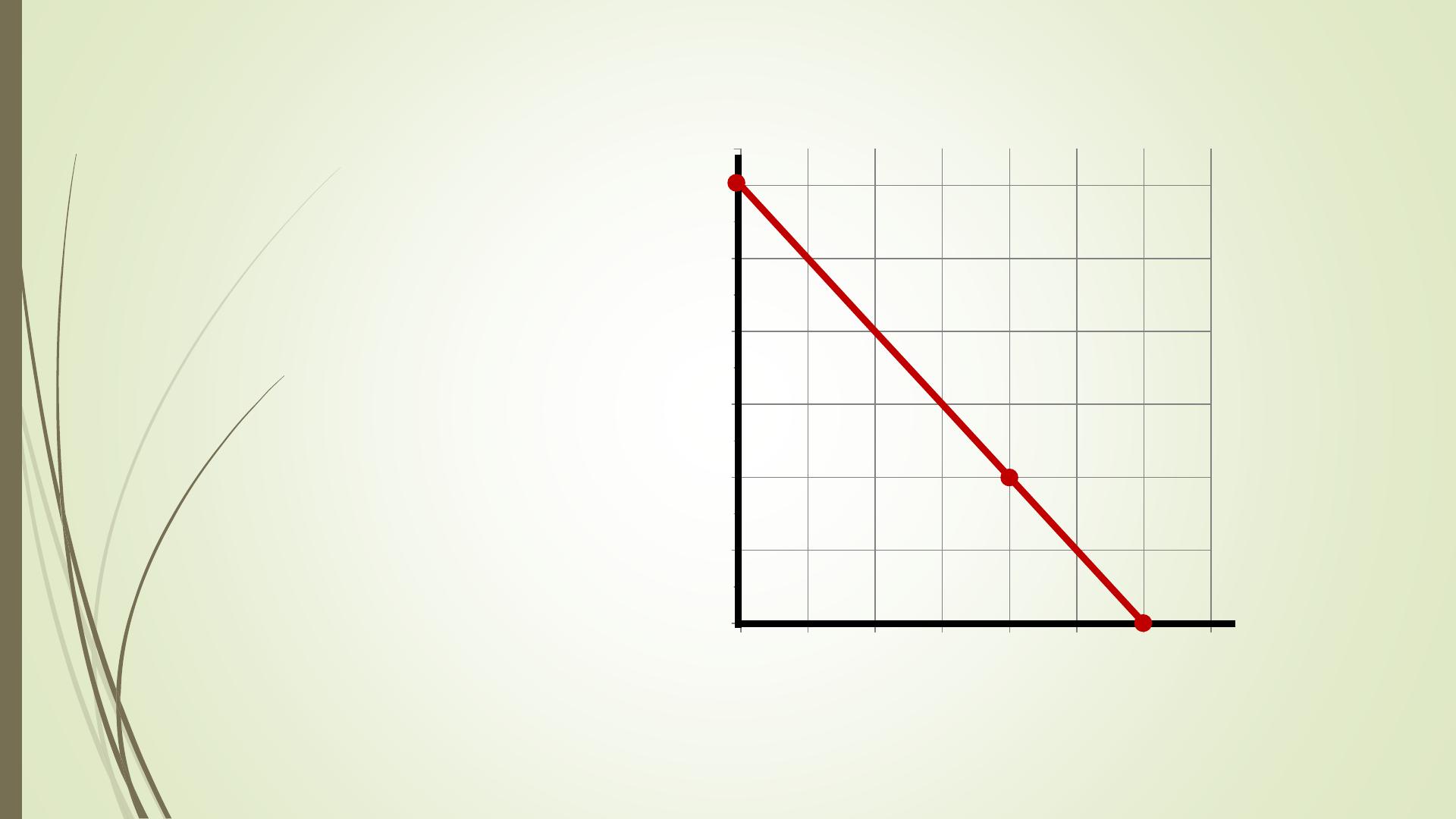
EXAMPLE 1: Solutions
A. $3,000/$10
= 300 steaks
B. $3,000/$2.50
= 1,200 avocados
C. 200 steaks cost
$2,000, the $1,000
left buys 400
avocados
D. Russell’s budget
constraint shows the
bundles he can afford
0
200
400
600
800
1000
1200
050 100 150 200 250 300 350
Quantity of Avocados
Quantity of Steak
B
A
C
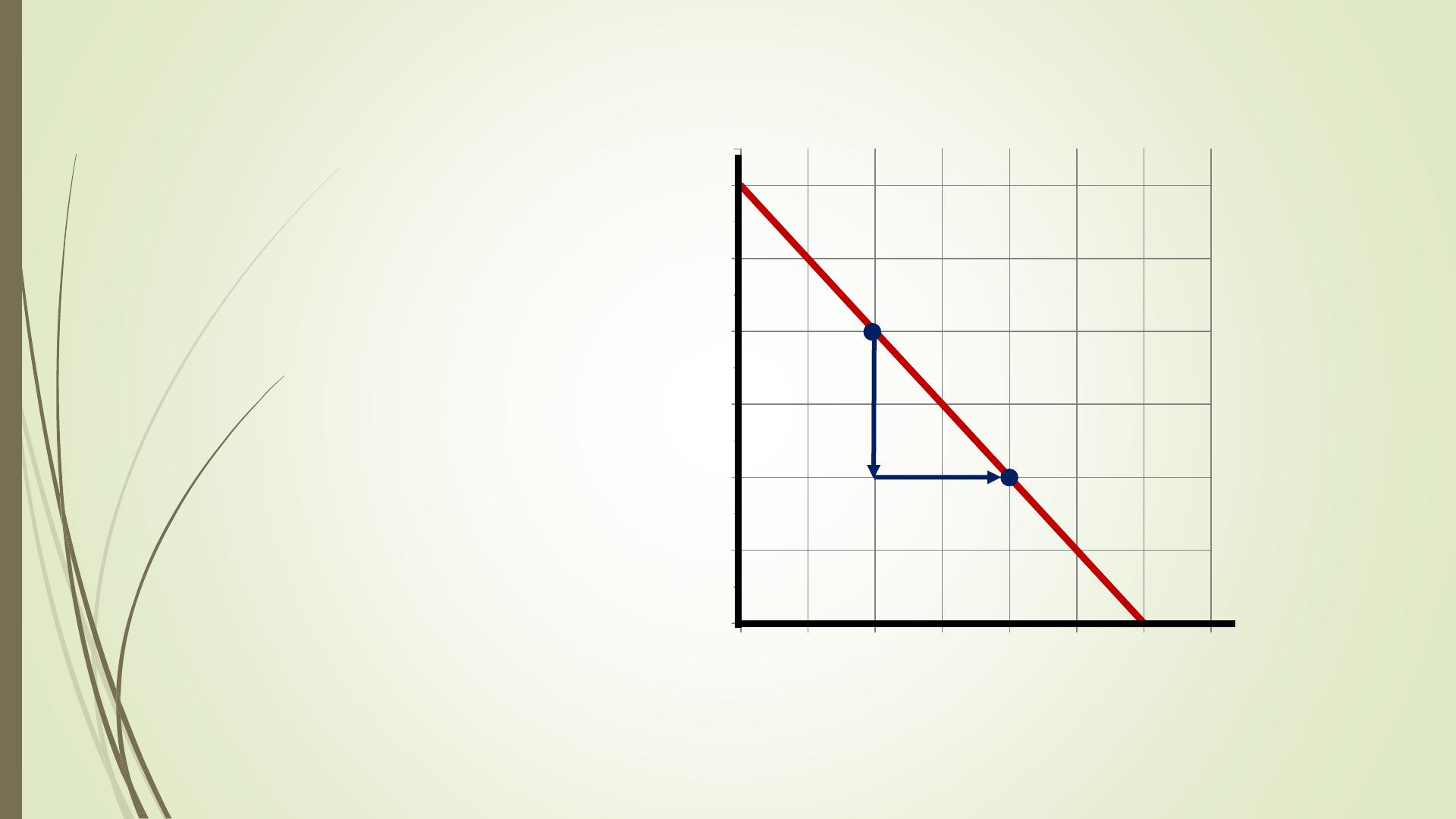
Active Learning 1: The slope of the budget constraint
From D to C,
–____ avocados
+____ steaks
Slope = _______
Russell must give up
__ avocados to get one
steak.
0
200
400
600
800
1000
1200
050 100 150 200 250 300 350
Quantity of Avocados
Quantity of Steak
C
D
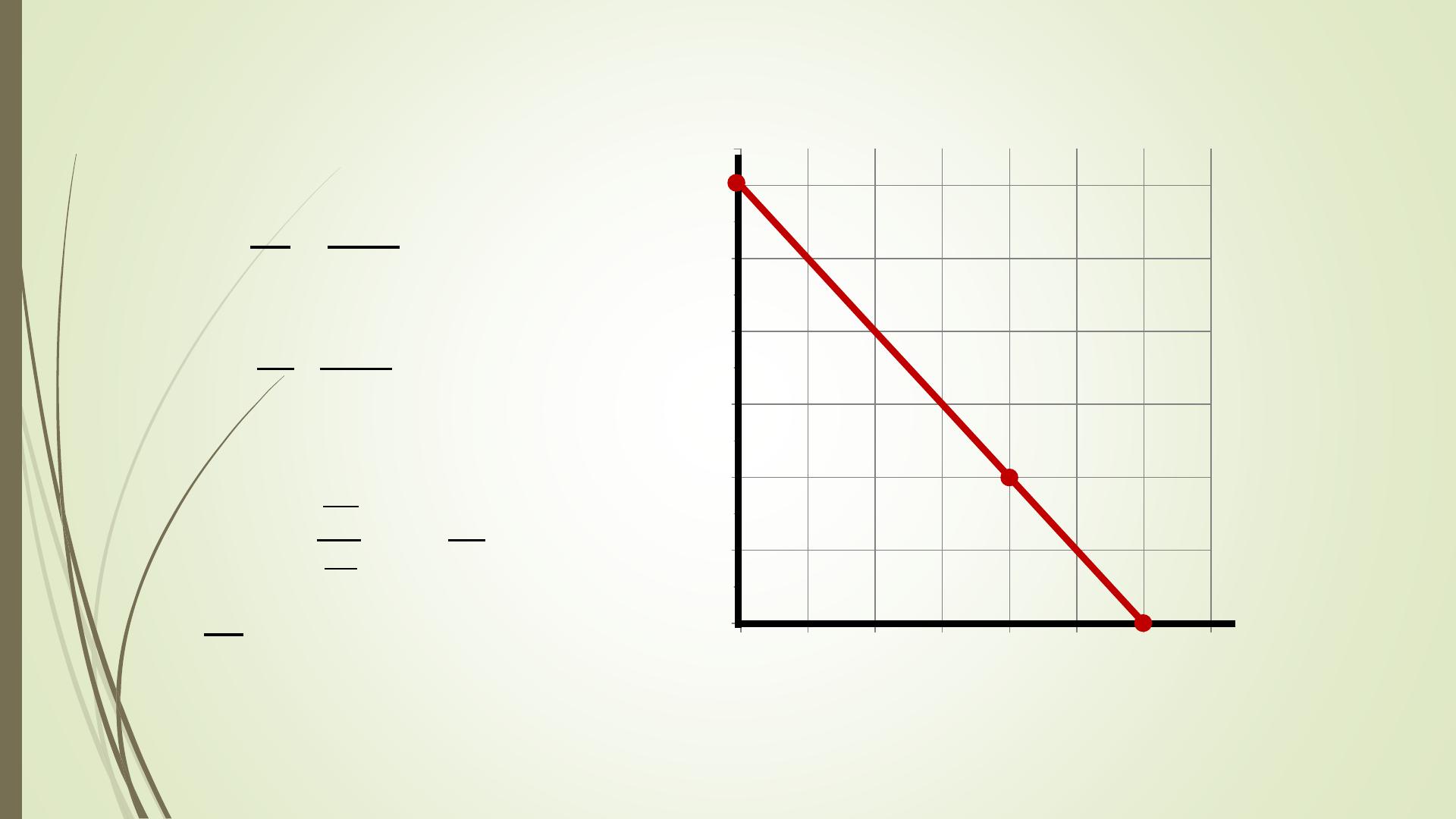
Slope of Budget Constraint = Relative Price
Suppose Y is income.
At B, 𝑌
𝑃𝐴=3000
2.5 =1200
At A, 𝑌
𝑃𝑆=3000
10 =300
Slope= −
𝑌
𝑃𝐴
𝑌
𝑃𝑆
= − 𝑃𝑆
𝑃𝐴
=−10
2.5 = −4
0
200
400
600
800
1000
1200
050 100 150 200 250 300 350
Quantity of Avocados
Quantity of Steak
B
A
C
Active Learning 2: Changes to the budget
constraint
Initial problem: Russell’s income = $3,000 and
prices: PS= $10 per steak, PA= $2.50 per