1
The US Legacy in Afghanistan
Student’s name:
University ID:
Instructor’s name:
Submission Date:

2
Executive Summary
The research finding chapter focuses on the results of the research study. This chapter highlights
the primary data collected from the interview. Moreover, a thematic analysis has been conducted
to evaluate and interpret the primary qualitative data. This study sheds light on the issues faced by
the US government in the reconstruction project under the new emergence of the government in
Afghanistan. This research evaluates the impact of foreign policy on the society, culture and
religion of the local resident of Afghanistan which emerges the concern of the violation in the
Islamic principles. The conducted research sheds light on the factors involved with the US legacy
in Afghanistan. Focus has also been laid immensely on evaluating the reconstruction strategies
adopted by the USA for rebuilding Afghanistan.

3
Table of Contents
Proposal: ……………………………………………………………………………. Error! Bookmark not defined.
Report:…………………………………………………………………………………………………………………………… 6
1. Introduction ………………………………………………………………………………………………………………… 6
2. Literature review ……………………………………………………………………………………………………….. 11
Introduction ………………………………………………………………………………………………………………. 11
Identification of the critical factors involved with the US government in context to
implementation of strategies in Afghanistan ………………………………………………………………….. 11
Recognition of the gaps and the required time and resources to rebuild Afghanistan ………….. 14
Determination of the reasons for instability of the government in the country …………………… 14
Analyzing the interlink between the reconstruction process and maximizing security in the
country ……………………………………………………………………………………………………………………… 14
Evaluation of the impacts laid by the US government policies on the reconstruction of
Afghanistan ………………………………………………………………………………………………………………. 15
Application of relevant monitoring and evaluation strategies to ensure success if the
reconstruction projects in Afghanistan ………………………………………………………………………….. 15
Literature gap ……………………………………………………………………………………………………………. 15
Summary ………………………………………………………………………………………………………………….. 15
Conceptual Framework ………………………………………………………………………………………………. 17
Identification of the critical factors involved with the US government in context to
implementation of strategies in Afghanistan ………………………………………………………………….. 17
Recognition of the gaps and the required time and resources to rebuild Afghanistan ………….. 17
Determination of the reasons for instability of the government in the country …………………… 17
Analyzing the interlink between the reconstruction process and maximizing security in the
country ……………………………………………………………………………………………………………………… 17

4
Evaluation of the impacts laid by the US government policies on the reconstruction of
Afghanistan ………………………………………………………………………………………………………………. 17
Application of relevant monitoring and evaluation strategies to ensure success if the
reconstruction projects in Afghanistan ………………………………………………………………………….. 17
Figure 2: Conceptual Framework …………………………………………………………………………………. 18
Introduction ………………………………………………………………………………………………………………. 22
Selection of the research methodology …………………………………………………………………………. 22
Achievement of the research objectives ………………………………………………………………………… 22
Epistemological and ontological objectives and contribution …………………………………………… 22
Identification of the research instruments ……………………………………………………………………… 22
Limitation of the research methodology ……………………………………………………………………….. 23
Implication of the research methodology ………………………………………………………………………. 23
Data collection method……………………………………………………………………………………………….. 23
Data analytical instrument …………………………………………………………………………………………… 23
Ethical considerations ………………………………………………………………………………………………… 23
Summary ………………………………………………………………………………………………………………….. 24
5. Research findings ………………………………………………………………………………………………………. 25
5.1 Primary data ………………………………………………………………………………………………………… 25
5.1.1 Interview ……………………………………………………………………………………………………….. 25
5.2 Analysis of the findings…………………………………………………………………………………………. 27
5.2.1 Thematic analysis …………………………………………………………………………………………… 27
Appendices …………………………………………………………………………………………………………………… 33
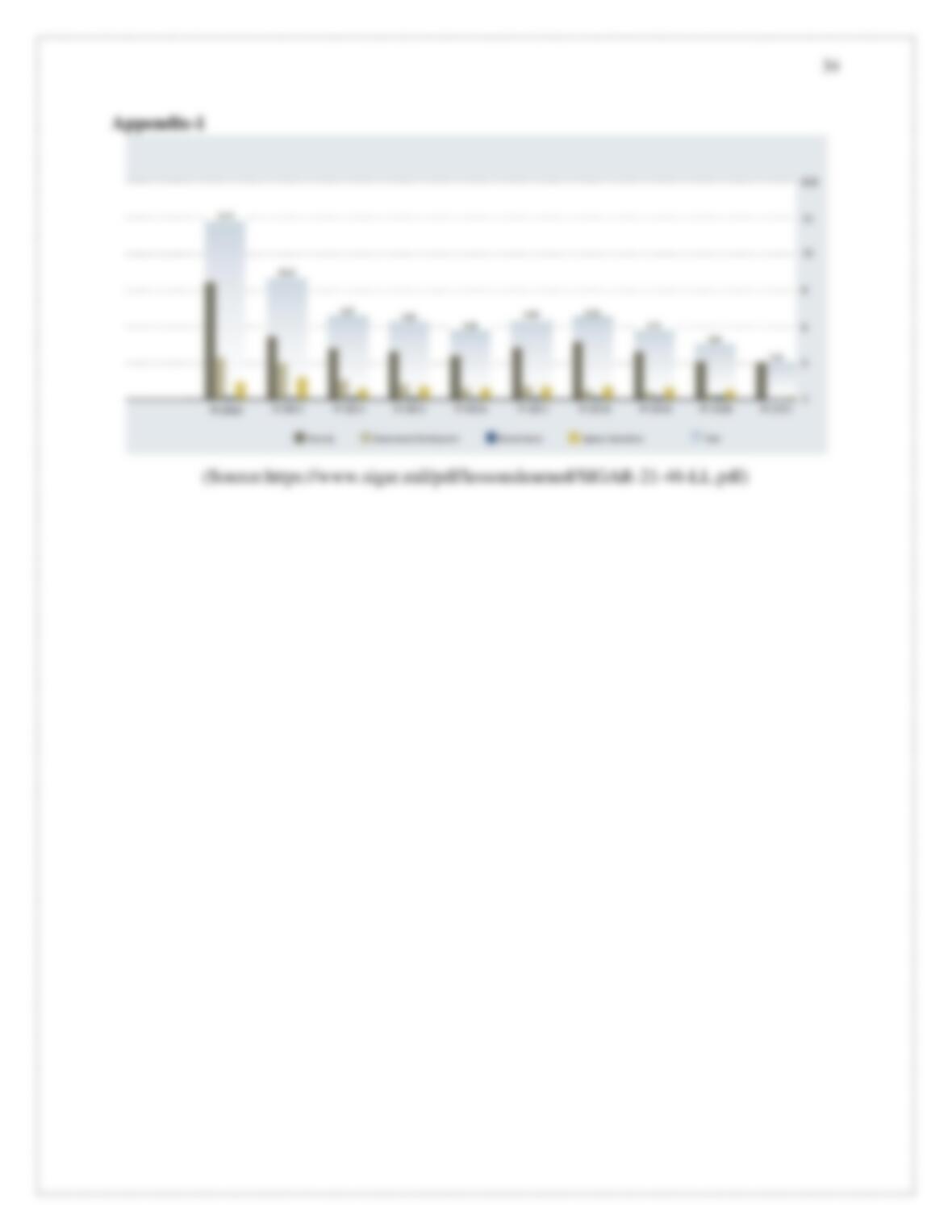
Appendix-1 ……………………………………………………………………………………………………………….. 34
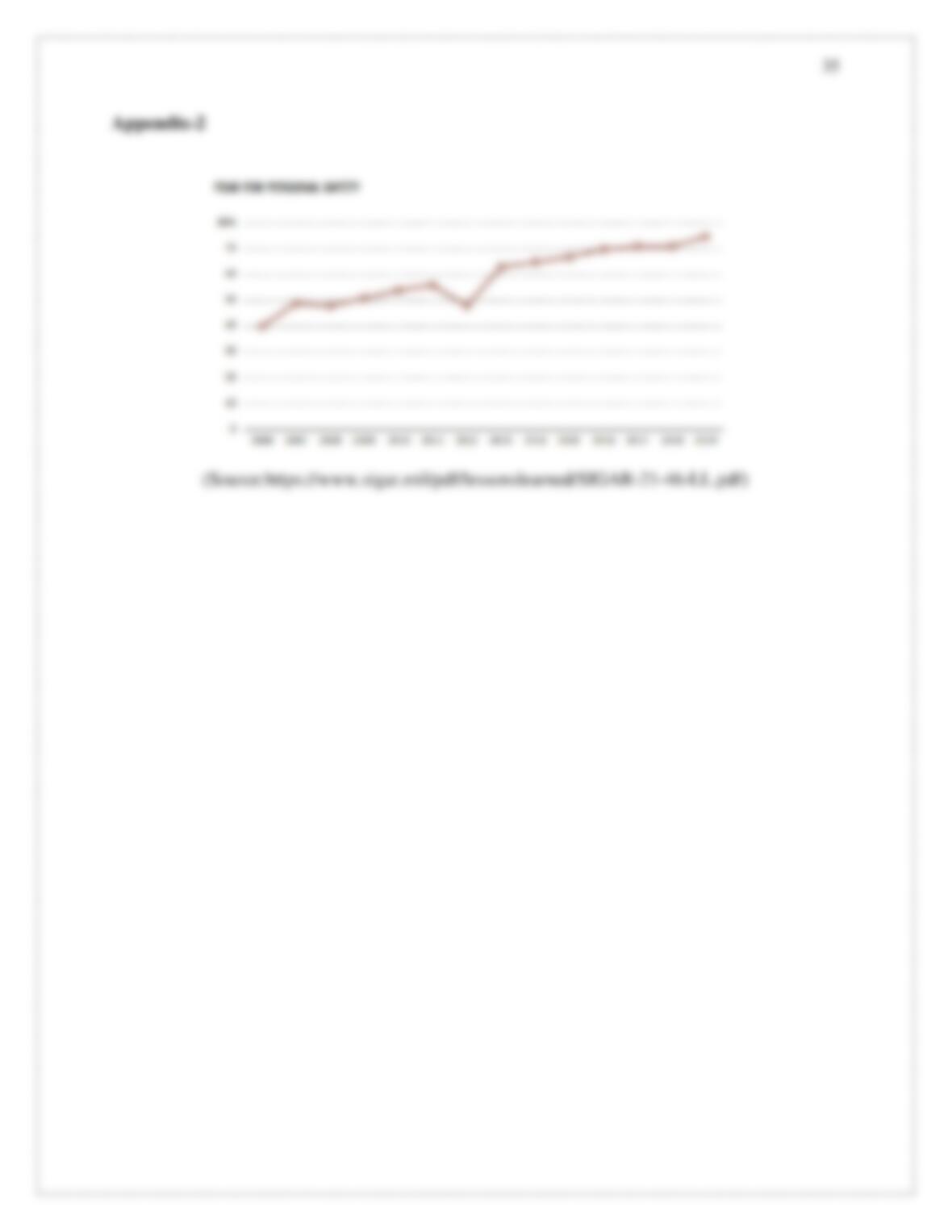
Appendix-2 ……………………………………………………………………………………………………………….. 35
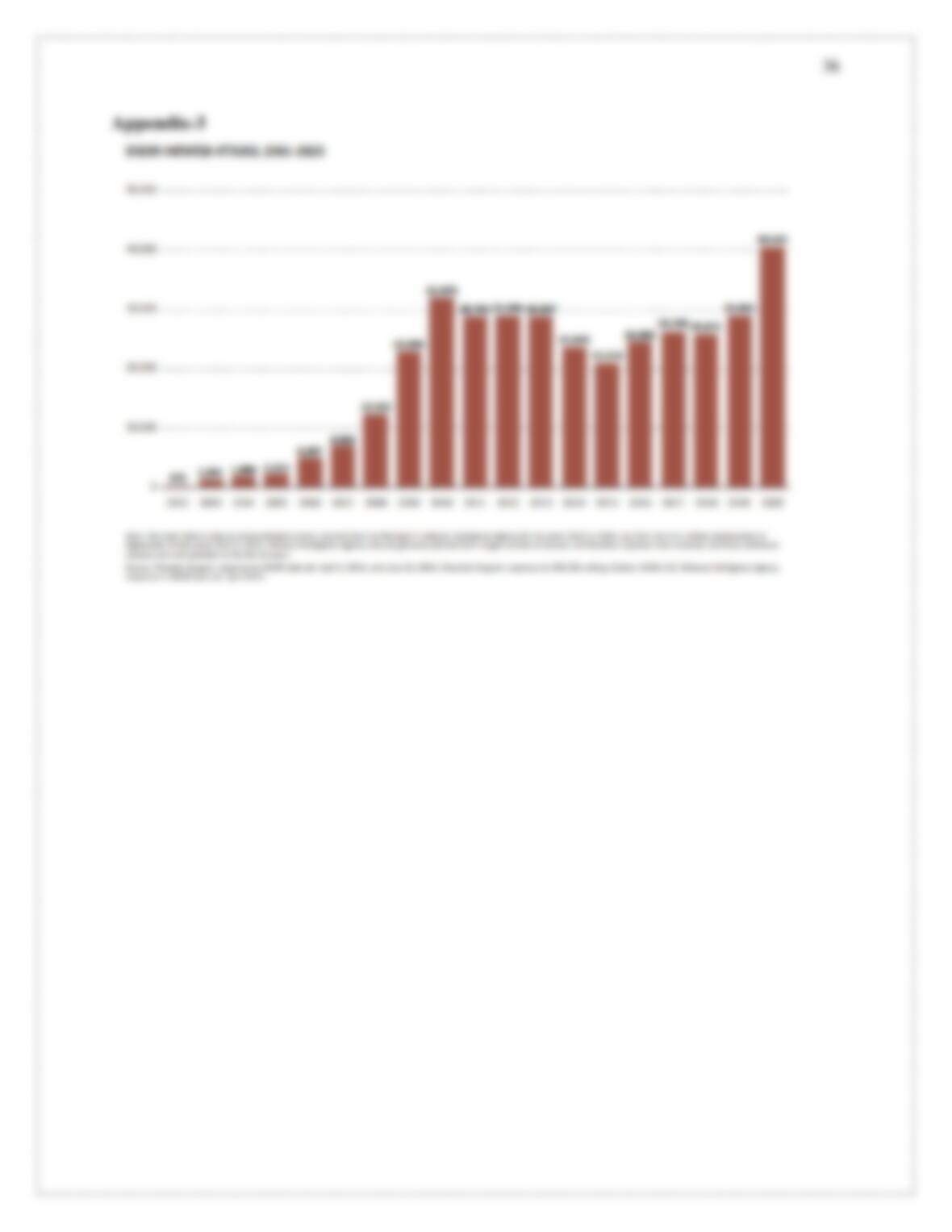
Appendix-3 ……………………………………………………………………………………………………………….. 36

5

6
Report:
1. Introduction
Introduction
Afghanistan war has had a great impact on the men and women in uniform of the United States of
America. Attacks by Al-Qaida terrorists on American soil in 2011 sparked the longest war in
American history had a major impact on both the American people and men in uniform. The
intervention was characterized by issues affecting American diplomats, aid workers, and
international policymakers (Laugesen, 2017). Over 2500 American soldiers lost their lives during
the period of the war which cost the American tax payer’s trillion dollars. The war spanned across
four presidential administrations. In recent days, however, the war reached another culmination.
The USA military withdrew from the country which was highly complex and has resulted in a
humanitarian crisis in the country. It also includes the entire removal of American diplomats in the
country.
Cross-culture and political conflict between the US Government and Afghanistan obstructed the
development of the multiple US reconstruction projects in Afghanistan. Raising insecurities,
corruption and continuous terrorist’s activities in the country forced US Government to implement
an effective strategy for the development of infrastructural project in Afghanistan. This research
demonstrates the issues faced by the US Government to reconstruct the project and effective
strategies implemented by them to solve the issue.
Background to the problem
The US government has declared war against terrorism and sanctioned against the country in 2001
which leads to multifaceted impacts on the host country. Based on that, there are reports that have
outlined the gaps behind strategic implementation and the understanding of the socio-political,
regional, cultural as well as religion specific requirements.
Rationale
Multiple reconstruction projects of the US Government have been obstructed in Afghanistan by
the local government due to cross-cultural differences. Local Government considers the
7
reconstruction project as an issue as it could violate the Islamic sentiments and impact on
psychology of the local citizens due to the difference in the culture of both countries. The US
government has already invested $145 billion over 20 years in the reconstruction project which
led to a huge financial loss due to obstruction of the project (Sigar.mil, 2021). It will not be possible
to develop infrastructure such as schools, health care’s, supermarkets and many more in
Afghanistan due to obstruction of the US reconstruction project followed by the peace treaty
signed between the US government and Taliban in 2021.
Research question
Some of the questions on why the USA government struggled with achieving its goals in
Afghanistan included:
1. Why did the USA government face challenges in the development and implementation of
strategies that it had hoped to achieve?
Officials from the USA government faced challenges in the creation of long-term and