The Reproductive system and
mammary gland diseases (Part 2)
By
Dr. Muhammad Shahzad
Aslam
Ph.D., M.Phil., Pharm-D, R.Ph
Learning objectives
•Understanding the Pathogenesis, morphology
and clinical features of Endometriosis
•Discuss different types of Endometrial
hyperplasia
•Understanding the Pathogenesis, morphology
and clinical features of Endometrial Carcinoma
•Describe the general features of Leiomyoma of
uterus
•Describe the general features and epidemiology
of Gestational trophoblastic diseases
•Discuss the different types of Ovarian tumors
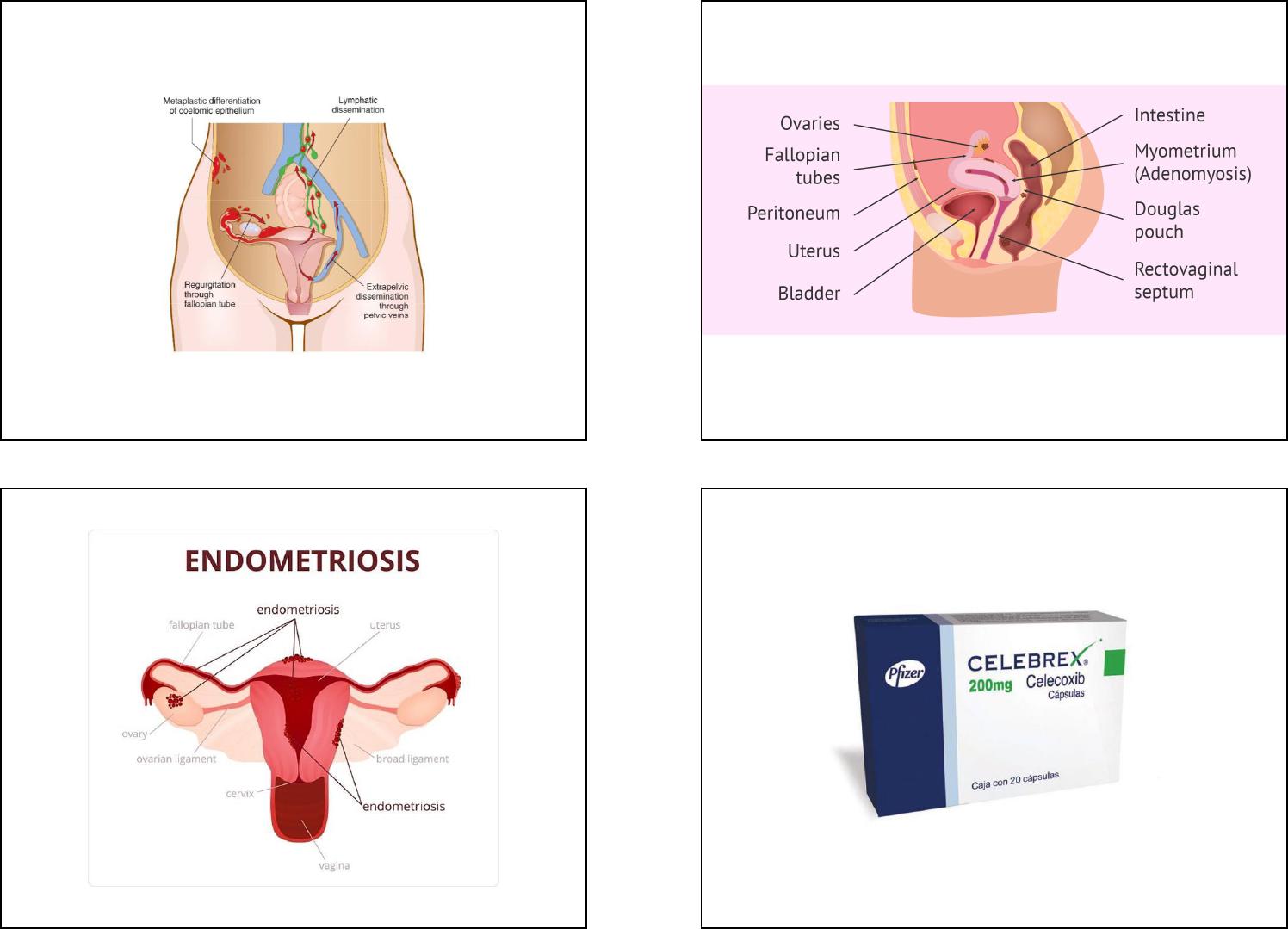
Endometriosis
Multifocal
Involves pelvic structures
Possible pathogenesis??
Regurgitation theory
Metaplastic theory
vascular or lymphatic dissemination theory
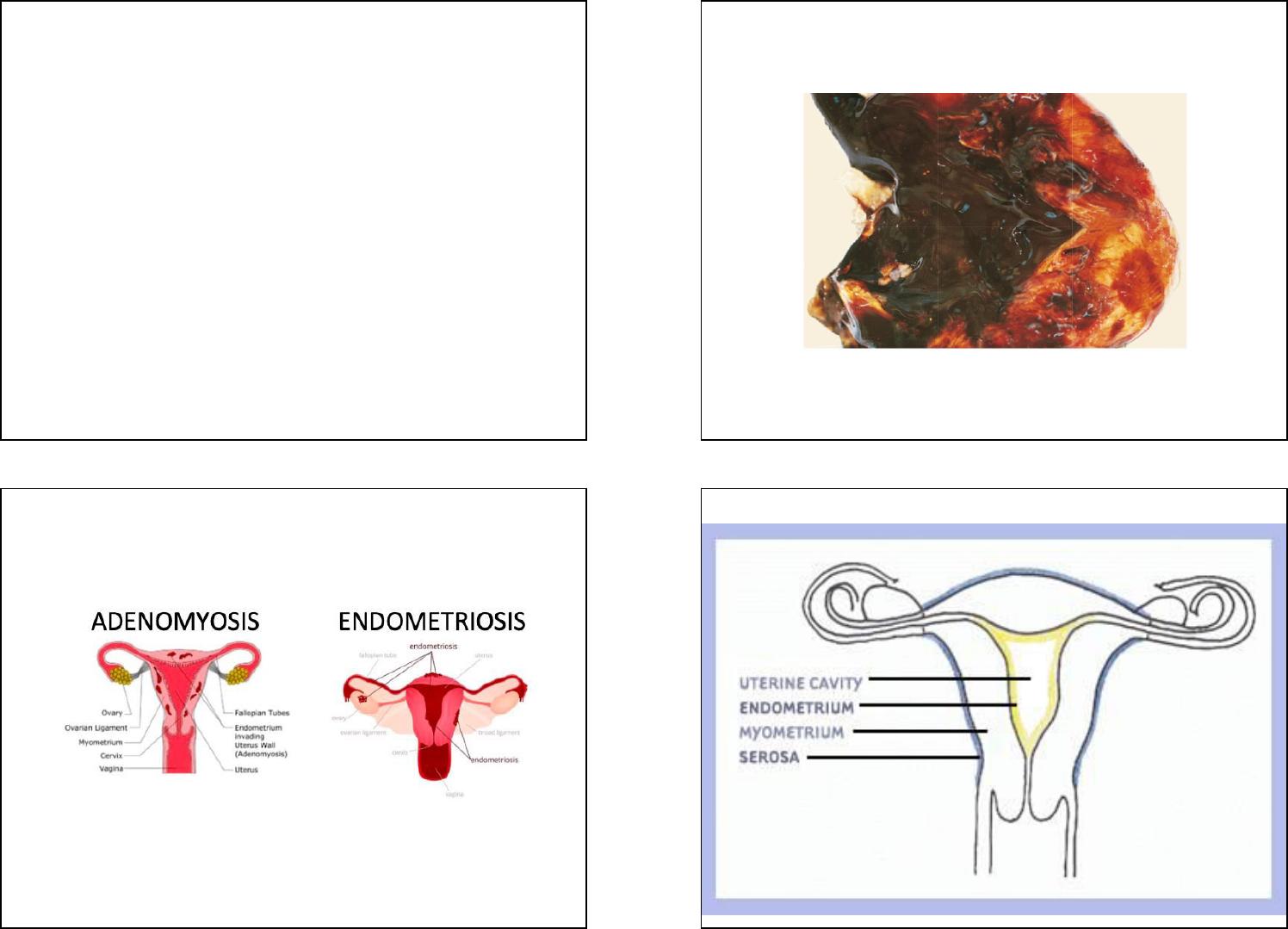
Morphology
Functioning endometrium
Aberrant foci, they usually appear grossly as red–
brown nodules or implants. They range in size from
microscopic to 1 to 2 cm in diameter
chocolate cysts
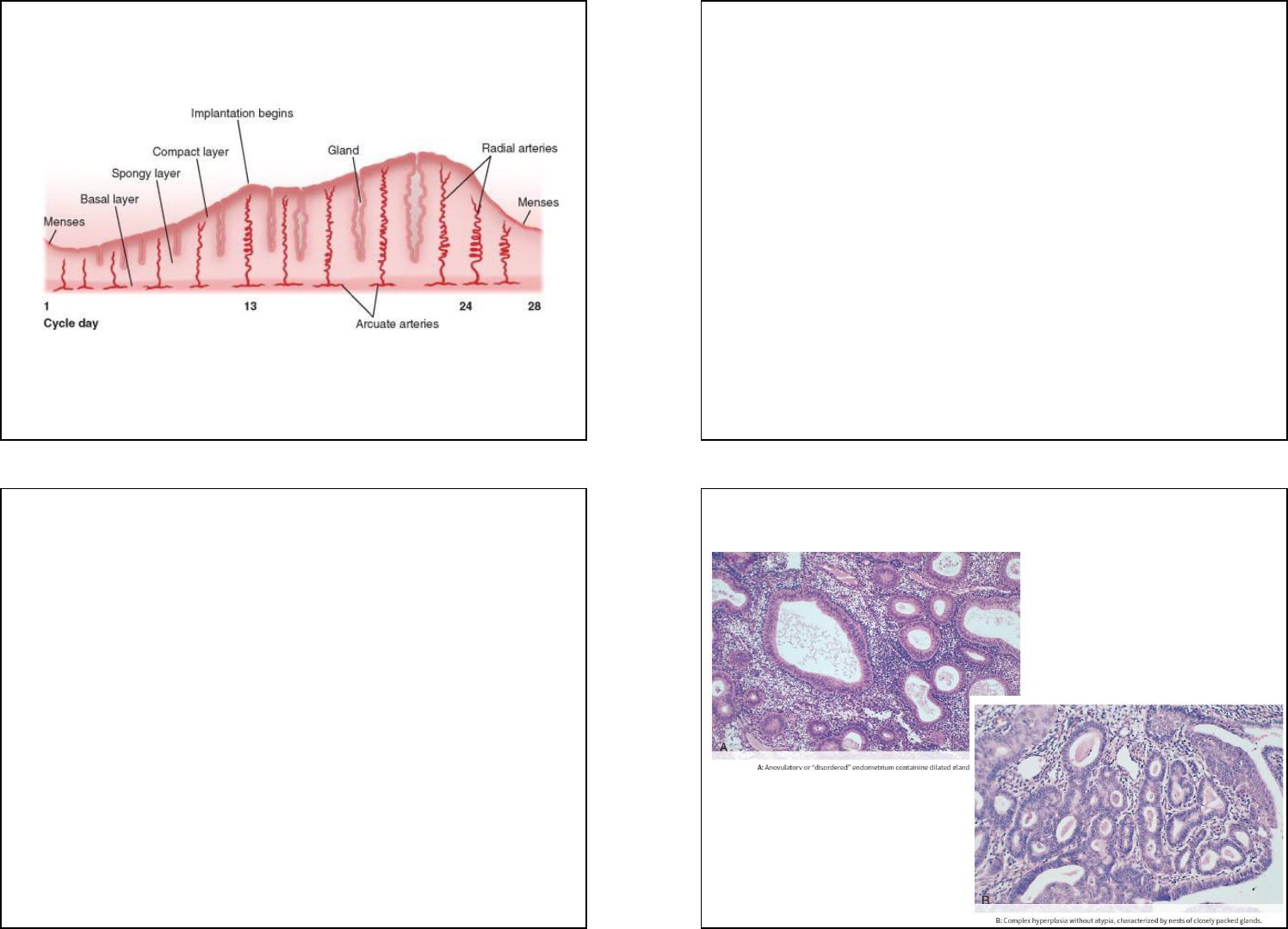
Clinical features
Extensive scarring of the oviducts and ovaries often
produces discomfort in the lower abdominal
quadrants and eventual sterility.
Rectal wall involvement may produce pain on
defecation, while involvement of the uterine or
bladder serosa can cause dyspareunia (painful
intercourse) and dysuria, respectively.
Endometrial hyperplasia
Simple hyperplasia
Complex hyperplasia
Atypical hyperplasia
Endometrial hyperplasia
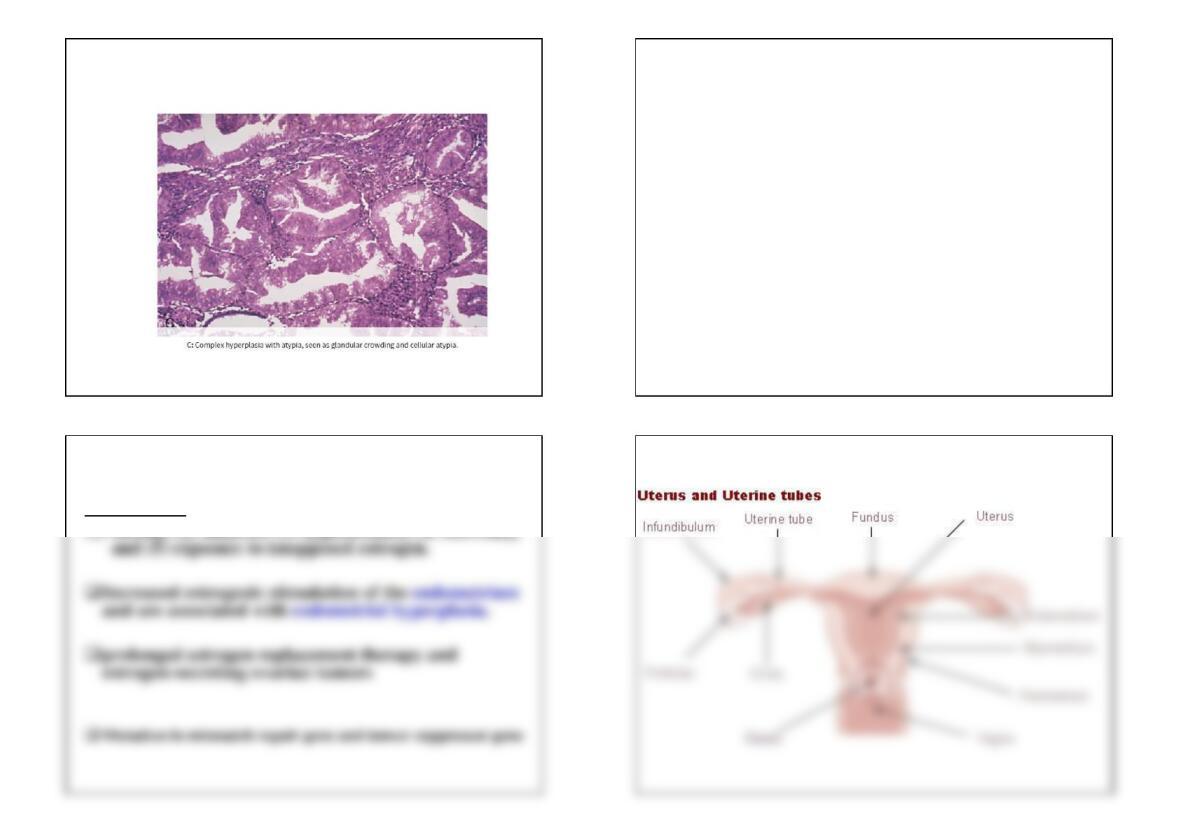
Endometrial hyperplasia
Endometrial Carcinoma
Common in U.S.A
Age= 55 and 65 year
Types= endometrioid and serous carcinoma
Postmenopause vs. perimenopause
Pathogenesis
Risk factors:
(1) obesity, (2) diabetes, (3) hypertension, (4) infertility,