i
THE IMPACT OF LIQUDITY ON MICROFINANCE PROFITABLITY;
EVIDENCE FROM MICROFINANCE INSTIUTION IN ETHIOPIA
A RESEARCH PAPER SUBMITTED TO THE DEPARTMENT OF
ACCOUNTING AND FINANCE IN PARTIAL FULFILLMENT OF THE
REQUIREMENT FOR THE BACHELOR DEGREE OF ART IN
ACCOUNTING AND FINANCE
BY; HABTAMU KINDU
ADVISOR NAME; Mr. IDRIS A. (MSC)
COLLEGE OF BUSINESS AND ECONOMICS
DEPARTMENT OF ACCOUNTING AND FINANCE
WOLKITE, ETHIOPIA
JUNE, 2019 G.C
i
Statement of Declaration
I Habtamu Kindu, have carried out independently a research work entitled “The impact of
liquidity on microfinance profitability: The case of Microfinance Institutions in Ethiopia” in
partial fulfillment of the requirement of BA Degree in Accounting and Finance with the guidance
and support of the research advisor. I do hereby declare that this research paper is my original
work and that it has not been submitted by any other person for an award of degree in this or any
other university/institution.
Submitted by:
Full Name: Habtamu Kindu Belay Signature_______________ Date___________
Approved By:
This paper has been submitted for examination with my approval as advisor
Full Name: Mr. Idris /M.Sc. / Signature_______________ Date___________

ii
Wolkite University
College Of Business and Economics
Department Of Accounting and Finance
Approval Sheet
This is to certify that the paper prepared by Habtamu Kindu, entitled:The impact of liquidity on
microfinance profitability: The case of Microfinance Institutions in Ethiopia and submitted in
partial fulfillment of the requirements for the Bachelor degree in Accounting and Finance complies
with the regulations of the University and meets the accepted standards with respect to originality
and quality. Approved by:
Advisor: Mr. Idris (MSc) Signature___________ Date __________
Examiner: Signature __________ Date__________
iii
Acknowledgements
First and for most I would like to thank Almighty GOD and his mother Virgin Merry for all the
strength they gave me to make it this far.
I would like to express my deepest gratitude to my advisor Mr. Idris Ali for his understanding,
encouragement and patience, professional and constructive comments from the beginning to the
completion of this research paper.
I would also like to extend my gratitude to department of accounting and finance to facilitate data
of AEMFI bulletin and give relevant who have provided me the relevant data for my study.
Lastly and certainly not the least, endless support of my family and friends, especially those who
asked me about the research process and achievements, here is my thankful for your support and
encouraging words and since it has inspired me a lot to accomplish my paper.
iv
Abstract
Micro-Finance Institutions (MFIs) play a vital role in the financial system by providing financial
services to those who cannot access from the conventional banking service in developing
countries. Liquidity and profitability of businesses are imperative concern in the development and
continued existence of a microfinance and the capability to hold the substitution involving the two
immense importance for the management. The main objective of this study was to examine the
impact of liquidity on microfinance institution profitability the case of 12 MFIs in Ethiopia. The
research used the explanatory research design, Balanced fixed effect panel regression model and
Eviews 7 econometric software was used for the data of 12 microfinance institutions in the sample
covered the period from 2005 to 2014 from the total population of thirty four microfinance
institutions operating in the country. The study used the Return on asset as the proxy of
profitability to measure financial healthiness of MFIs. The study finds that deposit loan ratio have
significant negative impact on profitability of MFIs, whereas debt to equity ratio has negative
influence on profitability of MFIs but statistically insignificant. Size and deposit asset ratio have
positive and significant impact on profitability of MFIs in Ethiopia. Based on the findings, the
study recommends that, microfinance institution management should pay greater attention to
those significant variables in determining their optimal liquidity and optimize level of profitability
of their micro finance institution of Ethiopia.
Keywords: Microfinance, liquidity, profitability, return on asset
V
Table of Content
Page
Statement of Declaration …………………………………………………………………………………………………… i
Approval Sheet ……………………………………………………………………………………………………………….. ii
Acknowledgements ………………………………………………………………………………………………………… iii
Abstract ………………………………………………………………………………………………………………………… iv
Table of Content ……………………………………………………………………………………………………………… v
List of Figures ………………………………………………………………………………………………………….. viii
List of Tables ………………………………………………………………………………………………………………. viii
Acronyms and Abbreviation’s …………………………………………………………………………………………. ix
CHAPTER ONE …………………………………………………………………………………………………………… 1
INTRODUCTION …………………………………………………………………………………………………………. 1
1.1 Background of the Study …………………………………………………………………………………………. 1
1.2 statement of the problem …………………………………………………………………………………………. 3
1.3 Objectives of the study ……………………………………………………………………………………………. 5
1.3.1 General objective of the study …………………………………………………………………………… 5
1.3.2 Specific objectives …………………………………………………………………………………………… 5
1.4 Hypothesis of the study …………………………………………………………………………………………… 5
1.5 Significance of the study …………………………………………………………………………………………. 6
1.6 Scope of the study ………………………………………………………………………………………………….. 6
1.7 Organization of the study ………………………………………………………………………………………… 6
1.8 Limitation of the Study …………………………………………………………………………………………… 6
CHAPTER TWO …………………………..……………………………………………………………………………… 7
2. RELATED LITERATURE REVIEW …………………………………………………………………….. 7
2.1 INTRODUCTION …………………………………………………………………………………………………. 7
2.1.1 Theoretical Overview of Microfinance ……………………………………………………………….. 7
2.1.2. Definition of Microfinance ………………………………………………………………………………. 7
2.2. Liquidity Theories …………………………………………………………………………………………………. 8
2.2.1 Quantitative Liquidity Theories …………………………………………………………………………. 8
2.2.2 Liquidity Motive Theories ………………………………………………………………………………… 8
2.2.3 Shift ability Theory ………………………………………………………………………………………….. 9
2.3 Accounting measurement of liquidity ……………………………………………………………………… 10
2.3.1 Debt to equity ratio ………………………………………………………………………………………… 10
VI
2 .3.2 Loan to Deposits Ratio (LDR) ………………………………………………………………………… 11
2.3.3 Deposit to Asset Ratio …………………………………………………………………………………….. 11
2 .3.4 Size of Microfinance (Total Asset) ………………………………………………………………….. 12
2.4 Measuring Profitability …………………………………………………………………………………………. 12
2.4.1 Return on Asset (ROA) …………………………………………………………………………………… 13
2.5 Review of Related Empirical Studies ……………………………………………………………………… 14
2.6 Conceptual firearm work ………………………………………………………………………………………. 15
2.7 Chapter Summary and Knowledge Gap …………………………………………………………………… 16
CHAPTER THREE …………………………………………………………………………………………………….. 17
3. RESEARCH METHODOLOGY ……………………………………………………………………………… 17
Introduction …………………………………………………………………………………………………………… 17
3.1. Research Approach ……………………………………………………………………………………………… 17
3.2. Research Design ………………………………………………………………………………………………….. 17
3.3. Data type and sources ………………………………………………………………………………………….. 18
3.4 .Target Population ………………………………………………………………………………………………… 18
3.4.1. Sample size and Sampling methods …………………………………………………………………. 18
3.5 Methods of Data Analysis ……………………………………………………………………………………… 19
3.6 Variable of the study and their operational definition ……………………………………………….. 19
3.6.1 Dependent variable ………………………………………………………………………………………… 19
3.6. 2 Independent Variables ……………………………………………………………………………………. 20
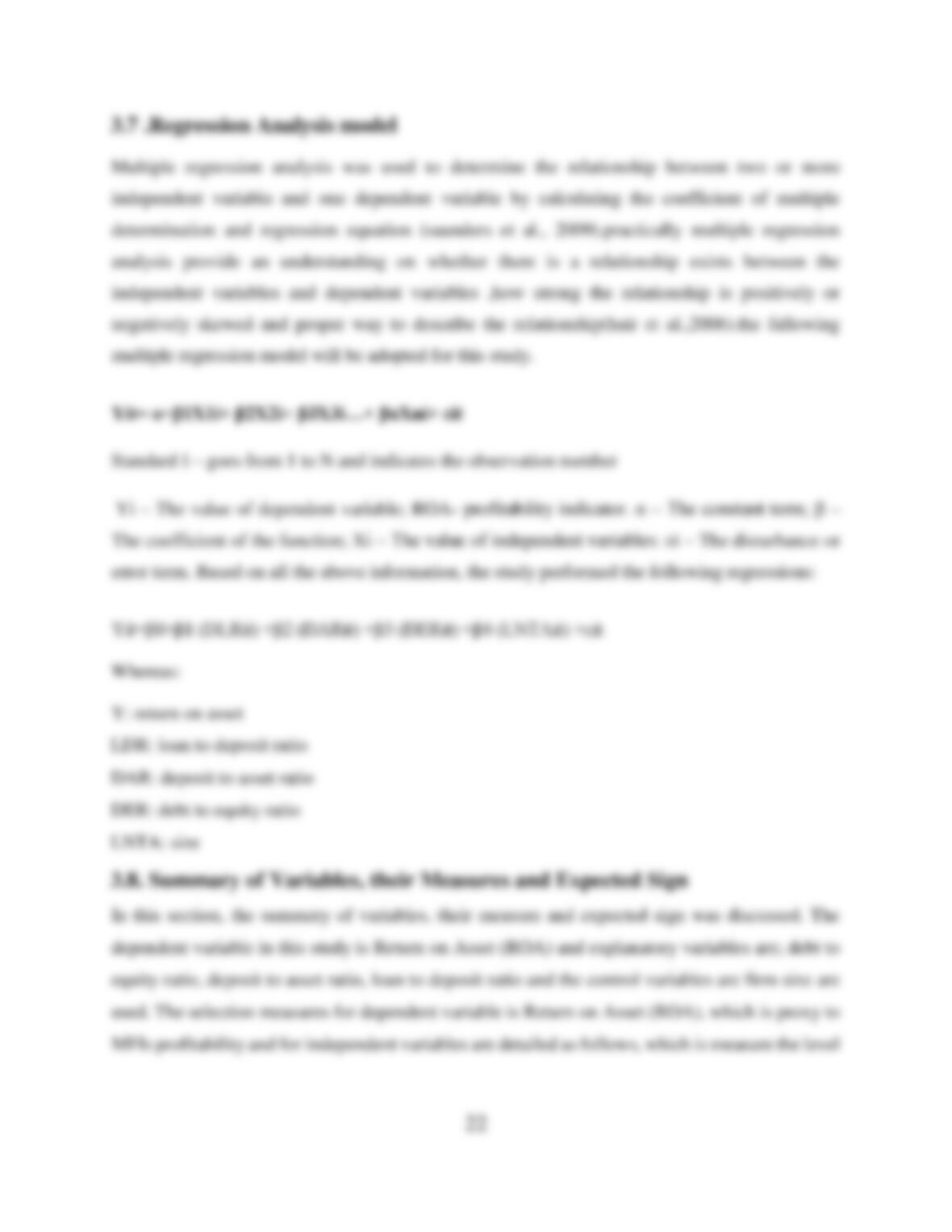
3.7 .Regression Analysis model …………………………………………………………………………………… 22
3.8. Summary of Variables, their Measures and Expected Sign ……………………………………….. 22
3.9. Chapter Summery …………………………………………………………………………………………….. 23
CHAPTER FOUR ……………………………………………………………………………………………………….. 24
DATA ANALYSIS AND PRESENTATION …………………………………………………………………. 24
4.0. Introduction …………………………………………………………………………………………………….. 24
4.1. Descriptive Statistics ………………………………………………………………………………………… 24
4.2. Correlation Analysis …………………………………………………………………………………………. 26
4.3. Tests for the Classical Linear Regression Model (CLRM) Assumptions …………………….. 27
4.3.1 Test for average value of the error term is zero (E (ut) = 0) assumption ………………… 27
4.3.2 Test for homoscedasticity assumption (Var (ut) = σ2) ………………………………………… 27
4.3.3. Test for absence of autocorrelation assumption …………………………………………………. 27
4.3.4. Test for absence of series Multicollinearity assumption ……………………………………… 28
4.3.5. Test for normality assumption (ut ∼N (0, σ2) …………………………………………………… 29
VII
4.4. Model Selection; Fixed Effect versus Random Effect Models ……………………………….. 30
4.5. Regression Analysis Results ……………………………………………………………………………… 31
4.6. Discussion on Regression Results ………………………………………………………………………. 33
4.7. Chapter Summery …………………………………………………………………………………………….. 35
CHAPTER FIVE: ……………………………………………………………………………………………………….. 36
CONCLUSION AND RECOMMENDATIONS ……………………………………………………………. 36
5.1. Conclusion ………………………………………………………………………………………………………. 36
5.2. Recommendations ……………………………………………………………………………………………. 37
5.2.1. For Future Researchers ………………………………………………………………………………….. 38
Reference ……………………………………………………………………………………………………………… 39
APPENDICES …………………………………………………………………………………………………………….. 43
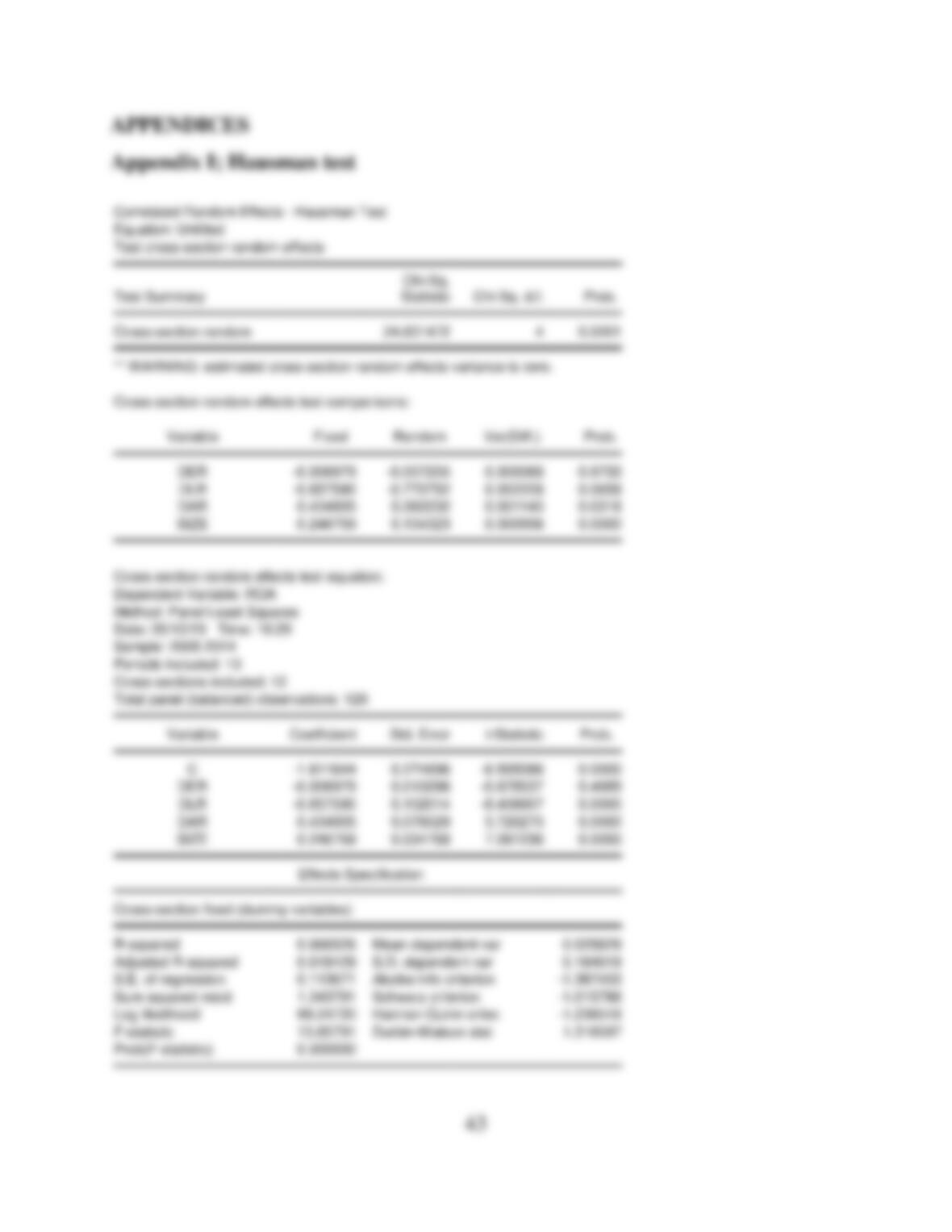
Appendix I; Hausman test …………………………………………………………………………………………… 43
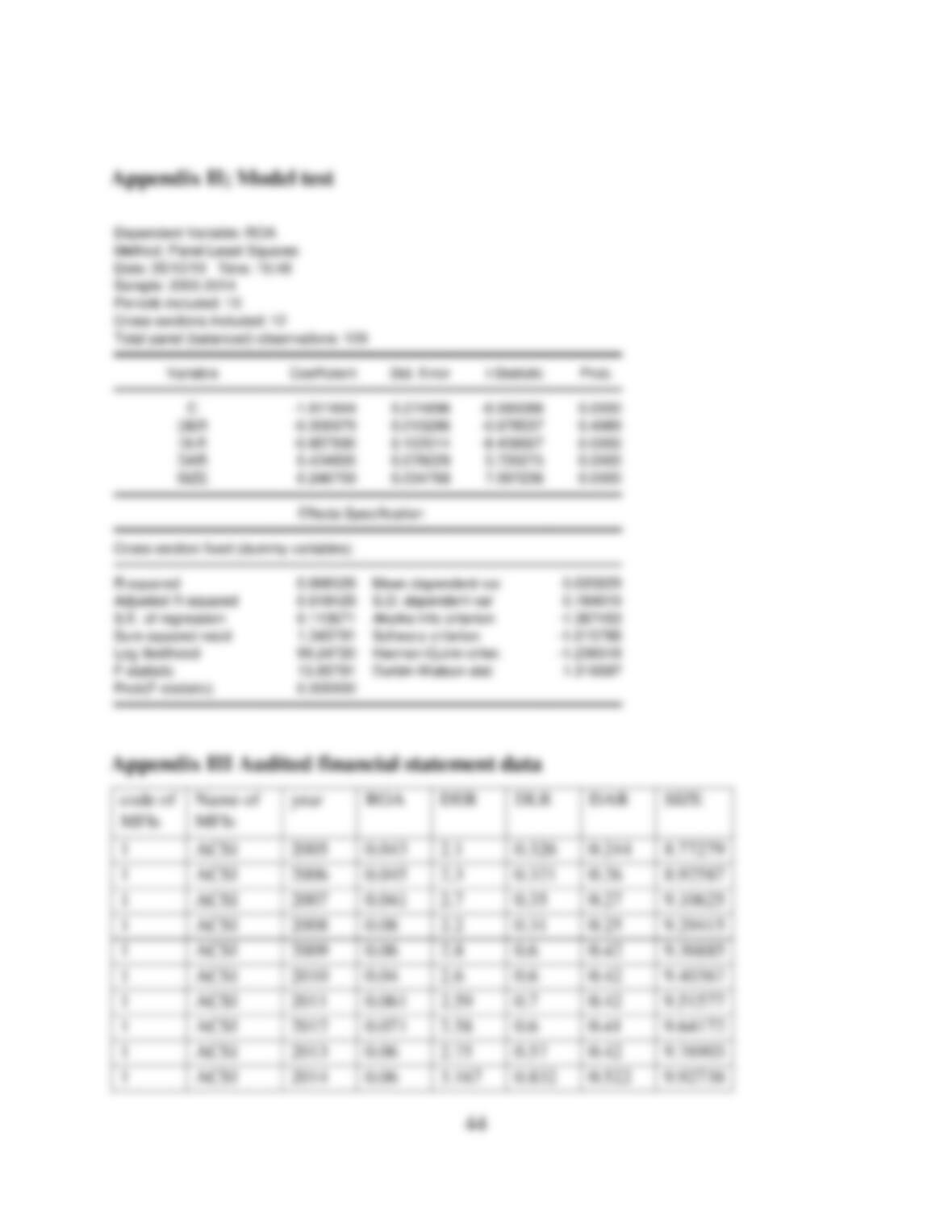
Appendix II; Model test ……………………………………………………………………………………………… 44
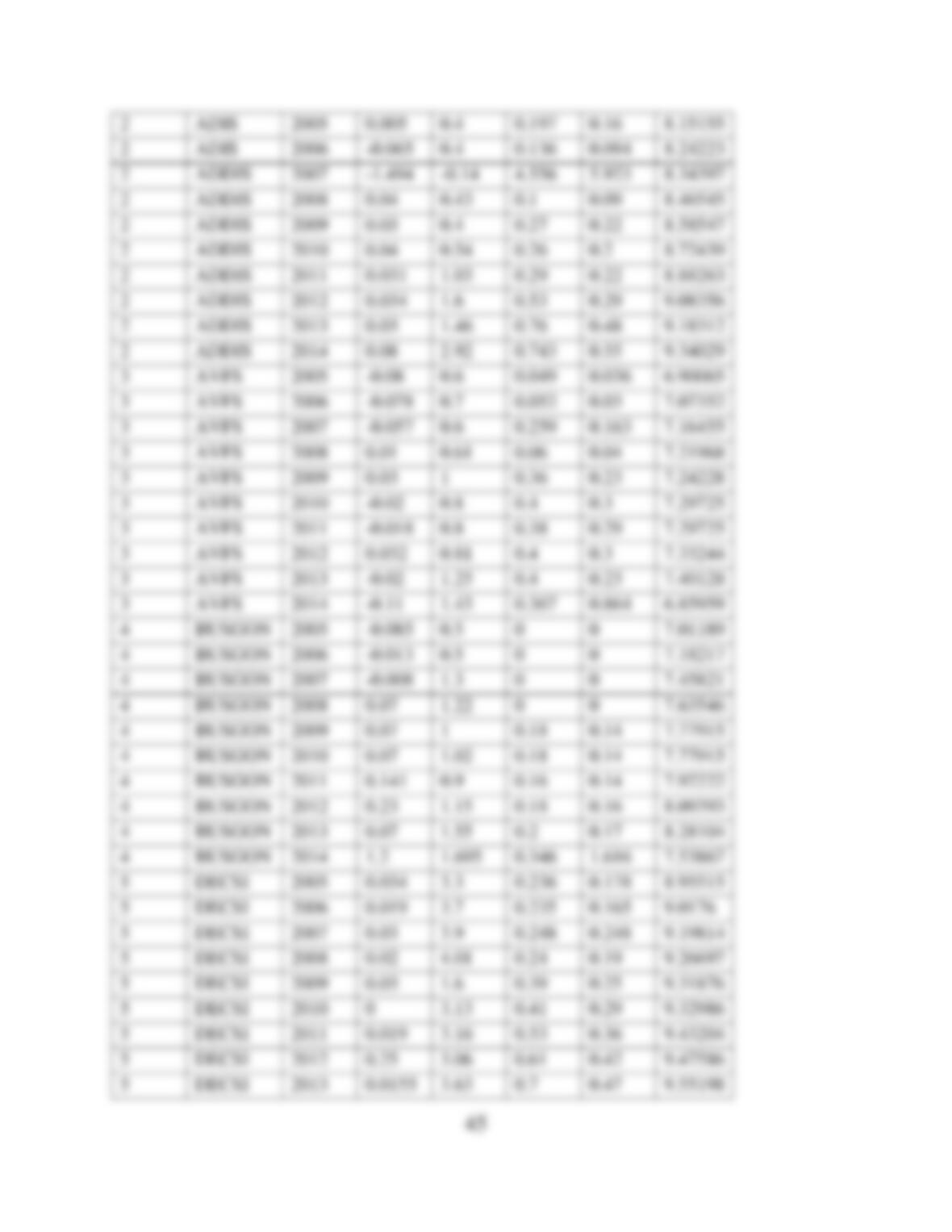
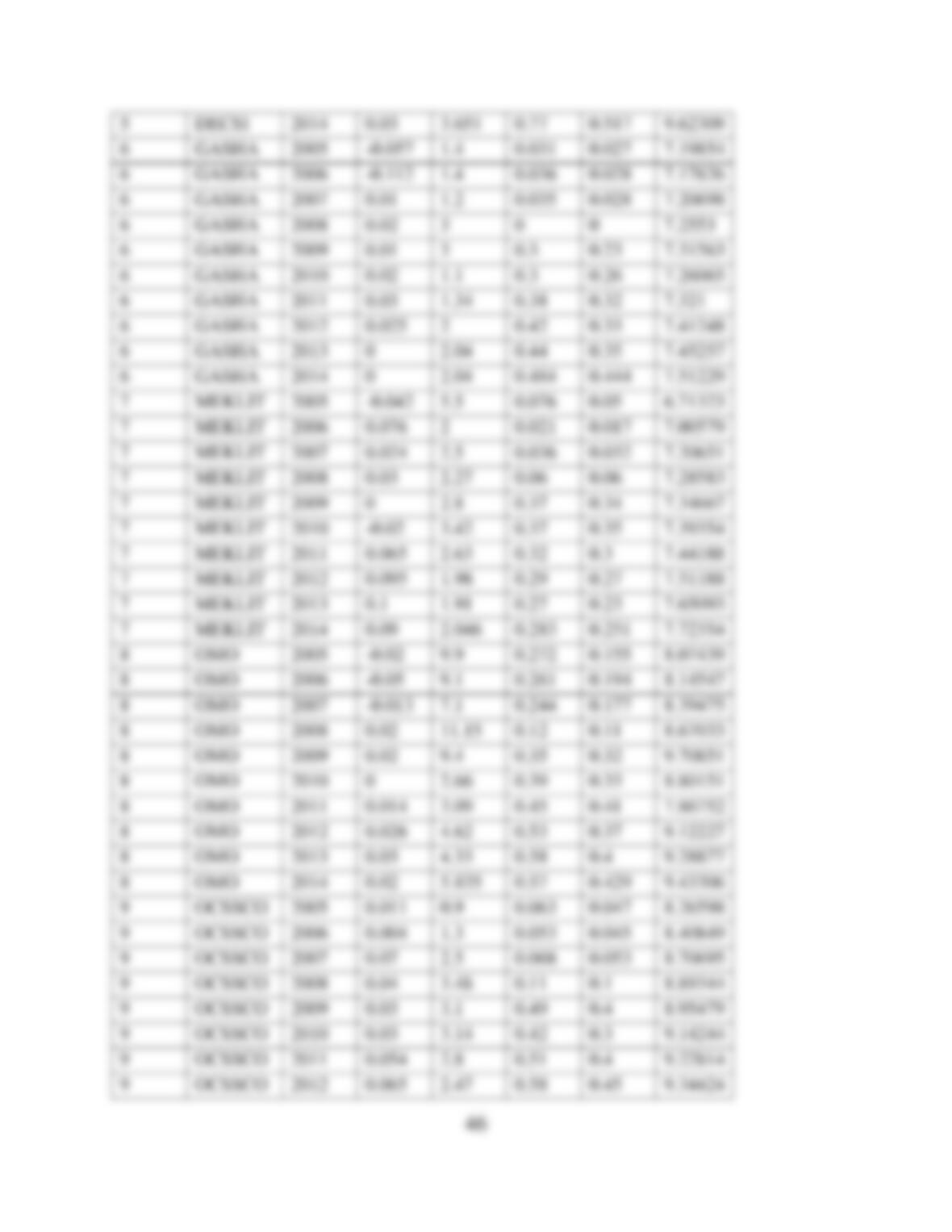
Appendix III Audited financial statement data ………………………………………………………………. 44
Appendix IV Information on Micro Finance Institutions ………………………………………………… 47
VIII
List of Figures
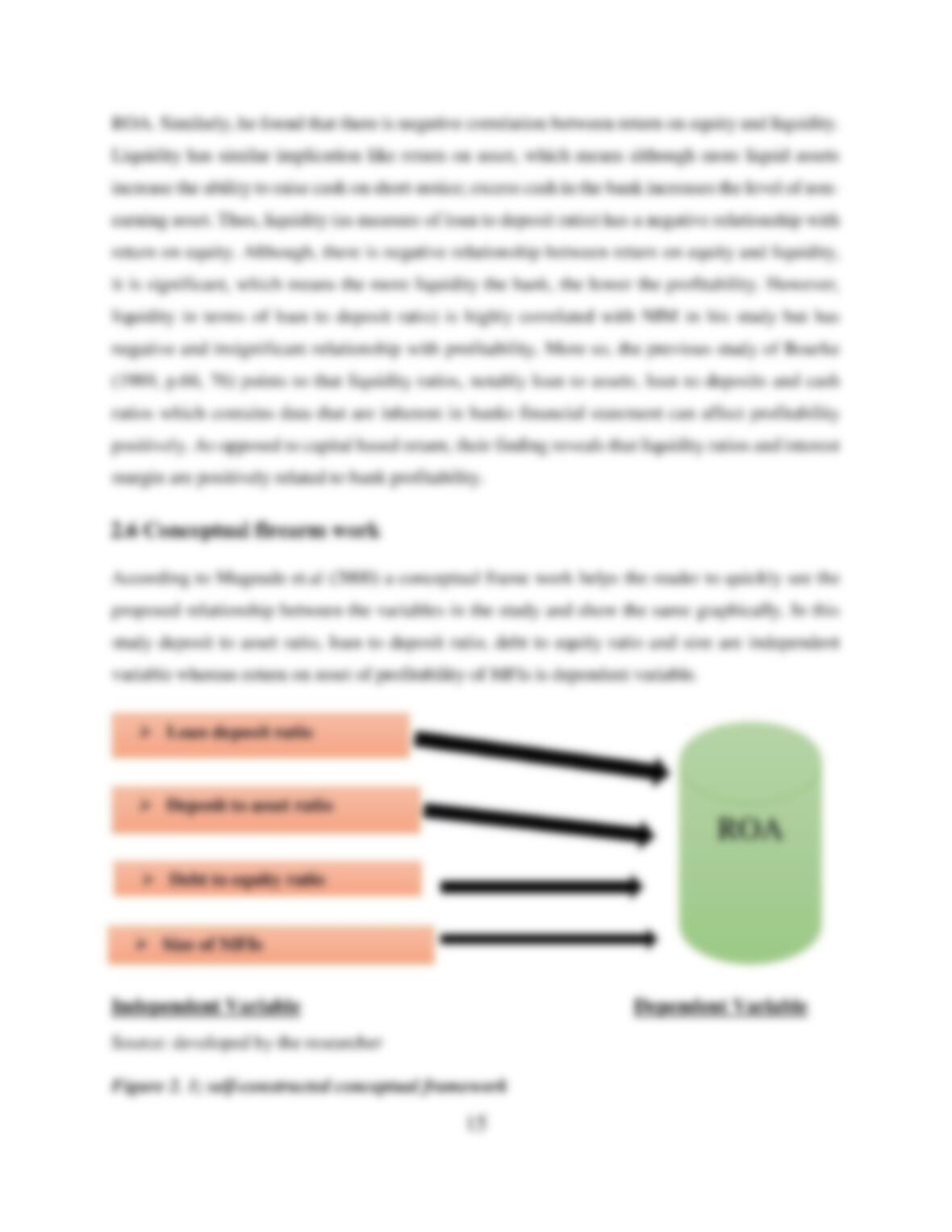
FIGURE 2. 1; SELF CONSTRUCTED CONCEPTUAL FRAMEWORK ……………………………………………… 15
FIGURE 4. 2REJECTION AND NON–REJECTION REGIONS FOR DW TEST ……………………………………. 28
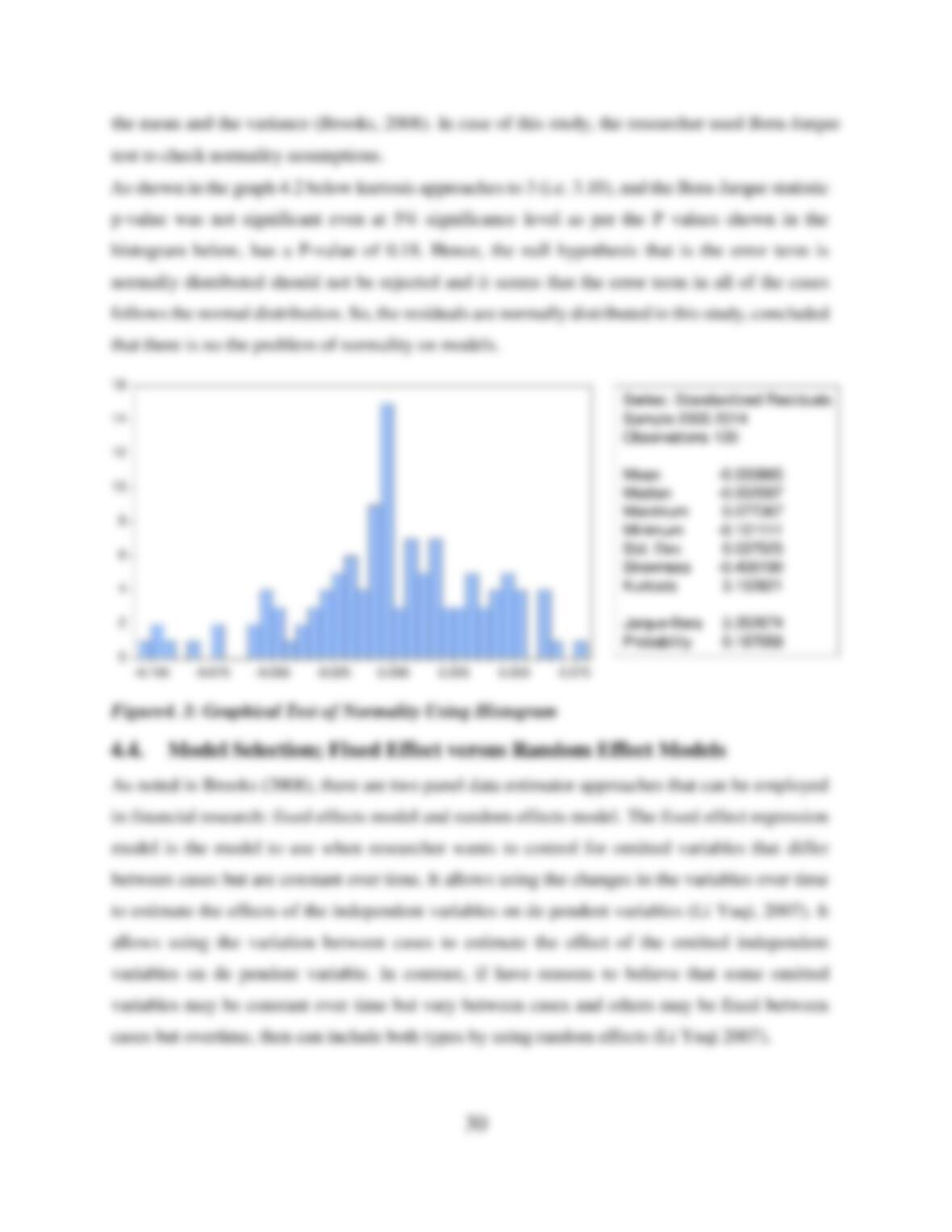
FIGURE4. 3: GRAPHICAL TEST OF NORMALITY USING HISTOGRAM …………………………………………. 30
List of Tables
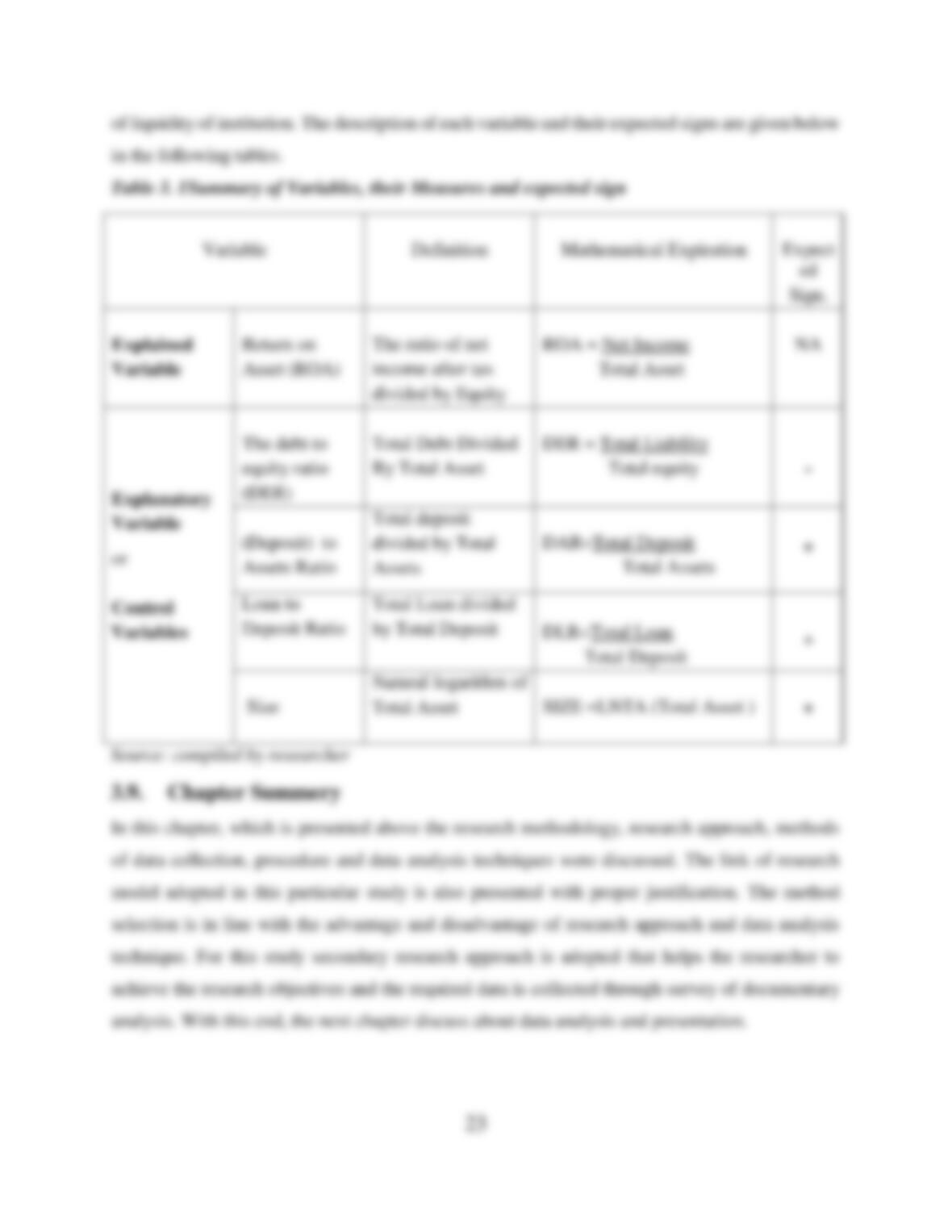
TABLE 3. 1SUMMARY OF VARIABLES, THEIR MEASURES AND EXPECTED SIGN …………………………. 23
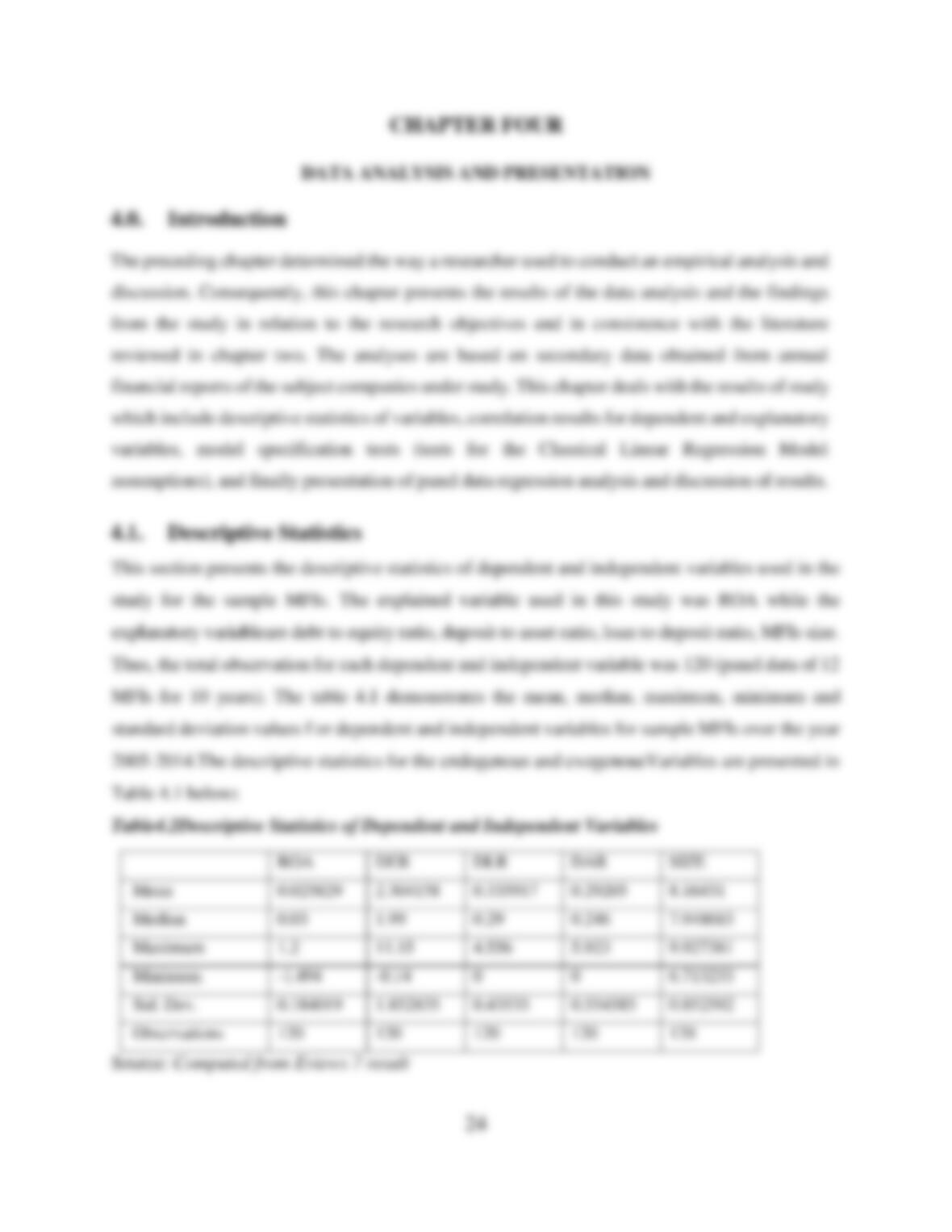
TABLE4.2DESCRIPTIVE STATISTICS OF DEPENDENT AND INDEPENDENT VARIABLES ………………… 24
TABLE4. 3 CORRELATION MATRIX FOR DEPENDENT AND INDEPENDENT VARIABLES ………………… 26
TABLE4. 4HETEROSCEDASTICITY TEST WHITES ………………………………………………………………….. 27
TABLE 5.4CORRELATION MATRIX BETWEEN EXPLANATORY VARIABLES………………………………….. 29
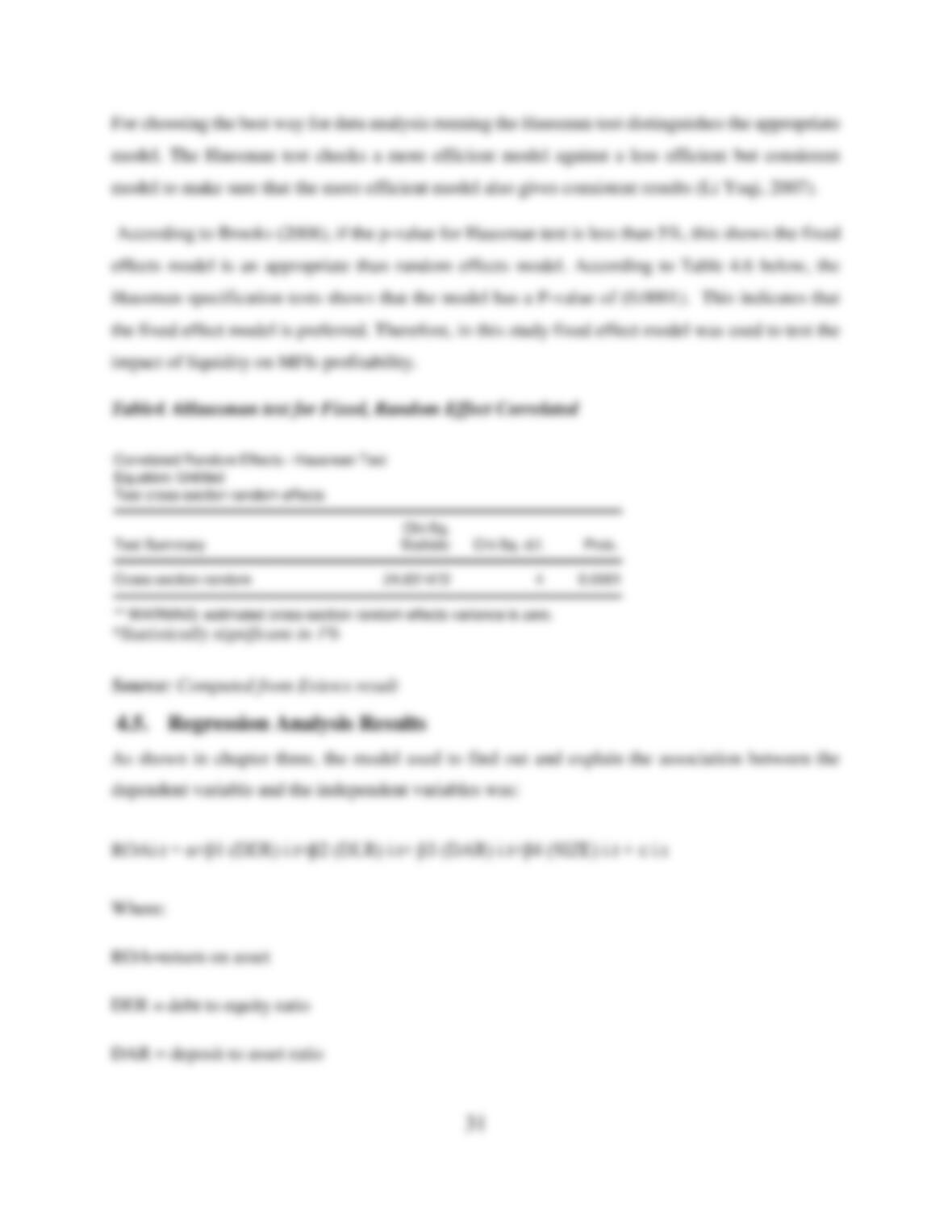
TABLE4. 6HAUSMAN TEST FOR FIXED, RANDOM EFFECT CORRELATED …………………………..……… 31
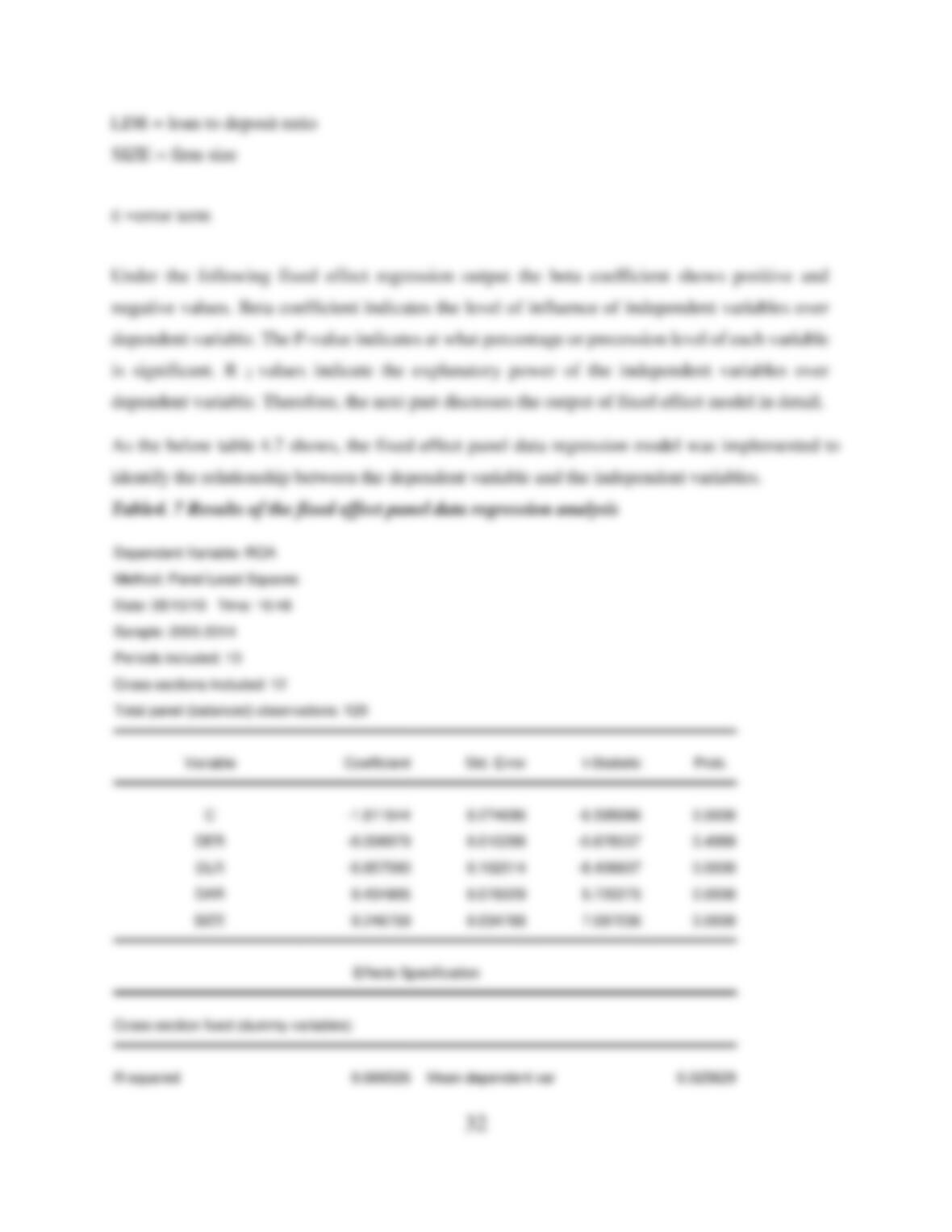
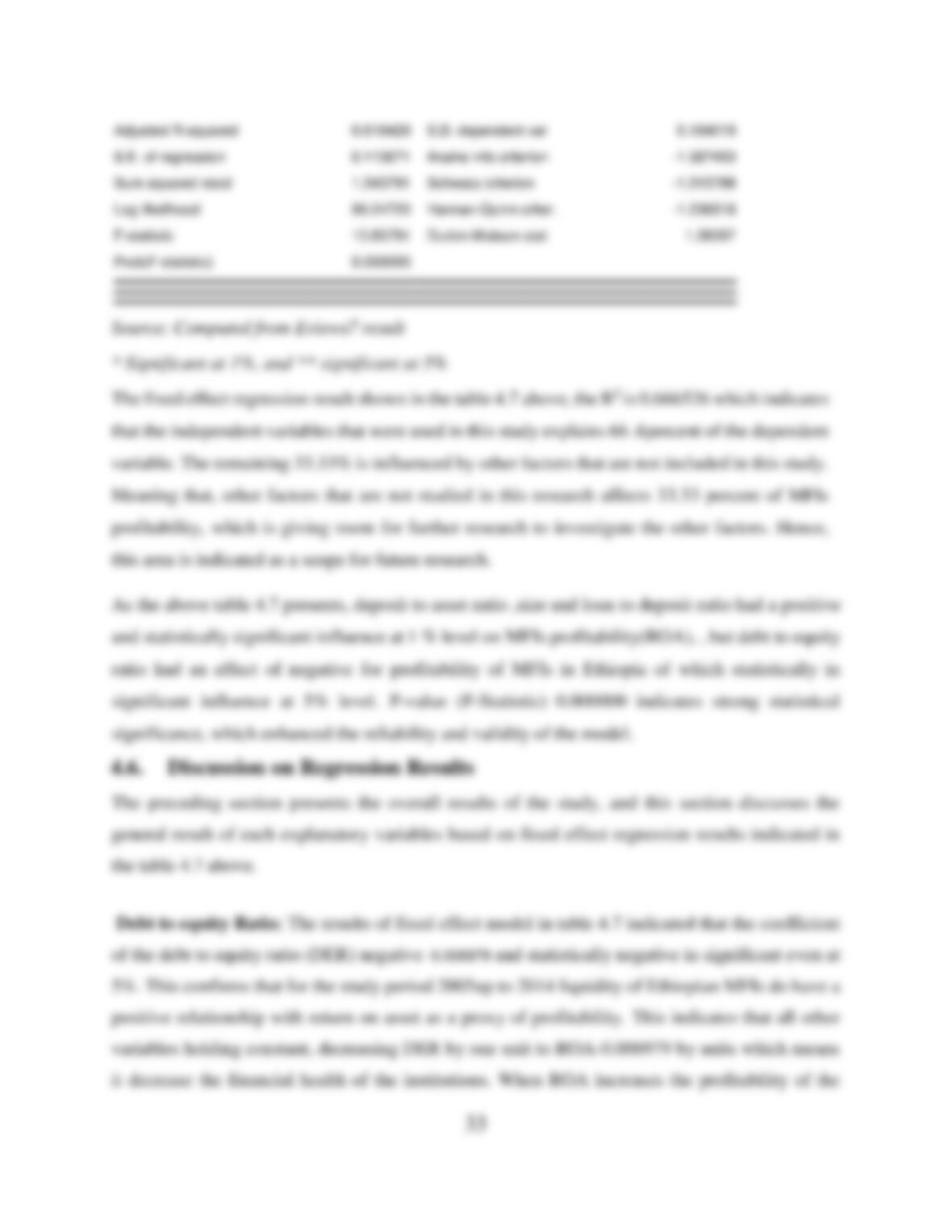
TABLE4. 7 RESULTS OF THE FIXED EFFECT PANEL DATA REGRESSION ANALYSIS …………………….. 32
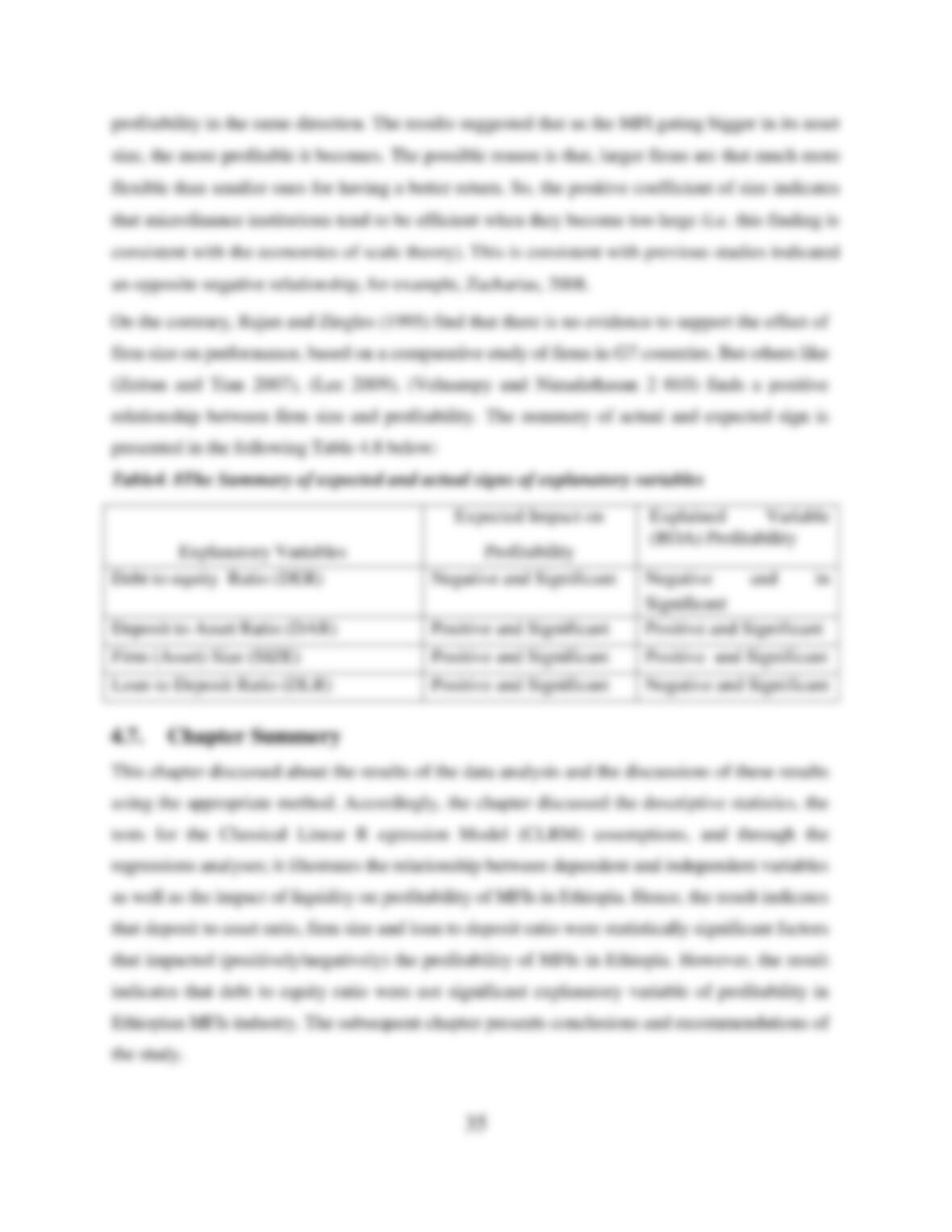
TABLE4. 8THE SUMMARY OF EXPECTED AND ACTUAL SIGNS OF EXPLANATORY VARIABLES ……….. 35
IX
Acronyms and Abbreviation’s
ACSI: Amhara Credit and Saving Institution
ADCSI: Addis Credit and Saving Institution
AEMF. Association of Ethiopia microfinance
AVFS; Africa village financial service
CGAP; Consultative Group to assist the poor
DAR. Deposit to asset ratio
DECSI: Dedebit Credit and Saving Institution
DER. Debt to equity ratio
DLR. Deposit to loan ratio
LNTA. Natural logarithm of total asset
MFIs. Microfinance institutions
NBE; National bank of Ethiopia
NPM. Net profit margin
NIM. Net interest margin
OCSSCO: Oromiya Credit and Saving S.Co.
PEACE: Poverty Eradication and Community Empowerment
X
OMO; Microfinance Institution, Share Company
ROA. Return on asset
ROE. Return on equity
SFPI: Specialized Financial and Promotional Institution
CHAPTER ONE
INTRODUCTION
Chapter one aims to introduce the overview of research topic. Background of the study is stated
initially and followed by clarification of statement of the problem, objective of the study,
hypothesis of the study, significance of the study, organization of the study and finally limitation
of the study included in this chapter.
1.1 Background of the Study
Micro-finance refers to financial services such as cash loans, deposit savings accounts, and
insurance made available in relatively small amounts to poorer populations throughout the
developing world. Micro finance basically relates to all financial intermediary services such as
savings, credit, funds transfers, insurance, pension and remittances among others by financial
institution in both rural and. urban areas to low income earners (Robinson, 2001). In the past
decade, financial authorities in most developing and transitional economies have given more
emphasis on bringing formal financial services to the large numbers of the world’s poor who