Since 2015, The Fresh Connection simulation model has been included in Supply Chain Executive
(SCE) courses designed and organized based on the cooperation between Vietnam Logistics and Aviation
School (VILAS) and Inchainge B. V. (The Netherlands). The model is considered as a critical factor that offers
participants the experiences on actual tasks in a professional working environment, as well as analyze
related issues thereby making decisions based on their knowledge which has been conveyed.
As of February 2017, VILAS has successfully organized 20 SCE courses and delivered more than 250
participants useful knowledge and experiences for their studying on Supply Chain. After the course, it is
more like for the participants to identify their career orientation. Our outstanding learners has shined
brightly in many Management Trainee Program in multinational companies. Some of them even gained
many spectacular exceptional achievements in Global Student Challenge powered by The Fresh
Connection, such as 1 Gold and 1 Silver prize at Regional round in 2017.

2
CONTENTS
OVERVIEW ……………………………………………………………………………………………………………………………………… 4
PURCHASING ……………………………………………………….…………………………………………………………………………. 6
SUPPLIER SELECTION …………………………………………………………………………………………………………………… 6
SUPPLIER MARKET ………………………………………………………………………………………………………………………. 6
NEGOTIATING ……………………………………………………………………………………………………………………………… 7
DUAL SOURCE …………………………………………………………………………………………………………………………….. 9
FREIGHT AUDIT …………………………………………………………………………………………………………………………… 9
OPERATIONS …………………………………………………………………………………………………………………………………. 10
RAW MATERIALS WAREHOUSE AND TANK YARD ………………………………………………………………………….. 10
MIXERS …………………………………………………………………………………………………………………………………….. 11
BOTTLING LINES ………………………………………………………………………………………………………………………… 12
FINISHED GOODS WAREHOUSE …………………………………………………………………………………………………… 14
SALES …………………………………………………………………………………………………………………………………………… 16
NEGOTIATING ……………………………………………………………………………………………………………………………. 16
CATEGORY MANAGEMENT …………………………………………………………………………………………………………. 18
ORDER MANAGEMENT ………………………………………………………………………………………………………………. 18
SUPPLY CHAIN MANAGEMENT ……………………………………………………………………………………………………….. 20
STOCK MANAGEMENT COMPONENTS …………………………..…………………………………………………………….. 20
PRODUCTION PLANNING ……………………………………………………………………………………………………………. 20
PRODUCTION INTERVAL TOOLS …………………………………………………………………………………………………… 20
STOCK MANAGEMENT FINISHED GOODS …………………………………………………………………………………….. 21
SCENARIO PLANNER …………………………………………………………………………………………………………………… 22
FINANCE ………………………………………………………………………………………………………………………………………. 23
PROFIT/LOSS ACCOUNT ……………………………………………………………………………………………………………… 23
INVESTMENT …………………………………………………………………………………………………………………………….. 25
ROI …………………………………………………………………………………………………………………………………………… 25
MODEL AND ENTITIES ……………………………………………………………………………………………………………………. 26
PRICE SETTING ………………………………………………………………………………………………………………………….. 26
ENTITIES …………………………………………………………………………………………………………………………………… 26

3
CALCULATION MODEL ……………………………………………………………………………………………………………….. 28
REPORTS ………………………………………………………………………………………………………………………………………. 31
SUPPLIER/COMPONENTS REPORT ……………………………………………………………………………………………….. 31
MARKET FORCE PURCHASING …………………………………………………………………………………………………….. 31
COMPONENTS …………………………………………………………………………………………………………………………… 31
WAREHOUSING …………………………………………………………………………………………………………………………. 33
MIXING …………………………………………………………………………………………………………………………………….. 34
BOTTLING ………………………………………………………………………………………………………………..……………….. 35
PRODUCT ………………………………………………………………………………………………………………………………….. 36
CUSTOMER/PRODUCT ……………………………………………………………………………………………………………….. 39
CUSTOMER ……………………………………………………………………………………………………………………………….. 41
MARKET FORCE SALES …………………………..…………………………………………………………………………………… 42
FAQ ……………………………………………………………………………………………………………………………………………… 43
4
OVERVIEW
The Fresh Connection
Welcome to The Fresh Connection. Before you and your team members save The Fresh Connection from
certain ruin, it’s useful to understand how its supply chain functions.
Customers and products
The Fresh Connection is a producer of fruit juices. It provides a modest range of flavors. Only a couple of
flavors are produced in a limited number of pack sizes. These are delivered to few customers, which are all
retail companies. The Fresh Connection supplies its customers directly. The delivery is made on the next
day after the customer places an order.
Product storage and shelf life
The Fresh Connection products are stored on pallets in the finished goods warehouse. They stay there until
a delivery is made, or until their shelf life has expired. The finished goods have, from the time of production,
a shelf life of 20 weeks. The customers claim a significant part of these 20 weeks, usually 60 to 80%. This
leaves The Fresh Connection with a total shelf life of 20 to 40% of the 20 weeks. In case the shelf life is
expired, the product will unfortunately have to be destroyed. The Fresh Connection does not have its own
fleet to deliver to its customer’s distribution centers and instead outsources the transportation to an
extremely reliable partner.
The production process
The Fresh Connection manufactures the products it sells itself. The fruit juices are mixed in The Fresh
Connection’s own mixer. Immediately after mixing the fruit juice, it is bottled using the bottling line. All
pack sizes are bottled on the same line.
The components
A finished product consists of two components – packaging and pulp (concentrated fruit juice). An extensive
bill of materials lists what quantity of which component is used in a finished product. The formula – the
fruit–pulp mix and additives, that give the fruit juices their unique flavor – has been one of the most closely–
guarded Fresh Connection secrets for over a century.
The suppliers
The components are purchased from suppliers. The packaging material is bought from local and
regional suppliers. Pulp is acquired either from fruit traders or producers from across the globe.
Each supplier has its own characteristics regarding, for example, price, lead time and reliability.
5
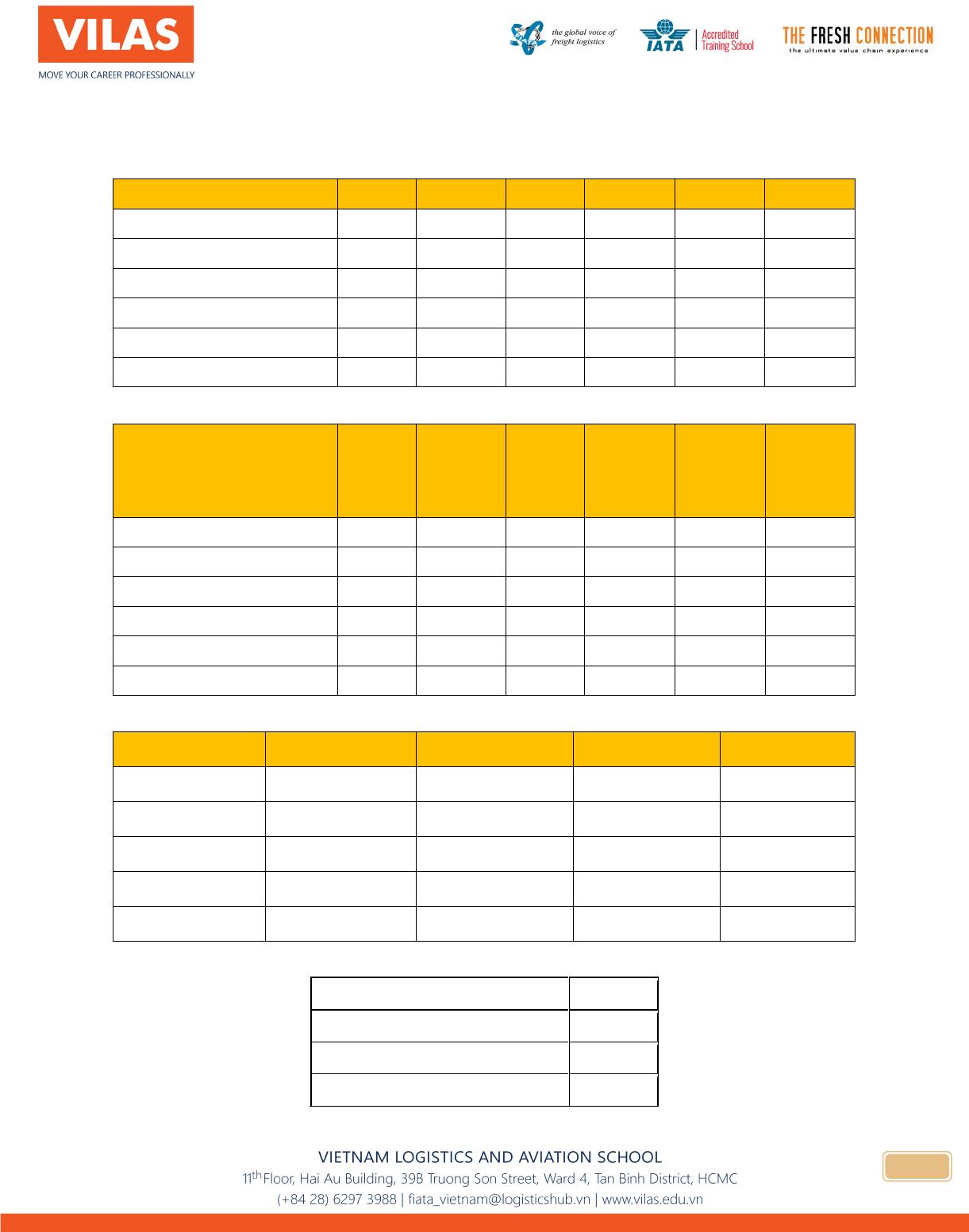
Pack 1L
PET
Orange
Mango
Vitamin C
Water
Fressie Orange 1 liter
1
0.2
0.8
Fressie Orange/Mango 1 liter
1
0.15
0.05
0.8
Fressie Orange/Mango+C 1L
1
0.14
0.05
0.01
0.8
Fressie Orange PET
1
0.06
0.24
Fressie Orange/C–power PET
1
0.05
0.01
0.24
Fressie Orange/Mango PET
1
0.045
0.015
0.24
Shelf life
in weeks
Number
per outer
box
Number
per
pallet
layer
Number
per pallet
Liters per
pack
Sales
price
(retail)
Fressie Orange 1 liter
20
10
120
600
1
0.5
Fressie Orange/Mango 1 liter
20
10
120
600
1
0.52
Fressie Orange/Mango+C 1L
20
10
120
600
1
0.6
Fressie Orange PET
20
48
576
2880
0.3
0.24
Fressie Orange/C–power PET
20
48
576
2880
0.3
0.35
Fressie Orange/Mango PET
20
48
576
2880
0.3
0.28
Shelf life in weeks
Pallet layer content
Pallet content
Basic price
Pack 1L
–
–
20,000
0.025
PET
–
288
1,440
0.03
Orange
52
–
–
0.45
Mango
52
–
–
1.1
Vitamin C
52
–
–
4
Content drum (liter)
250
Content IBC (liter)
1,000
Content tank truck (liter)
30,000
Pallets per FTL
30
6
PURCHASING
SUPPLIER SELECTION
Supplier selection
The VP Purchasing can select suppliers on the supplier market. Only one supplier can be selected per
component type. The small packs and the large packs are, for example, delivered by the same supplier.
Each supplier has a number of non–changeable characteristics, such as certification and free capacity. Aside
from these characteristics, you can negotiate the terms of delivery with the supplier.
Cancelling contracts
If a contract with a supplier is not to your liking, you can cancel it. However, there are costs associated with
cancelling contracts. These costs depend on the remaining contract duration and the contract value (the
purchasing value at the supplier). Cancelled contracts CANNOT be undone, so think carefully before
accepting the associated costs.
Expiring contracts
The remaining contract duration decreases by one round each new round. If you do not extend the contract
duration, then the contract will expire. In that event you will receive a notification email in your inbox, after
which you can either select a new supplier free of charge or offer your old supplier a new contract.
No supplier selected
Should you – either accidentally or deliberately – not select a supplier, then the corresponding component
will not be delivered. The result is that the finished product which is dependent on this component cannot
be produced, and consequently cannot be sold. This is bad for sales and revenue. So do select a supplier
for each component!
SUPPLIER MARKET
Component
The component to select a supplier for.
Price indication
An indication of the purchasing price.
Certification
A certified supplier has greater control over his production process, which means he is more reliable with
regard to fulfilling an agreement.
Location
The supplier’s location. Suppliers that are located nearby usually have lower transport costs and shorter
lead times.
Free capacity

An indication of the supplier’s available capacity, including a possible contract with The Fresh Connection.
A low free capacity will negatively influence the reliability of the supplier.
NEGOTIATING
Negotiations
The Purchasing Manager can negotiate the terms of delivery with the suppliers. Negotiations can be held
regarding trade units ordered, delivery windows, duration of the contract, terms of payment and review
periods, amongst other things. If you impose high requirements on a supplier, then the latter will have a
high contract index. This means that the purchase price will be high. By imposing lower requirements on a
supplier, you will be able to insist on a lower purchase price.
Contract index
The contract index is the result of these negotiations with the supplier. The contract index reflects the
terms of delivery you impose upon the supplier. If your requirements are high the result will be a high
contract index, and as the requirements decrease, so does the contract index. For example, a contract index
of 1.05 will mean that you will pay a premium of 5% over and above the basic price of the component. A
contract index of 0.95 will, on the other hand, lead to a discount of 5% off the basic price.
Contract duration
The contract duration is the number of rounds for which a contract is valid. Suppliers generally prefer long–
term contracts, which provide them with more security. As suppliers strive to maintain a good relationship,
a longer contract also results in improved delivery reliability. Please note, though, that the costs related to