20
21

In this
report
414
30
44 62
84
78 130
102 118
Click the dots
to navigate
There’s no
place like home
More than
lockdown blues
It’s a kindness
magic
2020: A year
in insights
All work and
no play
Intro
A green
awakening
The digital
storefront
Data for
good
Coming
of age

Many stories start at the end, only
to take us back to the beginning.
Unfortunately for us, we really don’t
know when the end will be. It’s difficult
to judge where we are now.
We’re in the middle of a global crisis.
When it ends, we may not even realize.
After all, not many people can pinpoint
exactly when the Great Recession ended.
In last year’s Connecting the dots
report, we anticipated trends to watch
in 2020.
We believed that more people would
adopt telehealth and that digital pay–
ments would become more widespread.
We also predicted that technology
would inch further in providing social
interaction and companionship,
and that we might be headed into
a recession.
In hindsight we made some pretty
good calls, but we could never have
imagined why these would be strong
predictions based on what 2020 had
in store for the world.
We also expected to see big devel–
opments in the role of physical retail
spaces and in the use of data and per–
sonalization in the travel experience.
These two sectors have borne the
brunt of the pandemic’s disruption.
Yet we’re still confident in our asser–
tions. The pandemic has led to a vast
experiment, giving retailers unique
lessons in the limitations of online
channels and their relationship with
bricks-and-mortar. Also, more than
ever before, passenger data is key
in managing risk in travel during
the outbreak.
…where to start?
JASON MANDER CHIEF RESEARCH OFFICER
by
2020…
5

There’s never
been a stronger
case for
harmonized
research
A lot can happen in the next year or so.
To account for such severe uncer–
tainty during COVID-19, we’ve outlined
dual scenarios in each article based
on two slightly more predictable
circumstances:
From the get-go it became very obvious
in our recurring coronavirus research
that although most of the world
found itself under lockdown, the
response and impact of the virus was
highly fragmented.
Our 46-country research is harmo–
nized, meaning we can compare
countries and audiences in a like-for–
like manner. This has proved invaluable.
The pandemic has shown us that
there’s never been a stronger case for
harmonized research.
We’re still teasing out the intricacies
of what’s taken place across our 46
countries in the past year. But we’ve
found some of the strongest variables
impacting both B2C and B2B behav-
iors have been when the virus hit,
severity of cases, types of economies,
and also climate.
A worst-case scenario
involving more cases and
further restrictions
A best-case scenario
where normality seems
more plausible
As if things needed to be any more
complex, it’s highly likely that different
countries will find themselves in differ–
ent scenarios, at different times.
Uncertainty
rules the day
Global pandemic,
myriad outcomes
7

Against this complexity, we want this
report to provide clarity and perspective.
It’s easy to get swept up in ideas or
assumptions that seem to be playing
out before us during such a vast and
complex event. Understanding what’s
hype and what’s real has always been
a challenge; never more so than now.
In the shadow of this uncertainty,
many companies – regardless of their
industry – find themselves in a similar
position, facing up to the daunting task
of rebuilding.
But the rules have changed.
What worked before might not work
now or in the future. Consumers’
attention has shifted as the internet
has swept in to help us manage our
lives more effectively, and their behav-
iors have shifted too.
We firmly believe behavioral shifts are
only half the story. Through Connecting
the dots, you won’t just know what the
biggest behavioral shifts were in 2020,
you’ll also understand what’s been driv–
ing them, and how to take advantage.
This, coupled with a harmonized global
perspective, can help give confidence
that what you’re seeing isn’t just a
regional fad.
In an era defined by universal change,
context is king. Without it, distinguish-
ing between hype and reality is even
more difficult.
The rules have changed
9

Our flagship research, a
global survey representing
more than 2 billion con–
nected consumers, which
offers over 40,000 data
points on the behaviors and
perceptions of internet users
around the world.
Our bespoke research into the
COVID-19 pandemic, consist–
ing of five waves conducted
across 20 markets between
March and July 2020. It
covers a host of topics, includ–
ing: feelings about the virus,
its economic impact, media
consumption during lock–
down, changes in spending
habits, and many others.
Respondents who took part
also completed GWI Core.
Bespoke research on topics
which complements and
further interrogates themes
in our Core research and
beyond. The data in this
report draws from recontact
studies made at different
points throughout 2020.
Respondents who took part
also completed GWI Core.
Our B2B dataset, which
analyzes business profes–
sionals across 10 global
markets. Respondents who
took part also completed
GWI Core.
Launched in July 2020, GWI
USA provides more relevant
and timely insight into the
modern American consumer.
Representing over 240 million
people across all 50 states,
the study tracks new and
emerging trends not typically
covered by traditional market
research providers, including
key questions around cultural
identity, race, and ethnicity.
Data sets included
in this report
GWI Core
GWI Work
GWI USA
GWI Coronavirus
GWI Zeitgeist
11
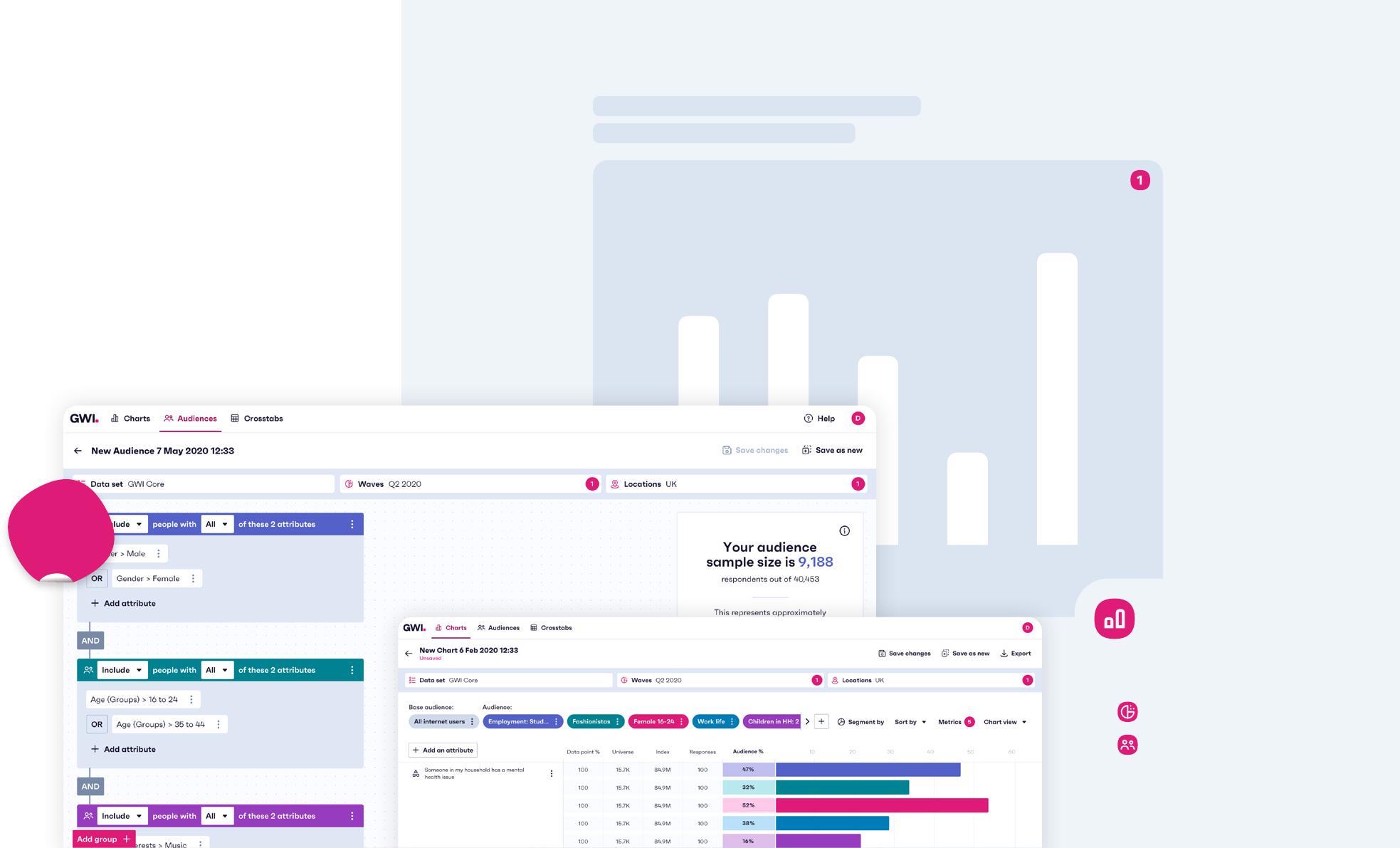
Each chart from our ongo-
ing global research in this
report contains a hyper–
link that will bring you
straight to the relevant
question on our Platform,
where you can investigate
all data by demographics,
over time, and among your
own audiences.
Information
about the source
and base
Discover the
data on our
platform
Source
Base
Each of the
graphs is
numbered
More information can
be found in the Appendix
section at the end of
this report
Just click this icon
to explore the data
on the platform
Sneak
preview of
our new
platform
13

01by
VIKTORIYA TRIFONOVA
There’s no
place like
home
Samuel Pepys’ depiction of
London during the Great
Plague can’t help but reso–
nate with the world today.
The death of the city is once
again feared; but even then,
urban environments eventu–
ally thrived once more.
At that time, one vital part
was missing from the equa–
tion – the Teams, the Slacks,
and the Zooms that make
mass remote working not
only possible, but poten–
tially a better solution for
businesses and employees
alike. So, are people tempted
to walk away from the city for
good this time?
Yes and no. The pandemic
has without doubt contrib–
uted to a growing desire to
escape from the city, but one
that’s not so much defined
by the movement of people
as it is by a shift in the urban
mindset. Don’t focus on con-
sumer postal/zip codes;
double down on the chang–
ing consumer lifestyle.
01
How the
pandemic
will reshape
city life
But, Lord! how
sad a sight it is
to see the streets
empty of people
[...]
SAMUEL PEPYS (1633 – 1703), DIARIST
17There’s no place like home

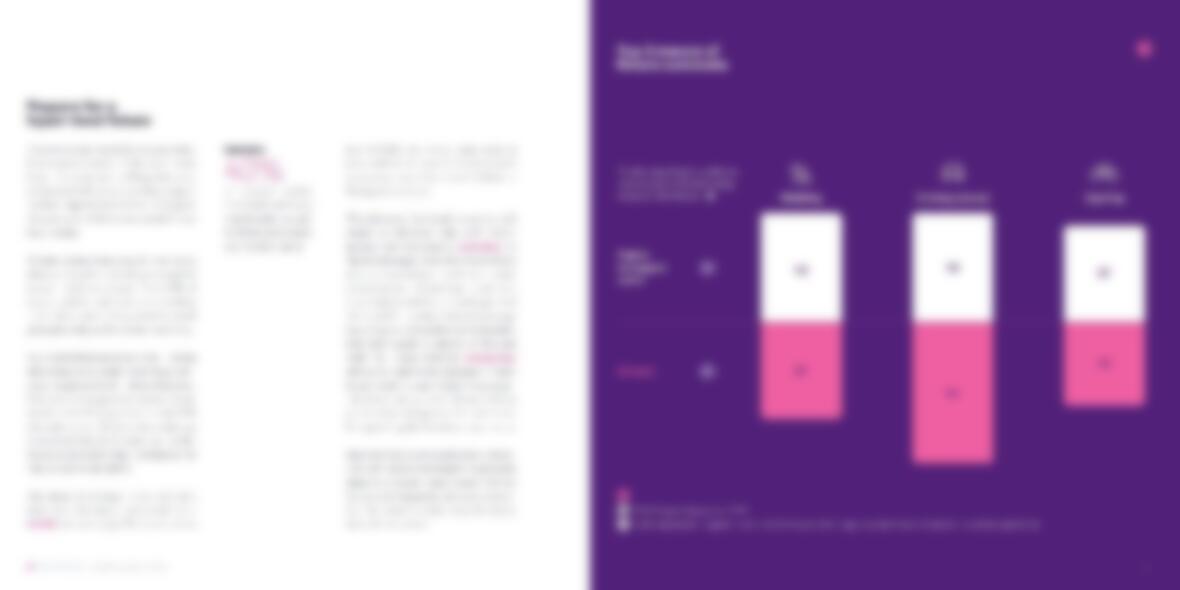
The gap between the haves and
the have-nots appears to be get–
ting bigger; whether that’s people
having access to essential goods
and employment, or governments
having access to affordable debt to
prop up economies and manage the
outbreak. The 23 percentage point
difference in concerns for falling
ill between higher and lower earners
speaks for itself.
A desire for a city escape might be on
the cards – but mostly for those who
can afford it. In many parts of the
world, the momentum is still on the
side of cities.
Urbanites in advanced economies
are much keener on getting out of the
city compared to those in fast-growth
countries. What we’re seeing with the
latter are in fact signs of continued
urbanization, with those in suburban
and rural areas waiting for an opportu–
nity to flock to cities. A lot of megacities
in developing economies are not only
luring new workers but retailers as
well, with Apple and Huawei launch-
ing flagship stores in Beijing and
Shanghai, respectively.
There have been many reports of
a “great escape” from cities due to
COVID-19, but relocating from the city
during a pandemic may be a luxury
limited to those who can easily work
remotely. Common sense tells us that
mass remote working just isn’t applica–
ble for manufacturing-based economies
where opportunities are clustered around
city environments. And although our
data shows migration from the city is
desired in Western countries, this isn’t
as much induced by fear of the virus as
by shifts in consumer priorities.
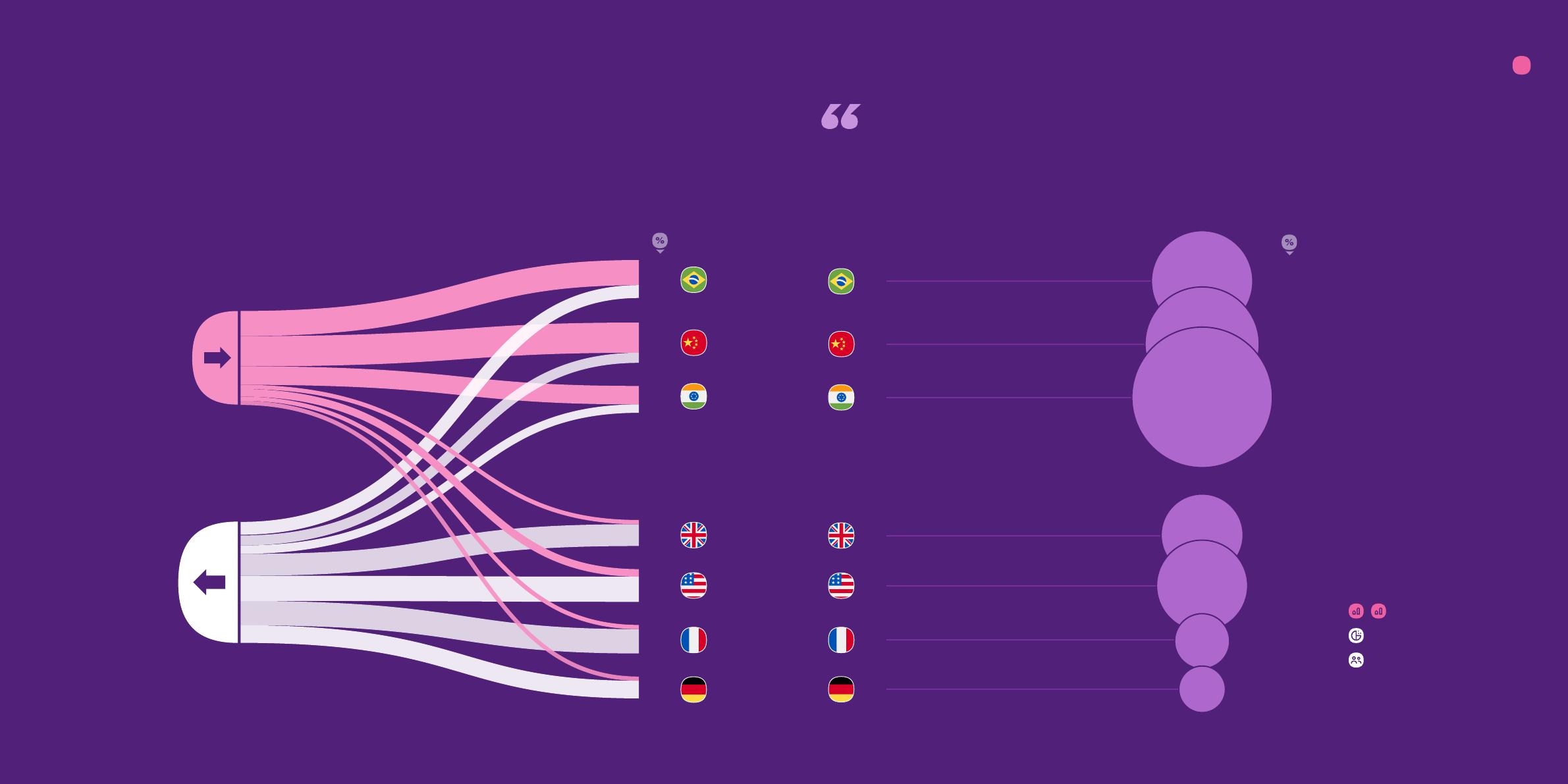
Our research in the UK and U.S. shows
that where people want to relocate is
primarily about a change in lifestyle
(31%) and a quest for a quieter loca-
tion (29%) than what the city can offer.
That’s why 2021 won’t see a drastic
change in the physical composition
of urban areas, but rather one that
reflects a shift in urban mentality.
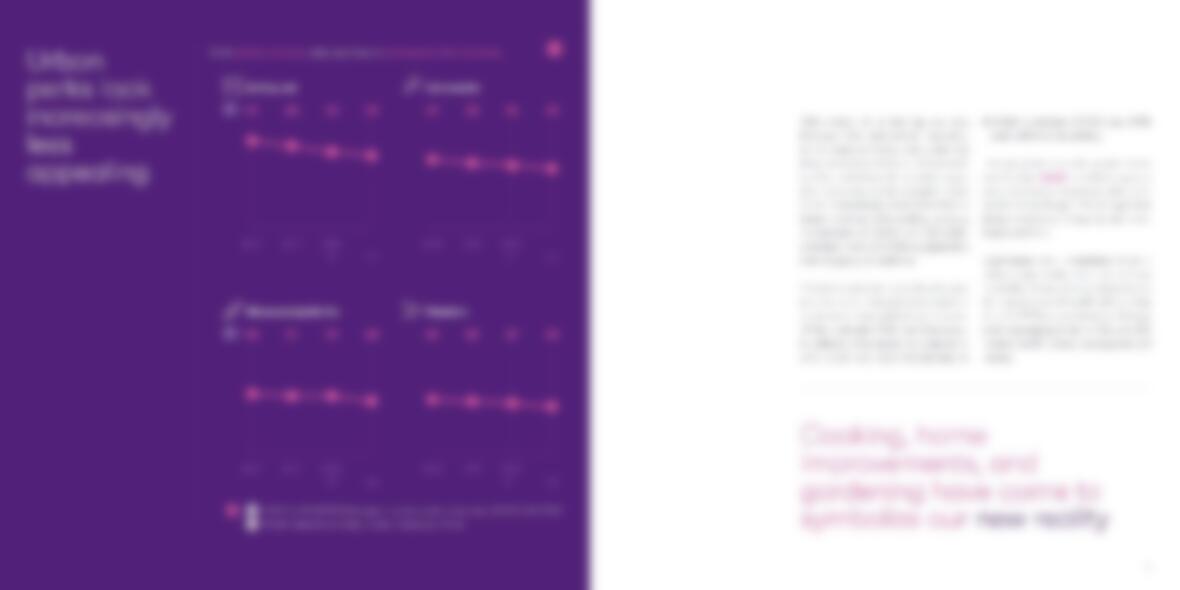
Don’t believe the hype
19There’s no place like home
26
33
50
17
21
10
7
BR
CN
IN
UK
US
FR
DE
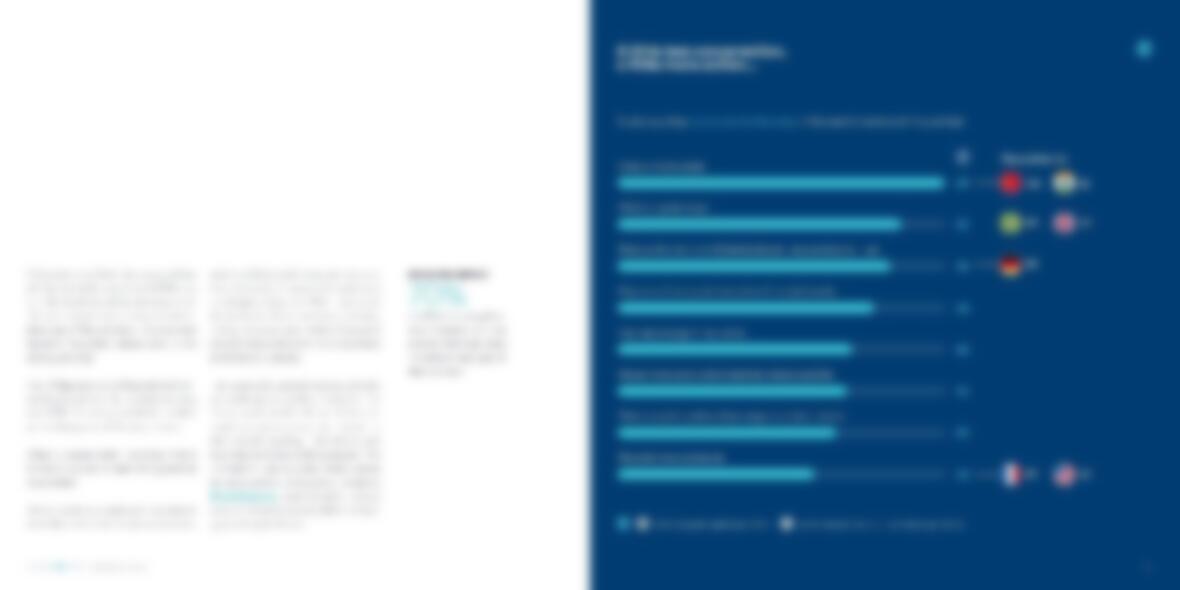
Cities haven’t lost
their appeal
My career/employment has become more
important because of the outbreak
BR
30
16
36
12
22
10
5
25
9
29
5
29
5
21
CN
IN
UK
US
FR
DE
Urbanites who
want to move out
of metropolitan
areas
Suburban/rural
dwellers who want
to move into
metropolitan areas
Fast-growth
countries
Advanced
countries
1
% who agree with the above statement
3,984 internet users living in
urban areas & 4,017 internet
users living in rural/suburban
areas in 7 countries aged 16-64
GWI Zeitgeist September 2020
21

The city is more than just a place to live;
it embodies a unique mindset geared
toward convenience and diversity,
and an economy designed to accom-
pany that.
Pret a Manger and Au Bon Pain, for
example, were explicitly designed with
the coffee morning and lunch break of
really matters to us and what brings us
joy might not be the same as before.
The nights out with friends transformed
into nights in with family; the saved
money from theater and live concert
tickets was reinvested in kitting out our
homes. Not to mention the enthusi–
asm about that daily outdoor exercise
slot. This doesn’t mean that cities
Pay attention to the
new urban mindset