19TH
CENTURY
PHILIPPINES
The end
of
GALLEON TRADE
The Galleon Trade
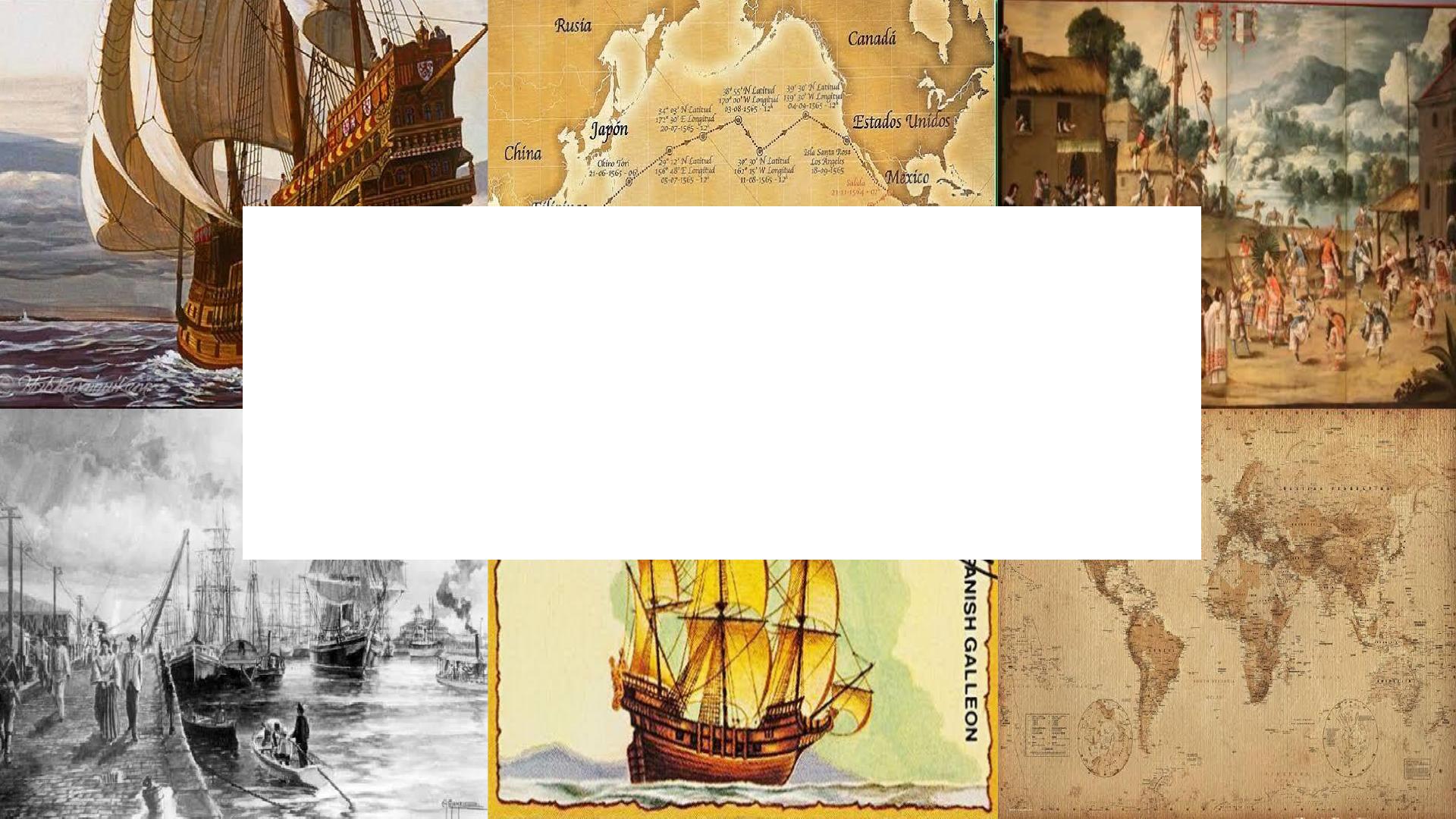
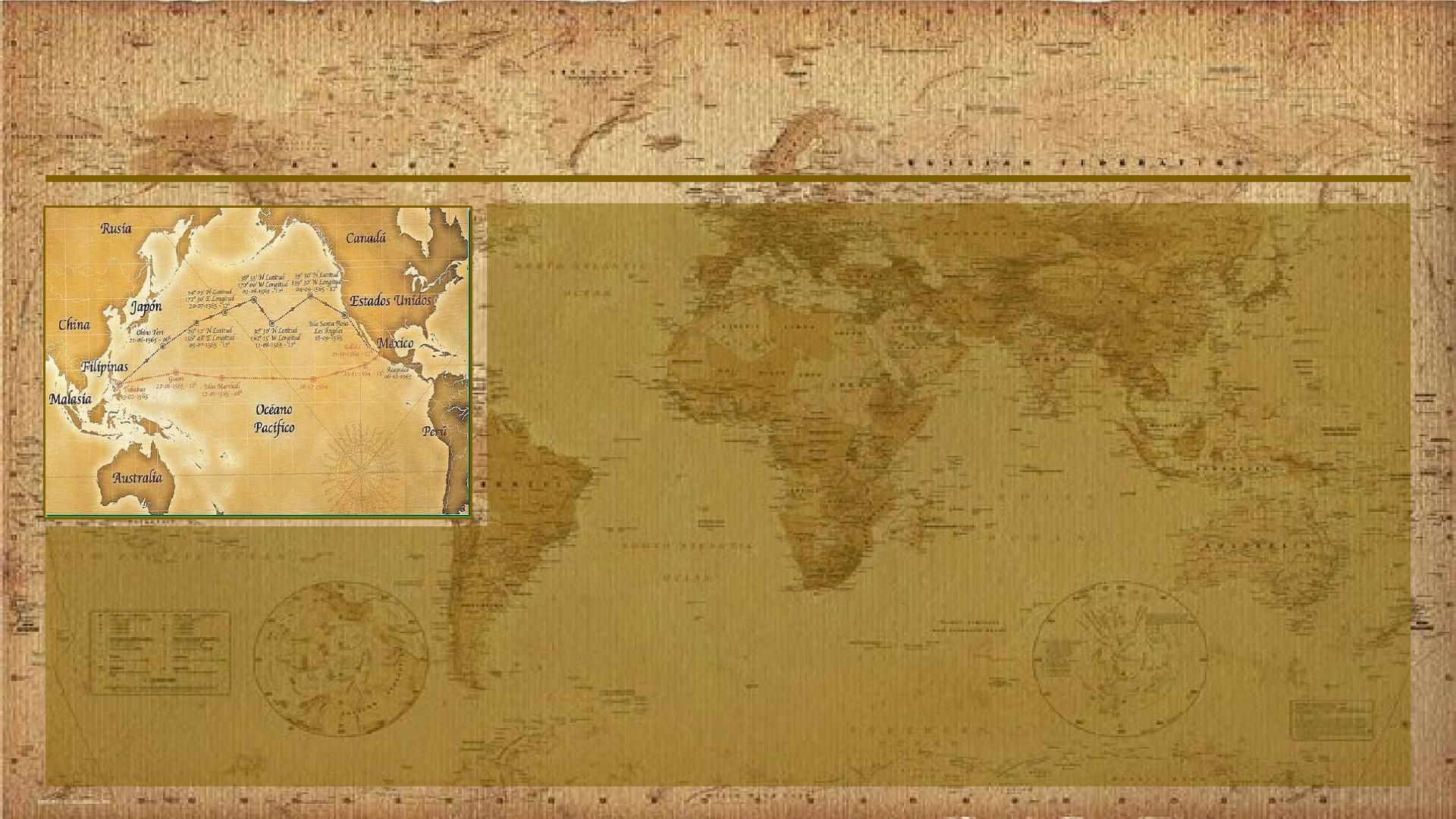
Approximately 500 years ago, an Augustinian friar
discovered a sea current making it possible to travel
across the Pacific Ocean from west to east, in a single
commercial route, for the first time in history. That’s
how the Manila-Acapulco galleon trade came to be. The
term Manila galleon was used to refer to the trade route
between Manila and Acapulco. Though the Philippines
was already trading with other Asian and other
neighboring countries even before the arrival of the
country’s Spaniard colonizers. The Spanish government
continued the trading relations and made Manila the
center of commerce in the East.
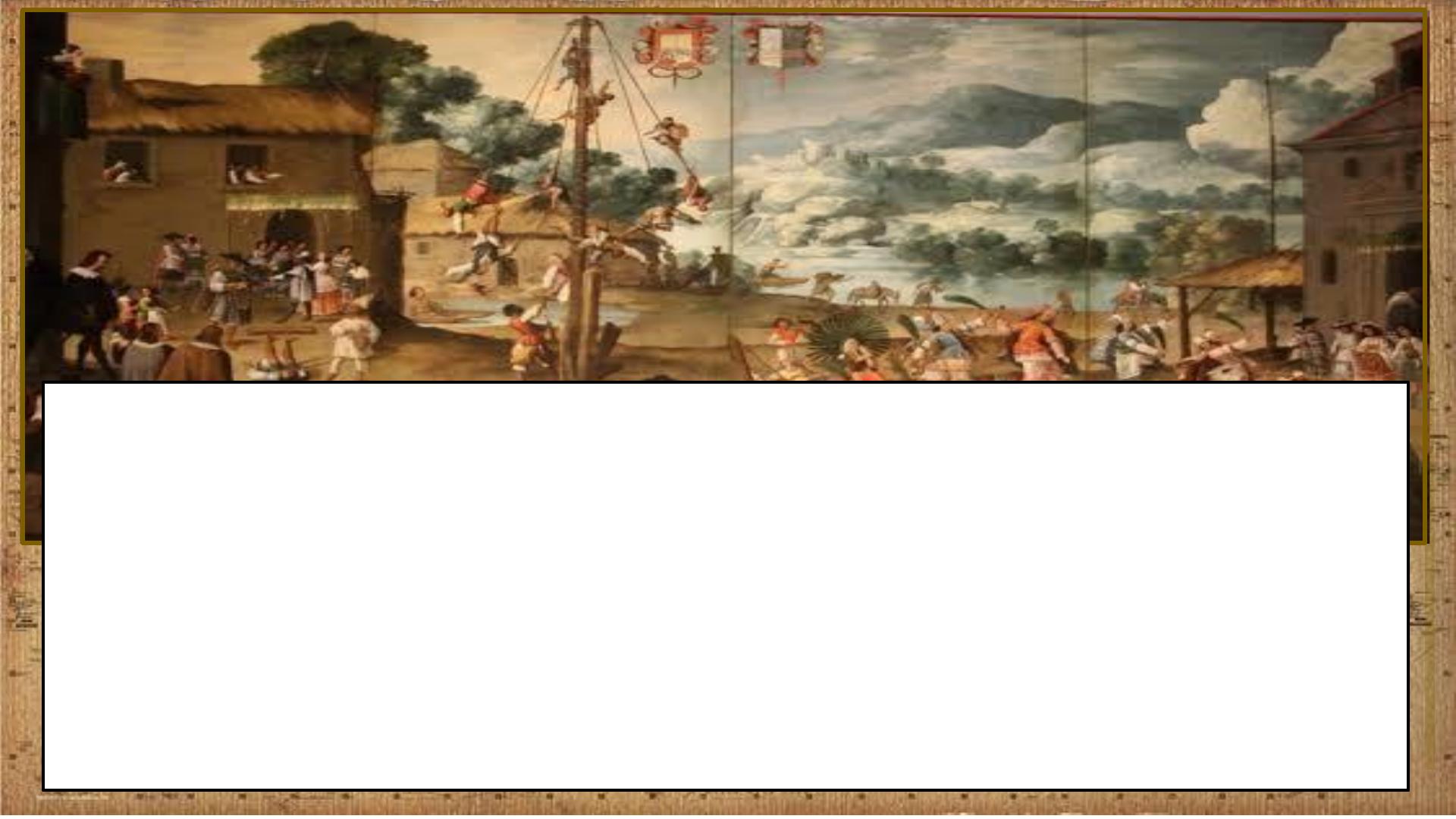
Spanish sailing vessels made annual trips across the Pacific, between Manila
and Acapulco, during the period of 1565 to 1815. Two galleons were used
for the trade, one which sailed from Acapulco to Manila which took about
120 days at sea and the other from Manila to Acapulco, spending 90 days at
sea. This became a mean of communication between countries and served
as an economic lifeline for the Spaniards in the Philippines.
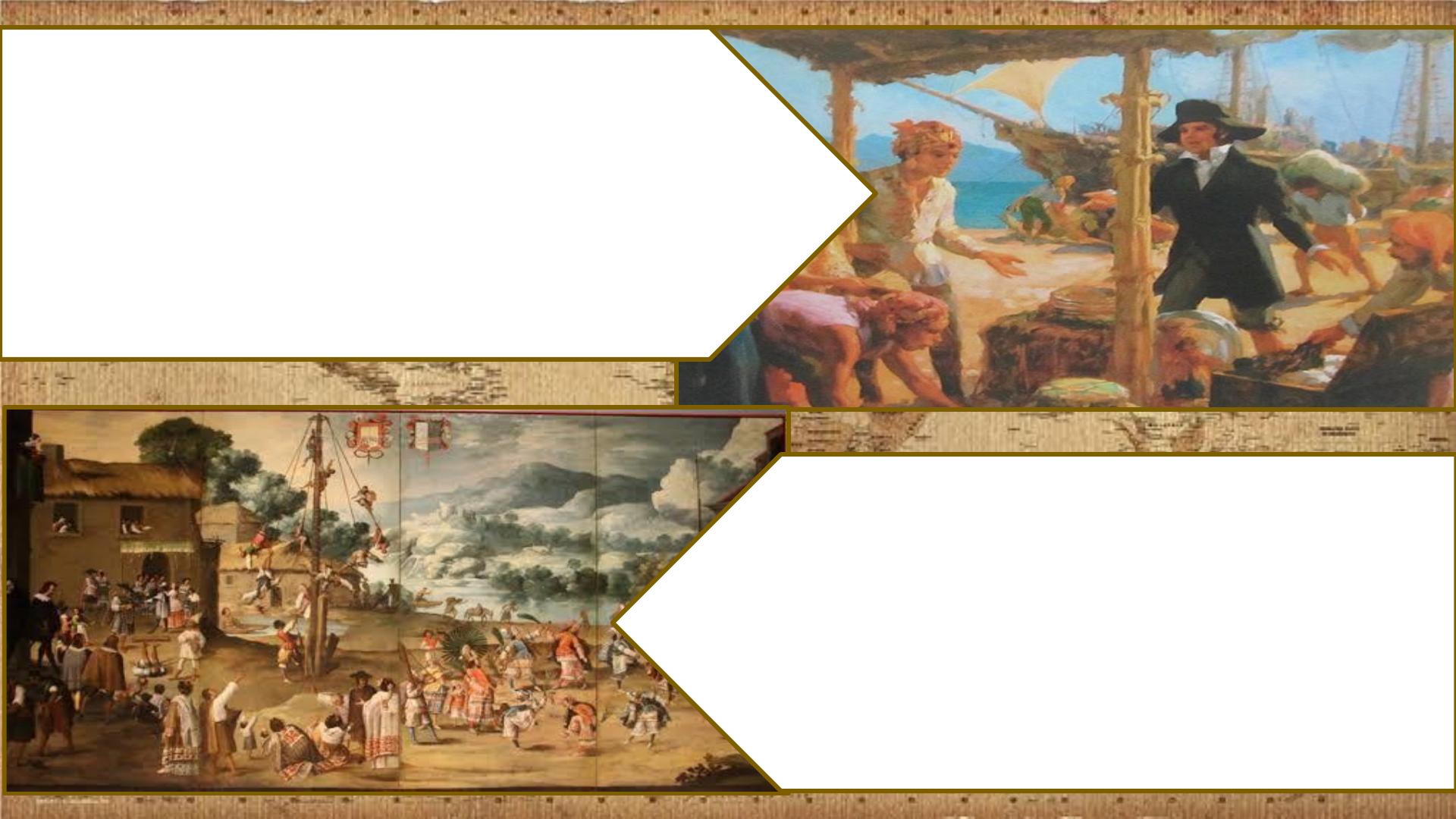
The Manila galleon became a pivotal
business for the Spanish colonizers, that
they came to depend on the annual vessel,
that the colony would sometimes come to an
economic depression if a ship went down or
was captured by pirates.
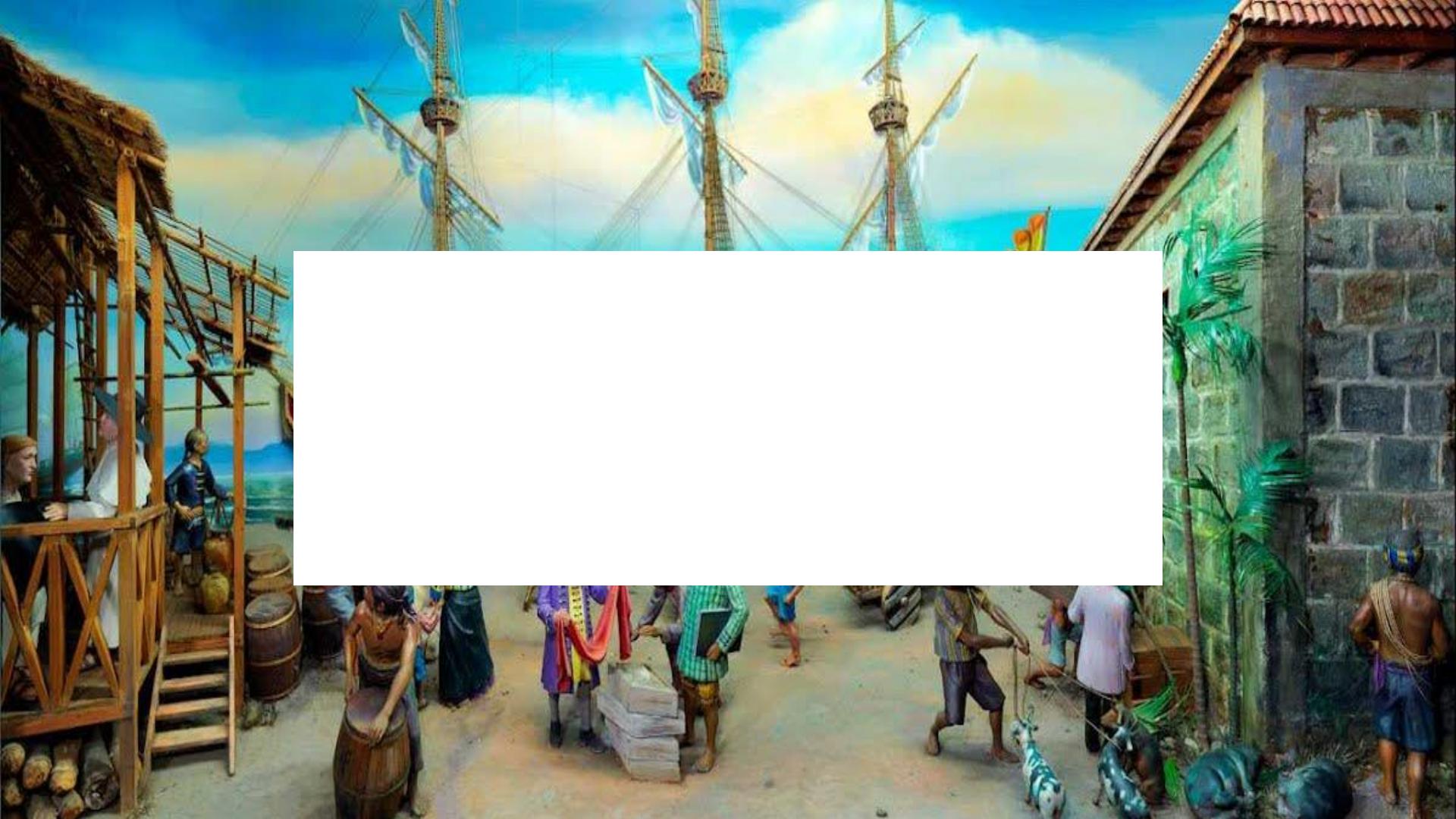
Majority of goods coming from the Philippines
bound to Acapulco and some parts of Europe
came from China. Manila then became a focus
for trade between China and Europe. Common
products sold or traded via the Manila galleon
trade was Chinese porcelain, Indian fabrics,
diamonds and other minerals, silk and ivory.
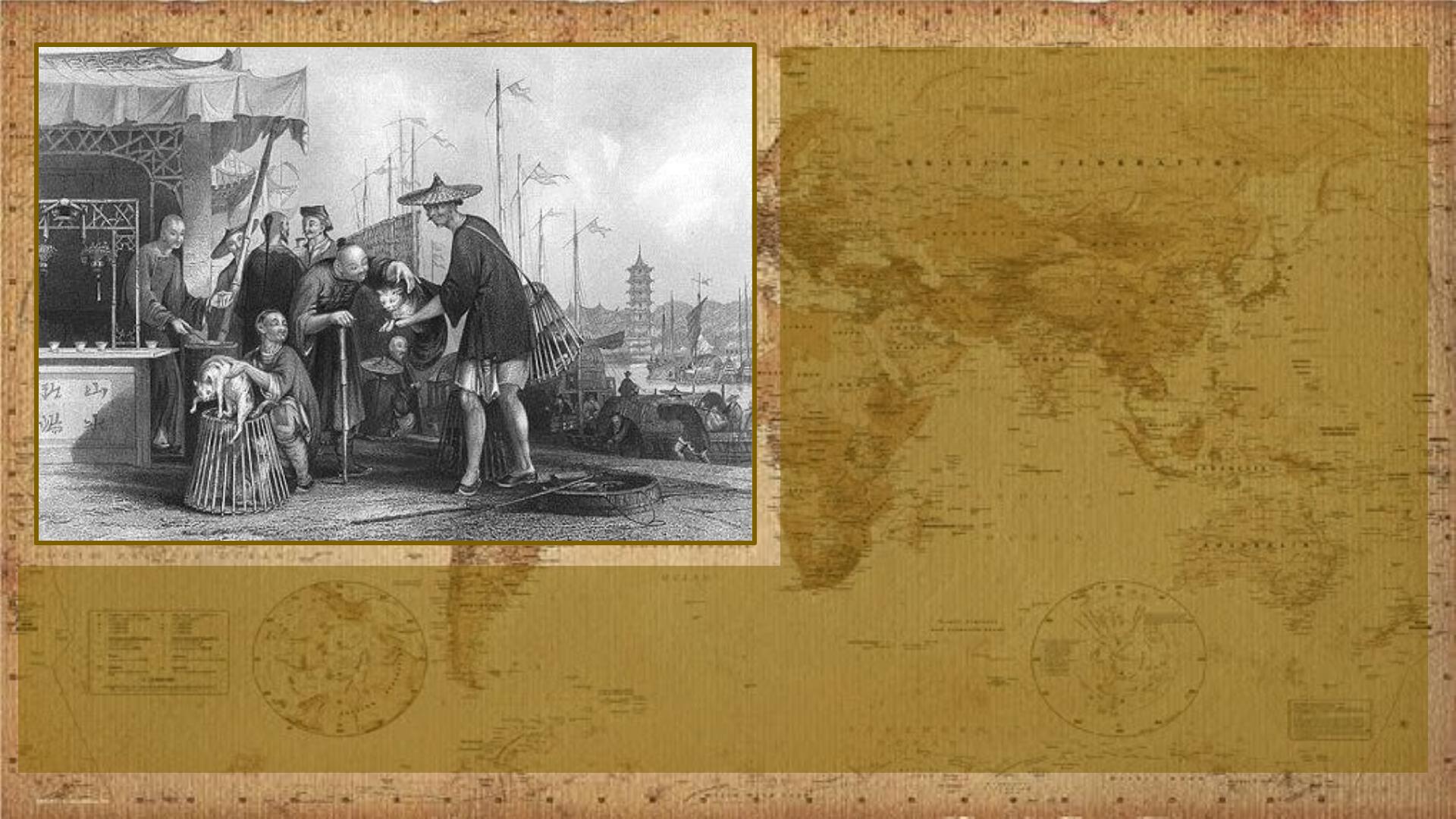
Manila was almost a Chinese city
with the huge migration of Chinese,
due to the trade. Which led to
Manila’s China town being the
oldest and one of the biggest.
Manila became a gateway to
multiple countries not only for
being the trading post where goods
were assembled and re-exported ,
but also for mediating information
between the countries involved. One
of the positive results of the Manila
galleon trade was the intercultural
exchange between countries.
The galleon trade between Philippines and
Mexico ended a few years before the latter’s
war of independence against Spain. The trade