2420 Nicolet Dr. Green Bay, WI 54311 920-465-2000 Sustainable Management
Sustainably Managing our Social
Response to Depression
By: Lauren Martinez
for MSMGT 720- Applied Research and the Triple Bottom Line
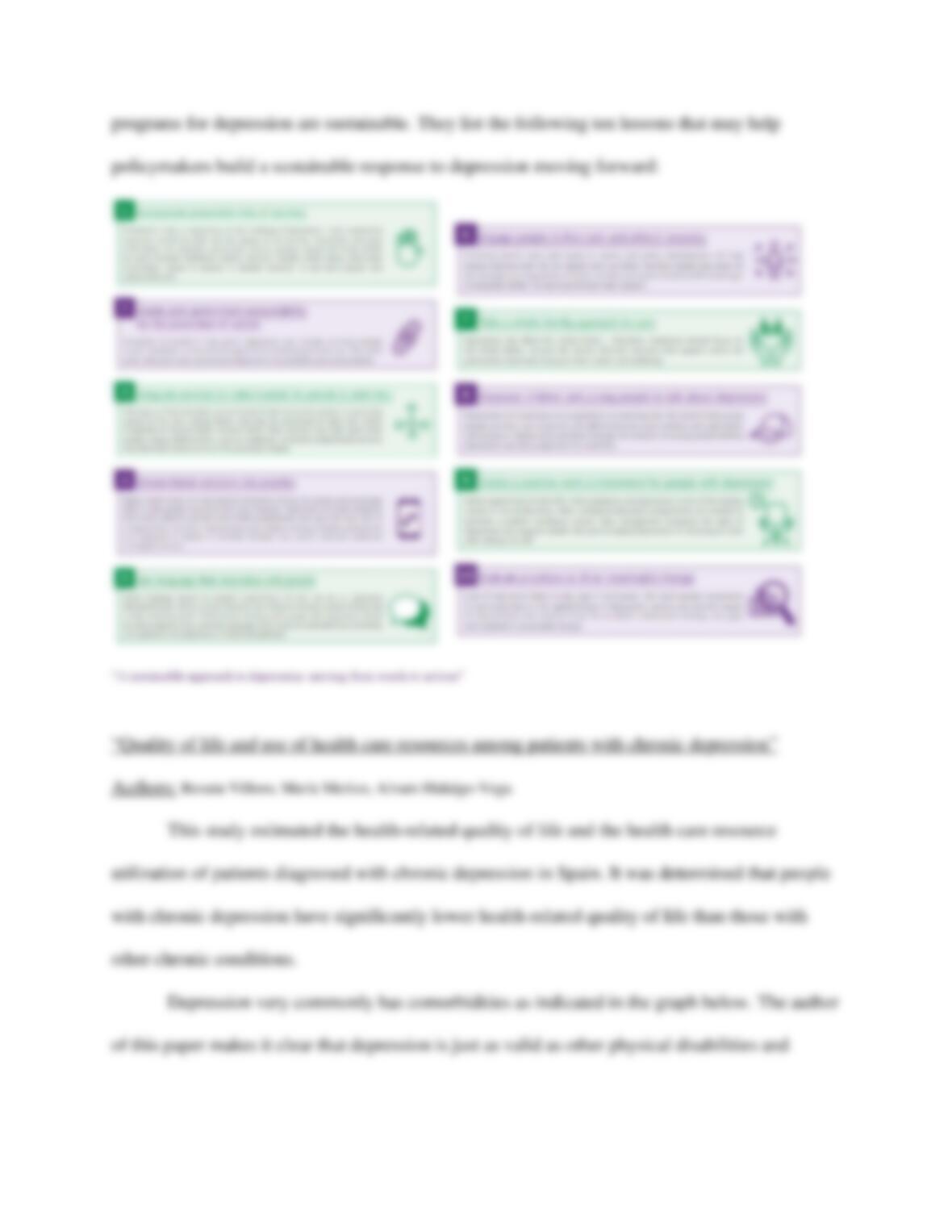
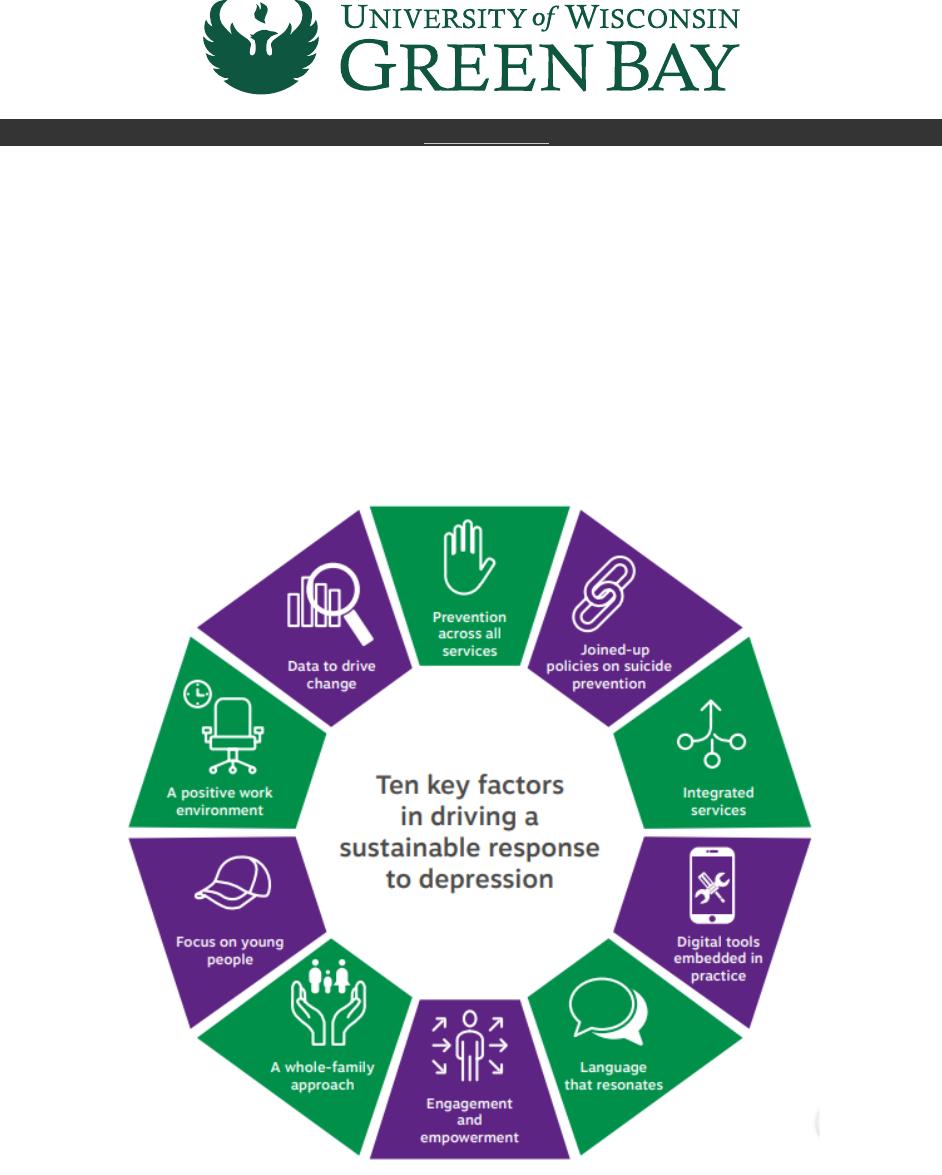
Figure 1. Framework for action to provide a sustained policy response to depression
“A sustainable approach to depression: moving from words to actions”

Abstract:
Objective:
Mental illness is an urgent public health and socioeconomic concern. Mental health
disorders are one of the most significant yet most neglected public health problem. This paper
will examine the current social response to depression and look at ways to sustainably manage
depression.
Methods:
This paper is comprised of a literary analysis, which looks at peer-reviewed journal
articles discussing the struggles of depression, depression in the workplace, and sustainable
approaches to depression.
Results:
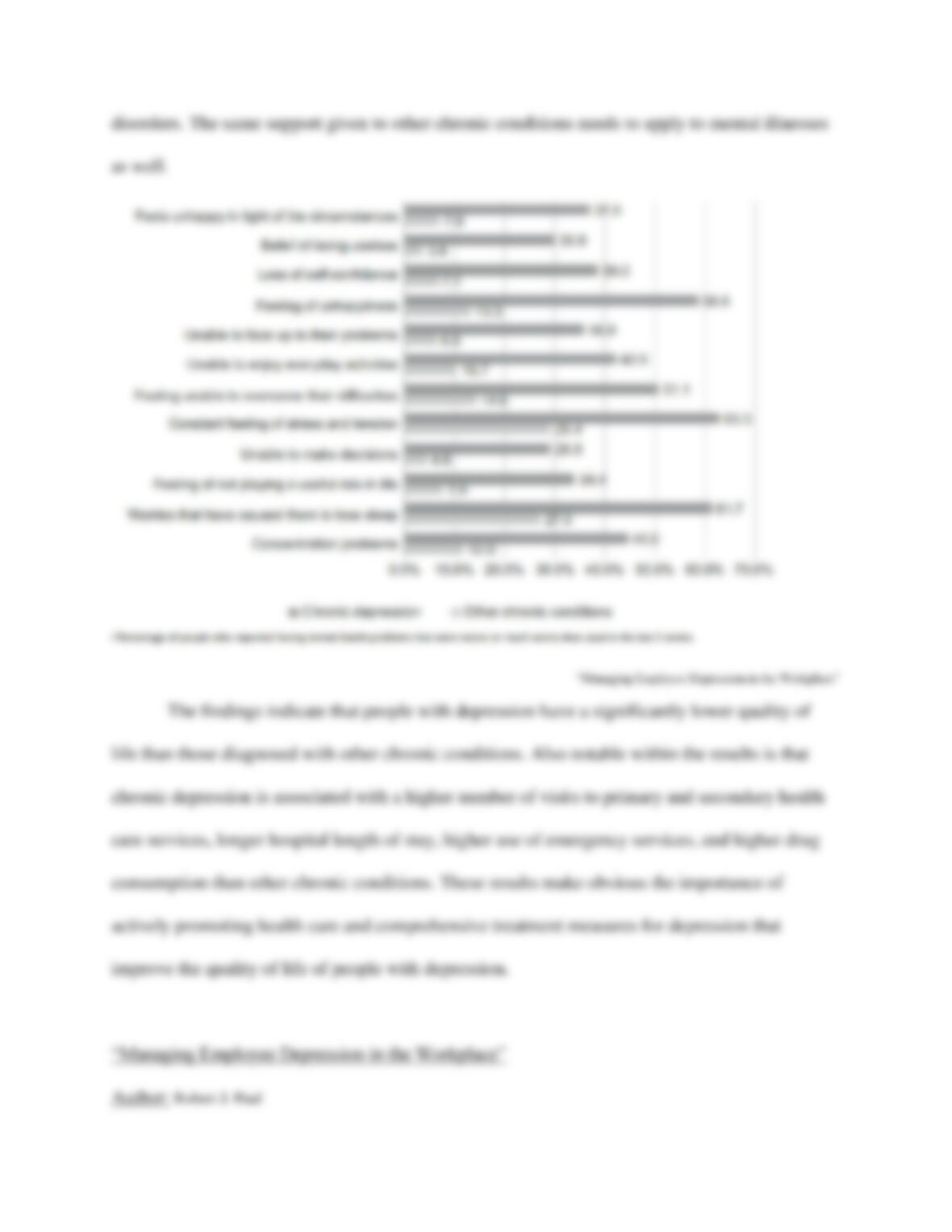
People with depression often have lower quality of life, feelings of isolation, poor
workplace productivity, and even high rates of comorbidities. The current social response to
depression is insufficient, and we must begin practicing a more sustainable approach to
depression management.
Conclusions:
Progress requires a cohesive and inclusive response to depression. Important approaches
include tackling its clinical and social causes, engaging the especially vulnerable groups, and
focusing on the impact of depression across all areas of life i.e. home, school, workplace, etc.
Keywords:
Depression; Social Cost; Social Response; Sustainability

Introduction:
This research paper will analyze the social response to depression. Depression has a deep
impact on all aspects of life, which results in a significant social cost. Symptoms of depression
affect how people feel, eat, think, sleep, work, and relate to others. Depression can be very costly
to those affected, their families, and society at a whole.
Increased risk of chronic conditions:
People with depression have a higher risk of other conditions such as cardiovascular disease,
diabetes, osteoporosis, stroke, Alzheimer’s, and migraines. Comorbidities are common in those
with depression, which further exacerbates the depression itself, and increases costs of care.
Lower quality of life:
People with depression have a significantly lower quality of life:
• 4 in 10 people with mental health disorders feel they are unable to cope with the constant
anxiety of caring
• 1 in 3 people with mental health disorders feels isolated
Depression negatively impacts sufferer’s careers, family members, relationships, and day-to–
day life. For many struggling with depression, simple tasks like brushing your teeth or showering
become extremely challenging. With this in mind, one can imagine the effect depression can
have on larger activities like careers and relationships.
Effect on the workplace:
Depression is a leading cause of low workplace productivity. Depression can affect
motivation, focus, memory, and overall mood, which negatively impacts workplace
performance. People with depression are more likely to take sick leave and/or early retirement.
Often if someone struggling with depression decides they need to take a sick day for their mental
health, they feel guilty about it which only makes the depression worse. Many people with
depression feel they are stuck with no way to win.
Depression has significant social costs. This paper will not only analyze the social response to
depression, but also identify how to sustainably manage it.
Main Research Question:
What does the social response to depression look like? How can we sustainably manage
this response?
Methodology:
This paper will comprise of a literature review. I will analyze existing literature and
identify the social response to depression while determining how to sustainably manage this