Substance Abuse
Week 2
Medication-Assisted Treatment (MAT)
Medication-Assisted Treatment (MAT)
• Primarily used for treatment of addiction to opioids such as heroin and prescription pain relievers that contain
opiates.
• Normalizes brain chemistry, block euphoric effects of alcohol and opioids, relieves physiological cravings, and
normalizes body functions without the negative effects of the abused drug.
• Tailored to meet each patient’s needs
• Provides relief to help manage symptoms so users can maintain focusing on strategies to pursue recovery
• Combines behavioral therapy and medications to treat substance use disorders.
• FDA-Approved Medications
• Counseling/Behavioral Health Therapy
• Helps with both mental illness and/or Substance Use
• Attempt to change behaviors, thoughts, emotions, and how users see/understand situations.
• Different medications for different addictions
• Opioid Use
• Alcohol Use
Medication-Assisted Treatment (MAT) Facts
• Federal law requires patients receiving treatment to receive medical, counseling, vocational, educational, and other
assessment/treatment services in addition to the prescribed assisting medication.
• Clinically proven to reduce the need for inpatient detoxification services.
• People can safely take these for months, years, or even a lifetime
• Ultimate goal is full recovery
Improve patient survival, increase treatment retention, decrease opiate use and criminal activity, increase patients’ ability to
gain/maintain employment, and improve birth outcomes among pregnant addicts.
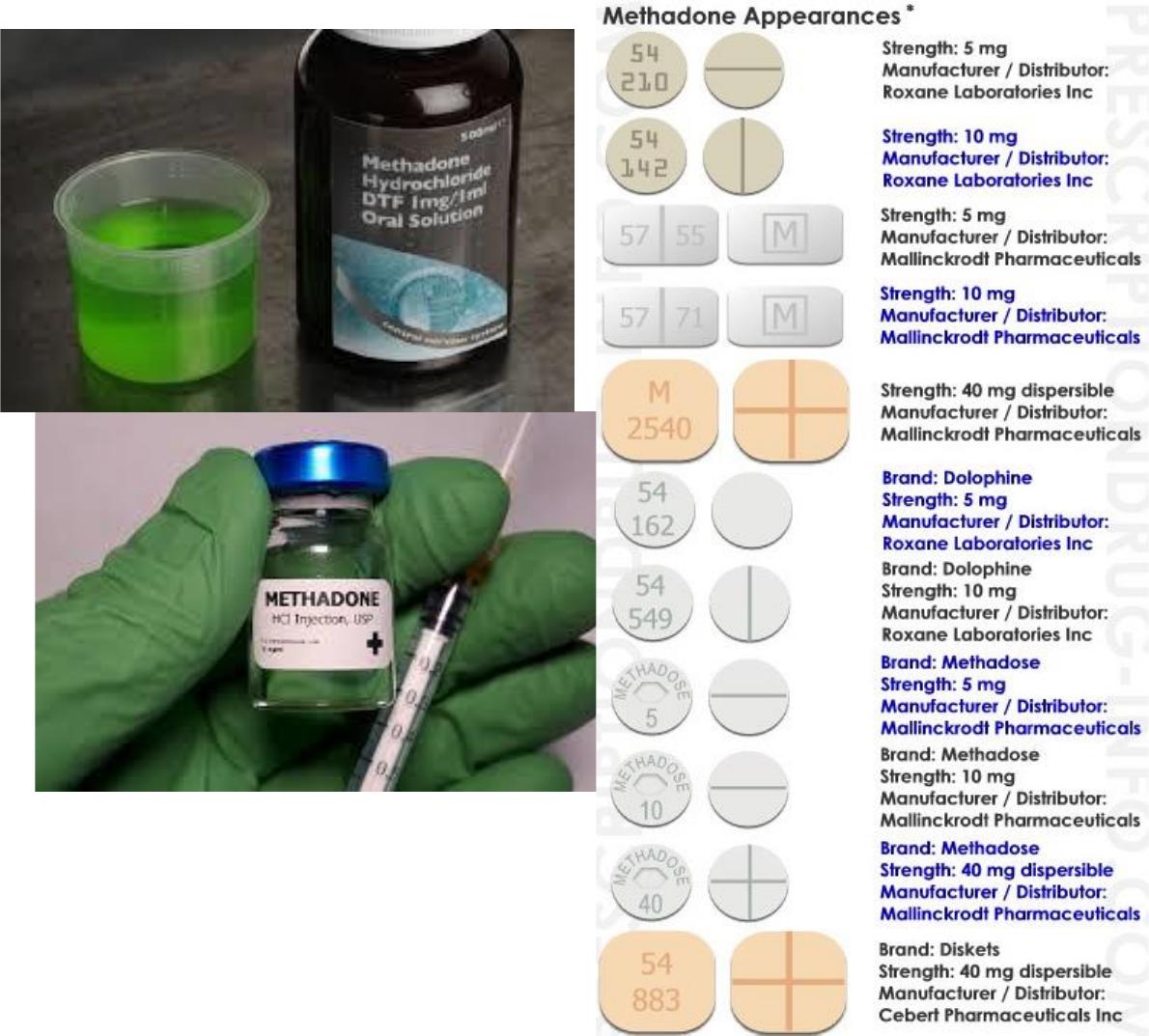
Methadone
• Tricks the brain into thinking it’s still getting the abused drug.
• Person is not getting high and feels normal, so no withdrawal
• Only drug used in MAT approved for pregnant or breastfeeding women.
• Must be performed/taken in a highly structured clinic
• Taken once a day
• Available in various forms – Liquid, Powder, Tablets, and Diskettes
• Length of use varies – Average 12 month minimum.
• Patients must work with physician to gradually reduce methadone dosage over time to prevent withdrawal
Methadone Risks/Side Effects/Warnings
• Can cause heart conditions, lightheadedness,
hives/rash, chest pain, hallucinations or confusion
• Unintentional overdose is possible
• If you miss a dose or if it feels like it isn’t working,
DO NOT take an extra dose!
• Don’t drink alcohol while taking
Buprenorphine – Active ingredient of Sublocade
• Pill form or Sublingual Tablet (Under Tongue)
• Unlike Methadone, Buprenorphine is the first medication to treat opioid dependency that can be prescribed or
dispensed in physician offices, increasing treatment access.
• Eliminates physical dependency for opioids like withdrawal and cravings
• Increases safety during overdose
• Produces euphoria/respiratory depression at low to moderate doses with weaker than full effects than heroin and
methadone
• Attaches to receptors in the brain, making it hard for other opioids to attach
• Blocks the rewarding effects of opioids