10
Volume 1 Case Study 3
IN SPORT MANAGEMENT
Case STUDIES
This content is copyright © Human Kinetics, Inc. and is not to be distributed, disseminated, or reproduced without permission.
A Budgeting Crisis at Little State University
Chad D. McEvoy
Syracuse University
Dianna P. Gray
University of Northern Colorado
The Little State University Athletic Department faces an immediate budgeting crisis. Due to state budgeting
woes, the legislature has reduced its allocation to Little State significantly for the upcoming year. The impact
of this reduction included a loss of $800,000 to the athletic department, which represents approximately ten
percent of the athletic budget. LSU Athletic Director Beth Duncan must determine how to best make the nec-
essary cuts while preserving a strong department and minimizing the impact on student-athletes.
Keywords: finance, budgeting, college athletics, economy, college and high school, North America, finance
and economics
Beth Duncan was having the most challenging week of her long career in intercollegiate athletics administration. On
Monday morning, Little State University (LSU) President Edward Jasper summoned Duncan, the university’s athletic
director, to his office for an emergency meeting. Rumors had been circulating across campus for weeks that the state
budget situation would result in a significant decrease in higher education funding across the state. As Duncan feared,
President Jasper informed her in the meeting Monday that these rumors were indeed true, and that LSU’s athletic
department would have to bear a considerable reduction in funding, as would many units at the university. Duncan’s
final budget for the upcoming fiscal year, which was set to begin in just two months, was due to President Jasper and
Little State’s Board of Trustees by the end of next week. Duncan and her senior athletic department staff had been
working on preliminary drafts of the budget for months, and would now have just days to figure out how to alter the
athletic budget minus $800,000 in state legislature allocations the department has received in the past, which represents
approximately ten percent of Little State’s total athletic budget. President Jasper concluded their meeting Monday by
assuring Duncan that he had confidence in her ability to make the difficult decisions necessary to balance LSU’s athletic
budget in light of these drastic cuts.
Duncan spent the days after her meeting with President Jasper exploring seemingly every option of how to make the
cuts necessary to balance the budget, including collecting input from her senior staff, which is comprised of the depart-
ment’s associate and assistant athletic directors. Ultimately, however, she would be the one to make the final decisions.
As the time approached to do so, Duncan reected on the structure and situation of the Little State athletic department.
About Little State Athletics
Little State University has an enrollment of 16,000 students, primarily focused on undergraduate education with
some master’s degree programs. LSU’s athletic program participates in the National Collegiate Athletic Association’s
(NCAA) Division I classification, which is the highest level of college sports. Approximately 340 schools compete in
McEvoy is a professor of sport management at Syracuse University, Syracuse, NY. Gray is an assistant professor of sport adminis-
tration at the University of Northern Colorado, Greeley, CO..
11
McEvoy and Gray
Division I, varying from high-profile programs like the Ohio State University, the University of Texas, and the Uni-
versity of Florida, each of whom has an athletics budget well over $100 million per year, to smaller and lesser-known
schools with budgets of less than $5 million annually. Little State University’s athletic department would be classified
as a “low-major” or “mid-major” program, depending upon one’s choice of terminology. Division I is further sepa-
rated into three subdivisions, with the school’s level of football program serving as the criteria for this categorization.
The highest-profile football programs compete in the Football Bowl Subdivision (FBS). These schools are allowed a
maximum of 85 football scholarships, or grants-in-aid, and must meet specific average attendance minimums. FBS
football programs compete to participate in postseason bowl games, including the Bowl Championship Series (BCS).
Schools that compete in the Football Championship Subdivision (FCS) may offer a maximum 63 football scholarships,
possess no attendance minimums, and compete in a playoff-style postseason national championship in football. A third
subdivision includes schools without a Division I-level football program. Little State University competes at the FCS
level and is a member of a ten-school conference made up of similar institutions and athletic programs. For the sake of
comparison, Little State’s conference is similar in size, resources, and stature to the Big Sky Conference, the Colonial
Athletic Association, or the Ohio Valley Conference. As is standard for athletic departments of this type, Little State
Athletics’ mission is to compete successfully in athletics on a conference, regional, and national level, to educate and
graduate its student-athletes, and to exemplify integrity, character, and diversity both on and off the field of play.
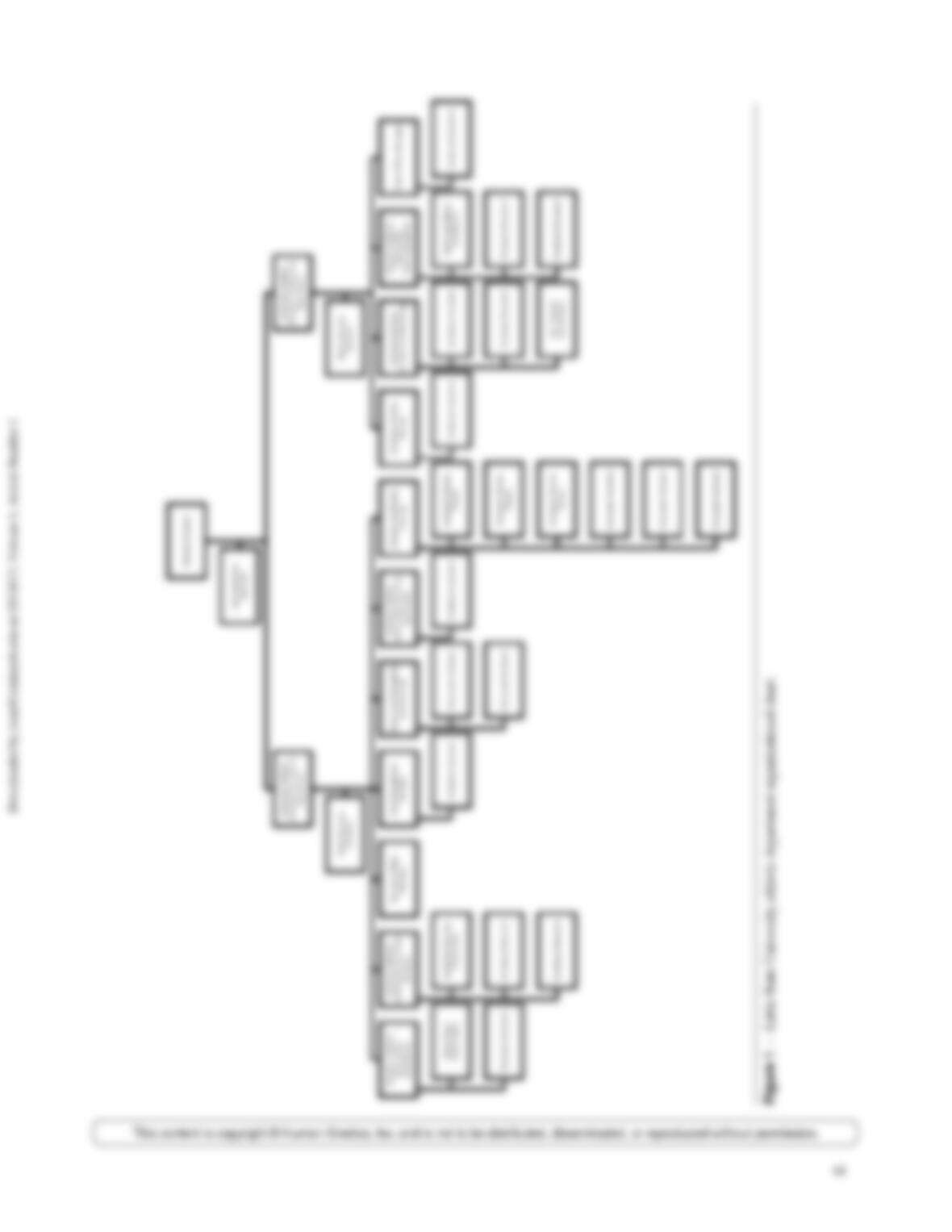
Figure 1 displays the organizational chart for Little State’s athletic department. Athletic Director Beth Duncan’s
department is administratively divided into two primary areas – internal and external operations, with an associate ath-
letic director responsible for each area. The internal division of the athletic department is involved in matters focused
primarily within the department itself, including rules compliance, academic services for student-athletes, business and
accounting matters, equipment, strength & conditioning, facility & event operations, and athletic training, which handles
medical functions for student-athletes. As shown on the Operations & Administration worksheet of the Excel budget,
LSU’s compliance coordinator position, one of two full-time compliance staff members in the athletic department is