Scramjet Engine 1
Scramjet Engine Trend analysis
Toan Le
English composition II
11/04/17
Scramjet Engine 2
Abstract
This report focus on how a scramjet was created and developed so far for the next future
of supersonic combustion engine. The report explained how all type of engine operation and the
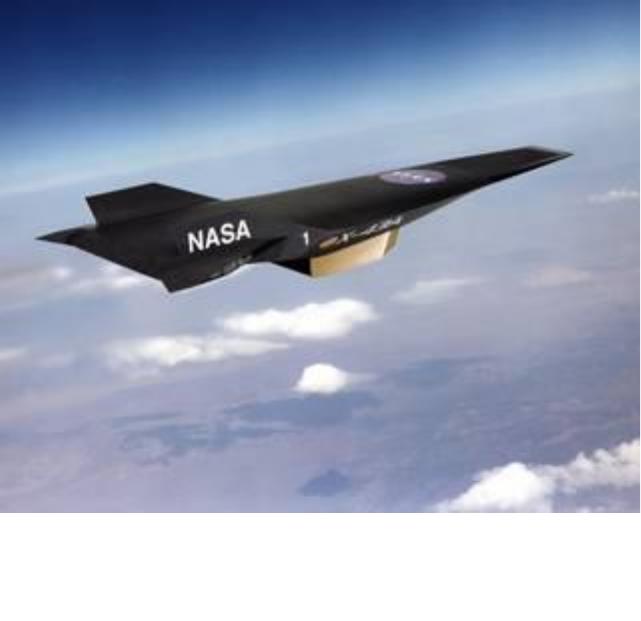
milestones of X-43A scramjet.
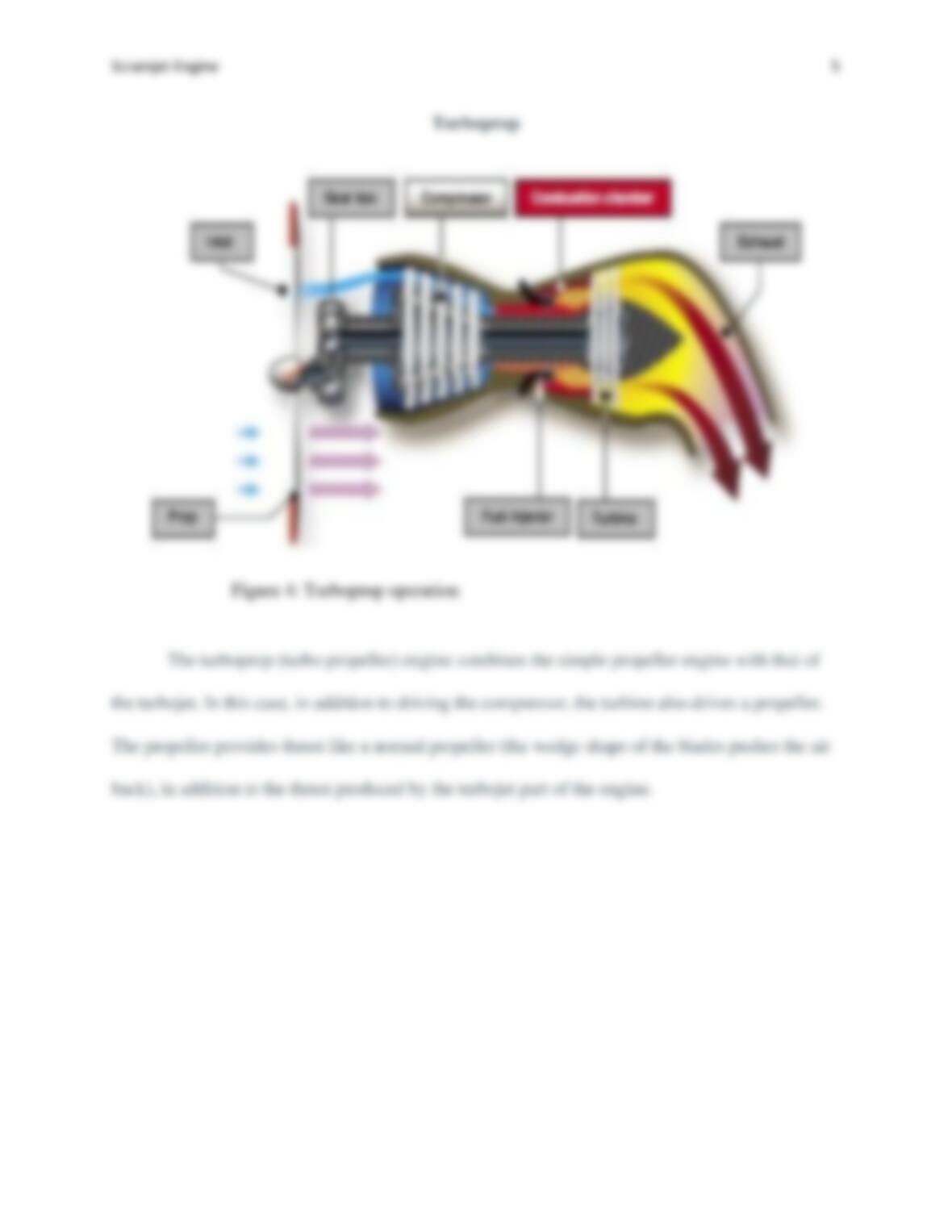
Figure 1: X-43A’ s picture provided by nasa.gov
Scramjet Engine 3
The SCRAMJET, simply abbreviated from Supersonic Combustion Ramjet, is the latest
evolution of the jet engine family. NASA made the news with each test of the X-43A scramjet
craft, so I set about to discover why this type of jet engine should garner so much scientific
attention.
Turbojet
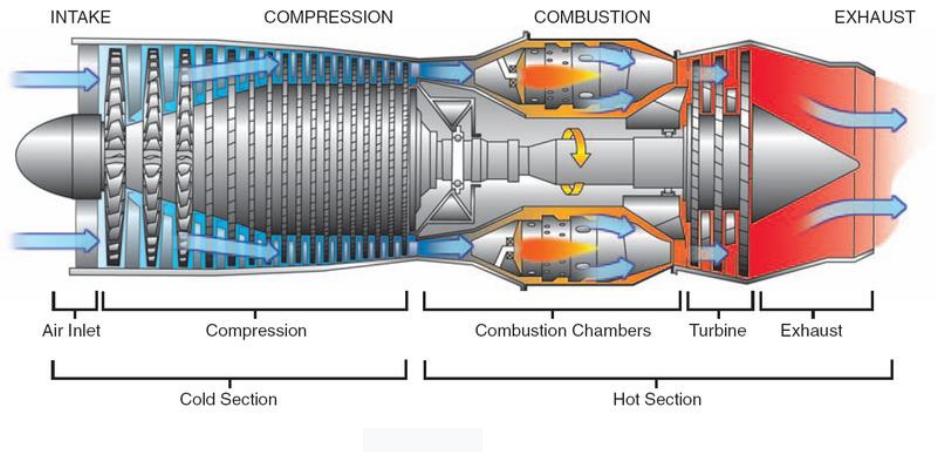
The most basic jet engine is the turbojet. As soon as the air enters the front of the engine,
the blades of the compressor, compresses the air before funneling it into the combustion chamber.
During the compression, not only is the density of the air increased by compressing it in a confined
chamber, but the temperature of the air also increases as the air molecules of squeezed closer
together. The resulting air that emerges into the combustion chamber is thereby preheated, and the
amount of oxygen per volume is increased to facilitate combustion. This becomes an important
factor at increased altitudes, where the air density (and thus also oxygen density) decreases. In the
combustion chamber, fuel mixes with the air before being ignited. As the air-fuel mixture is
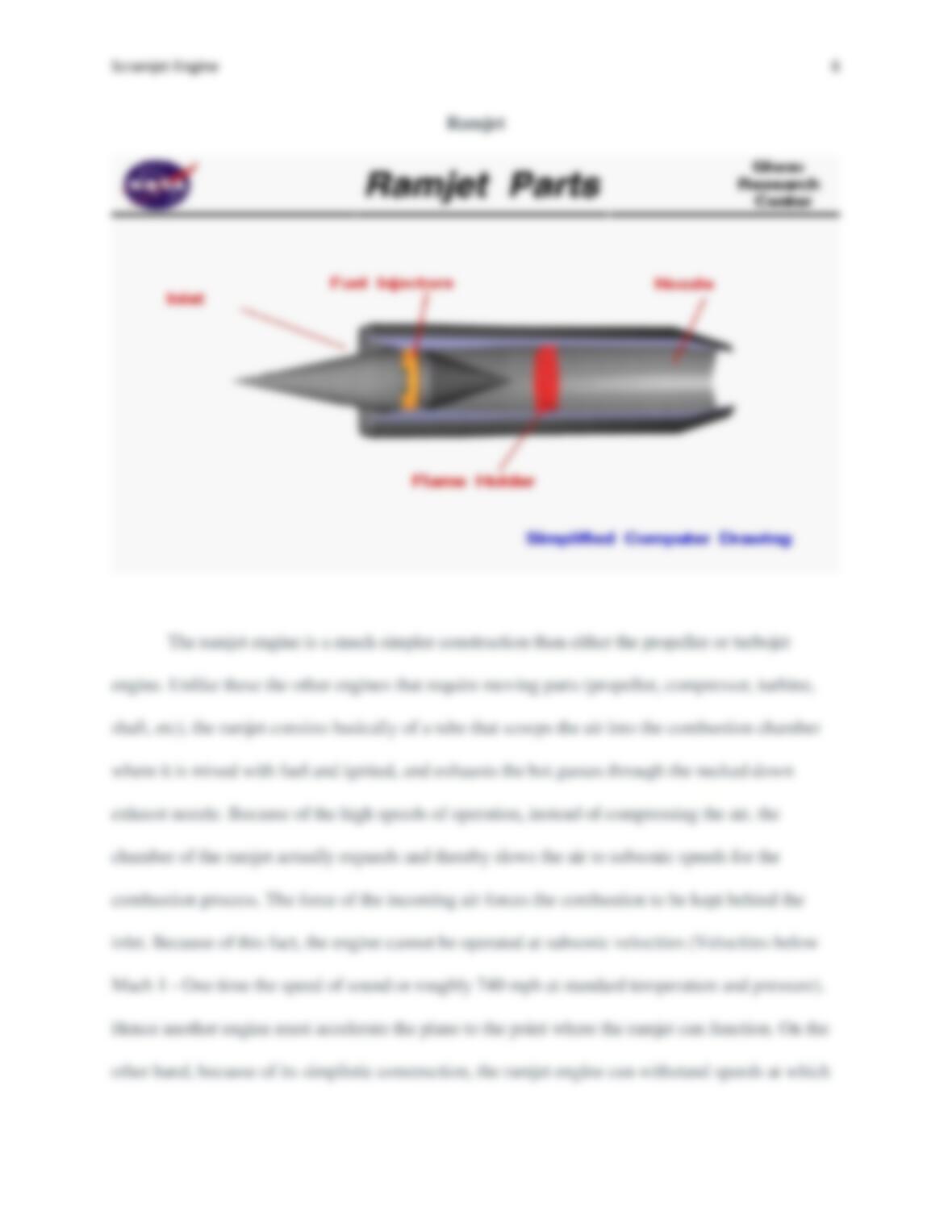
Figure 2: turbojet’s picture from U.S. Federal
Aviation Administration
Scramjet Engine 4
burned, the gases expand so that the pressure is increased further. Part of this energy is captured by
the turbine blades and translated into the rotation of the compressor shaft, and thereby supplying
the energy the compressor needs to function. The rest of the hot gases are forced through the
necked-down exhaust nozzle, thus accelerating them further. The force of the hot gases expelled in
the exhaust, provides all of the planes thrust.