BUSINESS RESEARCH METHODOLOGY
ASSIGNMENT
SUBMITTED TO
PROF. RAJEEV JOHRI
ON THE TOPIC
ROLE OF DIGITISATION IN FUTURE OF INDIAN
ECONOMY
BY
ANKIT KATIYAR
SEC B
PGDM 16-18

A CASHLESS FUTURE IS THE REAL GOAL OF INDIA’S
DEMONETIZATION MOVE
“This is a public sector innovation unthought of in history. A
cultural-economic revolution in the making!” exclaimed
Monishankar Prasad, a New Delhi-based author and editor, about
India’s demonetization initiative and subsequent drive towards
developing a cashless economy.”
The biggest problem with India suddenly removing 86% of its
currency from circulation without having an adequate supply of
new notes ready to take their place is that fact that India is more
reliant on cash than almost any other country on earth. Suddenly,
hundreds of millions of people were left without the means to
engage economically, to buy the things they wanted and needed,
and myriad businesses were left without a readily available
mechanism to receive payment for their goods, to buy supplies, or
pay their staff.
India’s demonetization scheme was a unilateral initiative
that was planned in secret — in a back room of Prime Minister
Modi’s home, in fact — by a small group of insiders tied-in with the
upper echelons of India’s government. The strategy was to
instantly nullify all 500 and 1,000 rupee banknotes, the most
common currency denominations in the country, and then
eventually replace them with newly designed, more secure 500
and 2,000 rupee notes. This endeavor instantaneously became
policy when the prime minister announced it via a surprise
television address at 10:15 PM on November 8.
One of Modi’s main brands is that of a corruption fighter, and his
demonetization initiative was rushed into effect in an attempt to
catch the black market off guard — which could potentially lead to

a big payday for the central bank if large amounts of illicit cash
wasn’t redeemed. That plan flopped, as almost all of the recalled
notes were officially accounted for one way or another. Even the
vegetable vendors on the streets have opened up Paytm accounts
and they have a machine outside their shop where someone can
scan the bar code and make the payment,” Nangia explained.
“A lot more retail outlets are accepting e-wallets, including my
laundry provider and my dabbawala,” Prasad proclaimed. “This is
revolutionary, and survival of the fittest.”
Modi’s demonetization initiative has been a boon for India’s e–
payment providers. Paytm reported a three-times surge in new
users — tacking on over 14 million new accounts in November
alone. While Oxigen Wallet’s daily average users increased by 167%
since demonetization began.
“Ever since Prime Minister Narendra Modi’s demonetization
announcement, we have suddenly seen a spike in both app
downloads & merchant registrations. This spike is now coming
from all cities, big and small, pan-India, consisting of small
merchants like vegetable vendors, Kirana shopkeepers [small
convenience stores], street vendors, rickshaw drivers, taxi’s etc.,
who’ve signed onto our Oxigen Wallet app for the merchant
payments service,” said Pramod Saxena, the founder and CMD of
Oxigen Services.
Cryptocurrencies like Bitcoin and Asiadigicoin have also been the
recipients of a positive upswing from Modi’s currency purge —
with Bitcoin in particular being driven up in value.
The lack of cash in the economy combined with the buzz around
electronic payments systems has also sparked some very
innovative solutions. The farmers’ markets of Telangana began
experimenting with their own electronic payment system where
customers with Aadhar-linked bank accounts could buy
vegetables using tokens which could be purchased via debit cards
at specialized kiosks.

“These changes indicate towards a more inclusive society in the future,”
Saxena said. He then outlined several areas in which India is trying to
improve its digital economy, which include simpler, more
technologically advanced digital payment systems, increased merchant
acceptance, improvements in UPI, which allows monetary transfers
between any two bank accounts via a smartphone, as well as a reduction
in cash-based transactions.
“The Prime Minister’s move to incentivize digital payments will
offer a strong support to our ongoing efforts in helping the
country leapfrog the cash generation to digital payment
solutions,” added Deepak Abbot, the senior vice president of
Paytm. “This will not only help millions of Indians overcome the
hassles of dealing in cash but also act as a significant step towards
propelling India to emerge as a truly cashless economy.”
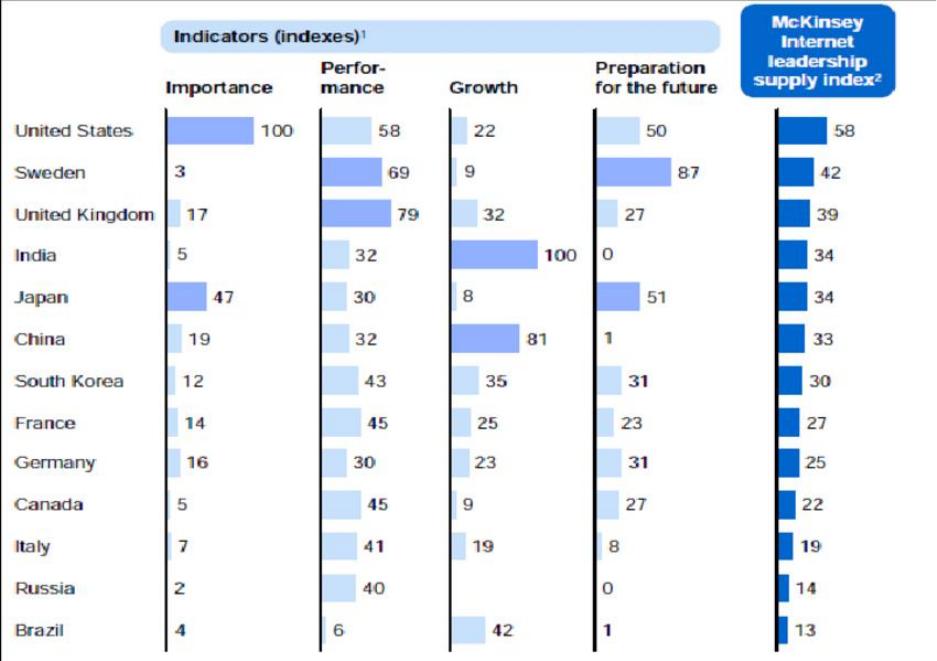
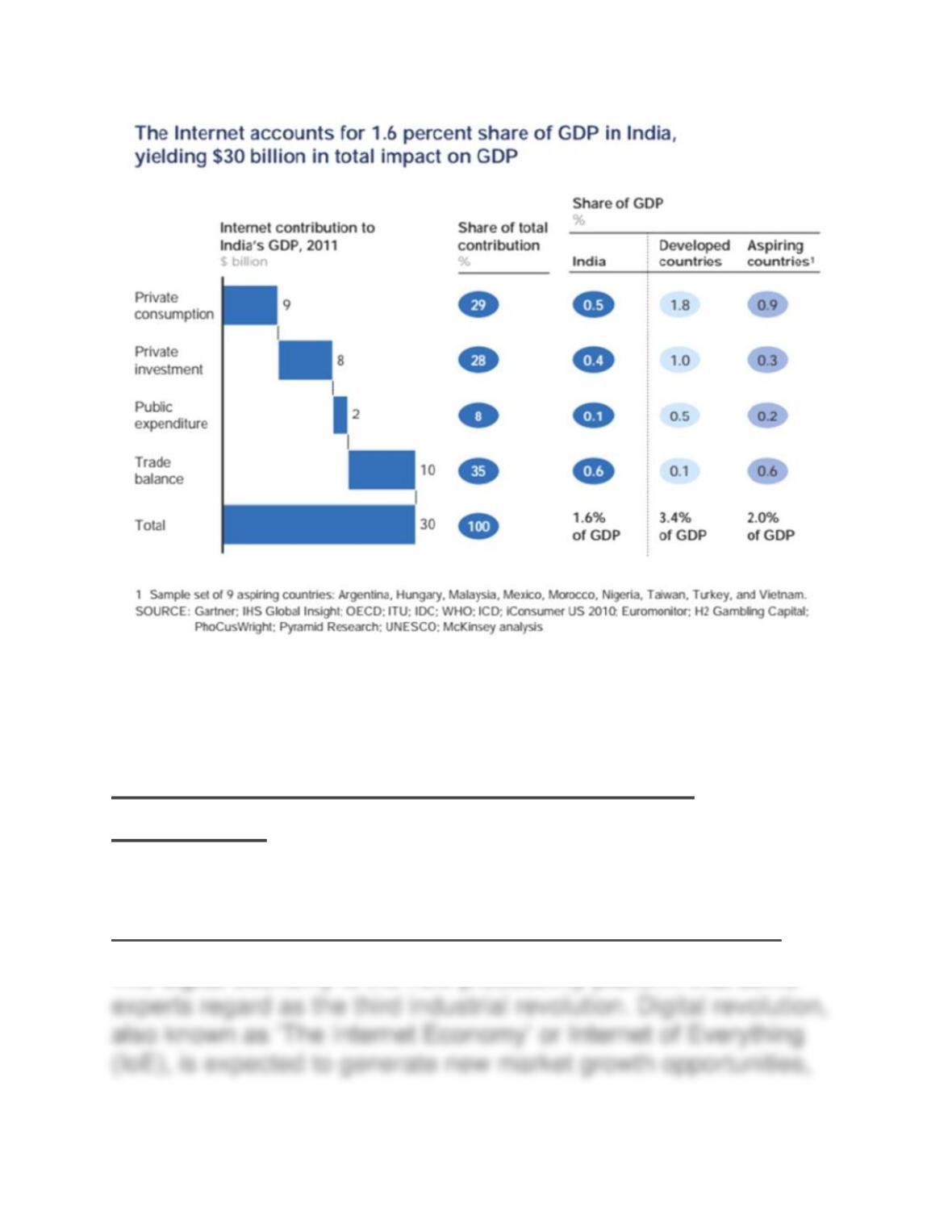
Opportunities for India in the Digital
Economy
V C Gopalratnam, CIO, Cisco
The article was published in CIO Review