RELATS: A Family SME Goes Global.
1.Considering RELATS features, such as its size (and limited financial resources) and family
ownership, recommend Pere Relats the appropriate entry strategy in order to foster the
company’s international expansion and achieve the following objectives:
In comparison to large multinational firms, SMEs typically are resource-constrained, lacking the
market power, knowledge and resources to operate efficiently in international markets. Despite
liabilities of small size and foreignness, many SMEs pursue international markets for selling their
goods and services. SME’s transaction costs of doing business abroad (costs associated with
delivering goods or services to international customers) are particularly cumbersome, however,
these costs can be reduced due to technological advances in telecommunication, transportation and
information technology.
SMEs mostly pursue an indirect path to internationalization using local and foreign intermediaries
to sell their goods and services across national borders. SMEs use intermediaries to overcome
knowledge gaps, find customers and reduce uncertainties and risks associated with operating in
foreign markets.
Also, SMEs hire export intermediaries because they perform certain functions related to exporting
better or at lower costs than the firm itself could, for example because they possess country–
specific knowledge that the firm lacks.
This is particularly true in distant, unfamiliar markets, where search costs and negotiation costs
can be very high. Export intermediaries also help firms to save costs associated with searching
new customers and monitoring the enforcement of contracts as well as to help access
intermediaries’ contacts, experience and knowledge of foreign markets. However, intermediaries
also increase costs in form of transaction costs and rent extraction. Furthermore, there can be a
loss of control when a firm uses an intermediary. In sum, using an intermediary is associated with
benefits as well as costs.
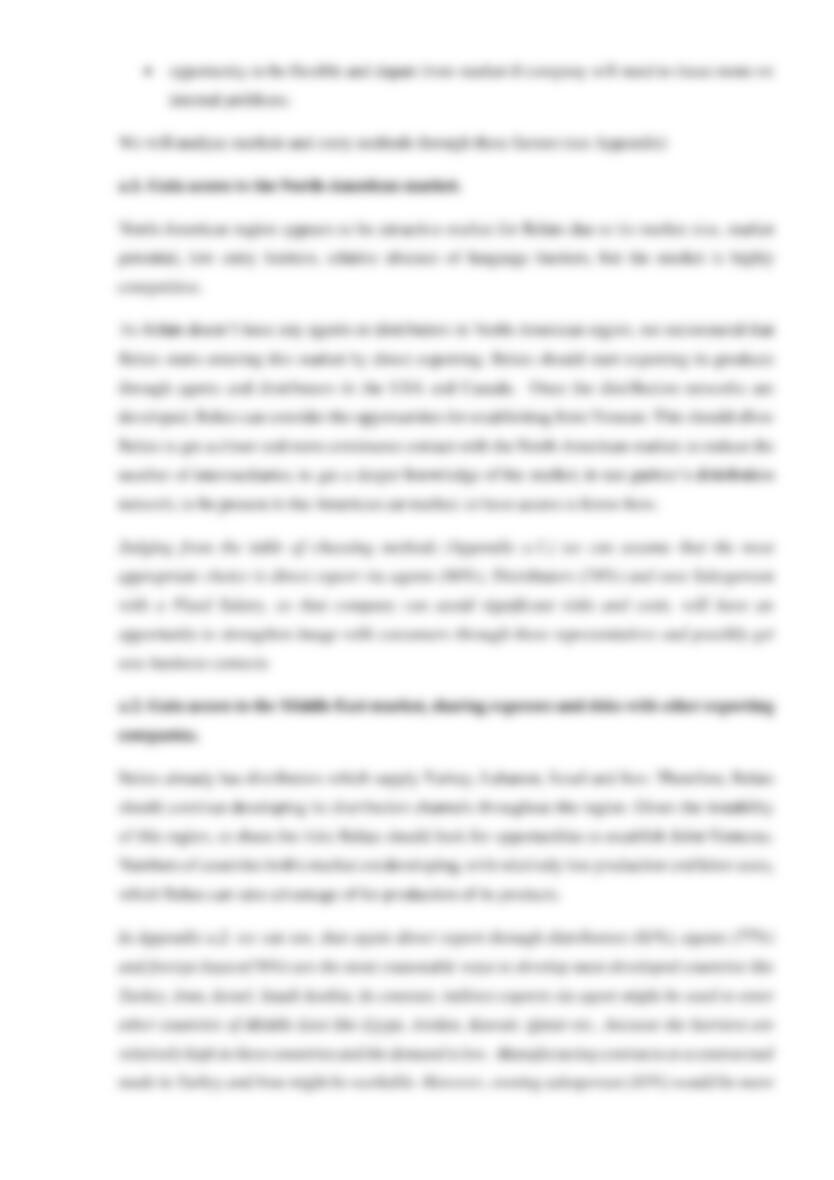
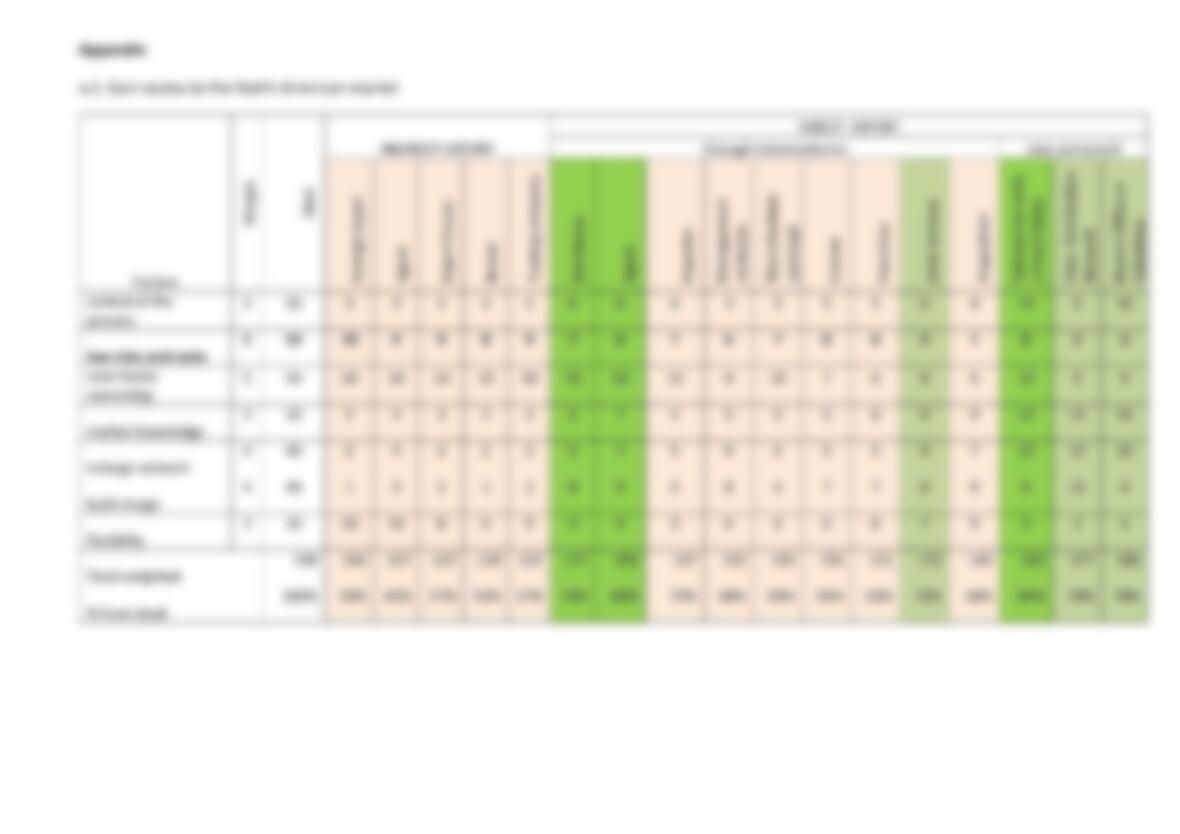
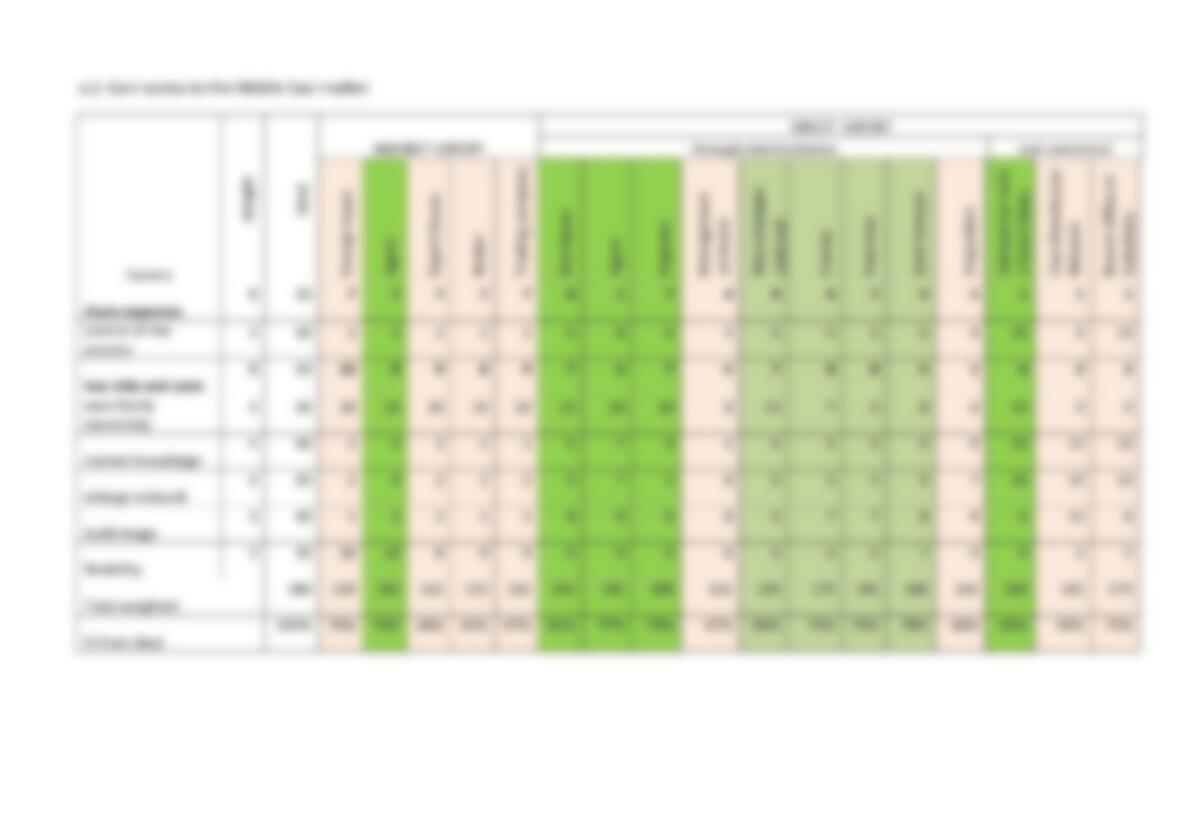
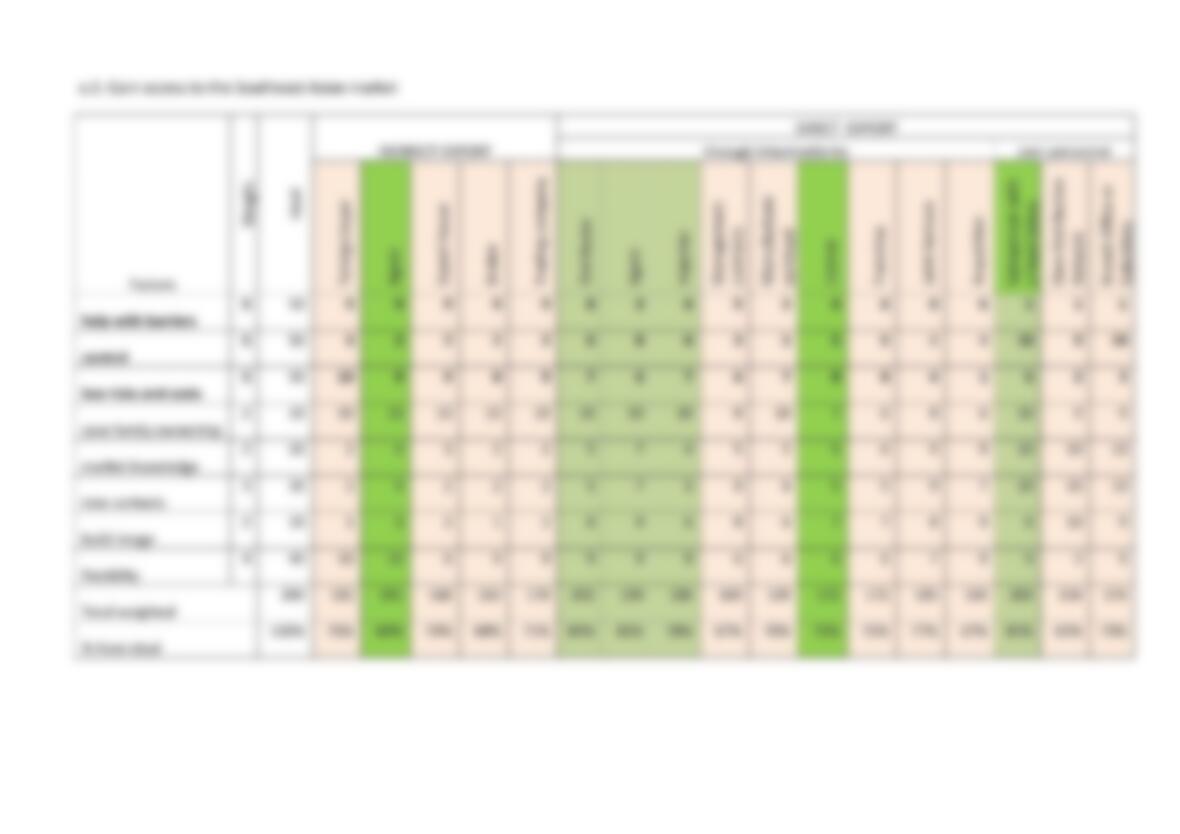
Having considered this analysis Relats should start accessing North-American, Middle East and
Southeast Asian markets by exporting. However, at the later stage, estimating costs associated
with exporting, Relats should look for opportunities to establish Joint-Ventures and wholly owned
subsidiaries in future.
Considering the Relats case, it is also important to mention that company has already launched
several markets via

• distributors and sales agents in Europe,
• direct presence in UK (Suflex Sleeving Ltd acquiring),
• production subsidiaries in China, Mexico and Morocco,
• sales network in Middle East,
• global contacts with some multinationals.
In general, we could partly conclude that company currently realizing the “Path implying
Production Abroad”, which include agents or distributors. However, since company was
considered as “pocket multinational” and that 90% of the company’s total turnover is related with
business abroad, it seems that company is focused more on international expansion, looking for
more to have kind of control over those abroad contacts.
It could be also assumed that company is going to the at least third stage of Exports, licenses and
capital investment in production capacity abroad and in future would like to become truly
Multinational company, since company has “excess production capacity” and local market does
not have enough demand for it.
At the same time, the company facing problems connecting with the lack of motivation of
employees in UK and need to save some efforts to improve situation there. Thus, the entering of