1 | P a g e
Sheikh Zayed
Father of The United Arab Emirates
Authentic Leadership
AA
Submitted To:
Dr. Ross Davidson
Submitted By:
Noran Mazek 1077230
Raghad Abdelrhman Hassan 1078052
Hussam Mansour Al-Jedayeh 1075446
Mariam Hussein Al Sadi 1078214
Marwan Ashraf Yehya 1071316
Sara Yousif 1074981

2 | P a g e
Contents
Sheikh Zayed Bin Sultan Al Nahyan: ………………………………………………………………………………. 3
Before the creation of the UAE: …………………………………………………………………………………….. 4
Rise of the United Arab Emirates: …………………………..…………………………………………………….. 5
After the creation of the UAE: ………………………………………………………………………………………. 6
An authentic leader: ……………………………………………………………………………………………………. 7
Personal Reflection: …………………………………………………………………………………………………….. 8
References …………………………………………………………………………………………………………………….. 9
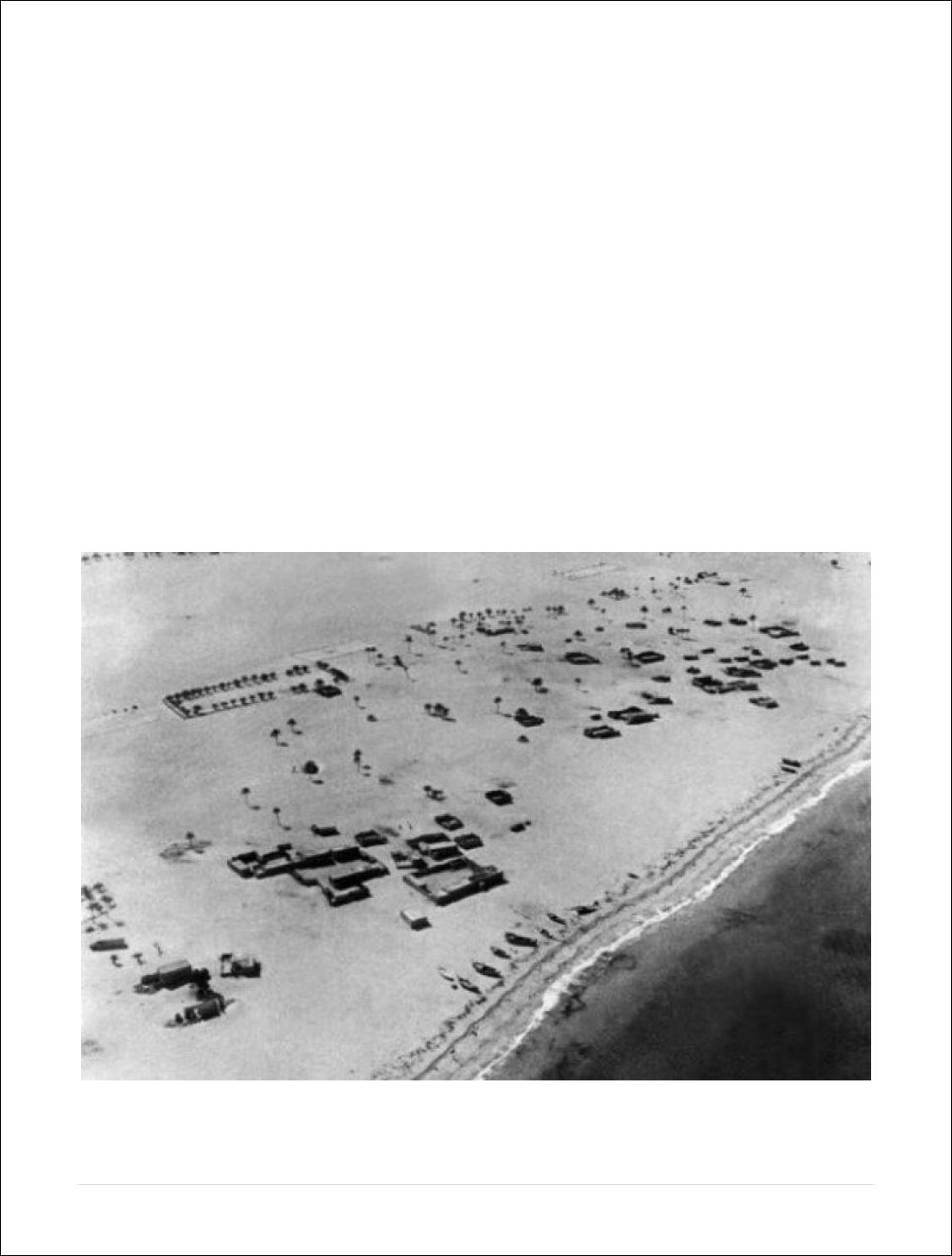
Figure 1: Abu Dhabi Corniche in 1954. UAE National Archives ……………………………………………… 3
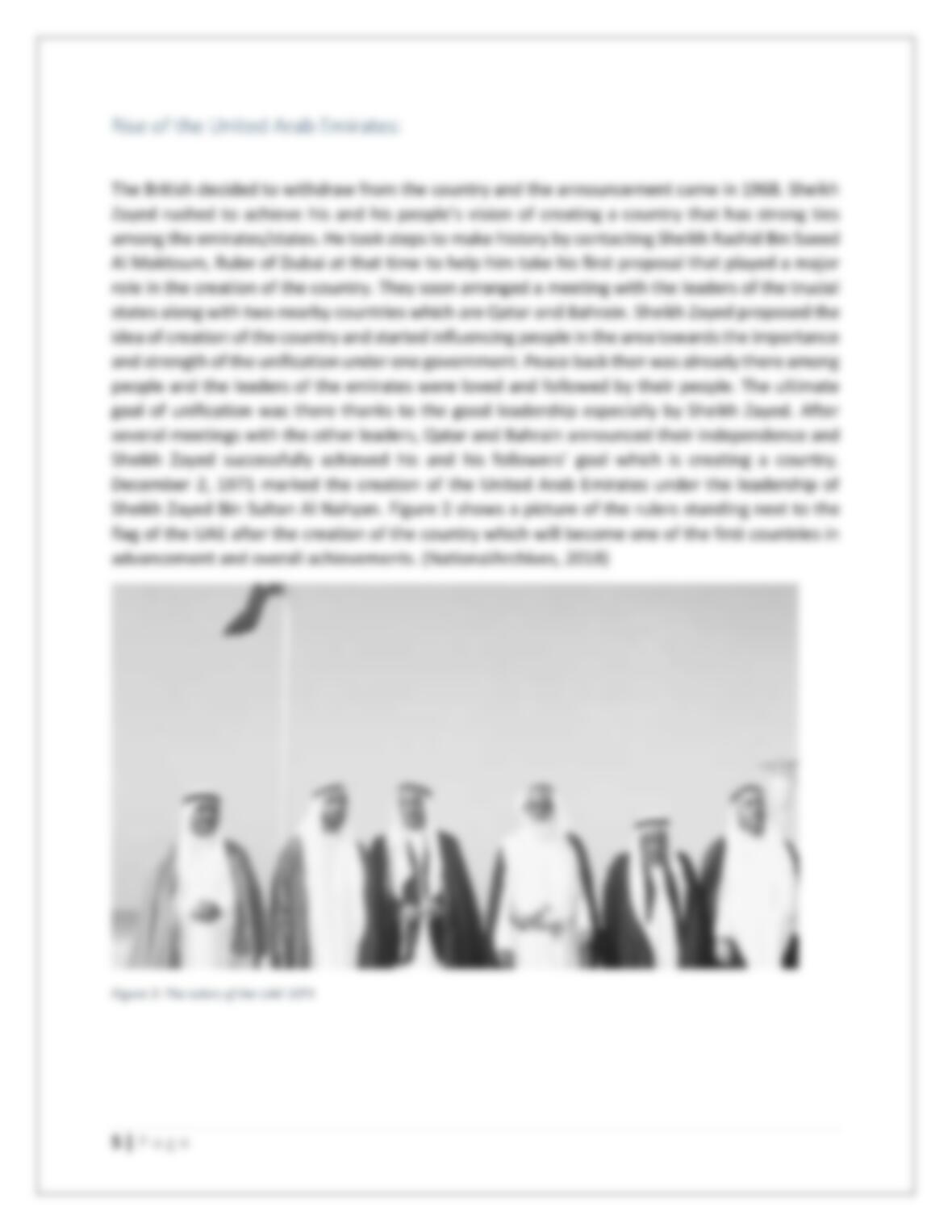
Figure 2: The rulers of the UAE 1971 …………………………………………………………………………………. 5
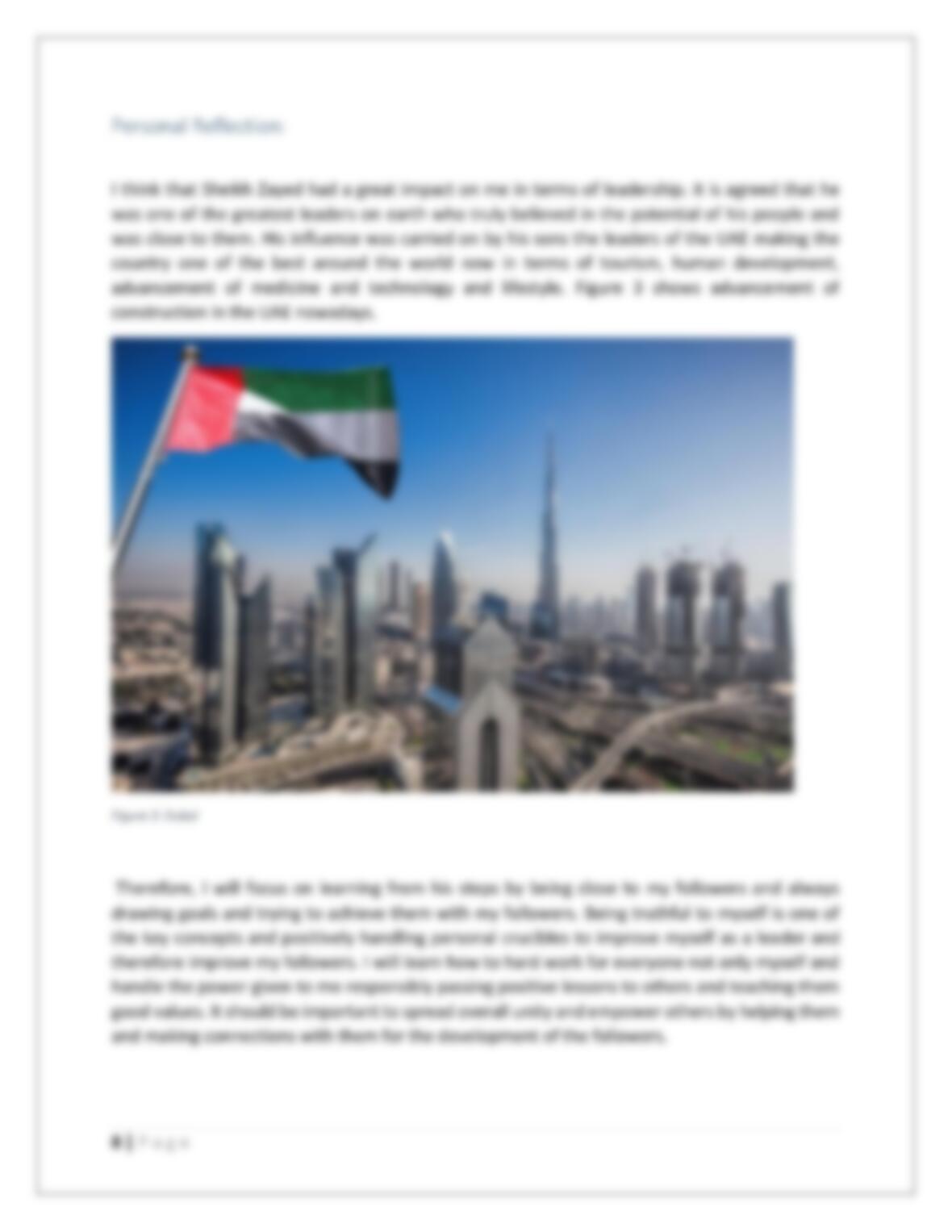
Figure 3: Dubai ……………………………………………………………………………………………………………….. 8
3 | P a g e
Sheikh Zayed Bin Sultan Al Nahyan:
When we talk about leadership, we think about two sides the leaders and the followers.
Successful leaders around the world think about their followers and are truthful with them and
themselves. Being true with yourself is important because it shapes your overall behavior as a
leader. Here comes a term called authentic leadership which is an approach that focuses on
building relationships with the followers by being honest and valuing the leader’s ethical self-
concepts. There are factors that shape a good authentic leader which are his/her: Passion,
Compassion, Behavior, Connectedness, and Consistency. When we think of great authentic
leaders there is no better example than sheikh Zayed Bin Sultan.
Named after his grandfather Sheikh Zayed Bin Sultan was born in 1918 in Abu Dhabi. He was one
of the four sons of Sheikh Sultan bin Khalifa Al Nahyan who was the ruler of Abu Dhabi back then.
At that time, the UAE as a united country did not exist instead, Trucial States were taking place
around the region with the sheikhs ruling each state. The three largest sheikhdoms were Abu
Dhabi, Sharjah, and Ras al Khaimah. Life in the trucial states was not easy as they had scarcity of
food where food was usually imported from other countries. People used to rely on pearl, and
trading for the economy and the education was not very strong among the regions. (Gregory,
2015)
Figure 1: Abu Dhabi Corniche in 1954. UAE National Archives

Before the creation of the UAE:
When Sheikh Zayed took control over Abu Dhabi eastern region in 1946 he emphasized on the
values of consultation and consensus, and when judging he focused on fairness and wisdom. Back
then the overall governance was done by the Sheikh even though with that challenge Sheikh
Zayed still managed successfully to advance the emirate of Al Ain which he ruled. One of his early
achievements was the formation of a simple administration system, and as he saw the
educational importance for the development of the region, he self-funded the first modern
school in the Emirate. (UAE, 2020)
Sheikh Zayed’s leadership of Al Ain was his first challenge. Despite the huge responsibility and
the fact that resources were not widely available in the desert region he still managed to lead the
region into advancement in education, governance, and the overall comfort of the followers. One
of the points he noticed is the distribution of water, where he had to revise that and redistribute
the water ownership rights among followers to make sure of the equality of distribution which
led to significant advancement of agriculture in the region. These achievements and goals under