PREDICTING AND EXPLAINING BEHAVIORAL INTENTION AND HAND SANITIZER
USE AMONG U.S. ARMY SOLDIERS
by
NAIQING LIN
B.S., Royal Melbourne Institute of Technology, 2005
A THESIS
submitted in partial fulfillment of the requirements for the degree
MASTER OF SCIENCE
Department of Hospitality Management and Dietetics
College of Human Ecology
KANSAS STATE UNIVERSITY
Manhattan, Kansas
2015
Approved by:
Major Professor
Dr. Kevin R. Roberts

Abstract
Many pathogenic microorganisms are spread by contaminated hands and may lead to
foodborne illness. The use of hand sanitizers can significantly reduce bacterial contamination
and is an efficient and inexpensive method to prevent infections and sickness. Previous
researchers have found that the routine use of hand sanitizers allowed the U.S. Army to
significantly reduce illness. However, few studies have been conducted within a U.S. Army
dining facility, which is considered to be one of the primary sources of foodborne illness within
the U.S. Army. Therefore, using the Theory of Planned Behavior, the purpose of this study was
to identify the behavioral intention, attitudes, subjective norms, and perceptions of control of
using hand sanitizer among military personnel.
The study targeted soldiers using a written survey during their lunch hour on the U.S.
Army base at Fort Riley, KS. A total of 201 surveys were collected. All data were screened and
entered into IBM SPSS for analysis.
Results indicated that attitudes, subjective norms, and perceived behavioral control
explained 64% of the variance in behavioral intention. Attitude and subjective norms were
found to be significant predictors of behavioral intention, with attitude being the strongest
predictor.
In general, behavioral beliefs were positive among soldiers. Related to normative beliefs,
soldiers did perceive negative social pressure from other soldiers not to use hand sanitizers.
Analysis of control beliefs found soldiers perceived hand sanitizers were readily available, but
disliked their smell and feel after application.
Food production managers and Army commanders can use these results to implement
hand sanitation behavioral interventions within military dining environments. Practical
implications will likely translate to reduced healthcare costs, decreased absenteeism rates, and
improved mission readiness.
Some of the limitations include commonly perceived social psychology bias. Further,
clustered samples were collected within one military installation in a relatively short amount of
time.
Keywords: Military foodborne illness, Theory of planned behavior, U.S. Army dining
facility, Hand sanitizer behavioral intention
v
Table of Contents
List of Figures ……………………………………………………………………………………………………………… viii
List of Tables ………………………………………………………………………………………………………………… ix
Acknowledgements …………………………………………………………………………………………………………. x
Dedication …………………………………………………………………………………………………………………….. xi
Chapter 1 – INTRODUCTION …………………………………………………………………………………………. 1
Statement of the Problem ……………………………………………………………………………………………… 3
Justification ………………………………………………………………………………………………………………… 4
Theoretical Framework -Theory of Planned Behavior ……………………………………………………… 4
Purpose and Objective …………………………………………………………………………………………………. 5
Hypotheses …………………………………………………………………………………………………………………. 6
Limitations …………………………………………………………………………………………………………………. 7
Definitions of Terms ……………………………………………………………………………………………………. 8
Chapter 2 – LITERATURE REVIEW ……………………………………………………………………………… 10
Hand Hygiene, Hand Washing, and Foodborne Disease …………………………………………………. 10
Hand Sanitizer History and Efficacy ……………………………………………………………………………. 11
Application of Hand Sanitizers in Congregate Settings ………………………………………………….. 17
Fundamental Concepts Underlying Hand Sanitation Practices ………………………………………… 21
The Theory of Planned Behavior …………………………………………………………………………………. 22
Behavioral Belief and Attitude ………………………………………………………………………………… 24
Normative Belief and Subjective Norm …………………………………………………………………….. 25
Control Beliefs and Perceived Behavioral Control ……………………………………………………… 26
Behavioral Intention ……………………………………………………………………………………………….. 27
Predictive Validity of Theory of Planned Behavior…………………………………………………….. 28
Demographic Factors ……………………………………………………………………………………………… 28
Using Behavioral Intention to Predict Actual Behavior ………………………………………………….. 29
Chapter Summary ……………………………………………………………………………………………………… 30
Chapter 3 – METHODOLOGY ………………………………………………………………………………………. 31
Population & Sample Size ………………………………………………………………………………………….. 32
The Research Design …………………………………………………………………………………………………. 33
vi
Pilot Studies ……………………………………………………………………………………………………………… 33
Pilot Study I ……………………………………………………….…………………………………………………. 33
Pilot Study II …………………………..…………………………………………………………………………….. 34
Questionnaire ……………………………………………………………………………………………………………. 35
Direct Measurements ……………………………………………………………………………………………… 35
Attitude …………………………………………………………………………………………………………….. 35
Subjective Norm ………………………………………………………………………………………………… 36
Perceived Behavioral Control ………………………………………………………………………………. 36
Indirect Measurements ……………………………………………………………………………………………. 36
Behavioral Beliefs ………………………………………………………………………………………………. 36
Normative Beliefs ………………………………………………………………………………………………. 37
Control Beliefs …………………………………………………………………………………………………… 37
Behavioral Intention ……………………………………………………………………………………………….. 37
Self-reported Behavior ……………………………………………………………………………………………. 38
Demographics ……………………………………………………………………………………………………….. 38
Project Approval and Human Subject Protection …………………………………………………………… 38
Data Collection …………………………………………………………………………………………………………. 38
Statistical Analysis …………………………………………………………………………………………………….. 39
Chapter 4 – DATA ANALYSIS AND DISCUSSION ……………………………………………………….. 40
Demographic Characteristics of Sample ……………………………………………………………………….. 40
Internal Consistency ………………………………………………………………………………………………….. 42
Treatment and Analysis of Data ………………………………………………………………………………….. 45
Direct Measurement of Theory of Planned Behavior Constructs ………………………………….. 45
Indirect Measurement of Theory of Planned Behavior Constructs ……………………………….. 46
Factor Analysis …………………………..…………………………………………………………………………. 51
Simple Bivariate Correlations ………………………………………………………………………………….. 53
Simple Linear Regression Models ……………………………………………………………………………. 54
Multiple Regression Analysis ………………………………………………………………………………….. 58
Demographics …………………………………………………………………………………………………………… 60
Conclusion ……………………………………………………………………………………………………………….. 60
Chapter 5 – CONCLUSIONS & SUMMARY …………………………………………………………………… 61
vii
Results of Hypotheses Testing …………………………………………………………………………………….. 61
Discussion of Hypotheses …………………………………………………………………………………………… 62
Conclusions of Major Findings……………………………………………………………………………………. 66
Theoretical Implications …………………………………………………………………………………………….. 69
Practical Implications ………………………………………………………………………………………………… 70
Limitations ……………………………………………………………………………………………………………….. 72
Recommendations for Future Studies …………………………………………………………………………… 73
Conclusions ………………………………………………………………………………………………………………. 74
References ………………………………………………………………………………………………………………… 76
Initial Survey ……………………………………………………………………………………………. 98 Appendix A –
Finalized Survey……………………………………………………………………………………… 104 Appendix B –
Kansas State University Human Research Approval ……………………………………. 109 Appendix C –
Military Written Approval ……………………………………………………………………….. 111 Appendix D –
viii
List of Figures
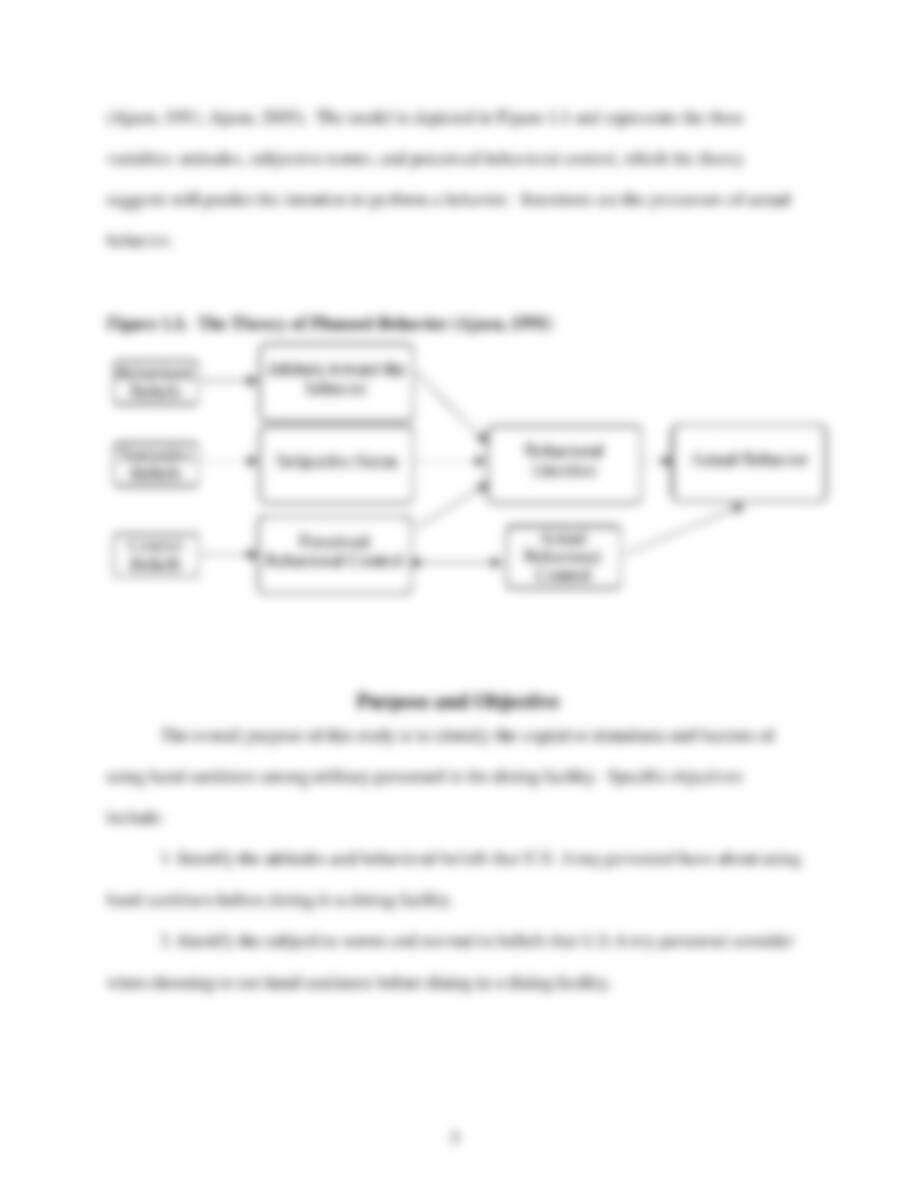
Figure 1.1. The Theory of Planned Behavior (Ajzen, 1991) ………………………………………………… 5
Figure 1.2. Hypotheses …………………………………………………………………………………………………… 6
Figure 2.1. The Theory of Planned Behavior (Ajzen, 1991) ………………………………………………. 23
Figure 3.1. Methodology……………………………………………………………………………………………….. 31
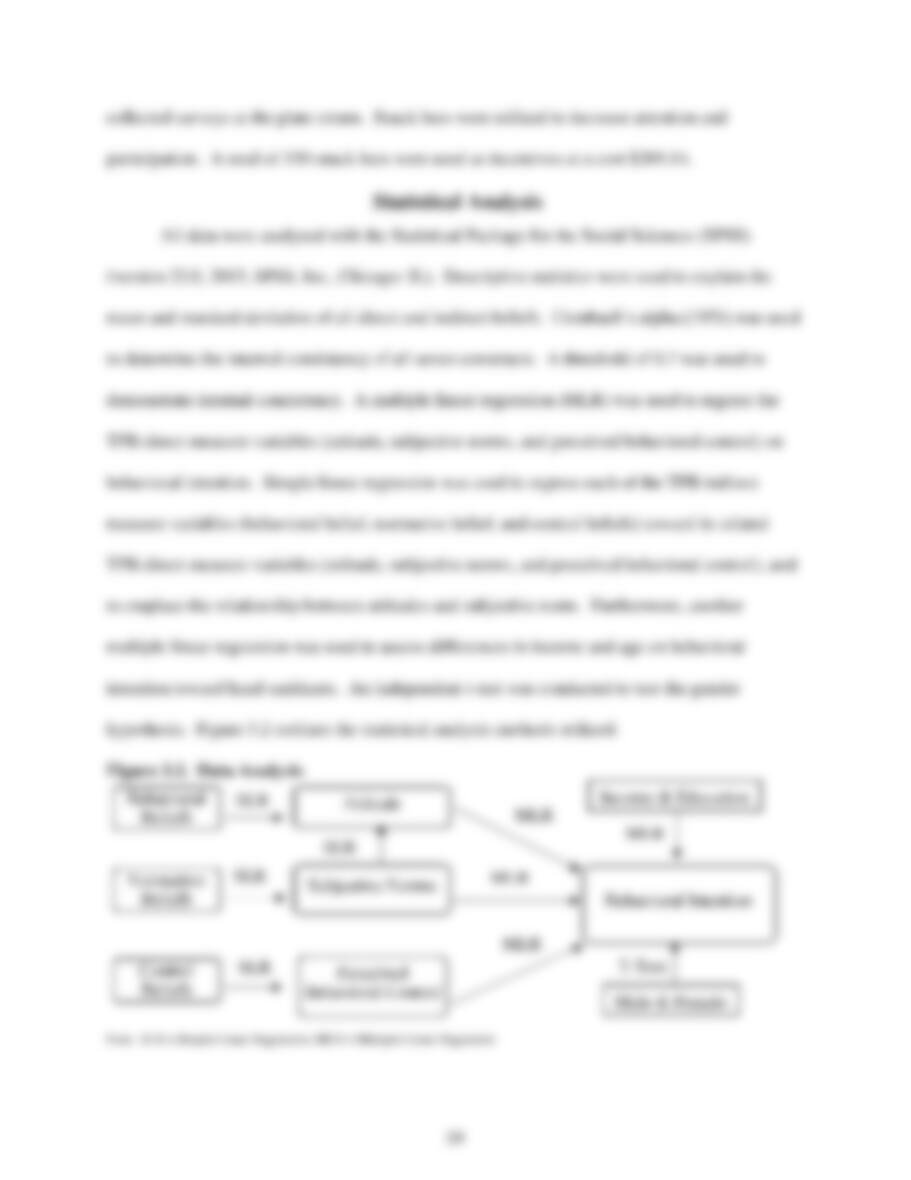
Figure 3.2. Data Analysis………………………………………………………………………………………………. 39
Figure 4.1. Multiple Regression of Hand Sanitizer Usage on Attitude, Subjective Norms,
Perceived Behavioral Control, and Behavioral Intention …………………………………………….. 60
ix
List of Tables
Table 2.1. In Vitro Antimicrobial Efficacy of Alcohol Gel Hand Sanitizer …………………………… 16
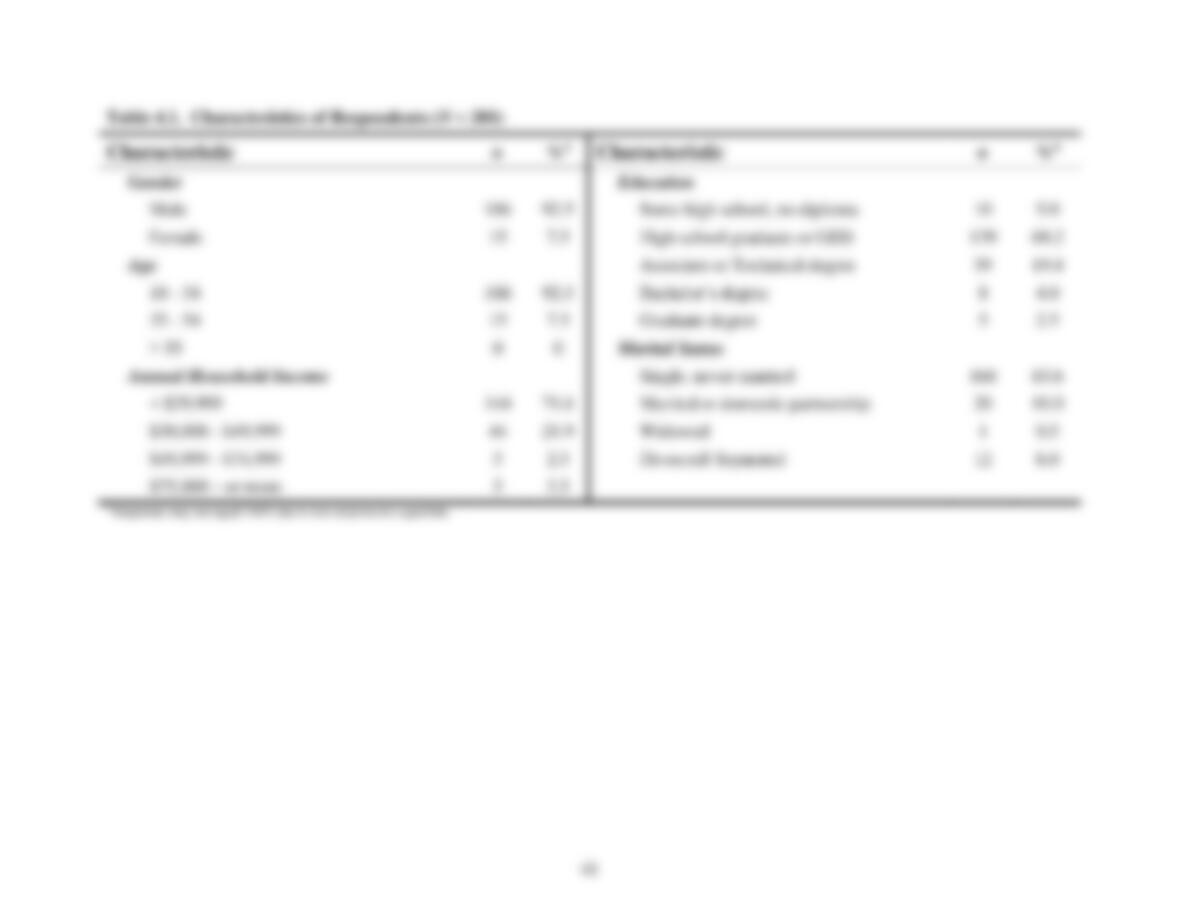
Table 4.1. Characteristics of Respondents (N = 201) ………………………………………………………… 41
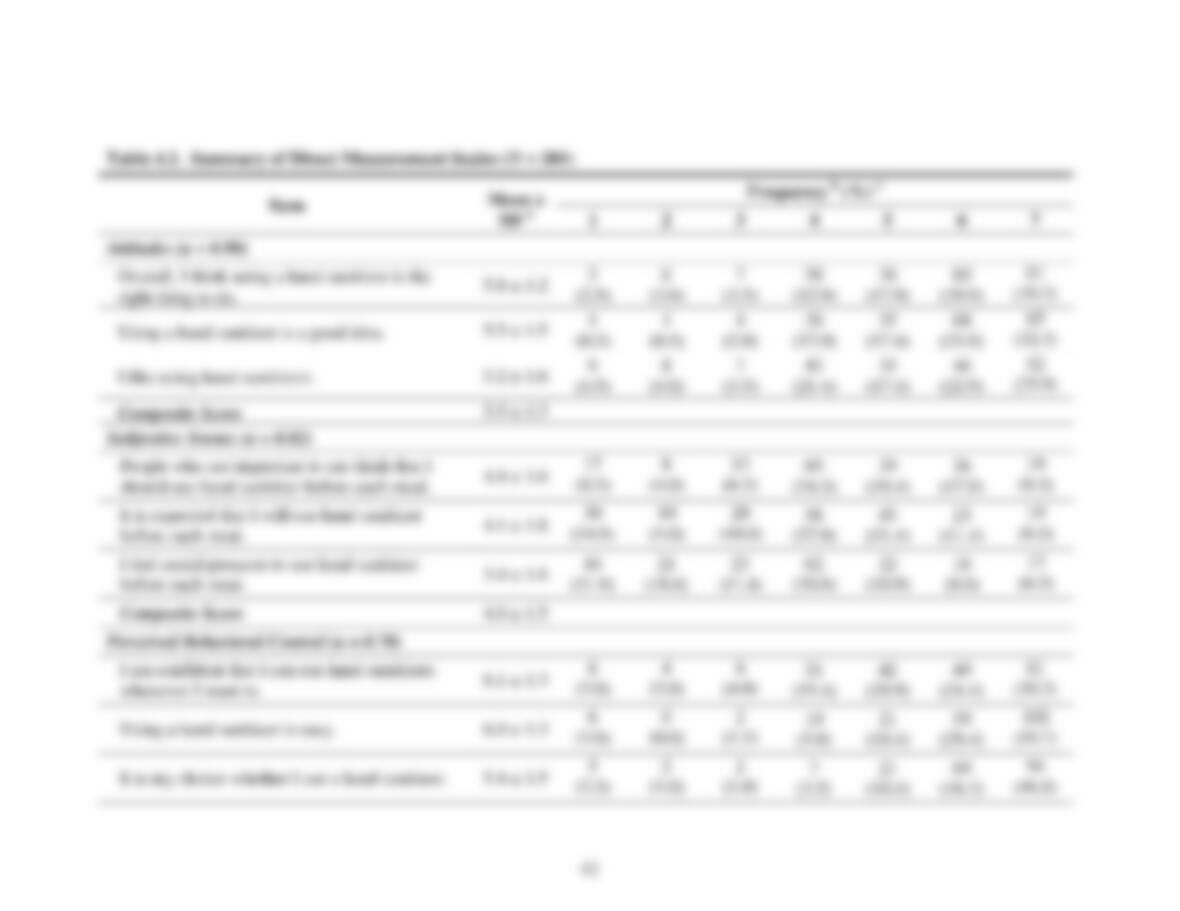
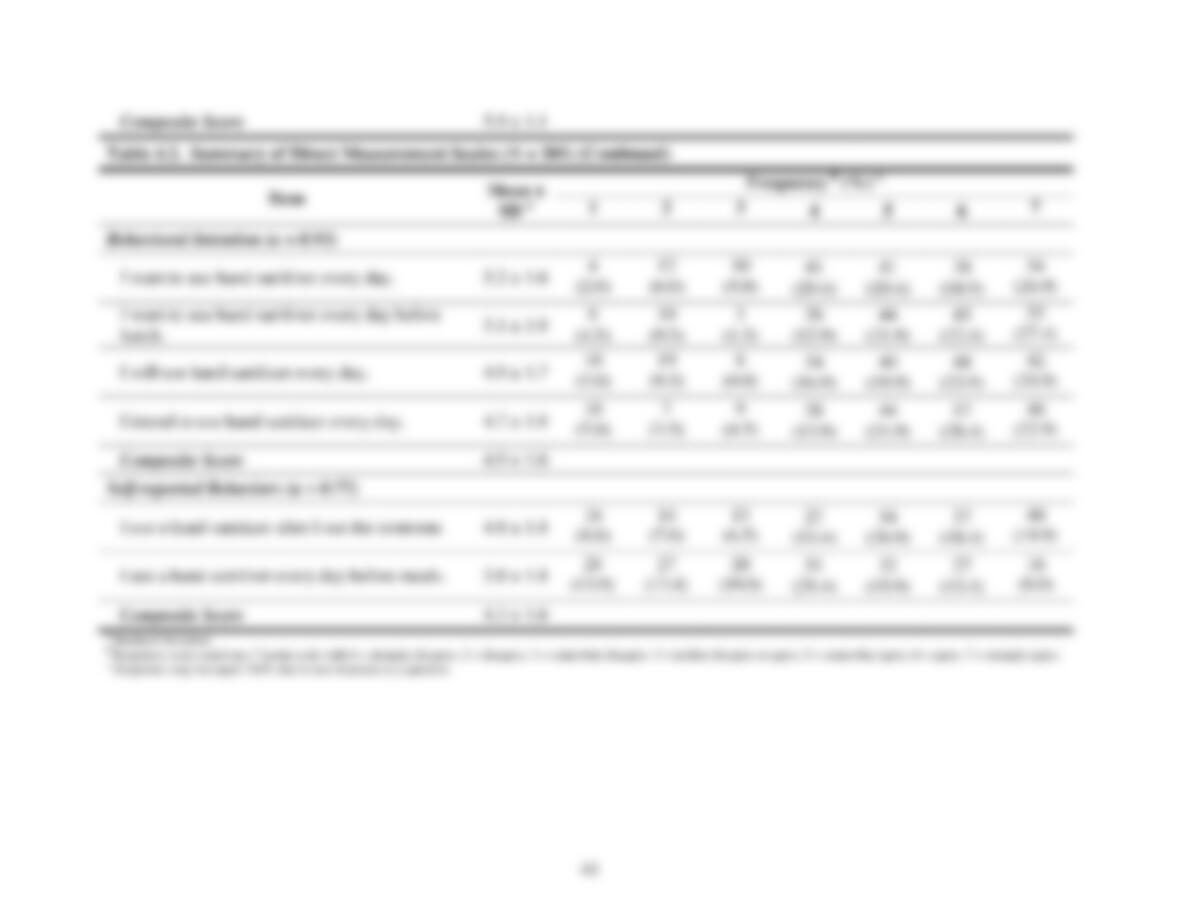
Table 4.2. Summary of Direct Measurement Scales (N = 201) …………………………………………… 43
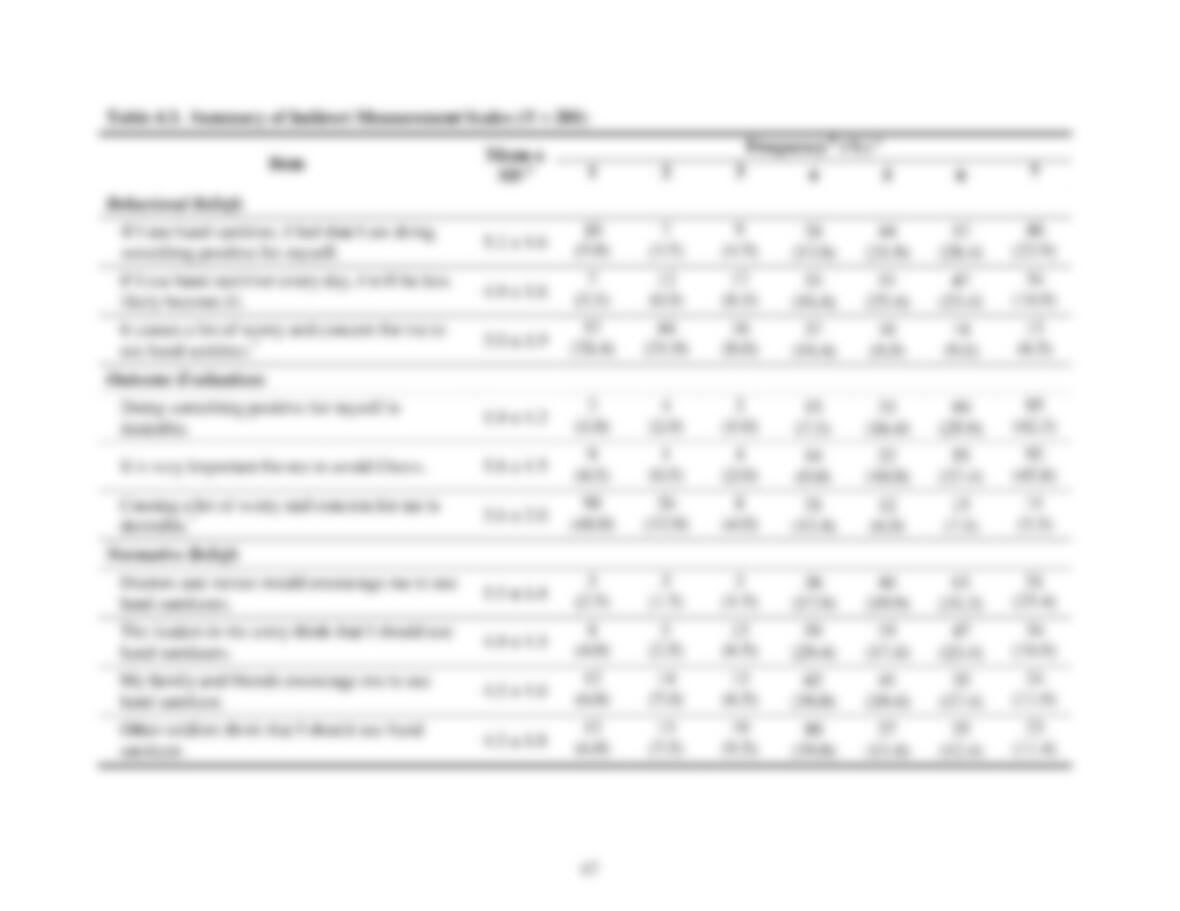
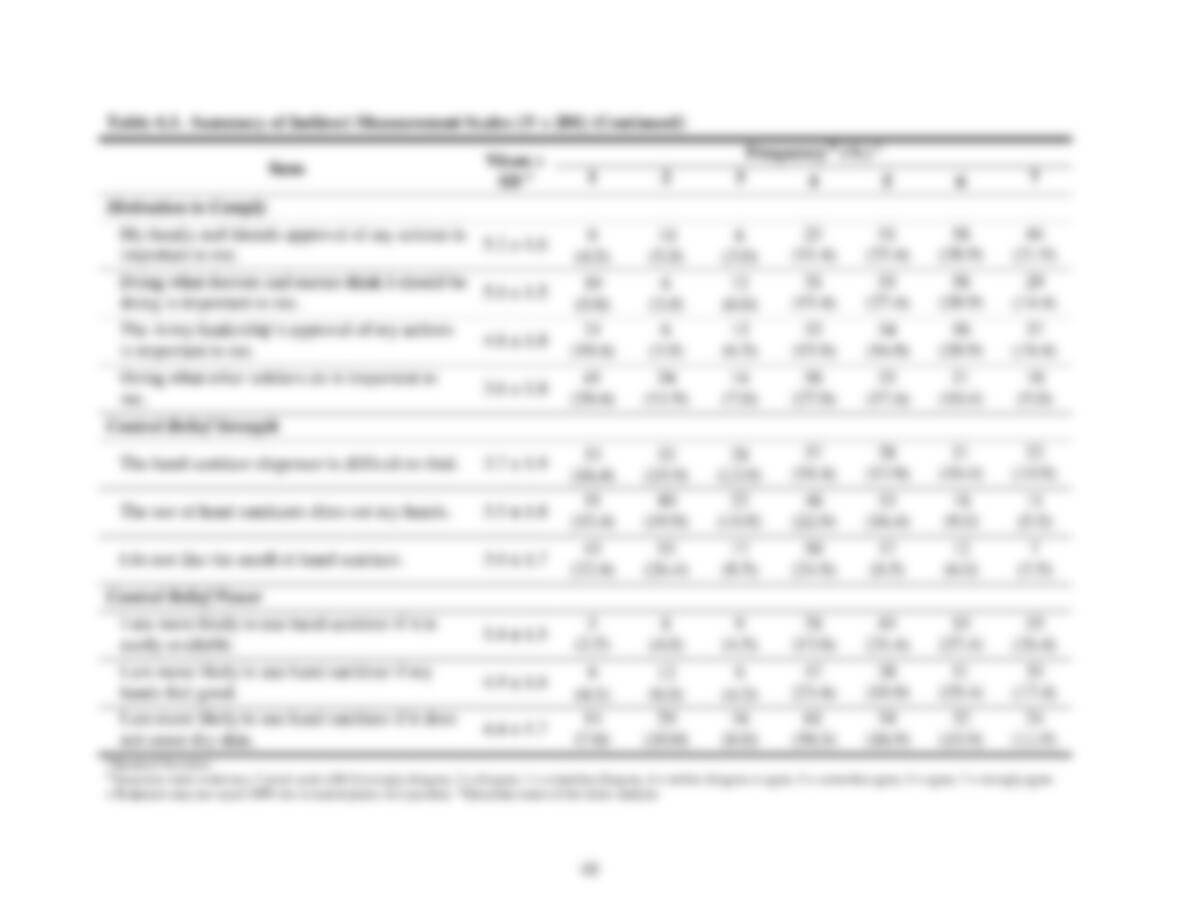
Table 4.3. Summary of Indirect Measurement Scales (N = 201)…………………………………………. 47
Table 4.4. Descriptive Summary of Belief Items (N = 201) ……………………………………………….. 50
Table 4.5. Factor Analysis of TPB Direct Measurement Scales (N = 201) …………………………… 52
Table 4.6. Factor Analysis of TPB Indirect Measurement Scales (N = 201)…………………………. 53
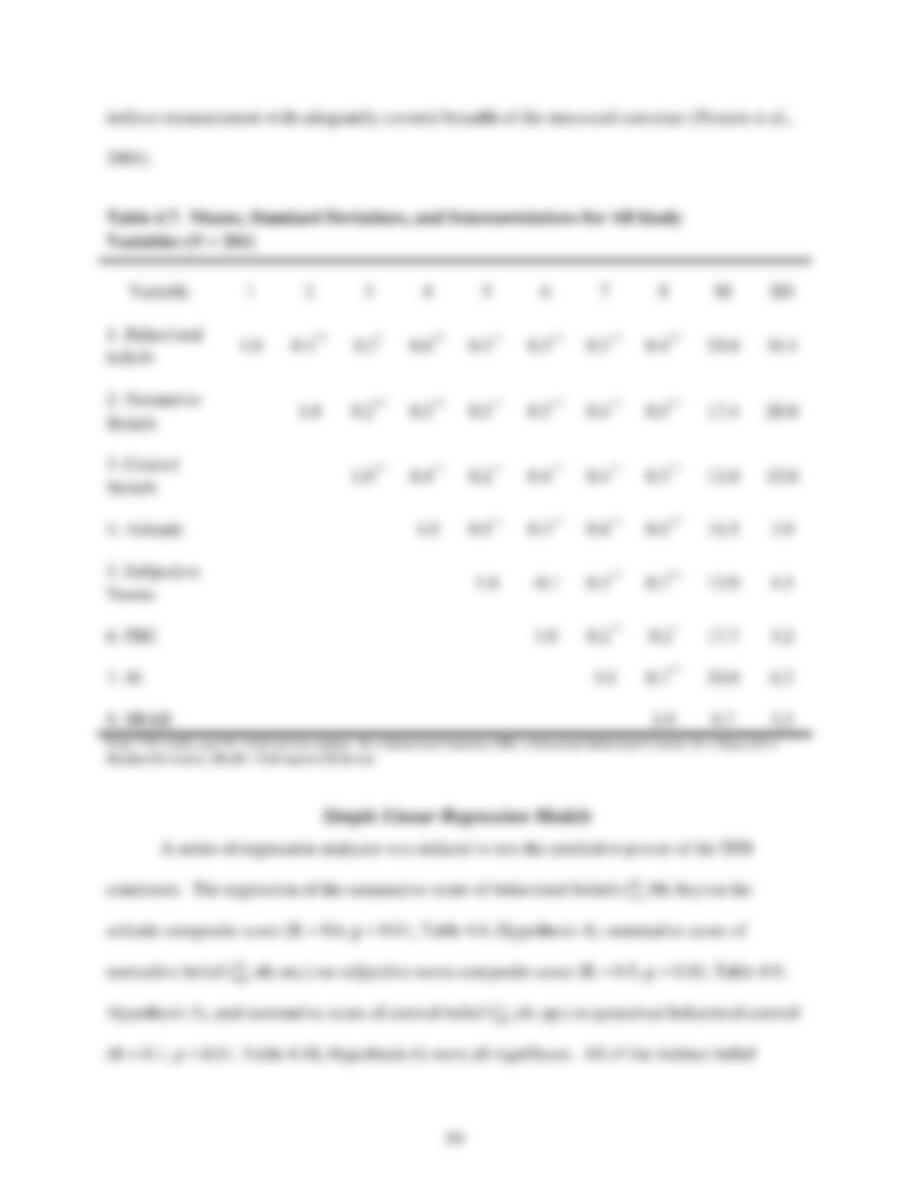
Table 4.7. Means, Standard Deviations, and Intercorrelations for All Study Variables (N = 201)
…………………………………………………………………………………………………………………………….. 54
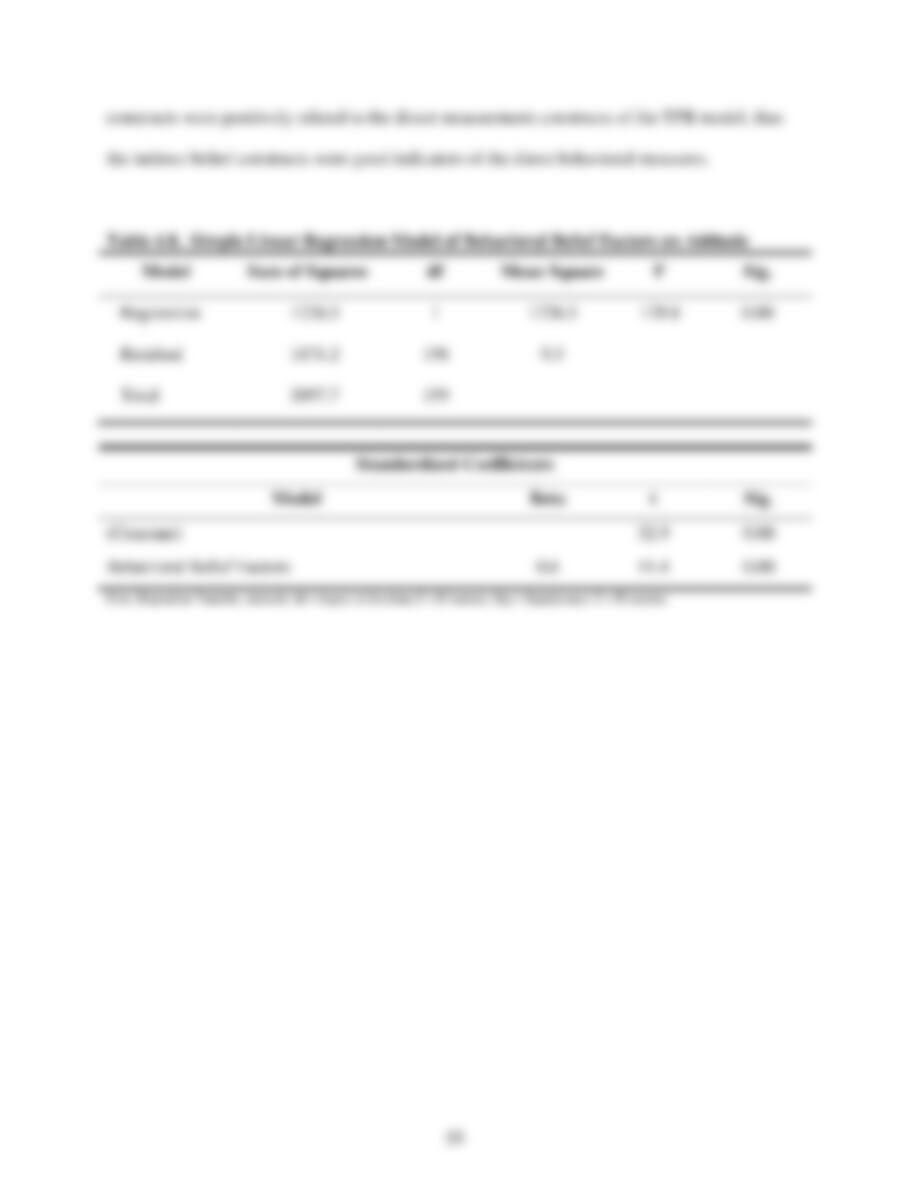
Table 4.8. Simple Linear Regression Model of Behavioral Belief Factors on Attitude ………….. 55
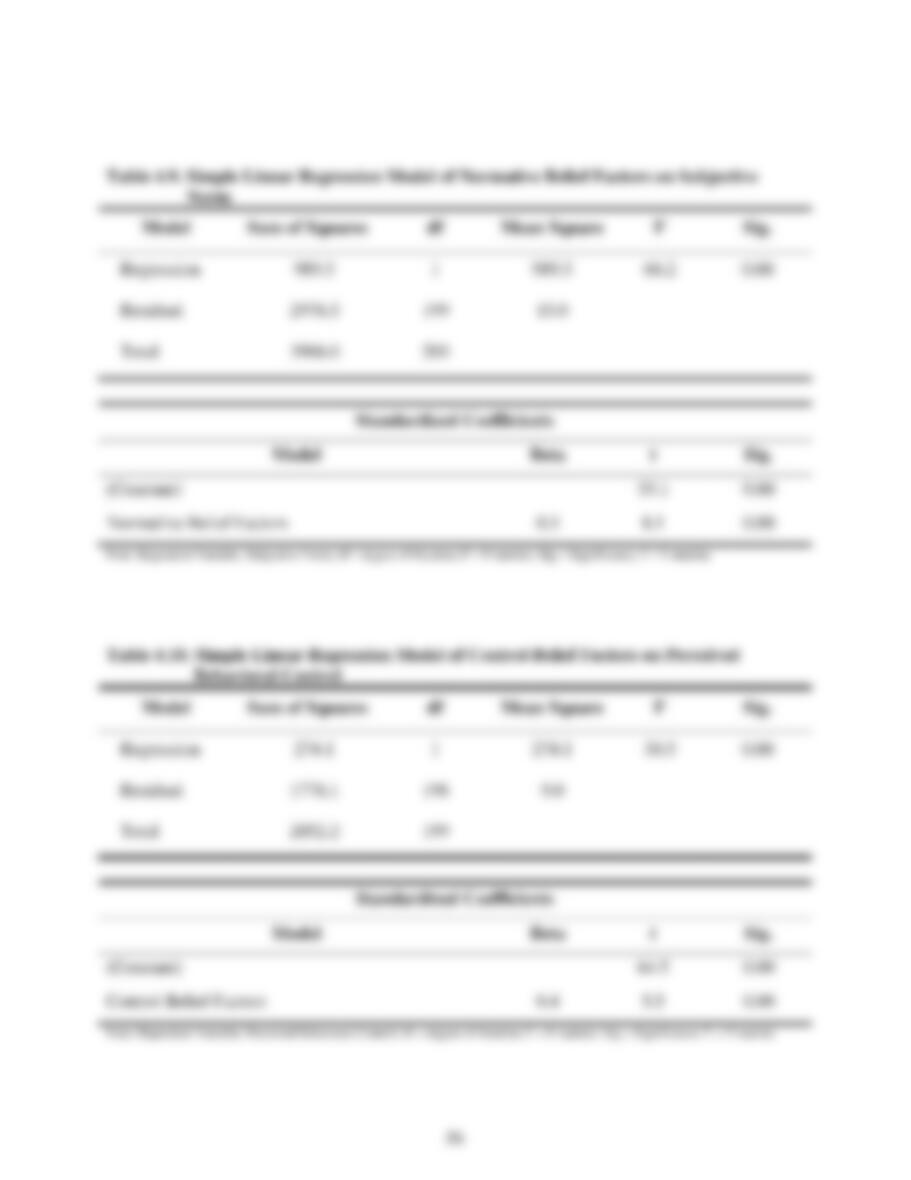
Table 4.9. Simple Linear Regression Model of Normative Belief Factors on Subjective Norm . 56
Table 4.10. Simple Linear Regression Model of Control Belief Factors on Perceived Behavioral
Control …………………………..…………………………………………………………………………………….. 56
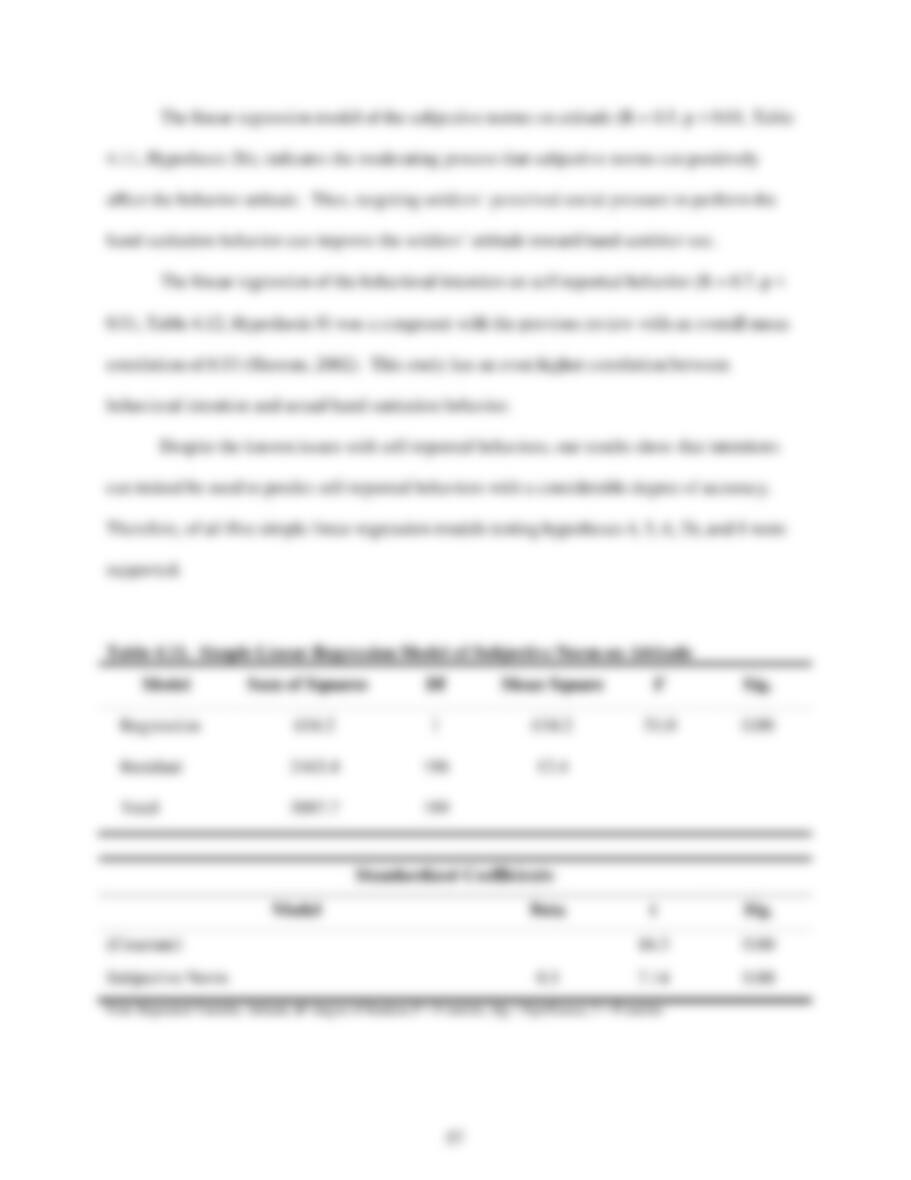
Table 4.11. Simple Linear Regression Model of Subjective Norm on Attitude …………………….. 57
Table 4.12. Simple Linear Regression Model of Behavioral Intention on Self-reported Behavior
…………………………………………………………………………………………………………………………….. 58
Table 4.13. Multiple Regression Model for Predicting Behavioral Intention Based on Direct
Measures ………………………………………………………………………………………………………………. 59
Table 5.1. Results of Hypotheses Testing …………………………………………………………………………. 62
x
Acknowledgements
First I would like to thank my lord and savior, Jesus Christ, for without his love and
guidance I could not have accomplished this project. I would like to thank several people the
lord placed in my life who provided invaluable assistance to me during this research.
Thank you to the following people:
Kevin R. Roberts, Ph.D., Kansas State University, for his patient guidance, valuable
suggestions and enlightening comments during the period of my master programs in Kansas
State University. His profound knowledge in food safety and applied social psychology has
benefited me a lot. Working with him has always been an enjoyable and rewarding experience.
This thesis would not be accomplished without his help.
Haijing Lin, for always being there when I needed, for her everlasting affection and
support, for her patience and encouragement, for helping us get through the difficult times. If it
wasn’t for her love, I would have never finished this thesis.
Elizabeth B. Barrett, Ph.D., RD, Kansas State University, for her personal
encouragement, time and effort to reading my work.
Jeannie Sneed, Ph.D., RD, Kansas State University, for her expertise and valuable
suggestions to my work.
Junwei Lin and Xiu Xu, my parents, for all their love and support throughout this project.
Shawn Lin, for just being there.
I would also like to thank all the HM graduate students at Kansas State (especially,
Xiaoye Li, Yue Yang, Chenwei Tao and Basem Boutros) for helping me with data collection and
giving me the opportunity to grow and learn from them in all aspects of my master’s program.
xi
Dedication
I would like to dedicate this special research project to Specialist James Michael Murphy
(1989-2013) who always was a benevolent co-worker, a trustworthy comrade and a closest
friend, who has paid the ultimate sacrifice to ensure our freedom. So this will be remembered.
Chapter 1 – INTRODUCTION
Waterless hand sanitizers can effectively kill most organisms that cause acute illness
(Girou, Loyeau, Legrand, Oppein, & Brun-Buisson, 2002), an important cause of lost duty time
among military personnel. Absenteeism due to common infectious diseases, particularly
respiratory and gastrointestinal infections, is a major problem in the military (Trivedi, Schlett,
Triblle, Monteville, Sanders & Riddle, 2011). In 2007, the Centers for Disease Control and
Prevention (CDC, 2009) estimated that approximately 628 million workdays are lost annually
due to the common cold alone. On average, enlisted soldiers are absent from training four days
per year and female soldiers are absent six days per year due to illness (Olsen, MacKinnon,
Goulding, Bean, & Slutsker, 2000). Soldier and officer absenteeism due to illness significantly
increases administration and healthcare expenditures and interferes with training, unit
cohesiveness, and efficiency (Soltis, Sanders, Putnam, Triblle, & Riddle, 2009).