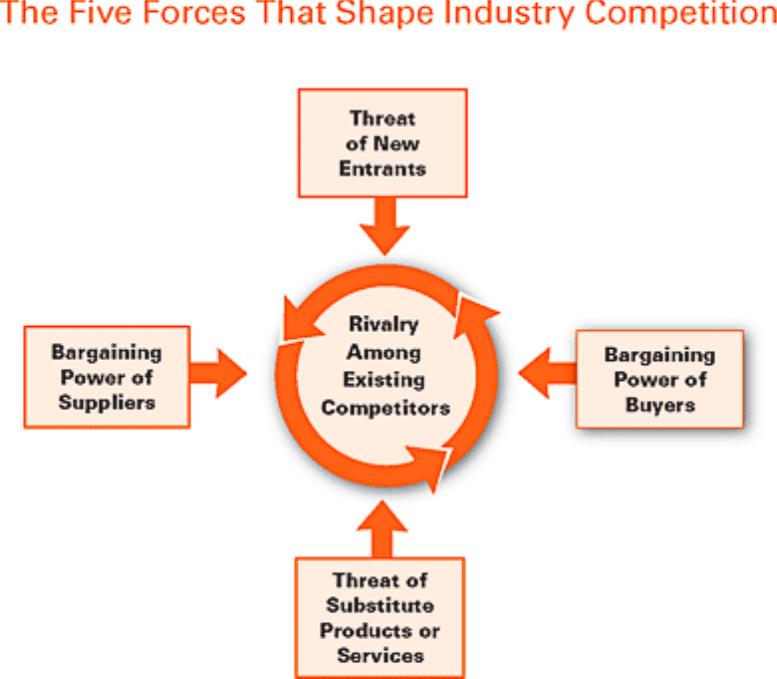
Porter Five forces Analysis
LEGO is a company with several products that will rate dierently in each of the forces of the
Porter’s five forces analysis. In order to do this analysis, we have to consider the situa on of the
company as a whole, making generaliza ons for the purpose of the study and taking into
account that LEGO focuses in the entertainment of children based on its vision to “inspire and
develop children to think crea vely, reason systema cally and release their poten al.”

The threat of new entrants
The threat of new entrants refers to new comers to the market and diversifying companies that
may want a piece of the exis ng market in this case threat is significantly high (Thomas, M.
2014). The costs of developing a video game aimed for kids are very low and could take away a
considerable market share. Producing toys to sell at the local shop is not very capital intensive,
even imitate the product in some countries without intellectual property protec on is rela vely
easy. S ll, to become a worthy rival of LEGO there is a lot work that needs to be done.
LEGO has highly sophis cated logis cs in place, access to distribu on channels, and benefits
from economies of scale by having an award winning supply chain (Nielsen, E. 2010).
Furthermore, LEGO may leverage their strong experience, brand equity, and brand image (top
91 most valuable brand in the world1) .Other compara ve advantages LEGO has develop
throughout the years include the intellectual property of licenses such as Pirates of the
Caribbean (Hollensen S. 2013) .In addi on, we can see that LEGO possess brand loyalty which
includes not only network eects, but even a legacy, since its products have been used by
dierent genera ons.
But s ll there is a big danger of other big companies such as HASBRO or MATTEL diversifying,
and tacking the construc on toy segment, and other segments as video games for children.
Therefore the threat of entry is considered to be high.
1 According to FORBES in h;p://www.forbes.com/powerful-brands/list/
The power of suppliers.
The power of suppliers is very low, LEGO focuses to work closely on building strong rela onships
with their suppliers (Husted, P. 2009), and their main suppliers are for raw material.
In the case of LEGO’s bricks products, they are also in charge of their basic manufacturing, their
suppliers are mostly for raw plas c material known as ABS, a very compe ve chemical market
that has driven LEGO to impose code of conduct to their suppliers (Fedders and Villadsen,
2013).
Acknowledging that: Raw materials are not highly dieren ated, that suppliers cannot integrate
into the sector as compe tors, that there are plenty of subs tutes and therefore switching
suppliers is not costly, and that rela onship with suppliers is strong. Hence, the bargain power