Durim Koci
ICPH-305
The Pop Art Movement and Andy Warhol
The most popular form of art consumed in America in the 1950’s was Abstract
Expressionism, which is described as “an arcane non–figurative form of painting”. Like many of
the previous significant art styles throughout the centuries before, pop-art came as a reaction
against the norm of society or status quo. The term “pop–art” was coined by British curator
Lawrence Alloway in 1955 and is characterized by its use of consumerism and popular culture in
its imagery. It literally became the new form of “popular” art. The movement initially began in
London in the early 1950’s and would quickly come to New York. New York artists: Andy
Warhol, Roy Lichtenstein, James Rosenquist and Claes Oldenburg quickly came to the forefront
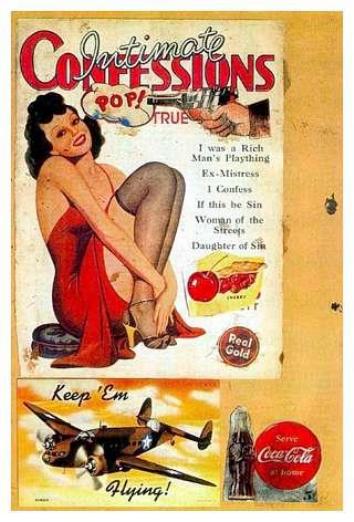
of the movement but Eduardo Paolozzi created the first piece of art that contained the word
“pop” in his 1947 collage titled, I Was a Rich Man’s Plaything. Since then, pop-art has been
characterized as bold, simple, everyday imagery while it
uses vibrant colors schemes and emphasizes elements
from contemporary culture. It’s considered the first form
of art that incorporated popular images from film and
television while also using photos of celebrities,
advertisements, and comic strips. Some consider that
the pop-art and Neo-Dada movements mark the start of
the post-modernist movement or symbolizes the
transition between modernism and post-modernism.
New York City in the 1950’s consisted of artists who were unsure if they were to stick
with the current Abstract Expressionist movement or “rebel against the strict formalism
advocated by many schools of modernism”(Wolf). Artist Jasper Johns created abstract paintings
while including “things the mind already knows” like targets, flags, handprints, letters and
numbers while Robert Rauschenberg incorporated found objects and images with traditional
materials, like oil paint. Along with others who incorporated aspects from the world that
surrounds them into their art, this era of artists is known as the Neo–Dada movement. “The
now classic New York Pop art of Roy Lichtenstein, Claes Oldenburg, James Rosenquist, and Andy
Warhol emerged in the 1960’s in the footsteps of the Neo-Dadaists” (Wolf). Neo-Dadaists and
Pop-Artists would help transcend our society into the movement of post-modernism,
characterized by the Britannica Encyclopedia as “broad skepticism, subjectivism, or relativism; a