Strategic Capacity
Planning for Products
and Services
Gerlyn Bonus
Agnes Regala
Roselyn Pudao
Mary Grace Ibanez
Matex Carillo
BSBA. Management
Prof. Joey Acuῆa

Capacity
Capacity is the upper limit or ceiling on the
load that an operating unit can handle.
Capacity also includes:
Equipment
Space
Employee skill
•The basic questions in capacity handling are:
–What kind of capacity is needed?
–How much is needed?
–When is it needed?

Design capacity
maximum output rate or service capacity an
operation, process, or facility is designed for.
Effective capacity
Design capacity minus allowances such as
personal time, maintenance, and scrap.
Actual output
rate of output actually achieved–cannot
exceed effective capacity.
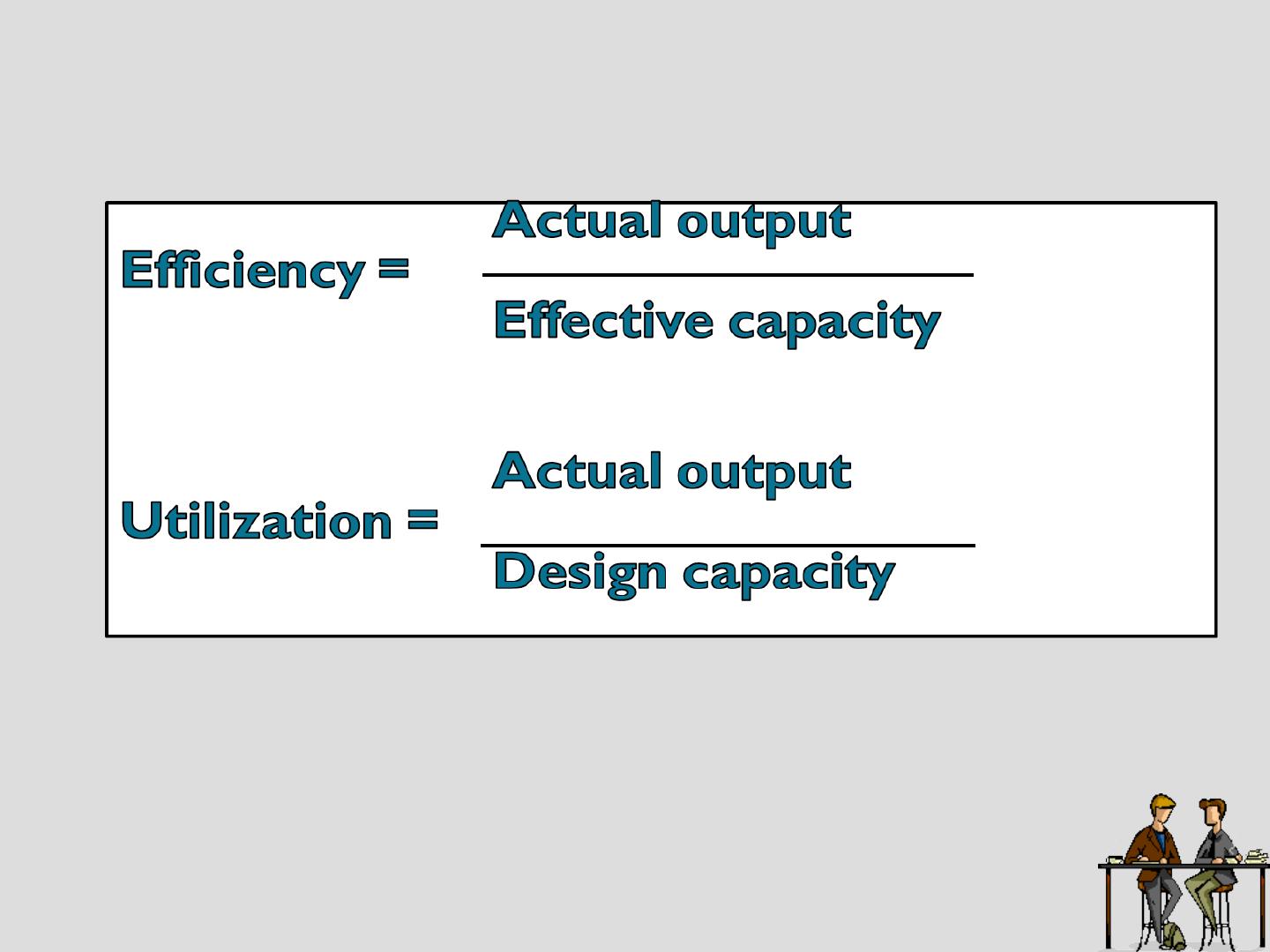
Efficiency and Utilization
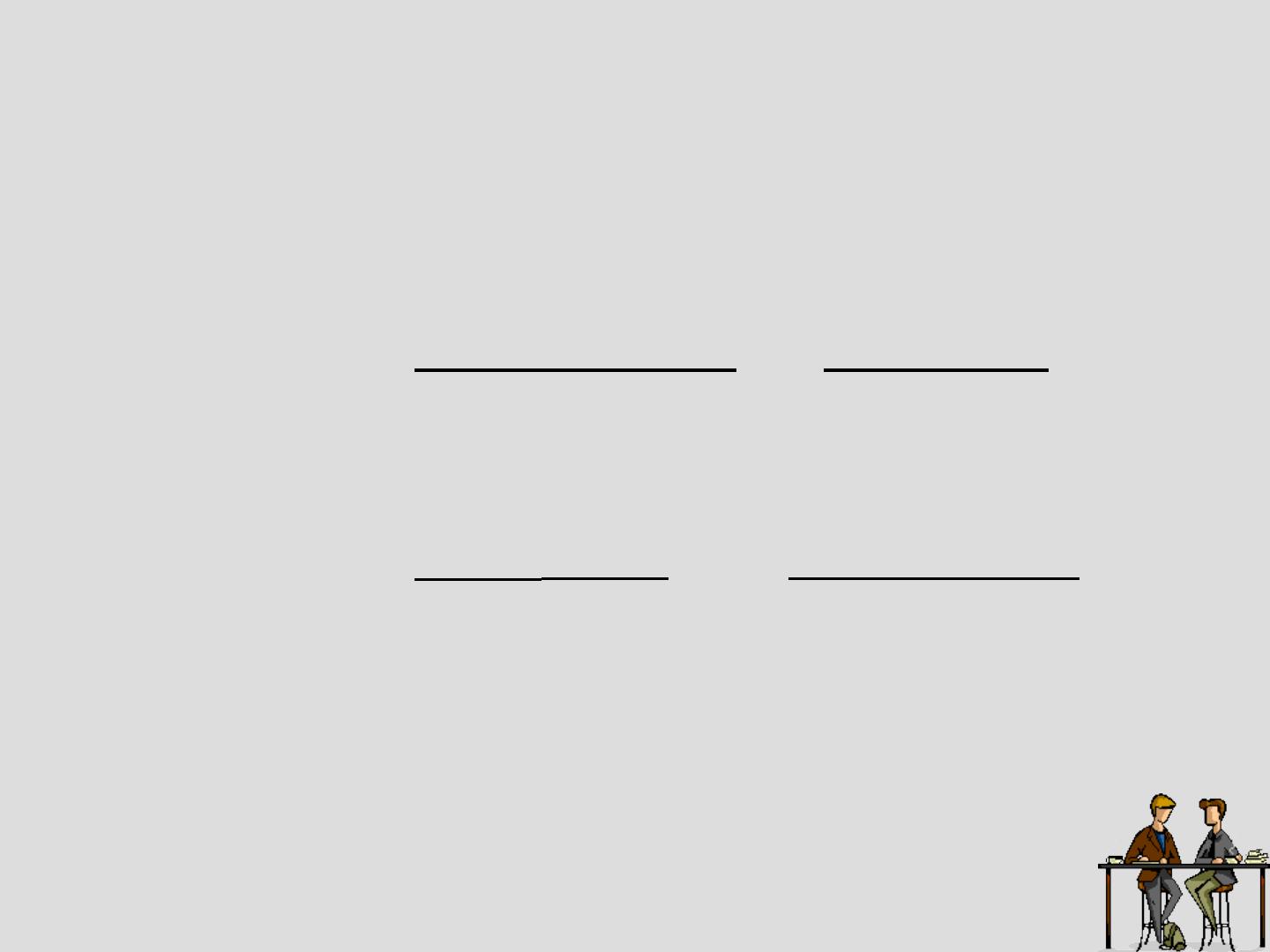
Design capacity = 50 trucks/day
Effective capacity = 40 trucks/day
Actual output = 36 units/day
Actual output = 36 units/day
Efficiency = = 90%
Effective capacity 40 units/ day
Utilization = Actual output = 36 units/day
= 72%
Design capacity 50 units/day

Determinants of Effective Capacity
FACILITIES
The design of facilities, including size and provision
for expansion, is key.
Locational factors, such as transportation costs,
distance to market, labor supply, energy sources and
room for expansion are also important.
Likewise, layout of the work area and environmental
factors also play a significant role.
PRODUCT AND SERVICE FACTORS
Product and service design can have a tremendous
influence on capacity.
The more uniform the output, the more
opportunities there are for standardization of
methods and materials.